Summary of the above video:
I. Executive Summary
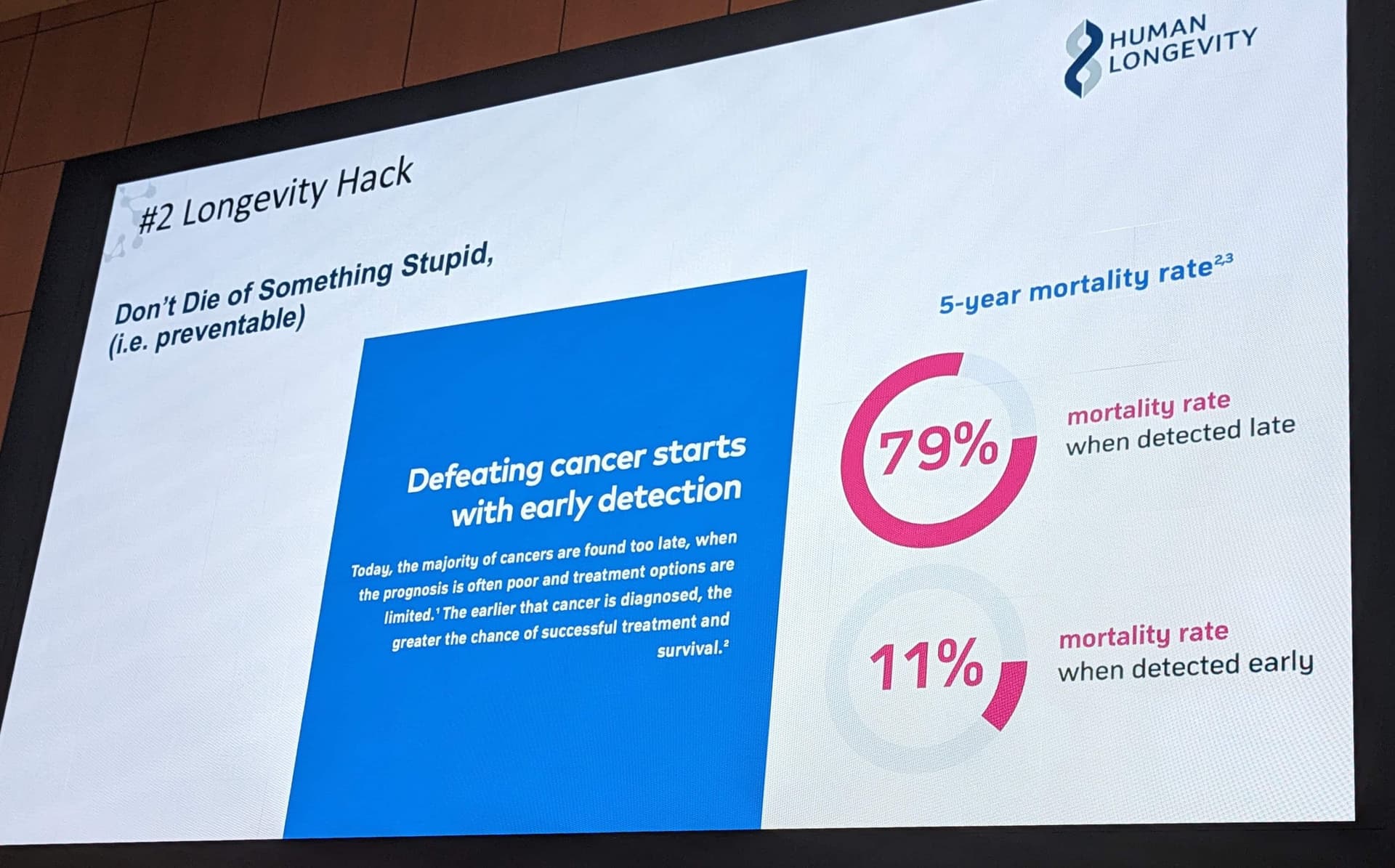
The presented video, authored by Jeff Nelson of VegSource, delivers a critical deconstruction of direct-to-consumer (DTC) multi-modal longevity screening paradigms. The primary thesis argues that broad diagnostic scans, whole-genome sequencing (WGS), and non-targeted laboratory panels deployed on asymptomatic individuals represent low-value, high-risk clinical interventions that mistake disease detection for primary prevention. Drawing on commentary from an episode of Viva Longevity (hosted by Chris, a septuagenarian client of Human Longevity, Inc.), Nelson systematically dismantles the presumption that aggressive early detection inevitably improves survival or quality of life.
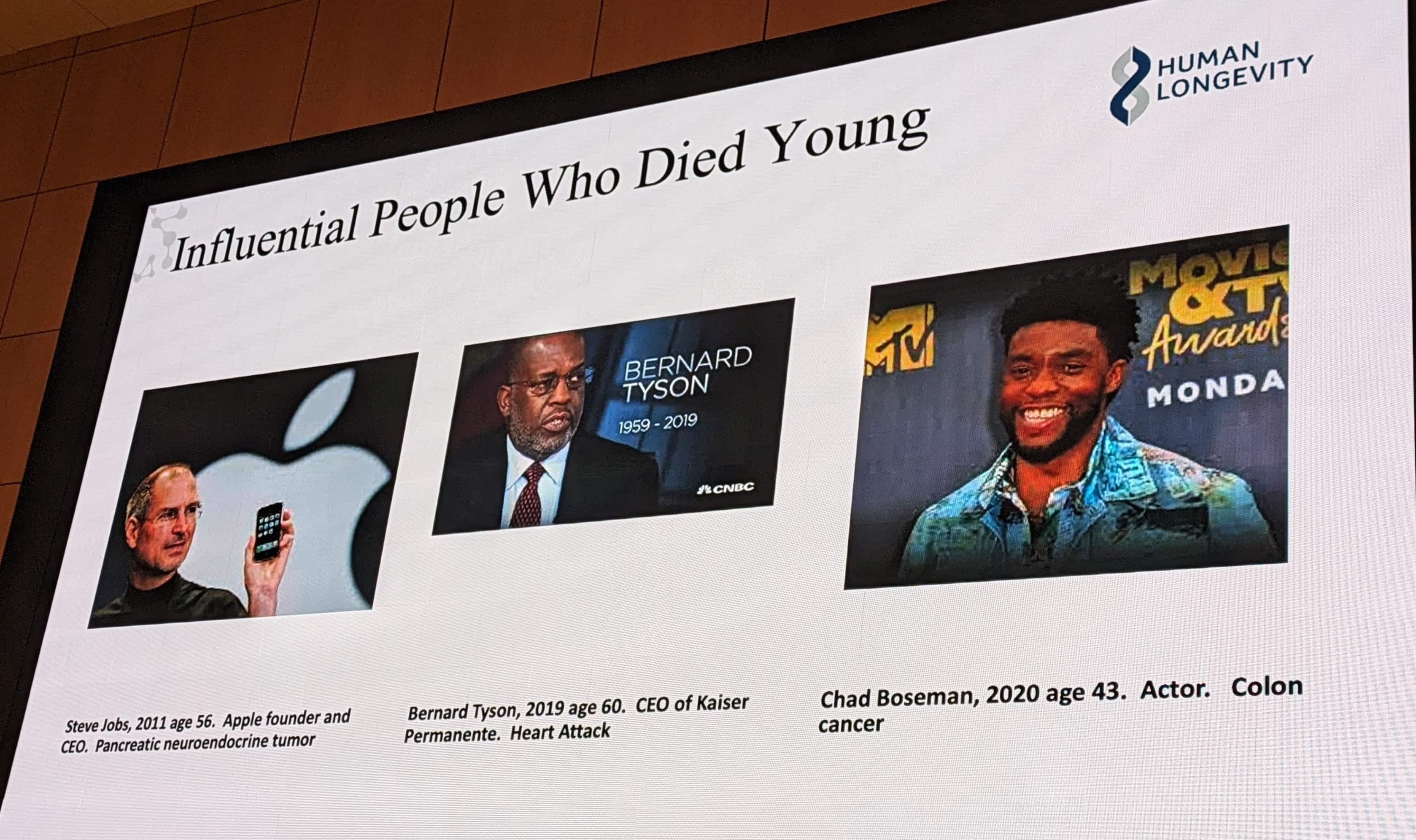
The central arguments rest upon established epidemiological principles: lead-time bias, length-time bias, and the initiation of unvalidated clinical diagnostic cascades. Nelson uses the historical case of Steve Jobs’ pancreatic neuroendocrine tumor (pNET) to challenge the narrative that early discovery plus immediate intervention equates to a guaranteed cure, highlighting oncological consensus that systemic micrometastases frequently predate macroscopic imaging detection.
Turning to modern multi-parametric screening (full-body MRI, low-dose CT, DEXA, WGS, and biomarker panels), the presenter highlights the high frequency of incidentalomas—indeterminant or benign findings occurring in approximately 30% or more of asymptomatic cohorts. These findings prompt invasive downstream investigations (e.g., core needle biopsies, exploratory procedures) carrying documented iatrogenic risks, including hemorrhage, pneumothorax, and chronic morbidity.
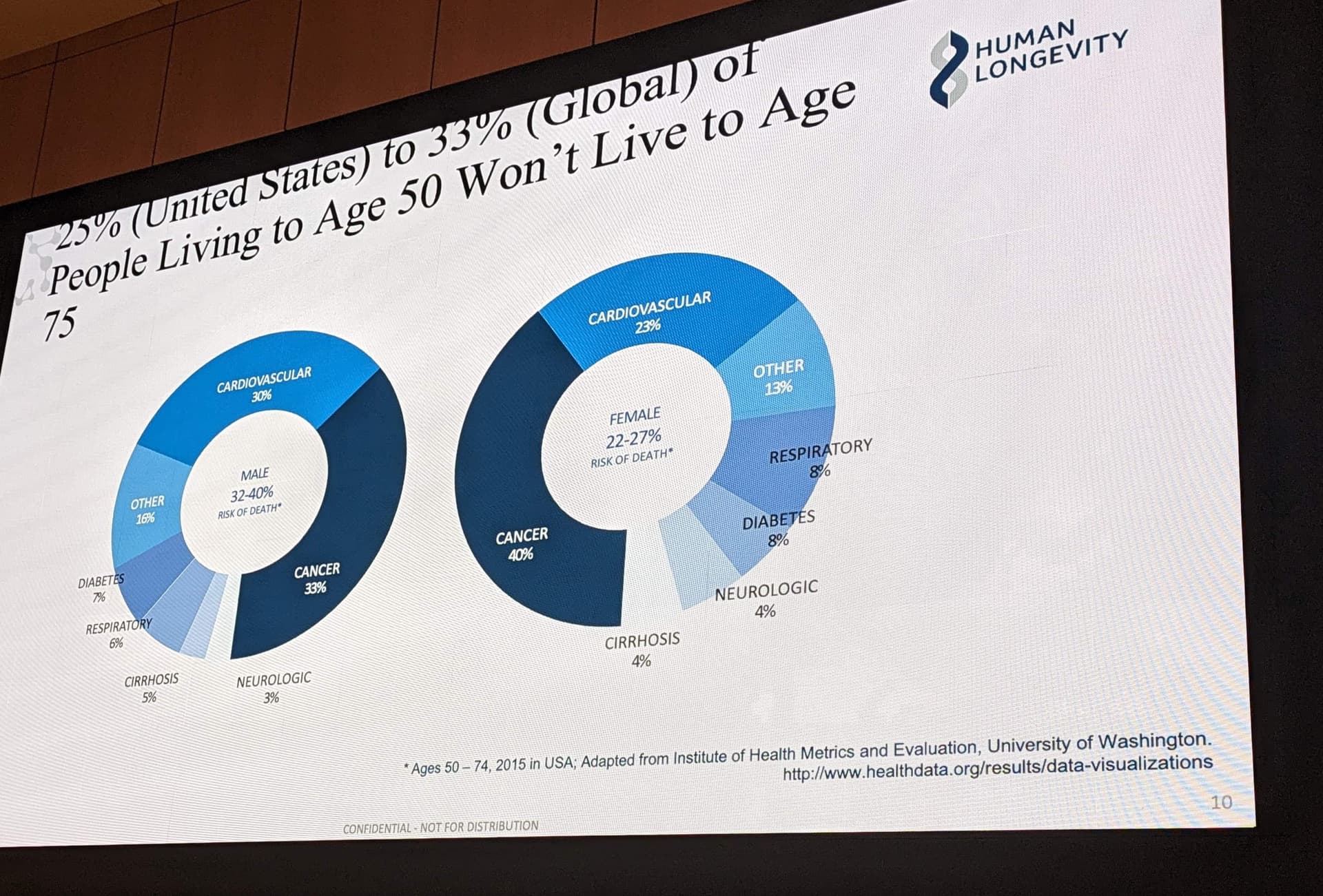
Nelson presents population-level data on prostate-specific antigen (PSA) screening from the U.S. Preventive Services Task Force (USPSTF) to quantify the unfavorable risk-benefit asymmetry in men aged 55 to 69, noting an overdiagnosis rate of 20% to 50% and severe functional sequelae (erectile dysfunction, urinary incontinence) against an absolute mortality benefit of roughly 1.3 deaths prevented per 1,000 men screened over 13 years.
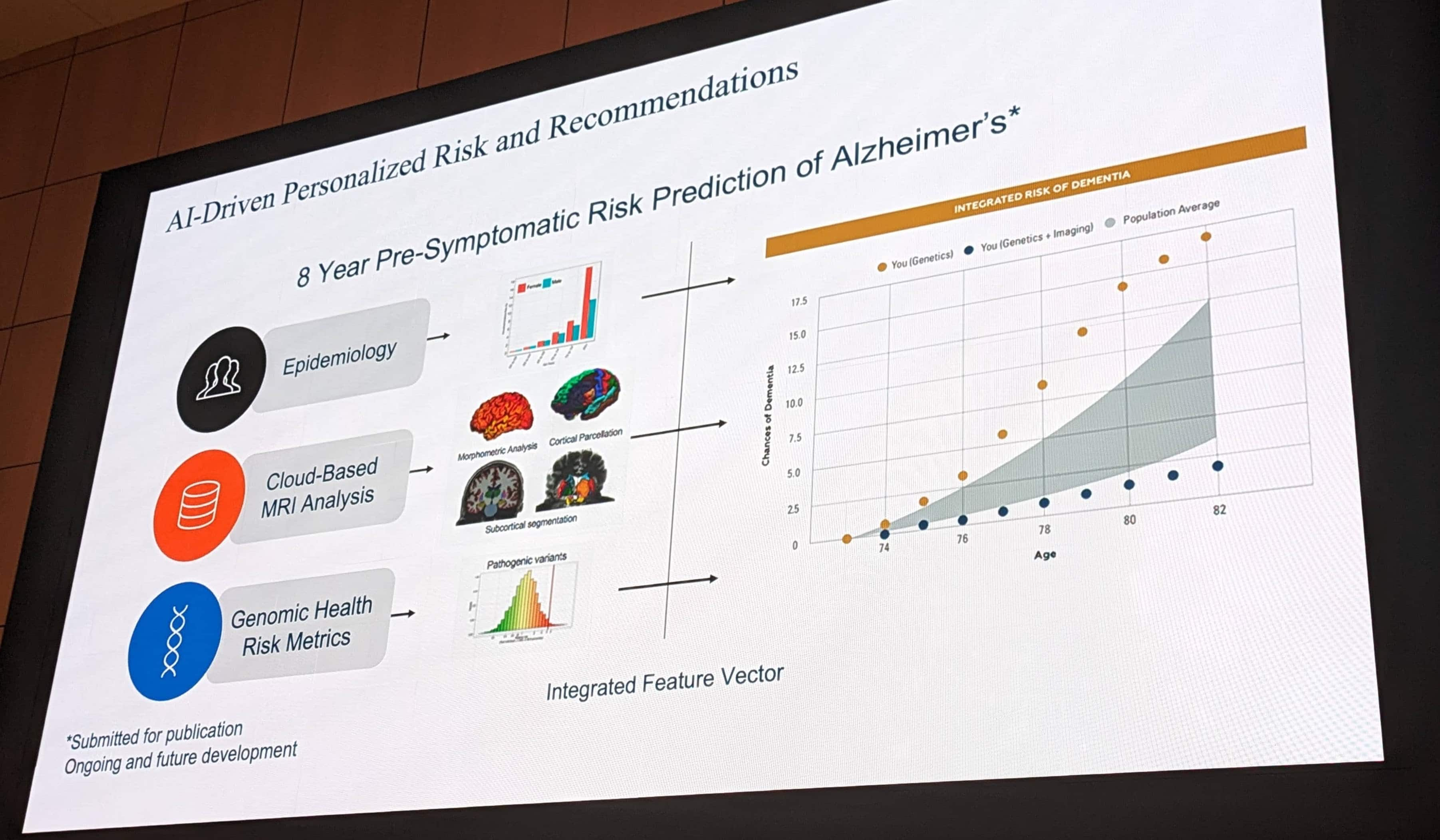
Furthermore, the author critiques polygenic risk scores (PRSs) for late-onset complex conditions (e.g., schizophrenia, multiple sclerosis) in individuals over 70, arguing that high percentile genomic risk confers low clinical utility and induces psychological distress when disconnected from actionable therapeutic targets. Nelson concludes that primary preventive efficacy resides in foundational lifestyle interventions (dietary optimization, physical activity, vascular risk management, smoking cessation, sleep hygiene) rather than high-cost diagnostic surveillance that monetizes the health anxiety of the “worried well.”
II. Insight Bullets
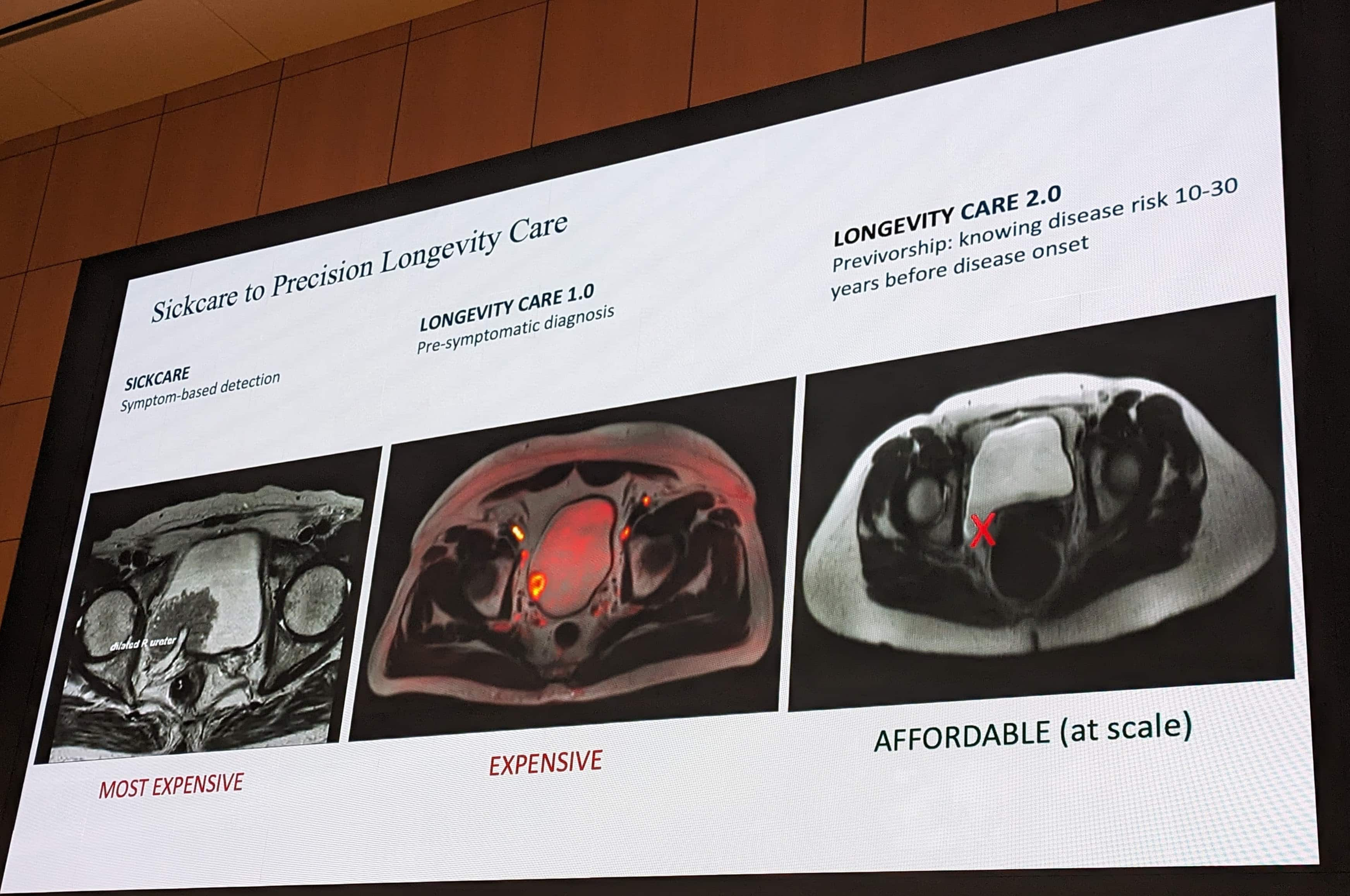
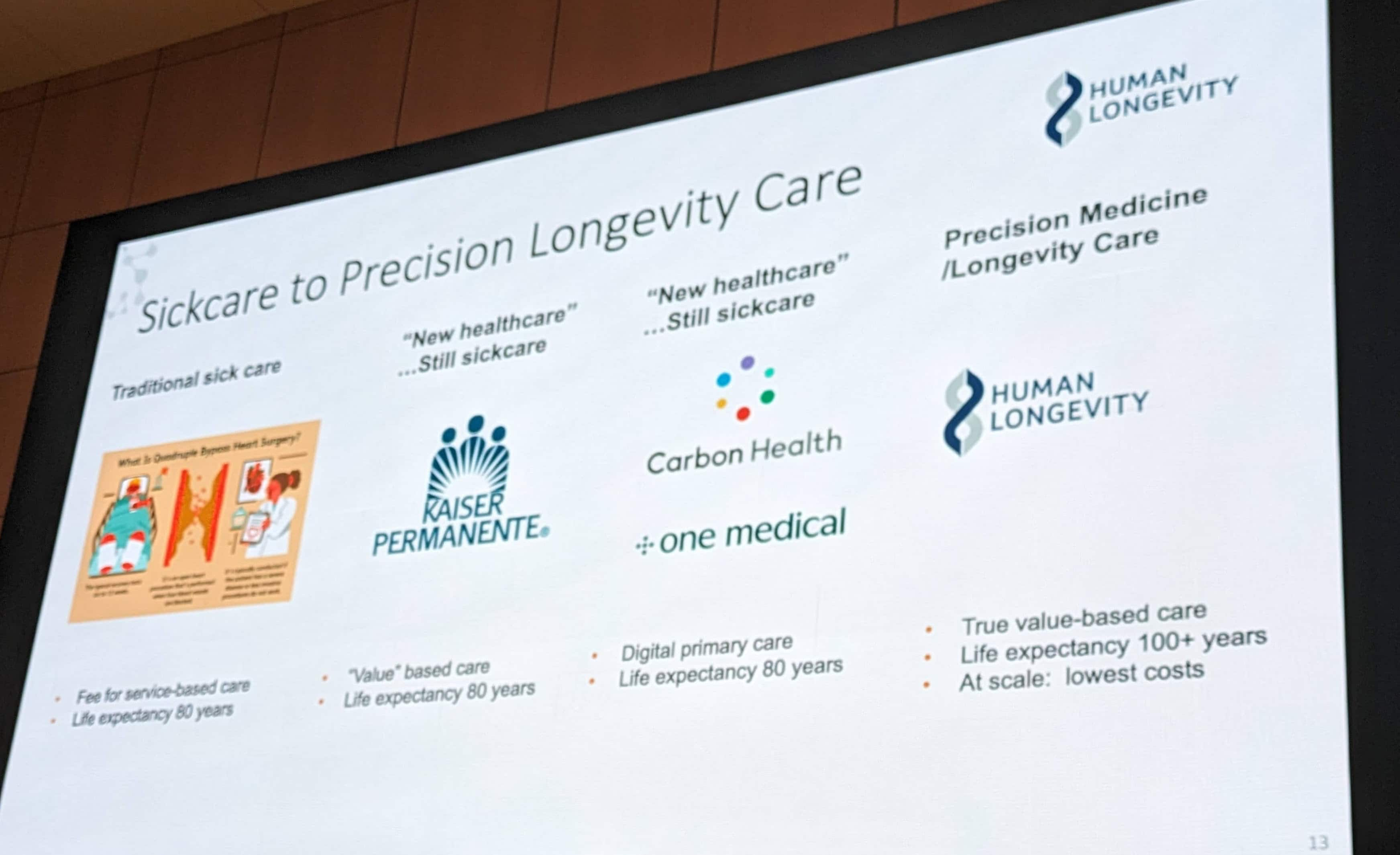
- An emerging sector of commercial longevity clinics sells comprehensive screening panels costing thousands of dollars to completely asymptomatic individuals under the premise of pre-symptomatic disease interception.
- Proactive disease detection using structural imaging fundamentally differs from true primary prevention, which prevents disease initiation by modifying underlying pathophysiology.
- The historical narrative surrounding Steve Jobs’ pancreatic neuroendocrine tumor oversimplifies cancer biology by attributing his death entirely to a nine-month surgical delay rather than early micrometastatic dissemination.
- Pancreatic neuroendocrine tumors exhibit indolent growth rates compared to ductal adenocarcinomas, meaning metastatic seedings in the liver may have occurred years prior to initial incidental identification on an abdominal CT scan.
- Oncologist David Gorski noted that given the biological trajectory of Steve Jobs’ malignancy, liver micrometastases were almost certainly established before his primary diagnostic resection.
- Physician John McDougall argued that surgical intervention in 2003 could not deliver curative intent because systemic spread had already occurred long before macroscopic radiological visibility.
- Lead-time bias creates the statistical illusion of improved post-diagnosis survival time without extending the chronological lifespan of the patient.
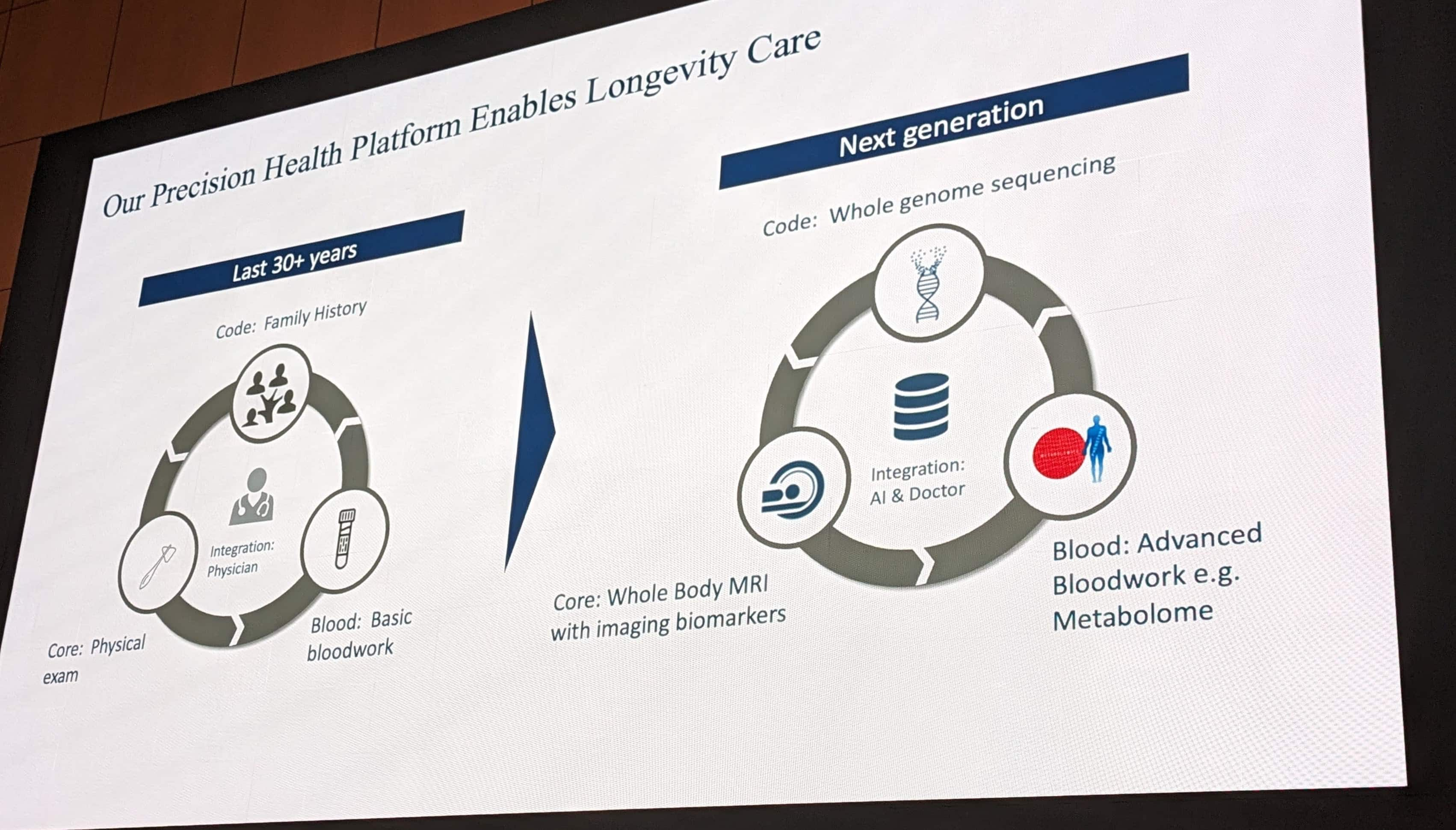
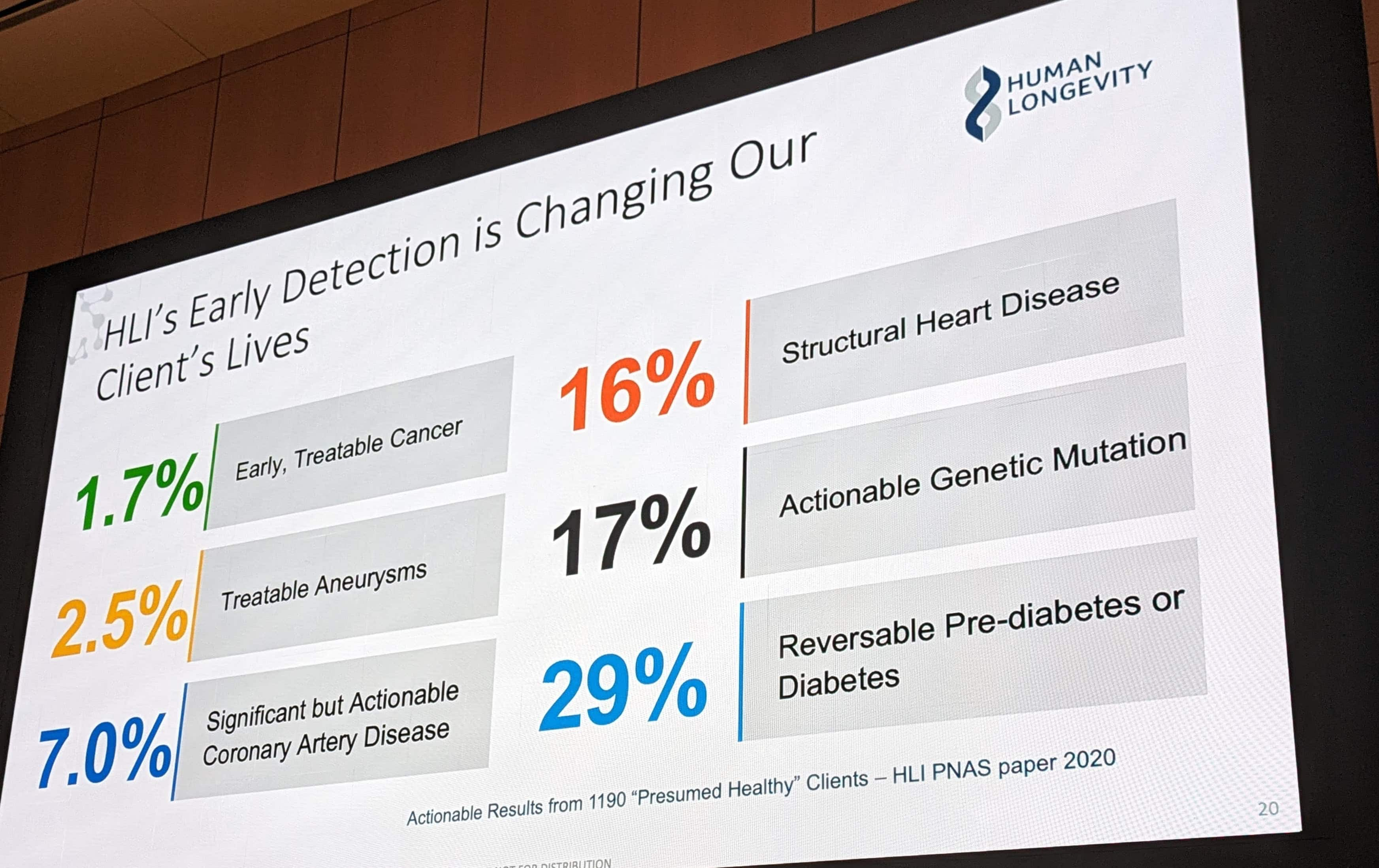
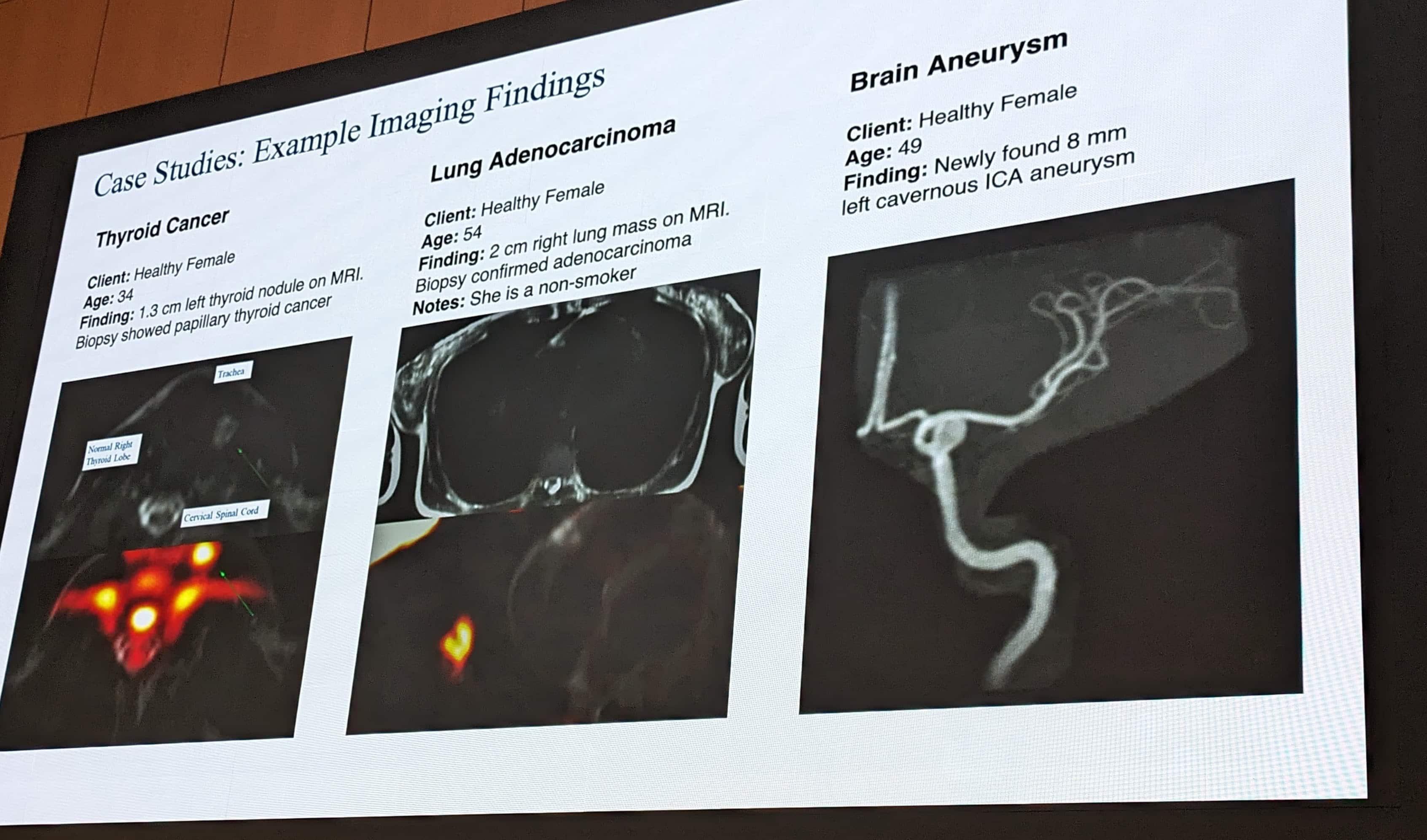
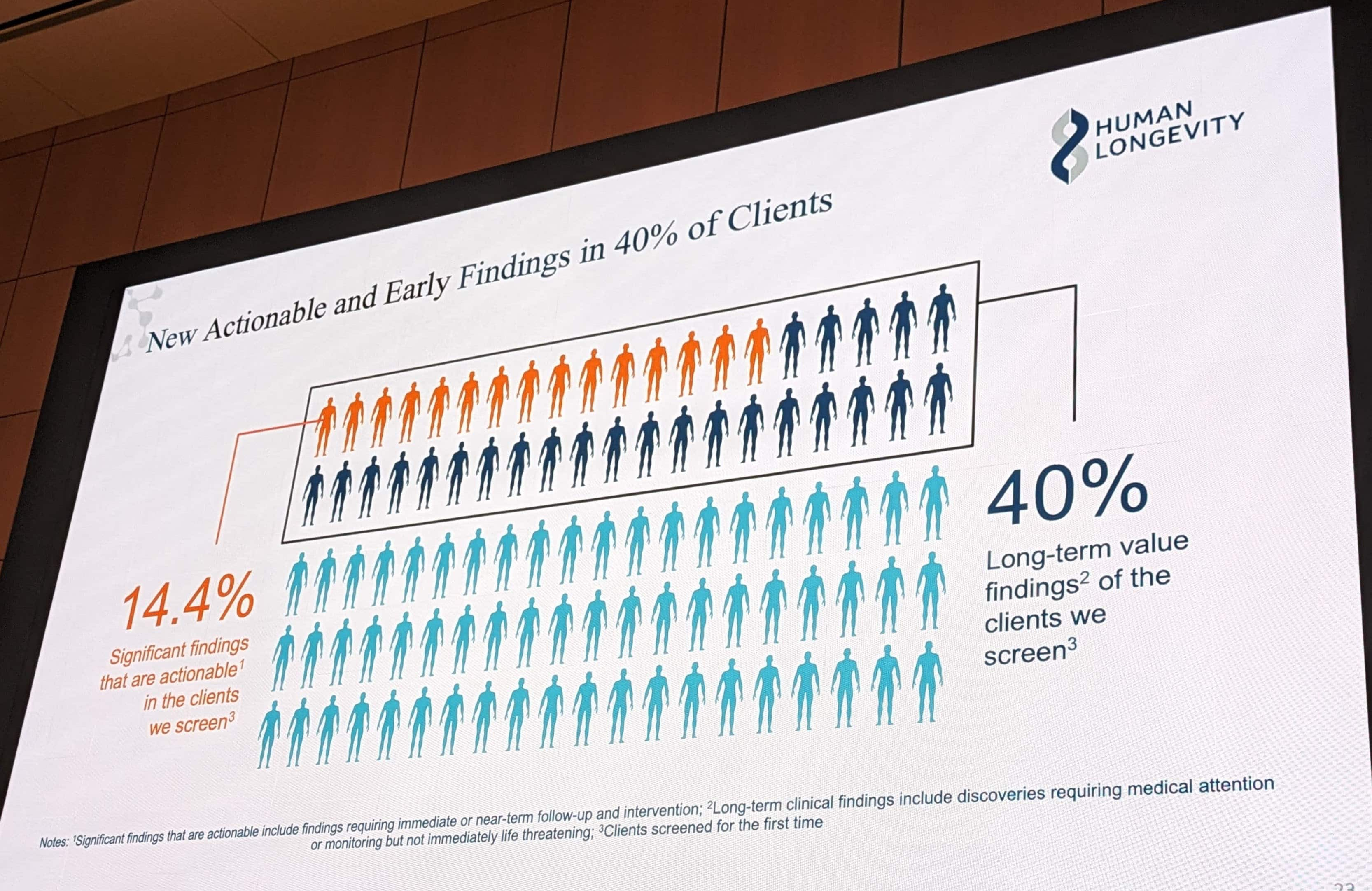
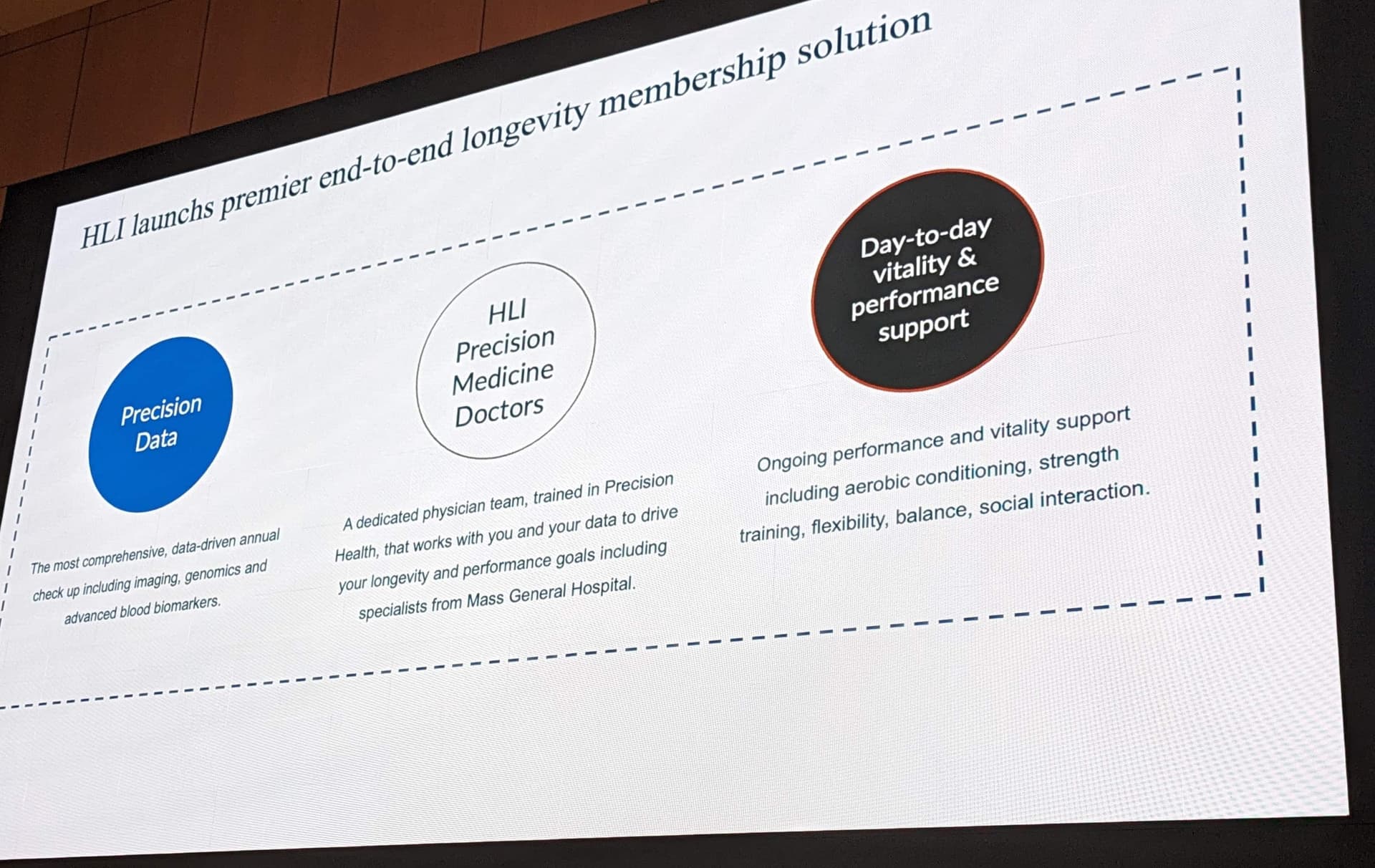
- Direct-to-consumer longevity screening packages, such as the $9,200 protocol offered by Human Longevity, Inc., routinely aggregate whole-body MRI, low-dose CT, DEXA, ultrasonography, and whole-genome sequencing into a single outpatient visit.
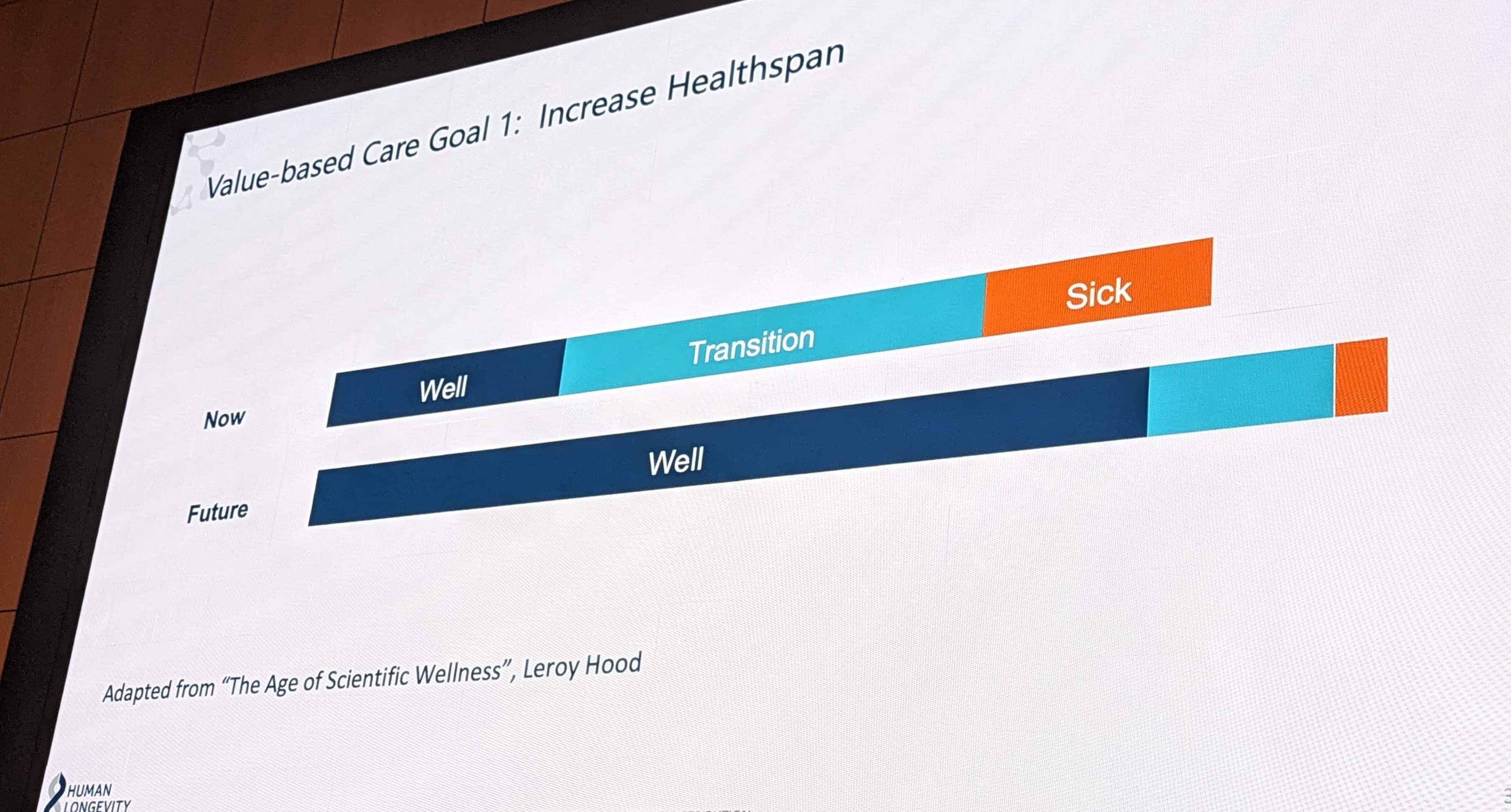
- True preventive medicine operates longitudinally through sustained interventions across decades, including nutrition, cardiorespiratory fitness, lipid control, and avoidance of toxic exposures.
- Direct-to-consumer whole-body MRI often functions as a commercial vehicle that monetizes health anxiety among the “worried well.”
- Downstream interventions prompted by incidental scan findings carry non-trivial procedural morbidity, including life-threatening hemorrhage from liver biopsies and iatrogenic pneumothoraces from lung aspirations.
- The American College of Radiology maintains a formal position statement noting insufficient clinical evidence to justify total-body MRI screening in asymptomatic individuals without high-risk familial syndromes.
- Large systematic reviews demonstrate that whole-body MRI performed on asymptomatic individuals yields critical or indeterminate incidental findings in approximately one-third of participants.
- Incidental findings initiate clinical cascades of secondary scans, specialized physician consultations, and invasive tissue biopsies for biological entities that may never have caused clinical harm.
- Decades of epidemiological screening data demonstrate that detecting an indolent disease earlier does not automatically confer an overall mortality or morbidity benefit.
- The U.S. Preventive Services Task Force prostate cancer screening model indicates that screening 1,000 men aged 55 to 69 prevents approximately 1.3 prostate cancer deaths and roughly 3 cases of metastatic spread over 13 years.
- Within the identical screened cohort of 1,000 men, approximately 240 receive false-positive PSA evaluations, 220 undergo invasive biopsies, 50 suffer permanent erectile dysfunction, and 15 develop urinary incontinence.
- An estimated 20% to 50% of prostate malignancies diagnosed via PSA screening represent overdiagnosed indolent tumors that would never produce symptomatic disease during the patient’s lifetime.
- The personal narrative presented illustrates the potential for aggressive multi-year interventions following an asymptomatic PSA elevation—including radical prostatectomy and androgen deprivation therapy—to cause long-term morbidity.
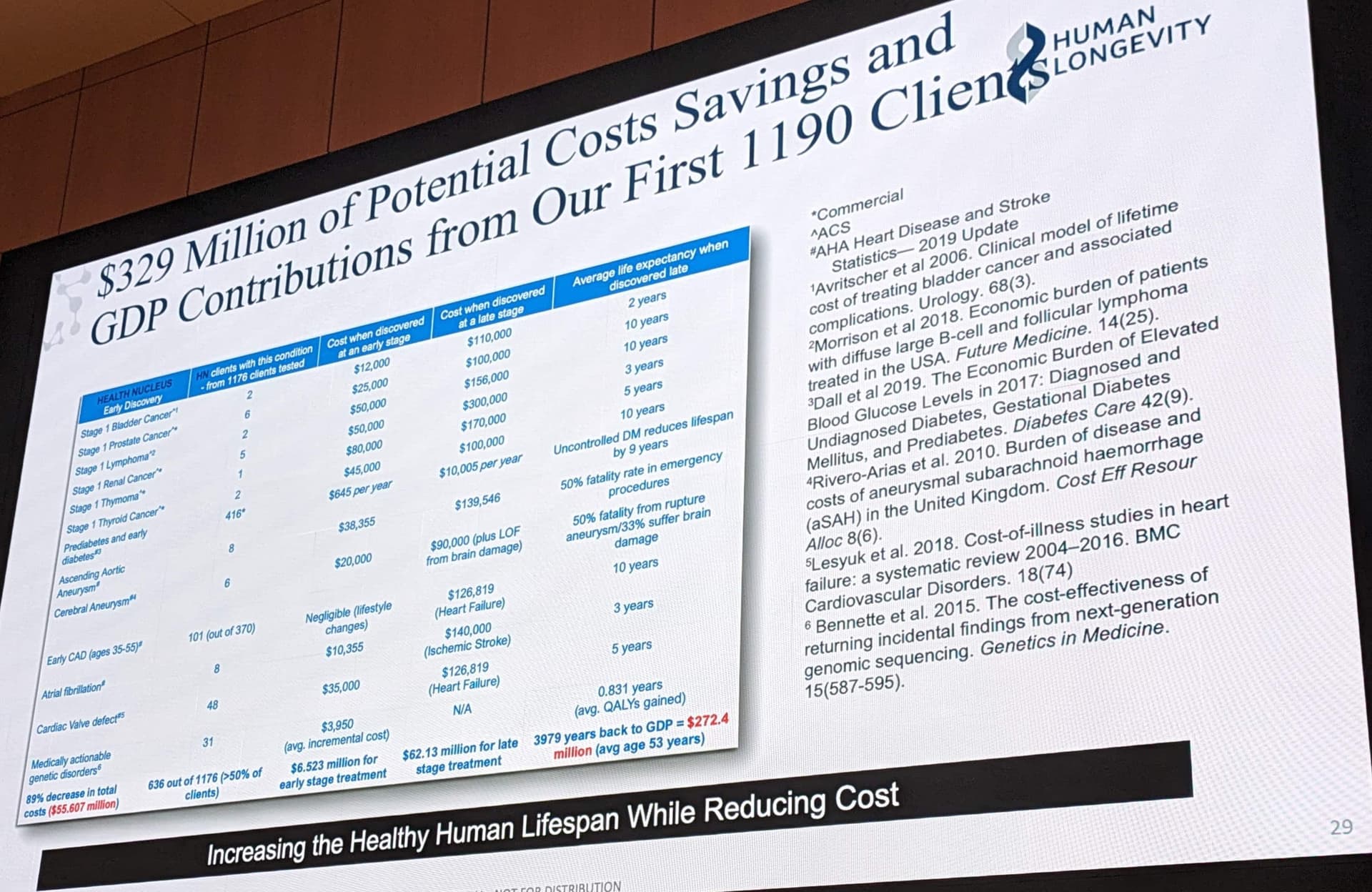
- Anecdotes or clinic-level metrics claiming “zero late-stage cancers” in a self-selected DTC cohort lack denominator definitions, follow-up durations, loss-to-follow-up controls, and publication in peer-reviewed scientific literature.
- Marketing statements asserting that commercial screening clinics could have prevented high-grade malignancies in prominent public figures, such as President Joe Biden, represent unsubstantiated commercial claims rather than peer-reviewed clinical evidence.
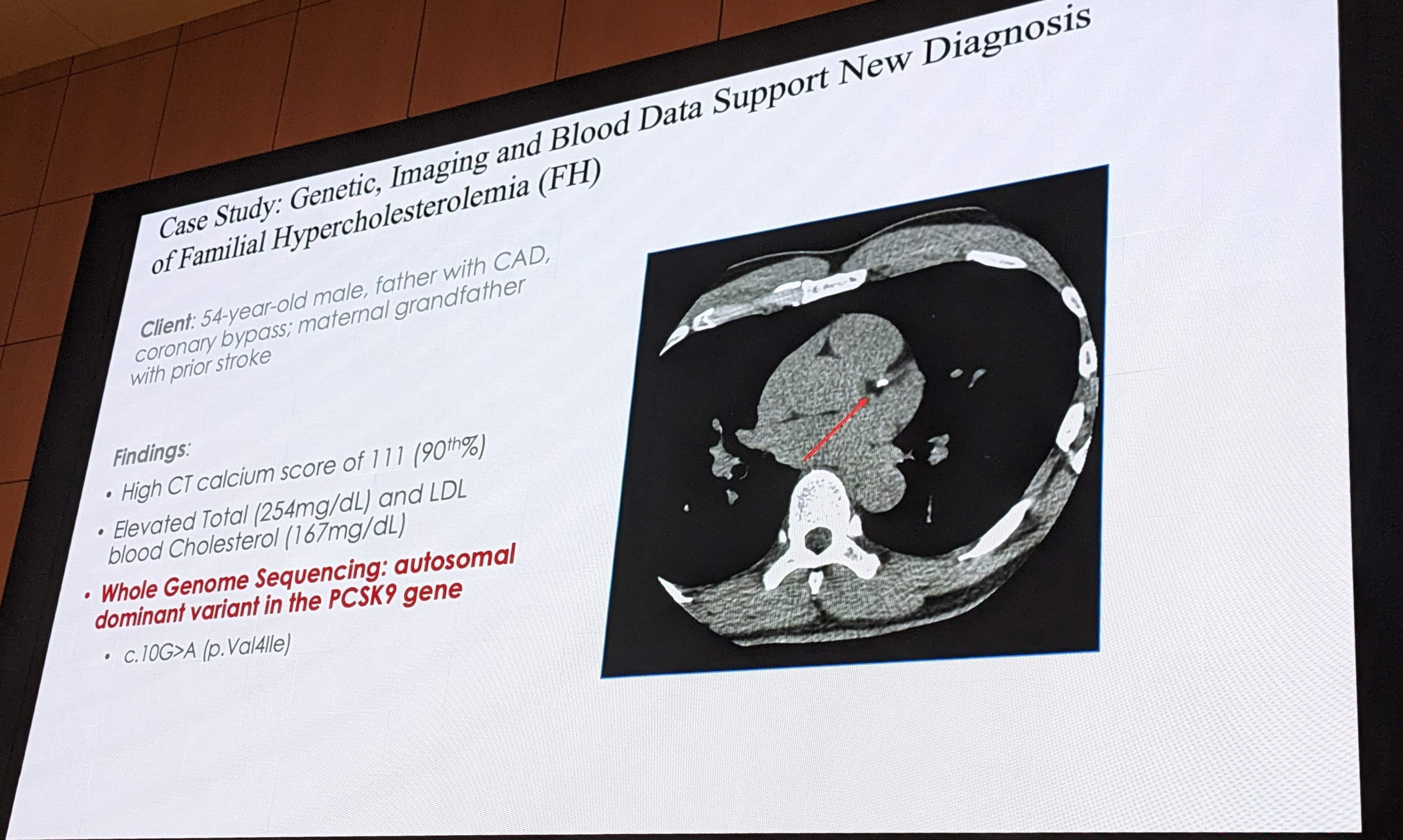
- Monogenic screening for conditions such as hereditary hemochromatosis can provide actionable utility by prompting serial therapeutic phlebotomy to avert end-organ iron toxicity.
- Pharmacogenomic profiling can optimize precision drug selection and dosing to reduce the risk of adverse drug events.
- Providing polygenic risk scores indicating high percentiles for conditions such as schizophrenia or multiple sclerosis to an asymptomatic septuagenarian offers minimal clinical utility, given that peak age-of-onset distributions for these conditions occur decades earlier.
- Recommending that a septuagenarian abstain from recreational psychotropics based on an elevated polygenic schizophrenia score demonstrates the translational disconnect between statistical genomic modeling and meaningful clinical decision-making.
- Receiving multiple polygenic risk alerts for common chronic conditions can induce sustained health anxiety while yielding no disease-specific interventions beyond basic lifestyle modifications.
- A prominent patient in the video altered his daily exercise and nutrition routines based on genomic risk metrics, inadvertently returning to the standard lifestyle practices he had credited with maintaining his baseline health.
- Foundational lifestyle modifications—such as dietary quality, blood pressure management, aerobic conditioning, lean body mass preservation, and smoking cessation—account for the bulk of preventable non-communicable disease burden.
- Modern diagnostic medicine demonstrates exceptional utility when investigating physical signs or clinical symptoms, such as the surgical resection of an invasive cranial mass identified following palpable changes.
- High diagnostic accuracy in symptomatic acute care does not justify unselected, high-throughput anatomical imaging of healthy asymptomatic populations.
- Professional clinical guidelines against routine PSA screening in men aged 70 and older are engineered specifically to protect elderly individuals from overtreatment and diminished quality of life.
- The commercialized longevity screening industry risks converting healthy populations into permanent medical patients through continuous surveillance and iterative diagnostic cascades.
III. Adversarial Claims & Evidence Table
| Claim from Video |
Speaker’s Evidence |
Scientific Reality (Current Data) |
Evidence Grade (A-E) |
Verdict |
| Whole-body MRI in asymptomatic individuals yields incidental findings in ~33% of patients without survival benefit |
Cited a systematic review of over 5,000 asymptomatic individuals undergoing whole-body MRI screening. |
Validated. A meta-analysis of asymptomatic WB-MRI by Tregidgo et al., 2026 found a pooled malignant detection rate of only 1.57% alongside indeterminate incidental findings in up to 97% of patients across sensitive scoring systems, lacking demonstrated overall survival improvement. |
Level A |
Strong Support |
| Major radiology bodies do not endorse asymptomatic total-body screening |
Cited position statements from the American College of Radiology (ACR). |
Validated. The American College of Radiology (ACR) explicitly states that there is insufficient clinical evidence to justify screening total-body MRI or CT in asymptomatic individuals without known genetic syndromes. |
Level E(Clinical Guideline / Consensus) |
Strong Support |
| PSA screening in 1,000 men aged 55–69 prevents only ~1.3 deaths while causing significant harm |
Cited official data and models from the U.S. Preventive Services Task Force (USPSTF). |
Validated. The USPSTF Recommendation Statement (JAMA, 2018) demonstrates that per 1,000 men screened over 13 years, approximately 1.3 prostate cancer deaths and 3 metastatic cases are prevented, while roughly 50 develop erectile dysfunction and 15 suffer urinary incontinence. |
Level A |
Strong Support |
| PSA screening should be discontinued in men 70 years and older |
Cited established national clinical practice guidelines. |
Validated. The USPSTF Guidelines (JAMA, 2018)assign a Grade D recommendation against PSA-based screening in men aged 70 years and older due to high rates of overdiagnosis, competing cardiovascular/all-cause mortality, and treatment-related morbidities. |
Level A |
Strong Support |
| Direct-to-consumer longevity clinic protocols prevent late-stage cancer progression (zero stage 4 cancers in 10,000 patients) |
Internal observational metrics claimed by commercial longevity clinic leadership. |
Unsupported. Data represents an unpublished, non-peer-reviewed retrospective claim lacking denominator risk adjustments, standardized loss-to-follow-up documentation, or a prospective control group. US FTC / FDA Warning Guidance flags such unregulated DTC promotional statistics as unsubstantiated marketing. |
Level E |
Unsupported |
| Steve Jobs’ 9-month surgical delay was the definitive cause of his cancer mortality |
Quoted opinions from Barry Cassileth (Sloan Kettering) versus counter-arguments by David Gorski and John McDougall. |
Indeterminate / Mechanistically Plausible but unproven. Pancreatic neuroendocrine tumors (pNET) possess variable biology; retrospective oncological reviews (Gorski, 2011) indicate hepatic micrometastases commonly precede clinical detection, rendering definitive curative resection improbable even without the 9-month surgical delay. |
Level E |
Speculative |
| Polygenic Risk Scores (PRS) for schizophrenia/MS provide clinical utility for a 72-year-old |
Cited HLI 91st percentile schizophrenia and 3.4x MS genomic risk score disclosures. |
Unsupported / Medically Futile. Peak incidence for schizophrenia occurs between ages 18–30, and multiple sclerosis between 20–40. As summarized in the AHA Scientific Statement on Polygenic Scores by O’Sullivan et al., 2022, PRSs provide disease stratification within relevant age windows, but disclosing elevated scores to asymptomatic septuagenarians lacks prospective clinical utility or actionable pathways. |
Level A |
Unsupported |
| Coronary Artery Disease (CAD) Polygenic Risk Scores offer actionable predictive power |
Video speaker stated CAD PRS is the best-performing polygenic metric. |
Validated. O’Sullivan et al., 2022 and recent clinical utility trials (NCT07039123, 2026) demonstrate that CAD PRSs independently capture lifetime genetic atherosclerotic burden, improving net reclassification when added to traditional clinical risk scores (SCORE2/Pooled Cohort Equations) to guide earlier lipid-lowering pharmacotherapy. |
Level A |
Strong Support |
| Pharmacogenomics and targeted single-gene testing (e.g., HFE hemochromatosis) confer tangible clinical value |
Identification of an iron-overload variant indicating lifestyle blood donations and targeted drug dosing. |
Validated. Monogenic variants for HFEhemochromatosis have established clinical guidelines from the American College of Gastroenterology (Kowdley et al., 2019) recommending serial ferritin surveillance and therapeutic phlebotomy to prevent end-organ fibrosis. Pharmacogenomic guidance is also formally categorized by the CPIC Guidelines. |
Level A |
Strong Support |
IV. Actionable Protocol (Prioritized)
High Confidence Tier (Level A/B Evidence)
-
Vascular & Glycemic Primary Risk Control: Target an ApoB less than 60–80 mg/dL (or LDL-C less than 70 mg/dL in elevated risk strata), blood pressure less than 120/80 mmHg, and fasting HbA1c less than 5.7% through evidence-based dietary patterns (Mediterranean or whole-food plant-predominant, low saturated fat) and regular physical exercise (AHA/ACC Guidelines).
-
Targeted, Evidence-Based Cancer Screening: Limit non-targeted anatomical scans. Adhere strictly to guideline-endorsed protocols demonstrating overall survival benefits:
- Colorectal cancer screening from age 45 to 75 (via colonoscopy every 10 years or annual high-sensitivity FIT).
- Low-dose chest CT (LDCT) restricted specifically to individuals aged 50–80 with a 20+ pack-year smoking history (current or quit within past 15 years).
- Cervical cancer screening via human papillomavirus (HPV) co-testing every 5 years for women aged 30–65.
-
Targeted Monogenic & Pharmacogenomic Evaluation: Selective deployment of CLIA-certified genomic testing for actionable monogenic conditions (e.g., BRCA1/2, LDLR, HFE) or pharmacogenomic metabolizer status (CYP2D6, CYP2C19, SLCO1B1) when relevant to personal clinical history or medication selection.
-
Discontinuation of Indiscriminate Screening in Geriatric Populations: Terminate routine PSA screening in men aged 70 and older, per USPSTF Grade D guidance, unless explicitly indicated for monitoring established prostate malignancy or evaluating acute lower urinary tract symptoms.
Experimental Tier (Level C/D Evidence with High Safety Margins)
-
Selective Coronary Artery Calcium (CAC) Scoring: Utilize non-contrast cardiac CT strictly in intermediate-risk asymptomatic patients (10-year ASCVD risk 7.5%–19.9%) aged 40–75 where therapeutic decisions regarding statin initiation remain ambiguous.
-
Coronary Polygenic Risk Scoring (PRS): Optional consideration of validated CAD PRSs in younger individuals (aged less than 50) with premature family history of myocardial infarction to enhance risk reclassification when standard biomarkers appear borderline.
-
High-Risk Whole-Body MRI Protocols: Implementation of specialized WB-MRI surveillance protocols restricted to patients with confirmed hereditary cancer predisposition syndromes (e.g., Li-Fraumeni syndrome, hereditary paraganglioma-pheochromocytoma).
Produced by Gemini 2.5 Flash