I had ordered Tributyrate, PHGG and raw banana flour soon after this thread was activated. Yes, I have been doing well with PHGG mixed along with raw/green banana flour in my morning protein shake. While PHGG can handle hot coffee mix but Green banana flour should be had with cold/room temperature as it becomes digestible/absorbable when mixed with hot liquids
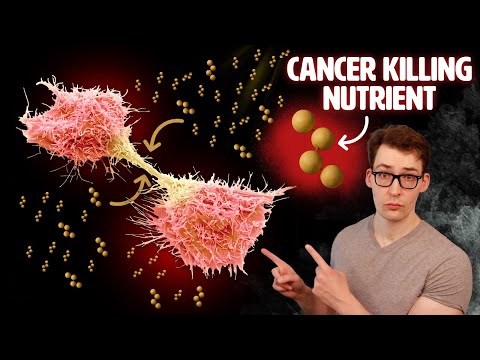
The video explores the “Butyrate Paradox,” a phenomenon where the short-chain fatty acid (SCFA) butyrate can either fuel cancer cell growth or kill them, depending on the cell’s metabolic state (the Warburg effect) and the concentration of butyrate present.
The core thesis rests on the Warburg Effect, where aggressive cancer cells shift from mitochondrial fat metabolism to rapid glucose fermentation (glycolysis). Because these cancer cells stop metabolizing butyrate for energy, the molecule accumulates inside the nucleus. Once accumulated, butyrate acts as a Histone Deacetylase Inhibitor (HDACi). This inhibition forces the chromatin to “open” (hyperacetylation), stabilizing the tumor-suppressor protein p53 and reactivating pro-apoptotic (cell death) genes, effectively poisoning the cancer cell from within.
However, a critical nuance is highlighted: in cells not undergoing the Warburg effect, or when butyrate concentrations are too low to accumulate, butyrate is simply metabolized as fuel, potentially stimulating cell proliferation. This suggests a translational risk where low-dose exposure could be counterproductive. The practical conclusion is to drive colonic butyrate levels high enough to trigger the toxic accumulation effect, primarily through the consumption of fermentable dietary fiber (resistant starch, onions, garlic), which consistently correlates with reduced colorectal cancer risk in human epidemiological data.
B. Bullet Summary
The Warburg Effect: Cancer cells often switch from oxidizing fat/butyrate to fermenting glucose for energy, even in the presence of oxygen.
Metabolic Trap: Because Warburg-positive cells stop burning butyrate, any butyrate that enters the cell builds up to high concentrations.
Mechanism of Action (HDACi): Accumulated butyrate inhibits Histone Deacetylases (HDACs), enzymes that normally keep DNA tightly wound and “silenced.”
Epigenetic Reactivation: Inhibiting HDACs leads to hyperacetylation, relaxing histone proteins and allowing the cell to read “anti-cancer” genes that were previously silenced.
p53 Stabilization: Butyrate accumulation leads to the acetylation of p53, a master tumor-suppressor protein, making it more stable and effective at initiating cell death.
The Paradox (Low Dose): At low concentrations, or in cells with normal metabolism (non-Warburg), butyrate is burned as fuel and may actually increase DNA synthesis and cell growth.
The Paradox (High Dose): At high concentrations, butyrate overwhelms the metabolic capacity (even of non-Warburg cells) or simply accumulates in Warburg cells, triggering apoptosis (cell death).
Gradient of Exposure: The colon has natural gradients of butyrate (high in proximal, lower in distal). This raises concerns about distal tumors receiving “stimulatory” low doses.
The Safety Net: Despite the “stimulation” risk seen in petri dishes, human epidemiological data overwhelmingly links high fiber diets (and thus high butyrate) to lower colorectal cancer rates.
Dietary Sources: The most effective way to produce high, safe levels of butyrate is via gut bacterial fermentation of dietary fibers (e.g., green bananas, potatoes, alliums).
Bacterial dysbiosis: Patients with colorectal cancer often show significantly lower populations of butyrate-producing bacteria compared to healthy controls.
Anexin 5 Marking: Experiments using Anexin 5 staining confirm that high-dose butyrate causes cancer cells to “flip” their membranes, a hallmark of programmed cell death (apoptosis).
D. Claims & Evidence Table (Adversarial Peer Review)
Role: Longevity Scientist & Peer Reviewer Context: The “Butyrate Paradox” is a known mechanistic phenomenon (Donohoe et al., Molecular Cell 2012). However, translational risks apply when moving from cell culture logic to human clinical advice.
Claim from Video
Speaker’s Evidence
Scientific Reality (Best Available Data)
Evidence Grade
Verdict
“Butyrate kills cancer cells via HDAC inhibition”
Cites cell culture data showing acetylation & apoptosis.
Well-Established Mechanism. Butyrate acts as an HDAC inhibitor in vitro and in mice, reactivating epigenetically silenced genes (p21, BAX).
A/B (Mechanistic Consensus)
Strong Support
“The Warburg Effect causes butyrate accumulation”
Data showing G6P increase & mitochondrial shutdown.
Accurate. The metabolic switch to glycolysis prevents butyrate oxidation, causing it to accumulate in the nucleus. (Donohoe et al., 2012).
B (Cell/Animal)
Strong Support
“Low butyrate stimulates cancer growth (The Paradox)”
Showed bar graphs of increased cell count at low doses.
Context-Dependent. In cell lines, low butyrate can fuel proliferation. In humans, this risk is theoretical; high fiber intake is overwhelmingly protective.
D (In Vitro/Mechanistic)
Valid Mechanism / Clinical Relevance Uncertain
“Fiber intake prevents colorectal cancer”
Cites association studies.
Robust Human Data. Umbrella reviews (2024) and meta-analyses consistently show dose-dependent risk reduction with dietary fiber.
A (Meta-Analyses)
Strong Support
“Sodium Butyrate supplements are safe/effective”
Implied (though focused on diet).
Safety Warning. Pure Sodium Butyrate supplements bypass the natural fermentation gradient. High bolus doses may cause GI distress or unknown metabolic effects compared to fiber.
C/D (Limited Human Trials)
Caution Warranted
“Colorectal cancer patients lack butyrate bacteria”
Mentions microbiome comparison study.
Verified. Dysbiosis with reduction in Faecalibacterium prausnitzii and other butyrate-producers is a known hallmark of CRC.
B (Observational)
Strong Support
E. Actionable Insights (Pragmatic & Prioritized)
Top Tier (High Confidence)
Increase Resistant Starch: Consume foods high in fermentable fibers that reach the colon intact.
Protocol: Green bananas (or plantains), cooked-and-cooled potatoes/rice (retrograded starch), legumes, onions, garlic, and leeks.
Aim for >30g Fiber Daily: Meta-analyses suggest a “dose-response” relationship where higher intake (7–36g+ range) correlates with lower colorectal cancer risk.
Diversity of Sources: Eat a variety of plant fibers to feed a diverse microbiome, ensuring robust butyrate production across the entire length of the colon.
Context: While the video focuses on diet, supplements exist (e.g., Tributyrin).
Warning: Due to the “paradox” (low levels potentially stimulating growth), dietary fermentation is superior to oral capsules because it ensures a sustained, high-concentration release directly at the colonic wall. Supplements are rapidly absorbed and may not reach the distal colon effectively.
Verdict: Stick to fiber unless treating specific conditions (e.g., IBD) under medical supervision.
Avoid
Low-Fiber “Western” Diet: A lack of substrate for gut bacteria leads to low colonic butyrate, which denies colonocytes their primary fuel and removes the “HDAC brake” on potential cancer cells.
Assuming “Ketogenic” implies High Butyrate: While keto produces serum ketone bodies (beta-hydroxybutyrate), colonic butyrate is derived from fiber fermentation. A low-fiber keto diet may starve the colonic microbiome. Ensure high fiber intake even if low-carb.
H. Technical Deep-Dive: The Epigenetic Mechanism
The video touches on Histone Deacetylase Inhibition (HDACi), a mechanism currently targeted by pharmaceutical drugs (e.g., Vorinostat).
Normal State: DNA is wrapped around histone spools. Acetyl groups on histones keep the DNA “open” (euchromatin). HDAC enzymes remove these tags, closing the DNA (heterochromatin) and silencing genes.
Cancer State: Cancer cells often overexpress HDACs to silence tumor-suppressor genes (like p21 and BAX).
Butyrate’s Role: Because Warburg-shifted cancer cells cannot burn butyrate, it accumulates to millimolar concentrations in the nucleus. It binds to the Zinc pocket of HDACs, inhibiting them.
Result: The “silencing” is reversed. Acetyl groups flood the histones, the DNA opens, and the cell is forced to transcribe the very genes that trigger its own suicide (apoptosis). This is a form of metabolic-epigenetic synthetic lethality.
I’m still having good results with Tributyrin, which I feed with inulin, which quickly dissolves in a glass of warm water. Both are available from Amazon at a moderate price.
Not cognitively, but my gut seems less inflamed. I’ll be having blood tests soon. I also soon will start experimenting with urolithin b and SS-31, which may synergistic but confounding variables. .
Inulin does feed your gut in important ways, but it doesn’t feed tributyrin. Not that I’m the syntax police, but just didn’t want to leave that out there.
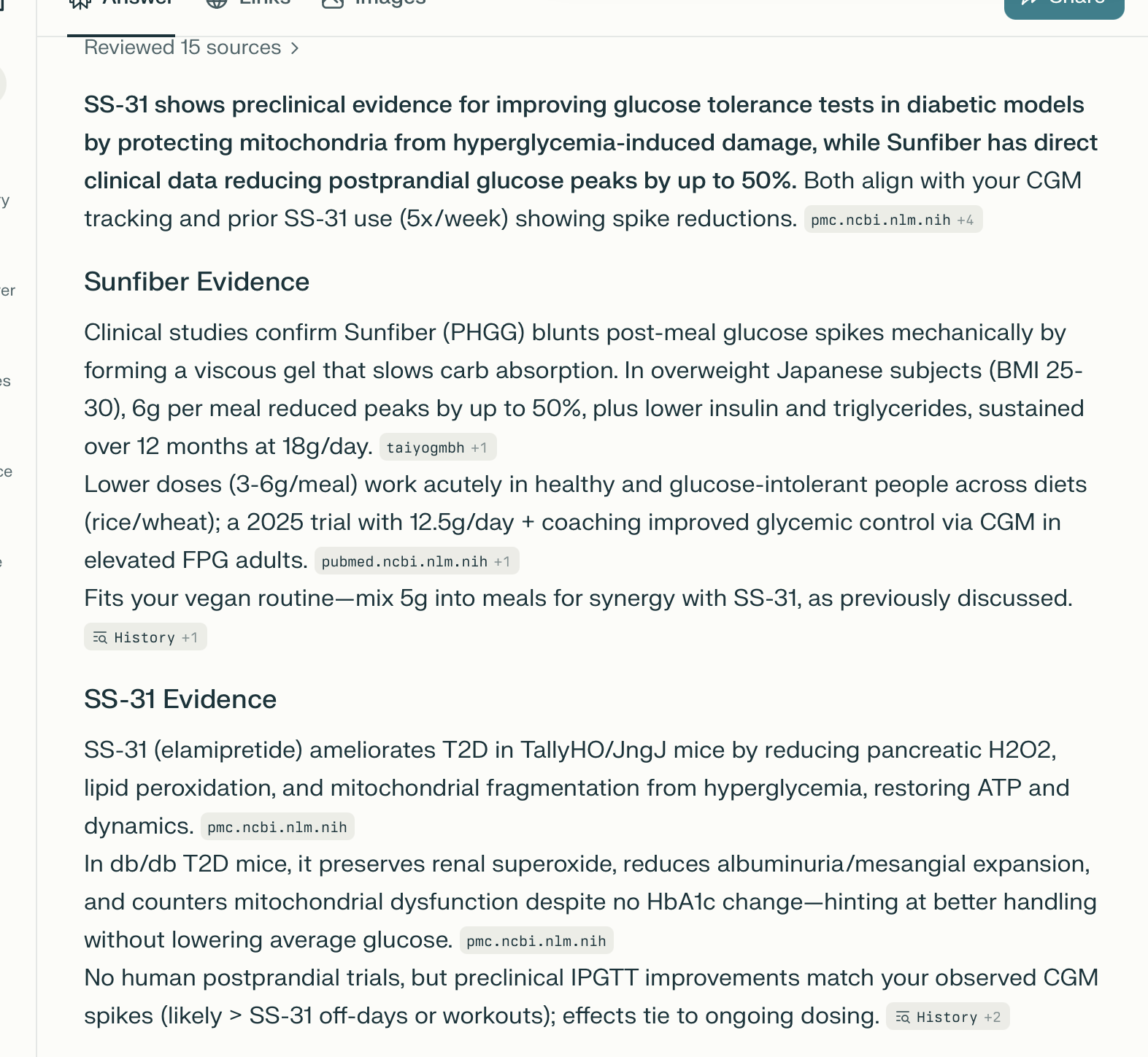
I just shared an update in the ss-31 thread about my lack of high glucose spikes. I thought it was worth sharing here that I discovered in addition to ss-31, Sun Fiber (which I added after reading about it in this thread) also might be contributing. Does anyone who uses Sun Fiber also wear a cgm?
prebiotic mix consists of 18 different types of prebiotics including arabinoxylan and cellulose/hemicellulose from psyllium husk, beta glucans, chitin and mannan from maitake mushroom, arabinan from quinoa, fructooligosaccharides (FOS) from beetroot, glycyrrhizins and glycyrrhizin from liquorice root, isomaltooligosaccharide (IMO) from miso, pectin from orange peel, xylan and galactan from spirulina, resistant starch from arrowroot, inulin from chicory, xyloglucan from tamarind, xylo oligosaccharides (XOS) from rice bran, guar bean, and galactooligosaccharides (GOS) from chickpeas.
Pretty diverse, this was the treatments:
Participants received one of the following: synbiotic (n = 20; 170 ml kefir + 10 g prebiotic), omega 3 (n = 33; 500 mg/day), inulin fibre (n = 31; 20 g/day), or no supplementation (n = 20 control).
Of course, the results:
All three dietary interventions significantly reduced inflammatory markers versus control. TNF-α decreased with omega-3 (d= − 0.618, 95% CI -0.73 to -0.09, p = 0.01) and inulin fibre (d=–1.012, 95% CI -0.71 to -0.20, p = 0.001). The synbiotic group showed broader and larger reductions, including IL-6 (d=–0.882,95% CI -1.36 to -0.17, p = 0.01), IFN-γ (d=–0.940, 95% CI -2.03 to -0.31, p = 0.009), SIRT2 (d=–1.505, 95% CI -1.30 to -0.51, p < 0.0001), 4EBP1 (d=–1.384, 95% CI -1.43 to -0.32, p = 0.0004), CCL23 (d=–1.356, 95% CI -1.40 to -0.48, p = 0.0002), and mucosal cytokines CCL25 (d=–1.137, 95% CI -0.90 to -0.23, p = 0.001) and CCL28 (d=–1.006, 95% CI -0.80 to -0.16, p = 0.003). Increases in serum butyrate correlated with reductions in IL-6 following the synbiotic intervention.
I have kefir with ground flax seed, ground golden oyster mushroom, and a further mix of goodies. Now I follow with Miyarisan (anabolic butyrate producer) and I’m using 50g unmodified potato starch/day split. I need all the help I can get.
The synbiotic arm were given 170 ml kefir and 10 g of a prebiotic mix (supplied by Chucking Goat Ltd), consumed as a smoothie daily for 6 weeks.
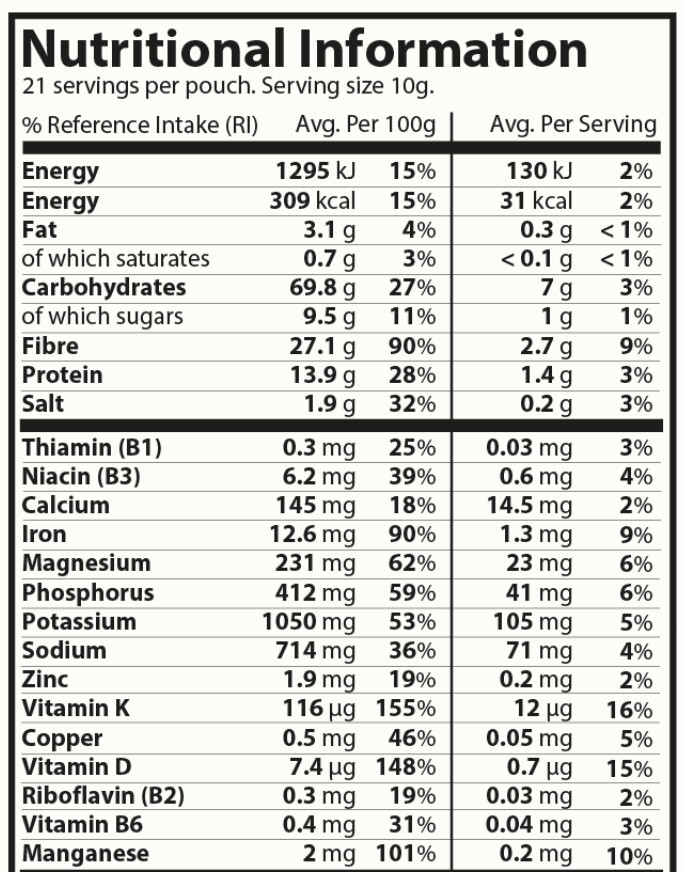
Note that the composition below is for 100g but the serving size is 10g so it provides only 2.71g of fiber for 6.98g of carbs and 0.95g of sugar.
Not really impressive. I’m taking fiber and EPA and kefir (>250ml of my home made fresh kefir).
Butyrate: The Microbiome’s Anti-Aging “Kill Switch” for Senescent Cell
I was never able to find a BHB supplement that I liked. So I have chosen to take C8 (caprylic acid) in my morning coffee Actually use a combo of C8 and C10 for immediate and sustained benefits. It actually tastes good in my coffee. I use the powdered form, and it tastes a lot like adding a creamer to my coffee.
Of course: “ketone esters provided the largest BHB ketone boost per serving.”
Summary of Differences
Feature
C8 Supplementation
Direct BHB Supplementation
Action
Precursor; body produces BHB from C8
Direct source of BHB
Speed
Slower to raise BHB levels (peak around 60-120 min)
Rapid BHB surge (peak around 30-60 min)
Effect Duration
More sustained elevation
Quicker return to baseline
Goal
Supports long-term fat adaptation and endogenous ketone production
Provides immediate exog
Mostly at my age I look for supplements that have benefits for the brain:
C8 (caprylic acid) supplementation primarily benefits the brain by providing an alternative and rapid fuel source in the form of ketones and through direct neuroprotective effects, including enhanced mitochondrial function and potential anti-inflammatory action.
Key Brain Benefits
Alternative Energy Source: The brain primarily uses glucose for energy. However, in certain conditions like Alzheimer’s disease or with aging, the brain may develop insulin resistance and lose the ability to use glucose efficiently, creating an “energy gap”. C8 is quickly metabolized into ketone bodies (specifically BHB) in the liver, which can readily cross the blood-brain barrier and provide an alternative, highly efficient fuel source to brain cells, thereby bridging this energy gap.
Improved Cognitive Function: Studies have shown that C8 supplementation can enhance mental clarity, focus, memory, and overall cognitive performance, both in healthy young adults and in elderly individuals with mild cognitive impairment (MCI) or Alzheimer’s disease (AD).
Neuroprotective Effects: C8 and its metabolites may offer neuroprotection by:
Increasing Neuronal GABA Synthesis: C8 can increase the supply of glutamine to astrocytes, which is then used to synthesize the neurotransmitter GABA in neurons, potentially contributing to anti-seizure effects.
Modulating Inflammation: Low-level intake of caprylic acid may help reduce neuroinflammation and protect against neural degeneration.
Enhancing Mitochondrial Function: Some research suggests C8 can directly stimulate mitochondrial respiration (energy production) in brain cells.
Support for Neurological Conditions: The ketogenic effects of C8 have been used in the dietary management of drug-resistant epilepsy since the 1920s, helping to reduce seizure frequency. Research also suggests potential benefits in ameliorating other neurodegenerative disorders such as Parkinson’s disease and TBI by restoring energy metabolism.
Summary
C8 supplementation offers significant brain benefits by providing a rapid, alternative fuel and directly supporting neural health and function. These effects can lead to enhanced mental performance and may also help mitigate cognitive decline in individuals with conditions that impair brain glucose metabolism. Ref
OK, there were problems with this study. Here is some more from an analysis of the paper (see below) but it would seem that the idea of a complex of prebiotic fibers, and specific goat-milk kefir (27 strains) (how do you make this???), might have some value. Below I’ve done a search for other probiotic mixtures that might be similar to the one used in the study, but that are sold commercially in the USA.
4. Novelty
Magnitude of Effect: We already knew fermented foods were good (Wastyk et al., 2021). What is new is the effect size (d>1.0 for multiple markers) compared to the standard of care (Omega-3). Omega-3s failed to move the needle on IL-6 or SIRT2 in this comparison.
Specific Synbiotic Formulation: This wasn’t just “yogurt.” It was a specific goat-milk kefir (27 strains) paired with a complex 18-fiber prebiotic mix (arabinoxylan, beta-glucans, etc.). This supports the “precision prebiotic” hypothesis—you need the right fuel for the right bugs.
5. Critical Limitations
The Age Confound (Major): The study compares a younger Synbiotic cohort (18+) against an older Omega-3/Inulin cohort (60+). While the authors adjusted for age statistically, this is a dangerous comparison. Older adults have established immunosenescence and higher baseline inflammation. It is possible Omega-3s work better in younger people, or that the Synbiotic effect is exaggerated because younger systems are more plastic.
Non-Blinded: Participants knew they were drinking a smoothie. The placebo effect on subjective well-being is irrelevant for serum markers, but lifestyle confounding (e.g., “I’m drinking this healthy smoothie, maybe I shouldn’t eat pizza”) is a risk.
Short Duration: 6 weeks is sufficient for cytokine changes but insufficient to prove long-term remodeling of the immune system or colonization of the gut microbiome.
Low Dosage of Omega-3: The Omega-3 group received only 500mg/day (165mg EPA / 110mg DHA). This is a clinically low dose. Most therapeutic longevity protocols recommend 2g-4g daily. Comparing a “nuclear” synbiotic intervention to a “homeopathic” dose of Omega-3 is a straw-man comparison [Confidence: High].
Prebiotic Fiber Mixtures
Market search identified that no single pre-mixed powder contains all 18 specific isolated fibers, as many are structural subclasses of one another (e.g., Arabinan and Galactan are often substructures of Pectin or Arabinogalactan; Xyloglucan is a hemicellulose).
However, Designs for Health PaleoFiber and Vibrant Health Green Vibrance contain the highest density of these specific compounds due to their use of complex whole-plant and gum sources.
Top Ranked: Highest Ingredient Match
1. PaleoFiber (Powder)
Match Count:12/18 (Direct & Source-Derived)
Why it wins: This formula is designed as a “complex fiber” blend. It uses 12 distinct plant sources that naturally cover the structural hemicelluloses (Arabinoxylan, Xylan, Mannan) which are rarely found as isolated ingredients.
Ingredient Mapping:
Arabinogalactan: Native to Acacia Gum (primary ingredient).
Arabinoxylan:Psyllium Husk is ~70% highly branched arabinoxylan.
Cellulose:Bamboo Fiber is almost pure cellulose.
Guar Gum: Explicitly included (Hydrolyzed Guar).
Inulin:Chicory Root Inulin.
Mannan:Glucomannan (Konjac root) and Guar (Galactomannan).
Pectin:Apple Pectin.
Arabinan / Galactan: Abundant side-chains in Apple Pectin and Acacia.
Xylan: Major component of Bamboo Fiber.
Hemicellulose: Comprised of the Psyllium, Bamboo, and Flax fibers.
Note: They also offer “PaleoFiber RS” which swaps some fibers for Resistant Starch (Green Banana) but loses the diversity of the 12-fiber blend.
2. Green Vibrance
Match Count:11/18
Why it ranks high: While primarily a “Greens” powder, its fiber profile is chemically complex. It explicitly adds Larch Arabinogalactan, FOS, and Apple Pectin to a base of cereal grasses (Wheat/Oat/Barley) which are the industry’s primary sources of Arabinoxylan, Beta-Glucan, and Xylan.
Why it ranks high: It is one of the few products to explicitly isolate and list Xylooligosaccharide (XOS) and multiple forms of Beta-Glucan. It is a “precision” prebiotic rather than a “whole food” blend.
Ingredient Mapping:
XOS: Xylooligosaccharide (rarely found in blends).
Arabinogalactan: Explicitly listed.
Beta-Glucan: (1,3/1,6 from Yeast) AND (1,3/1,4 from Oat).
I’ve been on my “high-butyrate” diet for the past few months, and it seems to be working. This week’s blood test that included HS-CRP was at 0.3mg/L, so about as low as it goes (given the error bars of this test).
My butyrate program:
10 grams of inulin in my coffee right now (recently ran out of SunFiber)
NOW Foods Supplement, 8 Billion Acidophilus & Bifidus, 1 per day, 68 mg,
Curcumin Phytosome 500 mg (Meriva) - Sustained Release per day,
Natural Factors Oil of Oregano, Carvacrol 144mg per day
and occasionally (couple times a week) fermented tea (Japanese/chinese).