A new treatment for Alzheimer’s
I. Executive Summary
The core thesis of this investigation centers on reframing Alzheimer’s disease (AD) as a fundamental structural disorder of neural network dysregulation rather than an isolated proteinopathy driven exclusively by amyloid-beta and tau accumulation. While traditional biotechnology has historically focused on anti-amyloid monoclonal antibodies, these interventions clear protein aggregates but yield only modest clinical slowing (typically 27–29%). In contrast, targeting the large-scale functional architecture of the brain—specifically the Default Mode Network (DMN)—addresses the network-level disconnections that manifest up to 20 years before clinical symptom onset. The DMN, centered heavily around the precuneus hub, governs episodic memory, self-narrative, and internal mentation. In AD, this network experiences early hypometabolism, hyperactivation, and subsequent signaling degradation, initiating a pathological cascade that promotes protein deposition, neuroinflammation, and downstream neurodegeneration.
Synaptica Therapeutics’ therapeutic strategy utilizes an investigational, non-invasive neuromodulation system combining repetitive transcranial magnetic stimulation (rTMS) with real-time electroencephalography (EEG) and structural MRI neuronavigation. This closed-loop configuration resolves a historical limitation of traditional TMS: the lack of personalized target and dosage confirmation. Because the anatomy and connectivity of the precuneus vary by centimeters between individuals, blind stimulation carries a distinct risk of off-target failure or overstimulation-induced seizures. By reading transcranial evoked potentials via a 64-channel EEG, clinicians can track energy propagation through the DMN, calibrate individualized electromagnetic dosages, and confirm precise target engagement.
Phase II clinical trial data demonstrates profound clinical efficacy using this personalized approach. In a 24-week randomized, double-blind, sham-controlled trial of mild-to-moderate AD patients, high-frequency rTMS to the precuneus slowed clinical progression by 82% on the Clinical Dementia Rating Scale-Sum of Boxes (CDR-SB) and preserved activities of daily living by 109% relative to sham [Koch et al., 2022]. A subsequent 52-week extension confirmed sustained benefit, demonstrating a significant slowing in cognitive decline and an 87% preservation of functional autonomy, alongside reductions in neuropsychiatric symptoms like apathy and agitation [Koch et al., 2025]. Mechanistically, this localized stimulation induces long-term potentiation (LTP) plasticity, upregulates plasma Brain-Derived Neurotrophic Factor (BDNF), enhances local gamma oscillations, increases dopamine receptor sensitivity, and suppresses pro-inflammatory cytokines such as IL-6. Furthermore, randomized crossover data in healthy volunteers demonstrates that acute, targeted precuneus stimulation yields a 40–60% boost in associative memory retention that persists for up to seven days, opening therapeutic avenues for treating normal age-related cognitive decline.
II. Insight Bullets
- Paradigm Shift in Alzheimer’s Pathophysiology: Alzheimer’s is increasingly characterized as a systems biology disease of large-scale neural network dysfunction rather than a simple, linear accumulation of amyloid and tau proteins.
- Limitations of Amyloid Clearance: Monoclonal antibodies targeting amyloid plaques achieve only modest clinical slowing, leaving a vast therapeutic gap because protein removal does not automatically restore disrupted neural circuits.
- Network-Level Disconnection Timeline: Functional imaging reveals that alterations and disconnections within the default mode network (DMN) are detectable up to 20 years before clinical symptoms of dementia surface.
- Function of the Default Mode Network: The DMN operates as the brain’s internal computing network, coming online during states of rest, mind-wandering, introspection, and episodic memory consolidation.
- Role of the Precuneus Hub: Located in the posteromedial cortex, the precuneus serves as the primary central routing hub for the DMN and is the earliest site to experience hypometabolism and pathological insults in Alzheimer’s disease [Klaassens et al., 2017].
- Memory Integration Mechanics: During rest, the DMN filters daily external task data, selects critical episodic fragments, and drives that information down to the hippocampus for long-term storage and stabilization.
- Biotech Linear Bias: Conventional biotechnology suffers from a linear bias, seeking simple receptor-agonist relationships, whereas complex neurodegenerative conditions require holistic, network-level systems biology interventions.
- High Interindividual Structural Heterogeneity: The physical location and size of the human precuneus vary by multiple centimeters across different individuals, rendering unguided, standardized brain stimulation imprecise.
- Precision Targeting Sensitivity: Shifting a neuromodulation coil by a single centimeter can mean the difference between maximal default mode network activation and complete off-target failure.
- Neurological Dosing Discrepancies: Cortical excitability thresholds vary up to two-fold between patients, meaning an optimized dose for one individual could be highly ineffective or pathologically overstimulating for another.
- Historical Blindness of Standard TMS: Traditional Transcranial Magnetic Stimulation (TMS) lacks an internal verification loop, meaning practitioners cannot definitively confirm if an electromagnetic pulse successfully hits its intended deep cortical circuit.
- Closed-Loop Innovation of TMS-EEG: Co-registering rTMS with high-resolution EEG enables clinicians to observe exactly how electromagnetic energy propagates across the connectome in real-time.
- Overcoming Artifact Interferences: Advanced machine learning software is mandatory to filter out physiological noise—such as jaw clenching, eye blinks, and visual distractions—from microvolt-level EEG signals during intense magnetic pulses.
- Efficacy in Clinical Dementia Rating: A 24-week Phase II randomized controlled trial demonstrated that personalized precuneus stimulation achieved an 82% slowing of disease progression on the CDR-SB global metric [Koch et al., 2022].
- Absolute Preservation of Functional ADLs: Active treatment arms in the 24-week trial experienced a 109% preservation of functional capabilities, meaning treated patients marginally improved in daily living activities while the sham arm deteriorated [Koch et al., 2022].
- Durability of 52-Week Data: Long-term data through one year of maintenance therapy demonstrated a sustained, statistically significant slowing on the global CDR-SB score and an 87% preservation of activities of daily living [Koch et al., 2025].
- Neuropsychiatric Remediation: Targeted default mode network stimulation exerts a positive psychiatric effect, reducing clinical markers of apathy, aggression, and agitation in dementia patients.
- Brain-Derived Neurotrophic Factor Elevation: Mechanistic data confirms that DMN stimulation increases human plasma BDNF levels, serving as a direct biomarker for structural synaptogenesis and dendritic remodeling.
- Neuroplasticity and Dopaminergic Sensitization: Animal models indicate that high-frequency DMN neuromodulation upregulates dopamine receptors, significantly enhancing network signaling efficiency.
- In Vivo Suppression of Neuroinflammation: Targeted electromagnetic stimulation decreases interleukin-6 (IL-6) levels in animal models, demonstrating a direct molecular pathway for turning down chronic neuroinflammation.
- Downstream Reduction of Amyloid Burdens: Across five distinct animal models, stabilizing network firing via neuromodulation resulted in a secondary reduction of absolute amyloid plaque accumulation.
- Memory Enhancement in Healthy Cohorts: Personalized, 3-minute precuneus stimulation in healthy adult volunteers yields an immediate 40–60% increase in associative recall accuracy on face-name association tests.
- Durability of Cognitive Boost: The associative memory enhancement achieved in healthy subjects exhibits an exceptionally long durability window, whispering up to seven days of sustained benefit following a single intervention session.
- Non-Invasive Safety vs. Surgical Neuromodulation: Unlike deep brain stimulation (DBS), which requires surgically implanting permanent wire leads into awake patients, rTMS achieves cortical depolarization entirely through the scalp.
- Absence of Severe Intracranial Adverse Events: While anti-amyloid clearing drugs carry significant risks of Amyloid-Related Imaging Abnormalities (ARIA) like brain hemorrhages and swelling, personalized rTMS exhibits a mild side-effect profile restricted to transient headaches and scalp discomfort.
- Impending Pivotal Phase III Infrastructure: Synaptica is initializing a multi-center, multi-continental Phase III registration trial to validate personalized precuneus rTMS across highly diverse clinical populations under FDA oversight.
- Scale and Delivery Innovation via Mobile Clinics: To bypass last-mile deployment friction and the physical difficulties of transporting elderly dementia patients, future distribution models may integrate TMS-EEG suites directly into specialized mobile transport vans.
IV. Actionable Protocol (Prioritized)
High Confidence Tier (Level A/B Evidence)
- Standardized Neuromodulation Deployment: Utilize conventional rTMS protocols strictly within validated indications, such as high-frequency stimulation of the left dorsolateral prefrontal cortex (DLPFC) for treatment-resistant major depressive disorder, or deep TMS for obsessive-compulsive disorder [FDA Cleared Protocols].
- Atherogenic Plaque and Glycemic Management: Maintain core metabolic support for neurovascular integrity by managing standard physiological risk factors (HbA1c, ApoB, and systemic blood pressure) to limit the compounding effects of microvascular damage on large-scale neural networks.
Experimental Tier (Level C/D Evidence)
- Personalized Precuneus rTMS-EEG Regimen: For individuals diagnosed with mild-to-moderate Alzheimer’s disease, apply an induction-to-maintenance neuromodulation framework using neuronavigated TMS-EEG targeted to the precuneus hub of the DMN. Enforce an induction phase of 10 daily sessions (5 days per week for 2 weeks), followed by a maintenance phase of one 20-minute session weekly [Koch et al., 2022 ; Koch et al., 2025].
- Associative Memory Enhancement Protocol: To mitigate or reverse normal age-related memory decline in healthy phenotypes, utilize a targeted 3-minute course of personalized, neuronavigated precuneus rTMS to achieve transient upregulation of associative recall durability lasting up to 7 days.
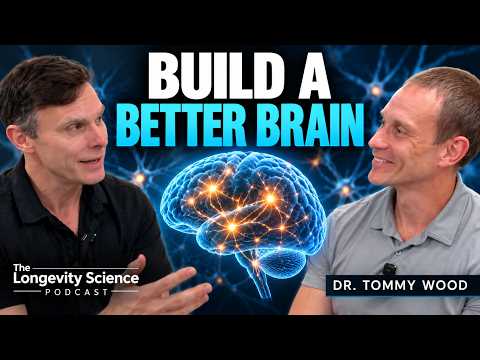
- Environmental and Behavioral Network Stabilization: Implement rigorous environmental enrichment strategies to engage neural networks through complex cognitive feedback loops. This includes high-demand environmental navigation (e.g., trail mountain biking), active face-to-face social millieu integration, and intensive executive processing tasks to promote endogenous long-term potentiation [Wood et al., Contextual Data].
Red Flag Zone (Debunked or Lacking Safety Data)
- Unguided, Non-Navigated Commercial TMS for Dementia (“Safety Data Absent”): Seeking out standard commercial TMS clinics designed for depression and requesting unguided or generic stimulation over the parietal lobe or precuneus is highly discouraged. Without real-time 64-channel EEG closed-loop engineering and personalized dosing titration, this approach is highly prone to off-target failure.
- Dosing Without Excitability Verification: Operating brain stimulation equipment without individual threshold calibration is unsafe. Excitability levels vary up to 100% between atrophied brains; overstimulation introduces a direct risk of inducing localized cortical seizures.
- Linear Molecular Monotherapy Reliance: Relying exclusively on an isolated amyloid-clearing drug regimen while completely disregarding the structural and metabolic health of large-scale functional networks represents an incomplete clinical architecture for managing cognitive longevity.
Produced by Gemini 2.0 Flash