Thanks for pointing out that video. Super interesting discussion! Just a couple of things: Oxytocin is not one of the two compounds at least based on what they said in the video. Also, plasma dilution seems to already give as a pathway instead of waiting for the 2 FDA compounds. As she pointed out, all the longevity increases we saw in the blood exchange study between old and young mice was due to the blood dilution.
1 Like
They didn’t actually say what was in the compound. But Irina said specifically that the drug was a replacement for TPE as she said it was too expensive and dangerous over time. Her pitch was that Generation Lab is developing an injectable.
This is the study I got oxytocin from: I should have posted it originally and stated that I don’t know for sure I’m just speculating
3 Likes
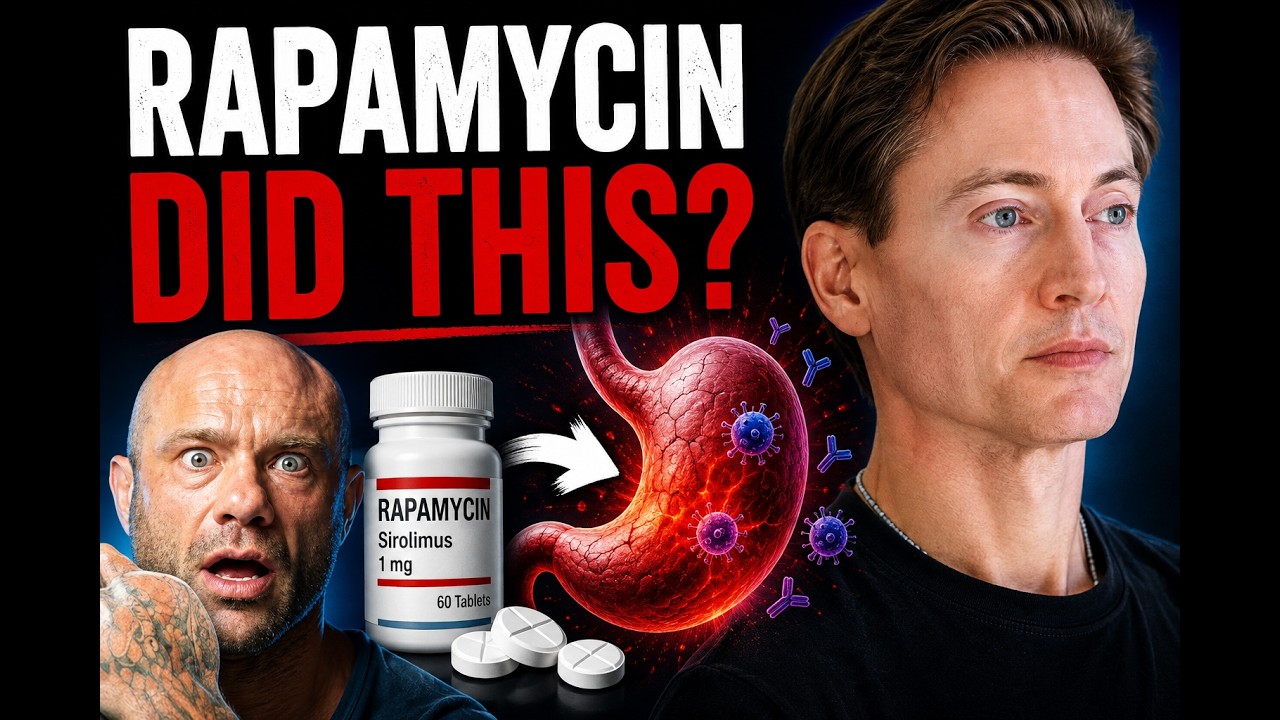
Did rapamycin cause Bryan Johnson’s autoimmune disease?
I. Executive Summary
Dr. Matt Kaeberlein assesses the speculative causal link between long-term, off-label rapamycin (sirolimus) use and Bryan Johnson’s clinical diagnosis of autoimmune gastritis (AIG). The clinical narrative presented by Johnson suggested that his autoimmune condition might have been triggered or unmasked by his multi-year experimental longevity protocol, which included pulsed low-dose rapamycin alongside dozens of concurrent pharmacological and nutraceutical compounds.
Kaeberlein’s critical deconstruction establishes a definitive chronological discrepancy that undermines a direct drug-induced etiology. Historical diagnostic markers—specifically chronic, treatment-refractory hypoferritinemia averaging 38 ng/mL with preserved hemoglobin—pre-existed Johnson’s rapamycin initiation by more than six years. AIG exhibits an indolent natural history spanning decades; the destruction of gastric oxyntic mucosa by autoreactive CD4+ T lymphocytes targeting the parietal cell H+/K+ ATPase proceeds subclinically long before complete achlorhydria, intrinsic factor depletion, and overt macrocytic pernicious anemia manifest. Because normal iron homeostasis requires gastric acid for ferric-to-ferrous reduction in the duodenum, isolated microcytic iron deficiency or refractory low ferritin serves as the primary early biomarker of occult AIG, preceding vitamin B12 exhaustion.
From an immunopharmacological perspective, mechanistic Target of Rapamycin Complex 1 (mTORC1) inhibition suppresses effector T cell proliferation (Th1 and Th17 lineages) while promoting the expansion and suppressive fidelity of CD4+CD25+FoxP3+ regulatory T cells (Tregs). Consequently, sirolimus acts as an immunosuppressant and anti-inflammatory agent, frequently investigated and utilized clinically to attenuate autoimmune pathology rather than induce de novo autoantibody generation. While chronic continuous mTOR inhibition carries established safety risks—such as impaired wound healing, dyslipidemia, insulin resistance via off-target mTORC2 destabilization, and mucosal ulcerations—there is no validated pre-clinical or clinical evidence establishing rapamycin as an inducer of organ-specific gastric autoimmunity. The attribution of AIG to rapamycin represents a post hoc ergo propter hoc fallacy compounded by high confounding noise from polypharmacy and self-directed biohacking regimens.
II. Insight Bullets
- Historical clinical biomarker records confirm that Johnson demonstrated persistent, unexplained low ferritin levels for over 11 years.
- Rapamycin administration occurred over a 5-year period, establishing that iron dysregulation preceded the pharmacological intervention by over half a decade.
- Autoimmune Gastritis (AIG) is an organ-specific, immune-mediated disorder characterized by progressive immune destruction of oxyntic mucosa and parietal cells.
- The primary autoantigen in AIG is the gastric H+/K+ ATPase (proton pump) located on the apical microvilli of parietal cells.
- Parietal cell destruction causes hypochlorhydria and eventual achlorhydria, raising intragastric pH above physiological thresholds (pH > 4.0).
- Gastric hydrochloric acid is physiologically mandatory for reducing dietary ferric iron (Fe3+) into absorbable ferrous iron (Fe2+) within the duodenum.
- Refractory iron deficiency with or without microcytic anemia represents the earliest clinical manifestation of AIG, often presenting 5 to 20 years before vitamin B12 deficiency.
- Intrinsic factor (IF) synthesis occurs exclusively in parietal cells; pernicious anemia manifests only after near-total destruction of the functional parietal cell mass.
- Systemic vitamin B12 reserves stored in the liver can buffer nutritional absorption failure for 3 to 5 years following absolute IF loss.
- Attributing AIG onset to a drug started 6 years after documented hypoferritinemia is a failure of chronological and epidemiological attribution.
- Mechanistically, mTOR is an evolutionarily conserved serine/threonine kinase regulating cell proliferation, anabolism, and immune lineage differentiation.
- mTOR forms two distinct multi-protein complexes: mTORC1 (containing Raptor) and mTORC2 (containing Rictor).
- Acute and intermittent low-dose rapamycin binds intracellular FKBP12 to selectively inhibit mTORC1 allosterically.
- Hyperactive mTORC1 signaling drives the differentiation and clonal expansion of inflammatory helper T cell subsets, specifically Th1 and Th17 cells.
- Pharmacological mTORC1 blockade downregulates proinflammatory cytokine cascades, including interferon-gamma (IFN-γ), interleukin-17 (IL-17), and tumor necrosis factor-alpha (TNF-α).
- mTORC1 inhibition selectively preserves and expands CD4+CD25+FoxP3+ regulatory T cells (Tregs), thereby enhancing immune tolerance.
- Tregs suppress autoreactive cytotoxic T lymphocytes that mediate tissue-specific destruction in autoimmune syndromes.
- Due to these immunomodulatory mechanisms, rapamycin is used clinically to suppress organ allograft rejection and treat systemic autoimmunity (e.g., Systemic Lupus Erythematosus).
- No validated clinical trial data or mechanistic models indicate that rapamycin induces de novo breaks in self-tolerance against parietal cell antigens.
- Chronic high-dose continuous rapamycin exposure can cause secondary mTORC2 disruption, leading to hepatic gluconeogenesis upregulation and peripheral insulin resistance.
- Intermittent (weekly) pulsed rapamycin dosing strategies are designed to clear circulating drug concentrations, allowing mTORC1 recovery and preserving mTORC2 integrity.
- The human PEARL trial demonstrated that intermittent low-dose rapamycin (5–10 mg weekly) exhibits an acceptable safety profile across a 48-week period without inducing autoimmune syndromes.
- Aphthous stomatitis (oral mucosal ulcerations) represents the most common dose-limiting adverse effect of rapalog therapy, reflecting local epithelial turnover inhibition rather than systemic autoimmunity.
- Concomitant intake of over 100 uncontrolled dietary supplements and synthetic peptides introduces severe confounding variables into clinical safety assessments.
- Uncontrolled multi-compound polypharmacy creates unquantifiable xenobiotic metabolic competition across hepatic Cytochrome P450 (notably CYP3A4) and P-glycoprotein efflux pathways.
- Alterations in CYP3A4 clearance can unpredictably amplify peak serum rapamycin (Cmax) and area under the curve (AUC) concentrations, elevating toxicity risks.
- Genetic predisposition accounts for a substantial proportion of AIG risk, which strongly clusters with HLA-DR3, HLA-DR4, and other autoimmune endocrinopathies (Type 1 Diabetes, Hashimoto’s Thyroiditis).
- Advanced AIG causes loss of negative feedback on antral G cells via somatostatin depletion, inducing chronic compensatory hypergastrinemia.
- Sustained hypergastrinemia acts on Cholecystokinin B Receptors (CCK2R) on enterochromaffin-like (ECL) cells, promoting hyperplasia and predisposing to Type 1 Gastric Neuroendocrine Tumors (gNENs).
- Diagnosis of early AIG requires serological quantification of anti-parietal cell antibodies (APCA) and anti-intrinsic factor antibodies (AIFA), combined with endoscopic biopsy of fundic mucosa.
- Endoscopic surveillance of the gastric body and fundus is clinically mandated in confirmed AIG due to elevated risks of gastric adenocarcinoma and neuroendocrine neoplasms.
- Therapeutic management of established AIG is strictly supportive: lifelong parenteral or high-dose sublingual cyanocobalamin/methylcobalamin alongside intravenous or oral ferrous bisglycinate.
- Longevity interventions targeting healthy human populations cannot rely on uncontrolled n=1 self-experimentation due to confirmation bias and lack of standard counterfactual controls.
- The longevity research community must decouple verified geroscience mechanisms from social media health influencer marketing narratives.
- Rigorous biomarker tracking must be paired with standard clinical diagnostic algorithms to avoid overlooking baseline organic disease while attributing symptoms to experimental protocols.
III. Adversarial Claims & Evidence Table
| Claim from Video / Regimen Context | Speaker’s Evidence / Justification | Scientific Reality (Current Clinical Data) | Evidence Grade | Verdict |
|---|---|---|---|---|
| Rapamycin caused de novo Autoimmune Gastritis (AIG). | Temporal association between longevity protocol experimentation and formal AIG clinical diagnosis. | Refuted by historical lab records showing hypoferritinemia 11 years prior (6 years before drug onset). Mechanistically, rapamycin enhances FoxP3+ Tregs and suppresses autoreactive T cells (Perl, 2015; Lenti et al., 2020). | Level C | Unsupported |
| Intermittent low-dose rapamycin is safe in normative aging adults. | Translational geroscience rodent data and Phase 2a clinical safety cohorts. | The 48-week double-blind randomized placebo-controlled PEARL trial (NCT04488601) demonstrated intermittent weekly dosing (5–10 mg) had adverse events comparable to placebo with preserved metabolic markers. | Level B | Strong Support |
| mTOR inhibition suppresses autoimmune pathogenesis. | In vitro and in vivo animal models of systemic autoimmunity. | Clinical trials in human Systemic Lupus Erythematosus and Rheumatoid Arthritis confirm mTORC1 blockade with sirolimus quenches inflammatory cytokines and restores Th17/Treg balance (Lai et al., 2018; Chen et al., 2023). | Level B | Strong Support |
| AIG primarily manifests initially as macrocytic anemia. | Traditional medical textbook definitions of pernicious anemia. | Systematic reviews show that isolated iron deficiency with microcytosis or normocytosis precedes macrocytic B12 deficiency by years due to early achlorhydria-mediated iron malabsorption (Neumann et al., 2013; Massironi et al., 2019). | Level A | Unsupported (Clinical Myth) |
| Extensive multi-compound polypharmacy (100+ supplements) enhances longevity synergy. | Unvalidated biohacking hypothesis of multi-pathway targeting. | Complex polypharmacy alters hepatic CYP3A4/P-gp pharmacokinetics and increases risks of toxic interactions, drug-induced liver injury (DILI), and unpredictable off-target immunological effects (Björnsson, 2016). | Level E | Safety Warning |
| Chronic mTORC1/mTORC2 inhibition poses metabolic and immunological toxicity risks. | Transplant literature where continuous daily sirolimus is administered. | Continuous high-dose rapamycin induces peripheral insulin resistance, hypertriglyceridemia, and broad immunosuppression via mTORC2 disruption; pulsed dosing mitigates but does not fully eliminate these kinetics (Lamming et al., 2012; Mannick et al., 2014). | Level B | Plausible |
1. Molecular Kinetics of mTOR Complexes and Immune Modulation
The Mechanistic Target of Rapamycin is a serine/threonine kinase operating via two distinct multiprotein complexes:
- mTORC1 (mTOR, Raptor, mLST8, PRAS40, Deptor): Governs nutrient sensing, protein translation, ribosome biogenesis, and lipid synthesis via downstream phosphorylation of p70S6 kinase 1 (S6K1) and eukaryotic initiation factor 4E-binding protein 1 (4E-BP1). It directly represses macroautophagy by phosphorylating the ULK1-mAtg13-FIP200 complex. In T cells, active mTORC1 acts as a metabolic checkpoint favoring glycolytic flux and polarizing CD4+ naive T cells toward proinflammatory Th1 and Th17 phenotypes.
- mTORC2 (mTOR, Rictor, mLST8, Sin1, Protor-1/2): Regulates cytoskeletal organization, cell survival, and phosphorylation of Akt at Ser473. While rapamycin binds allosterically to the FKBP12-rapamycin-binding (FRB) domain of mTORC1 without acutely inhibiting mTORC2, sustained chronic exposure sequesters the intracellular pool of shared mTOR kinase molecules, preventing de novo assembly of mTORC2 and causing peripheral insulin resistance and dyslipidemia.
- Immunological Tolerance Mechanism: Rapamycin-mediated mTORC1 inhibition inhibits Akt-mTOR signaling in naive T cells, promoting the transcriptional induction of the forkhead box transcription factor FoxP3. This shifts the balance from pathogenic autoreactive effector T cells toward functional immunosuppressive Treg populations, repressing autoimmune tissue infiltration.
2. Pathophysiology of Autoimmune Gastritis (AIG)
- Antigenic Specificity: AIG is an organ-specific, T-cell-mediated autoimmune process directed against the heterodimeric gastric proton pump (H+/K+ ATPase, consisting of the catalytic alpha subunit ATP4A and glycoprotein beta subunit ATP4B).
- Effector Mechanism: Autoreactive CD4+ Type 1 helper (Th1) cells infiltrate the lamina propria of the gastric fundus and corpus, releasing IFN-γ and mobilizing CD8+ cytotoxic T lymphocytes and macrophages. Parietal cell death occurs primarily via Fas/FasL death receptor ligation and granzyme B-dependent apoptosis.
-
Iron vs. Vitamin B12 Absorption Kinetics:
- Iron Malabsorption: Parietal cells secrete HCl, generating an acidic gastric milieu (pH 1.5–2.0) essential for solubilizing non-heme dietary iron and facilitating its reduction from insoluble ferric (Fe3+) to ferrous (Fe2+) iron via duodenal cytochrome b (DCYTB). Ferrous iron is then imported across the apical enterocyte membrane via Divalent Metal Transporter 1 (DMT1). In early AIG, partial parietal cell loss causes early hypochlorhydria, suppressing iron reduction and presenting as refractory iron deficiency (low ferritin) years before complete tissue destruction.
- Cobalamin Depletion: Complete achlorhydria and total parietal cell atrophy eliminate gastric Intrinsic Factor (IF). Unbound cobalamin cannot bind to the cubam receptor complex in the terminal ileum, leading to total failure of receptor-mediated endocytosis. Because hepatic transcobalamin reserves are large, pernicious anemia (megaloblastic erythroblastosis, hypersegmented neutrophils) emerges only after an extensive latency period.
Produced by Gemini 2.5 Pro
2 Likes
Can You Actually Reverse Mitochondrial Decline? | Roger Seheult | Michael Snyder | Matt Kaeberlein
I. Executive Summary
This panel discussion synthesizes perspectives from Dr. Roger Seheult (pulmonary/critical care), Dr. Michael Snyder (genomics/personalized medicine), and Dr. Matt Kaeberlein (biogerontology) on the biological reversibility of mitochondrial aging. The core thesis posits that mitochondrial dysfunction is a primary, modifiable driver of human age-related morbidity, but the scientific rigor across proposed interventions varies from clinically validated pharmacology to speculative pre-clinical extrapolation.
Dr. Seheult focuses on photobiomodulation (PBM) utilizing red to near-infrared (NIR) wavelengths (670–850 nm). Photons absorbed by mitochondrial chromophores—predominantly Cytochrome c Oxidase (Complex IV)—stimulate electron flux, elevate adenosine triphosphate (ATP) synthesis, and induce cellular signaling cascades. While localized retinal cone photoreceptor recovery is clinically demonstrated, claims regarding systemic “abscopal” mitochondrial rejuvenation and high-concentration extrapineal mitochondrial melatonin production remain largely hypothesis-generating in humans.
Dr. Snyder reviews emerging rejuvenation modalities, including exogenous mitochondrial transplantation, senolytics, GLP-1 receptor agonists (GLP-1 RAs), and dietary nutraceuticals (e.g., NMN, CoQ10). While GLP-1 RAs exhibit Level A cardiovascular and metabolic risk reduction, systemic mitochondrial transplantation and universal senolytic regimens remain strictly experimental or confined to acute ischemia-reperfusion settings. Furthermore, systematic reviews confirm that oral NAD+ precursors like NMN lack robust, reproducible metabolic efficacy in non-deficient, healthy human populations.
Dr. Kaeberlein delivers a rigorous counter-critique against popular longevity dogmas surrounding fasting, autophagy, and caloric restriction (CR). While mTORC1 inhibition via rapamycin reliably extends lifespan in diverse model organisms by derepressing macroautophagy, translating these findings directly to human lifestyle interventions encounters severe translational gaps. Current human assays cannot reliably quantify “productive” in vivo autophagy kinetics. Furthermore, severe CR (e.g., 30–40% restriction) in normative human environments introduces substantial clinical hazards: accelerated sarcopenia, loss of trabecular and cortical bone mineral density (BMD), and impaired cell-mediated immunity against pathogenic challenge. Translating biogerontology to clinical practice requires prioritizing body composition (preserving lean muscle mass and bone density) and validated pharmacotherapies over extreme caloric deprivation or unverified poly-supplementation stacks.
II. Insight Bullets
- Retinal cone photoreceptors possess one of the highest mitochondrial densities in human physiology, making color contrast sensitivity a surrogate functional assay for retinal bioenergetics.
- Age-related decline in retinal mitochondrial ATP production is estimated between 40% and 70%, impairing tritan (blue-yellow) and protan/deutan (red-green) color discrimination.
- Photobiomodulation (PBM) at long visible and near-infrared wavelengths (670–850 nm) photoactivates mitochondrial chromophores, primarily Cytochrome c Oxidase.
- Optical stimulation of Complex IV accelerates mitochondrial electron transport velocity, elevates the inner membrane potential (ΔΨm), and acutely enhances ATP yield.
- Clinical pilot trials demonstrate that morning exposure to 670 nm light transiently improves cone-mediated color contrast thresholds in individuals aged >40 years.
- The proposed systemic “abscopal effect” of PBM—where peripheral tissue irradiation enhances distal, shielded organ bioenergetics—is hypothesized to be mediated by circulating cytokine and extracellular vesicle signaling.
- Reactive oxygen species (ROS)—including superoxide (O2∙−), hydrogen peroxide (H2O2), and hydroxyl radicals (∙OH)—are obligate byproducts of incomplete four-electron reduction at Complex IV.
- Extrapineal melatonin is synthesized locally within mitochondrial matrices across diverse peripheral tissues at concentrations significantly exceeding pineal gland output.
- Mitochondrial melatonin acts as a direct scavenger of free radicals and upregulates endogenous antioxidant defenses, including Superoxide Dismutase (SOD2) and Glutathione Peroxidase (GPx).
- Chronic metabolic pathologies (e.g., obesity, type 2 diabetes, endothelial dysfunction) establish baseline mitochondrial oxidative stress that amplifies acute inflammatory insults.
- Exogenous mitochondrial transplantation involves isolating functional autologous or allogeneic mitochondria and administering them into ischemic or damaged host tissues.
- Pediatric cardiac clinical applications demonstrate that autologous mitochondrial transplantation from skeletal muscle into ischemic myocardium improves weaning success from extracorporeal membrane oxygenation (ECMO).
- Mechanistic studies indicate that transplanted exogenous mitochondria do not merely replace energy production; their internalization triggers endogenous host mitophagy via the PINK1-Parkin pathway.
- Systemic, whole-body intravenous mitochondrial replacement therapy in normative aging remains an unproven hypothesis constrained by delivery kinetics, immune clearance, and tissue homing barriers.
- Cellular senescence involves irreversible cell cycle arrest accompanied by the Senescence-Associated Secretory Phenotype (SASP), which secretes pro-inflammatory cytokines and matrix metalloproteinases.
- Senolytics (e.g., Dasatinib + Quercetin, Fisetin) transiently disable pro-survival senescent cell anti-apoptotic pathways (SCAPs) to induce apoptosis selectively in senescent cells.
- Current human senolytic trials are limited to specific pathological niches (idiopathic pulmonary fibrosis, diabetic nephropathy) and lack validated long-term safety data in healthy populations.
- Autologous and allogeneic stem cell therapies face major translational hurdles in systemic longevity, notably oncogenic transformation risk and poor engraftment efficiency.
- Glucagon-Like Peptide-1 receptor agonists (GLP-1 RAs) reduce major adverse cardiovascular events (MACE) and all-cause mortality in diabetic and obese cohorts through pleiotropic, anti-inflammatory mechanisms.
- GLP-1 RAs exert neuroprotective, nephroprotective, and cardioprotective effects partially independent of direct body weight loss.
- “Microdosing” GLP-1 RAs for longevity in lean, non-diabetic individuals lacks prospective randomized controlled trial (RCT) evidence.
- Vitamin D3 supplementation is clinically supported for correcting verified hypovitaminosis D, but supra-physiological dosing without deficiency provides diminishing or negative returns.
- Co-administration of Vitamin K2 with Vitamin D3 is proposed to optimize calcium carboxylation into osteocalcin and matrix Gla protein, preventing ectopic vascular calcification.
- Oral Nicotinamide Mononucleotide (NMN) reliably elevates circulating NAD+ metabolites, but human meta-analyses show negligible impacts on glycemic control or lipid panels in healthy adults.
- Dietary nitrate from beetroot extract promotes endothelial nitric oxide (NO) generation via the enterosalivary nitrate-nitrite-NO pathway, reducing peripheral vascular resistance.
- Macroautophagy is an evolutionary recycling pathway wherein autophagosomes sequester damaged organelles and protein aggregates for lysosomal degradation.
- Genetic ablation studies in model organisms (C. elegans, Drosophila) demonstrate that intact autophagy machinery is strictly necessary for lifespan extension via caloric restriction or rapamycin.
- Rapamycin binds intracellular FKBP12 to inhibit mTORC1, thereby de-repressing the ULK1 autophagy-initiating kinase complex.
- Intermittent fasting protocols (e.g., 16:8 time-restricted eating) are widely marketed as autophagy inducers, but the precise fasting duration required to stimulate robust human tissue autophagy in vivo remains unestablished.
- Human clinical biogerontology currently lacks non-invasive, validated bioassays to quantify productive in vivo autophagic flux in solid organs.
- Severe caloric restriction (30–40% reduction) yields dramatic lifespan extension in protected rodent laboratory environments, but introduces severe clinical risks in humans.
- The CALERIE trial established that 12–25% caloric restriction in non-obese humans induces significant loss of lean skeletal muscle mass and reductions in areal bone mineral density (BMD).
- Sarcopenia and osteopenia represent critical clinical determinants of frailty, falls, loss of functional independence, and late-life all-cause mortality.
- Rodent models housed in thermoneutral, pathogen-free environments do not reflect the complex immunological and physical stressors faced by free-living humans.
- Nutritional quality and protein adequacy remain mandatory during any caloric deficit to prevent structural protein catabolism.
- Evolutionarily, the mTOR-IGF-1 signaling axis prioritizes growth, cellular translation, and reproduction under nutrient abundance, shifting to somatic maintenance during nutrient scarcity.
- Longevity interventions must balance anti-aging molecular signaling (mTOR down-regulation) against structural somatic integrity (maintaining musculoskeletal tissue).
- Over-extrapolating in vitro or nematode biogerontology mechanisms into aggressive human self-experimentation carries substantial risk of unquantified toxicities.
III. Adversarial Claims & Evidence Table
| Claim from Video / Speaker | Speaker’s Evidence / Justification | Scientific Reality (Current Clinical Data) | Evidence Grade | Verdict |
|---|---|---|---|---|
| Photobiomodulation (PBM, 670–850 nm) reverses age-related retinal decline. (Seheult) | Improvement in cone-mediated color contrast sensitivity in older adults following light exposure. | Human RCTs confirm morning 670 nm exposure transiently improves tritan and protan/deutan color thresholds in aged retinas via mitochondrial membrane potential upregulation (Shinhmar et al., 2021; PMC11693665). | Level B | Strong Support |
| PBM induces a systemic “abscopal effect” via circulating signaling.(Seheult) | Body-only illumination with shielded head improved retinal color contrast; altered serum cytokine panels in mice. | Pre-clinical and human pilot data demonstrate localized PBM alters systemic cytokine profiles and whole-body glucose utilization, but systemic anti-aging efficacy remains unvalidated (Shinhmar et al., 2023; Powner & Jeffery, 2024). | Level C | Plausible |
| Mitochondria produce high levels of melatonin locally via NIR light.(Seheult) | Extrapineal melatonin synthesis hypotheses (Zimmerman & Reiter) linking sunlight NIR to local ROS scavenging. | In vitro and biochemical models confirm extrapineal mitochondrial melatonin synthesis, but direct quantification of non-invasive NIR sunlight inducing therapeutic systemic levels in humans is largely theoretical (Tan et al., 2013; Reiter et al., 2020). | Level D (Translational Gap) | Speculative |
| Systemic mitochondrial transplantation can rejuvenate aged humans.(Snyder) | Autologous mitochondrial injections in pediatric cardiac ischemia and emerging pre-clinical cellular transfer models. | Efficacy is demonstrated exclusively in acute focal ischemia (e.g., pediatric cardiac ECMO rescue) via localized injection; systemic IV delivery in healthy humans lacks pharmacokinetic and delivery validation (Emani et al., 2017; Melero-Martin et al., 2024). | Level C | Speculative |
| GLP-1 RAs (Semaglutide/Tirzepatide) act as broad longevity therapeutics. (Snyder) | Large-scale multi-organ clinical trials demonstrating cardiometabolic, renal, and cognitive improvements. | Human meta-analyses and Phase 3 CVOTs (SELECT, STEP-HFpEF) confirm reductions in MACE, CV mortality, and all-cause mortality in diabetic/obese cohorts; anti-aging use in lean non-diabetics remains unproven (Lincoff et al., 2023; Oxford Meta-Analysis, 2025). | Level A | Strong Support (Target Cohorts) |
| Oral NMN supplementation provides definitive clinical anti-aging efficacy. (Snyder) | Preclinical NAD+ biology and surrogate energy/metabolic markers. | Systematic reviews show oral NMN safely raises blood NAD+, but fails to produce statistically significant improvements in glycemic control, lipid profiles, or functional lifespan in healthy humans (MDPI Meta-Analysis, 2024; Pfeffer et al., 2022). | Level A | Unsupported (Clinical Efficacy) |
| Intermittent fasting reliably boosts productive autophagy in humans.(Kaeberlein) | Critique: Popular claims of fasting-induced autophagy are unverified extrapolations. | No direct in vivo biomarkers reliably validate that brief fasting (16–24 h) induces productive organ-specific autophagy in humans; cellular assays remain limited to peripheral blood surrogates (Mizushima & Levine, 2020; Stekovic et al., 2019). | Level C | Unsupported (Popular Dogma) |
| Severe Caloric Restriction (30–40%) is a viable human longevity strategy. (Kaeberlein) | Critique: Severe CR causes sarcopenia, osteopenia, and immunocompromise in human environments. | The CALERIE trial confirms 12–25% CR reduces cardiometabolic risk but triggers significant losses in total-body lean mass and femoral/lumbar bone mineral density, elevating frailty risk in late life (Ravussin et al., 2015; Villareal et al., 2016). | Level B | Safety Warning |
IV. Actionable Protocol (Prioritized)
=====================================================================
EVIDENCE-BASED TRANSLATIONAL GEROSCIENCE FRAMEWORK
=====================================================================
[HIGH CONFIDENCE TIER: Level A/B Validated Clinical Protocols]
│
├── 1. Targeted Photobiomodulation for Retinal Function:
│ ├── Modality: Narrowband red light (670 nm, ~8 mW/cm2 irradiance).
│ ├── Protocol: 3-minute morning exposure (08:00–10:00) 1–2 times weekly.
│ └── Indication: Mitigating age-related cone contrast sensitivity loss (>40 years).
│
├── 2. GLP-1 Receptor Agonist Pharmacotherapy (Indication-Specific):
│ ├── Agents: Semaglutide, Tirzepatide under standard clinical supervision.
│ ├── Indication: Type 2 Diabetes, Obesity (BMI > 30 or > 27 with comorbidities), ASCVD.
│ └── Outcomes: Significant reduction in MACE, renal decline, systemic inflammation, and all-cause mortality.
│
├── 3. Musculoskeletal Preservation Over Extreme Caloric Deficits:
│ ├── Resistance Training: Progressive overload 3–4x weekly to preserve lean muscle mass.
│ ├── Protein Target: 1.2–1.6 g/kg/day high-quality intact protein to prevent sarcopenia.
│ └── Caloric Intake: Moderate eucaloric or mild energy restriction (5–10%) avoiding bone/muscle wasting.
[EXPERIMENTAL TIER: Level C/D Evidence / High Safety Margin]
│
├── 1. Endothelial Nitric Oxide Support:
│ ├── Dietary Nitrate: Standardized beetroot extract or leafy greens (300–400 mg nitrate).
│ └── Target: Vasodilation, reduction in systemic vascular resistance, endothelial support.
│
├── 2. Pulsed mTORC1 Modulation (Investigational):
│ ├── Intermittent low-dose Rapamycin (3–6 mg weekly) within approved clinical trials.
│ └── Objective: Transient autophagy stimulation while preserving basal mTORC2 metabolic function.
│
├── 3. Micronutrient Correction (Deficiency-Driven):
│ ├── Vitamin D3 (1,000–2,000 IU/day) titrated to target serum 25(OH)D of 30–50 ng/mL.
│ └── Co-administration with Vitamin K2 (MK-7, 90–180 mcg/day) for calcium homeostasis.
[RED FLAG ZONE: Debunked, Unsafe, or Safety Data Absent]
│
├── 1. Extreme Caloric Restriction (< 1,000 kcal/day in adults):
│ └── Risk: Severe bone mineral density depletion (osteopenia), sarcopenia, immune suppression.
│
├── 2. Unregulated Systemic Stem Cell / Mitochondrial “Rejuvenation” Injections:
│ └── Risk: Ectopic tissue formation, pulmonary microembolism, oncogenesis, absence of human phase 3 data.
│
├── 3. High-Dose Unverified Polypharmacy & Unmonitored Senolytic “Hit-and-Run” Protocols:
│ └── Risk: Off-target kinase inhibition (Dasatinib toxicity), hepatic injury, unquantified drug interactions.
=========================================================================
1. Photobiomodulation and Mitochondrial Bioenergetics
- Chromophore Photoexcitation: Long visible and near-infrared photons (600–900 nm) penetrate biological tissue and are selectively absorbed by metal centers in Cytochrome c Oxidase (CCO / Complex IV), specifically the heme a/a3 and binuclear copper centers (CuA and CuB).
- Nitric Oxide Dissociation: Under baseline cellular stress, nitric oxide (NO) competitively binds the binuclear catalytic site of CCO, inhibiting oxygen consumption. Photon absorption induces photodissociation of NO from CCO, restoring normal electron flux to molecular oxygen.
- Proton Gradient and Hormesis: Unblocked electron transport restores the electrochemical proton gradient (ΔμH+) across the inner mitochondrial membrane, driving rotational catalysis of F1F0-ATP synthase. A controlled, transient burst of reactive oxygen species (ROS) activates nuclear factor erythroid 2-related factor 2 (Nrf2) and Peroxisome proliferator-activated receptor gamma coactivator 1-alpha (PGC-1α), initiating antioxidant transcription and mitochondrial biogenesis.
2. Autophagy, Mitophagy, and the mTORC1/AMPK Signaling Axis
- ULK1 Complex Regulation: Initiation of macroautophagy relies on the unc-51 like autophagy activating kinase 1 (ULK1) complex (ULK1, ATG13, FIP200, ATG101). When nutrients are abundant, activated mTORC1phosphorylates ULK1 at inhibitory residue Ser757, disrupting its interaction with AMPK.
- Energy Stress Activation: Under energy depletion or pharmacological mTOR inhibition (via rapamycin/sirolimus), the drop in intracellular ATP activates AMPK, which directly phosphorylates ULK1 at activating sites (Ser317 and Ser777) while phosphorylating the TSC1/TSC2 complex and Raptor to silence mTORC1.
- Vesicle Nucleation and Elongation: Active ULK1 phosphorylates the Class III PI3K complex (VPS34, Beclin-1, p150, ATG14), producing local pools of phosphatidylinositol 3-phosphate (PI3P). This recruits downstream effectors (WIPI2) and initiates two ubiquitin-like conjugation systems: the ATG12–ATG5–ATG16L1 complex and the cleavage/lipidation of cytosolic LC3-I to phosphatidylethanolamine-conjugated LC3-II, which inserts into the expanding autophagosome membrane.
- Mitophagy (PINK1-Parkin Pathway): Depolarized, damaged mitochondria fail to import and degrade PTEN-induced kinase 1 (PINK1). Accumulated PINK1 on the outer mitochondrial membrane (OMM) recruits and phosphorylates the E3 ubiquitin ligase Parkin, triggering polyubiquitination of OMM proteins (e.g., VDAC1, Mfn1/2). Ubiquitinated mitochondria are bound by autophagy receptors (p62/SQSTM1, OPTN), tethering the damaged organelle to LC3-II-positive autophagosomes for lysosomal clearance.
Produced by Gemini 2.5 Pro
1 Like
There is an interesting question here about fasting and autophagy. I would assume that after a point fasting stimulates autophagy. The question is how long. I would perhaps suggest if you are not fasting long enough to move into ketosis that you might not be doing much autophagy beyond the normal circadian cycle.
1 Like
There is extremely limited data about the effect of fasting on autophagy in actual humans (instead of cell cultures).
Most proposed AP interventions are just conjecture out of mice data and cell cultures.
To my knowledge there is only one study in humans (use AI to find it):
a 3 day (72 hours) fast in healthy college students
The time course of autophagy was determined based on muscle biopsies. It was about +30% increase above daily baseline if I recall correctly.
That’s much lower than in mice.
Then again, mice die of starvation after 2-4 days of water fasting. While humans clearly do not.
So unless proven otherwise in living humans I would be very sceptical about any claims of AP activation in humans by any intervention.
That is your responsibility not ours.
As the mods will be able to tell based on my IPs I’m between international airports currently. Therefore I hope you can forgive me for failing my responsibility to you.
1 Like
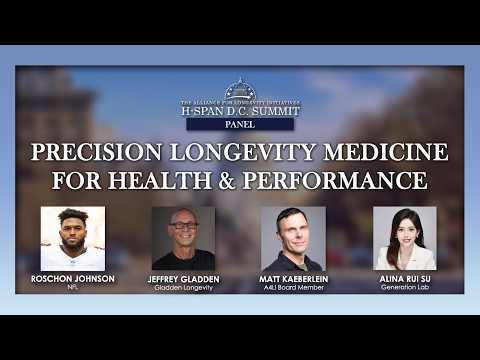
Precision Longevity Medicine for Health & Performance
I. Executive Summary
The panel discussion at the H-SPAN Summit D.C. examines the intersection and divergence between high-performance athletic conditioning and biological longevity medicine. Elite physical performance and maximal healthspan do not share identical biological trajectories. While high-performance sports demand physiological output that frequently induces systemic stress, structural wear, microtrauma, and endocrine disruption, longevity medicine prioritizes homeostatic stability, repair mechanisms, and biological entropy reduction. The dialogue contrasts practical elite athletic protocols with systems-biology clinical practices and critical geroscience perspectives.
The primary debate centers on the clinical validity and translation of longevity interventions. Clinical practitioners advocate for multi-step regenerative protocols—including senolytics, therapeutic plasma exchange (TPE), autologous stem cell therapies, and peptide regimens—framed around autonomic nervous system regulation and systems biology. Conversely, academic geroscience emphasizes that advanced regenerative modalities currently lack Phase III randomized controlled trials (RCTs) to define effect sizes, responder demographics, and long-term safety profiles. The foundational lifestyle pillars—nutrition, structured resistance and aerobic exercise, sleep optimization, recovery, and stress regulation—remain the only interventions with conclusive evidence for extending healthspan.
Biomarker precision represents a central technical bottleneck. The panel rejects single-score biological age tests as clinically reductionist and misleading, given that humans age as an asynchronous mosaic across organ systems. Commercial DNA methylation clocks suffer from substantial technical noise and biological variability, limiting their utility for guiding clinical decision-making. Future precision longevity requires multi-omic profiling (epigenomics, proteomics, metabolomics) integrated with real-time biofeedback (heart rate variability, evoked response potentials) and digital-twin computational frameworks to identify organ-specific vulnerabilities and guide targeted interventions.
II. Insight Bullets
- Divergence of Performance and Longevity: Elite athletic performance requires pushing physiological systems to extremes, often accelerating structural damage, endocrine strain, and allostatic load, whereas longevity focuses on preserving long-term homeostasis and cellular integrity.
- Lifestyle Foundations Precede Advanced Modalities: Nutrition, progressive resistance and cardiorespiratory exercise, restorative sleep, active recovery, and psychosocial health form the non-negotiable baseline of healthspan; experimental therapies cannot compensate for deficiencies in these areas.
- Allostatic Cost of Hyper-Optimization: Over-indexing on extreme performance metrics can paradoxically impair healthspan by chronically elevating cortisol, depleting parasympathetic tone, and disrupting personal relationships and stress resilience.
- Structured Microcycle Periodization: High-performance regimens utilize distinct daily allocations—separating high-intensity neuromuscular strain days from dedicated active recovery, mobility, and complete rest days to prevent cumulative systemic fatigue.
- Zero-Load Cerebral Skill Training: Implementing non-weight-bearing cognitive and skill-specific drills (e.g., seated motor drills) enables continued neurological and reactive training without accumulating musculoskeletal or axial load.
- Primacy of the Autonomic Nervous System (ANS): Autonomic regulation governs systemic recovery and tissue regeneration; chronic sympathetic hyperactivation impairs cellular repair, whereas parasympathetic dominance optimizes therapeutic response.
- Neurological Flow State Mechanics: Entering a neurological flow state during physical execution reduces muscular hyper-rigidity, optimizes biomechanical shock absorption during collisions, and lowers traumatic injury risk compared to forced, hyper-sympathetic exertion.
- Theta-State Regenerative Modulation: Inducing deep restorative parasympathetic states (theta brainwave dominance) during passive recovery modalities (cryotherapy, thermal therapy, manual therapy) is theorized to amplify cellular repair pathways.
- Contact-Induced Endocrine Degradation: Repetitive athletic impact and prolonged high-volume training correlate with blunted growth hormone pulsatility and accelerated serum testosterone depletion, requiring periodic endocrine monitoring.
- Autoregulated Training via Heart Rate Variability: Utilizing resting vagal-mediated HRV metrics to dynamically adjust daily training volume and intensity prevents overtraining syndrome more effectively than static, predetermined linear progressions.
- Stress-Induced Epigenetic Acceleration: Chronic physiological and psychological stress in high-demand populations (elite contact athletes, high-stress corporate executives) can accelerate biological aging metrics by an estimated 1.5x to 2.0x relative to baseline populations.
- Prevalence of Unregulated Locker-Room Therapies: Contact athletes routinely deploy off-label and non-standardized therapies—such as autologous stem cells, platelet-rich plasma (PRP), hyperbaric oxygen, and photobiomodulation—to accelerate recovery despite variable clinical trial backing.
- The “Shiny Object” Translational Gap: Many emerging longevity therapies (exogenous stem cells, hyperbaric oxygen protocols, off-label peptides) lack high-quality, blinded randomized controlled trials establishing clear effect sizes and separating physiological efficacy from placebo response.
- Rational Risk-Reward Framework: Evaluating non-standard longevity interventions requires rigorous risk-benefit stratification, balancing prospective functional gains against financial costs, oncogenic risks, and potential long-term systemic disruptions.
- Systems-Level Biological Priming: Clinical practitioners hypothesize that regenerative biologics require environmental tissue preparation—such as reducing senescent cell load and circulating inflammatory cytokines—prior to introducing cellular grafts.
- Risks of Unregulated Peptide Administration: Unsupervised procurement of gray-market peptides introduces substantial clinical risks, including unverified chemical purity, immunogenicity, off-target receptor interactions, and prospective mitogenic or oncogenic signaling.
- Point-of-Care Evoked Potential Neuro-Diagnostics: Utilizing rapid functional evoked response potential (ERP) testing pre- and post-exposure enables objective quantification of acute neurological disruption and subconcussive trauma.
- Superiority of Real-Time Biomarker Feedback: High-frequency, continuous, or immediate post-event biomarker acquisition provides actionable data loops for immediate clinical modulation, outperforming episodic quarterly testing.
- Multi-Organ Biological Age Discordance: Biological aging is inherently asynchronous across physiological systems; an individual may possess a youthful cardiovascular profile while exhibiting accelerated renal, immune, or cerebral senescence.
- Failure of Univariate Biological Age Clocks: Compressing whole-body physiological health into a single chronological or biological age metric obscures organ-specific pathologies and can generate false reassurance in individuals with localized organ disease.
- Epigenetic Clock Noise and Clinical Actionability Limits: Standard commercial DNA methylation clocks exhibit technical measurement variance and lack longitudinal clinical actionability, failing to inform specific medical or therapeutic alterations.
- Limitations of Linear Epigenetic Modeling: Traditional linear regression algorithms fail to accurately model the biological entropy, non-linear noise, and dynamic repair kinetics inherent in living human tissues.
- Post-Concussion Secondary Inflammatory Mitigation: Clinical management of head trauma focuses on suppressing secondary neuroinflammation and metabolic crisis through targeted nutritional support, hyperbaric exposure, and neural metabolic substrates.
- Biomechanical External Shell Dissipation: Auxiliary soft-shell helmet additions (e.g., Guardian Caps) reduce the coefficient of restitution and extend impact duration, attenuating peak linear and rotational acceleration during direct helmet collisions.
- Cranial Venous Volume Regulation: External jugular vein compression devices (e.g., Q-Collar) aim to slightly elevate intracranial venous blood volume, reducing internal brain displacement (“slosh”) during sudden head decelerations.
- Convergence on Systems Biology and Digital Twins: The future of predictive longevity medicine relies on synthesizing multi-omic diagnostics, environmental variables, and artificial intelligence into personalized computational models (P4 medicine) to optimize systemic homeostasis.
1. High Confidence Tier (Level A/B Evidence)
-
Heart Rate Variability (HRV)-Guided Autoregulation:
- Protocol: Measure resting parasympathetic indices (root mean square of successive differences, RMSSD) daily upon waking using validated ECG or PPG sensors. Down-regulate training volume and intensity when RMSSD drops significantly below individual baseline; execute high-intensity sessions only when parasympathetic tone is preserved.
- Evidence: Meta-analyses confirm that HRV-guided training produces superior adaptations in cardiac-vagal modulation and reduces the incidence of negative training responses compared to rigid, pre-planned training regimens (Granero-Gallegos et al., 2021; Physiol Behav RCT, 2022).
-
Structured Sleep & Circadian Entrainment:
- Protocol: Minimum 7.5–9 hours of sleep opportunity within a dark, cool environment (15–19°C / 60–67°F), maintaining consistent wake times to optimize slow-wave sleep (growth hormone release) and REM sleep (synaptic pruning).
- Evidence: High-level clinical evidence establishes sleep deprivation as a direct driver of systemic inflammation, metabolic dysfunction, and impaired neuro-glymphatic clearance.
-
High-Dose Omega-3 Fatty Acids for Neuroprotection:
- Protocol: Supplementation with 2–4 g/day of combined EPA and DHA to maintain an Omega-3 Index >8%.
- Evidence: Clinical and preclinical trials demonstrate significant reductions in axonal injury biomarkers (neurofilament light chain) and attenuation of post-traumatic neuroinflammatory cascades (Oliver et al., 2016).
-
Soft-Shell Biomechanical Head Protection:
- Protocol: Utilization of validated external padded helmet covers (e.g., Guardian Cap) during full-contact athletic scenarios.
- Evidence: Large-scale prospective cohort analysis across multiple NFL preseasons demonstrated a 54% to 62% reduction in practice-related concussive events across mandatory position groups (NFL Surveillance Study, 2024).
2. Experimental Tier (Level C/D Evidence, Acceptable Safety Margin)
-
Mild Internal Jugular Venous Compression (Q-Collar):
- Protocol: Application of an FDA-cleared Class II collar applying light bilateral compression to the internal jugular veins during contact sports to reduce intracranial compliance.
- Evidence: Prospective neuroimaging trials demonstrate preservation of white matter microstructural integrity via diffusion tensor imaging (DTI) following repetitive subconcussive impacts (Myer et al., 2016); however, large-scale Phase III efficacy trials regarding primary concussion prevention remain pending.
-
Hyperbaric Oxygen Therapy (HBOT) for Persistent Post-Concussion Syndrome:
- Protocol: Hyperbaric oxygen exposures administered at 1.5 to 2.0 ATA for 40–60 daily sessions of 60–90 minutes in validated clinical chambers.
- Evidence: Systematic reviews and controlled trials demonstrate symptomatic, microstructural, and cognitive improvements in persistent post-concussion syndrome and mTBI (Harch, 2022); routine use in non-injured, healthy populations for general longevity remains unproven.
-
Autologous Platelet-Rich Plasma (PRP) for Musculoskeletal Repair:
- Protocol: Ultrasound-guided intra-articular or peritendinous injection of concentrated autologous platelets for chronic tendinopathies and mild-to-moderate osteoarthritis.
- Evidence: Systematic reviews show modest, clinically meaningful improvements in pain and functional scores at intermediate follow-up periods relative to corticosteroids (Review of PRP in Orthopedics, 2025), though protocol standardization (leukocyte-rich vs. leukocyte-poor) varies widely.
3. Red Flag Zone (Debunked, High Risk, or Lacking Safety Data)
-
Unregulated Gray-Market Peptide Self-Administration:
- Claim: Injectable secretagogues, bioregulators, and growth factors promote systemic longevity without adverse events.
- Critique: Gray-market research chemicals lack good manufacturing practice (GMP) validation, frequently contain endotoxins, and can trigger unpredictable immunogenic, mitogenic, or oncogenic signaling pathways. Safety Data Absent.
-
Sequential Multi-Step Regenerative Stacking (Senolytics + TPE + Stem Cells):
- Claim: Administering pharmaceutical senolytics (Dasatinib + Quercetin) followed by serial Therapeutic Plasma Exchange and stem cell infusions systematically reverses biological age by 5.5 to 10.6 years.
- Critique: While TPE shows promise in specific neurodegenerative cohorts (e.g., the AMBAR trial in Alzheimer’s Disease; PMC12541112) and senolytics exhibit localized tissue modulation in early trials (Aging Cell, 2025), commercial claims of multi-year whole-body biological age reversal via this combined protocol are Source unverified in live search and lack controlled, peer-reviewed human validation.
-
Relying on Single-Score Epigenetic Clocks for Clinical Optimization:
- Claim: Commercially available first- and second-generation biological age tests accurately quantify systemic aging and can validate short-term drug/supplement efficacy.
- Critique: Current DNA methylation clocks exhibit substantial technical and biological test-retest noise (Higgins-Chen et al., 2022; PubMed: 41279914). Single composite scores fail to reflect asynchronous organ-specific degeneration and cannot guide precise clinical management.
We Could Not Be More Excited About the Potential for Psilocybin
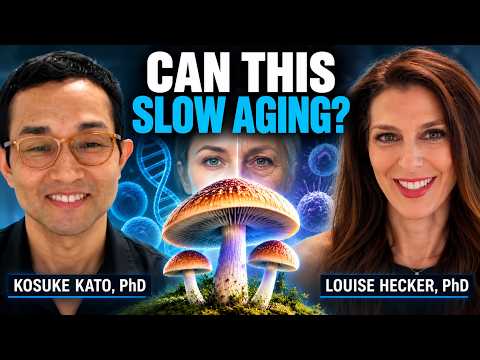
Primary Experts Featured:
- Louise Hecker, PhD (Associate Professor of Medicine – Cardiovascular Research, Baylor College of Medicine; formerly Emory University)
- Kosuke Kato, PhD (Assistant Professor of Medicine – Pulmonary, Allergy, Critical Care and Sleep Medicine, Baylor College of Medicine; formerly Emory University)
- Matt Kaeberlein, PhD (Host; CEO of Optispan; Affiliate Professor of Oral Health Sciences, University of Washington)
I. Executive Summary
This scientific interview evaluates the unexpected intersection between classic psychedelic pharmacology and geroscience. The conversation centers on a landmark paper authored by Drs. Louise Hecker and Kosuke Kato entitled “Psilocybin treatment extends cellular lifespan and improves survival of aged mice,” published in npj Aging. Hecker explains how her background in tissue fibrosis, cellular senescence, and redox biology intersected with clinical psychiatric observations indicating that a single or few doses of psilocybin produce durable psychological improvements persisting up to five years. Seeking a biological mechanism capable of explaining such durable phenotypic memory, Hecker and Kato investigated whether psilocybin alters basal aging pathways directly.
The researchers grounded their investigation in the “psilocybin-telomere hypothesis”—an epidemiological concept postulating that psychiatric alleviation of chronic depression and distress indirectly protects against accelerated telomere erosion. However, testing psilocin (the active dephosphorylated metabolite of psilocybin) in in vitro models of replicative senescence using human fetal lung fibroblasts (IMR-90/WI-38 types from ATCC) revealed a cell-autonomous, stress-independent geroprotective effect. Psilocin extended cellular replicative lifespan by up to 57% in a dose-dependent manner, suppressed senescence-associated beta-galactosidase (SA-β-gal) activity, attenuated cyclin-dependent kinase inhibitors (p16INK4a, p21CIP1), upregulated markers of active proliferation (PCNA, phosphorylated Rb), and preserved telomeric repeat length relative to passage-matched controls.
Translating these cellular findings in vivo, aged mice treated late in life (beginning at 18–20 months of age, equivalent to 60–65 human years) with intermittent psilocybin exhibited statistically significant median lifespan extension, preserved coat/fur quality, and reduced systemic frailty without differences in body weight. Mechanistically, the investigators link these effects to serotonin receptor signaling (particularly 5-HT2A and 5-HT1A present widely on somatic non-neuronal cells), which drives transcriptional upregulation of Sirtuin 1 (SIRT1), lowers oxidative stress via antioxidant defense enzymes, and suppresses DNA damage responses (GADD45$\alpha$).
While these findings represent the first direct experimental link between tryptamine psychedelics and organismal life extension, critical translational gaps remain. Psilocybin remains a DEA Schedule I controlled substance in the United States, imposing severe regulatory and logistical hurdles on laboratory and clinical research. Furthermore, the molecular mechanism through which GPCR serotonin receptor activation translates to sustained epigenetic SIRT1 transcription without receptor desensitization remains uncharacterized, and human clinical trials evaluating hard longevity or multi-organ aging endpoints have yet to be conducted.
II. Insight Bullets
- Pioneering Geroscience Connection: The work by Hecker and Kato in npj Aging is the first peer-reviewed experimental study demonstrating that psilocybin impacts cellular senescence and mammalian lifespan directly.
- The Durable Clinical Effect Paradox: Investigating psilocybin was initiated to explain how transient receptor occupancy during a 6-hour psychedelic session can yield durable psychological and neurobiological improvements lasting months to years.
- The Psilocybin-Telomere Hypothesis: Originally postulated that psilocybin protects telomeres secondarily by mitigating chronic psychological stress, anxiety, and depressive neuroendocrine toxicity.
- Cell-Autonomous Sparing: Testing in cell culture demonstrated that psilocin protects against replicative exhaustion in isolated fibroblasts, proving the mechanism is cell-autonomous and does not require a central nervous system or subjective psychological experience.
- Active Metabolite Specificity: In vitro cellular experiments require psilocin (4-hydroxy-dimethyltryptamine) rather than psilocybin (4-phosphoryloxy-dimethyltryptamine), because cell cultures lack the intestinal and hepatic alkaline phosphatases required to dephosphorylate the pro-drug into its active form.
- 57% Cellular Lifespan Extension: Treating human lung fibroblasts across serial passages extended maximum replicative capacity (population doublings) by up to 57% in a dose-dependent manner.
- Suppression of Senescence Markers: Psilocin-treated fibroblasts exhibited marked reductions in senescence-associated beta-galactosidase (SA-β-gal) staining and cell cycle arrest effectors (p16INK4a and p21CIP1).
- Active Cell Cycle Maintenance: Treated fibroblasts retained elevated levels of proliferating cell nuclear antigen (PCNA) and phosphorylated retinoblastoma protein (p-Rb), preserving active DNA replication.
- Telomere Length Preservation: Untreated control fibroblasts displayed progressive telomere shortening toward terminal senescence, whereas psilocin-treated fibroblasts preserved telomere repeat lengths across identical chronological passages.
- Late-Life Organismal Life Extension: Administering psilocybin to mice beginning late in life (18–20 months of age, corresponding to 60–65 human years) significantly improved survival curves and extended median lifespan.
- Phenotypic Fur Preservation: Psilocybin-treated aged mice retained higher coat density and fur luster, reflecting preserved follicular stem cell maintenance and attenuated systemic senescent phenotypes.
- Sirtuin 1 (SIRT1) Induction: Mechanistic profiling revealed that psilocin treatment upregulates the longevity-associated NAD±dependent deacetylase SIRT1.
- Genotoxic Stress Attenuation: Treated fibroblasts exhibited significant down-regulation of Growth Arrest and DNA Damage-inducible 45 alpha (GADD45α), denoting lower basal genomic DNA double-strand breaks.
- Redox Balance Optimization: Psilocin treatment produced a dose-dependent reduction in intracellular reactive oxygen species (ROS) and oxidative stress markers.
- Ubiquitous Peripheral Serotonin Receptors: While serotonin (5-HT) is conventionally viewed as a central neurotransmitter, serotonin receptors (specifically 5-HT2A, 5-HT2B, and 5-HT1A) are expressed ubiquitously across non-neuronal somatic tissues, including fibroblasts, endothelial cells, and immune leukocytes.
- Replicative Baseline Clarification: Kato clarifies that fibroblasts sourced from ATCC had undergone 7 to 8 passages prior to receipt and additional passages before testing, meaning the baseline cells were already primed toward replicative aging before experimental exposure.
- Schedule I Research Obstacles: Both investigators emphasize that classifying psilocybin as a DEA Schedule I compound imposes severe bureaucratic delays, requiring specialized licenses, vault inspections, and strict physical security protocols even for non-hallucinogenic micro-dosing studies.
- Regulatory Rescheduling Momentum: Clinical progress and FDA breakthrough therapy designations for psilocybin in treatment-resistant depression are driving potential scheduling reclassifications that could accelerate geroscience research.
- Industry Consolidation and Capitalization: Pharmaceutical interest in psychedelic scaffolds is increasing, as evidenced by large-pharma acquisitions (e.g., Eli Lilly and Company acquiring Prevail and investments in neuroplasticity therapeutics).
- Translational Uncoupling of Hallucination from Geroprotection: A critical scientific objective is determining whether the longevity and cellular anti-senescence actions of psilocin require classic 5-HT2A hallucinogenic signaling or can be decoupled using non-hallucinogenic serotonergic analogs.
III. Adversarial Claims & Evidence Table
| Claim from Video | Speaker’s Evidence | Scientific Reality (Current Data) | Evidence Grade | Verdict |
|---|---|---|---|---|
| Psilocin extends human cellular replicative lifespan by up to 57% and preserves telomere length. | Dose-dependent proliferation curves and telomere restriction fragment assays in human fetal lung fibroblasts. | Verified in vitro. Published in peer-reviewed literature (Kato et al., 2025, npj Aging). Replicative lifespan in IMR-90-like cells was extended, accompanied by preserved telomeres and suppressed p16/p21. Human clinical in vivo validation: Absent. | Level D(Translational Gap) | Strong Support(Preclinical) |
| Late-life psilocybin administration extends organismal median lifespan in aged mice. | Survival curves of C57BL/6 mice treated from 18–20 months of age with intermittent psilocybin regimens. | Verified in single-laboratory mouse cohort (Kato et al., 2025). While survival curves showed statistically significant improvements, the finding has not yet been replicated by independent multi-site programs such as the NIA Interventions Testing Program (ITP). | Level D(Translational Gap) | Plausible |
| The “psilocybin-telomere hypothesis” explains the multi-year durable psychological benefits in humans. | Epidemiological correlations between distress, psychiatric remission, and leukocyte telomere length (LTL). | Partially supported epidemiologically, but unproven mechanistically. Meta-analyses confirm that severe depression and chronic PTSD correlate with shorter leukocyte telomeres (Darrow et al., 2016; Verhoeven et al., 2014). However, clinical trials demonstrating that psychedelic therapy actively lengthens or halts human telomere erosion in vivoare currently lacking. | Level C/E | Speculative |
| Psilocybin slows aging via cell-autonomous SIRT1 induction and suppression of oxidative stress. | Western blot quantification showing elevated SIRT1, reduced GADD45$\alpha$, and reduced fluorometric ROS. | Plausible mechanism. Serotonin receptor signaling can transactivate downstream CREB and MAPK/ERK cascades, modulating SIRT1 transcription and mitochondrial SOD2/catalase expression (Kato et al., 2025). However, whether SIRT1 activation is an essential driver or a secondary byproduct remains to be validated using SIRT1 knockout/RNAi rescue experiments. | Level D(Translational Gap) | Plausible |
| Psilocybin microdosing or macrodosing is currently ready for human longevity and anti-aging use. | Extrapolation of mouse lifespan curves and cellular population doubling extensions to human regimens. | Entirely premature and medically unsupported. Chronic, unmonitored human use of serotonergic agonists carries risks of valvular heart disease (via 5-HT2B activation) and psychiatric destabilization. No human randomized trials evaluating psilocybin for aging or mortality exist. | Level E | Unsupported / Safety Warning |
IV. Actionable Protocol (Prioritized)
High Confidence Tier (Level A/B Evidence)
- Zero Level A or B clinical trial evidence currently exists supporting the use of psilocybin or psilocin to extend human lifespan, delay somatic senescence, or preserve telomeres.
-
Validated Lifestyle Modulators of Telomere Biology:
- Cardiorespiratory Aerobic Interval Training: Perform structured endurance training (3 to 4 sessions weekly). Randomized trials demonstrate that high-intensity interval training (HIIT) and endurance exercise increase leukocyte telomerase activity and preserve telomere repeat length, whereas sedentary lifestyles accelerate attrition (Werner et al., 2019).
- Psychological Stress and Cortisol Mitigation: Mitigate chronic autonomic hyperactivity via structured mindfulness-based stress reduction (MBSR) or cognitive behavioral therapy. Chronic hypercortisolemia directly suppresses telomerase reverse transcriptase (TERT) transcription in human leukocytes.
Experimental Tier (Level C/D Evidence with High Safety Margins)
-
Non-Psychedelic SIRT1 Activation Strategies:
- Until serotonergic longevity pharmacology is clarified, activate endogenous SIRT1 through physiological stressors: intermittent fasting/time-restricted eating and sustained aerobic exercise. These modalities increase the intracellular NAD+/NADH ratio, stimulating native SIRT1-mediated deacetylation of PGC-1$\alpha$ and FOXO3a.
- Nutritional support with validated NAD+ precursors (Nicotinamide Riboside [NR] or Nicotinamide Mononucleotide [NMN] at 500–1,000 mg/day) to sustain substrate availability for sirtuins and PARP-mediated DNA repair.
-
Supervised Clinical Psychedelic Protocols (Psychiatric Indications Only):
- In individuals with treatment-resistant depression, severe chronic anxiety, or existential distress associated with life-threatening illness, psilocybin should only be accessed through approved clinical trials or legally regulated medical programs under psychiatric guidance (Goodwin et al., 2022).
1 Like
Longevity Roundtable: GLP-1s, Statins, Aging Clocks & Right to Try
I. Executive Summary
In this episode of the Longevity Roundtable, host Dr. Matt Kaeberlein is joined by biogerontologist Dr. Brian Kennedy and longevity physician Dr. Marcus Ranney to critically evaluate recent clinical trials, regulatory shifts, and mechanistic data in geroscience. The discussion opens with an analysis of Intermittent Hypoxic-Hyperoxic Therapy (IHHT) versus Hyperbaric Oxygen Therapy (HBOT). Ranney recounts utilizing IHHT for acclimatization prior to a high-altitude marathon in Ladakh, observing rapid physiological adaptation. The panel remains divided on HBOT’s purported longevity utility: while high-pressure dissolved plasma oxygen facilitates tissue recovery in stroke, refractory non-healing wounds, and severe metabolic injury, healthy-cohort longevity claims (such as dramatic telomere elongation) remain clinically unvalidated, carry oxidative stress liabilities via reactive oxygen species (ROS), and require prohibitive protocol volumes (≥60 sessions).
The panel examines a landmark preclinical publication in Nature evaluating late-life semaglutide administration in mice. The panelists note that while median lifespan increased by roughly 12%, treated mice reduced dietary intake by 24%, making it nearly impossible to decouple direct glucagon-like peptide-1 receptor (GLP-1R) biological effects from classic caloric restriction (CR). The panel advises against prescribing GLP-1 mimetics to lean, metabolically optimized individuals for geroprotection, highlighting the absence of human lifespan data and potential risks of sarcopenia, while supporting SGLT2 inhibitors or micro-dosed incretins for individuals with suboptimal glycemic markers (HbA1c >5.0%). They vigorously debunk viral claims regarding GLP-1–induced sudden blindness (non-arteritic anterior ischemic optic neuropathy, NAION), contextualizing the baseline confounding present in tertiary diabetic cohorts.
Reviewing a nationwide Danish registry study comprising over 132,000 diabetic patients, the panel emphasizes a 15% reduction in 10-year dementia risk associated with early statin initiation, countering social media misinformation regarding statin-induced neurodegeneration and myelin depletion. Finally, the panel deconstructs a Nature Medicine meta-analysis assessing DNA methylation (DNAm) biomarker responsiveness across 51 human longevity studies. They critique the study’s aggregation methodology, highlighting that pooling heterogeneous clocks masks mechanistic divergence, produces counterintuitive null findings for validated interventions like exercise, and misinterprets health-status corrections in diseased cohorts as true reversals of biological age. The session concludes with a discussion of Montana’s expanded “Right to Try” framework, evaluating its potential to bypass FDA regulatory bottlenecks and generate rigorous clinical data for off-label therapeutics.
II. Insight Bullets
- IHHT Physiological Adaptation: Intermittent Hypoxic-Hyperoxic Therapy (IHHT) cycling between 9% and 32% fraction of inspired oxygen (FiO2) stimulates hypoxia-inducible factor 1-alpha (HIF-1 alpha) and erythropoietin (EPO), stabilizing desaturation nadirs and resting heart rate under extreme environmental hypoxia.
- HBOT Translation Limits: Hyperbaric Oxygen Therapy increases dissolved plasma oxygen by up to twenty-fold, but clinical utility remains limited to post-ischemic cerebrovascular events, poorly perfused peripheral wounds, and severe metabolic damage rather than lifespan extension in healthy adults.
- HBOT Regimen Friction and Oxidative Liability: Genuine cellular and microvascular remodeling from HBOT requires 40 to 60 pressurized sessions over 2 to 3 months; sporadic monthly use is ineffective and unmitigated hyperoxia risks macromolecular oxidative damage via excess reactive oxygen species.
- Preclinical Semaglutide Lifespan Extension: A landmark murine study published in Nature demonstrated that initiating daily semaglutide at 20 months of age extended median lifespan in female mice by approximately 12%.
- The Caloric Restriction Confounder: Because the semaglutide-treated mice in the Nature trial consumed 24% fewer calories, the survival advantage closely mimics historical caloric restriction curves (e.g., Weindruch & Walford, 1982), obscuring whether GLP-1R signaling exerts intrinsic anti-aging effects independent of energy deficit.
- Decoupling Foraging Locomotion: Semaglutide-treated mice achieved lifespan gains without displaying the hyperactive foraging behavior typical of dietary caloric restriction, demonstrating that hunger-driven physical agitation is dispensable for CR-mediated survival benefits.
- Neuroprotection Beyond the Gastrointestinal Axis: Ex vivo rodent brain-slice models of hypoxia-reperfusion injury reveal that GLP-1 receptor agonists mitigate neuronal death independently of caloric intake or gastrointestinal signaling (Tommy Wood brain slice study unverified in live search).
- Clinical Boundary for Lean Individuals: Administering GLP-1 receptor agonists to metabolically pristine, lean individuals solely for longevity lacks clinical justification and introduces unnecessary risks of lean mass loss and sarcopenia.
- SGLT2 Inhibitors for Glycemic Tightening: Kennedy and Kaeberlein favor low-dose sodium-glucose cotransporter-2 (SGLT2) inhibitors over incretin mimetics to adjust HbA1c toward 5.0% without suppressing appetite or compromising skeletal muscle mass.
- Refuting the Sudden Blindness Panics: Media claims alleging GLP-1 mimetics cause widespread optic nerve strokes refer to non-arteritic anterior ischemic optic neuropathy (NAION), an extremely rare condition primarily reported in retrospective observational cohorts confounded by advanced baseline diabetic microvascular disease.
- Commercial Conflict in Anti-Aging Narratives: Viral warnings concerning GLP-1 ocular toxicity were amplified by figures affiliated with commercial entities, such as Life Biosciences, which is actively pursuing epigenetic reprogramming gene therapies for optic nerve restoration.
- Early Statin Initiation and Dementia Risk Reduction: A nationwide Danish registry study of 132,585 patients with type 2 diabetes published via the European Society of Cardiology revealed that initiating statin therapy within one year of diagnosis conferred a 15% lower relative risk of developing dementia over 10 years.
- Dispelling Statin Neurotoxicity Myths: Fears that systemic lipid lowering depletes cerebral myelin or induces Alzheimer-type neurodegeneration lack robust clinical trial support; vascular dysregulation and uncontrolled atherogenic particles remain far more potent drivers of cognitive decline.
- Clinical Biomarkers for Lipid Management: Optimizing lipid profiles involves driving down apolipoprotein B (ApoB), LDL-C, and triglycerides while preserving HDL-C functionality and targeting a high Omega-3 Index (>8%) to support neuronal membrane integrity.
- Epigenetic Clock Meta-Analysis Findings: A systematic meta-analysis in Nature Medicine assessing 51 intervention trials revealed that DNA methylation (DNAm) clocks trained on mortality and pace-of-aging metrics (e.g., GrimAge, DunedinPACE) exhibit superior interventional responsiveness compared to first-generation chronological predictors.
- Methodological Flaws in Clock Averaging: Aggregating heterogeneous DNA methylation algorithms into a single generalized metric washes out biological signal and generates misleading conclusions, such as finding null effects for structured exercise despite its established healthspan efficacy.
- Disease Confounding in Epigenetic Acceleration: Epigenetic clocks primarily register acute pathological inflammation and metabolic distress; observed “age reversals” in clinical trials often reflect the remediation of acute disease in sick cohorts rather than alterations in basal aging rates.
- Rapamycin’s Divergence from Epigenetic Clocks: Pharmacological mTOR inhibition via rapamycin consistently extends mammalian lifespan but fails to alter circulating leukocyte DNA methylation clocks in humans, highlighting significant blind spots in current blood-based epigenetic surrogate endpoints.
- Bioavailability Limitations of the PEARL Trial: The null epigenetic and functional outcomes observed in human rapamycin studies like the PEARL Trial were confounded by suboptimal compounding formulations that limited systemic bioavailability to roughly 1.5 mg weekly.
- Montana Senate Bill 535 Regulatory Structure: Montana enacted expanded Right-to-Try legislation establishing licensed experimental treatment centers and private review boards, permitting patients access to non-FDA-approved therapies that have cleared Phase 1 safety testing.
- First Approved Montana Right-to-Try Protocol: The initial therapeutic protocol approved by the Montana experimental review board combines an FDA-approved oral compound with proprietary acoustic stimulus software developed by Parley Neurotech to treat central auditory processing deficits.
- Incentivizing Clinical Data Transparency: Alternative regulatory environments, such as Montana’s framework or private athletic initiatives like the Enhanced Games, only advance medical science if therapeutic interventions, biological dosing, and adverse event profiles are rigorously published in peer-reviewed formats.
- Reforming Drug Development Bottlenecks: Creating parallel clinical evaluation frameworks outside traditional decade-long FDA pathways prevents high-potential geroprotective and rare-disease candidates from being abandoned due to conventional capital constraints.
- Companion Animal Longevity Translational Models: Rigorous geroscience interventions in pet dogs, such as the Dog Aging Project, offer superior translational fidelity for human aging compared to inbred laboratory rodents, while avoiding commercial influencer sensationalism.
- The Hormetic Balancing Act: Interventions that activate stress-response pathways—such as intermittent hypoxia (HIF-1 alpha) or exercise—display narrow therapeutic windows; excessive chronic application elevates systemic inflammatory and oxidative strain, accelerating functional decline.
Produced by Gemini 2.5 Pro.
1 Like
Building a Resilient Brain with Dr. Tommy Wood
I. Executive Summary
In this clinical and neurobiological dialogue, host Dr. Matt Kaeberlein sits down with neuroscientist and physician Dr. Tommy Wood, research assistant professor of pediatrics at the University of Washington and author of The Stimulated Mind, to establish an evidence-based roadmap for lifelong cognitive resilience. Wood begins by deconstructing therapeutic nihilism surrounding neurodegeneration, emphasizing that age-specific dementia incidence has steadily declined over recent decades. This decline is largely driven by public health improvements in cardiovascular disease management, rising educational attainment, and shifting socioeconomic baselines. Wood warns against neuroscientific reductionism that isolates single molecular culprits (e.g., misfolded amyloid-beta aggregates) while neglecting the complex physiological systems that govern brain health across a lifetime.
To address cognitive preservation practically, Wood introduces his tripartite “3S Framework”: Stimulus (task complexity, processing speed challenges, environmental novelty), Support (circadian sleep architecture, parasympathetic recovery, chronic inflammatory suppression, periodontal oral health), and Supply (cerebral microvascular perfusion, metabolic substrate delivery, blood pressure regulation, micronutrient sufficiency). In midlife cohorts with intellectually demanding occupations, Wood notes that cognitive stimulus is rarely the rate-limiting bottleneck; instead, systemic failure typically emerges from deficits in physiological support (sleep fragmentation, unmitigated chronic stress) and vascular/metabolic supply (hypertension, insulin resistance, occult nutrient deficiencies).
Critically evaluating therapeutics, Wood and Kaeberlein differentiate genuine biological disease-modifying agents from unverified commercial hype. The discussion highlights the 20-year follow-up data from the randomized ACTIVE trial, which proved that adaptive cognitive speed-of-processing training cuts long-term dementia risk by 25%, whereas static memory-mnemonic tricks fail to produce lasting reserve. On pharmacotherapy, Wood examines the topline Phase 3 EVOKE and EVOKE+ trials, confirming that oral semaglutide failed to slow clinical Alzheimer’s disease progression once neuropathology was established, even though GLP-1 mimetics remain highly neuroprotective when administered preemptively to reverse cardiometabolic dysfunction. Finally, Wood presents ex vivo data from multi-regional mammalian brain-slice models demonstrating direct neuroprotective, microglial-modulating effects of GLP-1 agonists during acute ischemia, and explores the clinical utility of transcranial magnetic stimulation, creatine loading, micro-dose lithium, and personalized bioidentical hormone replacement therapy (HRT).
II. Insight Bullets
- Declining Age-Specific Dementia Incidence: Age-adjusted dementia incidence has steadily decreased over the past seven to eight decades, largely due to better management of cardiovascular risk factors, rising educational attainment, and improved occupational cognitive complexity.
- Failure of Molecular Reductionism: Isolating singular pathological hallmarks (such as amyloid plaques or tau tangles) without addressing systemic vascular perfusion, cellular energy status, and overall brain reserve has driven decades of failed neurodegenerative drug trials.
- The Clinical Utility of Subjective Cognitive Decline (SCD): Self-reported “brain fog” or subtle memory slippage often serves as a sensitive integrated bio-readout of physiological strain, capturing functional decline long before standardized neuropsychological batteries (e.g., MoCA, MMSE) show impairment.
- Reversibility of Early Subjective Decline: Cognitive deficits caught at the subjective decline stage—prior to objective microstructural or neuro-axonal destruction—remain largely reversible when physiological and metabolic stressors are resolved.
- The “3S” Systems Architecture: Cognitive longevity relies on three mutually dependent pillars: Stimulus(neurological demand), Support (rest, recovery, and inflammatory resolution), and Supply (cerebrovascular delivery of substrates and nutrients).
- Midlife Cognitive Bottlenecks: High-functioning midlife professionals rarely lack cognitive stimulus; their cognitive impairment is overwhelmingly driven by deficits in physiological support (sleep debt, allostatic load) and vascular supply (early cardiometabolic dysfunction).
- Long-Term Neuroprotection from Processing Speed Training: A 20-year follow-up of the randomized ACTIVE Trial confirmed that adaptive visual processing speed training (with booster sessions) reduced long-term incident dementia risk by 25%, whereas static memory mnemonics showed no durable disease-modifying effect.
- Mechanisms of Adaptive Brain Training: Unlike memorization tricks that bypass core biology, computerized adaptive speed training increases overall neural recruitment, challenges divided visual attention, and expands cognitive reserve capacity across aging networks.
- Objective Sleep Architecture and Synaptic Homeostasis: Cognitive stimulation directly drives subsequent non-REM slow-wave sleep need to clear toxic metabolites and consolidate memory; chronic sleep deprivation or hypnotic drug use directly blunts neuroplastic adaptations.
- Vascular Pathology Driven by Subjective Chronic Stress: High allostatic load accelerates neurodegeneration, with the individual’s subjective perception of chronic stress correlating more strongly with cardiovascular decline and hippocampal atrophy than the objective number of stressful life events.
- Oral Dysbiosis and Neuroplasticity: Periodontal disease and chronic oral mucosal inflammation release pro-inflammatory cytokines and microbial toxins (e.g., Porphyromonas gingivalis lipopolysaccharides) that disrupt the blood-brain barrier and impair long-term potentiation.
- Blood Pressure as a Primary Dementia Determinant: Sustained midlife systolic blood pressure elevation impairs neurovascular coupling and cerebral autoregulation, with randomized evidence from the SPRINT MIND Trial demonstrating that intensive blood pressure lowering directly reduces mild cognitive impairment (MCI).
- Clinical Trial Flaws in Micronutrient Testing: Null findings in large micronutrient trials (such as omega-3 or vitamin D studies) often stem from failing to screen for baseline clinical deficiencies, treating non-deficient cohorts where supplementation yields no biological effect.
- Targeted Biomarkers for Cognitive Supply: Precision brain-longevity assessments require quantifying serum homocysteine, methylmalonic acid, vitamin B12, the erythrocyte Omega-3 Index, 25-hydroxyvitamin D, and ferritin.
- Positive Risk-Reward Ratio of Magnesium Supplementation: Given that standard diets fall short of dietary magnesium needs, daily supplementation with 200–400 mg of elemental magnesium (using bioavailable citrate, glycinate, or threonate chelates) supports NMDA receptor regulation and sleep quality with minimal clinical downside.
- Multivitamin Efficacy in Late-Life Cognition: The randomized, placebo-controlled COSMOS-Mind Trial proved that daily multivitamin-mineral supplementation (Centrum Silver) slowed cognitive aging by the equivalent of 1.8 to 3.1 years over a 3-year intervention period.
- Diet-Dependent Cocoa Flavanol Benefits: The COSMOS Trial demonstrated that 500 mg daily of cocoa flavanols significantly improved episodic memory primarily in older adults with poor habitual diet quality, likely through endothelial nitric oxide synthase (eNOS) and cerebral perfusion pathways.
- Preclinical Evidence for Micro-Dose Lithium: Epidemiological correlations linking trace lithium in municipal drinking water to reduced dementia rates are supported by rodent models, where sub-therapeutic lithium orotate or carbonate downregulates glycogen synthase kinase-3 beta (GSK-3$\beta$) and limits amyloid burden.
- Creatine Monohydrate for Energetically Stressed Brains: Creatine supplementation (5–10 g daily) enhances cognitive processing, working memory, and functional capacity specifically under conditions of energetic crisis, including sleep deprivation, hypoxia, and acute traumatic brain injury (TBI).
- Statin Primary Prevention Nuances in the Elderly: The 2026 STAREE Randomized Trial revealed that initiating 40 mg daily atorvastatin in healthy community-dwelling adults aged ≥70 reduced major cardiovascular events by 30% but failed to significantly improve disability-free survival or reduce dementia rates over a 6-year median follow-up.
- Target Trial Emulation of PDE5 Inhibitor Neuroprotection: Large healthcare-record analyses show that individuals frequently refilling phosphodiesterase-5 (PDE5) inhibitors (such as sildenafil) exhibit a lower incidence of Alzheimer’s disease, an effect attributed to both improved cerebrovascular flow and potential anti-inflammatory neuroprotection.
- Failure of GLP-1 Mimetics in Established Alzheimer’s Disease: The Phase 3 EVOKE and EVOKE+ Trials demonstrated that oral semaglutide failed to separate from placebo on the Clinical Dementia Rating-Sum of Boxes (CDR-SB) in patients with established early-stage Alzheimer’s, indicating incretin mimetics cannot reverse established structural neurodegeneration.
- Direct Ex Vivo Neuroprotection by GLP-1 Agonists: Brain-slice research from the University of Washington Nance Laboratory utilizing ferret multi-regional tissue reveals that GLP-1 agonists (with exenatide outperforming semaglutide) directly reduce neuronal death and microglial neuroinflammation under oxygen-glucose deprivation, independent of appetite or gut signaling.
- TMS and Network Re-Engagement: Targeted transcranial magnetic stimulation (TMS) directed at nodes of the default mode network (DMN) yields measurable transient improvements in working memory, with emerging medical device firms such as Synaptica pursuing fMRI-guided systems for early dementia.
- Critical Windows for Menopausal Hormone Therapy (MHT): Initiating bioidentical hormone replacement therapy (17 beta-estradiol and natural progesterone) during early surgical or natural menopause alleviates vasomotor distress and supports cerebral perfusion, whereas late initiation after a decades-long deficit yields negligible neurocognitive benefit.
Produced by Gemini 2.5 Pro.