Irina Conboy's Generation Lab Multi-Drug Longevity Formulation / MOA

In a new interview Irina Conboy has suggested the drug combination “mechanism of action” that her company has recently announced, and has been testing in people (including herself). In the video she states (see below) that her new injection drug combination (two drugs) operates on the same principles. See the link at the bottom for the full interview, and read the summary below of the paper that was published last year that tested the three-drug combination.

A UC Berkeley team combined two cheap, widely available drugs (metformin and dichloroacetate) with a ten-fold reduced dose of the experimental senolytic navitoclax (ABT-263), producing a cocktail they call DMA. The premise is that senescent cells and cancer cells share a specific metabolic weakness: both have poor mitochondrial efficiency and limited ability to ramp up glycolysis when stressed. Squeeze that weakness and their ATP supply collapses, which lowers the apoptotic threshold enough that a sub-toxic dose of navitoclax finishes the job. Healthy cells, with intact metabolic flexibility, absorb the same insult without dying. In culture the cocktail killed roughly 60 percent of senescent fibroblasts and nearly all of a navitoclax-resistant breast cancer line while sparing neural precursors, hepatocytes and non-senescent fibroblasts. In mice, the low navitoclax dose largely avoided the platelet crash that has blocked clinical translation of this drug class. Old mice dosed intermittently from about 18 months of age lived longer than vehicle controls, with median lifespan rising from 815 to 1002 days. The lifespan arm used nine mice per group.

The senolytics field has a drug it likes and cannot use. Navitoclax kills senescent cells efficiently by blocking BCL-2 family survival proteins, but platelets depend on the same proteins, so effective doses drive platelet counts down toward dangerous territory. A decade of clinical work has not solved this. Whole classes of cancer sidestep the drug entirely by leaning on MCL-1, a relative that navitoclax does not touch.

The Berkeley approach does not try to build a better navitoclax. It tries to make cells so metabolically fragile that a small dose is enough.

The logic rests on a quiet similarity between two cell types normally studied apart. Senescent cells and tumor cells both run inefficient mitochondria, leak protons across the inner membrane, and lean heavily on glycolysis. Metformin blocks complex I of the electron transport chain and dampens glycolysis. Dichloroacetate inhibits pyruvate dehydrogenase kinase, forcing pyruvate back into mitochondria and shifting the cell toward the oxidative phosphorylation it is bad at. Applied together, these two push a cell to use a system that is already broken while removing the backup. A healthy fibroblast has glycolytic reserve to fall back on. A senescent one, the Seahorse data show, does not.

The measurements bear this out. ATP in senescent and MCF-7 breast cancer cells fell close to background under the full combination, while healthy cells held their levels steady. Neither drug alone did this. When senescent cells were challenged with FCCP, a chemical uncoupler that demands maximum respiration, healthy cells surged and senescent cells could not respond at all. Adding ATP back to the medium partially rescued the senescent cells, which supports the energy-collapse explanation without fully proving it.

In vivo the picture is thinner but interesting. Two weeks of dosing improved treadmill endurance in old mice. Serum protein profiles, including inflammatory and SASP factors, shifted toward patterns seen in young animals. Mice given repeated two-week courses from about 18 months lived measurably longer than controls.

Two things this study did not do deserve equal billing. No tumor-bearing animal was ever treated, so the cancer half of the title rests entirely on cell culture. And no tissue was examined for senescent cell burden after dosing, so senolysis in a living mouse remains inferred rather than demonstrated. The lifespan signal comes from nine animals per arm against controls that died younger than a well-run mouse colony should produce.

Overall, the idea is sound and unusually cheap.

Actionable Insights

The active killing agent is navitoclax, an investigational drug that is not available, and the two accessible components did essentially nothing on their own at any concentration tested. That is the most useful practical finding in the paper for anyone currently taking metformin as a senolytic: in this system, metformin alone, dichloroacetate alone, and the two together produced no meaningful senescent cell clearance, while the three-drug combination cleared roughly 60 percent of them in standard culture and about 90 percent under oxygen levels closer to real tissue.

Scale matters here. The cell culture work used 5 millimolar metformin. Oral metformin in people produces plasma levels around 10 to 40 micromolar, roughly 100 to 500 times lower. Dichloroacetate at clinical doses causes dose-dependent peripheral neuropathy, and no neurological assessment was performed in these mice.

The mouse numbers, translated plainly: median lifespan rose 23 percent (815 to 1002 days, a gain of 187 days) in animals whose treatment began at about 18 months. Average lifespan rose about 14 percent. Treadmill endurance improved by roughly 20 percentage points relative to controls, a standardized effect of about 0.8, which is a large effect statistically but was measured in 11 treated versus 17 control animals. Platelets held at 70 percent of normal on the combination versus 25 percent on full-dose navitoclax.

Context and Source

Related Reading:

1 Like

Biomarker Data: Effect Size Extraction

Lifespan outcomes

Measure Control DMA Absolute gain Relative gain
Median lifespan, pooled 815 days 1002 days +187 days +22.9%
Mean lifespan, male 809.3 days 993.8 days +184.5 days +22.8%
Mean lifespan, female 872.5 days 945.75 days +73.25 days +8.4%
Mean lifespan, pooled (calculated) approximately 851 days approximately 972 days +121 days +14.2%
Post-injection survival reference as reported +102.6 days +41.7%

Neither sex reached statistical significance on its own. Only the pooled log-rank comparison did, at p less than 0.05.

In vitro and safety effect sizes

Outcome Effect Notes
DIS senescent cell ablation, 21% oxygen approximately 60% killed healthy cells unaffected
Senescent cell ablation, 3% oxygen (physoxia) approximately 90% killed slight healthy cell loss
MCF-7 apoptosis (TUNEL positive) 5% control, 11% ABT-263 alone, 52% DMA approximately 10-fold over control
MCF-7 proliferation (EdU positive) 46% control to 6% DMA approximately 87% reduction
MCF-7 viability, full-dose ABT-263 alone no reduction MCL-1 driven resistance
Platelet count, 50 mg/kg ABT-263 retained approximately 25% significant thrombocytopenia
Platelet count, DMA retained approximately 70% not significantly different from control
Human hepatocyte viability approximately 5% reduction acceptable
Human neural precursor viability no reduction acceptable
Human myoblast viability approximately 20% reduction see limitations

The platelet comparison is the single cleanest quantitative result in the paper. Reducing navitoclax exposure ten-fold while preserving senolytic function moves platelet retention from 25 percent to 70 percent, and 70 percent is a level at which bleeding symptoms typically do not occur. [Confidence: High]

Novelty

What this paper adds that was not established before:

The combination itself. Dichloroacetate plus metformin has been proposed as a cancer therapy, and BCL-2 family inhibitors are established senolytics, but the three have not previously been combined, and the DCA plus metformin pairing has not previously been examined for senescence. [Confidence: High]

A ten-fold navitoclax dose reduction with preserved senolytic function and preserved platelets. This is the single most translationally useful result. Dose-limiting thrombocytopenia is the specific obstacle that has kept this drug class out of the clinic, and this is a plausible route around it. [Confidence: High]

Overcoming MCL-1 mediated resistance without lowering MCL-1. The combination killed MCF-7 cells, which are fully resistant to a ten-fold higher dose of navitoclax alone due to elevated MCL-1. Prior literature attributed the DCA plus metformin anti-cancer effect partly to MCL-1 suppression. The ELISA data here show no change in MCL-1 protein, meaning the mechanism runs through energy collapse rather than through the anti-apoptotic protein the field expected. That is a genuine correction to an existing assumption, though it does not exclude effects on MCL-1 function as opposed to abundance. [Confidence: Medium-High]

A senomorphic effect at sub-senolytic concentrations. At 10 to 100-fold dilutions below the killing dose, the combination significantly reduced paracrine senescence transmission to healthy bystander cells. This suggests that as drug levels fall between dosing cycles the pharmacology may shift from killing senescent cells to quieting them, which would extend the therapeutic window. This is a novel and testable idea. [Confidence: Medium]

Lifespan extension with a chemotherapeutic combination started in old age. The notable framing is that a cocktail of cytotoxic and antidiabetic agents given to already-old mice did not shorten lifespan, which was a reasonable prior expectation. [Confidence: Medium, constrained by sample size]

Physoxic validation. Testing senolysis at 3 percent oxygen rather than atmospheric 21 percent is methodologically better than field standard, and the effect was substantially larger under the more physiological condition. [Confidence: High]

Critical Limitations

The cancer claim is not supported in vivo. The title states that this approach selectively targets cancer. No tumor-bearing mouse was treated. No xenograft, no genetically engineered cancer model, no tumor burden measurement, no necropsy tumor scoring. The entire cancer case is three immortalized cell lines in plastic. This is the most serious gap between claim and evidence in the paper, and the authors do acknowledge that larger studies including cancer-prone strains are warranted. [Confidence: High]

Senolysis in vivo is inferred, not demonstrated. No tissue was examined for senescent cell burden after treatment. No p16 or p21 transcript quantification, no SA-beta-gal tissue staining, no senescence-associated histology in any organ. The only in vivo senescence-adjacent data is a serum antibody array in three mice showing a downward trend in SASP-related proteins. A trend in three animals is not clearance. It is entirely possible that the lifespan and endurance effects here are driven by metformin’s metabolic actions or by mTOR suppression with no senolysis occurring at all. [Confidence: High]

The lifespan arm is underpowered to a degree that undermines the headline claim. Nine mice per group. Neither sex is significant alone. The pooled log-rank sits just below 0.05. My reconstructed hazard ratio confidence interval reaches 1.00. Effect sizes from studies this small are systematically inflated by the winner’s curse: conditional on reaching significance at n equals 9, the observed effect must be at the large end of whatever the true distribution is. The true effect, if real, is very likely smaller than 23 percent. [Confidence: High]

Controls fail the 900-day rule, and the left-truncated design makes that failure more concerning rather than less. Covered in detail above. A cohort already selected for survival to 18 months producing a median of only 815 days points toward husbandry, batch or health issues in the control arm. [Confidence: Medium-High]

Differential exclusion in the treatment arm. Three mice were removed from the treadmill analysis because they did not habituate, reducing the DMA arm from 14 to 11 while the control arm remained at 17. Post-randomization exclusion occurring only in the treated group is a bias risk. If the excluded animals were the weakest, the treated group’s endurance figure is inflated. The paper does not state whether the excluded mice differed from those retained, nor does it present an intention-to-treat analysis. [Confidence: High that the risk exists, unquantifiable as to magnitude]

In vitro concentrations are pharmacologically unreachable. 5 millimolar metformin is roughly 100 to 500 times above therapeutic human plasma concentrations. Nothing about the in vitro selectivity window can be assumed to hold at achievable exposures. Compounding this, the in vivo delivery route for both metformin and dichloroacetate was subcutaneous injection at 50 mg/kg, not oral. No pharmacokinetics were performed, so the actual tissue concentrations achieved in the mice are unknown, and the relationship between the in vitro and in vivo dosing is undefined. [Confidence: High]

Dosing protocol is reported inconsistently. The results section describes a two-week course followed by an eight-week break. The methods section describes a six-week intermission. The number of completed cycles before death is never stated. Total cumulative exposure per animal is therefore not reconstructable.

Safety assessment is thin for a cytotoxic combination. No liver enzymes, no renal function, no complete blood count beyond platelets, no glucose or lactate (relevant given metformin’s lactic acidosis risk and dichloroacetate’s effect on lactate handling), no neurological assessment despite dichloroacetate’s well-documented peripheral neuropathy in human trials, no histopathology of any organ. Body weight stability and absence of increased frailty are the extent of the systemic safety data. [Confidence: High]

Overall Assessment

The mechanistic hypothesis is elegant, specific and well supported in culture. The metabolic vulnerability being exploited, the absence of spare respiratory and glycolytic capacity under acute challenge, is a real and well-demonstrated property of these cells, and it is a more precise formulation than the loose “dysfunctional mitochondria” language the paper leads with. The platelet-sparing result is the most likely thing here to matter clinically, and it addresses the specific barrier that has kept this drug class out of practice. [Confidence: High]

The in vivo work is preliminary in a way the title and abstract do not adequately signal. Nine mice per arm, short-lived controls, no tumor model, no tissue senescence readout, no necropsy, no pharmacokinetics. The lifespan claim should be regarded as hypothesis-generating rather than established. [Confidence: High]

The honest summary: strong in vitro mechanism, an important and probably real toxicity solution, and a lifespan result that requires replication in a properly powered cohort with long-lived controls before it means anything. The right next experiment is a cancer-prone strain with tumor burden endpoints, run alongside a properly powered lifespan cohort meeting the 900-day standard, with necropsy.

CLAIMS EXTRACTION AND EXTERNAL VERIFICATION


Section A: Claims about the drug components

Claim A1: Navitoclax (ABT-263) causes dose-limiting thrombocytopenia that has blocked clinical translation

  • Evidence Level: B (Human RCT-adjacent; multiple phase I and phase II human trials)
  • Verdict: Fully supported. This is the single best-established claim in the paper.
  • The phase I study in small cell lung cancer and solid tumors found dose- and schedule-dependent thrombocytopenia in every patient treated, and identified it as the major adverse effect defining the maximum tolerated dose.
  • The phase II SCLC study reported grade III to IV thrombocytopenia in 41 percent of 39 patients at 325 mg daily, with a partial response rate of 2.6 percent and median overall survival of 3.2 months.
  • A population pharmacokinetic and pharmacodynamic meta-analysis confirmed thrombocytopenia as the primary dose-limiting toxicity with a distinct time course from conventional chemotherapy.
  • Note against the paper: the authors state that “no anti-apoptotic inhibitor has received FDA approval.” This is incorrect as written. Venetoclax (ABT-199), a BCL-2 selective inhibitor from the same chemical lineage, is FDA approved. The accurate statement is that no BCL-XL-inhibiting agent of this class has been approved, precisely because of the platelet toxicity. This is a meaningful error of fact in the introduction, not a typo.

Sources: Phase I study of Navitoclax (ABT-263) in patients with small-cell lung cancer and other solid tumors (2011); Phase II Study of Single-Agent Navitoclax and Biomarker Correlates in Relapsed Small Cell Lung Cancer (2012); Mechanism-based pharmacokinetic/pharmacodynamic meta-analysis of navitoclax-induced thrombocytopenia (2014)

Claim A2: Platelets depend on BCL-XL for survival, making the toxicity on-target and unavoidable at dose

  • Evidence Level: D (Pre-clinical mechanism) supported by B (Human trial toxicity pattern)
  • Verdict: Supported. Mechanism established in mice and genetics, confirmed by the human dose-response.
  • The cited Zhang et al. 2007 work in Cell Death and Differentiation is the primary source and is appropriately used.

Claim A3: Cancers resistant to navitoclax upregulate MCL-1, which navitoclax does not target

  • Evidence Level: D (In vitro and pre-clinical), with supporting human biomarker correlative data from trials
  • Verdict: Supported as a mechanism. The MONAVI phase II ovarian trial found no correlation between MCL-1 expression and clinical response, which complicates the clinical relevance.
  • The paper’s in-house Western blot and qRT-PCR correlation across three cell lines (n equals 3 lines) is weak evidence on its own. Three data points cannot establish a correlation. The claim survives on external literature, not on this paper’s data.
  • Translational Gap flagged. The MCL-1 resistance story is well established in culture and poorly validated in patients.

Source: Navitoclax (ABT-263) in Oncology and Cancer Therapeutics, resistance and toxicity overview; PROTACs addressing platelet toxicity of BCL-XL inhibitors

Claim A4: Metformin has “moderate anticancer, senomorphic, and anti-aging effects”

  • Evidence Level: Mixed, and the paper overstates it at every level.
  • Anticancer in humans: Level A, and the finding is null. A meta-analysis of seven randomized trials of metformin in type 2 diabetes reporting cancer adverse events found no association with malignancy risk (OR 0.98, 95 percent CI 0.81 to 1.19). The large apparent protective effects in observational literature were shown to be artifacts of immortal time bias. A meta-analysis of gastric cancer found a 33 percent apparent risk reduction in six cohort studies with immortal time bias versus no association (RR 0.95, 95 percent CI 0.85 to 1.05) in eight studies without it. A 2025 target trial emulation in nearly 140,000 Japanese patients found metformin did not reduce five-year colorectal cancer risk versus DPP-4 inhibitors (risk ratio 1.23).
  • Anti-aging (lifespan) in mice: Level D, and the finding is null. A systematic review and meta-analysis in Aging Cell found metformin was not significantly associated with lifespan prolongation in mice. A 2025 vertebrate meta-analysis of 911 effect sizes across 167 papers found rapamycin, but not metformin, produced significant lifespan extension.
  • Senomorphic: Level D only. No human data.
  • Verdict: The paper’s characterization of metformin as having established anti-aging effects is not supported by the best available evidence and is contradicted by two independent meta-analyses. This matters because metformin is one of the two accessible components of DMA and its reputation is doing rhetorical work in the paper that the data do not support.

Sources: Metformin has heterogeneous effects on model organism lifespans: A systematic review and meta-analysis (2022); Rapamycin, Not Metformin, Mirrors Dietary Restriction-Driven Lifespan Extension in Vertebrates: A Meta-Analysis (2025); Metformin and Cancer: Solutions to a Real-World Evidence Failure, Diabetes Care (2023); Immortal time bias exaggerates the effect of metformin on the risk of gastric cancer: A meta-analysis (2021); Effectiveness of Metformin in Preventing Colorectal Cancer: A Target Trial Emulation (2025)

Claim A5: Metformin inhibits mitochondrial complex I and attenuates oxidative phosphorylation and glycolysis

  • Evidence Level: D (In vitro and pre-clinical)
  • Verdict: Supported mechanistically, but with a critical concentration caveat that undermines its use here.
  • Complex I inhibition by metformin is a well-replicated in vitro finding (El-Mir 2000, cited by the paper).
  • Translational Gap flagged, severe. Therapeutic plasma metformin in humans is approximately 10 to 40 micromolar on 1 to 2 g per day. The paper uses 5 millimolar in vitro, which is 125 to 500 times higher. Portal vein and hepatic exposure reaches roughly 60 to 90 micromolar, still 55 to 80 times below the experimental concentration. Complex I inhibition at low micromolar concentrations is contested; the effect is strongly concentration-dependent.
  • A mouse tumor PK study found that intraperitoneal dosing achieved plasma metformin of 145 micromolar and tumor levels of 77 micromolar, while human patients on 1500 mg per day reached only 2.8 micromolar plasma. This is direct evidence that mouse metformin experiments routinely operate at exposures unreachable in patients.

Sources: Cellular and Molecular Mechanisms of Metformin Action, Endocrine Reviews (2021); Metformin Pharmacokinetics in Mouse Tumors: Implications for Human Therapy, Cell Metabolism (2016)

Claim A6: DCA inhibits PDK, shifting metabolism from glycolysis toward oxidative phosphorylation

  • Evidence Level: B (Human trials confirm target engagement)
  • Verdict: Supported. This is the best-validated pharmacology of the three components.
  • DCA at 35 to 50 mg/kg in humans lowers lactate by more than 60 percent and directly activates PDH 3 to 6 fold, measured in muscle biopsies. Target engagement in humans is demonstrated, not inferred.
  • In vitro, DCA activates PDH at 10 to 250 micromolar. The paper uses 5 millimolar, 20 to 500 times above the established in vitro active range.

Source: Dichloroacetate (DCA) as a potential metabolic-targeting therapy for cancer, British Journal of Cancer (2008)

Claim A7: DCA “has been studied as a potential therapeutic for cancer, albeit at the high doses that also damage healthy cells”

  • Evidence Level: B (Human RCTs and phase I/II trials)
  • Verdict: Supported, but the paper materially understates the severity.
  • A randomized controlled trial of DCA in MELAS was terminated early because most patients in the DCA arm developed symptomatic peripheral neuropathy, versus 4 of 15 on placebo.
  • In the glioma trial, peripheral neuropathy was moderate to severe at 12.5 to 25 mg/kg twice daily, and minimal to absent at 6.25 mg/kg twice daily.
  • A phase I dose escalation in advanced solid tumors found dose-limiting toxicities (fatigue, vomiting, diarrhea) in 3 of 7 patients at 12.5 mg/kg twice daily, establishing 6.25 mg/kg twice daily as the recommended dose.
  • A phase II trial of DCA in metastatic breast and non-small cell lung cancer (NCT01029925) was terminated by its Data Safety Monitoring Board for higher than expected risk and safety concerns.
  • Peripheral neuropathy is reproduced in rats at 50 to 500 mg/kg per day. The mice in this paper received 50 mg/kg per day of DCA subcutaneously. Neurological function was never assessed.
  • This is a specific, documented, dose-relevant toxicity occurring at the exact dose used in this study, in a species where it has been demonstrated, and the paper does not measure it. Flagged as a substantive safety omission, not a theoretical one.

Sources: Dichloroacetate (DCA) as a potential metabolic-targeting therapy for cancer (2008); Peripheral Neuropathy in Rats Exposed to Dichloroacetate (2009); Phase II DCA trial in metastatic breast or NSCLC, terminated for safety, NCT01029925; Phase I dose escalation of DCA in advanced solid tumours, NCT00566410

Claim A8: DCA and metformin are “FDA-approved and affordable,” supporting broad socioeconomic access

  • Evidence Level: E (Assertion), partially false
  • Verdict: Metformin is FDA approved. DCA is not FDA approved for any indication and remains investigational. The paper’s sentence conflates the two. This is a factual error in the discussion that bears directly on the translational argument being made.
  • The accessibility argument also collapses on the third component: navitoclax is not approved, not available, and its development for this indication has been repeatedly curtailed by the toxicity the paper is trying to work around.

Section B: Claims about senescent and cancer cell metabolism

Claim B1: Senescent cells exhibit increased proton leakage, lower mitochondrial ATP production, and increased glycolysis

  • Evidence Level: D (In vitro and pre-clinical), well replicated
  • Verdict: Broadly supported by an extensive independent literature.
  • Multiple reviews document reduced oxidative phosphorylation efficiency, decreased ATP synthesis, declining membrane potential and a compensatory shift toward glycolysis in senescent cells.
  • The shift toward glycolytic ATP production in senescence, with mitochondrial abundance increasing as a compensatory response, is described independently.
  • Important internal contradiction with this paper’s own data. The authors’ Seahorse mito stress test found no difference in basal respiration between senescent and healthy IMR-90 cells (Supplementary Figure 5B). This directly contradicts the introduction’s framing and the broader literature they cite. The authors do not address this. Their actual finding is a deficit in spare capacity and glycolytic reserve, not a resting bioenergetic deficit.
  • Notably, the independent literature also describes reduced spare respiratory capacity in senescent cells, which is the finding this paper does replicate. The paper would be internally consistent if it led with that.

Sources: Mitochondria in Cell Senescence: Is Mitophagy the Weakest Link?, eBioMedicine (2017); Mitochondrial dysfunction in cell senescence and aging, JCI (2022); Mitochondrial dysfunction in cellular senescence: a bridge to neurodegenerative disease, npj Aging (2025); Inhibition of glutaminolysis restores mitochondrial function in senescent stem cells, Cell Reports (2022)

Claim B2: Cancer cells exhibit the Warburg effect (increased glycolysis)

  • Evidence Level: D with extensive independent replication; effectively textbook
  • Verdict: Supported. Not a contested claim.

Claim B3: DMA selectively kills senescent and cancer cells by depleting ATP below a survival threshold

  • Evidence Level: D (In vitro only, single laboratory, single fibroblast line)
  • Verdict: This is the paper’s central novel mechanistic claim. No external corroboration exists because no one else has tested this combination. Flagged heavily as unreplicated Level D.
  • The internal evidence is reasonable but incomplete: exogenous ATP only partially restored senescent cell viability, which means the energy-collapse model does not fully account for the killing.
  • Translational Gap flagged. All supporting data are from immortalized or primary human cells in culture at drug concentrations unreachable in vivo. No in vivo tissue was assayed for ATP, senescence burden, or cell death.

Section C: Claims about senolysis and its consequences

Claim C1: Excess senescence is correlated with numerous age-related diseases and senescent cell removal should enhance overall health

  • Evidence Level: D (Pre-clinical) for the causal claim; C (Human observational) for the correlational claim
  • Verdict: The correlation is well supported. The causal claim rests on transgenic mouse models.
  • Baker et al. 2011 showed that clearing p16Ink4a-positive cells delays age-related pathologies in a progeroid background.
  • Baker et al. 2016 showed in normal wild-type mice that INK-ATTAC clearance from 12 months extended median lifespan by approximately 24 to 27 percent across both sexes and two genetic backgrounds.
  • Translational Gap flagged. Both are genetic clearance models using a synthetic dimerizer, not drugs. They demonstrate that senescent cells are causal in mice. They do not demonstrate that any pharmacological senolytic achieves equivalent clearance, and they say nothing about humans.

Sources: Clearance of p16Ink4a-positive senescent cells delays ageing-associated disorders, Nature (2011); Naturally occurring p16Ink4a-positive cells shorten healthy lifespan, Nature (2016)

Claim C2: Pharmacological senolysis translates to humans

  • Not directly claimed by the paper, but implied throughout and load-bearing for its clinical framing.
  • Evidence Level: B, but extremely thin and largely uncontrolled
  • Verdict: Weakly supported at best. The honest state of the field is preliminary.
  • The first human demonstration (Hickson et al., diabetic kidney disease, n equals 9, open label, no control arm) showed reduced adipose p16 and p21 positive cells, reduced SA-beta-gal activity and reduced circulating IL-1alpha, IL-6, MMP-9 and MMP-12 eleven days after a three-day course of dasatinib plus quercetin.
  • A 2025 review by Khosla states the position plainly: of 26 ongoing senolytic studies and 32 fisetin studies registered, only 9 senolytic clinical trials have been published, and only 2 of those included a control group. Findings indicate possible biological efficacy on healthspan biomarkers with no significant safety concerns. That is the ceiling of current human evidence.
  • A phase 2 trial of dasatinib plus quercetin for osteoporosis in 60 postmenopausal women failed to produce a significant difference across the whole treatment group, with responses confined to a subgroup with higher senescent cell burden.
  • This matters for the paper under review because it establishes that even the most-studied senolytic combination, with far more human data than navitoclax, has not yet produced a controlled positive clinical trial. A new senolytic combination with zero human data and one 9-versus-9 mouse lifespan arm is several steps behind that.

Sources: Senolytics decrease senescent cells in humans: Preliminary report from a clinical trial of Dasatinib plus Quercetin in individuals with diabetic kidney disease, eBioMedicine (2019); Translating Senolytics From Mice to Humans, Innovation in Aging (2025)

Claim C3: DMA reduces paracrine senescence transmission at sub-senolytic doses (senomorphic shift)

  • Evidence Level: D (In vitro, single experiment, unreplicated)
  • Verdict: No external corroboration exists. Novel and unverified. Flagged heavily.
  • The underlying phenomenon of paracrine senescence is independently established, but the specific dose-dependent senolytic-to-senomorphic transition claimed here is a single conditioned-media experiment.

Section D: Claims about the in vivo results

Claim D1: DMA extends lifespan in old mice by approximately 12 percent (mean) or 22.9 percent (median)

  • Evidence Level: D (Pre-clinical, n equals 9 per arm)
  • Verdict: Unreplicated single-study finding, underpowered, against controls failing the 900-day standard. Flagged heavily.
  • No external verification is possible; this is a first report.
  • Contextual finding that cuts against it: the Pabis et al. framework, which the analysis framework requires be applied here, documents a systematic negative correlation between control lifespan and apparent treatment effect. Across the ITP, a negative correlation between control lifespan and treatment effect appeared for 51 of 68 drugs tested (75 percent). The authors’ proposed standard is a control median near 900 days plus or minus 50. These controls came in at 815 days.
  • Additional contextual finding: metformin is the specific example Pabis et al. use to illustrate longevity-normalizing behavior, working in short-lived cohorts and failing in long-lived ones. One of the three DMA components is exactly the drug that motivated the rule.
  • The counterargument, that the treated median of 1002 days exceeds historical C57BL/6 norms, stands but is compromised by the left-truncation of both arms, as detailed in Part 2.

Source: Short-lived controls exaggerate the benefits of interventions and the “900-day rule”, bioRxiv (2023)

Claim D2: DMA improves treadmill endurance in old mice

  • Evidence Level: D (Pre-clinical, n equals 11 versus 17, with post-randomization exclusion in the treated arm only)
  • Verdict: Unreplicated. No external corroboration.
  • Directly contradictory human evidence exists for the metformin component. In a randomized double-blind trial in older adults (n equals 53), metformin blunted aerobic exercise training improvements in cardiorespiratory fitness, insulin sensitivity and skeletal muscle mitochondrial respiration. In the MASTERS trial (randomized, double-blind, placebo-controlled, n equals 94, adults 65 and older), placebo gained more lean body mass and thigh muscle mass than metformin over 14 weeks of resistance training, with metformin increasing AMPK signaling and trending toward blunted mTORC1 signaling.
  • Translational Gap flagged, with the arrow pointing the opposite direction from the paper’s claim. A human Level B literature says metformin impairs exercise adaptation and muscle hypertrophy in exactly the population (older adults) this drug would target. A mouse endurance improvement at n equals 11 does not override that.
  • This also connects to the paper’s own unexplained findings: the hanging test (strength and agility) showed no benefit, and myoblast viability fell approximately 20 percent in vitro. Three independent signals point toward a muscle liability, not a muscle benefit.

Sources: Metformin inhibits mitochondrial adaptations to aerobic exercise training in older adults, Aging Cell (2019); Metformin blunts muscle hypertrophy in response to progressive resistance exercise training in older adults: The MASTERS trial, Aging Cell (2019); The effects of metformin and exercise training on cardiorespiratory, blood pressure, and metabolic adaptations: a systematic review and meta-analysis, eClinicalMedicine (2026)

Claim D3: DMA retains platelets at approximately 70 percent versus 25 percent for conventional ABT-263 dosing

  • Evidence Level: D (Pre-clinical, single timepoint, 18 hours post-dose)
  • Verdict: The direction is highly plausible given the established dose-dependence of navitoclax thrombocytopenia in humans, and this is the paper’s strongest and most useful in vivo result. But it is a single acute measurement.
  • The human PK/PD meta-analysis shows navitoclax thrombocytopenia has a characteristic time course with nadir at roughly day 5 to 7, not 18 hours. A single 18-hour timepoint is not a chronic safety assessment and may miss the nadir entirely.
  • No platelet data were reported for the mice on the long-term dosing schedule.
  • The clinical threshold interpretation (70 percent retention being symptom-free) is drawn from a Level E review article, which is adequate for that narrow purpose.

Source: Mechanism-based pharmacokinetic/pharmacodynamic meta-analysis of navitoclax-induced thrombocytopenia (2014)

Claim D4: DMA treatment recalibrates the systemic proteome toward a younger state

  • Evidence Level: D (Pre-clinical, n equals 3 antibody arrays)
  • Verdict: Exploratory. Not a finding. A PCA plot on three paired animals cannot support a claim about proteome recalibration. Flagged heavily.

Section E: Claims not externally verifiable

  • DMA kills senescent cells by ATP depletion. Novel combination, no independent replication exists. Source unverified in live search because no external source can exist yet.
  • DMA overcomes MCL-1-mediated resistance independent of MCL-1 abundance. Novel. Unreplicated.
  • The senolytic-to-senomorphic dose transition. Novel. Unreplicated.
  • Any claim about DMA in cancer-bearing animals. Not tested in this paper and not tested by anyone.

Summary Table

Claim Level Translational Gap Verdict
Navitoclax thrombocytopenia is dose-limiting B No Fully supported
“No anti-apoptotic inhibitor FDA approved” n/a n/a Factually incorrect (venetoclax)
Platelets depend on BCL-XL D + B No Supported
MCL-1 drives navitoclax resistance D Yes Supported in vitro, weak in patients
Metformin has anticancer effects A Yes Contradicted by RCT meta-analysis
Metformin has anti-aging (lifespan) effects D Yes Contradicted by two meta-analyses
Metformin inhibits complex I D Yes, severe (125 to 500x concentration gap) Supported in vitro only
DCA inhibits PDK, shifts to OxPhos B No Supported with human target engagement
DCA damages healthy cells at high dose B No Supported; paper understates severity
“DCA and metformin are FDA-approved” n/a n/a Half false; DCA is investigational
Senescent cells have impaired ATP production D Yes Supported externally, contradicted by this paper’s own basal respiration data
Warburg effect in cancer D No Supported
Senescent cell clearance extends lifespan D Yes Supported in transgenic mice only
Pharmacological senolysis works in humans B Yes 9 published trials, 2 controlled, preliminary
DMA kills SnCs via ATP collapse D Yes Novel, unreplicated
DMA extends mouse lifespan 12 to 23 percent D Yes n equals 9, short-lived controls, unreplicated
DMA improves endurance in old mice D Yes, inverted Human RCTs show metformin blunts exercise adaptation
DMA spares platelets D No Plausible, single acute timepoint
DMA rejuvenates systemic proteome D Yes n equals 3, exploratory only

Note:

Conboy explicitly advises the public against self-administered biohacking with DCA, metformin, or unapproved BH3-mimetics, emphasizing that optimal human dosages cannot be linearly extrapolated from rodent data.

Human Equivalent Dose Calculation (FDA BSA normalization)

Method: FDA Guidance for Industry, Estimating the Maximum Safe Starting Dose (2005), Table 1. Body surface area normalization using species Km factors.

HED (mg/kg) = Animal Dose (mg/kg) x (Animal Km / Human Km)

Km mouse = 3. Km human = 37. Conversion multiplier = 3/37 = 0.0811.

Verification of the mouse BSA term: mouse body weight 0.025 kg divided by Km 3 = 0.00833 square meters. Human 70 kg divided by 37 = 1.892 square meters.

Component 1: ABT-263 (navitoclax), 5 mg/kg/day oral gavage

  • HED = 5 x (3/37) = 0.405 mg/kg
  • Cross-check via mg per square meter: 5 mg/kg x 0.025 kg = 0.125 mg total; 0.125 / 0.00833 = 15.0 mg per square meter; 15.0 x 1.892 = 28.4 mg
  • Total daily HED, 70 kg adult: 28.4 mg. For a 60 kg adult: 24.3 mg.

Component 2: Dichloroacetate, 50 mg/kg/day subcutaneous

  • HED = 50 x (3/37) = 4.05 mg/kg
  • Total daily HED, 70 kg adult: 284 mg. For a 60 kg adult: 243 mg.

Component 3: Metformin, 50 mg/kg/day subcutaneous

  • HED = 50 x (3/37) = 4.05 mg/kg
  • Total daily HED, 70 kg adult: 284 mg (parenteral-equivalent).

Schedule (as administered in the lifespan arm): once daily for 5 consecutive days, 2 days off, 5 consecutive days, then a prolonged intermission. The paper reports this intermission inconsistently as 6 weeks (Methods) and 8 weeks (Results). Roughly 10 dosing days per 8 to 10 week cycle.

Route correction, which the raw HED does not capture

The mouse DCA and metformin were given subcutaneously, bypassing first-pass metabolism. Oral equivalents:

  • DCA: oral bioavailability approaches unity. Oral HED remains approximately 284 mg/day, or 4 mg/kg/day.
  • Metformin: oral bioavailability 50 to 60 percent. To match the subcutaneous exposure orally requires roughly 284 / 0.55 = approximately 516 mg/day.
  • Navitoclax: already dosed orally in the mice. Human absolute oral bioavailability is approximately 20 percent in preclinical species, and the clinical formulation work was driven by this. The 28.4 mg figure is therefore route-matched and needs no correction.

The three findings that actually matter from this calculation

Finding 1: The metformin HED is below standard clinical metformin dosing. Approximately 516 mg/day oral-equivalent versus the 1000 to 2000 mg/day used for diabetes and by most longevity users. Anyone already taking metformin at conventional doses is above the systemic exposure used in this study. Whatever DMA does, it is not doing it through a metformin dose that longevity users have not already reached.

Finding 2: The DCA HED sits below the human neuropathy threshold. 4 mg/kg/day versus the 12.5 mg/kg/day (6.25 mg/kg twice daily) that phase I established as the tolerable clinical dose, and versus the 25 to 50 mg/kg/day range where peripheral neuropathy becomes moderate to severe. The DMA-equivalent DCA exposure is roughly one-third of the established tolerable clinical dose. This is the one component where the translational arithmetic is genuinely reassuring.

Finding 3: The navitoclax HED falls inside a range already shown tolerable in healthy volunteers. 28.4 mg/day versus the 150 to 325 mg/day used in oncology. Navitoclax was reported to be well tolerated in healthy volunteers at 25, 50 and 100 mg with no adverse effects beyond minimal levels. At 160 mg in cancer patients, the platelet nadir ranged from 47 to 72 percent of baseline, recovering quickly. A 28 mg dose would be expected to produce minimal platelet effect.

Why Finding 3 is not permission. There are no human efficacy data for navitoclax at 28 mg for any indication. The healthy volunteer tolerability was single-dose or short-course, not intermittent chronic. Navitoclax nonclinical toxicology across 6-month rat and 9-month dog studies identified three principal target effects: thrombocytopenia, lymphopenia, and dose-dependent testicular toxicity in both rats and dogs. The last of these is rarely discussed in senolytics circles and is directly relevant to any chronic use in men. And there is no legal supply.

Pharmacokinetics

Parameter Navitoclax DCA Metformin
Oral bioavailability ~20% (preclinical); formulation-dependent in humans Approaching 100% 50 to 60%
Tmax ~9 hours ~15 to 30 min ~3 hours
Terminal half-life ~17 hours (human, population PK) ~1 hour naive; 93 to 113 min on repeat dosing; lengthens with exposure ~5 to 20 hours (reported ranges vary)
Elimination ~90% fecal; CYP3A4 metabolism; P-gp substrate GSTZ1 (glutathione transferase zeta 1) dehalogenation to glyoxylate Renal, unchanged; OCT/MATE transporters
Linearity Dose-proportional 10 to 475 mg, two-compartment Non-linear on repeat dosing (mechanism-based GSTZ1 inactivation) Linear
Peak plasma (typical clinical dose) Dose-dependent Trough 0.04 to 0.34 mM in myeloma patients 10 to 40 micromolar

The DCA pharmacokinetic trap. DCA is a mechanism-based inactivator of its own metabolizing enzyme. Repeated dosing progressively lengthens half-life and reduces clearance. GSTZ1 haplotype drives 3 to 6 fold variation in half-life and trough levels between individuals, and clearance declines markedly with age. This means an intermittent dosing schedule in an older person carries unpredictable accumulation risk that a single-dose HED calculation cannot capture. Personalized dosing by GSTZ1 haplotype is an active clinical research program precisely because of this. Anyone taking DCA without haplotype information is dosing blind on a drug whose kinetics are genotype-determined.

Safety and Toxicity

Navitoclax

  • NOAEL: Established in single-dose and repeat-dose studies up to 6 months in rats and 9 months in dogs. The dog was the most sensitive species and its NOAEL was used for the human equivalent dose calculation supporting phase I. The specific numeric NOAEL value was not recovered in live search. Source unverified in live search for the exact figure.
  • LD50: Source unverified in live search.
  • Principal nonclinical toxicities: thrombocytopenia, lymphopenia (both dose-dependent, reversible, monitorable), and dose-dependent testicular toxicity in rats and dogs.
  • Phase I human safety profile: dose- and schedule-dependent thrombocytopenia in all patients. Diarrhea 40 percent, vomiting 36 percent, nausea 34 percent, fatigue 34 percent, mostly grade 1 to 2. Grade 3 to 4 thrombocytopenia in 41 percent at 325 mg daily in phase II SCLC. Liver enzyme elevations (ALT and AST) reported, including grade 3 AST elevation as a dose-limiting toxicity in a combination trial. Anemia and neutropenia in combination settings.
  • CYP450 profile: metabolized by CYP3A4. Moderate inhibitor of CYP2C8. Strong inhibitor of CYP2C9. P-glycoprotein (ABCB1) substrate. Co-administration with ketoconazole (strong CYP3A4 inhibitor) did not alter navitoclax PK; rifampin (strong inducer) reduced AUC by 40 percent without changing half-life.
  • The CYP2C9 finding is the most actionable interaction signal in this entire analysis and is almost never mentioned in senolytics discussions. Strong CYP2C9 inhibition plus drug-induced thrombocytopenia in the same molecule is a compound bleeding hazard for anyone on warfarin (a CYP2C9 substrate), and a raised exposure risk for NSAIDs, celecoxib, losartan, glipizide and phenytoin.

Dichloroacetate

  • NOAEL / LD50 in humans: not applicable. Dose-limiting toxicities in phase I solid tumors were fatigue, vomiting and diarrhea in 3 of 7 patients at 12.5 mg/kg twice daily. Recommended dose 6.25 mg/kg twice daily.
  • Rodent neurotoxicity: peripheral neuropathy reproduced in rats at 50 to 500 mg/kg/day, with nerve conduction velocity reduction reported at 1 g/kg. The mice in this study received 50 mg/kg/day.
  • Human neurotoxicity: a randomized controlled trial in MELAS was terminated early because most DCA-arm patients developed symptomatic peripheral neuropathy versus 4 of 15 on placebo. In the glioma trial, neuropathy was moderate to severe at 12.5 to 25 mg/kg twice daily and minimal to absent at 6.25 mg/kg twice daily.
  • Trial termination for safety: a phase II DCA trial in metastatic breast and non-small cell lung cancer was closed by its Data Safety Monitoring Board for higher than expected risk.
  • Hepatic signal: randomized trials have not described hepatotoxicity from chronic DCA, but open-label studies have reported occasional asymptomatic, reversible ALT and AST elevations.
  • Other: DCA inhibits maleylacetoacetate isomerase (the same enzyme as GSTZ1), shunting tyrosine catabolism and causing accumulation of maleylacetone, succinylacetone and delta-ALA. This is a metabolic consequence that does not appear in any longevity discussion of DCA.
  • CYP450: DCA metabolism involves CYP enzymes and GSTZ1. Clinically significant CYP-mediated drug interaction data: Source unverified in live search.

Metformin

  • Renal signal: renally cleared unchanged. Accumulation with declining eGFR is the mechanism of metformin-associated lactic acidosis. Plasma levels above 5 micrograms per mL are generally found when metformin is implicated in lactic acidosis; documented cases occurred at 256 to 682 micromolar.
  • Hepatic signal: minimal at therapeutic doses.
  • Human RCT safety finding relevant to longevity users specifically: metformin blunts both aerobic and resistance training adaptations in older adults, including muscle mitochondrial respiration and lean mass gain. This is a Level B finding from two randomized double-blind placebo-controlled trials.

Combination safety: Safety Data Absent. No human has received this three-drug combination. No mouse in this study received a clinical chemistry panel, liver enzymes, renal function, complete blood count beyond platelets, lactate, or neurological assessment. There is no interaction data of any kind for DMA as a unit.


Biomarker Verification of Target Engagement

Each component has a different quality of available biomarker. This is a real strength of DCA and a real weakness of everything else.

DCA: plasma lactate. Validated, cheap, quantitative. DCA at 35 to 50 mg/kg reduces plasma lactate by more than 60 percent and directly activates pyruvate dehydrogenase 3 to 6 fold as measured in muscle biopsy. Lactate is a genuine, human-validated, direct downstream pharmacodynamic readout of PDK inhibition. Caveat: at the DMA-equivalent HED of 4 mg/kg/day, the lactate reduction would be a fraction of that, and may not be reliably distinguishable from baseline variation in a single individual.

Navitoclax: platelet count. The on-target toxicity is the target engagement marker. The clinical PK/PD model explicitly links navitoclax exposure to platelet count through a progenitor-to-circulating-platelet maturation model. A measurable platelet nadir means BCL-XL is engaged. The uncomfortable implication is that at the DMA dose, where platelets are deliberately spared, there is no easy confirmation that the drug is doing anything at all.

Metformin: no clean marker. Fasting glucose and HbA1c move only in dysglycemic individuals. Plasma lactate rises modestly, which runs directly opposite to the DCA signal, confounding the one good biomarker in the stack. GDF-15 rises robustly with metformin and is the most specific circulating engagement marker, though I did not verify the GDF-15 literature in this session.

Senolysis (the claimed endpoint): the Hickson panel. Adipose and skin biopsy p16INK4a and p21CIP1 positive cell counts, SA-beta-gal positive cells, adipose macrophage and crown-like structure counts, and circulating IL-1alpha, IL-6, MMP-9 and MMP-12. This is the only protocol that has demonstrated senescent cell clearance in humans, and it required tissue biopsy. Circulating SASP factors alone are not adequate: this paper’s own serum array (n equals 3) illustrates how weak that endpoint is.

ATP collapse (the claimed mechanism): no accessible human biomarker exists. The mechanism is measured by bioluminescent ATP assay in cell lysate and Seahorse extracellular flux. Neither is performable in a living person on circulating material.

Net position on verification. A person taking this combination could confirm DCA target engagement via lactate, could confirm navitoclax engagement only by inducing the toxicity the protocol is designed to avoid, could not meaningfully confirm metformin engagement without GDF-15, and could not confirm senolysis without serial fat and skin biopsies. The verification stack does not close.


Feasibility and Return on Investment

Sourcing

Component Status Practical reality
Metformin Prescription, generic, universally available Trivially obtainable
Sodium dichloroacetate Not FDA approved. Investigational. Sold as a research chemical and through compounding and grey-market suppliers Obtainable, but purity and identity unverified outside a regulated supply chain. GSTZ1 haplotyping is not commercially routine
Navitoclax (ABT-263) Not approved for any indication. Research chemical only This is the binding constraint. No pharmaceutical-grade source exists for individual use. Research-chemical navitoclax has no purity guarantee, no certificate of analysis a clinician would accept, and no regulatory recourse

The sourcing verdict is simple. Two of three components are obtainable and, per this paper’s own data, do nothing on their own. The one component that drives the effect is the one that cannot be legitimately obtained. The paper’s accessibility argument (“DMA may be broadly available to diverse socioeconomic strata”) does not survive contact with this fact, and the paper compounds it by incorrectly describing DCA as FDA approved.

Cost versus Effect

Cost estimates below were not verified in live search and should be treated as order-of-magnitude only.

Per 10-day dosing cycle at HED, 70 kg adult:

  • Metformin 516 mg/day x 10 days: negligible, well under 5 dollars per cycle at generic pricing
  • DCA 284 mg/day x 10 days = 2.84 g: low, likely under 20 dollars per cycle at research-chemical bulk pricing
  • Navitoclax 28.4 mg/day x 10 days = 284 mg: this is the cost driver. Research-chemical navitoclax is typically sold in 10 to 100 mg quantities at prices that would put a single cycle in the low-to-mid hundreds of dollars. Cost estimate unverified.

Annualized at roughly 5 to 6 cycles per year, the dominant cost is navitoclax, plausibly in the low thousands of dollars per year, plus biopsy-based verification that would cost more than the drugs.

Marginal gain, stated honestly. The expected human benefit is unknown and currently unquantifiable. The evidence chain is: one unreplicated mouse lifespan arm at n equals 9 against controls failing the 900-day standard, no human data, no in vivo cancer data, no in vivo senolysis data, and one of three components with Level A human evidence of no anticancer effect and Level D meta-analytic evidence of no lifespan effect.

Where the value actually lies. The idea, not the protocol. If a pharmaceutical developer can reduce a BCL-XL inhibitor dose ten-fold by adding cheap metabolic pressure and retain senolytic efficacy, that addresses the specific barrier that has kept this drug class out of the clinic for fifteen years. That is worth a properly powered study. It is not worth self-experimentation.

Three drugs have been identified, but her new therapeutic is operating in the same manner, but “may” be different drugs. Navitoclax is not an FDA approved drug.

3-Drug Combo Extends Lifespan by 41% (in remaining lifespan, or approx. 10% of total lifespan) | Dr. Irina Conboy

I. Executive Summary

In this interview, Dr. Irina Conboy (former Professor of Bioengineering at UC Berkeley; Co-Founder and Chief Science Officer of Generation Lab) discusses her research published in Aging (Albany NY) detailing a synergistic, three-drug pharmacological cocktail termed DMA: Dichloroacetate (DCA), Metformin (Met), and Navitoclax (ABT-263). The intervention exploits a shared metabolic vulnerability common to both neoplastic (cancerous) and senescent cells: severe mitochondrial structural/functional damage and an obligatory dependence on aerobic glycolysis (the Warburg effect) for ATP generation. Concurrently, senescent cells fuel cancer proliferation, invasion, and metastatic potential via the pro-inflammatory senescence-associated secretory phenotype (SASP).

The DMA cocktail systematically executes a tripartite energetic collapse:

  1. DCA inhibits pyruvate dehydrogenase kinase (PDK), forcing pyruvate flux into damaged mitochondria and demanding oxidative phosphorylation (OXPHOS).

  2. Metformin concurrently inhibits mitochondrial complex I of the electron transport chain, choking residual ATP production and triggering cytochrome c leakage into the cytoplasm.

  3. A low dose (one-tenth of the standard cytotoxic regimen) of Navitoclax (ABT-263) competitively antagonizes anti-apoptotic Bcl-2 and Bcl-xL survival proteins, preventing mitochondrial pore resealing and precipitating selective programmed cell death.

Healthy human somatic cells, possessing intact mitochondrial reserves and metabolic plasticity, tolerate this metabolic stress with negligible viability loss. In vivo administration in aged mice (18–20 months old; roughly equivalent to 65–70 human years) extended remaining post-treatment lifespan by 41.7% (translating to a modest 10–12% increase across total chronological lifespan, achieving a median survival of approximately 1,000 days). The regimen improved treadmill endurance, preserved hanging agility, and did not aggravate clinical frailty indices. Crucially, reducing Navitoclax to one-tenth its standard dosage circumvented on-target dose-limiting thrombocytopenia, preserving platelet counts. Conboy explicitly cautions that DMA remains unvalidated in human clinical trials, and that off-target tissue senescence or in vivo tumor burdens were not directly quantitated in this paper. Conboy also outlines translational work at Generation Lab involving “One Generation”—a subcutaneous injectable combining two repurposed FDA-approved compounds designed to act as a pharmacological surrogate for therapeutic plasma exchange (TPE) by neutralizing age-elevated systemic circulating inhibitory proteins and promoting tissue regeneration.

II. Insight Bullets

  • Dr. Irina Conboy’s primary study investigates a three-drug combination—termed the DMA cocktail—designed to ablate both malignant and senescent cells simultaneously.

  • The paper detailing this protocol is entitled Selective targeting of cancer and senescence via shared metabolic shifts extends lifespan of old mice, published in Aging.

  • Dr. Conboy serves as Co-Founder and Chief Science Officer at Generation Lab, based at the Landing Biological Sciences campus in Burlingame, California.

  • Senescent cells and cancer cells share a fundamental physiological limitation: impaired mitochondrial ultrastructure and heavy energetic reliance on glycolysis.

  • Senescent cells cannot replicate, but they actively induce a permissive microenvironment for tumor growth, immune evasion, and metastasis by secreting pro-inflammatory SASP factors.

  • Classical antineoplastic chemotherapies frequently exacerbate non-malignant tissue senescence, increasing frailty and paradoxically accelerating disease recurrence.

  • Traditional senolytics and chemotherapeutics cause collateral cytotoxicity in healthy tissues, most notably depressing hematopoiesis and megakaryocyte/platelet survival.

  • DMA consists of Dichloroacetate (DCA), Metformin (Met), and the BH3-mimetic Bcl-2/Bcl-xL inhibitor Navitoclax (ABT-263).

  • Dichloroacetate inhibits pyruvate dehydrogenase kinase, preventing cytoplasmic conversion of pyruvate to lactate and forcing substrate flux directly into mitochondrial respiration.

  • Metformin partially blocks complex I of the mitochondrial electron transport chain, depriving metabolically compromised cells of alternative ATP synthesis pathways.

  • Forcing damaged, short-circuiting mitochondria into oxidative phosphorylation provokes excessive inner-membrane stress and triggers cytochrome c efflux into the cytosol.

  • Under severe metabolic stress, compromised cells attempt to blunt apoptosis by upregulating anti-apoptotic Bcl-2 family survival proteins.

  • Navitoclax (ABT-263) competitively binds to and neutralizes Bcl-2 and Bcl-xL, blocking the sequestration of pro-apoptotic factors and sealing cellular commitment to apoptosis.

  • Pre-stressing cells with DCA and Metformin permitted a 90% reduction (to 0.1x of standard dosing) in the requisite concentration of Navitoclax.

  • Standard clinical application of Navitoclax induces dose-dependent, on-target thrombocytopenia because circulating platelets rely on Bcl-xL for homeostatic survival, a primary clinical limitation documented in Phase II trials.

  • Lowering the Navitoclax dosage tenfold in the DMA regimen completely abrogated severe thrombocytopenia in aged mice, preserving functional circulating platelet counts.

  • In vitro screening against healthy human primary cells (including hepatocytes and neurons) revealed negligible cytotoxicity, with viability remaining above 90%.

  • In vivo testing initiated in aged C57BL/6 mice (18 to 20 months of age) resulted in a 41.7% median lifespan extension measured from the onset of intervention.

  • The 41.7% post-intervention survival gain corresponds to a 10% to 12% increase when calculated across the animal’s total chronological lifespan.

  • Treated mice reached a median chronological lifespan of approximately 1,000 days, eclipsing the conventional ~900-day upper threshold typical for C57BL/6 cohorts.

  • DMA-treated mice displayed statistically significant improvements in treadmill running endurance without loss of agility or performance on hanging grip tests.

  • Quantitative composite frailty scores showed no worsening in treated mice compared to controls, demonstrating that cytotoxic chemotherapy can be administered without inducing frailty when metabolic selectivity is leveraged.

  • C57BL/6 mice exhibit high baseline telomerase activity and long telomeres, rendering spontaneous neoplastic malignancy their primary cause of natural death.

  • The published Aging study assessed human cancer cell lines in vitro and mouse longevity in vivo, but did not measure internal tumor burdens or tissue-specific senescence markers in the mice post-mortem.

  • At least 50% of human malignancies manifest an explicit Warburg glycolytic shift, indicating broad conceptual applicability across oncologic subtypes.

  • Senescent cells in vivo remain notoriously heterogeneous, and universal molecular biomarkers across all tissue niches are still actively being categorized by international consortia.

  • Conboy argues that age-related deterioration is systemic and multi-factorial, meaning mono-molecular magic bullets targeting single proteins cannot reverse systemic tissue decline.

  • Therapeutic Plasma Exchange (TPE) and neutral blood exchange (NBE) function by non-specifically diluting elevated circulatory inhibitory proteins, returning tissue signaling toward baseline homeostatic levels.

  • Conboy views repetitive, long-term TPE as clinically unscalable, highly invasive, and prone to cumulative vascular and cellular trauma if used indefinitely for healthy longevity maintenance.

  • Blood proteins elevated in aging and chronic pathology are not intrinsically defective; they are native regulatory factors whose hyper-elevated concentrations disrupt normal downstream transcription.

  • Generation Lab is developing a subcutaneous injectable therapeutic termed “One Generation” intended to act as a pharmacological substitute for neutral blood exchange.

  • “One Generation” combines two repurposed, FDA-approved compounds designed to neutralize circulatory inhibitory proteomic noise while stimulating endogenous regenerative repair cascades.

  • Generation Lab intends to pursue an initial FDA regulatory pathway for “One Generation” targeting vascular pathologies and cardiovascular disease prevention.

  • The FDA allows clinical trial approvals focused on primary or secondary disease risk prevention based on validated clinical risk metrics, circumventing the need for “aging” to be recognized as a distinct disease.

  • High-dose single-agent Dichloroacetate exhibits severe dose-dependent clinical neurotoxicity, specifically documented as reversible peripheral neuropathy in human trials like the Kaufmann et al. RCT.

  • Conboy explicitly advises the public against self-administered biohacking with DCA, metformin, or unapproved BH3-mimetics, emphasizing that optimal human dosages cannot be linearly extrapolated from rodent data.

  • Fasting-mimicking regimens operate on general nutrient restriction, but malignant cells frequently outcompete healthy parenchyma for limited systemic glucose and amino acids.

  • High-throughput robotic multi-dimensional screening was required to identify the exact molar ratios of DCA, Metformin, and ABT-263 that optimize synergy while minimizing toxicity.

  • Formal translational steps required before DMA human clinical trials include expanded pharmacokinetic profiling, in vivo tumor-reduction models, genotoxicity assays, and immunogenicity evaluations.

  • Generation Lab projects an estimated timeline of at least twelve months before human clinical safety and Phase I dosing trials for their pharmacological platforms can begin.

============================

Full interview transcript:

Richard (Modern Healthspan): Today we are joined by Dr. Irina Conboy, a former professor at UC Berkeley and co-founder and Chief Science Officer at Generation Lab, whose pioneering research fundamentally shifted our understanding of heterochronic parabiosis and systemic rejuvenation—demonstrating that diluting old inhibitory blood factors as well as clearing senescent cells can reverse multi-tissue functional decline.

Dr. Conboy, welcome back to Modern Healthspan.

Dr. Irina Conboy: Thank you, Richard, for having me again.

Richard: Last time we spoke, which was about five years ago, we talked about your work in neutral blood exchange and the important implications that had for aging. Today, what I wanted to talk about was this recent paper that you published: “Selective targeting of cancer and senescence via shared metabolic shifts extends lifespan in old mice.”

The results were really quite good. You saw around a 41% extension in lifespan—was that median lifespan or total lifespan?

Dr. Conboy: It was much smaller than that if you consider the entire lifespan of an animal. It was maybe around 10% to 12% if you start counting from the time the mice were born. It is bigger if you start counting from the first administration.

Importantly, we are not focusing on starting with young mice; we start with mice that are already old, and then we try to extend their healthspan and lifespan from that point on.

Richard: Yes, I saw that it was 12% for total lifespan.

Dr. Conboy: It is only from the time point when you administer the treatment that it is around 40%. If you count the entire lifespan of a mouse, it is much less—around 10% to 12%.

Richard: Could you talk about the structure of the study? What did you do, and what were the key results that you observed?

Dr. Conboy: We can talk about lifespan extension, but it is worth mentioning that it is not just lifespan extension—it is an extension of lifespan when animals are treated with what is considered a chemotherapeutic capable of ablating cancer cells and senescent cells.

That makes it especially interesting. Usually, individuals undergoing chemotherapy—while it is life-saving—experience a shortened lifespan or healthspan. They become less healthy compared to ordinary healthy people without chemotherapy or cancer. That happens because we do not yet have selective chemotherapeutic drugs outside of immunotherapy, which is a major breakthrough with selective agents that target only cancer cells. Conventional chemical or biochemical chemotherapeutics also damage healthy cells in the patient; they are poorly selective for cancer cells.

The same is true about senolytics—drugs that kill senescent cells. They cause cells to undergo programmed cell death. Because some cells are more damaged than others, senescent cells perhaps do it more frequently, but conventional approaches also prevent other healthy cells from surviving, such as bone marrow cells that produce platelets. Because of that, senolytics and chemotherapeutics usually diminish the health of the rest of the tissue.

Our lifespan extension was particularly interesting because we used a chemotherapeutic and senolytic cocktail that did not diminish the health of the mouse. In fact, it allowed the mice to live longer. I would like your audience to think about it from that perspective: it is not just another longevity therapeutic. It represents a therapeutic approach that is chemotherapeutic—ablating cancer cells, preventing cancers, and ablating senescent cells—while, in contrast to other approaches, not inducing frailty or posing significant health risks.

Richard: It was targeted at both cancer and senolytics, which is really interesting. We will get into the mechanism shortly. In this mouse study, what age were the mice when you administered the therapy?

Dr. Conboy: They were about 18 to 20 months old. That would be analogous to roughly a 65- to 70-year-old person, because mice typically live until they are 24 months old. Some survive longer, but a two-year-old mouse is very old, and our mice were just before that threshold.

Richard: You measured healthspan and lifespan. From that point onwards, they lived 41.7% longer. The median lifespan was around 1,000 days for the cohort receiving the intervention.

Dr. Conboy: The complete data is detailed in the paper. The core takeaway is not simply that it is another longevity approach; typically, when treated with this class of drugs, there is damage to healthy tissues and lifespan shortens. In this case, it did not. That was an additional benefit in a study designed primarily to see whether we could selectively target cancer and senescent cells together as a pathogenic group without harming healthy cells. The lifespan extension was an additional positive finding.

Richard: Looking at the functional results: you evaluated frailty, and the overall frailty score was not significantly different, but they did have improved running performance.

Dr. Conboy: Yes, the mice on the DMA cocktail improved their performance on the treadmill and did not have diminished performance on the hanging test. The treadmill tests endurance, while the hanging test evaluates agility and coordination. Agility and coordination were preserved, and composite frailty was not significantly different between control mice and the mice receiving the cocktail.

In a standard longevity study, one might say there is no difference in frailty. However, because these mice were treated with a potent chemotherapeutic and senolytic mixture, we interpret it positively: there was no increase in frailty, whereas patients who undergo chemotherapy typically experience elevated frailty.

Richard: Laboratory mice often die from cancer—it is a leading cause of death. Did you see a reduction in the incidence of cancer?

Dr. Conboy: C57BL/6 laboratory mice were bred historically to study cancer; they exhibit high telomerase activity and long telomeres, making them cancer-prone. In this particular paper, we did not explore cancer progression models in vivo—such as p53-deficient models or other specialized strains. That will be an important next step.

The published paper focused primarily on in vitro evaluations of human cancer cells of various types alongside human senescent cells, concentrating on ablating those two pathogenic cell types together. The mouse study was conducted to confirm that we did not generate significant adverse side effects in an in vivo animal model, and during that assessment, we observed that they lived longer. Directly evaluating whether they had lower incidences of cancer and senescence in vivo is the focus of subsequent work.

Richard: Let’s discuss the cocktail itself and how it functions. What are the three components within the DMA combination?

Dr. Conboy: We call it DMA:

  • D stands for dichloroacetate (DCA), a small molecule.

  • M stands for metformin, a well-known drug widely discussed in longevity research and primarily used to treat type 2 diabetes.

  • A stands for ABT-263 (Navitoclax), a well-characterized compound in biological research that inhibits Bcl family anti-apoptotic proteins (such as Bcl-xL and Bcl-2), which normally prevent cells from dying. ABT-263 promotes programmed cell death.

Richard: What is the underlying strategy behind using these three drugs together to clear senescent and cancer cells?

Dr. Conboy: We hypothesized that it would be significantly more effective to address cancer and senescent cells by targeting them simultaneously. Senescent cells do not divide and therefore do not directly transform into tumors, but pioneering work by Judy Campisi demonstrated that senescent cells create a permissive tissue microenvironment that facilitates cancer growth and metastasis.

When a cell experiences severe damage, it can enter senescence to avoid replication, but it then secretes numerous inflammatory factors termed the senescence-associated secretory phenotype (SASP). These inflammatory molecules alter the surrounding tissue and skew immune responses, enabling cancer cells to thrive.

Our objective was to eliminate both cell types concurrently. The question became: what common weakness do cancer cells and senescent cells share?

Both cell types suffer from perturbed mitochondria and impaired capacity to generate ATP efficiently. When a cell becomes damaged and senescent, mitochondrial and endoplasmic reticulum stress responses occur, disrupting protein synthesis and normal ATP generation. Normally, this cascade triggers apoptosis. However, senescent cells evade apoptosis by under-utilizing dysfunctional mitochondria and relying heavily on glycolysis—an evolutionarily ancient mechanism of ATP generation. Similarly, cancer cells face severe internal stressors and evade cell death while relying extensively on glycolysis rather than oxidative phosphorylation.

Metformin inhibits complex I of the mitochondrial electron transport chain, further hindering ATP generation via that pathway. Healthy cells have abundant, well-functioning mitochondria and can tolerate low-dose metformin. Dichloroacetate shuffles pyruvate into the mitochondria and forces cells toward mitochondrial respiration, preventing their reliance on glycolysis. Healthy cells already depend primarily on functional mitochondria, so this shift is readily tolerated. For cancer and senescent cells, however, being forced to utilize dysfunctional, short-circuiting mitochondria while simultaneously having complex I partially inhibited creates extreme stress.

When mitochondria are stressed during respiration, cytochrome c leaks from the mitochondrial inner membrane into the cytoplasm, initiating the apoptotic cascade. Normally, cells attempt to mitigate this by using anti-apoptotic Bcl-2 family proteins to seal mitochondrial membrane pores. By adding ABT-263, we inhibit those Bcl survival proteins, preventing the cell from blocking cytochrome c release.

That completes the mechanism: DCA forces pyruvate into damaged mitochondria, metformin dampens mitochondrial electron transport efficiency, and ABT-263 disables the survival proteins that would otherwise prevent cytochrome c leakage and apoptosis.

Richard: So DCA pushes pyruvate into the mitochondria, metformin impairs the electron transport chain, and low-dose Navitoclax (ABT-263) prevents the cells from blocking the apoptotic cascade. Standard doses of ABT-263 often cause a decline in platelets, but at your dosage, that was avoided?

Dr. Conboy: ABT-263 was designed to bind anti-apoptotic survival proteins such as Bcl-2 and Bcl-xL, which prevent cytochrome c leakage into the cytoplasm. Many cell types, including platelets and neurons, rely on the Bcl family for survival. At conventional standalone doses used for chemotherapy or senolysis, Navitoclax causes significant thrombocytopenia—a severe drop in platelets.

Because DCA and metformin push cancer and senescent cells to the brink energetically, we were able to use one-tenth of the standard dose of Navitoclax. At one-tenth of the dose, it selectively ablates the stressed pathogenic cells while sparing healthy cells. In our mouse studies, platelet counts were well-preserved compared to standard regimens.

When we evaluated the cocktail across diverse healthy human primary cells—including hepatocytes and neurons—they showed minimal decline in viability (around 10% or less), whereas the cancer and senescent cells were largely eliminated. Healthy human cells tolerate the intervention because their mitochondrial reserve and function are intact.

Richard: Senescent cells and cancer cells are known to be heterogeneous. Given that both utilize glycolysis, do you expect this mechanism to apply broadly?

Dr. Conboy: In cancer, at least 50% of tumors exhibit the Warburg effect (a pronounced reliance on glycolysis). For senescent cells, universal in vivo markers are still being actively investigated by broad NIH consortia, but substantial published evidence indicates that senescent cells predominantly harbor damaged mitochondria and rely heavily on glycolytic metabolism.

Richard: In the paper, you looked at platelets in vivo. Did you measure senescent cell markers directly in the treated mice?

Dr. Conboy: We did not directly quantitate in vivo senescent cell clearance in the mice in this particular paper. We evaluated platelet preservation and overall longevity. The mice lived longer without overt detriments, indicating tolerability, but tissue-specific quantification of cancer burden and senescent markers in vivo represents our next stage of research.

Richard: Moving forward, do you view this primarily as a cancer therapeutic, a senolytic, or both?

Dr. Conboy: We view it as a dual-capacity approach. Biological aging and chronic disease rarely stem from a single defective protein or single cell type; systemic dysregulation involves widespread network imbalances across multiple cell populations. When tissues age, senescent cell accumulation and pre-cancerous transformations occur in parallel. Interventions should aim to recalibrate tissue composition as a whole rather than focusing exclusively on one isolated target.

Richard: How does this connect to your work in neutral blood exchange (NBE), where the focus is diluting age-elevated inhibitory factors? Are those circulating factors primarily produced by senescent cells, or by older healthy cells?

Dr. Conboy: I do not believe the systemic inhibitory burden originates solely from clusters of senescent cells. Senescent cells are relatively rare in vivo, as are early neoplastic cells that the immune system routinely clears.

A large component of age-related systemic decline appears to stem from cumulative molecular stress in nominally healthy somatic tissues—such as skeletal muscle, bone, and skin. These tissues begin over-secreting native proteins that, while vital at physiological levels in youth, become inhibitory when chronically elevated with age or disease.

Neutral blood exchange works by diluting these elevated factors back to youthful homeostatic ranges, unmasking the body’s intrinsic regenerative signaling. At Generation Lab, we have been working on a pharmacological alternative to therapeutic plasma exchange (TPE)—an injectable agent designed to antagonize and neutralize elevated inhibitory circulating proteins while promoting endogenous tissue repair.

Richard: TPE seems invasive and difficult to scale broadly for ongoing health maintenance.

Dr. Conboy: Repeated, long-term therapeutic plasma exchange involves filtering large percentages of blood volume and discarding plasma while returning cellular components. While valuable acutely or perioperatively—for example, reducing systemic inflammation before orthopedic surgeries—it is an invasive procedure with cumulative risks if done indefinitely every few weeks purely for longevity maintenance. Translating that concept into a targeted subcutaneous injectable offers a much more scalable approach.

Richard: Can you share more details about that injectable development?

Dr. Conboy: The therapeutic program is designated One Generation. It combines two repurposed, FDA-approved components that act cooperatively to normalize elevated inhibitory blood proteins and support tissue repair. Because the components possess established human safety profiles, translation is more streamlined, though formal regulatory validation for a new indication is still required. We are currently evaluating specific indications, with cardiovascular and vascular pathologies being prime candidates.

Richard: Regarding the DMA cocktail: metformin is FDA-approved, DCA is accessible, but ABT-263 is an investigational drug. Could individuals attempt to apply these findings independently?

Dr. Conboy: I strongly advise against personal biohacking with this combination. We utilized high-throughput multidimensional screening to identify the precise synergistic concentrations that kill pathogenic cells while sparing healthy tissue in culture. Safe, effective dosing profiles for whole humans have not yet been established. Translating this requires comprehensive animal toxicology, genotoxicity, and pharmacokinetic validation before initiating Phase I clinical trials.

Richard: This approach of energetic stress bears conceptual similarity to dietary fasting or fasting-mimicking diets, which also stress cellular metabolism.

Dr. Conboy: Fasting places systemic nutrient stress on all tissues, but malignant cells are often aggressive at scavenging residual glucose and amino acids compared to healthy tissues. Rather than systemic starvation, our strategy uses targeted pharmacology to directly force substrate through damaged mitochondrial pathways, creating an internal energetic block specific to metabolically compromised cells.

Richard: What are the next operational steps for Generation Lab regarding DMA and clinical development?

Dr. Conboy: We are completing in vivo toxicology, pharmacokinetic, and genotoxicity evaluations, alongside disease-model efficacy testing. We anticipate that formal clinical trials will take roughly a year or more to initiate, beginning with standardized safety evaluations.

Those interested in our translational research and diagnostic platforms can follow updates through the Generation Lab website.

Richard: Dr. Conboy, thank you very much for joining us and sharing these insights.

Dr. Conboy: Thank you, Richard. It was a pleasure.
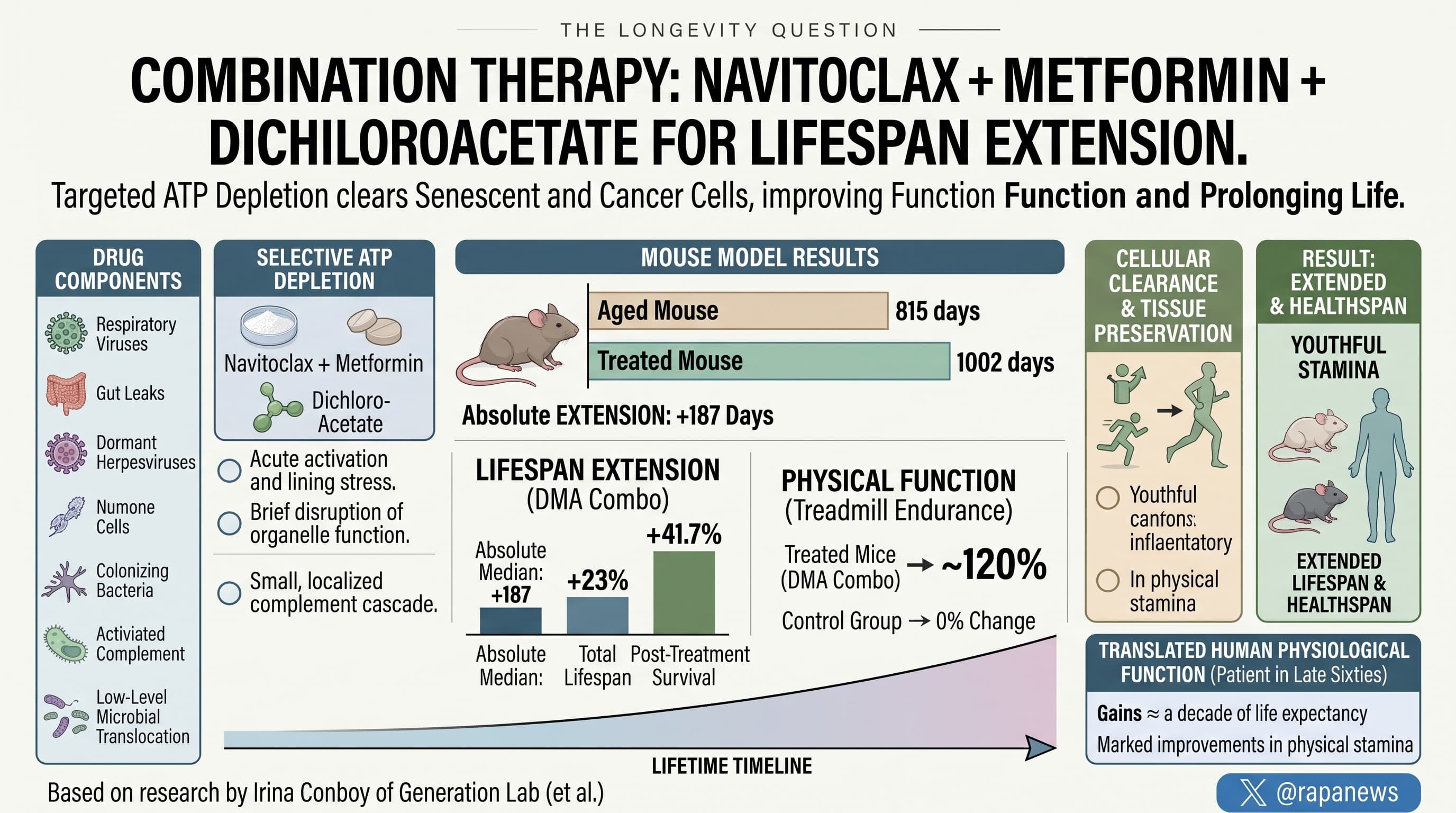
What counts as a BH3 mimetic

A true BH3 mimetic is a small molecule that binds the hydrophobic groove of an anti-apoptotic BCL-2 family protein, occupying the site where a pro-apoptotic BH3 domain would dock, and thereby releasing BAX and BAK to permeabilize the mitochondrial outer membrane. The class dates from ABT-737 in 2005, developed using NMR-based fragment screening, parallel synthesis and structure-based design, representing one of the first successful attempts at targeting a protein-protein interface with a small molecule.

There are six anti-apoptotic targets in humans: BCL-2 itself, BCL-XL (BCL2L1), BFL-1 (BCL2A1), BCL-w (BCL2L2), BCL-B (BCL2L10) and MCL-1. Only three have druggable clinical-grade inhibitors. BCL-w, BFL-1 and BCL-B have none, which is a real and under-discussed gap.


BCL-2 selective

Compound Also known as Developer Status
Venetoclax ABT-199, GDC-0199 AbbVie / Genentech FDA and EMA approved 2016. The only approved BH3 mimetic
Sonrotoclax BGB-11417 BeiGene Clinical evaluation
Lisaftoclax APG-2575 Ascentage Pharma Clinical evaluation

Venetoclax was generated in 2013 as the first selective BCL-2 inhibitor, achieving antitumor activity while sparing platelets, and its rapid clinical development led to approval in 2016. Following its success, several chemically similar BCL-2 inhibitors such as sonrotoclax and lisaftoclax are under clinical evaluation, alone and in combination.

Venetoclax exists because navitoclax failed on platelets. It works, and its limitation is the mirror image of navitoclax’s: it has been reported to increase MCL-1 expression within cancer cells, mitigating its efficacy.


BCL-XL selective

Compound Developer Status
A-1331852 AbbVie Preclinical tool compound
A-1155463 AbbVie Preclinical tool compound
WEHI-539 WEHI Preclinical tool compound and chemical precursor (not verified in this session’s searches)

These are the compounds that matter most for senolytics and they have never entered clinical development, because selective BCL-XL inhibition produces exactly the thrombocytopenia that stopped navitoclax.

A1331852 and A1155463 are senolytic in HUVECs and IMR90 cells, but not preadipocytes, and were proposed as potentially having less hematological toxicity than the less specific navitoclax. That claim has never been tested clinically.


Dual and multi-target (BCL-2 / BCL-XL / BCL-w)

Compound Also known as Developer Status
ABT-737 — Abbott Parent compound, poorly water soluble, not orally bioavailable. Laboratory tool only, no active clinical trials
Navitoclax ABT-263 AbbVie Phase I/II. Dose-limiting thrombocytopenia. Never approved
AZD4320 — AstraZeneca Dual BCL-2/BCL-XL, preclinical
AZD0466 — AstraZeneca AZD4320 conjugated to a PEGylated poly-lysine dendrimer nanoparticle. Clinical development
Pelcitoclax APG-1252 Ascentage Pharma Dual BCL-2/BCL-XL, clinical development

Both ABT-737 and ABT-263 bind with nanomolar affinity to BCL-2, BCL-XL and BCL-w but not to MCL-1 or BCL2A1, which display less homology in their hydrophobic groove.

The AZD0466 approach is instructive for the paper you analyzed, because it solves the same problem by a different route. The degree of thrombocytopenia was significantly reduced throughout the treatment period compared to other BCL-XL-targeting BH3 mimetics by chemically conjugating the active molecule to a dendrimer that alters its distribution, rather than by metabolically sensitizing the target cells.


MCL-1 selective

Compound Also known as Developer Status
S63845 — Servier Preclinical tool compound
S64315 MIK665 Servier / Novartis Clinical, the developable form of S63845
AMG 176 Tapotoclax Amgen Clinical, initial safety study NCT02675452
AMG 397 — Amgen Clinical
AZD5991 — AstraZeneca Clinical
PRT1419 — Prelude Therapeutics Preclinical efficacy in hematologic and solid tumors
GS-9716 Zamzetoclax Gilead Clinical

The strategic logic is sound: MCL-1 is the resistance node for both navitoclax and venetoclax, and it is the protein the paper you analyzed claims DMA bypasses. The execution has been poor. Development of BH3 mimetics targeting BCL-XL or MCL1 has been more challenging, with on-target toxicities including thrombocytopenia for BCL-XL and cardiac toxicities for MCL1 inhibitors precluding clinical development.

That cardiac toxicity is the MCL-1 equivalent of navitoclax’s platelet problem and has repeatedly halted programs in this column.


Pan-BCL-2 and putative BH3 mimetics (largely discredited)

Compound Also known as Status
Obatoclax GX15-070 Pan-inhibitor of BCL-2, BCL-XL and MCL-1. Development discontinued due to toxicity
AT-101 (-)-Gossypol Natural product pan-BCL-2 inhibitor. Phase I/II in prostate cancer and CLL; no recent trials, limited efficacy observed
Sabutoclax (BI-97C1), TW-37, HA14-1, BH3I-1 — Widely cited in older literature, specificity contested

This category deserves a warning rather than a listing. Many early putative BH3 mimetics turned out to be unspecific and mainly induced apoptosis via endoplasmic reticulum stress. Two systematic reassessments (Vogler et al. 2009 on putative BCL-2 inhibitors, Varadarajan et al. 2013 on putative MCL-1 inhibitors) found that a substantial fraction of compounds sold and published as BH3 mimetics kill cells through mechanisms unrelated to BCL-2 family binding. Any experiment using gossypol, obatoclax or the older tool compounds without an on-target control should be read skeptically.


Not BH3 mimetics, despite frequent misclassification

  • Oblimersen sodium (G3139). An antisense oligonucleotide targeting BCL2 mRNA to reduce BCL2 expression; multiple phase III trials in CLL and melanoma were unsuccessful and development halted. It reduces protein levels. It does not occupy the hydrophobic groove.
  • BH4 domain-targeting agents. These bind a different domain and work through calcium signaling at the ER rather than through BAX/BAK release.
  • Dasatinib, quercetin, fisetin, piperlongumine. All are senolytics. None are BH3 mimetics. Fisetin selectively induces apoptosis in senescent but not proliferating HUVECs, but is not senolytic in senescent IMR90 cells or primary human preadipocytes.

Next-generation delivery strategies built on BH3 mimetics

These are not new binders. They are existing binders re-engineered to avoid platelet toxicity, and they are direct competitors to the metabolic-sensitization approach in the paper you analyzed.

Agent Strategy Status
DT2216 PROTAC degrading BCL-XL via the VHL E3 ligase Clinical-stage. Specifically degrades BCLXL via VHL E3 ligase without inducing thrombocytopenia, because VHL is poorly expressed in platelets
PZ18753B PROTAC degrading both BCL-XL and BCL-2 Preclinical
Nav-Gal Galacto-conjugated prodrug of navitoclax, developed at Universitat Politècnica de València in 2020, exploiting elevated lysosomal beta-galactosidase activity in senescent cells to release navitoclax preferentially within them Preclinical
AZD0466 Dendrimer nanoparticle conjugate of AZD4320 Clinical
APG-1252 / pelcitoclax Prodrug design Clinical

Which ones are actually senolytic

This is the part relevant to your analysis, and the data are fairly consistent across independent groups: the senescent-cell dependency is BCL-XL, not BCL-2 and not MCL-1.

Dependency mapping with sensitizing peptides implicated BCL-xL as a critical senescence-associated anti-apoptotic determinant, validated by the universal senolytic efficacy of the BCL-xL-specific BH3 mimetic A-1331852 across all therapy-induced senescence phenotypes, regardless of senescence-inducing modality or genetic context. No significant senolytic activity was observed for venetoclax or the MCL-1 inhibitor S63845 against either senescence phenotype tested.

Independently, in melanoma: molecules that specifically inhibited BCL-xL (A-1331852 and navitoclax) or the PROTAC DT2216 showed significant cytotoxic effect on senescent cells in all cases, while BH3 mimetics directed towards BCL-2 or especially MCL-1 had a minor effect.

BH3 mimetic Senolytic?
Navitoclax (ABT-263) Yes, broadly. The reference senolytic of this class
ABT-737 Yes
A-1331852 Yes in HUVECs and IMR90; not preadipocytes
A-1155463 Yes in HUVECs and IMR90; not preadipocytes
DT2216 (PROTAC) Yes, without thrombocytopenia
PZ18753B (PROTAC) Yes
Nav-Gal (prodrug) Yes, senescence-targeted
Venetoclax (ABT-199) Largely no
S63845 (MCL-1) Largely no

Note the cell-type dependence. A-1331852 and A-1155463 are senolytic in endothelial cells and lung fibroblasts but not preadipocytes. There is no universal senolytic in this class, which is a problem for any claim that a BH3-mimetic-based intervention clears senescent cells systemically.


How this reframes the DMA paper

Three observations worth carrying forward.

The field’s dominant solution to navitoclax toxicity is molecular, not metabolic. PROTACs that degrade BCL-XL in cells but spare platelets, galactose-conjugated prodrugs that unlock inside senescent cells, and dendrimer conjugates that alter biodistribution are all further along than DMA and all address the same problem more directly. DT2216 is clinical-stage and does the thing DMA claims to do, with a cleaner mechanism and platelet sparing that is structural rather than dose-dependent. The DMA paper does not discuss any of them.

DMA uses the bluntest instrument in the class. ABT-263 and ABT-737, the two compounds in that paper, are the pan BCL-2/BCL-XL/BCL-w binders from 2005 to 2008. If the senolytic dependency is specifically BCL-XL, as three independent groups now report, then A-1331852 or A-1155463 would have been the better tool compounds for establishing the mechanism, and the paper offers no reason for not using them.

The MCL-1 argument in that paper is weaker than it looks in context. The claim that DMA overcomes MCL-1-mediated resistance matters for cancer. It matters much less for senolysis, because the senescent-cell literature consistently finds MCL-1 inhibition is not senolytic. A paper that is nominally about senescence is leaning on a resistance mechanism that belongs to the cancer half of its title, which is the half with no in vivo data.

Sources

The Actual Drug Combination for the Injectable

I fed all the latest research information (papers) and interview transcript, into Claude Opus 5.5 and here is what it suggests are the actual drugs that are likely to be in the injectable drug she is working on: oxytocin plus losartan

It rules out the DMA connection entirely

Conboy describes One Generation as a completely separate program from DMA. It is the pharmacological alternative to therapeutic plasma exchange, not the senolytic-chemotherapeutic work. Her description is specific: an injectable agent designed to antagonize and neutralize elevated inhibitory circulating proteins while promoting endogenous tissue repair, combining two repurposed, FDA-approved components. She also states plainly that DMA itself is not ready and advises against biohacking it.

So the earlier inference holds and is now confirmed by the source. Whatever One Generation is, it is not dichloroacetate, metformin or navitoclax. [Confidence: High]

It maps onto one specific published framework

Her phrasing has two clauses, and they correspond one-to-one with the two determinants her lab has been targeting since 2019. From that paper: the approach pursued the simultaneous youthful in vivo calibration of two determinants, TGF-beta which activates ALK5/pSmad 2,3 and goes up with age, and oxytocin which activates MAPK and diminishes with age.

Her One Generation description The published determinant
“antagonize and neutralize elevated inhibitory circulating proteins” TGF-beta, elevated with age, blocked at ALK5
“promoting endogenous tissue repair” Oxytocin, diminished with age, activating pERK/MAPK

The supporting evidence chain is unusually complete for this kind of inference:

The 2019 paper explicitly calls it what the company now claims. Alk5i plus OT is described in that paper as representing a pharmacological combination of two FDA approved drugs to normalize p16. That is the same “two repurposed, FDA-approved components” language, from her own lab, seven years earlier.

The route matches. In the 2025 lifespan study, old C57BL/6J mice were administered by subcutaneous injections with a mixture of OT and A5i or HBSS control. Subcutaneous injectable, two components, from this lab.

The lifespan data exist. That 2025 paper reported a large lifespan and healthspan extension in frail elderly male mice on OT+A5i, framed explicitly as an attempt to recapitulate the benefits of TPE by addressing its molecular determinants.

The intellectual property exists. A patent covering the molecular composition for enhancing and rejuvenating maintenance and repair of mammalian tissues describes systemic delivery of oxytocin and Alk5 inhibitor as capable of reversing aging of muscle, brain and bone, down-modulating cellular senescence and reducing inflammation, and specifically notes that the mixture enables long-term application because neither drug is used at a high dose.

That last point matters commercially. A company pursuing FDA exclusivity for a new use of an existing drug combination needs exactly this: a composition patent on a two-drug combination of approved agents, which they have had since 2019.

The two drugs

First component: oxytocin. [Confidence: High]

It fits every constraint without strain. FDA-approved (Pitocin), generic, cheap, injectable by IV and IM, extensive human safety record, and emphatically “not a longevity drug,” which matches the physician’s remark in the MIT Technology Review piece that these are two safe generic drugs that are not even longevity drugs. It is also the Conboy lab’s own discovery in this space.

Second component: an ALK5/TGF-beta pathway antagonist. [Confidence: High on the target, Low on the specific molecule]

Here is the one genuine unresolved problem, and I want to be direct about it rather than paper over it.

No small-molecule ALK5 inhibitor has FDA approval as an ALK5 inhibitor. The class has largely remained in preclinical discovery due to host toxicity concerns, with two different series producing heart valve lesions in rat toxicology. Galunisertib, vactosertib, SB-431542 and the standard research compounds are all unapproved. So when the 2019 paper calls the pair “two FDA approved drugs,” either they are using an approved drug that happens to inhibit this pathway, or that characterization is loose.

Given the additional constraint from the interview that cardiovascular and vascular pathologies are prime candidate indications, and the MIT description of generic non-longevity drugs, the candidates rank roughly like this:

Candidate Case for Case against
Losartan FDA-approved, generic, cardiovascular, and the canonical repurposed TGF-beta antagonist (its Marfan syndrome use is explicitly for TGF-beta blockade). Fits “not a longevity drug” and the vascular indication perfectly Oral, not injectable. Would need reformulation for a subcutaneous product
Enalaprilat The only injectable RAS blocker, FDA-approved, generic, reduces TGF-beta signaling, cardiovascular Short half-life, IV rather than subcutaneous
Pirfenidone FDA-approved, TGF-beta suppressing, antifibrotic Oral, notable GI and photosensitivity burden
A research-grade ALK5 inhibitor compounded for injection Matches the published mouse protocol exactly Not FDA-approved, contradicts the company’s own description, carries the cardiac valve signal

My best single guess for the pair is oxytocin plus losartan or a closely related renin-angiotensin blocker, on the grounds that it is the only combination satisfying all four stated constraints simultaneously: two drugs, both FDA-approved and generic, neither a longevity drug, and a plausible cardiovascular first indication. [Confidence: Low to Medium on this specific pairing]

But I would hold that loosely. The published protocol says Alk5 inhibitor, and the company says FDA-approved, and those two statements are not currently reconcilable from public sources.

Two things worth flagging as a reviewer

The lifespan evidence for this combination is sex-specific and was not significant in females. The 2025 paper is titled “Sex-specific longitudinal reversal of aging in old frail mice” and the large lifespan effect was reported in frail elderly male mice. A product marketed to both sexes rests on data from one.

What would settle the One Generation question

The composition patent family descending from the oxytocin-plus-Alk5-inhibitor filing will name the specific second molecule in its claims and examples. That is a public document and it is where the answer actually lives, rather than in interviews. A 505(b)(2) filing or an exclusivity designation, once submitted, would name both actives outright.

Sources

So DCA pushes cells towards OxPhos and away from Glycolysis. That might be helpful, but some cells rely heavily on glycolysis for energy.

Metformin - meh!

Navitoclax - personally I would wish senescent cells to function properly rather than just kill them off.