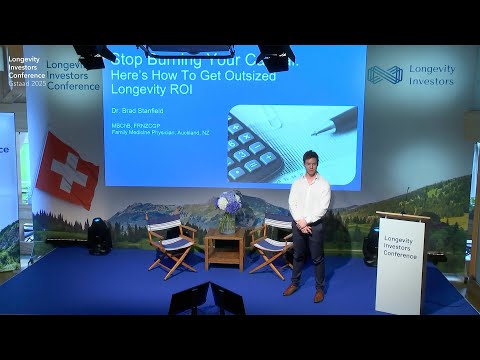
He says the results from the Rapamycin trial are available and anyone who is at the conference could talk to him and he’d tell them the results. Not sure why he didn’t talk about it in the video.
His top interventions:
SGLT2IS
Rapamycin
GLP-1s
PCSK9 drugs
Then he goes into skin aging at 13:30.
Also Matt Kaeberlein also probably knows the results. Can anyone reach out to either of these guys to get the results? @mkaeberlein care to share here or by DM?
Dr. Brad’s state of the union address on longevity. The first part is about criticizing resveratrol, so just skip that. He also criticizes Fisetin.
The paper is under review right now and I don’t think Brad wants to talk publicly about the results until it’s in press. It’s his call, and I’m going ot respect his wishes. I will of course give my interpretation of the results once the paper is out. Brad and I sat down for a longer interview at the same conference, which should be out on the Optispan Podcast page soon. Podcast — Optispan
Odd presentation. How do glp-1RA and pcsk9i fit into being longevity drugs? As far as I know neither have been tested as such. And the literature on pleiotropic effects of pcsk9i is pretty sparse. Apart from the generally salutary effects of lowering LDL, what’s the longevity benefit for non-CVD people?
A lot of work went into the drawn out rocket analogy for a modest payoff and Dr. Brad seemed very nervous. I confess I couldn’t get up any curiosity to watch the skin care fragment, so maybe that was stellar.
I would think generally keeping glucose levels down has benefits. Not such an obvious case of pcsk9i. I am personally, however, not persuaded by glp 1 agonists for myself. However, my HbA1c tends to be under 5.
Preventing CVD is one of the most important ways of improving longevity as most people die of a circulatory disease caused by arteriosclerosis. You can take all the Rapamycin you want but it won’t help if you die of a heart attack. Preventing this is what PCSK9Is do best. That’s why he mentioned it. Also probably goes over better than talking about statins and Ezetemibe.
Well, sure, but those are preventative or curative drugs, not longevity. If I cure or prevent a disease, it’s not a life extending drug, it’s just an anti-life shortening, an antibiotic can prevent an infection, but that’s not life extension, it can prevent you dying from an infection, but that again is not life extension. That’s why a statin, simvastatin failed in the ITP. For a pcsk9i to be a longevity drug, it would have to have a good ITP result. So let’s see it - I doubt it would. And until it does, you cannot make a longevity claim for it as is understood as a “longevity intervention” at a longevity conference - drugs that address CVD belong at a medical conference, a completely different animal.
PCSK9I, statins and all other CVD targeting drugs will fail in the ITP because mice die of cancer not heart attacks. However, 1 in 3 people globally do. Anti-death is as valuable as purely longevity IMHO.
Anything that works in the ITP is probably something that prevents cancer which is why the mouse model is flawed and why the marmoset study was so important.
The most common causes for marmosets to die are gastrointestinal issues, nephritis and trauma. Everything dies of something. Even when you die of natural causes in old age, it is usually heart failure. So every longevity treatment is also anti-death.
An additional complication with any studies and particularly mouse studies is that a proportion of the animals are euthanised when they seem to be suffering. I am not criticising this, but there should be a distinction in the analysis between those that die naturally and those that die from human intervention as the latter is less objective. Hence a mouse may not die because of a tumour, but may have been euthanised because it has a tumour.
Thanks Matt… keep up those fantastic interviews on Optispan. Looking forward to this one.
Optispan is playing on all my frequent trips around the state.
The one with Dr. Greg Fahy was an all time favorite and got me very interested in HGH. I play it often… you drilled on the details and delivered excellent information.
Well when you dramatically reduce cardiovascular risk by virtue of reduced insulin levels and ApoB, you cut your risk of death, meaning your odds of living longer increase.
Agreed that it wasn’t the best presentation. However, I think he was intending to tailor it towards the “investor conference”, rather than a biology/geroscience audience.
And I’m sure you know why he mentioned PCSK9is and GLP1RAs. Whether you “count” than as longevity drugs or not just depends on how you define longevity. But, in the context of the conference, they are recent examples of profitable drugs which are preventative/slowing-death in nature. (I agree that him framing them after explicitly mentioning the ITP was confusing though). And FWIW, I reckon GLP1RAs might achieve similar results to acarbose in the ITP, when they’re eventually tested.
IMO, Rapamycin was the odd one on his list out since it has very little commercial/investor value at this point. But obviously mentioned because of his own research interests.
Second FWIW: I heard Joe Hill (Editor of Circulation, former AHA president) speak recently and he said GLP1RAs have been transformative, and the biggest and most impactful new intervention he’s seen in his career. He described how you can take a cardiovascular patient with pre-diabetes, obesity, fatty liver, terrible lipids etc - and 9 months later they don’t have any of those things. You can also take patients and make them lose weight by diet and exercise vs GLP1RAs, and the latter group actually turn out healthier. Presumably that means there are other benefits than just the weight loss.
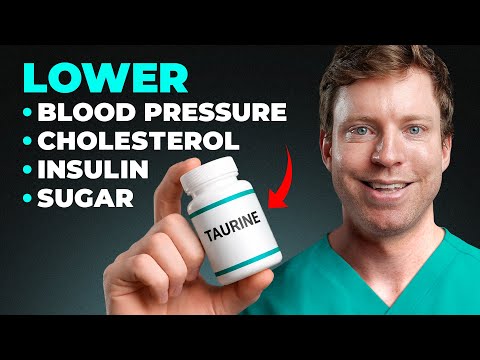
A few months ago, there was “despair” in the longevity community after a taurine study seemed to undermine hopes that taurine supplements extend lifespan.
The speaker says they didn’t think the reaction made sense, and they still take taurine—especially because a new human meta-analysis (1,394 participants) was published 23 Nov 2025 (their claim) supporting their choice.
Taurine is abundant in the body (brain, heart, muscle) and is involved in multiple functions (energy metabolism, nervous system support).
Too little taurine can cause problems (they mention cardiomyopathy).
Taurine has long been added to energy drinks; more recently it’s been discussed in aging.
Taurine and aging: why the hype (1:03–2:10)
Early work focused on heart health; the speaker references older heart-failure studies suggesting benefit.
In the early 2000s, researchers noted Japanese populations had high dietary taurine and low heart-disease mortality (observational, potentially misleading).
A “tipping point” was a 2023 Science paper reporting:
taurine levels decline with age across mice/monkeys/humans,
supplementation improved aging-related markers,
and extended lifespan in mice and worms and improved healthspan in monkeys. (Science)
The speaker says the authors were cautious about translating this to humans, but the supplement market exploded anyway.
The “contradicting” biomarker study & why design matters (2:11–5:24)
A later study argued the “taurine declines with age” finding is inconsistent across the literature.
The speaker explains:
Cross-sectional: measure taurine across different ages at one timepoint.
Longitudinal: measure taurine in the same individuals over time (generally better for aging questions).
They give an analogy using anxiety trends to show how cross-sectional data can mislead.
They claim the newer work used longitudinal data across humans, primates, and mice and found taurine does not decline with age and doesn’t consistently correlate with aging markers.
This undercuts the idea of taurine being a simple aging biomarker/driver.
This fueled the “meltdown” in the longevity community.
(Note: the major “taurine not a good aging biomarker” paper is in Science (2025), and NIH also summarized it publicly.) (Science)
The reproducibility point & shifting to human evidence (5:27–7:01)
The speaker says animal/early studies often fail to replicate (“reproducibility crisis”).
They cite a figure about only ~11% of landmark preclinical cancer findings being reproducible.
Therefore, they focus on human RCTs and clinical guidance.
They mention observational human data linking higher taurine to better metabolic profiles (BMI, diabetes, inflammation) but acknowledge correlation ≠ causation.
Human RCT evidence & brain-health note (6:32–7:58)
A 2024 meta-analysis (25 RCTs; ~1,024 participants) is cited as showing improvements in several metabolic-syndrome risk factors; doses across studies span roughly 0.5–6 g/day. (PubMed)
They also mention an association study suggesting higher taurine is linked with lower dementia risk (they cite “Framingham”). Evidence here is mixed across cohorts. (PMC)
Personal practice: they use magnesium taurate and argue taurine helps absorption (by “amino acid transporters”).
New meta-analysis & the speaker’s dosing math (7:59–end)
They describe a newer meta-analysis of 34 RCTs (1,394 participants) reporting improvements in glucose metrics, lipids, blood pressure, inflammation, and oxidative-stress markers. (PubMed)
They calculate taurine intake from their magnesium taurate product plus added taurine powder, then reiterate: their use doesn’t mean others should.
They segue to NAD/NMN as another “hype cycle” topic.
Summary (what the video is really arguing)
The 2023 taurine-longevity paper created hype because it linked taurine decline with age to healthspan/lifespan benefits in animals. (Science)
A later (Science/NIH) analysis says taurine is not a reliable aging biomarker, largely because longitudinal datasets don’t show a consistent age-related decline. (Science)
The speaker’s bottom line: don’t treat taurine as a proven “anti-aging” supplement, but human RCT/meta-analysis evidence suggests cardiometabolic risk-factor improvements and reasonable short-term safety in studied doses. (PubMed)
Correctly teaches cross-sectional vs longitudinal and why longitudinal is often the right tool for “does X change with aging?” questions. (That’s the key methodological point of the NIH/Science biomarker rebuttal.) (Science)
Appropriately separates: “taurine as an aging biomarker/driver” (unproven in humans) from “taurine has measurable effects on some cardiometabolic endpoints” (supported by RCT syntheses). (PubMed)
Likely errors / overstatements
Date mismatch: the high-profile “taurine isn’t a good aging biomarker” paper is Science (2025), not 2024. (Science)
Reproducibility statistic is garbled: the well-known oncology figure is Amgen tried to reproduce findings from 53 “landmark” preclinical papers and confirmed ~6 (≈11%)—not “23 studies, 6 reproduced.” (Nature)
“Taurine is an amino acid” is a common simplification; taurine is an amino-sulfonic acid and isn’t incorporated into proteins. (This matters mostly for biochemical precision, not the main argument.)
Claims that need more caution / nuance
“Taurine rides amino acid transporters, improving magnesium taurate absorption”: plausible-sounding, but the video doesn’t cite transporter/PK data. Chelation/formulation can matter, but “therefore better absorbed” isn’t automatically true without comparative pharmacokinetic studies.
Meta-analysis interpretation: the 34-RCT meta-analysis reports statistically significant improvements across many biomarkers, but meta-analyses like this can be sensitive to:
short trial durations,
heterogeneous populations/doses,
publication bias,
and endpoint multiplicity (many markers tested). (PubMed)
The effects look directionally favorable, but they’re not the same as proving reduced heart attacks, diabetes incidence, dementia, or longer life.
What’s missing (important context)
Clinical endpoints: we still lack large, long-duration RCTs powered for “hard outcomes” (CVD events, incident diabetes, cognition, mortality).
Safety boundaries & populations: taurine is generally well-tolerated in studied ranges, but the video doesn’t discuss groups where you’d be more careful (e.g., significant kidney disease, complex polypharmacy, or specific heart-failure regimens) and doesn’t distinguish “short-term RCT safety” from “years-long supplementation.”
Dementia evidence is mixed: one metabolomics-based Framingham analysis reported an association consistent with lower dementia risk with higher taurine, but other cohorts report null associations—so it’s not a settled claim. (PubMed)
If you want, I can also turn the key scientific claims into a 2-column “Claim → What the best evidence actually says” table (with paper links and endpoints), using the studies the video is gesturing at.
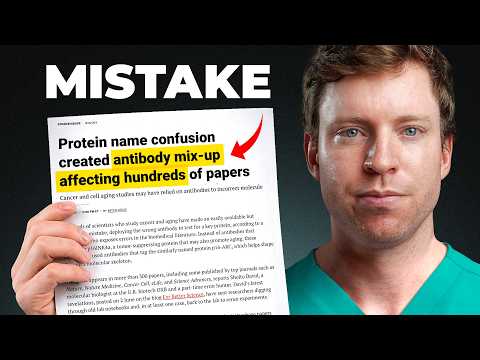
Very important information about senolytics. Many scientists were using the wrong antibody to measure senescence. When re-measured with the correct antibody, most senolytics including Fisetin were found to have no.senolytic effects.
Here’s the point… I don’t take Taurine for Longevity.
I take it for bone health and to reverse osteopenia found in my first bone DEXA.
Since starting Taurine almost 3 years ago… I have reversed my T- score twice…moving deeper into normal scores and completely out of osteopenia. That is not typical using a daily OTC supplement.
Longevity experts… even my buddy Matt Kaeberlein are negating Taurine’s benefits because they are looking at the wrong markers. Longevity - without great bone strength and bone health brings poor health and life quality.
Taurine also works as a senomorphic. The issue that everyone has with Taurine was that people thought it decreases with age, and they found that to not be true. Also, it doesn’t impact epigenetic tests as originally thought. I personally don’t care about either of those effects.
I care about the senomorphic and triglyceride lowering qualities of Taurine which is why I still take it. Any bone density improvement is an added bonus.
Fisetin has been discussed as a potential senolytic — a compound capable of selectively clearing senescent cells. But as more data arrives, the picture is shifting. Fisetin’s senolytic effects appear inconsistent and far weaker than early mouse studies suggested.And yet… some people (me included) report that after a large, pulsed dose:
better mood, reduced aches, clearer thinking, calmer inflammation, and a general sense of “feeling good.”
Why? Placebo? No, not in my case. Dramatic long term reductions in joint pain, and increased libido.
I think that fisetin have real effects. But the effects might not be derived from senolytic actions but they might be effects from mTOR inhibition and inflammation suppression.
Even if fisetin turns out not to be a reliable senolytic, it still might deliver something valuable to some people:
Dual targeting of mTOR/IL-17A and autophagy by fisetin alleviates psoriasis-like skin inflammation
“We conclude that fisetin potently inhibits IL-17A and the Akt/mTOR pathway and promotes keratinocyte differentiation and autophagy to alleviate IMQ-induced psoriasis-like disease in mice”
This clinical synthesis evaluates the discovery, physiological mechanism, and longitudinal clinical trial evidence supporting ezetimibe—a generic, $6-per-month intestinal cholesterol absorption inhibitor targeting the Niemann-Pick C1-Like 1 (NPC1L1) protein. Discovered through iterative metabolite screening in animal models by Margaret van Heek and colleagues at Schering-Plough, ezetimibe (SCH 58235) received FDA approval in 2002 before its exact molecular target was identified. In 2008, the ENHANCE trial reported that adding ezetimibe to simvastatin failed to slow carotid intima-media thickness (CIMT) progression in familial hypercholesterolemia patients despite achieving an additional ~50 mg/dL LDL-C drop. This reliance on a surrogate ultrasound proxy prompted widespread clinical abandonment and an immediate 47% decline in US prescriptions following expert consensus panels.
Ezetimibe’s therapeutic reputation was subsequently rehabilitated through human genetics and definitive hard-outcome trials. A landmark 2014 Mendelian randomization study (Myocardial Infarction Genetics Consortium, 2014) demonstrated that natural inactivating mutations in the NPC1L1 gene reduced serum LDL-C by a modest 12 mg/dL while reducing coronary heart disease risk by 53%, confirming that lifelong gut cholesterol absorption blockade directly prevents atherogenesis. The 7-year IMPROVE-IT trial (Cannon et al., 2015; N=18,144) verified that adding ezetimibe 10 mg to simvastatin in post-acute coronary syndrome patients reduced major adverse cardiovascular events (MACE) from 34.7% to 32.7% (a 2.0% absolute risk reduction, p=0.016), proving non-statin LDL-C lowering delivers cardiovascular protection proportional to absolute particle reduction.
Contemporary clinical trials establish ezetimibe as a primary tool for dual-pathway lipid lowering. The RACING trial (Kim et al., 2022; N=3,780) proved that moderate-intensity statin plus ezetimibe is non-inferior to high-dose statin monotherapy for MACE while achieving superior LDL-C target attainment (<70 mg/dL: 72% vs. 58%) and significantly lower drug discontinuation rates (4.8% vs. 8.2%). Furthermore, the Ez-PAVE trial (Kim et al., 2026; N=3,048) demonstrated that targeting an aggressive LDL-C <55 mg/dL via ezetimibe combination therapy reduced 3-year MACE from 9.7% to 6.6% (a 3.1% absolute risk reduction) compared to a <70 mg/dL target. Under the European Atherosclerosis Society lifetime cumulative exposure framework (Ference et al., 2017), early combination lipid lowering with ezetimibe offers a safe, placebo-tolerable, and highly cost-effective strategy to prevent atherosclerotic cardiovascular disease.
II. Insight Bullets
Phenotypic Discovery of Ezetimibe: SCH 58235 (ezetimibe) was isolated by Margaret van Heek and biologists at Schering-Plough by testing active drug metabolites in animals after initial enzyme-targeted molecules failed, lowering cholesterol without a known target protein.
NPC1L1 Transport Mechanism: Ezetimibe selectively inhibits Niemann-Pick C1-Like 1 (NPC1L1), an enterocyte and hepatocyte cell-surface transport protein responsible for absorbing dietary and biliary cholesterol from the intestinal lumen.
FDA Approval Prior to Target Identification: Ezetimibe received FDA approval in October 2002 purely on functional LDL-C lowering metrics, two years before NPC1L1 was molecularly confirmed as its target protein in 2004/2005.
The ENHANCE Trial Flaw: The 2008 ENHANCE trial evaluated 720 familial hypercholesterolemia patients using carotid intima-media thickness (CIMT) as a surrogate proxy, showing no difference in carotid wall progression despite an extra ~50 mg/dL drop in LDL-C.
Surrogate Proxy Backlash: The ENHANCE findings led expert consensus panels (e.g., Cleveland Clinic) to advise returning to statin monotherapy, causing a 47% drop in US ezetimibe prescriptions between 2008 and 2009.
Mendelian Randomization Validation: A 2014 study of >90,000 individuals (Myocardial Infarction Genetics Consortium, 2014) found that carriers of inactivating NPC1L1 mutations had a modest 12 mg/dL LDL-C reduction but experienced a 53% relative reduction in coronary heart disease risk.
Refutation of the “Cholesterol Myth”: Inactivating NPC1L1 genetic variants isolate a single physiological mechanism—gut cholesterol absorption—proving that circulating ApoB/LDL-C particle burden causally drives coronary artery disease independently of general diet, exercise, or insulin resistance.
IMPROVE-IT Trial MACE Reduction: The 7-year IMPROVE-IT RCT (Cannon et al., 2015; N=18,144) demonstrated that adding ezetimibe 10 mg to simvastatin 40 mg in post-ACS patients reduced MACE from 34.7% to 32.7% (a 2.0% absolute risk reduction; p=0.016).
Proof of Non-Statin Benefit: IMPROVE-IT provided definitive clinical trial evidence that lowering ApoB/LDL-C through non-statin mechanisms yields cardiovascular risk reductions directly proportional to the absolute magnitude of LDL-C reduction.
Cumulative Lifetime Exposure Principle: The European Atherosclerosis Society consensus (Ference et al., 2017) established that atherosclerotic risk depends on total cumulative ApoB exposure (concentration × time); lifelong low LDL-C provides 3-fold greater protection per mg/dL drop than initiating therapy in middle age.
RACING Trial Combination Efficacy: The 2022 RACING trial (Kim et al., 2022; N=3,780) showed that moderate-intensity statin + ezetimibe 10 mg was non-inferior to high-intensity statin monotherapy for 3-year MACE (9.1% vs. 9.9%) in ASCVD patients.
Superior Target Attainment with Lower Side Effects: In the RACING trial, combination therapy achieved target LDL-C <70 mg/dL in 72% of patients vs. 58% on high-dose statins, while reducing drug discontinuation/dose reduction rates from 8.2% to 4.8%.
Statin Rule of 6s: Doubling a statin dose yields only ~6% additional LDL-C reduction while increasing muscle toxicity risks; adding ezetimibe 10 mg provides an additive 15–20% LDL-C reduction by blocking an independent pathway.
Ez-PAVE Trial Validation of Aggressive Targets: The 2026 Ez-PAVE trial (Kim et al., 2026; N=3,048) demonstrated that targeting an LDL-C <55 mg/dL via ezetimibe combination therapy reduced 3-year MACE from 9.7% to 6.6% (a 3.1% absolute risk reduction; p<0.001) compared to a <70 mg/dL target.
Rapid Curve Separation in Ez-PAVE: In the Ez-PAVE trial, cardiovascular event curves separated within the first 12 months, demonstrating that aggressive lipid lowering to <55 mg/dL produces rapid clinical benefit in secondary prevention.
Off-Patent Evidence Disincentive: No pharmaceutical company will fund a multi-million-dollar primary prevention trial for ezetimibe due to its generic, off-patent status ($6/month), leaving primary prevention claims reliant on Mendelian randomization and secondary trial extrapolation.
Placebo-Equivalent Safety Profile: Across large RCTs, ezetimibe exhibits side-effect and discontinuation rates virtually identical to placebo, with minor gastrointestinal upset occurring in a negligible minority of patients.
Dementia Safety & Neurovascular Protection: Genetic Mendelian randomization studies involving >1,000,000 individuals show that drug-target proxies for LDL-C lowering (including NPC1L1 and HMGCR) correlate with lower risk of vascular and all-cause dementia, refuting claims that low serum cholesterol causes cognitive decline.
Physiological Synergy with Statins: Statins up-regulate intestinal cholesterol absorption as a compensatory response to reduced hepatic synthesis; co-administering ezetimibe neutralizes this compensatory loop.
Aggressive Primary Prevention Rationale: Initiating dual low-dose statin plus ezetimibe combination therapy early in life targeting LDL-C <55 mg/dL (or ApoB <50 mg/dL) minimizes 30-to-50-year cumulative atherogenic exposure.
IV. Actionable Protocol (Prioritized)
High Confidence Tier (Level A/B Evidence)
Secondary ASCVD Lipid Optimization: Combine moderate-intensity statins with generic Ezetimibe 10 mg daily for patients with established ASCVD to achieve an aggressive target LDL-C <55 mg/dL, which yields a 3.1% absolute MACE reduction over 3 years (Kim et al., 2026).
First Add-On Choice for Statin Intolerance / Suboptimal Response: Utilize Ezetimibe 10 mg daily as the primary add-on agent before escalating to high-intensity statin monotherapy, gaining an additive 15–20% LDL-C reduction with lower drug discontinuation rates (4.8% vs. 8.2%) (Kim et al., 2022).
Routine Lipid Surveillance: Measure fasting lipid panels (LDL-C, ApoB, non-HDL-C) to verify combination therapy efficacy and manage lifelong cumulative ApoB particle exposure (Ference et al., 2017).
Experimental Tier (Level C/D Evidence / High Safety Margin)
Early Aggressive Primary Prevention: For individuals with elevated baseline cardiovascular risk or strong family history without documented ASCVD, consider low-dose statin plus Ezetimibe 10 mg daily targeting an off-label primary prevention LDL-C <55 mg/dL (or ApoB <50 mg/dL) to reduce lifetime cumulative atherogenic dose.
Ezetimibe Monotherapy for Statin Intolerance: Administer Ezetimibe 10 mg daily as monotherapy for patients completely intolerant to statins, achieving a ~15–18% reduction in LDL-C with a placebo-equivalent safety profile.
Red Flag Zone (Debunked Claims / Safety Data Absent)
Discontinuing Lipid Therapy Based on Surrogate Imaging: Abandoning effective non-statin pharmacotherapy based on non-validated surrogate imaging markers like carotid intima-media thickness (CIMT) rather than hard clinical outcome trials (“ENHANCE Fallacy”).
Avoiding Lipid-Lowering Pharmacotherapy Due to Dementia Fears: Refusing statin or ezetimibe therapy over unproven claims of cognitive decline; Mendelian randomization confirms lower LDL-C correlates with reduced dementia risk.
Monolithic High-Dose Statin Escalation: Relying solely on maximum-dose statin monotherapy rather than dual-pathway combination therapy (Statin + Ezetimibe), which increases muscle toxicity risk without maximizing ApoB reduction.

 brings poor health and life quality.