Has anyone heard of any results from the several clinical trials of fisetin that Dr. Kirkland is conducting at Mayo? His protocol of heavy dosing for three days a month was well reasoned.
Here is what CGPT5 tells us…
Here’s a concise, results-first roll-up of human studies led by (or with core leadership from) Dr. James L. Kirkland’s Mayo Clinic team on senolytics—plus what’s still ongoing. I separate peer-reviewed readouts from registered/ongoing trials.
Completed studies with peer-reviewed results
Dasatinib + Quercetin (D+Q) — Diabetic Kidney Disease (open-label pilot, NCT02848131) — Mayo-led
What they did: One 3-day “hit-and-run” course of D (100 mg/day) + Q (1000–1250 mg/day); adipose/skin biopsies ~11 days later.
Key result: First direct human biopsy evidence that a senolytic regimen reduced senescent cell burden (↓ p16^INK4a^, p21^CIP1^, SA-β-gal) and lowered circulating SASP factors (e.g., IL-1α, IL-6, MMP-9/-12). (PubMed)
Dasatinib + Quercetin — Postmenopausal Women (Phase 2 RCT, NCT04313634) — Mayo-led
What they did: Intermittent D+Q vs placebo for 20 weeks (n=60); bone markers pre-specified.
Key result: Primary endpoint (20-week Δ in C-Tx) was not different overall. However, women with high baseline senescent-cell burden (highest tertile of T-cell p16) showed signals: ↑ P1NP at 2–4 weeks, ↓ C-Tx at 2 weeks, and ↑ distal radius BMD at 20 weeks. Safety acceptable. Take-home: benefit may depend on who actually has high senescent load. (PubMed)
Dasatinib + Quercetin — Idiopathic Pulmonary Fibrosis (IPF)
- Open-label pilot (first-in-human feasibility; D 100 mg/day + Q 1250 mg/day, 3 days/week × 3 weeks): Improved physical function (6-min walk distance, gait speed, chair-stands); pulmonary function unchanged; safety acceptable. (PubMed)
- Phase I single-blind, single-center randomized pilot (feasibility/tolerability focus): Confirmed feasibility/tolerability of intermittent D+Q; designed for methods/safety, not powered for hard efficacy. (PubMed)
Bottom line from completed trials: Proof-of-mechanism that senolytics can lower senescent cell markers in humans (DKD), functional signals in IPF pilots, and heterogeneous efficacy in healthy aging women with bone endpoints—potential benefit concentrated in those with higher senescent burden. (PubMed)
Fisetin trials from the Mayo team (status / outcomes)
AFFIRM — “Alleviation by Fisetin of Frailty, Inflammation, and Related Measures in Older Adults” (NCT03675724, Mayo)
Registered as a Mayo Clinic trial in ≥70-year-olds using intermittent high-dose fisetin to affect frailty biology and senescence markers. No peer-reviewed results posted as of Oct 23, 2025; Mayo’s study page lists it and shows Mayo IRB / NCT link. (Mayo Clinic)
COVFIS-HOME — Outpatient COVID-19 fisetin Phase 2 pilot (NCT04771611, Mayo)
Mayo clinical-trials page lists the study (now closed for enrollment). No publications/results posted on the Mayo page or ClinicalTrials.gov results tab as of today. ([Mayo Clinic][6])
Net on fisetin at Mayo (to date): multiple Mayo-sponsored/led fisetin trials were launched, but no human efficacy readouts from Mayo on fisetin have been published yet as of today’s date; completed Mayo fisetin studies haven’t posted results in peer-reviewed venues. (Mayo Clinic)
Ongoing / active studies involving the Mayo group
Mayo-led (active):
- Sequential senolytic regimens for residual glioma (Phase 0/early Phase I), algorithmic approach rotating D+Q → fisetin → temozolomide combinations with imaging/CSF biomarkers. Lead org: Mayo Clinic (Rochester). Status: active. (NCT07025226). ([cancer.gov][7])
Collaborations / network trials that include fisetin (not Mayo-led):
- Fisetin to improve physical function in breast-cancer survivors (Phase II; sponsor: UCLA/Jonsson) — Recruiting; fisetin vs placebo with functional endpoints, multi-site network. (NCT05595499; NCI DCP listing). ([National Cancer Institute Prevention][8])
- PROFFi: Fisetin + Exercise to prevent frailty in breast-cancer survivors (Phase II; UCLA network page; separate NCT). Actively recruiting per site listing. ([UCLA Health][9])
Quick reference — one-liners per study
- D+Q (DKD, NCT02848131): ↓ senescent cells in adipose/skin and ↓ SASP within ~11 days after a single 3-day course. Mechanism proof in humans. (PubMed)
- D+Q (Postmenopausal women, NCT04313634): Primary bone resorption marker negative overall; positive signals limited to high-p16 subgroup; safety acceptable. (PubMed)
- D+Q (IPF pilots, NCT02874989): Open-label: ↑ functional performance; RCT pilot: feasibility/tolerability established. (PubMed)
- Fisetin (AFFIRM, NCT03675724): Registered; no published results to date. (Mayo Clinic)
- Fisetin (COVFIS-HOME, NCT04771611): Mayo Phase 2 outpatient COVID; closed for enrollment; no publications posted. ([Mayo Clinic][6])
- Senolytic sequencing incl. fisetin (Glioma, NCT07025226): Active; adaptive Phase 0/early I at Mayo. ([cancer.gov][7])
- Fisetin cancer survivorship trials (network, e.g., NCT05595499; PROFFi): Recruiting; not Mayo-led but aligned with Mayo’s senolytic program. ([National Cancer Institute Prevention][8])
If helpful, I can turn this into a one-page matrix with dose, schedule (mg/kg and cycle timing), primary/secondary endpoints, biomarker panels, and links to full texts/protocols—just say the word.
[6]: https://www.mayo.edu/research/clinical-trials/cls-20514207 "
COVFIS-HOME: COVID-19 Pilot Study of Fisetin to Alleviate Dysfunction and Decrease Complications - Mayo Clinic
"
[7]: Facebook “Medication Combinations of Dasatinib, Quercetin, Fisetin and Temozolomide for the Treatment of Previously Treated Glioma with Residual Disease - NCI”
[8]: https://www.prevention.cancer.gov/clinical-trials/clinical-trials-search/nct05595499 “Fisetin to Improve Physical Function in Stage I-III Breast Cancer Survivors | Division of Cancer Prevention”
[9]: Breast Cancer UCLA Clinical Trial | Prevention of Frailty With Fisetin and Exercise in Breast Cancer Survivors | UCLA Health Clinical Trials and Research Studies “Breast Cancer UCLA Clinical Trial | Prevention of Frailty With Fisetin and Exercise in Breast Cancer Survivors | UCLA Health Clinical Trials and Research Studies”
3 Likes
Since it’s been years since the Mayo Fisetin studies were done and no results have been published, to me, this means that Fisetin is a dud. Don’t waste your time and effort on this one. Duds, just like other things, happen.
5 Likes
I don’t want to take on the role of advocate for fisetin, but would suggest that it’s too soon to dismiss it. The Mayo/Texas/Cedars senolytic trials are ongoing and other labs are currently looking into fisetin. When I searched, the first thing that popped up was this 1 week on, 2 weeks off, 1 week on, fisetin study of frailty and grip strength in old mice:
5 Conclusions
Here, we demonstrate efficacy for targeting cellular senescence through oral intermittent supplementation with fisetin, a natural senolytic compound with high translational potential for administration in humans, to mitigate frailty and reductions in grip strength with aging. We also provide novel insight into the cell senescence-related signaling pathways modulated by fisetin in skeletal muscle that may contribute to the beneficial effects of fisetin on physical function. Lastly, we show that fisetin improved physical function to a similar degree as genetic-based clearance of senescent cells and oral intermittent supplementation with the synthetic senolytic ABT-263. As such, our preclinical findings provide the necessary proof-of-concept evidence to support the use of intermittent fisetin supplementation as a treatment for improving frailty and skeletal muscle strength with aging to potentially prevent functional limitations and a loss of independence.
4 Likes
If Mayo produces results that are positive, I will change my tune. I used to take Fisetin, but all it did for me was give me bad diarrhea. Also, the use of a senolytic by Aubrey De Grey in his RMR trials showed senolytics to be a dud in terms of lifespan.
Furthermore, mouse studies on senescent cells loads showed far fewer senescent cells in mice when mice were given taurine or Rapamycin which prevented formation of senescent cells compared to being given D+Q which is the best known senolytic available. It’s better to prevent senescent cells from forming rather than removing them later with a senolytic.
5 Likes
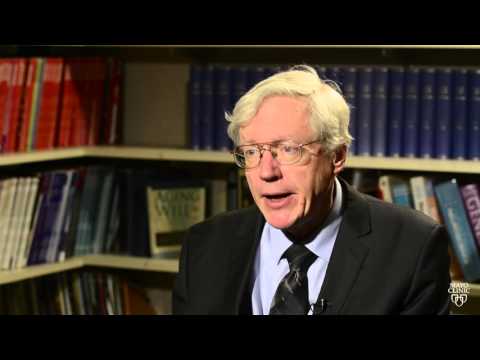
Take a look at these two videos. The first one interviews James Kirkland between 9 and 10 years ago (it might have been closer to 10):
And the second one was from last year at the ARDD 2024 conference:
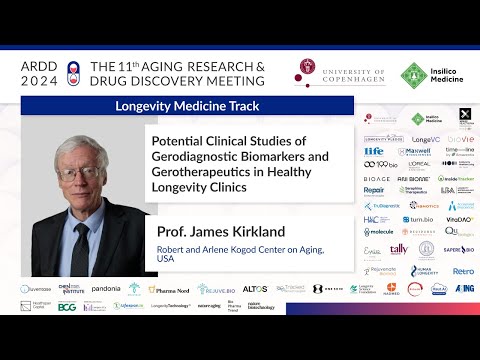
He looks like he’s barely changed at all. In fact, I might would have guessed he looks younger in the more recent video.
What is he taking to seem not to age?
I see him at conferences… trust me, he looks a lot older than these images when in person. He walks and looks as old as he is.
4 Likes
Not a human clinical trial, but a new study from Brown University using rabbits:
Senolytic Reduction of Senescent Cells Mitigates Atrial Arrhythmia Vulnerability in Aging Rabbits
https://www.heartrhythmjournal.com/article/S1547-5271(26)00022-6/fulltext
Short-term fisetin treatment eliminated most senescent atrial cells, reduced inducible AF, and decreased reentry activity without impairing atrial function.
Conclusions
Senescent atrial cells promote a pro-inflammatory, pro-arrhythmic substrate predisposing to AF. Senolytic therapy with fisetin alleviates this phenotype, suggesting a potential strategy to prevent age-related AF.
Wait, didn’t ITP suggest that fisetin isn’t really a senolytic? This new study seems to be claiming it really is, and by a different team (than the original at Mayo Clinic) than proposed that initial senolytic study.
2 Likes
Fisetin, due to an error in how the original tests were done is not a senolytic.
2 Likes
Yes, I stopped that supplement 3 years ago. Didn’t see or feel anything with it.
Stop spreading misinformation!!!. The only reason the ITP’s PCR data didn’t show a significant drop in p16 mRNA in the liver, kidneys, or brain of aged mice is because of the administration route.
Past Fisetin studies used high-dose oral gavage, while the ITP just mixed it into the chow. The researchers couldn’t even reliably detect Fisetin in the plasma of the treated mice—so expecting it to clear senescent cells under those conditions is absurd. Claiming Fisetin isn’t a senolytic based solely on this one trial is completely false.
There’s been a lot of bad info going around lately about senolytics due to the p16 antibody issues. This is exactly why you need to read the actual papers instead of getting your facts from YouTube videos.
3 Likes
Not a single core paper on Fisetin clearing senescent cells used the wrong antibody.
p16 is literally just a biomarker. It’s even used in cervical cancer screening and shows up in nearly every field of medicine. Trying to spin this to discredit senolytics makes zero sense.
1 Like
I don’t blame the people in this forum. It’s just that Dr. Brad Stanfield’s video was highly misleading and ignored basic facts. He’s trying to force a connection to the recent p16 antibody controversy, but conveniently left out that none of the papers using the wrong antibody are core papers in the senolytics field.
Even the ITP Fisetin paper he cited didn’t use the wrong antibody. He’s doing this purely for the views. Because of it, we’ve seen a flood of misinformation over the last couple of days, to the point where people are actually claiming Fisetin isn’t a senolytic. Honestly, it’s just ridiculous.
Here’s the spreadsheet of all the papers involved in the p16 antibody issue. The papers in there covering Fisetin or fibrates are a drop in the bucket. Only a minuscule fraction actually used the wrong antibody—literally less than 0.0001% of the entire field.
Plus, it’s still up for debate whether they actually used the wrong antibody in the lab, or just copy-pasted the wrong name into the paper’s methods section.
From the list you provided, 318 papers used the wrong antibody and 17 used the correct antibody and the rest you can’t check. That seems like the exact opposite of what you are saying.
Fisetin failed in the Mayo human clinical trials. Fisetin failed in the ITP trials. Fisetin was incorrectly assessed in 95% of the research according to the information you provided.
From my perspective, that makes it a dud for longevity. However, if it has some pleiotropic effects for you, go for it. To me, it makes no sense to take it. If you really want a senolytic, D+Q seems to be the gold standard, but even in that case only if you’re over 65.
3 Likes