Butyrate: The Microbiome's Anti-Aging "Kill Switch" for Senescent Cells

Follow-on Prompt:

List and identify and link to any available off-the shelf Delayed-release microencapsulated sodium butyrate, include approximate pricing and calculate the price per gram for each option. Provide links to the websites where the product may be purchased.

Gemini Response:

To achieve reliable systemic target engagement without rapid upper gastrointestinal degradation or unpalatable compliance issues, several specialized off-the-shelf formulations utilize advanced delayed-release microencapsulation or molecular-trap technologies.

Below is an objective, technical evaluation of the primary commercial options available on the international and domestic markets, including absolute pricing metrics and calculated costs per gram of active compound.


1. Debutir Forte (Silesia / Polfa Łódź)

  • Technology & Mechanism: This formulation represents a true microencapsulated sodium butyrate matrix (MSB). The active sodium butyrate salt is structurally embedded within a protective triglyceride core matrix (primarily composed of hydrogenated palm oil derivatives). This lipid shield remains stable in gastric acid and is only broken down gradually as it encounters pancreatic lipases in the small intestine and distal colon, preventing early gastric dissociation.
  • Package Specifications: 60 capsules per box; 300 mg of microencapsulated sodium butyrate per capsule.
  • Total Active Yield: 60 capsules x 0.300 grams = 18.0 grams of sodium butyrate per container.
  • Approximate Retail Pricing: ~55.00 PLN (~$14.00 USD) across European pharmaceutical networks.
  • Price Per Gram Calculation: $14.00 USD / 18.0 grams = $0.78 USD per gram
  • Purchase Storefront Link: Debutir Forte is classified as a medical food in Europe and can be procured via major international pharmacy fulfillment portals and regional aggregators such as Ceneo Pharmaceutical Network or Apotheke DE Directory.

2. ProButyrate (Ecological Formulas)

  • Technology & Mechanism: ProButyrate circumvents upper GI clearance by employing a unique molecular entrapment architecture known as a cycloamylose clathrate matrix. Rather than a physical lipid shell, the butyrate molecule is trapped inside the hydrophobic core of a cyclodextrin ring structure. This molecular proxy for microencapsulation resists gastric degradation and delays liberation until the compound undergoes competitive displacement in the lower intestinal tract.
  • Package Specifications: 120 capsules per bottle; 200 mg of active butyric acid core equivalent per capsule.
  • Total Active Yield: 120 capsules x 0.200 grams = 24.0 grams of active butyrate equivalent per container.
  • Approximate Retail Pricing: ~$42.00 USD on domestic clinical supplement platforms.
  • Price Per Gram Calculation: $42.00 USD / 24.0 grams = $1.75 USD per gram
  • Purchase Storefront Link: This formulation is readily available in the United States through clinical supply houses and professional-grade supplement distributors such as PureFormulas Storefront or directly via the manufacturer’s network at Ecological Formulas.

3. Butyrose (SILA S.p.A.)

  • Technology & Mechanism: Butyrose consists of microencapsulated granules optimized for colonic release. The sodium butyrate is coated in a specialized fat-based shell designed for a delayed, step-wise release curve that targets the distal colon. It has been extensively utilized in European clinical trials evaluating microvascular and bowel mucosal inflammation.
  • Package Specifications: 30 capsules per container; 500 mg of microencapsulated granules per capsule, yielding approximately 200 mg of active butyrate core per capsule after subtracting the weight of the lipid encapsulation matrix.
  • Total Active Yield: 30 capsules x 0.200 grams = 6.0 grams of active butyrate core per container.
  • Approximate Retail Pricing: ~€24.00 (~$26.00 USD) across Mediterranean pharmaceutical networks.
  • Price Per Gram Calculation: $26.00 USD / 6.0 grams = $4.33 USD per gram
  • Purchase Storefront Link: Available as a specialized gastrointestinal medical food through European pharmacy distribution networks and direct manufacturer pipelines including SILA S.p.A. Official Portal and Farmacia Loreto.

Critical Procurement Summary

From a financial and structural efficiency perspective, Debutir Forte delivers the highest raw return on investment at $0.78 per gram, making it the most viable option for executing high-dose translational longevity protocols in humans. However, because it is an overseas pharmaceutical product, domestic users inside the United States may face shipping delays or import logjams. For immediate domestic availability, ProButyrate provides a reliable molecularly-delayed alternative at $1.75 per gram without the compliance friction of customs border processing.

A new related video and transcript summary:

1 Like

Hi, Sorry took so long. I do not think the fiber had much to do with weight loss. I have been doing Inulin and psyllium husk for over a year with not much noticeable weight change. I think it was the combination of Rapamycin and Tributyrin-max. I stopped both for past 8 weeks and stayed at 189lbs. I plan to restart them both using the 2 week schedule mentioned above when mixing them with weight training. Also weird and maybe coincidental with adding Tributyrin is like some switch tripped in my body and did not reset during the 8 weeks off. Maybe my 67 years finally caught up to me and i just got old… It is frustrating to continue going to gym 3 days a week (take 5g Creatine every day also) and not see any gains for past months. Now with 2 week cycle, ill focus more on cardio and reserve last 4 days of cycle to hard work in gym… Will see. My doctor just prescribed Tesamorelin peptide since i complained how hard it is to maintain muscle mass… Will see here too. Planning to try 1 month. Apparently it stimulates human growth hormone to reduce visceral fat while building more muscle with the added benefit of reducing fatty liver (which when i was measured 2 years ago I was in 27th percentile).

Hi Sorry late reply. I attribute the drop to adding the Tributyrin-max daily for 2-3 months prior to 0.2 test (sometimes I took 2 pills per day (Moring / bedtime)). I read the mix with rapamycin enhances/makes more efficient mTor1 effects as well as hitting the Ampk pathway with Tributyrin. It seems one of the original posts from RapAdmin mentioned to expect a good drop in hs-crp. Frankly I was shocked - like maybe they mixed up my blood. I mean also my cholesterol panel all green never happened to me - i was always high with LDL and number and particle size, etc. Also ApoB was never below 100 till last test. Will see when i go back for another draw next month if the last tests were some anomaly.

1 Like

8 things to know about the gut microbiome and keeping yours healthy

2 Likes

A Butyrate Optimizing Protocol example

Maximizing colonic butyrate is less about megadosing one fiber and more about feeding several different degrader guilds at once, because butyrate output depends on a relay: primary degraders break down fiber → produce acetate and lactate → cross-feeders (Faecalibacterium, Roseburia, Eubacterium, Anaerostipes) convert those into butyrate. So the protocol below deliberately spreads across fiber classes rather than loading one. Treat all numbers as titration targets, not day-one doses — ramp over 3–4 weeks or you’ll just generate gas and quit.

Fiber targets (grams/day, ramped)

Fiber class Target/day Why it matters Practical sources
Resistant starch (RS2/RS3) 20–40 g The single most butyrogenic class; feeds R. bromii (keystone RS degrader) → cascades to butyrate producers Raw (unmodified) potato starch ~8 g RS/tbsp → 2–4 tbsp in cold liquid (never heat it); green banana flour 1–2 tbsp; cooled cooked rice/potato (a few g each); cooked-then-cooled legumes (lentils/beans, ~1 cup)
Inulin-type fructans / FOS 5–15 g(start 3–5 g) Bifidogenic; drives the acetate cross-feed that supplies F. prausnitzii Chicory inulin ~5–10 g, or whole food: 2–3 garlic cloves + ½ onion + 1 leek + asparagus + Jerusalem artichoke
Beta-glucan 3–6 g Strongly butyrogenic, especially barley > oat 60–80 g dry oats ≈ 3 g; pearl/whole barley is richer per gram
Arabinoxylan / whole-grain fiber 5–10 g Well-tolerated butyrogenic fiber, low FODMAP Wheat/oat bran, rye, whole grains
Pectin + mixed soluble fiber ~5–10 g Moderately butyrogenic, adds diversity Apple with skin, citrus, carrot, psyllium (~1 tbsp)
Total fiber 35–50 g Diversity is the real lever Aim ~30 distinct plant species/week

The RS line is where most people under-dose, and it’s the highest-leverage one. Raw potato starch is the cheapest way to reliably hit RS targets, but it does nothing if heated, so it goes in cold water, kefir, or a smoothie. Resistant starch only converts well to butyrate if you actually harbor Ruminococcus bromii — response is genuinely individual, so judge by tolerance and effect, not the spreadsheet.

One correction worth holding onto from before: the cooled rice/potato/green banana foods are resistant starch, while garlic/onion/chicory are inulin/FOS — different guilds. Running both lists simultaneously is the point, because it feeds parallel degrader populations that converge on butyrate.

Probiotics that support the chain

Direct butyrate-producing probiotics barely exist commercially — F. prausnitzii is extremely oxygen-sensitive and still only in development as a live biotherapeutic, not on shelves. So most useful strains work by feeding the cross-feeding network rather than making butyrate themselves. In rough order of on-target relevance:

Clostridium butyricum (the MIYAIRI 588 strain, sold as Miyarisan in Japan/Asia) is the closest thing to a direct butyrate-producing probiotic you can actually buy. Bifidobacterium adolescentis and B. longum are the acetate engines for the cross-feed — pairing them with inulin is the synergy your original post was reaching for. Lactate-producing lactobacilli (Lactiplantibacillus plantarum and others in any decent multi-strain blend) feed the lactate→butyrate step via Anaerostipes and Eubacterium hallii. Akkermansia muciniphila (now sold in pasteurized form) doesn’t make butyrate but reliably stimulates butyrogenic populations via mucin cross-feeding. Spore-based Bacillus blends have modest evidence for shifting communities toward SCFA production.

Realistically, probiotics are a minor lever next to consistent fiber — the resident community does the heavy lifting, and you can’t colonize what you don’t feed.

Fermented foods

Their role isn’t to deliver butyrate directly (most contain little to none) — it’s diversity, anti-inflammatory signaling, and supplying lactate/acetate-producing live microbes that feed the relay. The relevant evidence is the Stanford trial (Wastyk et al., Cell 2021), where a fermented-food diet raised microbiome diversity and lowered inflammatory markers — notably outperforming the high-fiber arm on inflammation. That study escalated to roughly 6 servings/day, which is a reasonable ceiling to build toward.

Practical mix, variety mattering more than volume: kefir (~1 cup) and live-culture yogurt as the dairy base; sauerkraut and kimchi (2–4 tbsp each, raw/unpasteurized — shelf-stable canned versions are dead); miso (~1 tbsp, stirred in off-heat); natto or tempeh for Bacillus and a different microbial profile. Kombucha counts but is lower priority given the sugar. Start at one serving and add one every few days.

Caveats

The inulin/FOS and allium sources are high-FODMAP — if you have IBS or SIBO, these are exactly the foods that trigger bloating and pain, and “maximize” is the wrong frame for you; start minimal and titrate, or substitute the better-tolerated arabinoxylan/RS routes. There’s also a tolerance ceiling where more fiber just means more gas with no extra butyrate, so diversity beats brute dose. And I’m giving you mechanism and population-level ranges, not personalized medical advice — if you have a GI condition or are managing one, run this past a clinician who knows your case.

Butyrate_Protocol.pdf (33.9 KB)

2 Likes

I’ve gotten different answers from AI on TMAO. Whether RS makes it worse or unbearable or whether it even matters to heart disease. Whether I should take it with phosphatidylcholine, it says I should. Also it says to take Garlic extract with it because it inhibits the TMA Lyase enzyme, which stops the TMAO altogether. Berberine does this also and is actually better at it. I think to be safe levels should be tested probably before and after a week or so of RS. Some have to worry more than others.

2 Likes

@CronosTempi and @cl-user

How do you guys make homemade kefir(recipe). I know how to make yogurt but never made kefir.

ok, but what was it before? meaning what was the delta?

I wouldn’t feed nitrate to my worst enemies (probably would to my ex m-in low though LOL). Just recently read an article that it can be very dangerous to liver and kidneys.

Really easy:

  1. buy the kefir grains, eg: Amazon.com: Simply Life Probiotics Milk Kefir Grains,Turkish Strain, Pajaritos de Leche, Bulgaros, Homemade Kefir, Live Probiotics : Grocery & Gourmet Food
  2. Put grains in jar for 2 days (or so) with milk, and let sit at room temperature.
  3. Kefir is ready.
2 Likes

I fluctuated between 0.6 and 0.9 HS-CRP in the year prior. Not sure of the error bars on these tests, so it may not be significant.

1 Like

I see, oh well if the number went down that’s better than up, regardless of error bars.

For kefir, you will also need a strategy for separating the grains from the kefir when finished. I am experimenting with reusable cotton tea bags.

1 Like

Paper:

Meta-analysis reveals microbiome signatures for colorectal cancer that are universal across age groups and sequencing methods

https://www.cell.com/cell-host-microbe/fulltext/S1931-3128(26)00223-4

Yes, nitrates can be toxic in excess, but we were discussing citrates.

RapAdmin has it, yes it’s very simple. Just buy grains that come in a little reusable floater, that way you don’t have to worry about separating the grains after kefir is made, Just drop the floater into the container with milk, let the kefir form, remove the floater, rinse it thoroughly under flowing water and put it into a small dish with a bit of milk and put it in the fridge if not using. But if you are using it continuously, just pop it into a new batch. My wife makes kefir 1-2 times a week, so I consume it 1-2 times a week. Key point of maintenence: make sure that you rinse the grains thoroughly, so only they remain. The floater itself should also be cleaned - obviously don’t use chemicals to clean, or you’ll kill the grains.

1 Like

Sorry my bad. I’ll have to double check though because the article might have actually been about Citrate (not 100% sure) but I remember thinking of John (the guy in here that loads up on citrate) when I read the article.

fyi- I did try citrates a while back, but I felt they caused indigestion, in other words I felt full in the morning when woke up, as if my food wasn’t processed, just an N=1 others may have different experiences.

1 Like

thanks @RapAdmin and @CronosTempi I just ordered some and try it when they arrive. Now when I think of it my dad used to make it when I was a kid, but the taste was rather mild and buttery (if I remember correctly) as opposed to spicey sour from the store bought kefir.

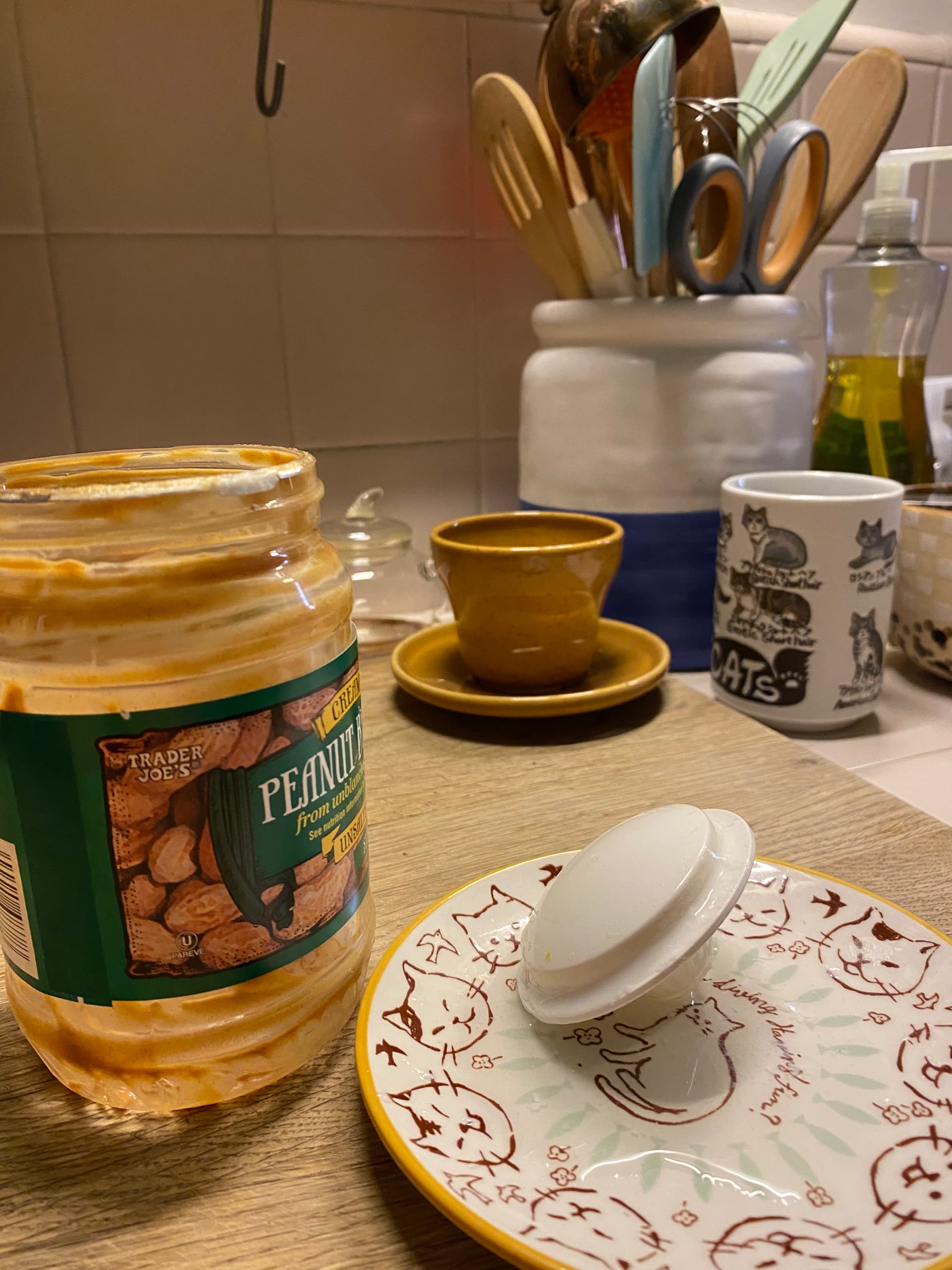
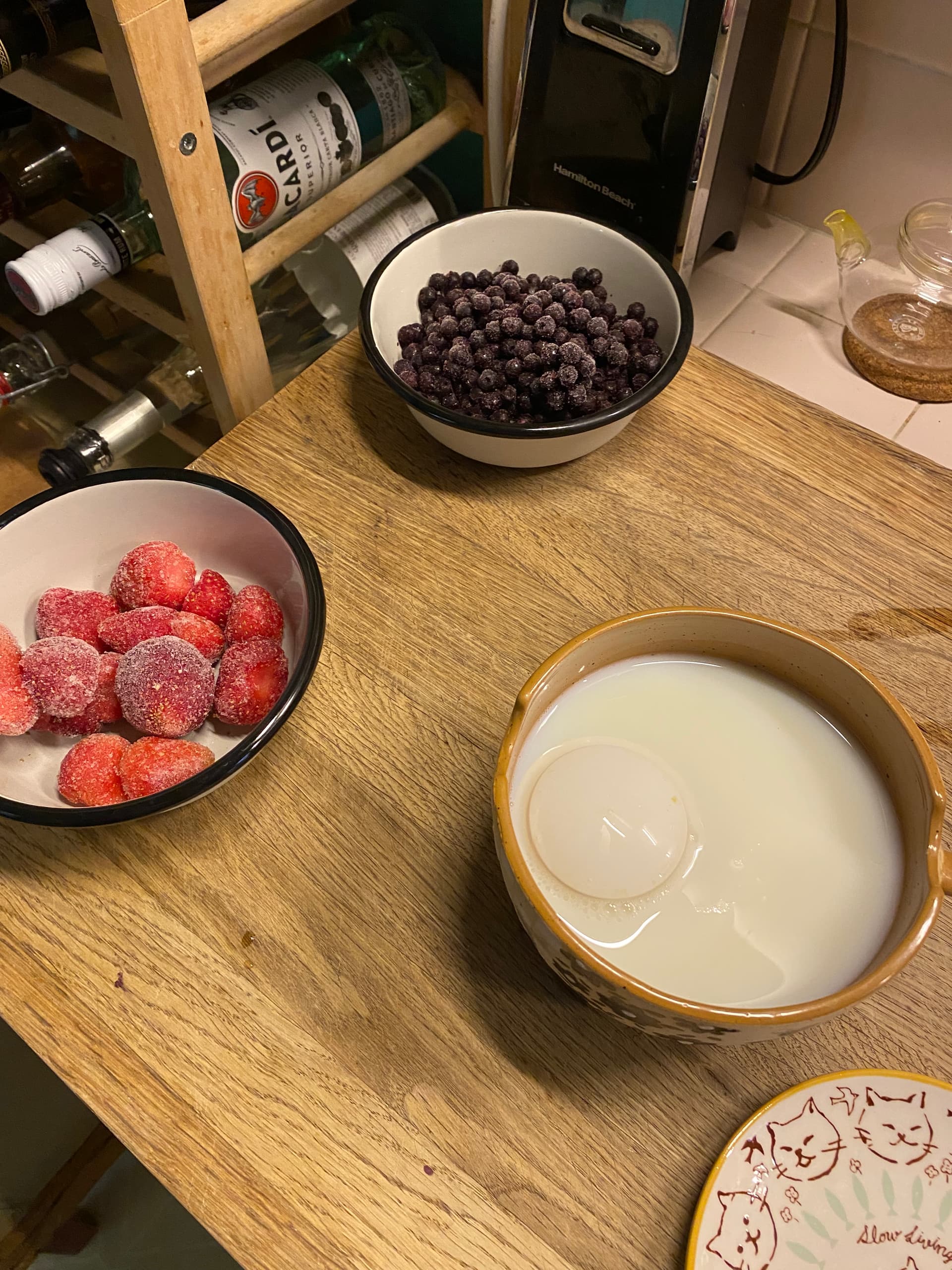
I make my kefir from nonfat milk. However, I do not drink it straight. I add a small dab of TJ’s peanut butter (100% peanuts, unblanched, unsalted) - this adds a bit of fat. I throw in a few frozen berries. I blend with a hand blender. This rather changes the taste - in any case, I like it.

Also, once the kefir is formed, you don’t have to drink it immediately - instead, you can place the whole thing in the fridge (including the floater with grains), where you can keep it for 2-3 days before consuming. If you drink kefir 1-2 times a week, you can keep the whole process in a loop: drink kefir, rinse floater/grains, immediately make the next batch, when ready put in fridge, drink it 2-3 days later, and repeat. Of course if you drink more frequently, you skip the refrigeration part, just keep going - make, drink, make. But if you travel or for whatever reason can’t make/drink kefir, you just store the grains in the fridge until you’re back on schedule. It’s important to keep the grains clean (without particles from previous kefir batches), because if the milk/kefir goes a touch “off”, that introduces undesirable bacteria and yeast strains and the grains can go bad and need to be thrown out. So, rinse the grains and clean the floater thoroughly after each batch is made.

Anyhow, that’s my process, everyone has their own depending on their situation and schedule.

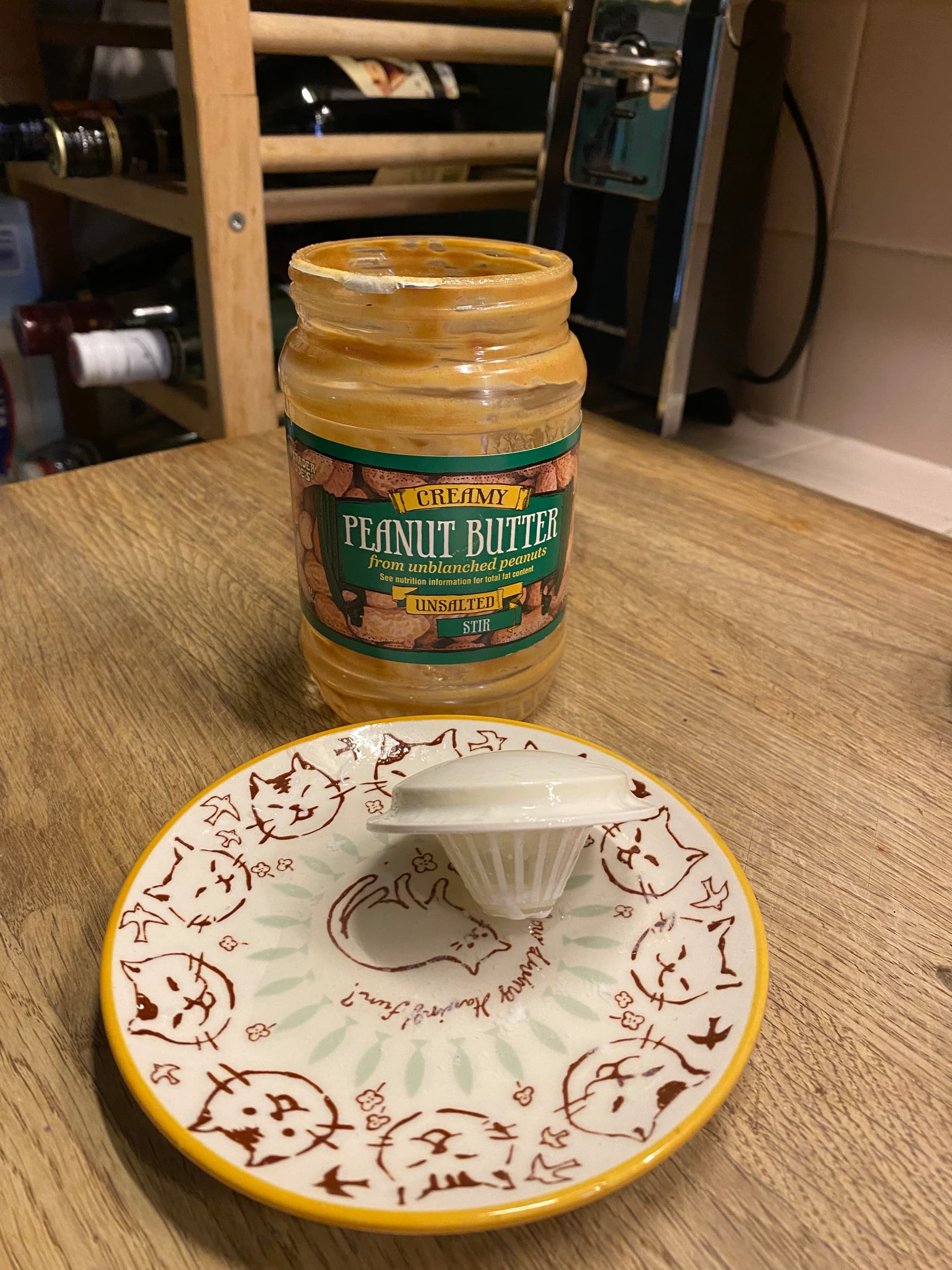
The floater I use (bought close to 20 years ago off Amazon, came with the grains from a company that no longer exists):


2 Likes