Anyone takes NAC? Plus maybe Glycine? Extends mouse lifespan by 24%. Glycine extends mouse lifespan by 5% in ITP study

The baylors college study shows NAC + Gly increase mouse lifespan by 24%

ITP shows glycine increases mouse lifespan by 5%. If they tested NAC it is probably more because Glycine + NAC (rate limiting factor) works to increase Gluthathione

Anyone taking these how are the effects?

These are super safe since they are amino acids.

Results showed that mice receiving GlyNAC supplementation (1) lived 24% longer than control mice; (2) improved/corrected impaired GSH synthesis, GSH deficiency, OxS, mitochondrial dysfunction, abnormal mitophagy and nutrient-sensing, and genomic-damage.

Compared to YA, OA had GSH deficiency, OxS, mitochondrial dysfunction (with defective molecular regulation), inflammation, endothelial dysfunction, IR, multiple aging hallmarks, impaired physical function, increased waist circumference, and systolic blood pressure. GlyNAC (and not placebo) supplementation in OA improved/corrected these defects.

1 Like

Quite a few in this forum, have taken and still take different amounts of GLYNAC.

4 Likes

I remain suspicious that the study just caused mice to eat less because NAC tastes nasty and was added to the food.

6 Likes

I’m up for another discussion about GlyNAC. The results seem miraculous on the surface, trial flaws aside. I take it because I would be surprised if the lifespan increase isn’t replicated in the ITP. It’s also something where effects went away once discontinued so I wouldn’t cycle it.

3 Likes

The clinical trials at Baylor College of Medicine are significant because they prove GlyNAC works in humans, not just in a lab on a petri disc-D or shown effects only in animal studies. By testing different groups of humans, researchers showed that this protocol targets the fundamental biology of aging in humans. Yes GlyNac it is very interesting to me and I have taken it for some time now.

Strength of Human Data

  • Diverse Populations: Benefits were proven in healthy older adults, patients with Type 2 Diabetes, and people living with HIV.
  • Gold Standard Testing: The 2023 study was a double-blind, placebo-controlled trial—the most rigorous type of human research.
  • Systemic Effect: The data shows GlyNAC improves the “hallmarks of aging” across the entire body, from blood markers to muscle tissue.

Table 1 in the study you posted is Great. Link to full text here:

Key Biomarker Shifts in Older Adults

In the human trials, several critical aging markers moved back toward youthful levels:

  • Glutathione (GSH): Levels in red blood cells doubled, correcting the deficiency common in seniors.
  • Oxidative Stress: Toxic waste markers (TBARS) dropped by over 70%, meaning less cellular “rusting.”
  • Mitochondrial Function: The ability to burn fat for fuel increased by 78%, restoring cellular energy.
  • Inflammation: Key inflammatory markers like IL-6 and TNF-$\alpha$ decreased by 50% to 70%.
  • Genotoxicity: Markers of DNA damage were reduced by 72%, indicating better cellular protection.

Real-World Improvements

These chemical changes led to visible physical results for the participants:

  • Increased Strength: Significant improvements in handgrip strength.
  • Faster Movement: Improved gait speed (walking speed), which is a major predictor of longevity.
  • Sharper Mind: Higher scores on cognitive tests, specifically in memory and processing speed.
  • Better Metabolism: Reduced waist circumference and improved insulin resistance.

The “Washout” Effect:** A vital discovery in the human data was that these benefits receded 12 weeks after participants stopped taking the supplement. This indicates that the body does not “store” the effect and requires a consistent supply of precursors to maintain these youthful levels.

GlyNAC currently has more robust, placebo-controlled human data for aging biomarkers than Rapamycin. While Rapamycin is the darling of mine and the longevity research due to incredible results in every animal species tested, human trials for Rapamycin and aging are still largely in the early phases or focused on specific organs.Does it Translate to a Longer Life? This is the “billion-dollar question.” Here is how the Baylor research bridges that gap:

The Mouse “Lifespan” Link: We know GlyNAC extended the life of mice by 24%. In those mice, the biomarkers (GSH, mitochondrial health) looked like the biomarkers in the human trials.

The “Healthspan” Link: In humans, the Baylor data shows improvements in gait speed and muscle strength. In geriatric medicine, gait speed is often called the “sixth vital sign” because it is a highly accurate predictor of how many years of functional life a person has left.

The Population Question: While these studies (n=24 to n=80) are small, the consistency of the results across different populations (HIV, Diabetes, Aging) suggests the mechanism is universal.

8 Likes

You can match the actual study doses pretty closely using the glycine and NAC supplements separately: ChatGPT 5.2 Damn, you have to take a lot of NAC. For me that would be about ten grams a day, making it one of my more expensive supplements, over a dollar a day for tablets. The powder form taste and smells awful, so you don’t want to be putting it in your coffee.

How much to take (based on the trials)

There are two dosing schemes used in the human studies:

  1. Weight-based “Baylor” regimen (most of the 24-week trials)
  • Glycine: 100 mg/kg/day

  • N-acetylcysteine (NAC): ~133 mg/kg/day
    (This comes from 0.81 mmol/kg/day of cysteine given as NAC; ≈132–133 mg/kg of NAC.) d1xe7tfg0uwul9.cloudfront.net+1

  1. Weight-based equal dosing (newer RCT arm)
  • Glycine: 100 mg/kg/day

  • NAC: 100 mg/kg/day (1:1 by weight) MDPI

There’s also a fixed-gram, 1:1 short trial (2.4 g, 4.8 g, or 7.2 g/day total GlyNAC for 2 weeks), but the longer functional/“healthy-aging” studies used the weight-based regimens above. PMC

Quick calculator (use your current body weight)

  • Convert your weight to kg (lb á 2.2046).

Dose formulas

  • Glycine (g/day) = 0.1 × weight_kg

  • NAC (g/day) =
    • Baylor: 0.132 × weight_kg
    • Equal: 0.1 × weight_kg

Examples

Weight Glycine (g/day) NAC (g/day, Baylor) NAC (g/day, Equal)
60 kg 6.0 7.92 6.0
70 kg 7.0 9.24 7.0
80 kg 8.0 10.56 8.0

You recently mentioned 157–165 lb (≈71–75 kg).
• Baylor regimen: glycine 7.1–7.5 g/day + NAC 9.4–9.9 g/day
• Equal regimen: glycine 7.1–7.5 g/day + NAC 7.1–7.5 g/day


How to take it (practical tips)

  • Split doses: Divide into 2–3 doses with meals to reduce GI upset and sulfur burps (NAC).

  • Titrate: Start at ~⅓–½ of target for a week, then step up every 5–7 days.

  • Duration: The multi-system benefits in older adults were reported after 16–24 weeks; some measures regressed after stopping. PubMed+1

  • Safety watch-outs: GI upset, rare rash; NAC can interact with nitroglycerin (hypotension/headache). If you’re on anticoagulants/antiplatelets or have active ulcers, discuss with your clinician.

  • Protein synergy: Adequate protein (≈1.2–1.6 g/kg/day) and resistance training likely enhance functional gains.


Why two versions?

Earlier Baylor trials dosed glycine at 1.33 mmol/kg/day (~100 mg/kg) and cysteine at 0.81 mmol/kg/day delivered as NAC (~133 mg/kg). A later RCT arm used 100/100 mg/kg. Both improved glutathione and multiple aging-related endpoints; the 24-week, weight-based approach underpins most of the “healthspan” claims. d1xe7tfg0uwul9.cloudfront.net+2MDPI+2

5 Likes

FWIW

I have used/use the original study dose.

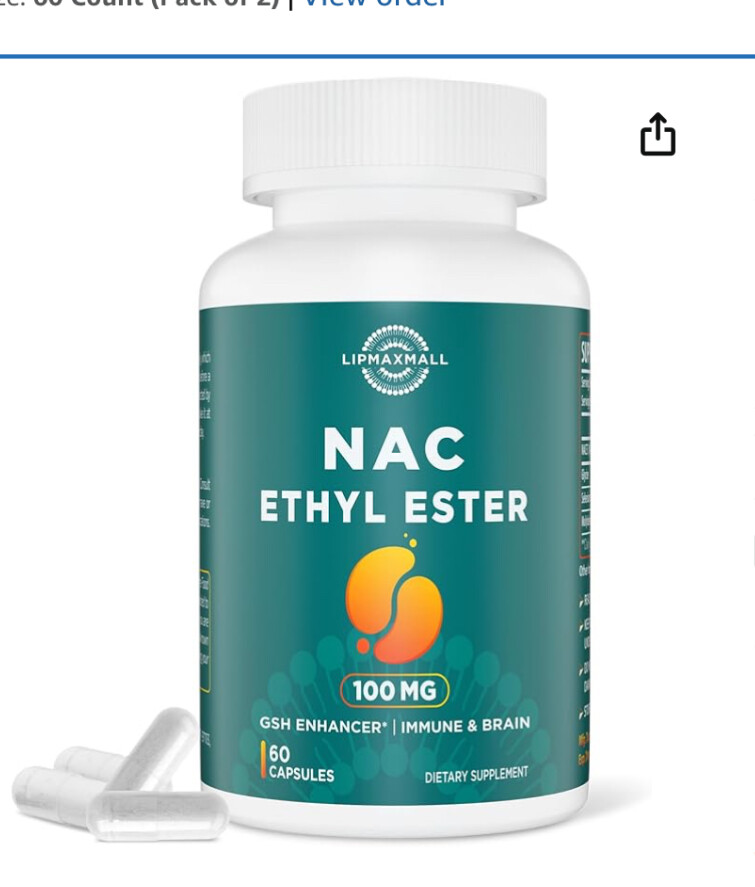
But I replace NAC with NACET

2 Likes

How much NACET are you taking?

The same as the original study.

“NAC (g/day) =
• Baylor: 0.132 × weight_kg”

At 190lb I take 11g per dose of NACET

2 Likes

That is an interesting point.

I get NAC from iHerb. The Swanson brand is quite cheap for 100 capsules. I take 4 a day, and sometimes take an extra 4 in the afternoon.

My breathing is better when I take NAC. Controls asthma very well. I use less steroid inhaler and less salbutamol inhaler.

3 Likes

We’ll have more results in a couple of years as the ITP is currently testing GLYNAC as a compound. There are multiple reasons why GLYNAC could increase life expectancy and we should have ITP data soon enough. I’ve been taking GLYNAC for years.

I did find that if I took a really high dose of NAC, my joints began to crack/pop frequently. I backed off a bit (4g down to 3g daily) and the joint cracking/popping reduced dramatically.

5 Likes

Did you look into whether they is a bad or good thing?

It tends to be seen as bad as it may weaken joints in the long run.

2 Likes

@desertshores and @Joseph (or anyone) my math challenged ADD brain just imploded trying to take all that in…

If we should be following the studies, which of course makes sense, would you mind saving me some mental energy and tell me how much I should be taking? :slight_smile:

I’m currently taking this brand and take one pill. I obviously should be taking more. I’m usually 102 lbs. I’m open to switching products if this one is not ideal


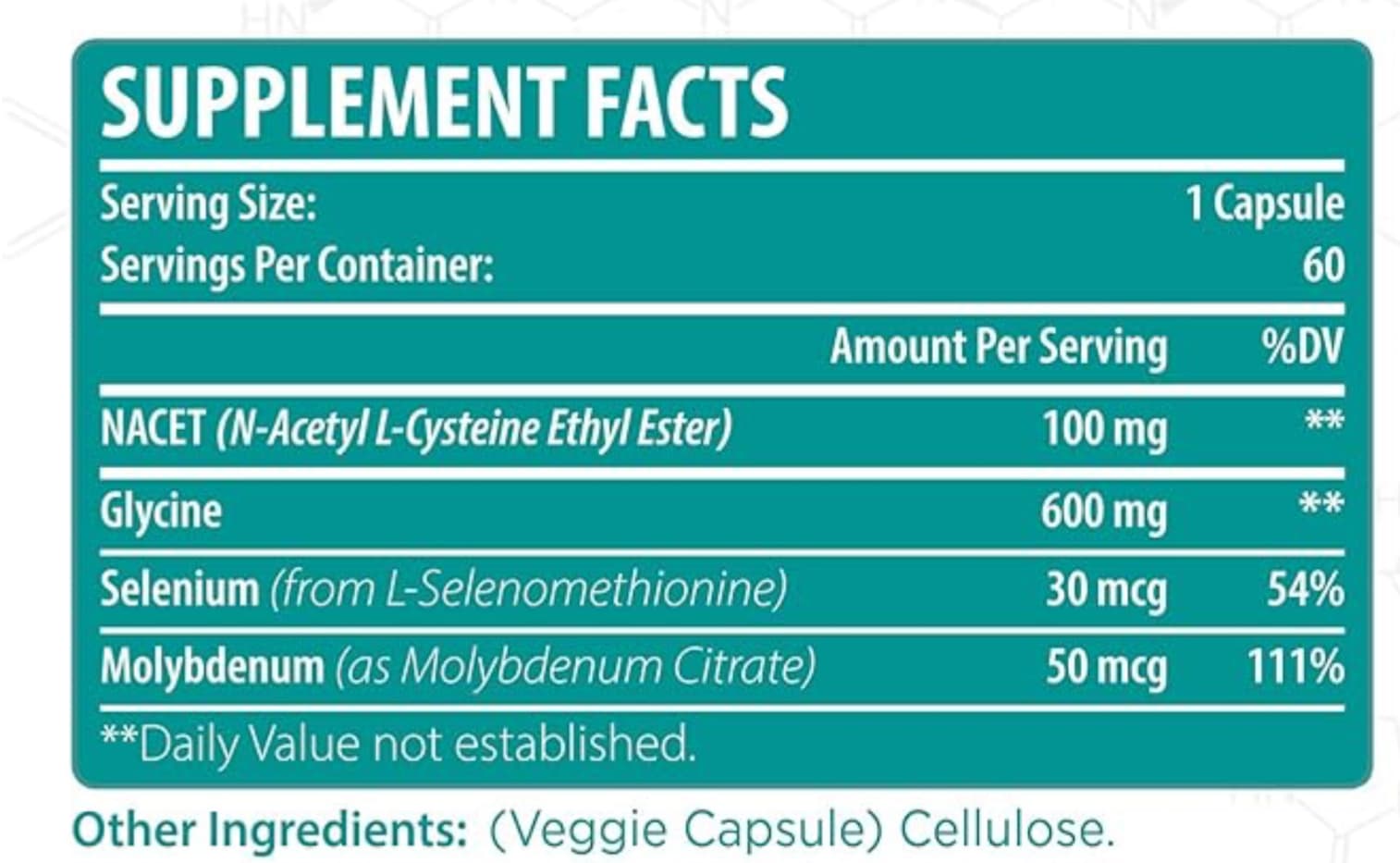
I used to take NACET but couldn’t find a trustworthy brand that didn’t load it up with molybdenum and selenium and it is very expensive to take multiple pills a day. I went back to 2400mg NAC daily (4 pills daily divided into two doses).

3 Likes

Key Differences at a Glance (2026)

  • Bioavailability: NACET has much higher oral bioavailability (often cited at over 60%) compared to standard NAC, which typically has a low oral bioavailability of 3–6%.
  • Cell Permeability: NACET is lipophilic (fat-soluble) and charge-free, allowing it to easily penetrate cell membranes and mitochondria. In contrast, NAC is hydrophilic (water-soluble) and negatively charged at physiological pH, which limits its ability to enter cells without active transport.
  • Blood-Brain Barrier: NACET can cross the blood-brain barrier and increase glutathione levels in the brain, a feat standard NAC struggle to achieve efficiently.
  • Mechanism of Action:
    • NACET: Rapidly enters cells, where it is converted into NAC and then into cysteine, the precursor for glutathione (the body’s master antioxidant).
    • NAC: Primarily acts as a direct antioxidant or is converted into cysteine outside the cell to support glutathione synthesis.
  • Potency and Dosage: Due to its superior absorption, NACET is significantly more potent. A typical effective dose of NACET is roughly 1/5 to 1/10 of a standard NAC dose (e.g., 50–100 mg of NACET vs. 600–1200 mg of NAC).
  • Regulatory Status: As of early 2026, NAC is widely available as both a drug (e.g., for paracetamol overdose) and a dietary supplement, whereas NACET is primarily utilized in research and specialized advanced formulations.

Where do you source your NACET, please?

3 Likes

So basically 200mg of NACET equals 2400mg NAC. It’s far more expensive to take the NACET at that dose and you get a truck load of molybdenum in it, which I’d rather not have.

4 Likes

Short version: you can’t use “Acetyl Cysteine Ethyl Ester” (NACET) to replicate GlyNAC trials.
FWIW: ChatGPT 5.2 says:
Why: The human GlyNAC studies used standard N-acetylcysteine (NAC), not the ethyl-ester (NACET). NACET is a different molecule—much more lipophilic, different absorption and kinetics—and there’s no established mg-for-mg conversion to NAC. So matching study doses with NACET would be guesswork.

4 Likes

great sharing thanks

the doses are really high though

i am taking just 1g nac 1g glycine daily

1 Like

the ITP study on glycine shows there is a modest 5% improvement in lifespan for both male and female mice

it is posited that glycine increases gluthathione

in this case it is without NAC which is supposedly the more effective supplement and rate limiting factor as the body can make glycine itself

i think there is good evidence that increasing gluthathione either via NAC or Gly or both increases median lifespan

24% in mouse is a lot, almost as much as Rapa without the side effects, providing an alternative to those of us who dont take rapa

NAC weight loss

Researchers have studied the effects of NAC on obesity-related health problems. One review analyzed studies done on animals and human cells, showing that NAC can lower inflammation, oxidative stress, and insulin resistance while improving fat tissue function. NAC may help control key processes in obesity, such as fat storage, energy metabolism, and hormone balance. But more research is needed.

Proven benefits of NAC

At this time, there is only one scientifically proven benefit of NAC:

Treatment of acetaminophen overdose. By boosting levels of glutathione, NAC speeds up the breakdown of acetaminophen. You may be able to prevent liver or kidney damage if you get treatment within eight to 10 hours of acetaminophen poisoning.

Go to the hospital if you or a loved one takes too much acetaminophen. A health professional may need to give you a high dose of the supplement through a vein in your arm.

Potential benefits of NAC

Researchers are still gathering evidence to support the use of NAC in these areas:

Treatment of chronic lung diseases. NAC supplements, particularly the kind you breathe in, may lessen inflammation in your airways. This might reduce the number of future flare-ups caused by chronic obstructive pulmonary disease (COPD) and improve lung function, but not all studies have found these results.

The supplement may also help make wheezing and coughing less severe in some people with ongoing bronchitis. More studies are needed to confirm these results.

High-dose NAC (1,200 milligrams per day) may also help lower inflammation, break up biofilms where germs live, and lessen damage caused by oxidative stress in the lungs and airways of people with cystic fibrosis, when used alone or with other medications.

Improving liver and kidney function. Your liver and kidneys flush drugs and other toxins out of your body. NAC supplements can speed up this breakdown process and may help your organs work better if you have liver or kidney disease. But more research is needed to know for sure.

Viral suppression. There aren’t many studies on NAC and the immune system, but current research suggests that it and glutathione may help to improve immune function in people with HIV. Some research shows that the supplement may help to suppress HIV-1 reproduction. But more research is needed to know if NAC has a big benefit for people with HIV or AIDS.

Test tube studies also show that NAC may stop the flu virus from replicating. In a six-month study, people who took 600 milligrams of NAC twice daily reported fewer flu symptoms than those who didn’t take the supplement.

Balancing blood sugar in people with insulin resistance. Research suggests that NAC may help to improve insulin resistance – when your body doesn’t respond to insulin, the hormone that keeps your blood sugar in check.

There’s some evidence the supplement may be particularly helpful for people with insulin resistance who have polycystic ovary syndrome (PCOS), a hormonal condition that interferes with periods and the ovaries.

Researchers have found little evidence that NAC can help people with type 2 diabetes gain good control over their blood sugar or make them more sensitive to insulin.

Better brain function. NAC helps to refill glutathione levels in the body. It also helps control a neurotransmitter called glutamate and can lessen inflammation and damage caused by oxidative stress. These functions may help protect cells needed for brain health, which may benefit people with neurodegenerative conditions such as Alzheimer’s and Parkinson’s diseases.

Improving treatment for mental health conditions. Researchers have found mixed results when it comes to how well NAC works to treat psychiatric disorders. Still, there’s promising evidence that the supplement may change the brain and nervous system in a way that helps lessen symptoms of:

  • Major depressive disorder
  • Schizophrenia
  • Bipolar disorder
  • Posttraumatic stress disorder (PTSD)
  • Obsessive-compulsive disorder
  • Trichotillomania (hair pulling)
  • Substance use disorders

Some studies show that the supplement may help ease symptoms of withdrawal, including a strong urge or craving to take drugs. This may lessen the chances of relapse in people who’ve stopped misusing substances such as stimulants, cannabis, tobacco, and alcohol.

N-acetylcysteine for skin picking. NAC may improve symptoms of excoriation disorder, also called skin-picking disorder (SPD). One study found that people with SPD who took 1,200-1,300 milligrams of NAC daily for three months reported fewer SPD behaviors than those who didn’t take the supplement.

Lowering heart disease risk. Studies on human cells show that, when combined with green tea, NAC may help lessen damage caused by LDL cholesterol. LDL is the “bad” kind of cholesterol linked to heart disease.

Helping with fertility. NAC may improve fertility in people of all sexes. One study found that men and people assigned male at birth who had trouble with infertility improved their semen quality when they took NAC alone or with selenium.

NAC may also help women and people assigned female at birth ovulate regularly, particularly if you have infertility that comes with a condition like PCOS.

Other uses of N-acetylcysteine

More research is needed, but there’s a small amount of evidence that NAC may:

  • Prevent cell damage that may turn into cancer
  • Lessen side effects of cancer treatment
  • Control inflammation and reduce asthma attacks
  • Dissolve blood clots
  • Ease symptoms of SjĂśgren’s syndrome, an autoimmune condition that causes dryness
  • Help treat inflammatory conditions like lupus or rheumatoid arthritis

Researchers continue to study the benefits of NAC on cancer and its treatment, including triple-negative breast cancer, colon cancer, liver cancer, and lung cancer in smokers. But there isn’t strong enough evidence to say that the supplement can prevent cancer.

Ask your doctor if NAC is safe for you to take if you have cancer.

3 Likes