We should agree to disagree. I am quite happy for you to have the last word if you prefer.
1 Like
I don’t know how you can disagree with that, but sure.
I will look into acetyl-CoA soon and how it will affect the liver.
@scta123 would you have any suggestions re optimal ways to leverage fiber / types / amounts / timing for Apo B lowering?
(I am an over/high absorber, thought I generally had reasonable amounts of fiber in my diet, but would like to try good ways to further optimize it)
Anyone have measurable impact via a diet/fover strategy?
I am adding 10 mg rosuvastatin every other day with the 10 mg ezetimibe daily, mostly because bempedoic acid isn’t probably going to available for a long time in EU, and it is most practicable for me to take it every other day, I don’t have 5 mg tablets. Once PCSK9 inhibitors are generic or bempedoic acid is more available and I have researched the Acetyl-CoA hypothesis more and if I found no problem with it in the liver I will switch it up for the latter, or the former.
No way that Ezetimibe is going to work enough for me.
edit: doing 10 mg ezetimibe and 10 mg rosuvastation every other day to simplify it, 5 mg ezetimibe per day is pretty good anyway.
This is anecdotal, but few months ago my friend and I decided to get our ASCVD assessment done, he was medium/high risk and his LDL-C was really high… we got a dietary recommendations among other lifestyle proposals to reduce the risk. In about three months his LDL-C dropped from 170 mg/dl to around 115 mg/dl. His two interventions were adding 20.000 steps daily and eating around 70 g of fiber daily, of which at least 5 grams of soluble fiber with every meal.
My personal experience with fiber is a more miserable one. I tried to add two tablespoons of psyllium to my diet, but my intestine was terribly uncomfortable and I quit after two weeks. But my LDL-C was not high to begin with otherwise I would have stuck with it. My friend said that it took him more than a month to adjust to that amount of fiber and to not go into details, he said that at one point he was contemplating of getting adult diapers.
5 Likes
For fiber I use organic flaxseed, I grind them, put them in yogurt, let it sit for 1/2-1 hour then consume. Alternatively use them ground on salads, soups as a substitute for flour or even make steak sauce with it. Virtually all carbs on flaxseeds is actually fiber. I hated psyllium husk fiber. Organic Oat bran boiled in milk and let it cool is another great choice(pretty high fiber and tasty)
1 Like
I eat about 25g of chia seeds every day. Mixed with a smoothie and normally 5g of mixed citrate.
2 Likes
I used to eat flaxseed “pudding” often, freshly ground flaxseeds, cocoa, some honey and milk. Tasted great. Sometimes I would add some ground hazelnuts too. Really tasty. But then I read somewhere that flaxseeds is not recommended for men due to increased risk of prostate cancer or something… maybe I will revisit my decision.
1 Like
Isn’t that terribly laxative? What kind of citrates do you mix?
1 Like
The usual ones, Sodium, Potassium, Magnesium and Calcium. Remember this is all about increasing nuclear acetyl-CoA levels.
I vary my citrate intake between 5g a day and 40g a day.
1 Like
I think it is the opposite, flaxseeds prevent or lower risk of all cancer, especially colon cancer. The only negative supposedly is that it may affect estrogen, but I think you have to consume way more than couple spoons daily for that.
Forgot earlier that chia seeds in moderation are good source of carbs also. I wouldn’t do more than 1-2 teaspoons of chia daily. Used them in the past but gave me GI issues, and to my surprise were not anti-inflammatory for me, but still good in small amounts (especially for bowel movement).
As far as ground flax, I found them to be most anti-inflammatory of all other foods, akin to wild salmon, and actually even better. no other fruits or foods came even close to flax seeds in fighting inflammation for me. Obviously, what may work for one, it may not work for everyone.
For me, it is literally the ONLY food that deserve the “SUPERFOOD” label.
Flaxseed | Memorial Sloan Kettering Cancer Center (mskcc.org)
Flaxseed is used to:
- Prevent breast, prostate, and colon cancer
- Control blood sugar level in patients with type-2 diabetes
- Lower high cholesterol
- Manage symptoms of menopause (permanent end of menstrual cycles) such as hot flashes and night sweats
- Treat constipation (difficult or infrequent bowel movements)
Flaxseed also has other uses that haven’t been studied by doctors to see if they work.
It’s generally safe to use flaxseed in food and drinks but talk with your healthcare providers before taking flaxseed supplements. Herbal supplements are stronger than the herbs you would use in cooking.
Side effects of using flaxseed can include:
- Allergic reactions
- Increased bowel movements (poop)
- Having gas
4 Likes
Oat bran is delicious even if cooked in water, then add some EVOO and salad greens. I like it a little spicy.
3 Likes
It’s not likely to work, need 365 tablets a year, that is a lot that needs to go through EU customs.
Meanwhile Everolimus is dosed at 5 mg / week, and it is sold in 5 mg tablets. Only need 52 tablets for a year, that seems possible.
1 Like
Still another off-beat method (maybe) of reducing cholesterol with a pill.
I found this while looking for ways to boost testosterone without doing TRT.
“Enclomiphene therapy results in more significant and sustained increases in TT and E, as well as more significant and sustained decreases in TChol, HDL-Chol and LDL-Chol, than T gel therapy. Clinically insignificant effects on PSA, Hgb, and Hct are observed. En may represent an effective, low-risk treatment option for androgen deficient men with few adverse effects.”
I could certainly use some more T. My latest blood test shows that I am very low.
So, maybe a double benefit from taking enclomiphene?
I have some on the way and I am going to give it a try.
3 Likes
Let us know how it turns out! 
On the other hand, this study showed no effect of ezetimibe on serum PUFAs:
Notably, they didn’t measure ALA levels in this study, but as long as EPA/DHA are unaffected, does it really matter? I also wonder why ALA absorption would selectively be decreased by ezetimibe, while absorption of other PUFAs, fat soluble drugs and nutrients would appear to be completely unaffected. It doesn’t seem to add up.
4 Likes
From the article: " Ezetimibe in combination with a low-dose statin, or as monotherapy in statin-intolerant patients, decreased LDL cholesterol, but did not significantly affect serum PUFA concentrations in patients with coronary artery disease."
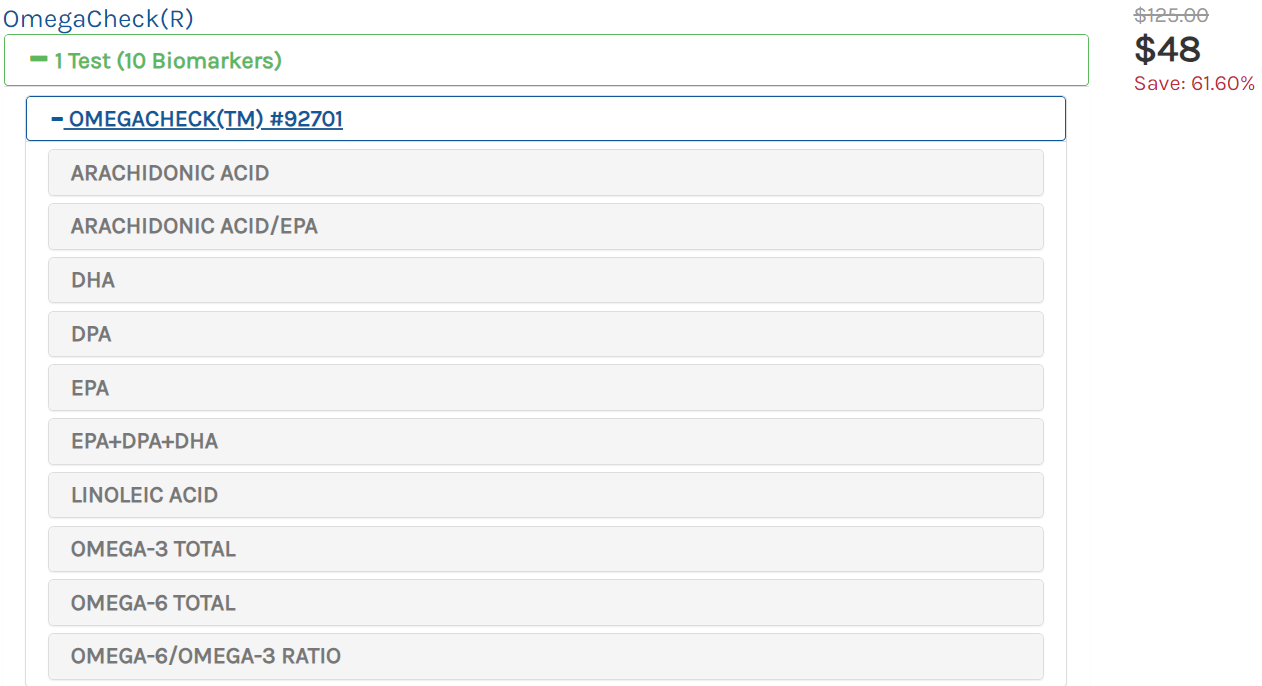
I added ezetimibe to my daily dose of atorvastatin and have been taking it for several months.
I have not measured PUFAs in the past, but I have seen no detriment to any of my other blood markers.
I may add it to my list of yearly tests, but it isn’t a very high priority.
4 Likes
Coincidentally I have some on the way also. We’ll see how it goes. Have high hopes for it.
2 Likes
I will see also, doing 10 mg rosuvastatin and 10 mg ezetimibe every other day.
Trying to eat ‘healthy’ as well.