Predicting Alzheimers & Dementia (and minimizing risk)

The Silent Signal: Mapping 20 Years of the Hearing-Dementia Connection

For decades, the medical community treated hearing loss (HL) and Alzheimer’s disease (AD) as distinct consequences of the aging process—one a matter of sensory degradation, the other a catastrophic cognitive collapse. However, a comprehensive 20-year retrospective analysis published in Ageing Research Reviews (2025) confirms that these two conditions are biologically and mechanistically entwined. Analyzing 349 core studies from 2004 to 2024, researchers have mapped a “closed-loop” relationship where auditory decline not only signals early neurodegeneration but actively accelerates it.

The study identifies a critical distinction between peripheral hearing loss (PHL) —stemming from the ear’s hardware—and central hearing loss (CHL) , which involves the brain’s processing centers. PHL acts as a “gateway” to cognitive decline primarily through sensory deprivation; when the brain is starved of auditory input, it undergoes structural atrophy due to disuse and increased social isolation. Conversely, CHL shares a direct molecular “handshake” with Alzheimer’s, characterized by synaptic degeneration and neuroinflammation in the same regions responsible for memory, such as the hippocampus.

Bioinformatic mapping revealed 2,747 shared genes between the two conditions. These genes cluster around three primary axes: the PI3K-Akt signaling pathway (critical for neuronal survival), the AGE-RAGE axis (a driver of inflammation), and canonical Alzheimer’s pathways. The research suggests that hearing impairment, particularly central auditory dysfunction, may serve as one of the earliest detectable biomarkers for AD, often appearing before clinical memory loss. As global populations age, this meta-analysis underscores that hearing health is not a secondary quality-of-life issue but a frontline defense in the fight against dementia.

Actionable Insights

  • Prioritize Subtype Diagnosis: Distinguish between ear-level (peripheral) and brain-level (central) hearing issues. Central auditory processing deficits are more indicative of direct neurodegenerative risk.

  • Hearing as a Modifiable Risk Factor: Treat hearing loss as a primary, modifiable risk factor for dementia. Early intervention with hearing aids or cochlear implants may mitigate the “sensory deprivation” pathway that leads to cortical atrophy.

  • Targeted Screening: Integrate auditory assessments into standard neurological exams for adults over 65, as hearing thresholds are strong prognostic indicators of future cognitive decline.

  • Molecular Synergy: Consider that compounds supporting the PI3K-Akt pathway (e.g., certain neuroprotectives) may simultaneously benefit both auditory longevity and cognitive resilience.


Source:

  • Paywalled Paper: Trends and mechanisms of Alzheimer’s disease and hearing impairment: A 20-year perspective
  • Institution: Department of Otolaryngology, Head and Neck Surgery, The First Affiliated Hospital of Anhui Medical University.
  • Country: China.
  • Journal Name: Ageing Research Reviews.
  • Impact Evaluation: The impact score (CiteScore 2023) of this journal is 25.7, evaluated against a typical high-end range of 0–60+ for top general science, therefore this is an Elite impact journal.

Yes, i was mainly highlighting it as an example of where we have “clues” as to other factors we can fix. But there is some evidence beyond the mechanics:

https://share.google/aimode/vkC1kxCzzLeQC6PCU

A note on using claude.ai with your genome. About half the recommendations were overstated and didn’t stand up to scrutiny. Getting claude to check its own work is a quick fix

Website: https://strongermemory.org

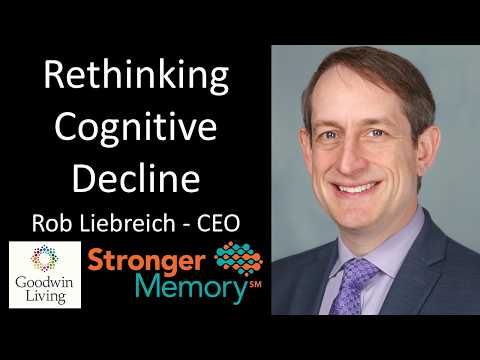
This report provides a clinical and critical distillation of the StrongerMemory program, a non-pharmacological cognitive intervention developed by Rob Liebreich (CEO, Goodwin Living). The summary integrates the provided transcript with evidence from George Mason University and Tohoku University research.

I. Executive Summary

The core thesis of the StrongerMemory program is that daily, low-anxiety engagement in three specific neuro-stimulatory tasks—reading aloud, handwriting, and rapid simple math—can stabilize or improve cognitive function in individuals experiencing Mild Cognitive Impairment (MCI) or subjective cognitive decline. Mechanistically, these tasks are designed to maximize blood flow and activation in the prefrontal cortex and hippocampus, regions primary to memory encoding and retrieval that often show reduced activation in aging populations Kawashima et al., 2012.

The program transitions cognitive health from a passive, pharmaceutical-dependent model to an active, habit-based “brain exercise” regimen. Recent quasi-experimental data from George Mason University indicates significant statistical improvements in cognitive scoring for participants following a 12-week protocol Ihara et al., 2025. Critically, the intervention demonstrates a “transfer effect,” where training in simple arithmetic and literacy improves non-targeted executive functions and processing speeds.

Furthermore, Phase II research suggests that while solitary practice is effective, the integration of social engagement(group reading/sessions) creates a synergistic effect, enhancing emotional well-being and longitudinal durability of the cognitive gains Kang et al., 2025. Field data from a three-year CMS-funded pilot involving 91 nursing homes reported that 76% of participants experienced perceived or actual cognitive stabilization, challenging the standard narrative of inevitable decline in institutional settings.


II. Insight Bullets

  • Prefrontal Cortex Target: The protocol specifically targets the prefrontal cortex (directly behind the forehead), which governs memory retrieval and executive function.
  • Reading Aloud vs. Silent: fMRI data confirms that reading aloud engages language factories and auditory circuits, providing significantly higher brain activation than silent reading.
  • Handwriting vs. Digital: Handwriting requires complex fine motor integration and spatial processing that typing lacks, aiding in more robust memory encoding.
  • The “Speed Over Accuracy” Rule: In the numeracy component, the objective is rapid processing (working memory) rather than mathematical complexity; high-anxiety math creates counterproductive stress chemicals.
  • 23-Minute Threshold: Data suggests an average of 23 minutes of daily engagement is the “minimum effective dose” for measurable cognitive benefit.
  • Longitudinal Durability: Research indicates that cognitive gains can persist for up to six months even after the 12-week intensive period ends, though daily habituation is recommended.
  • Transfer Effects: Stimulation of the prefrontal cortex through these tasks “spills over” into unrelated tasks, such as general intelligence and creativity.
  • Social Synergy: Group participation (social engagement) yields higher cognitive and emotional outcomes than solitary practice.
  • Institutional Efficacy: 76% of nursing home residents in a CMS pilot showed improvement, suggesting the brain remains plastic even in late-stage care settings.
  • Language Versatility: The program is currently validated in English, Korean, and Japanese, suggesting the biological response is language-agnostic.
  • Early Intervention Window: The program is most effective for Mild Cognitive Impairment (MCI) and “subjective decline” rather than late-stage Alzheimer’s.
  • Intergenerational Benefits: Use of the program in “reading circles” with youth addresses both cognitive decline and senior isolation (loneliness).
  • Non-Pharmacological Safety: Zero side effects are reported, making it a high-safety adjunct to standard care.
  • Cost-Free Scalability: The program is offered for free via the StrongerMemory foundation to bypass the financial barriers of memory care.

III. Actionable Protocol

High Confidence Tier (Level A/B Evidence)

  • Reading Aloud: Engage in 10–15 minutes of vocalized reading daily. This can include books, newspapers, or religious texts. The key is the auditory-vocal loop Kawashima et al., 2005.
  • Handwriting Practice: Spend 5–10 minutes writing by hand. Transcription of text or journaling is sufficient; the mechanical movement is the primary driver of the benefit.
  • Simple Numeracy: Perform 5–10 minutes of rapid, simple math (e.g., single-digit addition). Focus on “speed of processing.” Do not use a calculator.
  • Frequency: Minimum 4–5 days per week. The “Gold Standard” for maximum neuroplasticity is 7 days per week.

Experimental Tier (Level C Evidence)

  • Social Integration: Perform the reading aloud or math components within a “reading circle” or group setting. Preliminary evidence suggests this increases adherence and emotional resilience Kang et al., 2025.
  • Combination with Movement: Integrate physical exercise (e.g., walking) as a primer for the cognitive exercises to increase cerebral blood flow.

Red Flag Zone

  • Replacement Fallacy: Do not use this program as a replacement for prescribed Alzheimer’s medications or clinical oversight. It is an adjunct.
  • Complexity Trap: Avoid “hard” math or complex puzzles that cause frustration. If the task induces high stress, the cortisol response may negate the metabolic benefits to the prefrontal cortex.
  • Digital Translation: Current evidence is specific to handwriting and vocal reading; digital brain games have not shown the same degree of “transfer effect” to real-world memory in all populations.
2 Likes

Brain-swooshing exercise could ward off dementia | Prof. Patrick Drew & Francesco Costanzo (via Penn State News and Research)

2 Likes

Gemini: Here is a summary of the video:

TL;DR: How Movement Protects the Brain

  • The Mechanism: Physical activity—even just simple movements that involve contracting your abdominal muscles—acts like a hydraulic system that causes your brain to move slightly within your skull [00:00:44].
  • Clearing Waste: This subtle “brain-swooshing” motion helps circulate cerebrospinal fluid through the brain’s sponge-like tissue, which flushes out waste buildup [00:01:03].
  • Preventing Disease: Clearing this waste is crucial, as its buildup is a primary cause of neurodegenerative conditions like Alzheimer’s and dementia [00:01:10].
  • The Big Picture: Ultimately, this research provides a clear biological explanation for why getting up, moving around, and exercising helps maintain brain health and wards off cognitive decline [00:03:52].
2 Likes

More data pointing to omega 3 supplementation being detrimental: Omega-3 Supplements May Increase Risk of Cognitive Decline, Scientists Warn

How To Measure Brain Aging And Lower Dementia Risk Early

This summary distills the clinical and biological arguments presented by Dr. Kristen Glorioso (MD/PhD) regarding proactive brain aging management.

I. Executive Summary

The core thesis of this discourse posits that brain aging is a quantifiable, biological process that commences in the third decade of life and is modifiable through aggressive lifestyle and pharmacological interventions, even in the presence of high-risk genetic architectures. Dr. Glorioso argues that cognitive decline is a “lagging indicator,” appearing only after decades of structural atrophy (e.g., hippocampal shrinkage) and molecular dysfunction. Therefore, the “Neuro Age” framework shifts the focus from reactive diagnosis to early biological age tracking using a tripartite methodology: structural MRI (brain volume), digital cognitive assessment (reaction time, digit span), and blood-based transcriptomic biomarkers (52 RNA transcripts).

A significant portion of the discussion addresses the “hard mode” of brain aging associated with the ApoE4 allele, which affects approximately 25% of the population. ApoE4 is characterized here as a lipid transport defect where the brain inefficiently processes cholesterol and saturated fats, leading to neuronal energy crises and accelerated amyloid deposition. Evidence suggests that while ApoE4 carriers have a 3–12x higher risk of Alzheimer’s Disease (AD), up to 60–65% of cases are potentially preventable through high-intensity interventions that bypass these metabolic bottlenecks.

The debate over Lithium Orotate vs. Lithium Carbonate serves as a focal point for experimental pharmacology. While high-dose lithium carbonate (standard psychiatric dosing) is sequestered by amyloid plaques and often impairs cognitive “firing,” recent Harvard-led research Yankner et al., 2025 suggests that micro-dosed lithium orotate may bypass this sequestration, restore microglial function, and reverse pathology in murine models. However, human clinical data remains disparate, with recent carbonate trials failing to meet primary cognitive endpoints, necessitating caution until orotate-specific human RCTs are completed.

Ultimately, the protocol emphasizes “The Executive Phenotype” risk: high-achieving individuals who optimize diet and exercise but succumb to neurodegeneration due to chronic sleep deprivation and cortisol-driven stress. True neuro-protection requires a systemic stabilization of metabolic markers, the utilization of High-Intensity Interval Training (HIIT) to drive hippocampal neuroplasticity, and a rigorous avoidance of “polypharmacy” (the unverified stacking of 50+ supplements).

II. Insight Bullets

  • Cognition as a Lagging Indicator: Subjective memory complaints typically manifest 10 years after the onset of structural brain shrinkage and biomarker elevation.
  • Hippocampal Plasticity: The hippocampus, the primary site of AD-related atrophy, remains plastic in adulthood and can increase in volume (e.g., +1.5%) through specific stimulus.
  • The ApoE4 Metabolic Trap: ApoE4 carriers exhibit impaired neuronal uptake of polyunsaturated fatty acids (PUFAs), leading to mitochondrial energy shortages Greda et al., 2025.
  • The “B Grade” Standard: Maintaining a biological brain age five years younger than chronological age reduces AD risk six-fold and can effectively neutralize common genetic risks.
  • Lithium Sequestration: Amyloid plaques act as a “sink” for positively charged lithium carbonate, rendering standard doses ineffective and potentially toxic in the AD brain.
  • Norwegian 4x4 Efficacy: High-intensity intervals (4 minutes at 85–95% max HR) are the most validated exercise modality for increasing hippocampal volume.
  • RNA Aging Clocks: Blood-based transcriptomic signatures (measuring 52 specific RNAs) can now predict biological brain age with a mean absolute error of ~7.6 years Novel RNA Signatures, 2026.
  • The Executive Phenotype: High-functioning individuals often “cancel out” exercise benefits via chronic sleep restriction and high cortisol, which accelerates neuronal death.
  • Amyloid Hypothesis Nuance: Anti-amyloid antibodies (e.g., Lecanemab) show limited efficacy because amyloid is a single risk factor—analogous to cholesterol in heart disease—not the sole cause.
  • Neuro-Plumbing (NPH): Normal Pressure Hydrocephalus is a frequently misdiagnosed, reversible cause of dementia identifiable via MRI.
  • Saturated Fat Sensitivity: ApoE4 carriers are clinically advised to restrict saturated fats more aggressively than the general population due to transport inefficiencies.
  • Anosmia Warning: Loss of olfaction (smell) remains one of the earliest clinical red flags for neurodegenerative onset.
  • Digit Span Baseline: The average adult remembers seven digits; a decline to four digits by the eighth decade is typical but may be mitigated.
  • Polypharmacy Risk: Stacking 30–50 supplements creates unpredictable “drug-drug” interactions that may paradoxically accelerate aging.
  • Hormonal Influence: Perimenopausal “brain fog” is a significant driver of cognitive decline in women, often reversible through targeted HRT.

IV. Actionable Protocol (Prioritized)

High Confidence Tier (Level A/B Evidence)

  • HIIT Protocol: Perform “Norwegian 4x4” intervals (4 mins high intensity, 4 mins active recovery, x4) at least once per week. Evidence suggests six months of this stimulus may confer years of hippocampal protection CERG, 2026.
  • Sleep Hygiene: Maintain 7–9 hours of sleep. Chronic restriction is a primary driver of glymphatic failure and amyloid accumulation.
  • Lipid Optimization: For ApoE4 carriers, maintain aggressive targets for LDL-P and ApoB; prioritize Omega-3 intake (EPA/DHA) from low-mercury wild-caught sources (e.g., Salmon).
  • Baseline Diagnostics: Utilize structural MRI for volumetric analysis and standardized cognitive testing (e.g., NeuroGame or similar validated platforms) to establish a “Neuro Age” baseline.

Experimental Tier (Level C/D Evidence)

  • Lithium Orotate (Micro-dose): Consider 1mg (1,000mcg) daily. Murine data suggests neuroprotection, but human RCTs are ongoing. Avoid high-dose carbonate unless prescribed for bipolar disorder Yankner et al., 2025.
  • Creatine Monohydrate: 3–5g daily. Emerging evidence supports its role in brain energy homeostasis, particularly in aging and perimenopause.
  • Hormone Replacement Therapy (HRT): For women in perimenopause, HRT is associated with reduced brain fog and potential long-term neuroprotection.

Red Flag Zone (Safety Risks & Gaps)

  • Unmonitored Lithium Carbonate: High risk of renal toxicity and cognitive “blunting” at psychiatric doses.
  • Saturated Fat Excess (ApoE4): High-fat “Keto” diets may be contraindicated for ApoE4 carriers due to the lipid transport defect ApoE4 Energy Crisis, 2025.
  • Blind Supplementation: Avoid starting >5 compounds simultaneously. Use a “Washout and Re-add” strategy to isolate efficacy and avoid interaction risks.

Scholarly Debate Note: The “Amyloid Cascade Hypothesis” remains controversial. While FDA-approved antibodies can clear plaques, the modest clinical benefit suggests that downstream factors—mitochondrial dysfunction and neuroinflammation—are equally critical targets for intervention. Additional longitudinal data on blood-based RNA clocks is required to verify if “biological age” reduction directly correlates with delayed symptom onset in humans.
2 Likes

Vaccines are associated with a lower risk of dementia

1 Like

Omipalisib inhibits this pathway does it not?

Apparently, all you need to do to prevent Alzheimer’s is eat eggs, a lot of them LOL

Eating Eggs Regularly May Significantly Slash Alzheimer’s Risk

2 Likes

Anyone with PEMT TT allele (45% of Europeans, only 5% Japanese) is unable to efficiently synthesize phosphatidylcholine (PC) in the liver. PC is needed to.maontaon neuron cell wall integrity

So getting PC from eggs should be very protective for for a big chunk of the population.

I supplement lecithin and citicholine to avoid having to eat eggs every day!

2 Likes

Precision Medicine Treatment of Alzheimer’s Disease: Successful Randomized Controlled Trial

www.preprints.org/manuscript/202512.2694

@DrFraser @adssx @A_User

Any thoughts? Seems like it could suggest something big here?

2 Likes

Precision Medicine Treatment of Alzheimer’s Disease: Successful Randomized Controlled Trial

Novelty

This is the first RCT to demonstrate significant cognitive reversal (improvement from baseline) rather than just a slowing of decline in a symptomatic population using a personalized, multi-domain protocol. It provides the first randomized evidence for the efficacy of “systems medicine” in neurology, showing effect sizes 4–7 times larger than current anti-amyloid monoclonal antibodies.

Critical Limitations

  • Blinding: This was an open-label trial for patients and physicians. While raters were blinded, the “attention bias” (PM patients received much more clinical interaction) is a major confounding variable.

  • Preprint Status: The data has not survived the rigors of peer review at the time of this analysis.

  • MRI Volumetrics: Despite cognitive gains, there were no significant differences between groups in brain volume changes (e.g., hippocampal volume) over the 9-month period.

  • Sample Size and Diversity: The cohort was small (N=66 completers) and racially homogenous (92% White), limiting generalizability to broader populations.

  • Selection Bias: Participants were highly motivated “wellness seekers,” which may not reflect the average patient’s ability to adhere to such a demanding protocol.

  • Missing Data: A formal assessment of “activities of daily living” (adaptive functioning) was omitted.

Thanks for sharing.

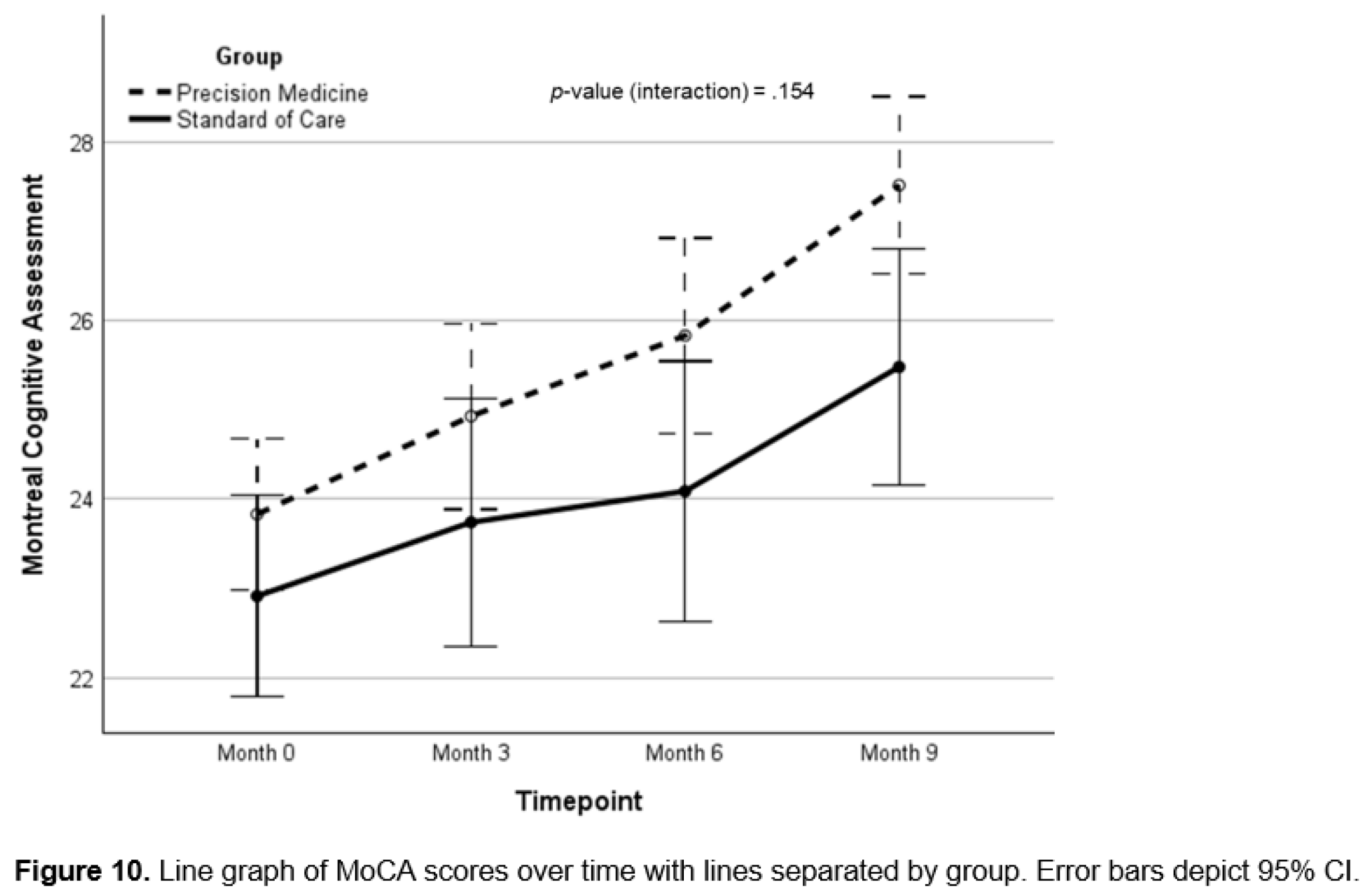
The MOCA score (higher is better) should not increase over time in the standard of care group. Similar problem with the brain training. Combined with the absence of significant positive effect on neuroimaging, this suggest a strong placebo effect / intervention bias, in a highly motivated population of people trying to prevent cognitive decline.

Then when you google Bredesen the first result that comes out is: Bredesen Protocol offers false hope of reversing Alzheimer’s disease | Alzheimer Society of BC and Yukon

And the principal investigators are all random longevity / functional doctors: https://www.dementiareversaltrial.com/investigators

There’s a total of 100 interventions (!), the risk of bias is insane.

Therefore, my unfortunate quick conclusion after skimming through it: BS.

2 Likes

The groups weren’t similar, i.e randomization failed so a difference between the groups can impact the result. It’s not surprising as it was a relatively small study.

Brain training have training effects without affecting the underlying physiology that generalizes to other tasks.

Without blinding differences in results can be because it’s expected.

The interventions like ketogenic diet have low compliance in studies.

It’s not clear to me how consistent the protocol was between users unlike a drug you just give to participants. Did all of them go through each intervention in the same way, determined in a similar fashion?

I think trials that can be blinded adequately with large enough sample size will address these issues, it just appears that’s oral drugs like pills with a large bankroll, so pharma?

What do you think?

One more good reason to avoid dementia…

1 Like

“My family has been devastated by this disease,” Whitney said in a press statement. “My mom had 13 brothers and sisters, and 10 died before they were 60 years old. It’s been a plague.”

Despite inheriting the same mutation, Whitney has reached his late 70s without developing any major memory problems or other symptoms of Alzheimer’s disease. To date, he is the only known carrier to escape the condition for many years after its expected onset.

Geoffrey Canet at the French National Centre for Scientific Research became interested in Whitney’s case after having a discussion at a conference with Randall Bateman from Washington University in St. Louis, Missouri, who has been studying Whitney for years.

At the conference, Canet presented his team’s research on the beneficial effects of heat therapy on the brains of mice. Studies in Finland have found that frequent sauna users are 65 per cent less likely to develop Alzheimer’s disease than occasional dabblers, which led Canet and his colleague Emmanuel Planel at Laval University in Quebec to study the underlying mechanisms.

Their results piqued Bateman’s interest, since he knew Whitney had worked for two decades in the very hot engine rooms of steam-propelled navy ships, starting when he was 18. Bateman discussed the case with Canet and Planel, who were inspired to investigate it further.

Ship engine rooms can reach temperatures of 50°C (122°F) and Whitney was sometimes in them for hours at a time, occasionally having to be hosed down to avoid overheating.

Possibly as a result of this heat exposure, Whitney has unusually high levels of heat shock proteins in his cerebrospinal fluid. Our bodies produce these in response to heat to repair and refold certain other types of proteins that might be damaged by the increased temperature.

Full story: Man destined for Alzheimer’s may have been saved by accidental therapy (New Scientist)

1 Like

On the flip side, heat exhaustion is terrible for brain health (and other components of health).

It would seem like you need to get hot (as I sit at 196F in a sauna currently) but avoid getting too hot. Your article describes borderline too hot situations. But maybe that border is what is needed.

2 Likes

Benchmarks:

My friend’s husband was at the local memory care living center – supposedly the best in the area – and it is understaffed and awful–$25000/month, $300000/year

My mother has an aide who has been with her for ten years, living with her in her apartment, while she has declined into dementia. Now 99, still remarkably strong in body, but no mind left. She would ever have survived this well or this long without this remarkable aide. $25/hour, 24x7, $219,000 / year. plus occasional additional people as back up to the main caregiver.

5 Likes

That is a lot of money.

Having just gone through this with my father, and non that long before my FIL, I’ve seen prices in CA and NC.

My father is in a $7k a month place which is not that nice. But it is well staffed and they are all very patient. He may move to a nicer one that is between $6 and $13k - he’d probably be $11k. It is less than 10 years old and is rather luxurious in physical structure. Between 10 and 14 ft ceilings to give some perspective.

Sonoma county which is not Marin or South Bay but is not Nebraska either.

I’ve heard $200k per year for in home care so that tracks.

In NC $10k month is pretty common but can be $8k in what is still a new structure but maybe not soaring ceilings.

Not much cheaper in NC but surprisingly a lot more regulated. Not sure what they are doing in CA but rules aren’t abundant for memory care despite there being more rules on a out everything else.

2 Likes