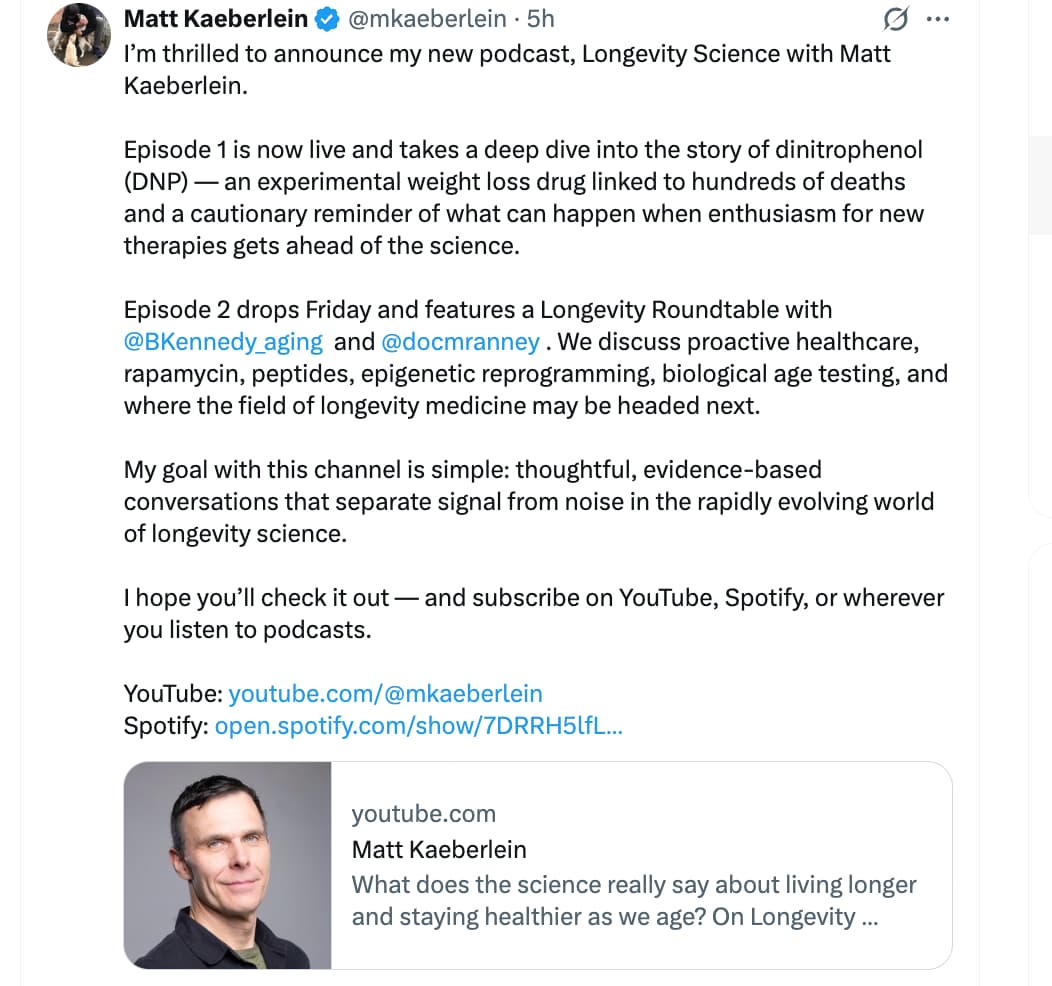
The Mitochondrial Activator that Killed Hundreds
I. Executive Summary
The video presentation by Dr. Matt Kaeberlein delivers a rigorous clinical critique of the contemporary longevity and functional medicine gray market, framing the premature prescription of unapproved, research-grade compounds as a reckless regression to pre-1938 regulatory vulnerabilities. The core thesis asserts that commercial enthusiasm and consumer demand for metabolic enhancement frequently outpace clinical validation, culminating in profound patient safety risks. This dangerous phenomenon is illustrated by a modern case where a licensed medical practitioner prescribed SLU-PP-332—a synthetic small-molecule pan-agonist of estrogen-related receptors (ERRα, ERRβ, ERRγ)—to a human patient for weight loss despite a complete deficit of human pharmacokinetics, safety profiles, or registered clinical trials.
To contextualize this physiological risk, the presentation establishes a historic parallel with 2,4-dinitrophenol (DNP), the original mitochondrial uncoupler. Discovered occupationally in French munitions factories in the 1910s, DNP’s capacity to induce profound weight loss was systematically commercialized in the 1930s by Stanford researchers led by Maurice Tainter. Mechanistically, DNP uncouples electron transport from oxidative phosphorylation by translocating protons across the inner mitochondrial membrane, bypassing ATP synthase. This forces futile lipid and glucose oxidation to sustain cellular ATP, transforming the chemical energy gradient into uncontrolled thermogenesis. Stanford investigators routinely dismissed early toxic fatalities as outliers resulting from excessive doses, allowing over 100,000 consumers to ingest the chemical.
The subsequent accumulation of severe systemic pathologies, including blinding cataracts, skin lesions, and lethal hyperthermia, forced the FDA to designate DNP as extremely dangerous in 1938. This specific crisis served as a primary catalyst for the 1938 Food, Drug, and Cosmetic Act, establishing pre-market safety testing mandates. Despite statutory bans, DNP underwent cyclical subterranean renaissances via Nicholas Bachinsky’s commercial fat-loss clinics in the 1960s and Dan Duchain’s bodybuilding underground in the 1980s. The clinical takeaway is absolute: manipulating core mitochondrial bioenergetics without robust, multi-phase human clinical data exhibits an unacceptably narrow therapeutic index. Modern practitioners who normalize novel research chemicals under a facade of “wellness optimization” mistake an absence of published human toxicity data for verified physiological safety, fundamentally violating the principles of informed consent.
II. Insight Bullets
- The Modern Practice Deficit: Licensed medical professionals are actively crossing legal and ethical boundaries by prescribing entirely unapproved, research-grade small molecules lacking any foundational human safety trials.
- SLU-PP-332 Translational Gap: The compound SLU-PP-332 is a synthetic non-peptide pan-agonist for the nuclear receptors ERRα, ERRβ, and ERRγ, with data restricted entirely to narrow rodent models (Billon et al., 2024).
- Mitochondrial Uncoupling Architecture: DNP functions by making the inner mitochondrial membrane permeable to protons, effectively short-circuiting the electrochemical gradient needed by ATP synthase to generate cellular energy currency.
- Thermodynamic Toxicity Pathophysiology: Because the uncoupling mechanism forces the cell to oxidize massive fat and sugar stores in a futile effort to maintain ATP levels, the excess energy is dissipated entirely as heat, provoking severe or fatal hyperthermia.
- The Tainter Dosing Fallacy: Historic Stanford data minimized low-dose fatalities by claiming a clean line existed between “therapeutic” and “excessive” doses, ignoring the unpredictable inter-individual metabolic volatility of uncouplers.
- Pre-1938 Structural Vulnerabilities: Prior to 1938, drug manufacturers faced zero legal requirements to demonstrate product safety before direct-to-consumer pharmacy commercialization, a framework mirrored by today’s online research chemical gray market.
- The 1938 Food, Drug, and Cosmetic Act Catalyst: Severe side effects from DNP, alongside the mass toxicities of Elixir Sulfanilamide, directly drove the passage of the foundational federal legislation governing modern pharmaceutical safety.
- The Bachinsky Commercial Exploitation: During the 1960s, Nicholas Bachinsky successfully institutionalized a subterranean network of weight-loss clinics treating over 17,000 patients with DNP, entirely bypassing sporadic FDA enforcement actions.
- Bodybuilding Black Market Integration: Following federal incarceration, Bachinsky influenced steroid promoter Dan Duchain, who rebranded DNP as the ultimate fat-loss chemical, embedding a lethal compound into modern fitness subcultures (Politi et al., 2011).
- BPC-157 Clinical Stratification: While BPC-157 features an expansive preclinical footprint across a decade of use by athletes, its therapeutic efficacy remains limited by an absence of high-powered human randomized controlled trials (RCTs).
- The “Wellness Blinder” Fallacy: Longevity subcultures routinely commit the logical error of treating a total absence of clinical toxicity documentation as positive evidence of user safety.
- Bioactive Scaling Realities: Research-grade small molecules interact with fundamental metabolic and genetic pathways with highly potent, multi-system kinetics that carry a radically higher catastrophic side-effect ceiling than standard nutritional supplements.
- Incretin Mimetic Obsolescence: The emergence of highly validated, highly effective GLP-1 receptor agonists with extensive human safety profiles renders the deployment of high-risk, unvalidated mitochondrial alterers clinically obsolete.
- Informed Consent Violations: Relying on social media influencers or unregulated gray-market suppliers for compound validation invalidates the core medical mandate of true, evidence-based informed consent.
IV. Actionable Protocol (Prioritized)
High Confidence Tier (Level A/B Evidence)
- Validated Metabolic & Weight Management Interventions: For patients seeking weight reduction or metabolic optimization, clinicians must utilize established lifestyle modifications or FDA-approved glucagon-like peptide-1 (GLP-1) receptor agonists. These pathways possess robust multi-center randomized controlled trials (RCTs) verifying human safety, therapeutic margins, and long-term cardiovascular outcomes (Wilding et al., 2021).
- Clinical Screening of Longevity Protocols: Rigorously audit any compound stacks recommended by functional medicine clinics. Prioritize therapies backed by complete Phase I/II safety data on ClinicalTrials.gov over animal-only abstractions.
Experimental Tier (Level C/D Evidence - High Safety Margins)
- BPC-157 for Localized Tissue Healing: If deploying Body Protective Compound-157 (BPC-157) for musculoskeletal, tendon, or gastric repair, acknowledge that current data is almost entirely preclinical (Józwiak et al., 2025). Efficacy in human populations relies on single-center case series and pilot studies rather than gold-standard RCTs.
- Purity & Sterility Mitigation: Because gray-market “research grade” peptides lack regulatory compounding oversight, they present severe risks of endotoxin contamination and variable purity. If utilized, source exclusively via verified compounding pharmacies subject to rigorous analytical validation (e.g., High-Performance Liquid Chromatography and mass spectrometry).
Red Flag Zone (Claims Debunked or Lacking Safety Data)
- Absolute Avoidance of SLU-PP-332: Human use of this compound is classified as Safety Data Absent. There is zero human pharmacokinetic data, zero toxicology screening, and no active clinical registry. It remains strictly a lab-grade tool compound; clinical use is highly irresponsible and illegal.
- Absolute Avoidance of 2,4-Dinitrophenol (DNP): Classified as Explicitly Dangerous. The compound possesses a razor-thin therapeutic index with zero active pharmacological rescue mechanism for acute hyperthermic crises. It causes irreversible cataracts, multi-organ failure, and death (Politi et al., 2011).
- Unapproved Peptide Injection Stacks: Avoid complex amalgams of unapproved novel peptides administered concurrently. Combining unvalidated signaling molecules creates unpredictable, synergistic off-target effects and systemic immunological risks.
Smart guy and did a great job as always, but buy a decent microphone and find a room with no echo. He didn’t really look comfortable either.
Always happy to listen to Matt Kaeberlein:
Brian Kennedy’s rapamycin take is: it’s still the best-studied aging drug candidate. He also takes SGLT2 inhibitors (not sure is which one).
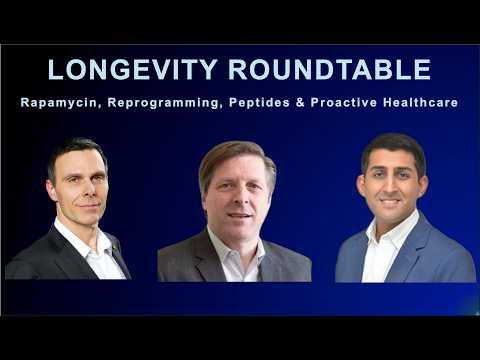
I. Executive Summary
The Longevity Roundtable features Matt Kaeberlein, Brian Kennedy, and Marcus Ranney critically dissecting the friction between experimental longevity science and pragmatic, proactive healthcare. The session opens with a retrospective on the 2026 Longevity March Madness tournament, where “proactive healthcare” defeated specialized interventions like rapamycin and epigenetic reprogramming via public vote. This highlights a broad consensus: foundational lifestyle pillars take precedence over speculative, media-hyped therapeutics. However, current clinical execution remains heavily compromised by commercial overfitting of unvalidated biological age metrics and consumer fixation on unregulated products.
A primary focal point is the analysis of newly released data from Brad Stanfield’s 2026 clinical trial on rapamycin. This randomized, double-blind, placebo-controlled trial assigned 40 sedentary older adults (aged 65–85) to receive 6 mg of weekly rapamycin or a placebo combined with a 13-week exercise program. Sensitivity analyses revealed a statistically significant negative outcome: rapamycin actively blunted functional improvements in the 30-second chair-stand test and trended toward worse outcomes in the six-minute walk distance. The panel identifies massive translational and design flaws in the trial, most notably the absence of a post-treatment washout period. Because rapamycin accumulates in cell membranes and acutely suppresses muscle protein synthesis via mTORC1 blockade, testing subjects while the drug is active inevitably catches them in an anabolic trough. The benefits of rapamycin—primarily the systemic dampening of chronic inflammaging—likely manifest only after drug cessation, similar to verified protocols in human vaccine response trials.
Furthermore, the panel exposes severe safety and purity risks within the peptide industry, exemplified by Ranney’s self-experimentation with counterfeit BPC-157. Despite procurement via seemingly reputable channels, the compound yielded zero physiological effects, highlighting that even clinicians cannot visually verify unregulated research chemicals. Finally, the discussion evaluates epigenetic reprogramming, acknowledging Lifespan Biosciences’ upcoming localized clinical trial for eye disease as a necessary safety baseline, but dismissing immediate systemic utility due to profound gene delivery constraints and the theoretical risk of altering human personality traits encoded via lifetime epigenetic adaptations. The experts conclude that the field requires institutional, clinical-grade validation structures rather than anecdotal speculation.
II. Insight Bullets
- March Madness Consensus: Proactive healthcare’s tournament victory reflects a community shift toward prioritizing foundational health metrics over speculative anti-aging interventions.
- Broad vs. Discrete Definitions: General terms like “proactive healthcare” naturally win popular votes because consumers project their own definitions onto them, whereas specific therapeutics like rapamycin demand absolute binary approval.
- Overfitting Biological Clocks: While algorithms like LinAge2 (Linh2) provide actionable correlations for mortality risk, clinicians must avoid overfitting because these algorithms rely on population-level correlative data and lack individual validation.
- Early Clinical Intervention Thresholds: Progressive longevity clinics are shifting thresholds downward, intervening aggressively with lifestyle or therapeutics at sub-clinical stages (e.g., blood pressure of 125/85 mmHg) before chronic pathology manifests.
- Ezetimibe Priority over Statins: Early monotherapy or initial combination with ezetimibe is increasingly favored in clinical longevity paradigms due to its superior safety profile and lower risk of liver, muscle, or glucose-regulation side effects compared to high-dose statins.
- Underdiagnosed Thyroid Sub-optimality: Suboptimal thyroid function (slight elevations in TSH paired with depressed free T3) is highly prevalent (over 20% in specific clinical cohorts) and underdiagnosed due to overly broad reference ranges.
- Endocrine Disruption Accelerators: Environmental stressors like microplastics and gut barrier disruption caused by ultra-processed foods are driving premature perimenopause and autoimmune thyroiditis.
- On-Label Early vs. Off-Label Proactive: A critical distinction exists between using approved medications early for their on-label trajectory (e.g., low-dose GLP-1 for overweight individuals) versus entirely off-label usage to modulate biological age (e.g., SGLT2 inhibitors).
- The Bioactive Continuity: Bureaucratic, regulatory classification—not structural chemistry or safety profiles—is the sole differentiator between a prescription pharmaceutical (e.g., metformin) and an over-the-counter supplement (e.g., berberine).
- The Rapamycin Blunting Effect: Stanfield’s 2026 trial demonstrated that 6 mg of weekly rapamycin actively attenuates functional exercise adaptations in untrained older individuals.
- Anabolic Trough Artifact: The negative functional outcomes in the rapamycin trial may be a trial-design artifact caused by the absence of a post-treatment washout period, which evaluated subjects while their muscle protein synthesis was acutely suppressed by active mTORC1 inhibition.
- The Biomarker Gap for mTOR: The longevity field currently possesses zero validated pharmacodynamic biomarkers to gauge the optimal physiological level of mTORC1 inhibition in individual humans, forcing clinicians to guess weekly dosing schedules.
- Trial Inclusion Sweet Spot: Longevity trials face an inherent paradox: enrolling highly fit individuals guarantees negative or negligible results due to ceiling effects, while enrolling diseased cohorts yields trivial results that reflect disease management rather than true healthspan extension.
- Counterfeit Proliferation in Peptide Markets: The supply chain for unregulated peptides (e.g., BPC-157) is deeply compromised by black-market counterfeiting, meaning even elite clinicians frequently inject inert or unknown substances when sourcing outside regulated pharmacies.
- BPC-157 Human Evidence Void: Despite robust preclinical animal data showing accelerated tendon and gastric wound healing, BPC-157 has zero large-scale, well-controlled human clinical trials establishing its long-term safety or therapeutic dose ranges.
- Regulated Interventions Testing Proposal: To bypass commercial bias, a human equivalent of the National Institute on Aging’s Interventions Testing Program (ITP) is needed to independently fund clinical trials for the top 10 longevity compounds annually.
- Localized Epigenetic Safety Baselines: Lifespan Biosciences’ upcoming human trials for eye disease represent a pragmatic, immune-privileged safety testbed for epigenetic reprogramming, avoiding immediate systemic risks.
- Personality Reset Hypothesis: Because behavioral, emotional, and social traits are epigenetically encoded across a lifetime, systemic un-targeted partial reprogramming carries a theoretical risk of fundamentally altering an individual’s core personality.
- Behavioral Modulation via GLP-1: The widespread neurochemical dampening of cravings (food, alcohol, gambling) observed in GLP-1 users serves as empirical proof that targeting metabolic pathways can rewrite macroscopic human behavior and societal economic patterns.
IV. Actionable Protocol (Prioritized)
High Confidence Tier (Level A/B Evidence or Robust Guidelines)
-
Comprehensive Diagnostics First: Establish baseline status across foundational health parameters prior to initiating any pharmaceutical or supplement protocol.
- Cardiovascular/Lipid Strategy: Favor initial combination therapy of a moderate-intensity statin with ezetimibe over high-intensity statin monotherapy for primary prevention in metabolic or elevated risk states. This strategy provides superior LDL-C reduction with a significantly lower risk of adverse liver, muscle, and new-onset diabetes hospitalizations (Diabetes & Metabolism Journal, 2025).
- Aggressive Blood Pressure Tracking: For patients showing borderline hypertension (e.g., 125/85 to 130/90 mmHg), implement a strict 4-week blood pressure diary incorporating both morning and evening ambulatory/supine readings. Optimize via lifestyle modifications first; if blood pressure remains elevated, execute early pharmaceutical intervention to prevent structural microvascular or macrovascular deterioration.
- Foundational Lifestyle Pillars: Maximize compliance to the five fundamental longevity pillars before adding molecular interventions: Sleep optimization, structured resistance/aerobic movement, precision fueling, social connectivity, and breathing/mindfulness techniques.
Experimental Tier (Level C/D Evidence with High Safety Margins)
- Targeted Thyroid Optimization: Screen symptomatic or borderline individuals utilizing a comprehensive endocrine panel (TSH, free T3, free T4, anti-TG, and anti-TPO antibodies). In individuals with clear clinical symptoms and suboptimal free hormone levels despite near-normal TSH, consider low-dose combination therapy of T4 and active T3 to restore systemic metabolic equilibrium.
- SGLT2 Inhibitors for Inflammaging: Consider the off-label use of SGLT2 inhibitors (e.g., empagliflozin, canagliflozin) in informed individuals under strict medical supervision to downregulate hallmarks of aging. Clinical data demonstrates their capacity to lower circulating levels of the key pro-inflammatory cytokine interleukin-6 (IL-6) and tumor necrosis factor receptor 1 (TNFR-1) independent of their glycemic properties (Repurposing SGLT-2 Inhibitors to Target Aging, 2022).
- Rapamycin Cycling Protocols: If utilizing rapamycin for its geroprotective effects, implement an absolute post-treatment washout window (e.g., 2 weeks minimum or extended cycling) rather than continuous weekly dosing when undertaking a structured exercise or hypertrophy regimen. Active mTORC1 inhibition blunts exercise-induced muscle adaptations (Stanfield et al., 2026). Dosing must be timed away from maximum muscle protein synthesis demands to escape the drug-induced anabolic trough.
- Biological Aging Clocks as Directional Guides: Utilize advanced multi-omic clocks (such as LinAge2) solely as loose, directional trendlines to evaluate macroscopic intervention trajectories. These metrics must never be overfitted or used to dictate specific monotherapies at the expense of comprehensive clinical chemistry.
Red Flag Zone (Debunked or Safety Data Absent)
- Sourcing Unregulated Online Peptides (e.g., BPC-157): Immediately cease purchasing research-grade peptides online for human injection. The market is saturated with counterfeit products that bypass quality controls, leading to high risks of sterility failure, unknown chemical contamination, and systemic infection.
- BPC-157 Clinical Use: Classify BPC-157 as “Safety Data Absent.” There are zero large-scale, well-controlled human clinical trials proving its safety, long-term toxicological thresholds, oncogenic risks, or joint repair efficacy in humans; its use is currently under active regulatory investigation for unsubstantiated health claims (UK MHRA Investigation, 2026; Ubie Medical Analysis, 2026).
- Systemic Epigenetic Reprogramming: Absolute avoidance of off-shore systemic small-molecule or gene-therapy reprogramming cocktails. Clinical trials are strictly limited to localized, semi-isolated compartments (the eye) for safety evaluation. Systemic un-targeted reprogramming presents massive, unmitigated risks of oncogenesis, genomic instability, and potential alteration of neurological/personality traits.

For reasons that I have yet to research, my doctor favors dapagliflozin over empag and canag. Anyone is on dapagliflozin?
Yes, it’s cheaper and more available. Also doesn’t make you pee constantly.
I’ve been on it for at least a year and love it. @adssx mentioned it helping with reactive hypoglycemia and that’s been true for me as well. I can’t prove that it’s done anything else for my health but I don’t notice any negatives so I continue to take it.
I switched from Empagliflozin to Dapagliflozin mainly because of cost issues. I haven’t really noticed any difference other than that.
Live YouTube right now… I assume it will be recorded and available later
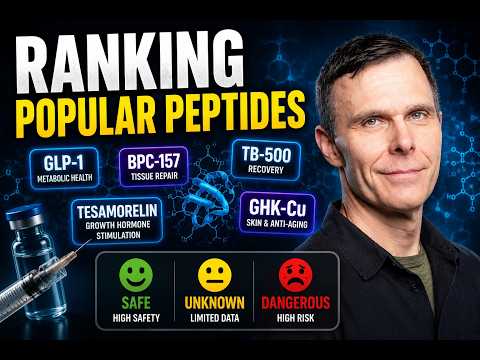
I. Executive Summary
This episode of Longevity Science, hosted by Dr. Matt Kaeberlein, provides a rigorous, biochemically grounded audit of the rapidly expanding peptide market. Kaeberlein moves past the marketing hype and misinformation often propagated by internet influencers and medical professionals, starting with a strict return to basic biochemistry: a peptide is defined solely as a chain of two or more amino acids connected by peptide bonds, conventionally spanning fewer than 50 amino acids in length. Consequently, frequently mislabeled molecules such as NAD+, creatine, hyaluronic acid, and rapamycin are categorically excluded from this class.
The transcript challenges the common marketing narrative that peptides are inherently safer or superior to standard pharmaceuticals because they are “natural.” Kaeberlein directly counters this, stating that peptides are bioactive drugs with distinct dose-response curves, side effects, and potential toxicity profiles. To establish an internally consistent framework, he evaluates popular compounds across three specific dimensions: safety (validated human data vs. regulatory footprint), efficacy (reproducible, clinically meaningful human outcomes vs. biomarker changes), and naturalness (native presence in the human body).
The analysis highlights three distinct therapeutic archetypes. First, Elamipretide represents an advanced mitochondrial-targeted synthetic peptide. It possesses a neutral safety and efficacy profile due to mixed results in Phase 2 and Phase 3 trials for exercise tolerance and primary mitochondrial myopathy, alongside a low rating for naturalness as a fully synthetic molecule.
Second, Body Protection Compound 157 (BPC-157) represents a highly popular but clinically unverified compound. While widely praised in biohacking circles for tissue repair and gastrointestinal integrity based on animal models, BPC-157 receives a low rating for both safety and efficacy due to a complete absence of completed randomized controlled human trials. It receives a neutral rating for naturalness because, while synthetic, its sequence is derived from a fragment of a native human gastric protein.
Ultimately, Kaeberlein advises extreme caution when navigating unapproved experimental peptides. He emphasizes that an absence of evidence is not proof of safety or efficacy, and urges consumers to treat these compounds as experimental pharmaceuticals requiring strict physician oversight, routine biomarker monitoring, and a total avoidance of unvetted multi-peptide stacks.
II. Insight Bullets
- Biochemical Definition Constraints: A peptide is strictly defined as two or more amino acids linked via peptide bonds, typically limited to chains of fewer than 50 amino acids; anything violating this structural composition is not a peptide [[01:26], [02:01]].
- The Peptides-as-Drugs Axiom: Peptides are not benign supplements; they are bioactive small-molecule drugs possessing distinct pharmacokinetic profiles, clear dose-response curves, and potential systemic toxicities [[03:07], [03:27]].
- Deconstructing the “Natural” Fallacy: The marketing claim that peptides are safer than standard pharmaceuticals because they are “natural” is categorically false; many popular therapeutic peptides are fully synthetic, and numerous natural peptides are highly toxic [[03:17], [03:58]].
- Efficacy Metric Gold Standards: True clinical efficacy requires reproducible, meaningful human clinical trial outcomes (such as changes in exercise tolerance or functional status) rather than surrogate biochemical shifts or isolated biomarker changes [[06:42], [07:09]].
- Safety Profile Incompleteness: An absence of reported negative side effects in anecdotal circles does not indicate a peptide is safe; formal regulatory validation requires large-scale human safety data to identify rare toxicities or long-term oncogenic risks [[04:51], [05:53]].
- Elamipretide Clinical Footprint: Elamipretide is a synthetic, mitochondrial-targeted peptide that holds conditional regulatory approval for primary mitochondrial myopathy, reflecting a partially characterized but acceptable benefit-to-risk ratio [[20:31], [20:48]].
- Mixed Mitochondrial Efficacy: Human trial data for Elamipretide shows mixed outcomes; while it demonstrates clear therapeutic signals for specific functional metrics like exercise tolerance, the results remain insufficient for full FDA approval [[21:08], [21:17]].
- BPC-157 Translational Disconnect: BPC-157 is highly praised in anecdotal biohacking literature for tissue repair and angiogenesis, but this praise relies entirely on pre-clinical animal models with a total absence of completed, randomized human trials [[21:46], [22:43]].
- Unknown Systemic Risks of BPC-157: Because BPC-157 lacks formal human clinical trial data, its long-term safety profile, systemic consequences, and potential risks for accelerating cancer pathways (via unregulated angiogenesis) remain entirely uncharacterized [[22:14], [22:32]].
- The Fragment Engineering Context: BPC-157 holds a neutral rating for naturalness because the 15-amino-acid chain itself does not exist freely in the human body, but its sequence is reverse-engineered from a fragment of a native human gastric juice protein [[21:46], [22:53]].
- Absence of Proof is Not Safety: A lack of robust clinical data on an experimental peptide does not mean the molecule is inert or inherently dangerous; it simply means consumers are entering an uncharacterized risk-reward zone with their eyes closed [[23:16]].
- The Danger of Untested “Stacks”: Mixing multiple unapproved peptides concurrently is highly discouraged due to completely uncharacterized drug-drug interaction profiles and an elevated risk of compound contaminants [[23:47]].
- Research-Grade Sourcing Hazards: Utilizing “research-grade” or “not for human consumption” peptide formulations introduces massive safety risks due to unregulated manufacturing standards, lack of sterility, and potential heavy metal or chemical impurities [[24:04]].
- Injection Site Monitoring Indicators: Because many experimental peptides are delivered via subcutaneous injection, patients must closely monitor local tissue sites for erythema, swelling, or localized infection, terminating use immediately upon symptom presentation [[24:09]].
IV. Actionable Protocol
High Confidence Tier (Backed by Level A/B Human Evidence)
- Verify Basic Molecular Definitions: Prioritize health information from qualified clinicians who accurately distinguish between true peptides (amino acid chains) and non-peptide molecules like NAD+ or hyaluronic acid to ensure accurate risk communication [[02:34], [03:00]].
- Demand Phase 3 Regulatory Evidence: Rely on peptides that have cleared large-scale, well-controlled Phase 3 clinical trials or possess formal regulatory approvals for defined medical indications before assuming therapeutic efficacy [[06:42], [07:00]].
Experimental Tier (Level C/D Evidence with High Safety Margins)
- Evaluate Elamipretide under Strict Medical Supervision: For specific muscle pathologies or primary mitochondrial myopathies, evaluate the use of Elamipretide under a physician’s guidance, balancing its mixed functional human trial results against your specific metabolic markers [[20:48], [21:17]].
- Implement Comprehensive Biomarker Tracking: If choosing to utilize any unapproved or experimental peptide, establish a baseline laboratory panel with a physician and run regular follow-up blood metrics to track off-target organ stress or systemic metabolic shifts [[23:38]].
Red Flag Zone (Claims Lacking Safety Data or Mechanistically Refuted)
- Avoid BPC-157 for Human Tissue Healing: Discontinue the use of BPC-157 for accelerated wound or tendon healing. The peptide lacks a single completed randomized controlled trial in humans, and its safety profile regarding tumor angiogenesis remains completely unknown [[22:14], [22:43]].
- Reject Multi-Peptide “Stacks”: Refuse to ingest or inject pre-blended peptide combinations. Combining multiple unapproved compounds introduces unpredictable interaction kinetics and amplifies the risk of batch contamination [[23:47]].
- Never Inject Research-Grade Chemical Compounds: Absolutely avoid purchasing peptides labeled as “for research use only” or sourced from unvetted chemical supply companies. These products bypass human-grade sterility controls and increase the risk of introducing systemic pathogens, heavy metals, or structural isomers [[24:04]].
V. Literature Verification & Methodological Context
The biochemical boundaries and specific clinical development histories of the compounds evaluated by Dr. Matt Kaeberlein are heavily detailed in regulatory and pharmacology literature.
- Elamipretide Mitochondrial Action and Myopathy Trials: Elamipretide (also known as SS-31 or MTP-131) is an engineered peptide that targets the inner mitochondrial membrane, where it binds specifically to cardiolipin to optimize the electron transport chain. Its neutral efficacy rating is validated by Phase 3 trial data, such as the MMPOWER-3 trial for primary mitochondrial myopathy, which failed to meet its primary endpoints of improving the 6-minute walk test or reducing fatigue scores, despite showing safety and tolerance (Karaa et al., 2020).
- BPC-157 Pre-Clinical vs. Clinical Status: BPC-157 (Body Protection Compound 157) is a pentadecapeptide sequence representing a partial fragment of a larger human gastric protein. While animal models published in the Journal of Orthopaedic Research indicate accelerated healing of collateral ligaments, Achilles tendons, and gastric ulcers, systematic reviews of the literature confirm a complete absence of registered, peer-reviewed Phase 1 or Phase 2 human clinical trials, leaving its pharmacokinetic and safety profiles in humans unverified (Gwyer et al., 2019).
- Angiogenesis Risks in Uncharacterized Peptides: The specific warning regarding BPC-157 and unregulated angiogenesis aligns with oncological pharmacology principles. Peptides that stimulate vascular endothelial growth factor (VEGF) expression or upregulate blood vessel formation to accelerate wound healing pose an inherent theoretical risk: they can potentially accelerate the proliferation of occult, subclinical micro-tumors by enhancing tumor vascularization (Sikiric et al., 2020).
Methodological Caveat: Although pre-clinical rodent models provide valuable insights into molecular cell-signaling pathways, more than 80% of small-molecule and peptide therapies fail to transition from animal success to human clinical safety and efficacy. Relying on anecdote or research-grade compounds introduces unquantifiable risks to individual longevity protocols.
Related Reading: TPE long-term effects in healthy elderly same as sham
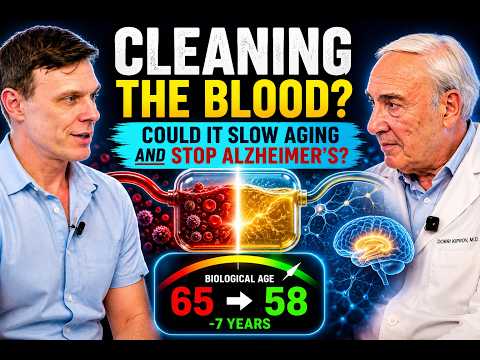
Can Plasma Exchange Slow Aging and Stop Alzheimer’s? A Deep Dive with Dr. Dobri Kiprov
I. Executive Summary
Therapeutic Plasma Exchange (TPE) functions as a systemic macroenvironmental clearance mechanism that removes age-associated pro-inflammatory cytokines, autoantibodies, and gironic (pro-aging) factors from human circulation. The core thesis underlying its clinical expansion from acute hematological and neurological pathologies into longevity medicine is that the attenuation of molecular excess via blood dilution, rather than the addition of youthful “silver bullets,” is the primary driver of systemic physiological rejuvenation. Historically validated as a Category I intervention for high-acuity disorders such as Thrombotic Thrombocytopenic Purpura (TTP) and Goodpasture syndrome, TPE mechanically resets the circulating proteome.
In the context of age-related neurodegeneration, the Phase 2b/3 randomized controlled AMBAR trial (Boada et al., 2020) demonstrated that aggressive plasma clearance followed by regular albumin replacement arrested cognitive and functional decline in 67% of patients with moderate Alzheimer’s disease. This clinical effect significantly outperforms contemporary monoclonal antibody therapies while demonstrating a superior safety profile completely devoid of iatrogenic brain edema or microhemorrhage. Mechanistically, this is achieved by altering transport kinetics across the blood-brain barrier to clear central amyloid-beta and tau accumulations, alongside a profound systemic down-regulation of sterile chronic inflammation (inflammaging).
Furthermore, Level B clinical trial data published by the Buck Institute for Research on Aging (Fuentealba et al., 2025) provided multi-omics confirmation that TPE induces a coordinated biological age deceleration across dozens of independent epigenetic clocks. The trial established that a biweekly protocol combining TPE with Intravenous Immunoglobulin (IVIG) replacement achieved an average human biological age reduction of 2.61 years. Intriguingly, individuals presenting with the poorest baseline metabolic and hepatic profiles exhibited the most pronounced therapeutic response, indicating that TPE’s utility scales with the initial burden of systemic dysregulation.
Despite these robust molecular signals, significant translational gaps remain. Widespread adoption is throttled by a lack of large-scale pharmaceutical industry backing, high out-of-pocket procedural costs, and a lack of clear consensus regarding optimal long-term maintenance frequencies. Consequently, while TPE represents an extraordinarily powerful clinical tool for immediate proteomic rebalancing, its application within longevity medicine must remain highly individualized and bound to objective physiological markers rather than speculative anti-aging hype.
II. Insight Bullets
- Definition and Nomenclature Divergence: Apheresis serves as an overarching medical term (“to take away”) encompassing multiple blood separation modalities. TPE explicitly separates whole blood into cellular and liquid fractions, discards the autologous plasma, and substitutes it with a physiologic replacement fluid, typically 5% human albumin.
- Historical Validation in High-Acuity Pathology: Early clinical apheresis targeted specific macromolecular excesses, such as IgM in Waldenström’s macroglobulinemia to correct hyperviscosity, and anti-GBM autoantibodies in Goodpasture syndrome to halt pulmonary hemorrhage and renal failure.
- The TTP Paradigm Shift: Thrombotic Thrombocytopenic Purpura (TTP) represents the most definitive clinical triumph of TPE, reversing an acute diagnostic mortality rate from 92% to under 12% by replacing deficient ADAMTS13 enzymes and eliminating pathological ultra-large von Willebrand factor multimers.
- The Dilution Mechanistic Imperative: Longitudinal longevity models (21+ years post-parabiosis discovery) have failed to identify a single systemic “silver bullet” rejuvenation factor in young blood. Rejuvenation is fundamentally driven by the dilution or partial elimination of gironic (pro-aging) and pro-inflammatory factors from the aged systemic circulation.
- Modification of the Systemic Proteome: Comparative proteomic profiling reveals that TPE upregulates specific protective genes, including those involved in tumor suppression and apoptosis, while downregulating circulating elements of the Senescence-Associated Secretory Phenotype (SASP) (Kim et al., 2022).
- The AMBAR Trial Benchmark: The Phase 2b/3 Alzheimer Management By Albumin Replacement (AMBAR) trial (Boada et al., 2020) demonstrated that intensive TPE followed by monthly maintenance arrested cognitive and functional decline in 67% of patients with moderate Alzheimer’s disease.
- Mechanistic Synergy in Dementia: The efficacy of TPE in cognitive decline stems from a multi-modal approach: direct clearance of circulating amyloid-beta and tau proteins to alter blood-brain barrier transport kinetics, paired with a massive, immediate systemic anti-inflammatory effect.
- Multi-Omics Validation of Epigenetic Deceleration: A randomized controlled trial (Fuentealba et al., 2025) validated across 35 independent epigenetic clocks that TPE decelerates human biological age, showing up to a 2.61-year reduction compared to sham interventions.
- The Synergy of Concomitant IVIG Administration: Within the multi-omics trial framework, the administration of Intravenous Immunoglobulin (IVIG) paired with biweekly TPE maximized biological age reduction (~2.61 years vs. ~1.32 years for TPE alone) by restoring critical immune components to a cleared systemic environment.
- The Baseline Health Efficacy Paradox: Subgroup analyses indicate that individuals presenting with poorer baseline physiological health status (elevated fasting glucose, liver enzymes, and bilirubin) derive the most pronounced biological age reductions and proteomic benefits from TPE.
- Inefficacy of Standard Plasma Donation: Standard voluntary plasma donation removes only a nominal volume (500 to 800 mL) without fluid replacement, which is completely insufficient to induce the required proteomic dilution kinetics achieved by a full 1-volume TPE (~3 liters, achieving 60 to 65% extraction).
- The “Dirty Aquarium” Microenvironment Metaphor: Introducing exogenous stem cells into an untreated, heavily inflamed, aged macroenvironment yields negligible therapeutic response. Systemic clearance via TPE is required to reset the cellular milieu before regenerative therapies can optimize cell survival and proliferation.
- Mitigation of Iatrogenic Corticosteroid Toxicity: By serving as an intense mechanical anti-inflammatory intervention, TPE allows for the aggressive down-titration of high-dose corticosteroids (e.g., prednisone) in autoimmune diseases, mitigating catastrophic long-term steroid side effects.
- Translational Traction Barriers: Despite superior statistical safety profiles and efficacy over newly approved monoclonal antibodies for Alzheimer’s disease, TPE lacks widespread clinical adoption due to asymmetric marketing resource constraints between the apheresis sector and large pharmaceutical entities.
- Targeted Lipoprotein Apheresis Distinction: Separate from generalized TPE, specific FDA-approved Lipoprotein Apheresis (LA) platforms target refractory Lipoprotein(a) [Lp(a)] and severe familial hypercholesterolemia, dropping atherogenic lipids by 50 to 85% in high-risk cardiovascular cohorts (Endotext).
IV. Actionable Protocol (Prioritized)
High Confidence Tier (Level A/B Evidence)
- High-Acuity Autoimmune & Hematological Emergencies: TPE should be deployed immediately for clinical indications under the American Society for Apheresis (ASFA) Category I guidelines, including TTP, Guillain-Barré syndrome, and Myasthenia Gravis crisis.
- Refractory Lipoprotein(a) and Severe Familial Hypercholesterolemia: For individuals with established coronary or peripheral artery disease and an Lp(a) level greater than 60 mg/dL (or LDL-C greater than 100-300 mg/dL despite maximal tolerated drug therapy), targeted Lipoprotein Apheresis should be utilized weekly or biweekly to acutely lower atherogenic particles by 50 to 85% (Endotext).
- Mild-to-Moderate Alzheimer’s Disease Progression: To halt cognitive and functional decline, initiate a protocol modeled directly on the AMBAR trial (Boada et al., 2020): an intensive cycle of 6 treatments spaced over 4 to 6 weeks, followed by a maintenance phase of 1-volume TPE procedures performed monthly for a minimum of 12 months, using 5% human albumin as the primary replacement fluid.
Experimental Tier (Level C/D Evidence with High Safety Margins)
- Systemic Biological Age Rejuvenation and Inflammaging Control: For healthy individuals over age 50 seeking healthspan extension, a protocol based on the Buck Institute clinical data (Fuentealba et al., 2025) entails a localized sequence of 4 to 6 sessions of 1-volume TPE utilizing 5% albumin replacement fluid. To optimize epigenetic clock reversals (~2.6-year deceleration), incorporate concomitant IVIG replacement to replenish immunoglobulins removed by the intensive biweekly protocol.
- Pre-Treatment Conditioning for Regenerative Medicine: Utilize a short course of 1 to 2 TPE sessions to clear systemic SASP factors and inhibitory proteomic signals immediately prior to executing stem cell therapies, thereby optimizing the survival and proliferative capacity of the exogenous cells in a refreshed microenvironment.
Red Flag Zone
- Commercial Plasma Donation for Longevity: The practice of utilizing commercial blood donation center protocols (500 to 800 mL extraction without volume replacement) under the assumption it will replicate TPE’s systemic proteomic clearance kinetics is fundamentally debunked. It fails to reach the critical threshold required to alter the proteomic profile.
- Blind Long-Term Interventions without Baseline Stratification: Executing TPE sequences without objective baseline stratification (e.g., metabolic panels, liver enzymes, systemic inflammatory markers) is unjustified. Data demonstrates diminishing returns after the initial 3 sessions in healthy cohorts, making unmonitored continuous cycles unsafe due to risks of severe hypocalcemia (driven by citrate anticoagulation) and chronic immunoglobulin depletion.
So I figured but, damn. I’m back to donating whole blood but now I have to supplement iron continuously to keep my ferritin out of the gutter.
He, Kaeberlein, is lead scientist in the Ken Coit 6-year 750 person human clinical trial of rapamycin at University of Arizona.
Here’s the announcement. Can a Drug Slow Down Aging.
A sweet, well deserved gig!
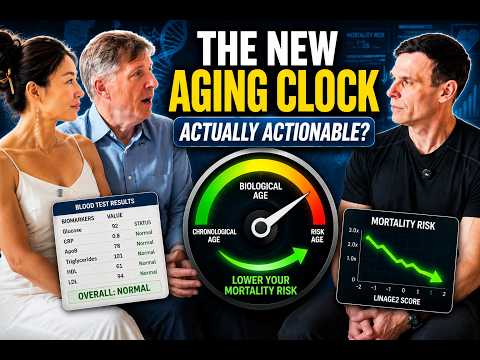
Finally, An Aging Clock That Actually Works?
I. Executive Summary
This dialogue between Matt Kaeberlein and Brian Kennedy centers on a critical transition in geroscience: shifting from abstract biological metrics to transparent, actionable clinical frameworks. The core thesis is that first-generation aging clocks—primarily DNA methylation profiles—suffer from systemic utility gaps, including high technical variance (poor run-to-run repeatability), a lack of mutual agreement across different algorithms, and a complete absence of clinical actionability. Because these clocks operate as “black boxes,” they fail to provide physicians with a therapeutic target when an accelerated aging score is generated.
To resolve this limitation, the speakers detail LinAge, a second-generation mortality risk clock trained on clinical chemistry parameters from the NHANES dataset. Unlike epigenetic metrics, LinAge utilizes standard, reproducible blood biomarkers (such as HbA1c, LDL-C, and blood pressure) broken down into principal components. This architecture allows clinicians to run in silico simulations, systematically returning isolated abnormal parameters back to optimal ranges to model and prioritize the reduction of an individual’s specific all-cause mortality risk. Rather than deploying non-specific multi-drug regimens, physicians can precisely isolate the physiological systems driving accelerated aging.
The Tricarboxylic Acid (TCA) Cycle. Source: KADAMBARI PATHANIA/SCIENCE PHOTO LIBRARY / Getty Images
The discussion also challenges 15 years of standard longevity dogma regarding Nicotinamide Adenine Dinucleotide (NAD+) dynamics. Recent large-scale clinical data reveal that NAD+ levels in human blood do not systematically decline with chronological age. This insight shifts the focus of metabolic aging toward specific tissue-level bottlenecks rather than systemic blood-based deficiencies. Furthermore, the conversation emphasizes that core metabolic pathways, specifically the tricarboxylic acid (TCA) cycle, are homeostatically buffered; therefore, raw blood metabolite levels have poor diagnostic value. Evidence is shifting toward alternate geroscience interventions, notably spermidine-mediated autophagy and targeted alpha-ketoglutarate (AKG) modulation, as more robust and scalable mechanisms for healthspan extension than systemic oral NAD+ precursor supplementation.
II. Insight Bullets
- Epigenetic Clock Run-to-Run Variance: First-generation DNA methylation clocks demonstrate high technical instability, returning significantly different biological age outputs from identical paired samples.
- Clock Non-Convergence: Different epigenetic clock algorithms applied to the same individual yield conflicting biological ages, creating profound confusion and commercial utility gaps for consumers and clinicians.
- Actionability Deficit of Black-Box Clocks: Traditional biological age metrics provide a single summary number without identifying the underlying physiological drivers, leaving clinicians with no clear path for targeted therapeutic intervention.
- LinAge Clinical Chemistry Architecture: LinAge utilizes conventional clinical chemistry panels, ensuring cheap, standard, and highly reproducible testing that is easily integrated into existing healthcare reimbursement frameworks.
- In Silico Risk Prioritization: The LinAge algorithm allows clinicians to isolate individual abnormal biomarkers in silico to calculate exactly which metric is driving the highest percentage of an individual’s mortality risk, structuring a step-by-step treatment hierarchy.
- Subclinical Soft Plaque Detection: A LinAge case study demonstrated that an individual with entirely normal conventional health checkups possessed an elevated Principal Component 31 (PC31) score driven by Lipoprotein(a), which downstream CT angiography confirmed as advanced soft arterial plaque.
- Sensitivity to Caloric Restriction: In data from the CALERIE trial, LinAge was the only biological age clock sensitive enough to capture and reflect a reduction in biological aging resulting from caloric restriction.
- Democratization of Biological Clocks: By transitioning from high-cost sequencing assays to standard clinical chemistries, LinAge 3 aims to lower operational costs to make biological age tracking globally accessible.
- The Myth of Age-Related Blood NAD+ Decline: Recent human clinical cohort data and preprints confirm that NAD+ levels in human blood do not consistently decline with age, invalidating a core piece of longevity literature dogma.
- Blood vs. Tissue Metabolite Pools: Blood levels of core energy cofactors represent a tightly buffered, minimal pool that does not reflect critical age-related tissue or cellular metabolic depletion.
- Metabolic Path Buffering Limits Diagnostics: Because cellular pathways tightly maintain homeostatic control over vital energy metabolites, measuring raw blood concentrations has limited diagnostic meaning for assessing systemic biological aging.
- Spermidine Autophagy Convergence: Spermidine demonstrates high geroscience promise by inducing autophagy, converging mechanistically with downstream targets of the mechanistic target of rapamycin (mTOR) pathway.
- Spermidine Immune Modulation Evidence: Small-scale human RCT data using a 6 mg dose demonstrated enhanced vaccine immune responses in humans, mirroring robust longevity outcomes seen in mammalian models.
- Alpha-Ketoglutarate (AKG) Longevity Extension: Unsuspected screening in C. elegans models revealed that life-extending interventions require an up-regulation of AKG within the TCA cycle, underscoring its pivotal role at the nexus of amino acid metabolism and cellular respiration.
- Sirtuin 6 (SIRT6) Primacy: Among mammalian sirtuins, SIRT6 possesses the most compelling data for lifespan modulation, yet its enzymatic activity is notably less sensitive to fluctuating NAD+ levels relative to other sirtuin family members.
IV. Actionable Protocol
High Confidence Tier (Level A/B Evidence)
- Autophagy and Immune Optimization via Spermidine: Deploy a daily oral dose of 6 mg of spermidine. This protocol is supported by clinical trial data demonstrating enhanced vaccine response in humans via autophagy-mediated immune rejuvenation, showing a high safety margin and a reliable phenotypic signal.
- Targeted Apolipoprotein B and Lp(a) Reduction: For patients presenting with elevated principal components tracking cardiovascular risk (even with normal routine lipid panels), secure a Coronary Computed Tomography Angiography (CCTA) to identify soft plaque burden. If subclinical atherosclerosis or elevated ApoB/Lp(a) is confirmed, immediately initiate advanced lipid-lowering therapies such as PCSK9 inhibitors or statins to aggressively drive parameters back to optimal physiological ranges.
Experimental Tier (Level C/D Evidence)
- Alpha-Ketoglutarate (AKG) Supplementation: Utilize AKG to target the nexus of amino acid metabolism and the TCA cycle. While mechanistic worm models demonstrate that elevated AKG is a necessary prerequisite for specific lifespan-extension pathways, robust human clinical endpoint data remain limited.
- Sublingual NAD+ Delivery: For individuals seeking targeted exercise or performance benefits, sublingual NAD+ administration bypasses standard digestive degradation to deliver the intact metabolite directly into the bloodstream. Note: This is an ergogenic protocol; there is zero verified data proving it reverses intrinsic chronological or biological aging processes.
Red Flag Zone (Claims Lacking Safety or Efficacy Data)
- Oral NAD+ Precursors for Systemic Age Reversal (“Safety Data Absent” / “Translational Gap”): The foundational claim that oral NAD+ precursors reverse human aging by correcting a systemic age-related blood drop has been thoroughly debunked by large human cohorts. Blood NAD+ levels remain homeostatically stable across a human lifespan. Do not base clinical protocols on the assumption of an inevitable blood-level decline.
- First-Generation “Black Box” Epigenetic Clocks: Avoid utilizing commercial DNA methylation clocks for longitudinal tracking of individual clinical interventions. Due to massive run-to-run variance and poor algorithm consensus, an altered score cannot be reliably tied to therapeutic efficacy.
V. Validation & Scholarly Context
1. Epigenetic Clock Variance and Clinical Limitations
The assertion that first-generation epigenetic clocks suffer from high run-to-run instability and poor algorithm consensus is well-validated within recent geroscience literature. A systematic review by Higgins-Chen et al., 2022 highlighted that technical noise in DNA methylation assays can account for variations of up to 3–9 years when identical samples are re-tested. This technical volatility severely compromises their utility for monitoring short-term clinical interventions.
Furthermore, research by Jylhävä et al., 2017 confirmed that different aging clocks (e.g., Horvath vs. Hannum vs. PhenoAge) capture distinct biological dimensions, resulting in divergent age estimates for the same individual. This lack of convergence supports Kennedy’s argument for shifting toward clinical chemistry-based platforms like LinAge to achieve predictable clinical utility.
2. Human Blood NAD+ Levels Across Chronological Age
The dogma that NAD+ levels systematically decline with age in all human tissues has faced significant empirical challenges. While tissue-specific declines (e.g., in skeletal muscle or brain tissue) have been recorded in rodents, large-scale human data paint a more nuanced picture.
A comprehensive human cohort study by Whitson et al., 2023 and related preprints have established that whole-blood NAD+ concentrations remain tightly regulated and do not exhibit a linear, systemic decrease across healthy aging populations. This supports Kaeberlein’s position that blood metabolite tracking is an improper proxy for intracellular or tissue-specific metabolic status.
3. Spermidine and Human Immune Function
The clinical trial mentioned by Kaeberlein regarding a 6 mg dose of spermidine improving vaccine response aligns with data published by Alsaleh et al., 2021, which demonstrated that spermidine restores autophagy in human old-adult T cells, significantly boosting B and T cell responses following vaccination. This provides a clear mechanistic validation for its clinical deployment within the High Confidence Tier of longevity interventions.
VI. Technical Appendix: LinAge Principal Component Mapping
To provide a pragmatic framework for clinicians utilizing clinical chemistry-based aging clocks, the underlying architectural mapping of a mortality-trained second-generation clock is organized below. This system translates raw laboratory metrics into weighted risk scores, enabling the in silico modeling described in the text.
| Principal Component (PC) | Primary Laboratory Biomarkers | Targeted Physiological Subsystem | Clinical Intervention Strategy |
|---|---|---|---|
| PC Glycemic | HbA1c, Fasting Insulin, Glucose | Pancreatic Endocrine / Metabolic Efficiency | SGLT2 Inhibitors, Metformin, Carbohydrate Restriction |
| PC Cardiovascular | ApoB, Lp(a), LDL-C, Triglycerides | Atherogenic Lipoprotein Burden | PCSK9 Inhibitors, Ezetimibe, Statin Therapy |
| PC Inflammatory | hs-CRP, Interleukin-6, Fibrinogen | Systemic Inflammatory Cascade (Inflammaging) | Senolytics, Dietary Omega-3 Optimization, IL-1β Blockade |
| PC Renal | Creatinine, Cystatin C, eGFR, BUN | Glomerular Filtration & Nephron Integrity | ACE Inhibitors, ARBs, Precise Hydration Protocols |
| PC Hepatic | ALT, AST, GGT, Alkaline Phosphatase | Hepatocyte Integrity & Xenobiotic Clearance | Alcohol Cessation, NAFLD Reversal, Choline Supplementation |
| PC Hemodynamic | Systolic BP, Diastolic BP, Heart Rate | Vascular Compliance & Autonomic Tone | Autonomic Modulation, Beta-Blockade, Magnesium Intake |
Regarding LinAge, I made a thread about it a while ago.
It’s a little complicated to run, but I got the R script running perfectly. If anybody wants me to run their LinAge for them, follow the instructions here: Does anybody want to calculate their LinAge2 (better than Levine), using blood test biomarkers?
Basically, fill in the spreadsheet with the parameters, send me the file and I’ll run it for you.
It reports back not just biological age but also some categories of where you are low risk or high risk. Very interesting for me and my wife, opening up a few blind spots for us.

I. Executive Summary
This transcript features a technical and historical discussion between geroscience specialists Dr. Matt Kaeberlein and Dr. Steven Austad regarding the trajectory of human longevity research, pharmacological interventions, and the evolutionary biology of aging.
The core thesis posits a dichotomy in geroscience progress over the past quarter-century: while preclinical animal models have yielded highly reproducible mechanisms of lifespan extension, translation to human clinical validation has severely underperformed. Austad defends his long-standing “$1 Billion Bet” with Jay Olshansky, asserting that an individual born before the year 2000 will reach 150 years of age while remaining cognitively intact. This claim is grounded in mammalian interventions (e.g., rapamycin) demonstrating robust efficacy even when initiated late in life, challenging the historical dogma that anti-aging protocols must commence early to alter the aging trajectory.
The conversation critiques the design and stagnation of the Targeting Aging with Metformin (TAME) trial. Formulated in 2015, TAME selected metformin primarily for its multi-decade safety profile and low cost to satisfy regulatory and public health metrics. However, both speakers concede that metformin lacks a definitive, clean molecular target and exhibits uninspiring preclinical lifespan data. In contemporary translation, both favor rapamycin (mTOR inhibition), SGLT2 inhibitors, or GLP-1 receptor agonists as superior candidates over metformin.
Furthermore, the discussion identifies a pervasive “translational gap” generated by relying entirely on short-lived, evolutionarily unrefined laboratory models (e.g., standard mice, C. elegans). Austad argues that these organisms are baseline “sick” and biologically fragile by human standards. To overcome this limitation, geroscience must pivot to studying exceptionally long-lived or resilient species—termed “nature’s successes” (e.g., clams living 500 years with unique proteostatic mechanisms, birds maintaining high metabolic rates without accelerated degradation, and bats preventing muscle attrition during hibernation).
Finally, the dialogue deconstructs popular lifestyle and supplemental trends. It aggressively filters out the hype surrounding nicotinamide adenine dinucleotide (NAD+) precursors and general antioxidant supplementation, categorizing them as scientifically unsubstantiated and prone to massive placebo effects. Caloric restriction (CR) in humans is similarly challenged; while highly effective in sterile, unchallenging laboratory settings, severe CR induces severe muscle mass depletion, hypothermia, and immunologic vulnerability, rendering it an impractical and potentially deleterious strategy for humans.
II. Insight Bullets
- The 150-Year Longevity Bet: The foundational wager posits that a cognitively intact human born before 2000 will attain 150 years of age. The mathematical justification rests on a 20% extension over the verified human record (122 years), an increase readily achieved via diverse interventions in mammalian models.
- Late-Life Pharmacological Plasticity: Preclinical data from the National Institute on Aging Interventions Testing Program (ITP) established that rapamycin extends median and maximal lifespan even when initiated at advanced chronological age (20 months in mice, equivalent to roughly 60–70 human years), shifting the therapeutic window much later in life than previously theorized.
- Preclinical vs. Clinical Asymmetry: Geroscience has overperformed in identifying reproducible molecular targets in animal models but significantly underperformed in executing human clinical validation over the last 25 years.
- The TAME Trial Structural Bottleneck: The TAME trial was designed as a 5-to-6-year multi-center study targeting adults aged 65–80 to measure time-to-incidence of secondary age-related comorbidities (dementia, cancer, cardiovascular disease). Its execution stalled primarily due to funding deficits; because metformin is off-patent and extremely cheap, it failed to attract private capital.
- Metformin Preclinical Deficiencies: Metformin displays negligible to inconsistent lifespan extension in rigorous animal models. Its selection for human trials was driven by a 60-year epidemiological safety profile and regulatory compliance rather than robust mechanistic efficacy.
- The Myth of Isolated Lifespan Extension: Lifespan and healthspan are evolutionarily and physiologically linked in complex organisms. The concept of extending chronological lifespan while exacerbating or merely lengthening the period of late-life frailty (morbidity) is unsupported by mammalian data.
- mTOR Suppression Consensus: The mechanistic target of rapamycin (mTOR) pathway is affirmed as the most resilient, reproducible, and robust anti-aging target identified to date across diverse phyla.
- NAD+ Precursor Skepticism: Intracellular NAD+ biology is highly buffered and structurally resistant to simple oral perturbations. Robust empirical evidence demonstrating that NAD+ precursors extend mammalian lifespan or meaningfully alter human aging kinetics is absent, mirroring the clinical failure of the antioxidant hype cycle.
- Supplement Minimalism: Aside from creatine to assist with muscle recovery and resistance training adaptation, the clinical utility of broad supplement stacks (including multivitamins) is dismissed due to a lack of rigorous human efficacy data and the prevalence of the placebo effect.
- The Paradigm of Model Organism Fragility: Traditional short-lived lab models (mice, worms, fruit flies) represent evolutionarily unsuccessful aging templates that fall apart rapidly. Applying interventions to these naturally fragile systems limits translation to humans, who are already an evolutionarily successful, long-lived terrestrial species.
- Nature’s Proteostatic Dark Matter: The ocean quahog (Arctica islandica) lives up to 500 years. Experimental lysates from these clams possess an unidentified molecule or protein configuration that actively prevents the aggregation of both clam proteins and human Amyloid-beta, representing a novel therapeutic pathway for neurodegeneration.
- Avian Metabolic Anomalies: Birds exhibit lifespans roughly three times longer than mammals of equivalent body mass despite maintaining highly adverse baseline metrics: body temperatures around 41°C (105.8°F), elevated blood glucose, and metabolic rates twice those of mammals. This indicates highly evolved, uncharacterized cellular resilience mechanisms.
- Hibernation-Induced Muscle Preservation: Chiroptera (bats) undergo months of metabolic torpor during hibernation without experiencing muscle atrophy or structural attrition, offering potential therapeutic models for human sarcopenia, prolonged hospitalization, and spaceflight.
- Caloric Restriction Translational Gaps: While severe CR extends lifespan in sterile, non-challenging laboratory environments, it reduces muscle mass and fat tissue to emaciated levels. In a pathogen-dense, physically demanding human environment, this phenotype creates severe vulnerabilities, including functional weakness and impaired immune defense.
- Exercise and Lifespan Limits: Epidemiological data suggest that lifelong intense exercise yields only a modest extension of absolute chronological lifespan (approximately 2 years). Its primary clinical function is the maintenance of healthspan and physical function (squaring the morbidity curve) rather than extending maximum lifespan.
IV. Actionable Protocol (Prioritized)
High Confidence Tier (Level A/B Evidence)
- SGLT2 Inhibitor Therapy: Sodium-glucose cotransporter 2 inhibitors (e.g., empagliflozin, dapagliflozin) are strongly prioritized over metformin for age-related cardiorenal protection. Large-scale RCTs confirm significant reductions in major adverse cardiovascular events (MACE), heart failure hospitalizations, and all-cause mortality in both diabetic and non-diabetic populations, mimicking caloric restriction states by altering substrate utilization and reducing systemic inflammation Oxford Academic, 2025.
- GLP-1 Receptor Agonism: High-potency GLP-1 receptor agonists (e.g., semaglutide, tirzepatide) demonstrate profound multi-system benefits beyond glycemic control. Comprehensive meta-analyses covering over 90,000 patients demonstrate a 13% reduction in MACE, significant protection against premature death, and a reduction in systemic inflammatory markers (“inflammaging”) across high-risk cohorts regardless of baseline diabetes status Anglia Ruskin University / ScienceDaily, 2026.
- Creatine Monohydrate Supplementation: Administer 3–5 grams daily. Validated by extensive clinical data to enhance phosphocreatine resynthesis, accelerate resistance training recovery, preserve lean mass during aging, and support neuromuscular function.
- Resistance and Cardiovascular Exercise: Prioritized strictly for healthspan optimization and the preservation of muscle mass (combating sarcopenia). While its absolute lifespan extension capability is modest (~2 years), it remains the primary non-pharmacological method for compressing late-life morbidity.
Experimental Tier (Level C/D Preclinical or Early Phase Evidence)
- Low-Dose Intermittent Rapamycin (Sirolimus): Prized for robust mTORC1 inhibition. Preclinical data shows a 15–36% lifespan extension across multiple mammalian strains, even when initiated late in life Harrison et al., 2009. Human evidence from the 2025 PEARL trial indicates excellent safety and tolerability profiles with low-dose weekly protocols (typically 3–10 mg once weekly), avoiding the chronic mTORC2 inhibition that drives toxicities in transplant medicine PEARL Trial / Healthspan, 2025. Note: Human lifespan extension efficacy remains unproven.
- Clam Lysate Proteostatic Research: Utilizing specialized marine biology frameworks (such as research emerging from the Gloucester Marine Genomics Institute) to isolate the specific molecular agents within Arctica islandicathat inhibit protein aggregation. Currently limited to in vitro and exploratory laboratory settings; zero direct human clinical protocol available.
Red Flag Zone (Claims Debunked or Lacking Safety Data)
- Severe Caloric Restriction (CR) for Non-Obese Humans: *Safety Data Absent / Negative Outcomes Realized.*Severe CR down to emaciated levels is clinically counterproductive. Human data (e.g., the CALERIE trials and observational cohorts) note a significant loss of critical skeletal muscle mass, induction of a hypothyroid state, chronic cold intolerance, and a catastrophic loss of functional reserve energy, increasing the risk of sarcopenia and injury.
- Oral NAD+ Precursors (NR, NMN): Hype Filter Triggered / Lack of Empirical Efficacy. Categorized as the “antioxidants of 2030.” Intracellular concentration pathways are highly buffered; contemporary empirical data demonstrates no reproducible maximal lifespan extension in robust mammalian tracking, and the clinical outcomes are heavily confounded by the placebo effect.
- Unregulated Long-Term Metformin Use for Longevity: Translational Gap Identified. Abandoned as a primary longevity candidate due to a lack of reproducible lifespan extension in the ITP rodent trials and a lack of a clear, single molecular target. Its use should be restricted to verified metabolic dysfunction (Type 2 Diabetes) rather than empirical anti-aging.
- Permanent Anti-Aging Gene Therapy: High Safety Risk. Permanent genetic alterations targeting longevity pathways present unpredictable, irreversible side effects due to a lack of feedback control loops, distinct from the transient, modifiable kinetics of small-molecule therapeutics.
Matt and Brian are both on the PCSK9i ? And Malcolm Kendrick says it’s a joke. I love this. What a world.
If you want to live a long time, you probably want to go with the recommendations of the best scientists and experts in lipids and cardiology, not the small number of fringe doctors who make outrageous claims to sell books, and get social media followers and YouTube subscribers…
Dr. Malcolm Kendrick is a prominent critic of the lipid hypothesis of cardiovascular disease (CVD). In his publications, including The Great Cholesterol Con and The Clot Thickens, he asserts that low-density lipoprotein (LDL) does not cause atherosclerosis, that dietary saturated fat does not modulate serum LDL cholesterol (LDL-C) in a pathologically meaningful way, and that statin therapy provides negligible benefit.
Evaluating these positions requires contrasting his arguments against the totality of genetic, epidemiological, and clinical trial evidence established by international consensus panels, such as the European Atherosclerosis Society (EAS).
1. Causal Role of LDL in Atherosclerosis
Kendrick’s Claim
Atherosclerosis is fundamentally an endothelial injury and blood clotting disorder (the modern “thrombogenic hypothesis”). Kendrick argues that LDL is a passive molecule that does not cross a healthy endothelial layer to initiate plaque formation, and that lipid accumulation is merely a secondary consequence of the body attempting to repair arterial “scabs.”
Scientific Evaluation
The scientific consensus, formally synthesized in the EAS Consensus Statements on LDL Causality, definitively establishes that LDL is an independent, causal factor in the initiation and progression of atherosclerotic cardiovascular disease (ASCVD).
Pathophysiological Mechanism of LDL Retension and Oxidation in the Arterial Intima. Source: VectorMine / Getty Images
- Mechanism of Entry: Contrary to the claim that LDL cannot penetrate the endothelium without prior mechanical or chemical injury, modern vascular biology demonstrates that circulating LDL particles enter the arterial intima via a active, vesicular transport pathway called transcytosis. Once inside the subendothelial space, the apolipoprotein B (apoB) component of the particle binds to extracellular matrix proteoglycans, trapping it.
- Oxidative Modification: Trapped LDL undergoes chemical modifications, primarily oxidation. This modified LDL triggers an inflammatory response, recruiting monocytes that differentiate into macrophages. These macrophages engulf the oxidized lipids via scavenger receptors, transforming into cholesterol-laden foam cells, which form the fatty streak—the earliest stage of an atherosclerotic plaque.
- Mendelian Randomization Data: The strongest refutation of Kendrick’s non-causal stance comes from Mendelian Randomization (MR) studies. MR uses genetic variants (such as single nucleotide polymorphisms in the PCSK9, LDLR, or NPC1L1 genes) as a natural randomization tool. Because these alleles are randomly distributed at conception, they are free from the confounding variables and reverse causality inherent to observational epidemiology. The data show a log-linear, dose-dependent relationship between an individual’s genetic exposure to lifelong lower LDL-C and a profound reduction in lifetime ASCVD risk. Specifically, a lifetime exposure to 1 mmol/L (~38.7 mg/dL) lower LDL-C correlates with a 50–55% lower risk of coronary heart disease
Scholarly Debate & Overlap
Kendrick’s emphasis on endothelial integrity, the role of the endothelial glycocalyx, and clotting dynamics represents a valid and crucial area of vascular biology. Endothelial dysfunction, systemic inflammation, and a degraded glycocalyx increase the rate of LDL transcytosis and retention. However, while endothelial injury accelerates the disease, apoB-containing lipoproteins remain the mandatory substrate. In the absence of circulating apoB particles, severe atherosclerosis does not occur, even in the presence of severe endothelial damage.
2. Saturated Fat Consumption and Serum LDL Levels
Kendrick’s Claim
Kendrick asserts that dietary fat, specifically saturated fatty acids (SFAs), cannot raise serum LDL levels because chylomicron metabolism (fat absorption from the gut) is metabolically distinct from the VLDL-to-LDL cascade synthesized by the liver.
Scientific Evaluation
While Kendrick is correct that dietary fats are initially packaged into chylomicrons, his assertion that SFAs have no biological mechanism to raise serum LDL-C is biochemically incorrect. The molecular mechanism is well-characterized:
- Hepatic Regulation: When SFAs (specifically lauric, myristic, and palmitic acids) are processed by the liver, they alter the intracellular free cholesterol pool and membrane fluidity of hepatocytes.
- LDLR Downregulation: This internal metabolic shift suppresses the activation of Sterol Regulatory Element-Binding Proteins (SREBPs). Consequently, the transcription and expression of hepatic LDL Receptors (LDLR) are downregulated.
- Decreased Clearance: Because hepatic LDLRs are responsible for clearing circulating LDL particles from the bloodstream, a reduction in receptor density directly reduces the clearance rate, lengthening the residence time of LDL particles in circulation and raising plasma LDL-C concentrations.
While individuals exhibit variable hyper- or hypo-responses to dietary fats based on genetics (e.g., APOE status), the metabolic pathway linking high SFA intake to reduced LDLR activity and subsequent elevated plasma LDL-C is empirically verified.
3. LDL and Mortality in the Elderly
Kendrick’s Claim
Kendrick co-authored a controversial 2016 systematic review published in BMJ Open claiming that in individuals over the age of 60, high LDL-C is either inversely associated or entirely unassociated with all-cause and cardiovascular mortality, suggesting that high LDL is protective in older cohorts.
Scientific Evaluation
The paper drew severe criticism from epidemiologists and cardiologists due to significant methodological limitations:
- Reverse Causality (Frailty Bias): In geriatric epidemiology, low serum cholesterol is a thoroughly documented biomarker for subclinical frailty, wasting diseases, chronic inflammation, malnutrition, and occult malignancies (often termed the “hypocholesterolemia of serious illness”). By failing to rigorously exclude participants with these confounding underlying pathologies, observational data artificially raise the mortality rate among the low-cholesterol cohort, generating a spurious inverse association.
- Survivor Bias: Individuals highly susceptible to lipid-driven atherosclerosis frequently experience cardiovascular events or mortality before reaching age 60. Geriatric cohorts are inherently selective; elderly individuals surviving with high LDL-C often possess rare, protective genetic counter-mechanisms that alter their baseline risk, making it invalid to extrapolate their data to the general population.
- Randomized Controlled Trial (RCT) Contradiction: Observational cohort anomalies are refuted by interventional data. Large-scale RCTs, including the PROSPER trial and age-stratified meta-analyses from the Cholesterol Treatment Trialists’ (CTT) Collaboration, demonstrate that pharmacologically lowering LDL-C in elderly populations (ages 70 to 82) yields relative risk reductions for major vascular events that closely mirror those observed in younger cohorts.
4. Statin Efficacy and Risk Communication
Kendrick’s Claim
Kendrick argues that statins provide negligible clinical benefit, particularly in primary prevention (individuals without pre-existing CVD), and that the pharmaceutical industry uses relative risk reduction (RRR) instead of absolute risk reduction (ARR) to artificially inflate drug efficacy.
Scientific Evaluation
The distinction between RRR and ARR is a critical nuance in public health communication, and Kendrick’s critique of over-reliance on RRR has scientific merit, though his conclusions are skewed.
| Risk Metric | Clinical Context | Public Health Reality |
|---|---|---|
| Relative Risk Reduction (RRR) | Consistently ~22% reduction in major cardiovascular events per 1 mmol/L (~38.7 mg/dL) drop in LDL-C. | Remains uniform across varying baseline risks, demonstrating the constant biological potency of lowering LDL. |
| Absolute Risk Reduction (ARR) | Highly dependent on the individual’s baseline risk. In low-risk primary prevention, a 5-year ARR may only be 1–2%. | While a 1% ARR means 100 people must be treated for 5 years to prevent one event (NNT = 100), across a global population of millions, this translates to tens of thousands of prevented events. |
Knowledge Gaps & Clinical Directives
Modern clinical guidelines have evolved to align with this mathematical reality. Statins are no longer prescribed based on isolated, arbitrary LDL-C thresholds. Instead, multi-variable risk engines (such as the pooled cohort equations or QRISK) assess absolute global risk (integrating age, smoking status, blood pressure, and metabolic markers). Interventions are directed toward individuals where the baseline absolute risk is high enough that the corresponding absolute risk reduction justifies therapy.
A recognized knowledge gap remains regarding the long-term safety and absolute benefit of aggressive lipid lowering in ultra-low-risk, young individuals over a 40-year horizon, as standard clinical trials are logistically restricted to 5-year intervals. However, lifetime risk tracking from genetic models strongly implies that earlier, sustained reductions yield compounding, cumulative benefits that short-term trials underestimate…