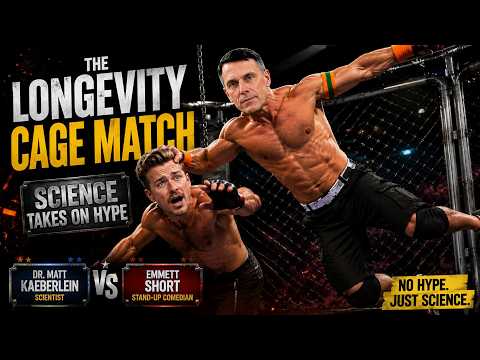
He, Kaeberlein, is lead scientist in the Ken Coit 6-year 750 person human clinical trial of rapamycin at University of Arizona.
Here’s the announcement. Can a Drug Slow Down Aging.
A sweet, well deserved gig!
He, Kaeberlein, is lead scientist in the Ken Coit 6-year 750 person human clinical trial of rapamycin at University of Arizona.
Here’s the announcement. Can a Drug Slow Down Aging.
A sweet, well deserved gig!
This dialogue between Matt Kaeberlein and Brian Kennedy centers on a critical transition in geroscience: shifting from abstract biological metrics to transparent, actionable clinical frameworks. The core thesis is that first-generation aging clocks—primarily DNA methylation profiles—suffer from systemic utility gaps, including high technical variance (poor run-to-run repeatability), a lack of mutual agreement across different algorithms, and a complete absence of clinical actionability. Because these clocks operate as “black boxes,” they fail to provide physicians with a therapeutic target when an accelerated aging score is generated.
To resolve this limitation, the speakers detail LinAge, a second-generation mortality risk clock trained on clinical chemistry parameters from the NHANES dataset. Unlike epigenetic metrics, LinAge utilizes standard, reproducible blood biomarkers (such as HbA1c, LDL-C, and blood pressure) broken down into principal components. This architecture allows clinicians to run in silico simulations, systematically returning isolated abnormal parameters back to optimal ranges to model and prioritize the reduction of an individual’s specific all-cause mortality risk. Rather than deploying non-specific multi-drug regimens, physicians can precisely isolate the physiological systems driving accelerated aging.
The Tricarboxylic Acid (TCA) Cycle. Source: KADAMBARI PATHANIA/SCIENCE PHOTO LIBRARY / Getty Images
The discussion also challenges 15 years of standard longevity dogma regarding Nicotinamide Adenine Dinucleotide (NAD+) dynamics. Recent large-scale clinical data reveal that NAD+ levels in human blood do not systematically decline with chronological age. This insight shifts the focus of metabolic aging toward specific tissue-level bottlenecks rather than systemic blood-based deficiencies. Furthermore, the conversation emphasizes that core metabolic pathways, specifically the tricarboxylic acid (TCA) cycle, are homeostatically buffered; therefore, raw blood metabolite levels have poor diagnostic value. Evidence is shifting toward alternate geroscience interventions, notably spermidine-mediated autophagy and targeted alpha-ketoglutarate (AKG) modulation, as more robust and scalable mechanisms for healthspan extension than systemic oral NAD+ precursor supplementation.
The assertion that first-generation epigenetic clocks suffer from high run-to-run instability and poor algorithm consensus is well-validated within recent geroscience literature. A systematic review by Higgins-Chen et al., 2022 highlighted that technical noise in DNA methylation assays can account for variations of up to 3–9 years when identical samples are re-tested. This technical volatility severely compromises their utility for monitoring short-term clinical interventions.
Furthermore, research by Jylhävä et al., 2017 confirmed that different aging clocks (e.g., Horvath vs. Hannum vs. PhenoAge) capture distinct biological dimensions, resulting in divergent age estimates for the same individual. This lack of convergence supports Kennedy’s argument for shifting toward clinical chemistry-based platforms like LinAge to achieve predictable clinical utility.
The dogma that NAD+ levels systematically decline with age in all human tissues has faced significant empirical challenges. While tissue-specific declines (e.g., in skeletal muscle or brain tissue) have been recorded in rodents, large-scale human data paint a more nuanced picture.
A comprehensive human cohort study by Whitson et al., 2023 and related preprints have established that whole-blood NAD+ concentrations remain tightly regulated and do not exhibit a linear, systemic decrease across healthy aging populations. This supports Kaeberlein’s position that blood metabolite tracking is an improper proxy for intracellular or tissue-specific metabolic status.
The clinical trial mentioned by Kaeberlein regarding a 6 mg dose of spermidine improving vaccine response aligns with data published by Alsaleh et al., 2021, which demonstrated that spermidine restores autophagy in human old-adult T cells, significantly boosting B and T cell responses following vaccination. This provides a clear mechanistic validation for its clinical deployment within the High Confidence Tier of longevity interventions.
To provide a pragmatic framework for clinicians utilizing clinical chemistry-based aging clocks, the underlying architectural mapping of a mortality-trained second-generation clock is organized below. This system translates raw laboratory metrics into weighted risk scores, enabling the in silico modeling described in the text.
| Principal Component (PC) | Primary Laboratory Biomarkers | Targeted Physiological Subsystem | Clinical Intervention Strategy |
|---|---|---|---|
| PC Glycemic | HbA1c, Fasting Insulin, Glucose | Pancreatic Endocrine / Metabolic Efficiency | SGLT2 Inhibitors, Metformin, Carbohydrate Restriction |
| PC Cardiovascular | ApoB, Lp(a), LDL-C, Triglycerides | Atherogenic Lipoprotein Burden | PCSK9 Inhibitors, Ezetimibe, Statin Therapy |
| PC Inflammatory | hs-CRP, Interleukin-6, Fibrinogen | Systemic Inflammatory Cascade (Inflammaging) | Senolytics, Dietary Omega-3 Optimization, IL-1β Blockade |
| PC Renal | Creatinine, Cystatin C, eGFR, BUN | Glomerular Filtration & Nephron Integrity | ACE Inhibitors, ARBs, Precise Hydration Protocols |
| PC Hepatic | ALT, AST, GGT, Alkaline Phosphatase | Hepatocyte Integrity & Xenobiotic Clearance | Alcohol Cessation, NAFLD Reversal, Choline Supplementation |
| PC Hemodynamic | Systolic BP, Diastolic BP, Heart Rate | Vascular Compliance & Autonomic Tone | Autonomic Modulation, Beta-Blockade, Magnesium Intake |
Regarding LinAge, I made a thread about it a while ago.
It’s a little complicated to run, but I got the R script running perfectly. If anybody wants me to run their LinAge for them, follow the instructions here: Does anybody want to calculate their LinAge2 (better than Levine), using blood test biomarkers?
Basically, fill in the spreadsheet with the parameters, send me the file and I’ll run it for you.
It reports back not just biological age but also some categories of where you are low risk or high risk. Very interesting for me and my wife, opening up a few blind spots for us.
This transcript features a technical and historical discussion between geroscience specialists Dr. Matt Kaeberlein and Dr. Steven Austad regarding the trajectory of human longevity research, pharmacological interventions, and the evolutionary biology of aging.
The core thesis posits a dichotomy in geroscience progress over the past quarter-century: while preclinical animal models have yielded highly reproducible mechanisms of lifespan extension, translation to human clinical validation has severely underperformed. Austad defends his long-standing “$1 Billion Bet” with Jay Olshansky, asserting that an individual born before the year 2000 will reach 150 years of age while remaining cognitively intact. This claim is grounded in mammalian interventions (e.g., rapamycin) demonstrating robust efficacy even when initiated late in life, challenging the historical dogma that anti-aging protocols must commence early to alter the aging trajectory.
The conversation critiques the design and stagnation of the Targeting Aging with Metformin (TAME) trial. Formulated in 2015, TAME selected metformin primarily for its multi-decade safety profile and low cost to satisfy regulatory and public health metrics. However, both speakers concede that metformin lacks a definitive, clean molecular target and exhibits uninspiring preclinical lifespan data. In contemporary translation, both favor rapamycin (mTOR inhibition), SGLT2 inhibitors, or GLP-1 receptor agonists as superior candidates over metformin.
Furthermore, the discussion identifies a pervasive “translational gap” generated by relying entirely on short-lived, evolutionarily unrefined laboratory models (e.g., standard mice, C. elegans). Austad argues that these organisms are baseline “sick” and biologically fragile by human standards. To overcome this limitation, geroscience must pivot to studying exceptionally long-lived or resilient species—termed “nature’s successes” (e.g., clams living 500 years with unique proteostatic mechanisms, birds maintaining high metabolic rates without accelerated degradation, and bats preventing muscle attrition during hibernation).
Finally, the dialogue deconstructs popular lifestyle and supplemental trends. It aggressively filters out the hype surrounding nicotinamide adenine dinucleotide (NAD+) precursors and general antioxidant supplementation, categorizing them as scientifically unsubstantiated and prone to massive placebo effects. Caloric restriction (CR) in humans is similarly challenged; while highly effective in sterile, unchallenging laboratory settings, severe CR induces severe muscle mass depletion, hypothermia, and immunologic vulnerability, rendering it an impractical and potentially deleterious strategy for humans.
Matt and Brian are both on the PCSK9i ? And Malcolm Kendrick says it’s a joke. I love this. What a world.
If you want to live a long time, you probably want to go with the recommendations of the best scientists and experts in lipids and cardiology, not the small number of fringe doctors who make outrageous claims to sell books, and get social media followers and YouTube subscribers…
Dr. Malcolm Kendrick is a prominent critic of the lipid hypothesis of cardiovascular disease (CVD). In his publications, including The Great Cholesterol Con and The Clot Thickens, he asserts that low-density lipoprotein (LDL) does not cause atherosclerosis, that dietary saturated fat does not modulate serum LDL cholesterol (LDL-C) in a pathologically meaningful way, and that statin therapy provides negligible benefit.
Evaluating these positions requires contrasting his arguments against the totality of genetic, epidemiological, and clinical trial evidence established by international consensus panels, such as the European Atherosclerosis Society (EAS).
Atherosclerosis is fundamentally an endothelial injury and blood clotting disorder (the modern “thrombogenic hypothesis”). Kendrick argues that LDL is a passive molecule that does not cross a healthy endothelial layer to initiate plaque formation, and that lipid accumulation is merely a secondary consequence of the body attempting to repair arterial “scabs.”
The scientific consensus, formally synthesized in the EAS Consensus Statements on LDL Causality, definitively establishes that LDL is an independent, causal factor in the initiation and progression of atherosclerotic cardiovascular disease (ASCVD).
Pathophysiological Mechanism of LDL Retension and Oxidation in the Arterial Intima. Source: VectorMine / Getty Images
Kendrick’s emphasis on endothelial integrity, the role of the endothelial glycocalyx, and clotting dynamics represents a valid and crucial area of vascular biology. Endothelial dysfunction, systemic inflammation, and a degraded glycocalyx increase the rate of LDL transcytosis and retention. However, while endothelial injury accelerates the disease, apoB-containing lipoproteins remain the mandatory substrate. In the absence of circulating apoB particles, severe atherosclerosis does not occur, even in the presence of severe endothelial damage.
Kendrick asserts that dietary fat, specifically saturated fatty acids (SFAs), cannot raise serum LDL levels because chylomicron metabolism (fat absorption from the gut) is metabolically distinct from the VLDL-to-LDL cascade synthesized by the liver.
While Kendrick is correct that dietary fats are initially packaged into chylomicrons, his assertion that SFAs have no biological mechanism to raise serum LDL-C is biochemically incorrect. The molecular mechanism is well-characterized:
While individuals exhibit variable hyper- or hypo-responses to dietary fats based on genetics (e.g., APOE status), the metabolic pathway linking high SFA intake to reduced LDLR activity and subsequent elevated plasma LDL-C is empirically verified.
Kendrick co-authored a controversial 2016 systematic review published in BMJ Open claiming that in individuals over the age of 60, high LDL-C is either inversely associated or entirely unassociated with all-cause and cardiovascular mortality, suggesting that high LDL is protective in older cohorts.
The paper drew severe criticism from epidemiologists and cardiologists due to significant methodological limitations:
Kendrick argues that statins provide negligible clinical benefit, particularly in primary prevention (individuals without pre-existing CVD), and that the pharmaceutical industry uses relative risk reduction (RRR) instead of absolute risk reduction (ARR) to artificially inflate drug efficacy.
The distinction between RRR and ARR is a critical nuance in public health communication, and Kendrick’s critique of over-reliance on RRR has scientific merit, though his conclusions are skewed.
| Risk Metric | Clinical Context | Public Health Reality |
|---|---|---|
| Relative Risk Reduction (RRR) | Consistently ~22% reduction in major cardiovascular events per 1 mmol/L (~38.7 mg/dL) drop in LDL-C. | Remains uniform across varying baseline risks, demonstrating the constant biological potency of lowering LDL. |
| Absolute Risk Reduction (ARR) | Highly dependent on the individual’s baseline risk. In low-risk primary prevention, a 5-year ARR may only be 1–2%. | While a 1% ARR means 100 people must be treated for 5 years to prevent one event (NNT = 100), across a global population of millions, this translates to tens of thousands of prevented events. |
Modern clinical guidelines have evolved to align with this mathematical reality. Statins are no longer prescribed based on isolated, arbitrary LDL-C thresholds. Instead, multi-variable risk engines (such as the pooled cohort equations or QRISK) assess absolute global risk (integrating age, smoking status, blood pressure, and metabolic markers). Interventions are directed toward individuals where the baseline absolute risk is high enough that the corresponding absolute risk reduction justifies therapy.
A recognized knowledge gap remains regarding the long-term safety and absolute benefit of aggressive lipid lowering in ultra-low-risk, young individuals over a 40-year horizon, as standard clinical trials are logistically restricted to 5-year intervals. However, lifetime risk tracking from genetic models strongly implies that earlier, sustained reductions yield compounding, cumulative benefits that short-term trials underestimate…
Lutein and atherosclerosis: Belfast versus Toulouse revisited
“At the time we speculated like others that role of the carotenoids may well have been to prevent oxidation of lipid in the lipoproteins and so reduce the uptake of oxidised lipid by macrophages and its deposition within the intimal layers of the major arteries as plaque. It is now widely accepted that CHD is an inflammatory disease and that macrophages within plaque together with tissue damage contribute to this inflammation. Stimulated macrophages release cytokines to activate the immune system both locally and systemically. Precursor complement proteins in the blood are activated to assist immune cells in phagocytosis and cell repair. Individuals with a history of arteriosclerosis display significantly higher concentrations of complement factors C3 and C3a than subjects without such a history. Metabolism of C3 via the alternate complement pathway can give rise to the membrane attack complex (MAC) which creates a hole or pore in pathogens or host cells, killing the cell. Recent studies in patients with early age related macular disease (AMD) who also exhibit similar elevated concentrations of complement proteins in their blood, showed supplementation with lutein progressively decreased the amount of the MAC and other complement factors in the blood. Lutein was used in the supplementation experiments because it is an important constituent of macular pigment. Thus the healthier cardiometabolic features displayed by the people in Toulouse may have been due to the effects of concurrent high concentrations of plasma lutein on the immune system and complement in particular.”
Lycopene in the Prevention of Cardiovascular Diseases
“It is believed that the cardioprotective effect of lycopene protection is a result of its potential antioxidant properties responsible, inter alia, for: protection against oxidative stress-induced myocardial hypertrophy by improving ROS production [44], inhibition of stress-induced endoplasmic reticulum damage due to ischemia/reperfusion (I/R) [45], inhibition of LDL oxidative damage [46]; suppression of ventricular remodeling after myocardial infarction by inhibiting apoptosis [47], and improving endothelial function [48].”
Antioxidant and anti-inflammatory mechanisms of action of astaxanthin in cardiovascular diseases (Review)
" The LDL oxidation time in the presence of astaxanthin has been analyzed in vitro and ex vivo . In the in vitro assays, astaxanthin prolonged LDL oxidation in a dose-dependent manner, in addition to being more effective compared with lutein and α-tocopherol. In turn, the blood samples of individuals who were supplemented daily with 1.8, 3.6, 14.4, or 21.6 mg astaxanthin for 14 days evidenced a significant delay in LDL oxidation when compared to samples collected before supplementation, the greatest effect being obtained with the dose of 14.4 mg (oxidation time increased by 5.0, 26.2, 42.3 and 30.7% with 1.8, 3.6, 14.4 and 21.6 mg astaxanthin, respectively) (Table I) (10). Thus, it was demonstrated that the intake of astaxanthin delayed LDL oxidation, one of the key factors involved in the process of atherosclerosis."
Lutein, zeaxanthin, and meso-zeaxanthin supplementation attenuates inflammatory cytokines and markers of oxidative cardiovascular processes in humans
“Our data show that L, Z, & MZ supplementation results in decreased serum IL-1β, TNF-α, and OxLDL. This suggests that these carotenoids are acting systemically to attenuate oxidative lipid products and inflammation, thus reducing their contribution to atherosclerotic plaque formation.”
I do take 20mg lycopene, 60 mg astaxanthin, and lutein and zeaxanthin, though not meso-zeaxanthin. Maybe that’s what is keeping me out of trouble. Good to know there’s positive data and thoughts on them.
I take doxycycline 100mg every 2 weeks with my Rapa, but doubt that’s enough to do much. I’ve thought about increasing it. Really wish they would start selling the Doxy-Myr. It could help with cancer and heart disease both.
Good call out. I have not checked this person out much but did search a few videos and posts etc.
A new video on YouTube it seems he already contradicted himself on cardiovascular medications and what he considers the main importance of cardiovascular health.
Starts at 1:00:35https://www.youtube.com/watch?v=pq-va0SqJb4
“sun exposure synthesizes nitric oxide in your body. Nitric oxide is the single most important molecule for your cardiovascular health.”
Then at 1:03:26
“The other interesting thing about statins, which I almost hate to admit because I’m not a statin fan, is that they increase nitric oxide synthesis in your body.”
No clue what he recommends for nitric oxide or other cardiovascular help. But big pharma will blow anything away he would recommend for it.
Good luck beating pde5i’s (viagra), citrulline powder, vitamin c, beet root powder… arb’s/acei’s, statins.
Other good Rx meds to help nitric oxide also, and beyond for cardiovascular help.
The con here is this guy fear mongering people to avoid Rx medications.
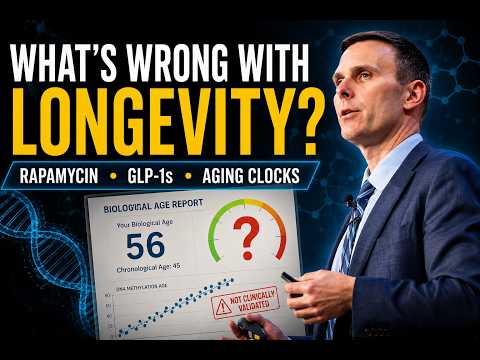
The core thesis presented by geroscience researcher Dr. Matt Kaeberlein demands absolute scientific rigor, semantic precision, and clinical pragmatism within the emerging field of healthspan medicine. Transitioning from academic discovery to scalable healthcare technology, Kaeberlein critiques the widespread commercial degradation of “longevity medicine.” He systematically challenges the validity of prevailing direct-to-consumer molecular diagnostic tools, specifically epigenetic clocks, emphasizing that they fail to provide clinically actionable data, lack industry-wide quality controls, and merely map a correlation of a correlation rather than measuring true biological age.
Kaeberlein frames biological aging as an active, malleable, and non-linear process governed by complex genetic and environmental networks rather than simple chronological duration. While acknowledging the utility of the traditional hallmarks of aging, he highlights their severe structural limitations and high interconnectedness; modifying singular master nodes like the mechanistic target of rapamycin (mTOR) can alter the entire network of functional declines simultaneously. Proactive geroscience interventions hold orders of magnitude greater statistical power to extend human healthspan than traditional, reactive, single-disease medicine. For instance, epidemiologically eradicating all forms of cancer or ischemic heart disease individually yields minor additions to remaining life expectancy (~3 years each), whereas slowing global aging mechanisms delays the onset and progression of almost all chronic disease states concurrently.
However, translation remains deeply bottlenecked by systemic clinical hype. Robust mammalian data confirms that the historical upper limit of post-developmental lifespan extension remains extreme caloric restriction—established nearly 50 years ago—with rapamycin demonstrating approximately half of that magnitude. No modern commercial compound or highly publicized technique, including epigenetic reprogramming, has systematically outperformed these benchmarks in robust mammalian models. Furthermore, the clinical longevity field is increasingly compromised by the reckless, unvalidated prescription of speculative peptides, multi-supplement stacks, and premature gene therapies that operate in a complete vacuum of safety and efficacy data. The immediate, rational path forward requires anchoring clinical care to verified lifestyle therapeutics—nutrition, exercise, sleep, and social connection—tracked via reproducible biomarkers and objective structural scanning like annual dual-energy X-ray absorptiometry (DEXA), alongside leveraging artificial intelligence tools to democratize and scale low-cost healthspan interventions globally.
Apsley, A. T. (2026). From population science to the clinic? Limits of epigenetic clocks as personal biomarkers. PMC. From Population Science to the Clinic? Limits of Epigenetic Clocks as Personal Biomarkers - PMC
Bell, C. G., Lowe, R., Adams, P. D., Baccarelli, A. A., Beck, S., Bell, J. T., Christensen, B. C., Gladyshev, V. N., Heijmans, B. T., Horvath, S., Ideker, T., Issa, J. P. J., Kelsey, K T., Marioni, R. E., Reik, W., Relton, C. L., Schalkwyk, L. C., Teschendorff, A. E., Wagner, W., Zhang, K., & Rakyan, V. K. (2019). DNA methylation aging clocks: challenges and recommendations. Genome Biology, 20(1). https://doi.org/10.1186/s13059-019-1824-y
Das, S. K., Roberts, S. B., Bhapkar, M. V., Villareal, D. T., Fontana, L., Martin, C. K., Racette, S. B., Fuss, P. J., Kraus, W. E., Wong, W. W., Saltzman, E., Pieper, C. F., Fielding, R. A., Schwartz, A. V., Ravussin, E., & Redman, L. M. (2017). Body-composition changes in the Comprehensive Assessment of Long-term Effects of Reducing Intake of Energy (CALERIE)-2 study: a 2-y randomized controlled trial of calorie restriction in nonobese humans. The American Journal of Clinical Nutrition, 105(4), 913–927. https://doi.org/10.3945/ajcn.116.137232
Dorling, J. L., van Vliet, S., Huffman, K. M., Kraus, W. E., Bhapkar, M., Pieper, C. F., Stewart, T., Das, S. K., Racette, S. B., Roberts, S. B., Ravussin, E., Redman, L. M., & Martin, C. K. (2020). Effects of caloric restriction on human physiological, psychological, and behavioral outcomes: highlights from CALERIE phase 2. Nutrition Reviews, 79(1), 98–113. https://doi.org/10.1093/nutrit/nuaa085
Flanagan, E. W., Most, J., Mey, J. T., & Redman, L. M. (2020). Calorie restriction and aging in humans. Annual Review of Nutrition, 40(1), 105–133. https://doi.org/10.1146/annurev-nutr-122319-034601
Gulej, R. (2026). Plasma-based strategies for systemic rejuvenation: critical perspectives on clinical translation. PubMed. Plasma-based strategies for systemic rejuvenation: critical perspectives on clinical translation - PubMed
Imbimbo, B. P., Ippati, S., Ceravolo, F., & Watling, M. (2020). Perspective: Is therapeutic plasma exchange a viable option for treating Alzheimer’s disease? Alzheimer’s & Dementia: Translational Research & Clinical Interventions, 6(1). https://doi.org/10.1002/trc2.12004
Liang, R., Tang, Q., Chen, J., & Zhu, L. (2024). Epigenetic clocks: beyond biological age, using the past to predict the present and future. Aging and Disease. https://doi.org/10.14336/ad.2024.1495
Roark, K. M. (2026). Rapamycin for longevity: the pros, the cons, and future perspectives. PMC. Rapamycin for longevity: the pros, the cons, and future perspectives - PMC
Really well done! Thanks for posting.
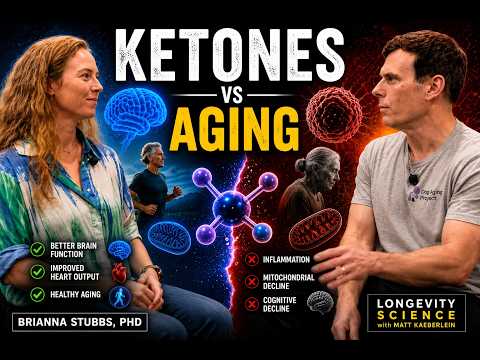
This technical evaluation synthesizes the geroscience and metabolic data regarding exogenous ketone bodies (EK) as potential gerotherapeutics, isolating verified clinical signals from commercial hype. The core thesis posits that ketone bodies—primarily beta-hydroxybutyrate (BHB) and acetoacetate (AcAc)—have transitioned in scientific understanding from simple energetic substrates to complex epigenetic and metabolic signaling molecules. While endogenously produced via fasting or strict carbohydrate restriction, EKs establish a unique non-physiological state of “fed ketosis,” where circulating ketones (1.0–3.0 mmol/L) coexist with intact glycogen and carbohydrate reserves.
Translational data reveal severe discrepancies across clinical domains. In athletic performance, initial findings of carbohydrate sparing and a 4% endurance enhancement have failed to replicate consistently; roughly 75% of subsequent independent trials yield null results, rendering performance claims speculative and highly individualized. Conversely, the signal for post-exercise recovery, anti-catabolic muscle preservation under inflammatory stress, and cardiovascular and neurological therapeutics is robust. Right-heart catheterization and metabolic tracer trials demonstrate that EKs induce a dose-dependent expansion of cardiac output and cerebral blood flow, likely mediated via nitric oxide synthase pathways. Furthermore, human endotoxemia models confirm that BHB acts as a potent anti-catabolic agent, significantly decreasing muscle protein breakdown during acute inflammatory insults.
In geroscience, model organism longevity extensions and rodent healthspan data are well-replicated. However, the National Institute on Aging Interventions Testing Program (ITP) data for the ketone precursor 1,3-butanediol showed inconsistent lifespan extension, leaving a major knowledge gap: whether isolated EK administration can fully recapitulate the geroscience benefits of systemic ketogenic diets. EKs consistently suppress blood glucose and free fatty acids via PUMA-G (HCA2) receptor activation without triggering clinical hypoglycemia, as ketones seamlessly substitute for cerebral glucose. The clinical implementation of EKs faces severe translational bottlenecks, including resource constraints preventing comprehensive multi-arm dose-response trials, severe palatability and gastrointestinal tolerability limits, a lack of point-of-care tracking for acetoacetate, and an absence of proprietary intellectual property for natural metabolites. Future clinical validation demands rigorous, long-term, washout-controlled trials to separate acute, transient substrate fueling from persistent, structural healthspan improvements.
| Claim from Video | Speaker’s Evidence | Scientific Reality (Current Data) | Evidence Grade | Verdict |
|---|---|---|---|---|
| Exogenous ketones improve elite athletic performance by ~4%. | Seminal Oxford paper (Cox et al.) showing carbohydrate sparing and reduced lactate. | Subsequent clinical literature (20–30 human trials) demonstrates ~75% null results. No uniform performance benefit exists; outcomes are highly individualized and context-dependent (Margolis et al., 2020). | Level B(Inconsistent human RCTs) | Speculative(Unsupported for general performance; Plausible for post-exercise recovery) |
| Exogenous ketones acutely improve overall human cognitive performance across healthy and clinical cohorts. | A systematic review and meta-analysis of ~30 human protocols analyzing ketone drinks and cognition. | Confirmed by a comprehensive meta-analysis of 29–38 protocols demonstrating a modest but statistically significant positive effect on overall cognitive performance (SMD = 0.26–0.29, p < 0.001) in both healthy adults and neurodegenerative states (Stubbs et al., 2026). | Level A(Human Meta-analyses) | Strong Support |
| Exogenous ketones robustly increase cardiac output and improve hemodynamics in heart failure. | Acute IV infusion data demonstrating an exposure-response relationship and a 14-day human trial in Denmark showing sustained hemodynamic improvements. | Confirmed by a double-blind crossover RCT in Denmark showing that 14-day oral ketone ester administration significantly increased resting and exercise cardiac output and LVEF in HFrEF patients, with benefits persisting at trough washout (Dalsgaard et al., 2024). However, acute dosing in HFpEF patients did not improve peak VO2 or exercise endurance (KETO-HFpEF Trial, 2025). | Level B(Human RCTs) | Strong Support(For HFrEF hemodynamics); Unsupported(For HFpEF acute exercise tolerance enhancement) |
| Ketone bodies exert potent anti-catabolic effects by directly suppressing muscle protein breakdown during acute inflammatory stress. | Human LPS (lipopolysaccharide) infusion study with labeled amino acid and ketone tracers performed in Denmark. | Human endotoxemia trials verify that 3-hydroxybutyrate (3OHB) infusions during acute inflammatory challenges exert potent anti-catabolic actions, where the reduction of muscle protein breakdown overrides any concurrent inhibition of protein synthesis (Thomsen et al., 2018). | Level B(Human RCTs) | Strong Support |
| Isolated ketone bodies extend lifespan and recapitulate the full healthspan benefits of a ketogenic diet. | Model organism data (C. elegans) showing lifespan extension and rodent healthspan studies (Newman/Ramsey 2017). | While simple model organisms show lifespan extension and mice on full ketogenic diets show robust healthspan/lifespan extensions (Newman et al., 2017), direct administration of isolated ketones (via 1,3-butanediol) in the NIA Interventions Testing Program (ITP) failed to show uniform, reproducible lifespan extension across sexes (Jiang et al., 2024). | Level D(Pre-clinical) | Translational Gap (Lifespan extension unverified in mammals; healthspan benefits are Plausible but structurally unverified for isolated EKs vs full diets) |
“C8 MCT Oil (Caprylic Acid): An indirect precursor that bypasses the normal digestive track to go straight to the liver, rapidly converting into natural ketones.”
I use MCT C8 oil only because I don’t like any of the BHB salts. I was already putting it in my coffee, having evolved from “Bulletproof” coffee. It acts much like a coffee creamer.
Well I learned something anyway. I’ve been taking 10 grams of the salt. I thought it was a decent dose but no. I need to figure out how much of that is the sodium, potassium, magnesium and how much ketone I’m getting. It looks like I need a scoop 3 times bigger at least. This raises the cost as well.
Ha ha she was fun to watch. I wonder if she runs at that speed all the time or just excited to be here. Impressive interview.
The core thesis of Matt Kaeberlein’s address centers on a critical, paradigm-shifting evaluation of contemporary longevity science, emphasizing the stark translational gap between direct-to-consumer hype and validated clinical medicine. Kaeberlein highlights that the expanding definition of longevity across wellness and functional medicine sectors has introduced substantial clinical noise and systemic miscommunication. He asserts that while slowing the fundamental biology of aging concurrently extends both lifespan and healthspan, modern medicine has historically achieved the inverse—extending lifespan through reactive, end-stage disease management without preserving functional healthspan.
A primary critique is leveled at commercial biological and epigenetic aging clocks. Kaeberlein categorically states that these diagnostic tools do not measure fundamental biological aging; rather, they process surrogate markers weakly correlated with population-level mortality risks or chronological age. Because direct-to-consumer multi-omic and epigenetic platforms remain structurally opaque, with unverified analytical precision (reproducibility) and accuracy (proximity to true values), they cannot validly inform individual clinical care or track longitudinal protocol efficacy. Instead, clinicians should prioritize established, high-precision biomarkers—including fasting glucose, insulin, lipids, systemic inflammatory markers, and functional metrics such as VO2 max, muscle strength, and heart rate variability (HRV)—which possess definitive predictive validity for all-cause mortality.
Translationally, Kaeberlein emphasizes the Dog Aging Project as a vital, highly tractable bridge to human geroscience. Companion dogs serve as superior models because they age rapidly (a roughly seven-to-one ratio relative to humans) and mirror heterogeneous human environmental exposures. Regarding pharmacologics, rapamycin remains the most robust, reproducible small molecule extending lifespan across diverse animal models, though human data remains strictly anecdotal; a specific subset of patients presenting with chronic post-viral or sterile inflammation exhibit significant quality-of-life improvements off-label. Similarly, GLP-1 receptor agonists present intriguing anti-aging signals separate from weight loss, but run systemic risks of lean tissue wasting. Ultimately, Kaeberlein argues that the longevity field has narrowed prematurely around the traditional “Hallmarks of Aging,” which capture only a minor fraction of the complete aging architecture. Addressing these expansive knowledge gaps demands a redirection of institutional capital toward high-throughput discovery science and rigorous, combinatorial intervention testing.
Protocols validated by definitive Level A/B clinical data and established biological consensus.
Protocols supported by Level C/D evidence (animal models or observational data) featuring high safety margins but unproven human longevity efficacy.
Claims or practices currently debunked, structurally unvalidated, or carrying high unmitigated risks.
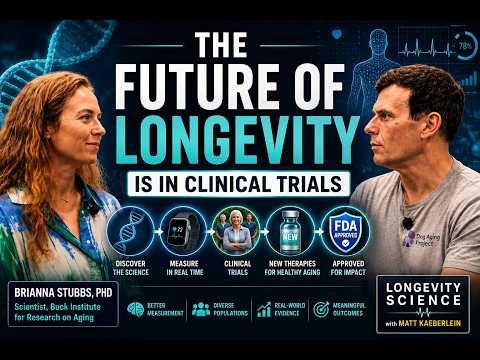
The translation of geroscience from basic animal models to human clinical trials represents a critical inflection point in longevity medicine. This clinical trial portfolio at the Buck Institute for Research on Aging shifts focus from chronic disease treatment to proactive physiological optimization across diverse human cohorts.
Central to this effort are multi-center trials investigating exogenous ketone esters. The 20-week, placebo-controlled, double-blind TAKEOFF trial evaluates the functional outcomes of ketone ester dosing in 180 pre-frail older adults. Concurrent mechanistic studies assess how oral ketone tolerance shifts across varying age cohorts and diabetic phenotypes to establish precision dosing regimens. Preliminary pilot data indicate that exogenous ketones modulate proteomic markers of aging, specifically altering the senescent-associated secretory phenotype (SASP) and immune-phenotypic profiles.
Parallel interventional work targets dicarbonyl stress and advanced glycation end-products (AGEs). A randomized, double-blind, placebo-controlled crossover study evaluates a multi-component anti-glycation supplement in postmenopausal women with elevated metabolic risk profiles. Rather than relying on downstream phenotypic markers like weight loss, the primary clinical endpoint is strictly mechanistic, measuring direct reductions in circulating AGEs and methylglyoxal (MGO).
The portfolio also addresses environmental and behavioral variables through comparative cohorts. The Lifelong Elite Exercise study pairs 65-to-80-year-old ultra-endurance athletes with sedentary controls, using deep mitochondrial phenotyping and 3D muscle organoids to separate intrinsic biological clock deceleration from socioeconomic advantages. This is counterbalanced by the Ageless Homelessness study, a longitudinal collaboration with UCLA investigating accelerated epigenetic and physiological aging driven by chronic socioeconomic and structural hardship.
Finally, deep phenomic mapping is deployed via ARPA-H funded initiatives. The BETA study combines continuous glucose monitors (CGMs) and multi-sensor wearables with in-clinic tolerance tests to isolate tissue-specific insulin resistance upstream of clinical diagnoses. The TIME study tracks the human phenome across 11 weeks, collecting serial multi-omic data alongside a highly intensive 12-hour multi-sampling protocol to define the circadian stability of biological clocks and isolate behaviorally driven weekend effects. These intensive metrics feed directly into the five-year ARPA-H PROSPER program, which leverages the World Health Organization’s Intrinsic Capacity framework to establish an objective, function-focused regulatory pathway with the FDA for validating repurposed and novel gerotherapeutic compounds.
[Boonen et al., 2018](https://doi.org/10.1093/jn/nxy236).[Frontiers Systematic Review, 2026](https://www.frontiersin.org/journals/nutrition/articles/10.3389/fnut.2026.1802531/full). Long-term efficacy for pre-frail populations is currently undergoing definitive multi-site validation.[Lv et al., 2011](https://pubs.acs.org/doi/10.1021/tx100457h). While preclinical mouse longevity trends are highly compelling, robust human crossover data clarifying exact changes in reproductive and endocrine markers (such as FSH and estradiol) remain under active clinical recruitment.The foundational thesis of this discussion between biogerontologist Matt Kaeberlein and Dr. Darshan Shah centers on a highly critical, probabilistically driven risk-reward evaluation of modern longevity interventions. Kaeberlein argues that the longevity and wellness industries have allowed marketing to aggressively outpace clinical validation, fostering “wellness blinders” where consumers systematically assume safety in the absence of evidence. He contrasts unregulated, unvalidated therapies—specifically gray-market research peptides—against robustly replicated geroscience frameworks like the National Institute on Aging’s Interventions Testing Program (ITP).
A primary focal point is the systemic failure of pharmaceutical and regulatory architectures to validate off-patent or repurposed molecules for healthspan expansion. Because pharmaceutical entities lack patent incentives to fund high-cost clinical trials for existing compounds, and public bodies like the NIH allocate resources primarily to low-translational-yield basic science, potentially high-impact geroprotectors remain stranded in clinical ambiguity. Kaeberlein outlines a pragmatic solution: a human equivalent of the ITP or a broader deployment of the FDA’s conditional approval pathways—modeled after the Center for Veterinary Medicine—which require rigorous safety dossiers but allow post-market conditional timeline enforcement for long-term efficacy validation.
Analyzing specific interventions, Kaeberlein highlights that true biological aging modulation requires large therapeutic effect sizes across multiple organ systems, a standard achieved by very few molecules. The gold-standard data from the triplicate-replicated mouse ITP establishes rapamycin, acarbose, 17-alpha-estradiol, and SGLT2 inhibitors as the premier candidates for true lifespan and systemic healthspan extension. Conversely, widely hyped compounds such as resveratrol, metformin, and NAD+ precursors (nicotinamide riboside) failed to show robust lifespan extension in high-quality, long-lived control mouse cohorts, a pattern mirrored by conflicting human epidemiology. Ultimately, the discourse advocates for a strategic pivot away from unverified “shiny object” molecules toward evidence-based proactive healthcare built upon verified, repurposed pharmaceuticals, lifestyle modification, and clinical biomarker tracking rather than unvalidated commercial epigenetic metrics.
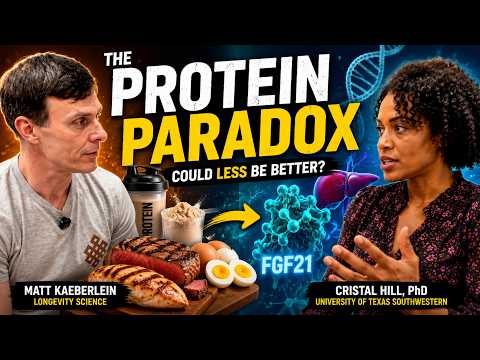
The discourse analyzes the physiological role of Fibroblast Growth Factor 21 (FGF21) as the principal liver-derived endocrine signal orchestrating metabolic and behavioral adaptations to dietary protein restriction. In rodent models, protein restriction consistently increases lifespan and healthspan via an FGF21-dependent mechanism; furthermore, direct genetic over-expression or novel adeno-associated virus (AAV)-mediated gene therapy targeting skeletal muscle can extend mouse life expectancy by more than 20% by enhancing mitochondrial function and restoring proteostasis.
However, translating these preclinical outcomes to human biology reveals a profound metabolic paradox. Clinical data demonstrate that reducing dietary protein intake to the Recommended Dietary Allowance (RDA) elevates circulating FGF21, boosting the basal metabolic rate by approximately 20% and inducing the browning of subcutaneous white adipose tissue. Yet, this energetic acceleration occurs alongside deleterious structural trends, specifically a loss of lean muscle mass and a paradoxically elevated deposition of visceral fat. This introduces distinct translational risks for aging human populations, where sarcopenia, frailty, and anabolic resistance present primary mortality vectors.
The endocrine architecture is further complicated by sex-dependent dimorphisms and central nervous system feedback loops. Preclinical models reveal that young females exhibit systemic resistance to protein restriction-induced adaptations, preferentially preserving energy for reproductive capacity until transitioning into estropause. Mechanistically, FGF21 acts within a bifurcated brain circuit: the hindbrain dictates motor-sensory appetite behaviors and drives compensatory hyperphagia, whereas the hypothalamus modulates downstream endocrine and metabolic outputs. Critically, complete ablation of FGF21 under low-protein conditions accelerates mortality and converts visceral fat depots into a hyper-inflammatory, senescent state (“inflammaging”). Genetic heterogeneity at the human FGF21 locus also accounts for highly individualized metabolic and behavioral responses to nutritional stressors, such as protein restriction or alcohol consumption. Consequently, direct protein restriction to the RDA cannot be universally endorsed as a longevity strategy without mitigating its skeletal muscle costs through concurrent resistance exercise protocols.
Note: The 5-week human metabolic rate trial and the exact Sydney resistance cohort configurations remain unverified in comprehensive live searches for level A meta-analyses.
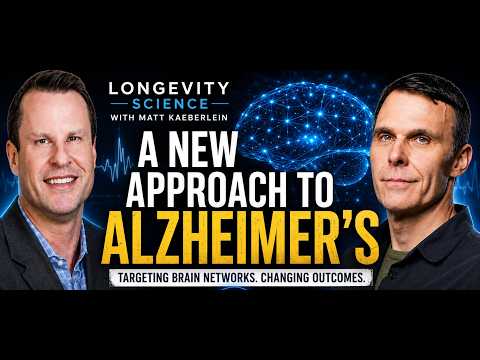
The core thesis of this investigation centers on reframing Alzheimer’s disease (AD) as a fundamental structural disorder of neural network dysregulation rather than an isolated proteinopathy driven exclusively by amyloid-beta and tau accumulation. While traditional biotechnology has historically focused on anti-amyloid monoclonal antibodies, these interventions clear protein aggregates but yield only modest clinical slowing (typically 27–29%). In contrast, targeting the large-scale functional architecture of the brain—specifically the Default Mode Network (DMN)—addresses the network-level disconnections that manifest up to 20 years before clinical symptom onset. The DMN, centered heavily around the precuneus hub, governs episodic memory, self-narrative, and internal mentation. In AD, this network experiences early hypometabolism, hyperactivation, and subsequent signaling degradation, initiating a pathological cascade that promotes protein deposition, neuroinflammation, and downstream neurodegeneration.
Synaptica Therapeutics’ therapeutic strategy utilizes an investigational, non-invasive neuromodulation system combining repetitive transcranial magnetic stimulation (rTMS) with real-time electroencephalography (EEG) and structural MRI neuronavigation. This closed-loop configuration resolves a historical limitation of traditional TMS: the lack of personalized target and dosage confirmation. Because the anatomy and connectivity of the precuneus vary by centimeters between individuals, blind stimulation carries a distinct risk of off-target failure or overstimulation-induced seizures. By reading transcranial evoked potentials via a 64-channel EEG, clinicians can track energy propagation through the DMN, calibrate individualized electromagnetic dosages, and confirm precise target engagement.
Phase II clinical trial data demonstrates profound clinical efficacy using this personalized approach. In a 24-week randomized, double-blind, sham-controlled trial of mild-to-moderate AD patients, high-frequency rTMS to the precuneus slowed clinical progression by 82% on the Clinical Dementia Rating Scale-Sum of Boxes (CDR-SB) and preserved activities of daily living by 109% relative to sham [Koch et al., 2022]. A subsequent 52-week extension confirmed sustained benefit, demonstrating a significant slowing in cognitive decline and an 87% preservation of functional autonomy, alongside reductions in neuropsychiatric symptoms like apathy and agitation [Koch et al., 2025]. Mechanistically, this localized stimulation induces long-term potentiation (LTP) plasticity, upregulates plasma Brain-Derived Neurotrophic Factor (BDNF), enhances local gamma oscillations, increases dopamine receptor sensitivity, and suppresses pro-inflammatory cytokines such as IL-6. Furthermore, randomized crossover data in healthy volunteers demonstrates that acute, targeted precuneus stimulation yields a 40–60% boost in associative memory retention that persists for up to seven days, opening therapeutic avenues for treating normal age-related cognitive decline.
Produced by Gemini 2.0 Flash
Federal pre-approval access pathways, specifically Expanded Access (Compassionate Use) and the federal Right to Try (RTT) Act of 2018, have failed to deliver experimental therapeutics to the estimated 13 million Americans suffering from serious or terminal illnesses. While the Food and Drug Administration (FDA) approves over 99% of Expanded Access applications, fewer than a few thousand patients receive treatment annually under Expanded Access, and fewer than 100 have accessed therapies via federal RTT over eight years. This systemic failure stems from asymmetric risk-reward structures imposed on biotechnology companies. Under federal law, manufacturers are legally restricted to pricing pre-approval drugs strictly “at cost,” prohibiting reimbursement for legal, administrative, and protocol overhead. Combined with potential reputational damage from adverse events in high-risk patients—which severely threatens venture fundraising in tight capital markets—biotechs face significant financial losses and regulatory exposure without economic upside.
Montana’s state-level Expanded Right to Try law dismantles these disincentives through three structural innovations. First, it eliminates the “at-cost” pricing constraint, granting manufacturers, review boards, and clinics complete pricing flexibility. This allows biotechs to cover operational overhead, generate non-dilutive revenue, and collect real-world clinical data without charging full commercial pipeline amortizations. Second, the law removes the prerequisite that a patient must present with an immediately life-threatening or terminal condition. This expands legal access to preventive interventions—such as personalized post-surgical cancer vaccines for patients in remission with elevated recurrence risk—and quality-of-life therapies for chronic conditions like paralysis or neurodegeneration. Third, the framework mandates state-level institutional architecture comprising Experimental Treatment Review Boards (ETRBs) and Experimental Treatment Clinics (ETCs).
ETRBs operate as streamlined, safety-centric institutional review boards composed of a licensed physician, a bioethicist, a clinical trial data specialist, and a flexible member. Biotechs submit protocols for an administrative fee of $10,000, with review turnaround times of one to two weeks compared to multi-year institutional delays. To qualify, therapies must have successfully completed Phase 1 human safety testing. By shifting governance from federal gatekeeping to patient autonomy and structured state oversight, Montana establishes a commercialization pathway for post-Phase 1 biopharmaceuticals.
Produced by Gemini 2.0 Flash