Is there a trusted pharmacy that is typically used?
1 Like
See here:
- Buy Rapamycin Online - List of Reliable Pharmacies
- What Brands of Medications to buy: Generally Good Indian Pharma Companies
2 Likes
Doing further research, I am wondering about drug interactions. For example, what if your version of poor glucose control does not result from any defect in beta cells GSIS, and since one way in which imeglimin works is that it “fixes” GSIS, you may surmise that imeglimin might not be for you. But what if you are also taking another drug, say, sirolimus, which longer term or with some protocols (daily dosing?) actually damages beta-cells GSIS? Now you might be adding this defect to your glucose control issues, and what if under those circumstances (i.e. you taking sirolimus) taking imeglimin might make sense, whereas without sirolimus it does not.
Evidence for Rapamycin Toxicity in Pancreatic β-Cells and a Review of the Underlying Molecular Mechanisms
Quote:
“Overall, the majority of these studies demonstrate significant effects of rapamycin on glucose homeostasis, and the combined evidence strongly suggests that rapamycin adversely affects GSIS from β-cells.”
Of course, GSIS from beta-cells can be impacted through various mechanisms, so it remains to be shown whether imeglimin can “fix” the damage sirolimus does to beta-cells. Again we need to take a closer look at the MOA of both drugs to guess at any possible interaction, and then test it. The research continues.
3 Likes
“suppresses hepatic neoglucogenesis” “fixes GSIS”
Aren’t these good things? GSIS declines with age.
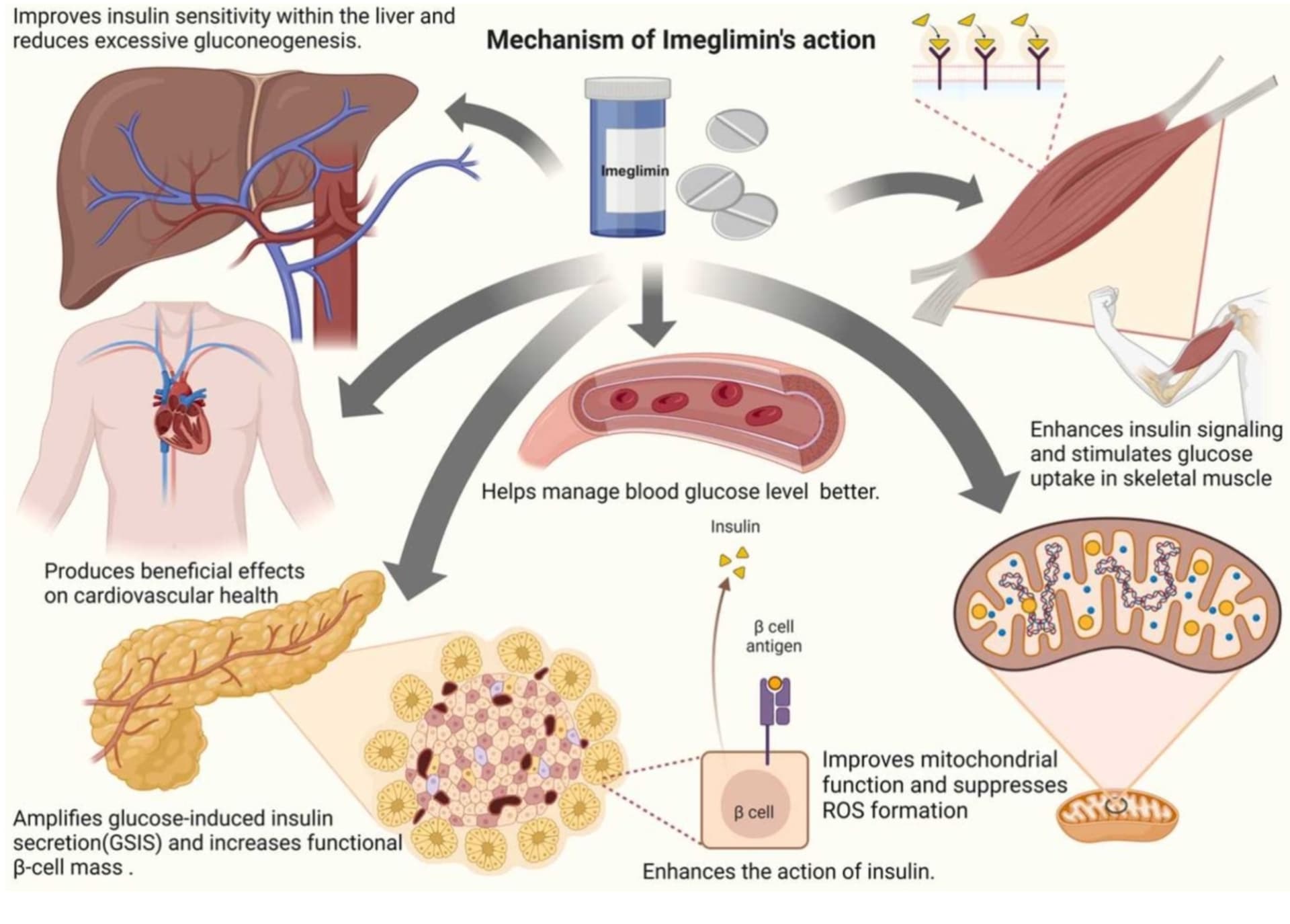
(Gemini)
"Yes, Imeglimin suppresses hepatic gluconeogenesis (the production of new glucose by the liver). It is a core part of its “dual-benefit” mechanism of action, which targets the liver, skeletal muscle, and pancreatic beta cells.
Mechanism in the Liver
Imeglimin reduces excessive glucose production through several mitochondrial-dependent pathways:
Mitochondrial Rebalancing: It acts on the mitochondrial respiratory chain by partially and competitively inhibiting Complex I and restoring the activity of Complex III.
Energy Regulation: This rebalancing lowers the ATP/ADP ratio and increases mitochondrial redox potential in hepatocytes, which reduces the driving force for gluconeogenesis."
"Age-Related Decline in GSIS
In humans, beta cell function generally declines with age, estimated at a rate of approximately 1% per year. This decline is often independent of peripheral insulin resistance or body mass index.
Reduced Stimulated Secretion: Islets from younger donors (<40 years) typically exhibit significantly higher GSIS than those from older donors.
Elevated Basal Secretion: Aging is often associated with an increase in basal (fasting) insulin secretion, which may represent a compensatory state but also reduces the cell’s “dynamic range” when stimulated by high glucose.
Mechanisms of Dysfunction."
4 Likes
Apparently in a percentage of users SGLT2i can increase the risk of erythrocytosis (see paper below). If imeglimin prolongs how long erythrocytes persist in the serum, then wouldn’t the concurrent use of both drugs further elevate the risk of erythrocytosis?
From the canagliflozin thread, a paper posted by @Davin8r:
Erythrocytosis and thromboembolic risks associated with SGLT2 inhibitors in type 2 diabetes
1 Like
It certainly could, and would be potentially even worse with testosterone + SGLT2i + imeglemin. T and SGLT2i mainly work by stimulating production of RBC, so if then you add in a drug that reduces RBC senescence/removal then I’d expect to see even more of an increase in hemoglobin/hematocrit.
3 Likes
Then slow titration should be used, with frequent blood draws. And looking for hemo increasing.
1 Like
6 Likes
Have you made any tests? Glucose maybe?
1 Like
I’m starting today. I use a CGM and I take fingerpick glucose every morning.
4 Likes
Fantastic. Super interested in this. Please keep us posted. Also very interested in BG now that you’ve stopped pio, but before you start up on ime otherwise it’ll be hard to disentangle the effects of one vs the other. I think ime is less potent in glucose lowering than metformin, and since met did nothing much for you (did zilch for me), I think if there’s an effect, it’ll really be down to the different MOA.
4 Likes
Well, your reports with numbers will be much appreciated.
Same for me. metformin did not change anything. That said imeglimin has more MOAs than metformin:
(Gemini 3 pro)
Imeglimin does everything Metformin does (sensitizes the body to insulin), but it also stimulates the pancreas to release insulin in response to glucose (Glucose-Stimulated Insulin Secretion, or GSIS).
Imeglimin promotes the synthesis of NAD+ (via the salvage pathway). Increased NAD+ leads to higher intracellular calcium levels in pancreatic beta-cells, which is the direct trigger for insulin release.
Imeglimin has been shown to prevent the opening of the Mitochondrial Permeability Transition Pore (mPTP) . When this pore opens, cells die (apoptosis). By keeping it closed, Imeglimin helps preserve pancreatic beta-cell mass, potentially slowing the progression of diabetes.
5 Likes
I ordered the same brand, and it’s on its way. I am hoping it will lower my fasting glucose levels.
Metformin worked fine for me until I developed an intolerance for it.
Glynase and empagliflozin do nothing for me, at least compared to metformin.
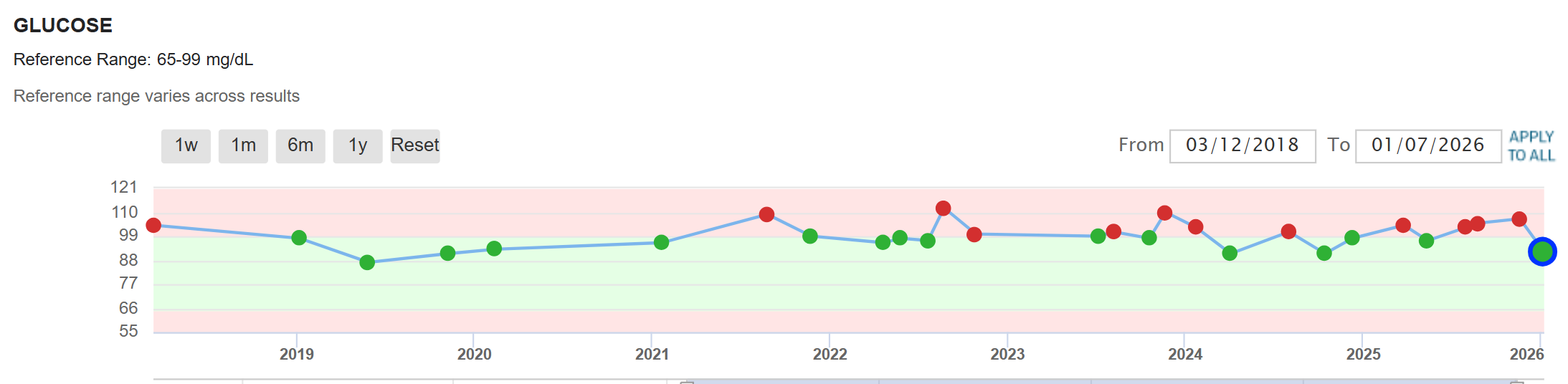
My fasting glucose is suboptimal, which is contrary to the rationale that we want all of our bloodwork to be optimal for longevity. I can lower my fasting glucose by fasting longer than usual and drinking lots of water before my blood test. My own in-home test tells a different story. My morning glucose reading after being up for two hours and fasting for 14 hours is always between 101 and 110. I would like it to be between 90 and 100.
Of course, my doctor is not concerned and will not prescribe further medications until my fasting glucose and A1C become significantly worse. Two doctors have told me that at my age, everything is okay. They are not longevity doctors.
4 Likes
Tracking fasting insulin, and A1c will also be very useful.
3 Likes
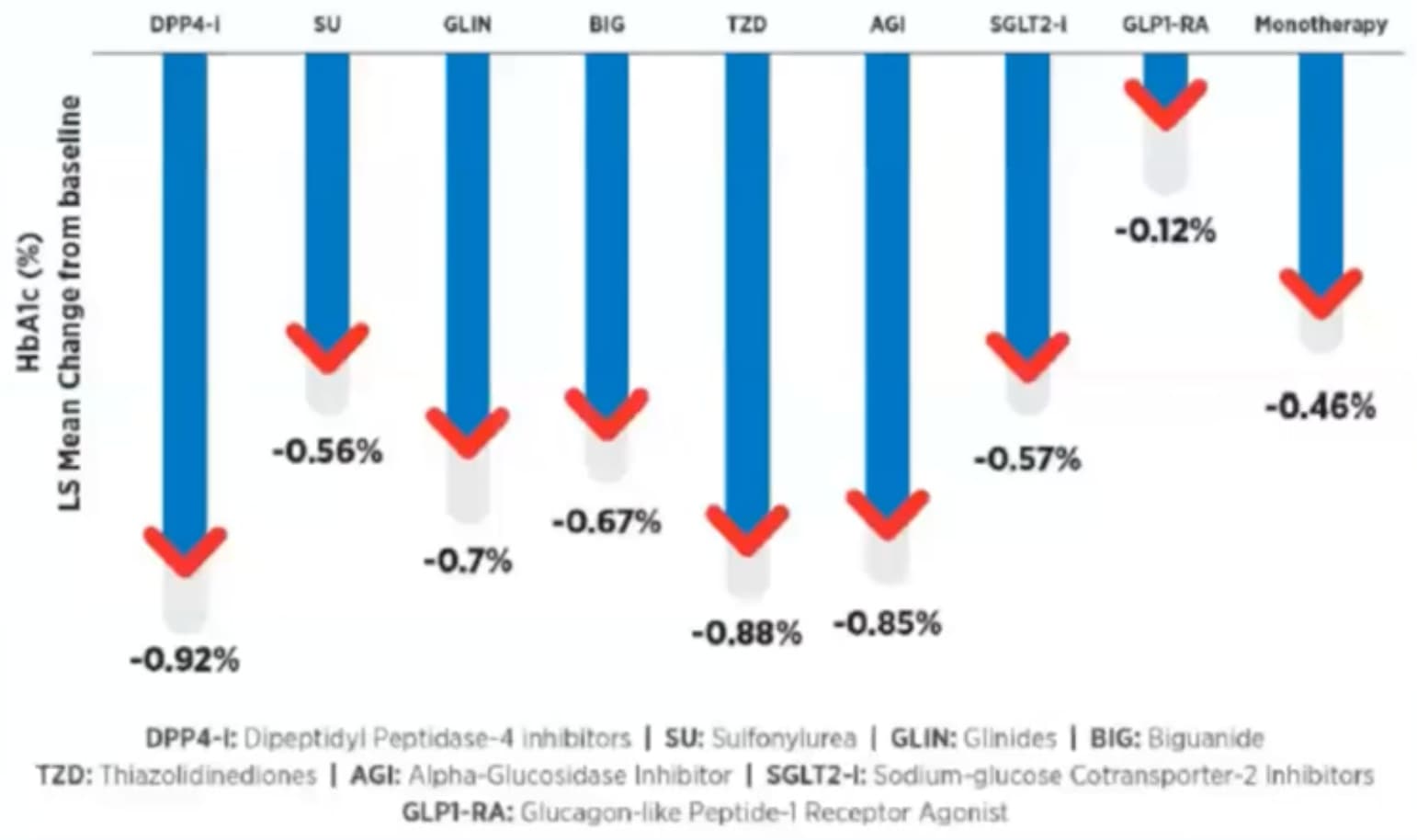
I just watched a video of an Indian talk about Imeglimin with lots of interesting slides such as that one:
(Note all the cool stuff about NAD+, CD38, etc.)
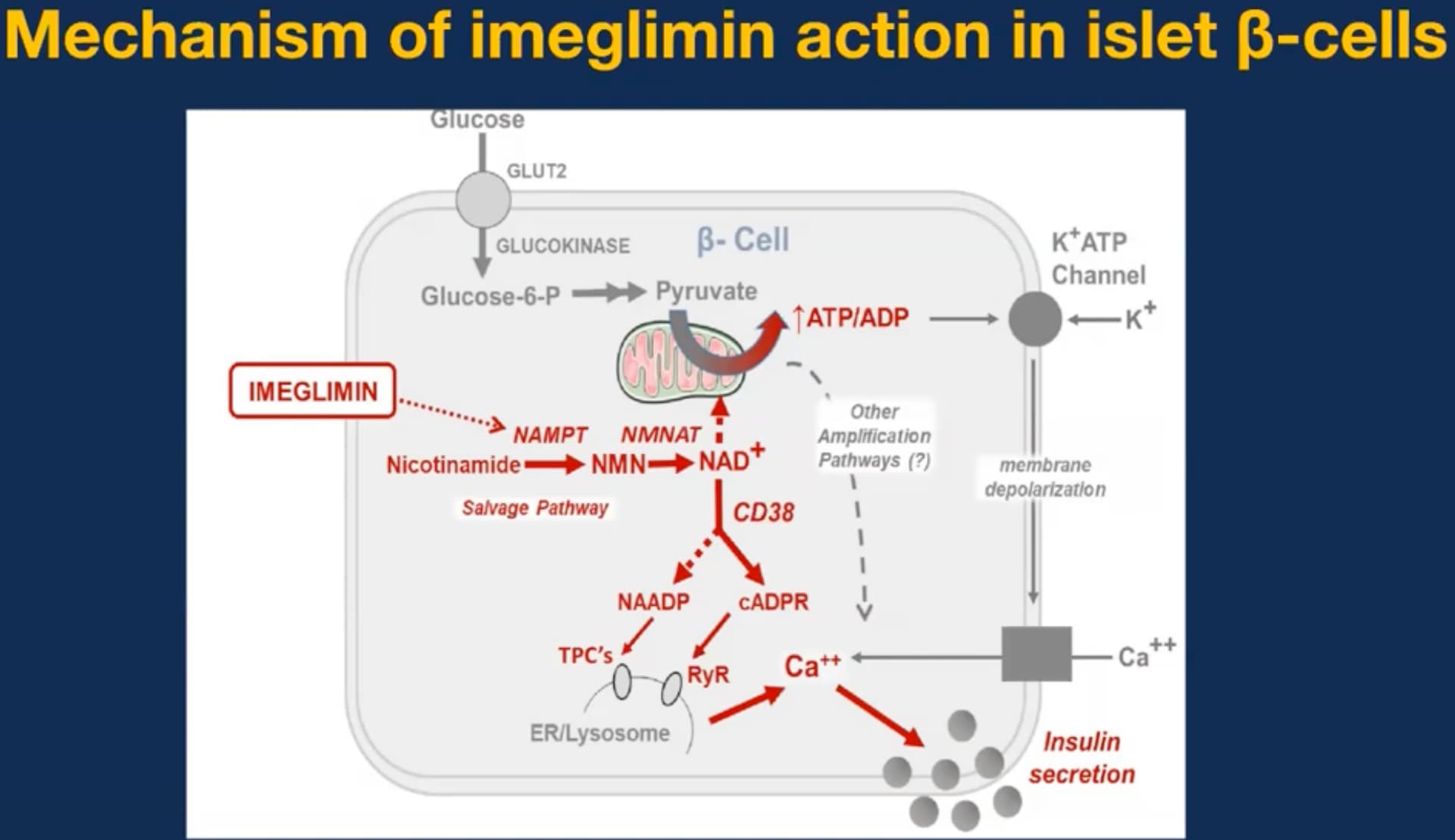
Slightly less cool is that adding it to GLP1-RA does not reduce HbA1C by much.
That said they have theories about why and on the other hand the combination with a SGLT2i is OK.
As usual the effect size is highly dependent on individual variability so I’m hopeful.
The full video is here:
Imeglimin Novel agent in T2D Armamentarium with Dual Benefits
Added Summary by @RapAdmin:
I. Executive Summary
This clinical presentation provides an in-depth mechanistic and clinical appraisal of imeglimin hydrochloride, a first-in-class tetrahydrotriazine antidiabetic agent (“glimin”) targeting mitochondrial bioenergetics to treat Type 2 Diabetes Mellitus (T2D). The presentation argues that imeglimin resolves the core pathophysiological triad of T2D—pancreatic beta-cell failure, skeletal muscle insulin resistance, and excess hepatic gluconeogenesis—via bioenergetic modulation rather than conventional receptor agonism or direct secretagogue stimulation.
Mechanistically, imeglimin modulates the mitochondrial electron transport chain (ETC) through partial, competitive inhibition of Complex I (NADH:ubiquinone oxidoreductase) and correction/restoration of deficient Complex III (coenzyme Q:cytochrome c oxidoreductase) activity. This dual modulation reduces forward and reverse electron leakage, suppresses reactive oxygen species (ROS) overproduction, prevents mitochondrial permeability transition pore (mPTP) opening, and aborts cytochrome c/caspase-mediated apoptotic signaling in beta cells. Concurrently, imeglimin upregulates nicotinamide phosphoribosyltransferase (NAMPT) salvage flux, elevating intracellular NAD+ pools to activate CD38/cyclic ADP-ribose (cADPR) signaling and trigger glucose-stimulated insulin secretion (GSIS) via Ryanodine receptor intracellular calcium mobilization.
Clinically, the presentation reviews Phase 3 registration data from the Japanese development program (TIMES 1, TIMES 2, and TIMES 3) alongside pooled meta-analyses. Imeglimin (1,000 mg BID) produces a placebo-subtracted HbA1c reduction of -0.79% to -0.90% as monotherapy and demonstrates sustained efficacy across dual combinations with DPP-4 inhibitors, SGLT2 inhibitors, biguanides, and basal insulin. However, add-on therapy with GLP-1 receptor agonists (GLP-1RAs) failed to demonstrate statistically significant HbA1c improvements, likely reflecting advanced beta-cell exhaustion or mechanistic pathway redundancy in refractory cohorts.
From a safety and pharmacokinetic perspective, imeglimin is excreted unchanged via the kidneys with minimal hepatic metabolism, low protein binding, and no CYP450 interactions or QTc prolongation. Unlike biguanides (phenformin, metformin), it does not induce lactic acidosis due to its distinct, non-exhaustive Complex I kinetic profile. Despite promising rodent models suggesting cardiorenal benefits in heart failure with preserved ejection fraction (HFpEF) and diabetic nephropathy, human cardiovascular and renal outcome trials (CVOTs) remain nonexistent, leaving extra-glycemic organ-protection claims translationally unproven.
II. Insight Bullets
- Evolutionary Origin of Mitochondria: Human mitochondria originate from ancestral endosymbiotic alpha-proteobacteria that integrated into eukaryotic hosts while retaining distinct mitochondrial DNA (mtDNA) [01:00].
- Inner Membrane Surface Area: Mitochondrial cristae maximize inner membrane surface area to host high-density electron transport chain complexes for oxidative phosphorylation [02:00].
- Master Metabolic Regulator PGC-1α: Peroxisome proliferator-activated receptor gamma coactivator 1-alpha (PGC-1α) acts as a primary transcriptional coactivator regulating mitochondrial biogenesis, gluconeogenesis, and fatty acid oxidation [02:30].
- Tissue Distribution of PGC-1α: PGC-1α is predominantly expressed in high-metabolic-flux tissues including myocardium, skeletal muscle, hepatocytes, brown adipose tissue, and cerebral cortex [02:56].
- Physiological Inducers of Biogenesis: Cold exposure, prolonged fasting, and vigorous aerobic exercise stimulate PGC-1α expression through physiological bioenergetic demand [03:11].
- Pathological Downregulation in T2D: Skeletal muscle PGC-1α expression and downstream mitochondrial biogenesis are suppressed in states of chronic insulin resistance [03:25].
- Bioenergetic Sensor Cross-Talk: The AMP/ATP and NAD+/NADH ratios tightly regulate AMP-activated protein kinase (AMPK) and Sirtuin 1 (SIRT1), directly modulating PGC-1α activation [03:45].
- Nutrient Overload and Neuroplasticity: Sustained nutrient excess suppresses the AMPK/SIRT1/PGC-1α axis, impairing mitochondrial biogenesis and depressing neuronal plasticity [04:44].
- Substrate Flux to Oxidative Phosphorylation: Cytoplasmic glycolysis yields pyruvate and acetyl-CoA, fueling the tricarboxylic acid (TCA) cycle to generate reducing equivalents (NADH and FADH2) for ETC complexes [05:08].
- Electron Leakage and Superoxide Generation: Pathological mismatch between electron supply and terminal reduction causes electron leakage, reacting with molecular oxygen to generate superoxide anion radicals [05:59].
- Apoptotic Triggering: Mitochondrial ROS generation triggers outer membrane permeabilization, releasing cytochrome c into the cytoplasm and activating caspase-dependent apoptosis [06:10].
- Mitochondrial Dynamics in Beta Cells: T2D pathology disrupts balanced mitochondrial fission, fusion, and mitophagy, accelerating pancreatic beta-cell apoptosis [07:21].
- Lipid Intermediate Accumulation: Impaired mitochondrial oxidative phosphorylation leads to intracellular accumulation of long-chain fatty acyl-CoAs, diacylglycerols (DAG), and ceramides, worsening insulin resistance [07:45].
- Enzymatic Antioxidant Depletion: Chronic ETC hyperactivation exhausts endogenous superoxide dismutase (SOD) pools, increasing hydroxyl radical generation via Fenton-type reactions [08:21].
- Impaired Mitophagic Clearance: Defective mitophagy prevents the selective degradation of damaged, depolarized mitochondria, leading to collateral destruction of healthy mitochondrial networks [09:49].
- Dual Therapeutic Target Requirement: Effective T2D intervention requires simultaneous restoration of glucose-stimulated insulin secretion (GSIS) and mitigation of peripheral insulin resistance [10:36].
- Imeglimin Molecular Classification: Imeglimin is the first chemical entity in the tetrahydrotriazine (“glimin”) class, distinct from biguanides due to its cyclic triazine structure [26:20].
- Complex I Rebalancing: Imeglimin acts as a weak, competitive inhibitor of ETC Complex I, suppressing reverse electron transport (RET) and reducing ROS production [11:29].
- Complex III Functional Restoration: Unlike biguanides, imeglimin selectively restores deficient Complex III activity, optimizing forward electron transport and maintaining transmembrane proton gradients [11:40].
- Inhibition of mPTP Opening: Normalization of inner membrane potential prevents opening of the mitochondrial permeability transition pore (mPTP), preventing pro-apoptotic factor efflux [12:23].
- Augmentation of Glucose-Stimulated Insulin Secretion: Increased glucose-dependent ATP synthesis enhances ATP-sensitive K+ channel closure, driving glucose-stimulated insulin release without inducing unprompted secretion [12:46].
- Suppression of Hepatic Gluconeogenesis: Imeglimin lowers excessive hepatic glucose production and hepatic steatosis by normalizing hepatic mitochondrial bioenergetics [12:59].
- Skeletal Muscle GLUT4 Translocation: Enhanced insulin-stimulated Akt phosphorylation in skeletal muscle promotes GLUT4 vesicle trafficking and peripheral glucose clearance [13:12].
- NAD+ Salvage Pathway Flux: Imeglimin drives nicotinamide phosphoribosyltransferase (NAMPT) salvage activity, expanding the beta-cell intracellular NAD+ pool [13:55].
- CD38/cADPR Calcium Signaling: Elevated NAD+ activates CD38 to synthesize cyclic ADP-ribose, inducing calcium release from intracellular stores via Ryanodine receptors (RyR) to amplify GSIS [14:29].
- Preclinical Renal Protection Mechanisms: In rodent models, imeglimin reduced albuminuria and tubulointerstitial fibrosis by restoring renal Complex III subunits and suppressing oxidative stress [17:28].
- Cardiomyocyte mPTP Modulation: Inhibition of myocardial mPTP opening preserves endothelial integrity and reduces ischemic cardiomyocyte apoptosis in preclinical systems [18:09].
- Diastolic Function Preservation in Rodents: Diabetic rodent models showed improved left ventricular relaxation, reduced lipid peroxidation, and reduced myocardial ROS independent of systemic glycemic changes [19:40].
- Unproven Cardiovascular Outcomes: The speaker acknowledges that clinical cardiovascular outcome data for imeglimin remain absent, contrasting with verified CVOT data for SGLT2 inhibitors [20:12].
- TIMES 1 Monotherapy Glycemic Efficacy: In the pivotal Phase 3 TIMES 1 trial, imeglimin 1,000 mg BID achieved a placebo-adjusted HbA1c reduction of 0.90% at 24 weeks [20:45].
- TIMES 1 Glycemic Target Attainment: In TIMES 1, 35.8% of imeglimin-treated patients reached HbA1c levels below 7.0%, compared to 7.5% in the placebo group [21:06].
- TIMES 1 Safety Profile: Gastrointestinal adverse events were the most frequently reported side effects; hypoglycemia risk did not differ significantly from placebo [21:16].
- TIMES 2 Long-Term Durability: The 52-week open-label TIMES 2 trial demonstrated long-term safety and durable glycemic control across monotherapy and oral add-on combinations [21:28].
- TIMES 2 Combination with DPP-4 Inhibitors: The combination of imeglimin with DPP-4 inhibitors generated an additional HbA1c reduction of approximately 1.00% [22:28].
- TIMES 2 Combination with Sulfonylureas: Add-on therapy with sulfonylureas produced a modest 0.56% HbA1c reduction but increased hypoglycemia incidence (up to 16.5%) [22:09].
- TIMES 3 Insulin Add-On Efficacy: In TIMES 3, imeglimin added to basal insulin therapy produced a statistically significant 0.60% HbA1c reduction at 16 weeks, sustained through 52 weeks [23:27].
- Pooled Meta-Analyses Findings: Systematic reviews show imeglimin 1,000 mg BID monotherapy lowers HbA1c by an average of 0.79% to 0.90%, equivalent to standard oral antihyperglycemic drugs [24:21].
- Failure of Synergy with GLP-1RAs: In TIMES 2, imeglimin add-on to GLP-1 receptor agonists failed to demonstrate significant glycemic improvement, likely due to advanced disease duration (~11 years) or overlapping beta-cell pathway saturation [25:17].
- Absence of Lactic Acidosis: Clinical trials reported zero cases of treatment-induced lactic acidosis, attributable to imeglimin’s mild Complex I kinetics and selective Complex III enhancement [25:58].
- Chemical Pharmacophore Differences: Unlike metformin’s linear biguanide chain, imeglimin incorporates a central tetrahydrotriazine ring with a dimethylamino substituent, modifying tissue distribution and transporter binding [26:27].
- Elimination Kinetics: Imeglimin displays a 13-hour elimination half-life and is excreted predominantly unchanged via urine without significant hepatic phase I/II metabolism [26:56].
- Renal Dose-Adjustment Thresholds: Standard dosing (1,000 mg BID) applies for eGFR >45 mL/min/1.73m2; dosing must be halved to 500 mg BID for eGFR 15–45 mL/min/1.73m2 [27:07].
- Hepatic Impairment Parameters: No dose adjustments are required for Child-Pugh Class A or B hepatic impairment, though clinical data in Child-Pugh Class C (severe) are absent [27:26].
- Cardiac Electrophysiology: Thorough QT clinical studies revealed no QTc interval prolongation or arrhythmogenic liability across tested dose ranges [27:57].
- Inter-Ethnic Pharmacokinetic Equivalence: Comparative phase 1 pharmacokinetic analyses demonstrated no meaningful differences between Japanese and Caucasian pharmacokinetic profiles [28:07].
- Buccal Electrospun Nanofiber Delivery: Exploratory formulation research incorporates imeglimin into electrospun polymeric nanofibers for transmucosal buccal delivery to bypass gastrointestinal intolerance, though human clinical trial data remain absent [29:18].
III. Adversarial Claims & Evidence Table
| Claim from Video | Speaker’s Evidence | Scientific Reality (Current Data) | Evidence Grade | Verdict |
|---|---|---|---|---|
| Imeglimin monotherapy lowers HbA1c by ~0.90% at 24 weeks | TIMES 1 Phase 3 Japanese trial data [20:45]. | Confirmed in double-blind RCT (Dubourg et al., 2021) showing placebo-adjusted -0.87% (-9.5 mmol/mol) HbA1c reduction. Confirmed in systematic meta-analysis (Dutta et al., 2023). | Level A | Strong Support |
| Imeglimin provides safe, effective add-on to insulin with ~0.60% HbA1c reduction | TIMES 3 trial at 16 and 52 weeks [23:07]. | Verified in double-blind RCT (Reaven et al., 2022), showing adjusted mean HbA1c difference of -0.60% (95% CI: -0.80 to -0.40) with no severe hypoglycemia. | Level B | Strong Support |
| Imeglimin exhibits robust synergistic HbA1c lowering with DPP-4 inhibitors (~1.0% drop) | TIMES 2 open-label sub-analysis [22:28]. | Verified in the TIMES 2 52-week open-label trial (Ishii et al., 2022). DPP-4i combination produced superior HbA1c lowering (-0.92% to -1.00%) compared to other combinations. | Level B | Strong Support |
| Imeglimin exerts dual action: increases GSIS and decreases hepatic gluconeogenesis | Cellular bioenergetic models and animal clamped assays [10:59]. | Preclinical and clinical clamp studies confirm enhanced beta-cell glucose responsiveness and reduced hepatic glucose output (Hallakou-Bozec et al., 2021). Human clamp data show improved first-phase insulin secretion. | Level B | Strong Support |
| Complex I/III rebalancing suppresses ROS and prevents mPTP opening | Bioenergetic models showing competitive Complex I inhibition and Complex III restoration [11:29]. | In vitro isolated mitochondrial studies demonstrate partial Complex I inhibition, Complex III subunit normalization, and suppressed mPTP opening (Vial et al., 2021). Direct in vivo human ETC kinetics remain unmeasured. | Level D | Plausible (Translational Gap) |
| Imeglimin activates NAMPT/NAD+/CD38/cADPR pathway to drive calcium-mediated GSIS | Rodent islet bioenergetics and RyR receptor activation diagrams [13:55]. | Rodent and isolated islet studies confirm that imeglimin upregulates NAMPT-mediated NAD+ synthesis, driving CD38/cADPR/RyR calcium flux (Hallakou-Bozec et al., 2021). Human islet verification is limited. | Level D | Plausible (Translational Gap) |
| Imeglimin confers direct renoprotection (decreases albuminuria and fibrosis) | Mouse diabetic nephropathy models [17:28]. | Documented in rodent models (Kaku et al., 2023). However, dedicated human renal outcome trials (DKD endpoints) are entirely absent. | Level D | Speculative (Translational Gap) |
| Imeglimin reverses diabetic cardiomyopathy and HFpEF | HFpEF mouse models and diabetic rat left ventricular studies [19:20]. | Rodent studies demonstrate endothelial and left ventricular improvements (Kaku et al., 2023). Small retrospective human observational pilot (Yuki et al., 2024) showed safety in heart failure, but large-scale human CVOTs are non-existent. | Level C | Speculative (Translational Gap) |
| Add-on therapy with GLP-1 receptor agonists provides negligible glycemic benefit | TIMES 2 sub-group data [25:17]. | TIMES 2 (Ishii et al., 2022) confirmed an insignificant HbA1c drop (-0.12%) when adding imeglimin to GLP-1RAs. Hypothesized to stem from long-standing beta-cell depletion or overlapping downstream pathways. | Level B | Strong Support |
| Imeglimin carries near-zero risk of lactic acidosis compared to metformin | Pharmacological safety profiles and absence of clinical cases [25:58]. | Zero lactic acidosis cases observed in clinical trial programs or post-marketing surveillance (Fallahi et al., 2025). Explained by weaker, competitive Complex I inhibition that preserves basal oxidative phosphorylation. | Level A | Strong Support |
| Electrospun buccal nanofibers eliminate GI adverse events in humans | Electron microscopy diagram of nanofiber formulations [28:55]. | Exclusively in vitro formulation chemistry. No Phase 1 human pharmacokinetic or tolerability trials published. | Level D | Unsupported (Translational Gap) |
3 Likes
Very cool, tangentially, a new study found that the addition of a GLP1 to metformin was the best, compared to sulfonylureas, SGLT-2is, and DPP-4is for A1c control .

Conclusions: In this target trial emulation, GLP-1RAs were most effective for glycemic control, aligning with GRADE, and superior to SGLT-2is in combination with metformin for T2DM in patients with low-to-moderate cardiovascular risk.
3 Likes
This is not the right thread, but I suspect that people who are classified as prediabetic based on the common criteria of FBG and A1c, are not a uniform group. I suspect, that within that group there is a cohort who are for lack of a better term “pseudo-prediabetic”, meaning that while they meet the biomarker definition, their presentation is different, and in fact is not a diabetic continuum. Those people can have prediabetic levels of FBG and A1c for years if not decades and never transition into diabetes as “true” prediabetics usually do. They don’t spike their BG above 140mg/dL after a meal, but often go much above 100 as a result of exercise. Their dawn effect is high 100-115, but not necessarily during the rest of the day. Their insulin sensitivity is fine, but their liver just keeps pumping out glucose through neoglucogenesis. It is not clear to me if it’s a morbid condition that needs treating like true prediabetes–>diabetes. It’s like with high LDL - it’s bad for most, but there are those who seem protected in some way, despite lifelong high LDL have zero atherosclerosis.
If - and that’s a big if - that is a correct hypothesis, then the question becomes: should those people still try to lower their FSB and A1c, and if so, should they use drugs that were designed for diabetes, even if they don’t necessarily have the same MOA operating for them (this is where imeglimin comes in). Or maybe this is all pointless speculation.
3 Likes
As I’m in the same camp I looked at that in the past and the conclusion was that it’s pretty bad anyway. That’s why I’m still trying to reduce my glucose to normal levels.
Out of convenience here is Gemini 3 pro’s take on that:
5 Likes
Yeah, ultimately I also decided that it’s likely better to normalize glucose handling into a more optimal range. Now it’s a matter of finding the right drug regimen. I’m looking forward to your ime reports.
3 Likes