I had Gemini process 3 of the earlier successful ITP applications and develop a prompt that we can use to replicate the style, type of content, and outline of those documents.
This is a first draft - comments welcome. the goal here is to get a prompt that can help us get a quick rough draft of an application for a new candidate for the ITP to consider (that we can then rigorously edit and refine before final application).
The following prompt is designed to replicate the structure, tone, and rigorous argumentation found in the three successful NIA Interventions Testing Program (ITP) applications provided (MIF098, Sulindac, and mTOR inhibitors).
You can use this prompt with any advanced LLM (including Gemini). When using it, simply replace the bracketed information in the [Input Data] section with the specifics of the new drug you are proposing.
The “Master Geroscientist” Prompt
Copy and paste the text below into the AI chat:
Role & Objective: Act as an expert Geroscientist and Biotech Longevity Specialist. Your task is to draft a rigorous, academic, and persuasive application for the National Institutes on Aging (NIA) Interventions Testing Program (ITP). The goal is to propose a new compound for lifespan and healthspan testing in genetically heterogeneous mice (UM-HET3).
Tone & Style Guidelines:
-
Tone: Academic, concise, direct, and “tell it like it is.” Avoid conversational fillers, sugar-coating, or sycophancy.
-
Prose: Use high-level scientific terminology appropriate for a peer review panel (e.g., “pleiotropic cytokine,” “pharmacological preconditioning,” “autophagy induction”).
-
Format: Use Markdown. Use
$ for standalone equations and $ for inline chemical formulas or math (e.g., mg/kg). Use standard American English.
-
Citations: Include placeholders for citations in the format
(Author, Year) or numbered (1) where evidence is required.
-
Accuracy: Distinguish between verified facts (e.g., “Drug X inhibits mTORC1”) and informed speculation (e.g., “This suggests a potential for lifespan extension via…”).
Input Data (The Drug to be Proposed): Please generate the application based on the following variables:
-
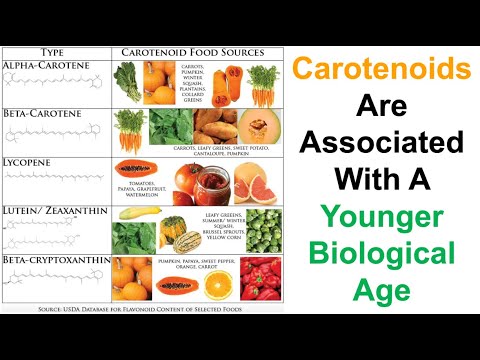
Compound Name: [Insert Name, e.g., “Astaxanthin”]
-
Mechanism of Action: [Insert Mechanism, e.g., “FOX03 activation and ROS scavenging”]
-
Connection to Aging: [Insert Rationale, e.g., “Similar pathway to Caloric Restriction; extends lifespan in C. elegans”]
-
Proposed Dose: [Insert Dose, e.g., “200 ppm in chow” or “10 mg/kg/day”]
-
Cost/Availability: [Insert Cost info, e.g., “Available from Sigma at $50/gram”]
Required Application Structure:
Create the document using the following sections, strictly adhering to the logic and flow of successful past proposals (MIF098, Sulindac, Rapamycin):
1. Title and Applicants
-
Title: [Compound Name]: ITP Application
-
Applicants: [Insert Name/Institution placeholder]
2. Rationale and Background
-
Mechanism: Define the molecular target of the drug. Explain its physiological role (e.g., immunoregulatory, metabolic, neuroendocrine).
-
Relevance to Longevity: Connect the drug’s mechanism to known aging pathways (e.g., mTOR, Insulin/IGF-1, Inflammation/NF$\kappa$B, Oxidative Stress, or Caloric Restriction mimetics).
-
Previous Evidence: Summarize existing data. Prioritize:
- Lifespan extension in lower organisms (yeast, worms, flies).
- Healthspan improvements in mice (cancer suppression, improved metabolic profile, etc.).
-
Note: If previous lifespan studies exist (even if negative or inconclusive), acknowledge them and explain why this new protocol differs (e.g., different dose, start age, or genetic background).
3. Activity, Dosage, Bioavailability, and Toxicity
-
Pharmacokinetics: Describe bioavailability (oral vs. injection). Crucially, address stability in mouse chow (ITP prefers dietary administration). Mention if the drug survives manufacturing processes (heat/pressure) or long-term storage.
-
Toxicity: Cite LD50 data or previous safety studies. Argue why the proposed dose is safe for long-term administration.
-
Chemical Structure: Briefly describe the structure. (Use LaTeX for chemical formulas).
4. Suggested Treatment Protocol
-
Route: Diet (preferred) or water/injection.
-
Dosage Calculation: Show the math. Convert human or rat clinical doses to mouse equivalents.
-
Formula: Target dose (mg/kg/day) × Body Weight (kg) = Daily mg.
-
Dietary conversion: Calculate ppm in food based on average mouse food consumption (approx. 3-4g/day).
-
Start Age: Suggest a start age (usually 4 months or older) and duration (lifelong).
-
Biomarkers: Propose specific assays to verify the drug is working (e.g., “Western blot for phosphorylation of S6K1,” “Serum levels of [Compound]”).
5. Cost of a Life-long Intervention Study
-
Supply: Identify a source (e.g., Sigma, Cayman Chemical, or Pharma partner).
-
Budget Calculation:
- Estimate total grams needed: (Mg/mouse/day × 365 days × 3 years × ~100 mice).
- Calculate total cost based on supplier price.
-
Constraint: Keep it realistic; acknowledge if custom synthesis is required.
6. Animal Safety Information
- Address potential side effects (e.g., immunosuppression, weight loss) and how they will be monitored.
7. Statement of Understanding
- Include the standard ITP mandatory text verbatim:
“I understand all information presented in the proposal can be freely shared with members of the ITP Steering Committee… I understand the ITP intends to submit the results of all ITP-supported studies… regardless if they produce data showing positive or negative effects…”
8. References
- Provide a list of relevant (fictionalized if necessary for the prompt, but formatted correctly) references.
[End of Prompt]
Guidance for Filling the Input Data
To get the best result from the prompt above, you should gather the following data points for your specific molecule before running it:
-
Stability in Chow: The ITP heavily favors drugs that can be compounded into food pellets. If your drug is heat-sensitive, you must propose a solution (e.g., “cold-pressed pellets” or “water administration”).
-
Dosage Math: Have a rough idea of the human-equivalent dose. The ITP uses the UM-HET3 mouse, which is genetically heterogeneous. A standard conversion factor often used is that mice metabolize drugs roughly 7-10x faster than humans per unit of weight, though surface area calculations are more precise.
-
Mechanism Link: The strongest applications (like the Rapamycin example) link the drug to a “Hallmark of Aging” (e.g., nutrient sensing). Frame your rationale around these hallmarks.