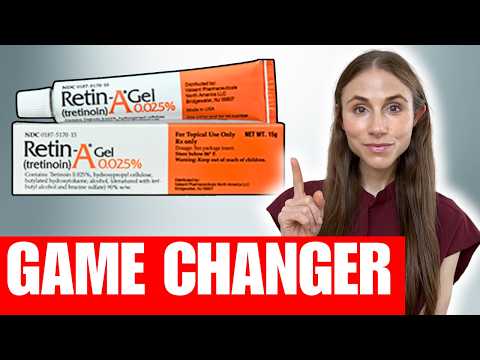
How to Stop or Reverse Skin Aging (2026)

I went and did a consult for CO2 laser therapy and microneedling. I’m going to do them together as soon as I find 10 days in my schedule where I can just hide and not be seen since the recovery is brutal to say the least. CO2 is a hell of a treatment from what it looks like though

2 Likes

My wife has done the CO2 laser, and yeah the first 7 days or so afterwards were rough. Looks like a bad sunburn, and if they focus on any spots, they go super red. Once that faded, I would say she looked back to normal for the next ~2 weeks or so. But by 1 month she definitely looked better - skin much smoother, brighter, plumper.

2 Likes

Only very brave ppl can go through such skin abuse in hope of good results that hopefully would last. I would never do it for myself. Could you please update us again in the same in 6-12 months? Interested in the final outcome.

1 Like

I had CO2 and not sure it made a noticeable difference.

My friend had it done to the point of looking like she was in a fire, and she was very pleased with her results.

If you go gentle or fractional you have much better recovery but the results are subtle and you’d need a few rounds spaced months apart to really make a difference. If you go meatgrinder level like your friend, then the recovery is brutal and you also risk infections or other complications. If you dodge those bullets then you likely have a much more impressive result.

I haven’t done it myself and will not consider it because I’ve got other tools in the arsenal for my needs that I much prefer. But IF I wanted CO2-like results, I’d probably do a series of chemical peels instead (high % TCA). They work very similarly and peels can be self administered at a tiny fraction of the cost. CO2 laser isn’t something I’d dabble into self administration or want to purchase the device.

The only exception is eyelids — you can’t do chemical peels on those boys but you can laser the skin off of them … by a properly trained technician or preferably cosmetic dermatologist with eye shields / guards on.

3 Likes

She actually did it a few years ago. It’s just really difficult to say whether it lasted or not, because there are other factors at play. She did it because she was feeling a bit “rough” after we were done having kids. We both think her skin got a lot better, and she still looks great now - but at the same time, the youngest kid has grown up, sleeps through the night etc, plus all the other skincare interventions (LED face masks, OneSkin a few months ago).

1 Like

^ In related news a really cool paper was just published in Cell by a team at Harvard. They showed that embryonic skin is capable of regenerating full-thickness skin injuries, due to the absence of a specific fibroblast subpopulation. These “postnatal wound-specific” fibroblasts inhibit regeneration of multiple lineages/secondary structures by driving excessive innervation within the wound. Blocking Cxcl12 signaling within these fibroblasts, or blocking neurotransmitter release with Botox, are both sufficient to drive a regenerative wound healing response instead.

This suggests that controlled skin damage (e.g microneedling) would show enhanced recovery in the presence of Botox. I searched for a bit and found quite a few reports on people combining Botox with microneedling, but the vast majority of them are doing microneedling first. According to this, you’d want the Botox simultaneously, so it can suppress the neural activity which in turn suppresses regeneration. You might also want a microneedling device which can deliver Botox directly to the dermal layer of the wounds.

The below image was an individual who survived scalping as a child. Perhaps Botox and/or an antagonist of CXCR4 (the receptor through which CXCR4 signals) and he’d still be an NW < VII.

1 Like

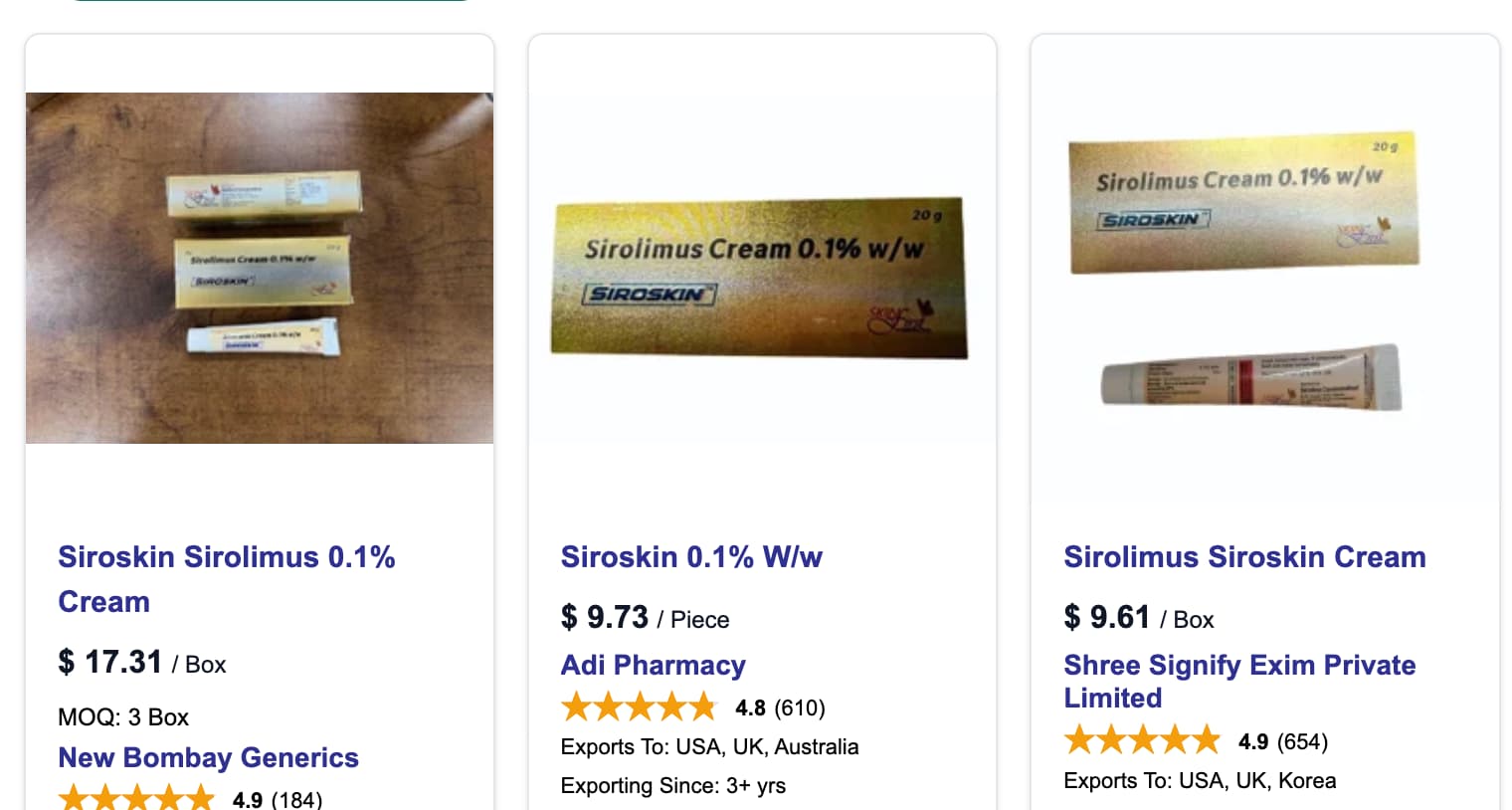
On Indiamart you can now find topical rapamycin cream, 0.1%, under the generic brand name Siroskin.

7 Likes

Good find, and inexpensive. I still prefer just making my own. Its easy.

6 Likes

Great news! I’ll definitely be trying that now.

Does anyone combine it with Tretinoin or is it better to use them on alternating days? How often should someone be using the Rapamycin cream?

2 Likes

Skin cells remember inflammation for life. Here’s why

Skin remembers. That scar above your eye from when you fell at age 6. That freckle from the summer you turned 13. Our skin is a repository of moments from our lives, and now scientists have found it really does remember. For people with inflammatory skin conditions such as psoriasis, the skin’s memory manifests in flare-ups in the same spots over and over. And now scientists think they know precisely why this happens.

In a new study in mice published on Thursday in Science, researchers showed how skin cells inherit patterns of gene expression every time they regenerate. The team found not only that successive generations of skin cells maintain the memory of their DNA’s structure but also that the cells inherit chemical modifications to the DNA called epigenetic marks, which can turn on or off, or turn certain genes up and down in a process called gene expression.

“People knew that stem cells had the ability to change their behavior and remember, but they didn’t know if it was through this epigenetic mechanism,” says Shruti Naik, a molecular biologist at the University of Maryland, College Park, who has previously worked with the study’s senior author, Elaine Fuchs, but was not involved in the new research. “And I think what this paper does is definitively demonstrate that it’s through marking of DNA … that it allows that stem cell to now behave differently moving forward.”

Skin stem cell memory can be beneficial: if you get a cut, for example, your skin will heal faster in that place if it is injured again because the cells remember the experience. But that becomes problematic in conditions like psoriasis, for which the memory of a flare-up can make the tissue overly sensitive to environmental triggers such as stress, leading to chronic inflammation.

“Your DNA can remember, far longer than we appreciated, a past injury,” says Dana Pe’er, a co-author of the study and chair of the Computational and Systems Biology Program at the Sloan Kettering Institute. “It’s a double-edged sword.”

Read the full story: Skin cells remember inflammation for life. Here’s why (Scientific American)

2 Likes

This is why human life is limited to 115 to 120 years

Among other factors

Remove all the other factors and we still can’t live past 115 - 120 without fixing the elastin problem. Ignoring this fact is what drives the “don’t die” - “live forever” mantra that enriches a lot of hucksters in the longevity space.

All we really have is some ability to increase health span, which on it’s own is a marvel of human ingenuity, now being augmented by AI, thanks to human ingenuity :slight_smile: I admire the people working on this noble cause, the others, not so uch.

2 Likes

“Belides™ ORG lightens and evens skin tone. It is derived from organic daisy blossoms with a multifaceted activity on the synthesis of melanin. It decreases ET-1 expression, inhibits a-MSH binding capacity and minimizes endocytosis of melanosomes by keratinocytes. This product is proven to lighten and even skin tone and to make age spots less visible.”

https://www.ulprospector.com/en/na/PersonalCare/Detail/1381/222723/Belides-ORG

Looks interesting. I can’t find anything on Pubmed however there are studies and information elsewhere

https://www.semanticscholar.org/paper/Skin-lightening-agent-with-different-pathways-of-on-John-Lorenz/7ac12312e18211d92d14238a2595945e1de3511e

1 Like

Biotech [topical] ingredient promises clinic-level skin tightening results

New biotech ingredient mimics professional skin treatments, promising firmer, more resilient skin without office visits.

DermCeutical EDL works by nudging your skin cells to behave like they’re getting a mini workout. Your skin’s fibroblasts, think of them as tiny scaffolding builders, are triggered to produce elastin, the protein that keeps skin springy and firm. At the same time, the ingredient calms cellular stress, helping your skin maintain structure and resilience over time.

In clinical tests, the results were clear. After 12 weeks, participants experienced a 73% improvement in sagging, 100% improvement in fine lines and a six-fold increase in elastin. In plain terms: skin looked tighter, smoother and more youthful – all without lasers, needles or expensive office visits. “It’s like giving your skin a gentle, consistent lift from the inside out,” said Britton.

Sounds too good to be true.

What sets Debut apart is its AI-driven discovery and vertical integration. Unlike traditional beauty companies that rely on long R&D cycles, Debut can discover, test and scale ingredients entirely in-house. Britton explains that this approach allows them to move from lab breakthroughs to consumer products in months rather than years [2].

3 Likes

Company website:

I received the Rapamycin skin cream and have been applying it twice daily as Grok suggested for a week now. I might be going nuts but I think some of these results are instant. I am very pleased with the way my skin has looked lately. I have really taken my skin care seriously in the last couple of years and continue to add new things to it. I think this will be a good edition.

3 Likes

How About Exosomes in Skincare Now?

I. Executive Summary

The application of exosomes—nanoscale lipid vesicles (30–200 nm) responsible for intercellular signaling—has become a hyper-accelerated frontier in dermatological research. A 2026 bibliometric analysis indicates a 19.9% annual growth rate in academic exosome literature, predominantly focused on wound healing, melanoma mitigation, and angiogenesis. Despite this momentum, the commercial translation of topical exosomes into over-the-counter (OTC) skincare is plagued by significant evidentiary and biochemical gaps. The core biological thesis posits that applying familiar endogenous signals via exosomes can upregulate regenerative pathways more efficiently than exogenous synthetic compounds. However, current clinical realities absolutely do not support standalone topical efficacy.

The primary physiological limitation is molecular delivery. The intact stratum corneum prevents the penetration of these vesicles, meaning exosome therapies are effectively dependent on clinical co-interventions that purposefully compromise the skin barrier, such as radiofrequency (RF) microneedling or ablative lasers. Current human trials validating exosome efficacy for conditions like acne scarring or atopic dermatitis rely heavily on these in-office delivery mechanisms. Furthermore, these trials consistently suffer from severe methodological flaws, including non-randomized, single-arm designs, small sample sizes, and a lack of long-term follow-up, a deficit confirmed by a recent 2026 scoping review in the Journal of Drugs in Dermatology.

Sourcing and structural stability represent additional critical translational barriers. Human-derived exosomes, specifically from mesenchymal stem cells, present the most robust theoretical framework for human tissue regeneration. Conversely, botanical (e.g., rose stem cells) and bacterial (e.g., Lactobacillus plantarum) derivatives dominate the accessible consumer market but entirely lack substantive in vivo substantiation. In these alternative categories, evidence is restricted to isolated case studies or poorly controlled small cohorts. Compounding this issue is the manufacturing process; standard cosmetic formulation practices, particularly freeze-drying (lyophilization), severely compromise the structural integrity and signaling viability of the vesicles.

Ultimately, while human-derived exosomes demonstrate highly promising therapeutic potential in clinical regenerative medicine, current OTC topical formulations are scientifically premature. The sector exhibits a stark disconnect between rigorous academic wound-healing models and commercial anti-aging claims, rendering the majority of high-cost topical exosome products a speculative luxury purchase rather than a verified biological protocol.


II. Insight Bullets

  • Biological Mechanism: Exosomes are endogenous lipid vesicles (30–200 nm) that facilitate intercellular communication by delivering signaling peptides, mRNA, and DNA fragments to trigger targeted cellular cascades.
  • Research Trajectory: Dermatological research on exosomes is expanding rapidly, pivoting from basic wound healing models toward photoaging, alopecia, and diabetic ulcer management.
  • The Penetration Bottleneck: There is zero verified evidence that topical exosomes can independently bypass an intact human stratum corneum without physical barrier disruption.
  • Clinical Dependency: The vast majority of positive clinical data regarding human-derived exosomes requires concurrent physical skin trauma, such as radiofrequency (RF) or physical microneedling, to achieve targeted delivery and subsequent efficacy.
  • Human Source Superiority: Exosomes isolated from human mesenchymal stem cells present the strongest correlation to human skin regenerative pathways compared to non-human physiological sources.
  • Efficacy in Atopic Dermatitis: Preliminary, small-cohort trials ($N=20$) utilizing human-derived exosomes report statistically significant reductions in IgE markers, erythema, and pruritus over a six-week duration.
  • Acne Scarring Applications: Combined modalities of human exosomes and RF microneedling demonstrate visual improvements in post-acne tissue remodeling, but current trials critically lack split-face comparative rigor against microneedling alone.
  • Methodological Deficits: The existing literature is overwhelmingly restricted by non-randomized designs, lack of control groups, and an absence of longitudinal tracking for adverse events.
  • Botanical Sourcing Skepticism: Plant-derived exosomes (e.g., rose stem cell extracts) are entering the market rapidly but rely on negligible statistical evidence, frequently citing single-patient ($N=1$) uncontrolled observational studies.
  • Bacterial Exosome Complexity: Lactobacillus plantarum derived exosomes exhibit unpredictable in vitro responses, ranging from beneficial epidermal thickening to the paradoxical upregulation of inflammatory cascades and necro-induction.
  • Formulation Degradation: Commercial integration into shelf-stable cosmetics requires preservation techniques like freeze-drying, which fundamentally alters vesicle architecture and degrades the signaling payload.
  • Regulatory Evasion: Cosmetic exosome manufacturers routinely utilize nebulous terminology—such as “general regenerative wellness”—to bypass the strict FTC and FDA regulatory requirements required for actual disease-modification claims.
  • Pricing Disconnect: The retail cost of topical human-derived exosome serums ($250 to $500+) is disproportionate to the clinical evidence, functioning as luxury price-gouging based strictly on theoretical, unproven mechanisms.
  • Lack of Anti-Aging Specificity: Despite aggressive commercial marketing, the bulk of rigorous scientific literature focuses on therapeutic disease models rather than the cosmetic reduction of rhytides (wrinkles).
  • The Translation Gap: The cosmetic industry’s commercial output has severely outpaced academic biological validation, resulting in consumer products deployed without long-term in vivo efficacy mapping.

IV. Actionable Protocol (Prioritized)

Note: Due to the nascent stage of topical exosome research, a live search confirms there are no Level A (Meta-analysis) or Level B (RCT) validated protocols for standalone topical exosome application in dermatology. The protocol below is adjusted for strict risk-mitigation.

High Confidence Tier

  • Safety Data Absent for Standalone Use: There are currently zero high-confidence, RCT-backed protocols for the standalone topical application of exosomes for anti-aging or skin rejuvenation.

Experimental Tier

  • Human Mesenchymal Exosomes + Controlled Injury: For patients pursuing accelerated wound healing or severe acne scar revision, the application of human-derived exosomes immediately following clinical microneedling or fractional laser therapy presents the highest probability of clinical benefit. (Evidence Level C: Open-label and cohort studies).
  • Time-Horizon Management: Users engaging in experimental clinical exosome applications must maintain the protocol for a minimum of 8 weeks to observe functional changes, as epigenetic signaling cascades require extended cell turnover cycles for visible tissue remodeling.

Red Flag Zone

  • High-Cost Standalone Topical Serums: Avoid luxury ($200+) cosmetic serums claiming dramatic aesthetic benefits solely from topical exosomes. The stratum corneum fundamentally blocks vesicles of this molecular weight, rendering unassisted topical application biologically inert.
  • Plant/Botanical Exosomes: Products relying on rose, cabbage, or generalized botanical stem cell exosomes lack translational relevance to human skin signaling networks. Their clinical backing relies almost entirely on isolated case studies.
  • Lyophilized Bacterial Formulations: Formulations containing dead or freeze-dried bacterial exosomes demonstrate highly erratic immune responses in tissue cultures. Safety data regarding their long-term daily impact on the human skin microbiome is absent.

Unlike topical anti-inflammatory agents that broadly suppress immune activity, TCP works by modulating the membrane lipid environment involved in the skin’s natural regulatory signaling — restoring the skin’s own balance rather than overriding it. This mechanism supports:

  • Maintenance of skin barrier integrity
  • Hydration balance without occlusion
  • Reduction in the visible signs of redness and irritation
  • A balanced-looking complexion over consistent daily use

TCP is paired with sodium tocopheryl phosphate (TPNa), a water-soluble form of Vitamin E, selected for its antioxidant properties and demonstrated ability to reinforce the skin barrier without comedogenic risk. The two actives function synergistically: TCP addresses the signaling environment; TPNa supports structural barrier defense.