How to Stop or Reverse Skin Aging (2026)

“Belides™ ORG lightens and evens skin tone. It is derived from organic daisy blossoms with a multifaceted activity on the synthesis of melanin. It decreases ET-1 expression, inhibits a-MSH binding capacity and minimizes endocytosis of melanosomes by keratinocytes. This product is proven to lighten and even skin tone and to make age spots less visible.”

https://www.ulprospector.com/en/na/PersonalCare/Detail/1381/222723/Belides-ORG

Looks interesting. I can’t find anything on Pubmed however there are studies and information elsewhere

https://www.semanticscholar.org/paper/Skin-lightening-agent-with-different-pathways-of-on-John-Lorenz/7ac12312e18211d92d14238a2595945e1de3511e

1 Like

Biotech [topical] ingredient promises clinic-level skin tightening results

New biotech ingredient mimics professional skin treatments, promising firmer, more resilient skin without office visits.

DermCeutical EDL works by nudging your skin cells to behave like they’re getting a mini workout. Your skin’s fibroblasts, think of them as tiny scaffolding builders, are triggered to produce elastin, the protein that keeps skin springy and firm. At the same time, the ingredient calms cellular stress, helping your skin maintain structure and resilience over time.

In clinical tests, the results were clear. After 12 weeks, participants experienced a 73% improvement in sagging, 100% improvement in fine lines and a six-fold increase in elastin. In plain terms: skin looked tighter, smoother and more youthful – all without lasers, needles or expensive office visits. “It’s like giving your skin a gentle, consistent lift from the inside out,” said Britton.

Sounds too good to be true.

What sets Debut apart is its AI-driven discovery and vertical integration. Unlike traditional beauty companies that rely on long R&D cycles, Debut can discover, test and scale ingredients entirely in-house. Britton explains that this approach allows them to move from lab breakthroughs to consumer products in months rather than years [2].

3 Likes

Company website:

I received the Rapamycin skin cream and have been applying it twice daily as Grok suggested for a week now. I might be going nuts but I think some of these results are instant. I am very pleased with the way my skin has looked lately. I have really taken my skin care seriously in the last couple of years and continue to add new things to it. I think this will be a good edition.

4 Likes

How About Exosomes in Skincare Now?

I. Executive Summary

The application of exosomes—nanoscale lipid vesicles (30–200 nm) responsible for intercellular signaling—has become a hyper-accelerated frontier in dermatological research. A 2026 bibliometric analysis indicates a 19.9% annual growth rate in academic exosome literature, predominantly focused on wound healing, melanoma mitigation, and angiogenesis. Despite this momentum, the commercial translation of topical exosomes into over-the-counter (OTC) skincare is plagued by significant evidentiary and biochemical gaps. The core biological thesis posits that applying familiar endogenous signals via exosomes can upregulate regenerative pathways more efficiently than exogenous synthetic compounds. However, current clinical realities absolutely do not support standalone topical efficacy.

The primary physiological limitation is molecular delivery. The intact stratum corneum prevents the penetration of these vesicles, meaning exosome therapies are effectively dependent on clinical co-interventions that purposefully compromise the skin barrier, such as radiofrequency (RF) microneedling or ablative lasers. Current human trials validating exosome efficacy for conditions like acne scarring or atopic dermatitis rely heavily on these in-office delivery mechanisms. Furthermore, these trials consistently suffer from severe methodological flaws, including non-randomized, single-arm designs, small sample sizes, and a lack of long-term follow-up, a deficit confirmed by a recent 2026 scoping review in the Journal of Drugs in Dermatology.

Sourcing and structural stability represent additional critical translational barriers. Human-derived exosomes, specifically from mesenchymal stem cells, present the most robust theoretical framework for human tissue regeneration. Conversely, botanical (e.g., rose stem cells) and bacterial (e.g., Lactobacillus plantarum) derivatives dominate the accessible consumer market but entirely lack substantive in vivo substantiation. In these alternative categories, evidence is restricted to isolated case studies or poorly controlled small cohorts. Compounding this issue is the manufacturing process; standard cosmetic formulation practices, particularly freeze-drying (lyophilization), severely compromise the structural integrity and signaling viability of the vesicles.

Ultimately, while human-derived exosomes demonstrate highly promising therapeutic potential in clinical regenerative medicine, current OTC topical formulations are scientifically premature. The sector exhibits a stark disconnect between rigorous academic wound-healing models and commercial anti-aging claims, rendering the majority of high-cost topical exosome products a speculative luxury purchase rather than a verified biological protocol.


II. Insight Bullets

  • Biological Mechanism: Exosomes are endogenous lipid vesicles (30–200 nm) that facilitate intercellular communication by delivering signaling peptides, mRNA, and DNA fragments to trigger targeted cellular cascades.
  • Research Trajectory: Dermatological research on exosomes is expanding rapidly, pivoting from basic wound healing models toward photoaging, alopecia, and diabetic ulcer management.
  • The Penetration Bottleneck: There is zero verified evidence that topical exosomes can independently bypass an intact human stratum corneum without physical barrier disruption.
  • Clinical Dependency: The vast majority of positive clinical data regarding human-derived exosomes requires concurrent physical skin trauma, such as radiofrequency (RF) or physical microneedling, to achieve targeted delivery and subsequent efficacy.
  • Human Source Superiority: Exosomes isolated from human mesenchymal stem cells present the strongest correlation to human skin regenerative pathways compared to non-human physiological sources.
  • Efficacy in Atopic Dermatitis: Preliminary, small-cohort trials ($N=20$) utilizing human-derived exosomes report statistically significant reductions in IgE markers, erythema, and pruritus over a six-week duration.
  • Acne Scarring Applications: Combined modalities of human exosomes and RF microneedling demonstrate visual improvements in post-acne tissue remodeling, but current trials critically lack split-face comparative rigor against microneedling alone.
  • Methodological Deficits: The existing literature is overwhelmingly restricted by non-randomized designs, lack of control groups, and an absence of longitudinal tracking for adverse events.
  • Botanical Sourcing Skepticism: Plant-derived exosomes (e.g., rose stem cell extracts) are entering the market rapidly but rely on negligible statistical evidence, frequently citing single-patient ($N=1$) uncontrolled observational studies.
  • Bacterial Exosome Complexity: Lactobacillus plantarum derived exosomes exhibit unpredictable in vitro responses, ranging from beneficial epidermal thickening to the paradoxical upregulation of inflammatory cascades and necro-induction.
  • Formulation Degradation: Commercial integration into shelf-stable cosmetics requires preservation techniques like freeze-drying, which fundamentally alters vesicle architecture and degrades the signaling payload.
  • Regulatory Evasion: Cosmetic exosome manufacturers routinely utilize nebulous terminology—such as “general regenerative wellness”—to bypass the strict FTC and FDA regulatory requirements required for actual disease-modification claims.
  • Pricing Disconnect: The retail cost of topical human-derived exosome serums ($250 to $500+) is disproportionate to the clinical evidence, functioning as luxury price-gouging based strictly on theoretical, unproven mechanisms.
  • Lack of Anti-Aging Specificity: Despite aggressive commercial marketing, the bulk of rigorous scientific literature focuses on therapeutic disease models rather than the cosmetic reduction of rhytides (wrinkles).
  • The Translation Gap: The cosmetic industry’s commercial output has severely outpaced academic biological validation, resulting in consumer products deployed without long-term in vivo efficacy mapping.

IV. Actionable Protocol (Prioritized)

Note: Due to the nascent stage of topical exosome research, a live search confirms there are no Level A (Meta-analysis) or Level B (RCT) validated protocols for standalone topical exosome application in dermatology. The protocol below is adjusted for strict risk-mitigation.

High Confidence Tier

  • Safety Data Absent for Standalone Use: There are currently zero high-confidence, RCT-backed protocols for the standalone topical application of exosomes for anti-aging or skin rejuvenation.

Experimental Tier

  • Human Mesenchymal Exosomes + Controlled Injury: For patients pursuing accelerated wound healing or severe acne scar revision, the application of human-derived exosomes immediately following clinical microneedling or fractional laser therapy presents the highest probability of clinical benefit. (Evidence Level C: Open-label and cohort studies).
  • Time-Horizon Management: Users engaging in experimental clinical exosome applications must maintain the protocol for a minimum of 8 weeks to observe functional changes, as epigenetic signaling cascades require extended cell turnover cycles for visible tissue remodeling.

Red Flag Zone

  • High-Cost Standalone Topical Serums: Avoid luxury ($200+) cosmetic serums claiming dramatic aesthetic benefits solely from topical exosomes. The stratum corneum fundamentally blocks vesicles of this molecular weight, rendering unassisted topical application biologically inert.
  • Plant/Botanical Exosomes: Products relying on rose, cabbage, or generalized botanical stem cell exosomes lack translational relevance to human skin signaling networks. Their clinical backing relies almost entirely on isolated case studies.
  • Lyophilized Bacterial Formulations: Formulations containing dead or freeze-dried bacterial exosomes demonstrate highly erratic immune responses in tissue cultures. Safety data regarding their long-term daily impact on the human skin microbiome is absent.

Unlike topical anti-inflammatory agents that broadly suppress immune activity, TCP works by modulating the membrane lipid environment involved in the skin’s natural regulatory signaling — restoring the skin’s own balance rather than overriding it. This mechanism supports:

  • Maintenance of skin barrier integrity
  • Hydration balance without occlusion
  • Reduction in the visible signs of redness and irritation
  • A balanced-looking complexion over consistent daily use

TCP is paired with sodium tocopheryl phosphate (TPNa), a water-soluble form of Vitamin E, selected for its antioxidant properties and demonstrated ability to reinforce the skin barrier without comedogenic risk. The two actives function synergistically: TCP addresses the signaling environment; TPNa supports structural barrier defense.

Well, well, well….

I was just visiting family, and during a girls’ sleepover, I had more skin showing than usual (which would normally be none!). A family member hadn’t seen me below the neck in over two years, and she was floored by how much better my body/skin looked.

I do know I have a more toned look from muscle, but because I see myself every day, I never notice improvements or decline in skin quality.

I had a long talk with Claude to see if oral rapa could do this. The good news is she is now ready to pull the trigger and take rapa… not for health, but for looks, oh yes!!!

According to Claude:
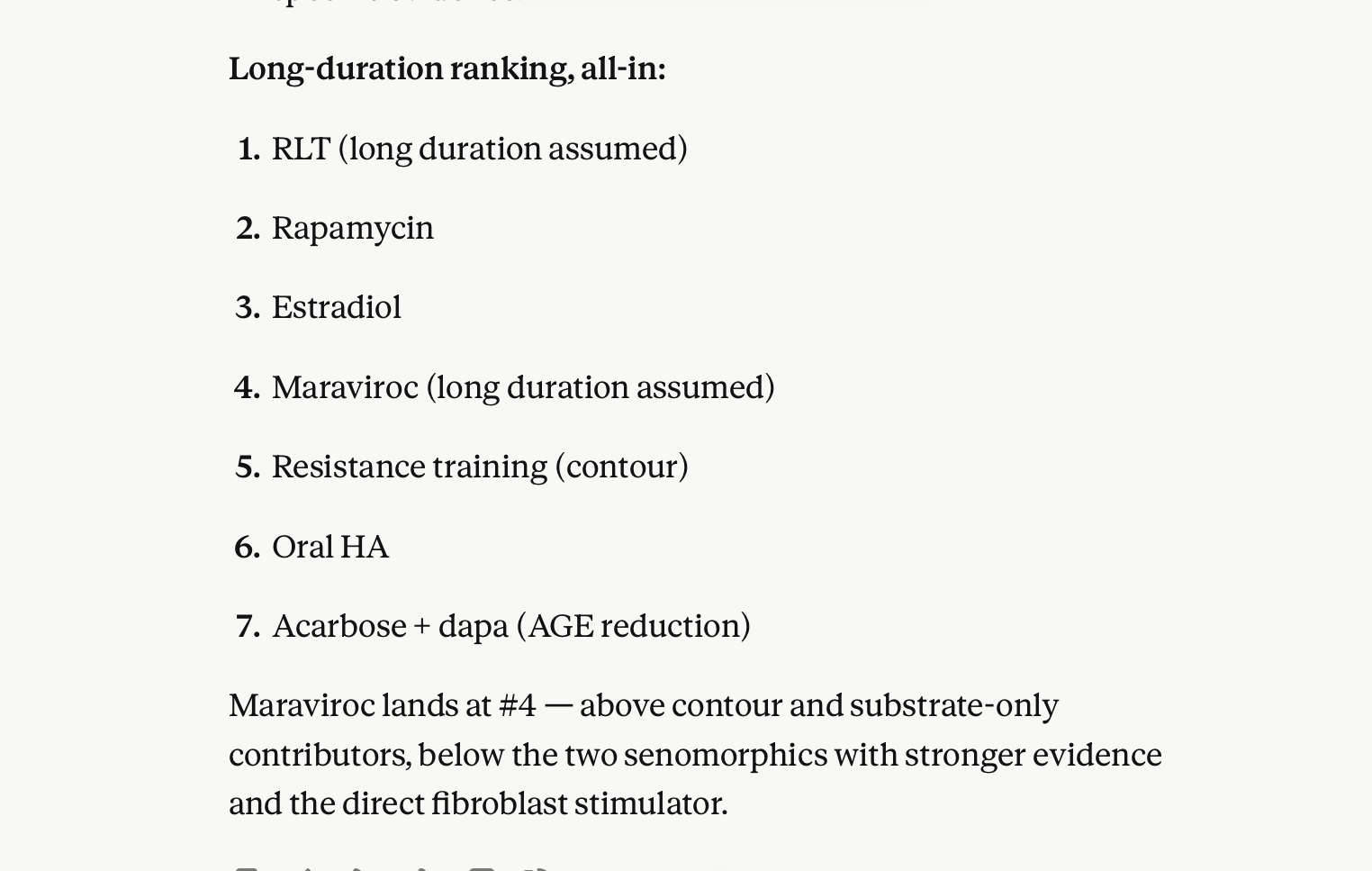
Ranking logic, restated:
1. Rapamycin — moderate-to-strong effect × 2 years = largest area under the curve
2. Estradiol — preserves the substrate × full 2.5 years
3. Red light — strong direct fibroblast effect × 6 months of compounded action; full contributor to endpoint
4. Resistance training — contour effect × full window
5. Oral HA — modest effect × duration (need to confirm start date)
6. Acarbose + dapa — slow AGE-reduction effect × full window
Red light’s position reflects its shorter duration in the window, not a discount for recency. If it had been running 2 years instead of 6 months, it would likely rank above rapamycin given the directness of fibroblast stimulation evidence.​​​​​​​​​​​​​​​​

I was surprised to learn if you have high glucose spikes, controlling them might help your skin. I could post what ‘he’ said if anyone is interested.

Also, if anyone sees flaws with his summary, please chime in!

What I am not confident about is if rapa makes actual improvements or just slows your aging. The studies re improvement seem to be from topical. Claude says it’s so, but Claude is at times a lying POS :slight_smile:

Btw, had I been taking maraviroc longer, Claude feels that can contribute to skin health as well. Who knew!

6 Likes

This is an interesting-sounding technology, assuming it works:

https://www.hyprskn.com/product-invelanin

Think “invisible melanin.” An invisible intradermal implant that will provide permanent UV protection in a single, minimally invasive procedure.

Imagine a technology that lets you enjoy the sun without worrying about your skin’s health.

Invelanin is an intradermal encapsulated nanoparticle specifically designed to act as invisible melanin, offering enhanced sun protection without altering the skin’s natural color.

By absorbing UV light that could otherwise degrade intradermal elastin, collagen, and fibroblasts, Invelanin will slow down UV-related aging from within the skin.

Unlike traditional sunscreens that provide only topical protection and require frequent reapplication, Invelanin will provide long-lasting intradermal protection in a single procedure, minimizing the need for continuous product application.

Invelanin, a revolutionary new approach to UV protection, complements sunscreen by providing the skin with permanent intradermal UV resilience.

Disclaimer: In active R&D. Not a finished cosmetic product. HYPRSKN makes no medical or cosmetic claims.

If that could be made to work so that you only need one procedure every couple years or so and then get the equivalent of SPF 20+ protection, then wrinkles will become a lot rarer.

2 Likes

Tretinoin Does More Than You Think

Executive Summary

Tretinoin (all-trans retinoic acid), the bioactive form of Vitamin A, is a potent regulator of skin biology that exerts pleiotropic effects via binding to retinoic acid receptors (RARs). While its utility in treating acne vulgaris and photoaging is foundational, this transcript highlights its “off-label” versatility in managing complex dermatological conditions ranging from Acanthosis Nigricans to androgenetic alopecia. The core thesis posits that tretinoin serves as a “master normalizer” of the epidermis; it accelerates cellular turnover, promotes healthy collagen synthesis, and inhibits melanin transfer.

In the realm of pigmentation, tretinoin’s most significant impact is observed in Triple Combination (TC) therapy(tretinoin, hydroquinone, and a mild corticosteroid), which remains the clinical gold standard for melasma. Beyond color, the molecule is critical for structural remodeling. In wound healing, particularly for diabetic ulcers, short-contact tretinoin has been shown to reduce wound depth and size by stimulating granulation tissue. Furthermore, its role in preventing hypertrophic and keloid scarring underscores its ability to modulate the extracellular matrix (ECM) during the early phases of tissue repair.

Perhaps the most disruptive insight is tretinoin’s interaction with the hair follicle. It acts as a synergistic catalyst for minoxidil by upregulating follicular sulfotransferase enzymes, effectively converting minoxidil non-responders into responders. Despite these benefits, the transcript emphasizes a high “irritancy hurdle.” Success with tretinoin is not a function of concentration alone but of barrier preservation. Clinical efficacy is often negated by “retinoid dermatitis,” necessitating a protocol focused on slow titration, liberal moisturization, and stringent ultraviolet (UV) protection. Ultimately, tretinoin is framed as a long-term maintenance tool for structural and functional skin integrity rather than a quick-fix cosmetic.

Insight Bullets

  • Gold Standard Pigment Control: Tretinoin is a core component of the “Kligman-Willis” triple combination, which is consistently more effective for melasma than hydroquinone alone (Basit et al., 2022).
  • Melanin Interference: It reduces pigmentation not just by turnover, but by physically inhibiting the transfer of melanosomes from melanocytes to keratinocytes.
  • Minoxidil Synergy: Tretinoin upregulates sulfotransferase enzymes in the hair follicle, which is the “activation enzyme” required for minoxidil to induce hair growth (Sharma et al., 2019).
  • Acanthosis Nigricans Normalizer: It addresses the skin thickening (hyperkeratosis) associated with insulin resistance, though it does not fix the underlying metabolic driver.
  • Striae Rubra Timing: Treatment for stretch marks must be initiated during the “red/purple” stage; once striae become white (striae alba), tretinoin shows minimal efficacy.
  • Keloid Prevention: Early application on healing wounds can reduce the risk of raised hypertrophic or keloid scars by modulating collagen deposition (ResearchGate, 2026).
  • Diabetic Ulcer Recovery: Short-contact therapy (10-minute application) has shown Level B evidence for accelerating the healing of chronic diabetic foot ulcers (Paquette et al., 2004).
  • Wart Clearance: By normalizing keratinization, tretinoin helps “shed” viral-laden skin cells (HPV) faster than natural turnover.
  • Keratosis Pilaris (KP): Off-label use helps dissolve the keratin plugs that cause “chicken skin” bumps around follicles.
  • Chemoprevention: Chronic use may reduce the count of Actinic Keratoses (AKs), serving as a secondary defense against squamous cell carcinoma (Silva et al., 2013).
  • Pre-Procedure Priming: Applying tretinoin 2–4 weeks before lasers or chemical peels enhances healing and minimizes post-inflammatory hyperpigmentation (PIH).
  • The “Unicorn” Problem: Most users have sub-clinical barrier compromise; starting tretinoin without a 2-week “moisturizer priming” phase leads to high dropout rates.
  • Concentration vs. Consistency: Lower percentages (0.025%) are often as effective as higher ones (0.1%) for anti-aging but with significantly higher long-term compliance.
  • Dry Skin Rule: Applying tretinoin to damp skin increases penetration too rapidly, often causing acute “retinoid burn” in beginners.
  • Maintenance Phase: Once clinical clearance is achieved (e.g., in acne or pigment), frequency can often be reduced to 2–3 times weekly for long-term maintenance.

Actionable Protocol (Prioritized)

High Confidence Tier (Level A/B Evidence)

  • Melasma Management: Utilize a “Triple Combination” cream (e.g., Tri-Luma) containing Tretinoin (0.05%), Hydroquinone (4%), and Fluocinolone acetonide (0.01%) for a maximum of 8 weeks for rapid clearance.
  • Minoxidil Potentiation: For minoxidil non-responders, incorporate low-dose tretinoin (0.01%) into the scalp regimen to induce sulfotransferase activity.
  • Scar Prevention: Apply 0.05% cream to surgical wounds once re-epithelialized (after sutures are out) to inhibit keloid/hypertrophic formation.
  • Strict UV Adherence: Nightly tretinoin use MUST be paired with daily SPF 30+; retinoids increase photosensitivity and UV radiation can degrade the molecule.

Experimental Tier (Level C/D Evidence)

  • Diabetic Ulcer Short-Contact: Apply 0.05% solution to the ulcer bed for 10 minutes, then rinse with saline daily for 4 weeks. (Note: Small RCT evidence; requires specialist supervision).
  • Stretch Mark Intervention: Apply 0.1% tretinoin daily to new (red/purple) striae for 6 months. Evidence shows only “minimal to mild” improvement compared to lasers.
  • Actinic Keratosis Prevention: Long-term nightly use of 0.05% cream to reduce AK count in high-risk sun-damaged populations.

Red Flag Zone (Safety Risks)

  • Skin Fold Application: Avoid applying tretinoin in high-friction areas (axilla, groin) for Acanthosis Nigricans unless specifically formulated or tolerated, as “enhanced penetration” leads to severe erosions.
  • Pregnancy/Lactation: Tretinoin is a known teratogen (Category C/X depending on jurisdiction); strict avoidance is required.
  • Active Eczema/Rosacea: Application on compromised “flaring” skin can induce severe irritant contact dermatitis.
  • Over-titration: “More is not better.” High concentrations applied too frequently without barrier support will lead to systemic-like inflammatory responses in the skin.
6 Likes

Here’s another skin protector, this one from Northwestern:

Imagine a skin cream that heals damage occurring throughout the day when your skin is exposed to sunlight or environmental toxins. That’s the potential of a synthetic, biomimetic melanin developed by scientists at Northwestern University.

In a new study, the scientists show that their synthetic melanin, mimicking the natural melanin in human skin, can be applied topically to injured skin, where it accelerates wound healing. These effects occur both in the skin itself and systemically in the body.

When applied in a cream, the synthetic melanin can protect skin from sun exposure and heals skin injured by sun damage or chemical burns, the scientists said. The technology works by scavenging free radicals, which are produced by injured skin such as a sunburn. Left unchecked, free radical activity damages cells and ultimately may result in skin aging and skin cancer.

I wonder how long the protective effect would last following a single application. I’m guessing for several days, if not a whole week.

2 Likes

The Acne Workhorse Reimagined: Azelaic Acid as a Molecular Shield Against Sun Damage

For decades, azelaic acid (AzA) has been a quiet staple in dermatology, primarily prescribed to clear acne and calm the redness of rosacea. However, new research published in Frontiers in Medicine suggests this dicarboxylic acid may possess a much more profound “second act” as a potent anti-photoaging agent. By diving deep into the molecular machinery of the skin, researchers have discovered that AzA can effectively “reboot” cellular signaling pathways that are typically shattered by ultraviolet B (UVB) radiation.

The “Big Idea” centers on TGF-beta/Smad signaling , a critical communication highway in our skin responsible for producing collagen and maintaining the extracellular matrix (ECM). When sun hits our skin, this highway is effectively blocked. UVB exposure reduces the “green light” signals (phosphorylated Smad2/3) and cranks up a “red light” inhibitory protein called Smad7. The result is a total breakdown in collagen synthesis, leading to the wrinkles, loss of elasticity, and thin skin associated with extrinsic aging.

In this study, human keratinocytes (outer skin cells) treated with AzA after UVB exposure showed a remarkable recovery. AzA didn’t just act as a passive antioxidant; it actively restored the TGF-beta signaling axis. It boosted the phosphorylation of Smad2/3, suppressed the inhibitory Smad7, and even helped these signaling proteins migrate back into the cell nucleus to start rebuilding the skin’s structural proteins.

Crucially, the study revealed that this isn’t just an “outer skin” fix. Through paracrine signaling —a form of cellular “crosstalk”—keratinocytes treated with AzA sent chemical messages to the deeper dermal fibroblasts, telling them to stop producing collagen-destroying enzymes (MMP-1) and start ramping up new collagen production. This suggests that topical application of AzA could have a “top-down” protective effect that reaches the deeper structural layers of the skin.


Actionable Insights

  • Broaden the Protocol: For those already using AzA for acne or pigment control, this study provides high-confidence evidence for its use as a preventative and restorative tool against photoaging. [Confidence: High]

  • Targeted Recovery: AzA appears effective when applied after UVB exposure , meaning it may serve as a critical “after-sun” intervention to prevent the signaling collapse that leads to long-term wrinkling. [Confidence: Medium]

  • Crosstalk Benefits: Because AzA influences epidermal-dermal crosstalk , its benefits likely extend beyond the surface, aiding the deeper dermal matrix where structural wrinkles form. [Confidence: Medium]

  • Dosage Awareness: The study noted cytotoxicity at very high concentrations (30–40 mM). While standard 10–20% clinical formulations are likely safe, more is not necessarily better; maintaining a steady, moderate dose is key. [Confidence: High]

  • Longevity Synergy: Consider AzA as a more stable, tolerable alternative to polyphenols like resveratrol or curcumin for maintaining skin homeostasis , as it is already optimized for topical delivery. [Confidence: Medium]


Context & Impact Evaluation

3 Likes

Tret is gold. Preventing the side effects is pure common sense — just moisturize well and use sunscreen.

1 Like

I am sure that it does both, but improvements will probably be more noticeable in the elderly.

As I noted about four years ago, “Essentially cured my actinic keratosis. Reduced muscle and joint pain to the point that I am essentially pain-free.” This is more incredible than it appears. I was frequently using a cane before I started rapamycin, but now I do not.

My personal experience is that rapamycin delays sarcopenia significantly, has a very positive effect on skin, especially sun-damaged skin, and significantly reduces arthritis or its effects.

Can’t say if it has any effect on brain functions, as I have always taken a plethora of supplements specifically targeting the brain.

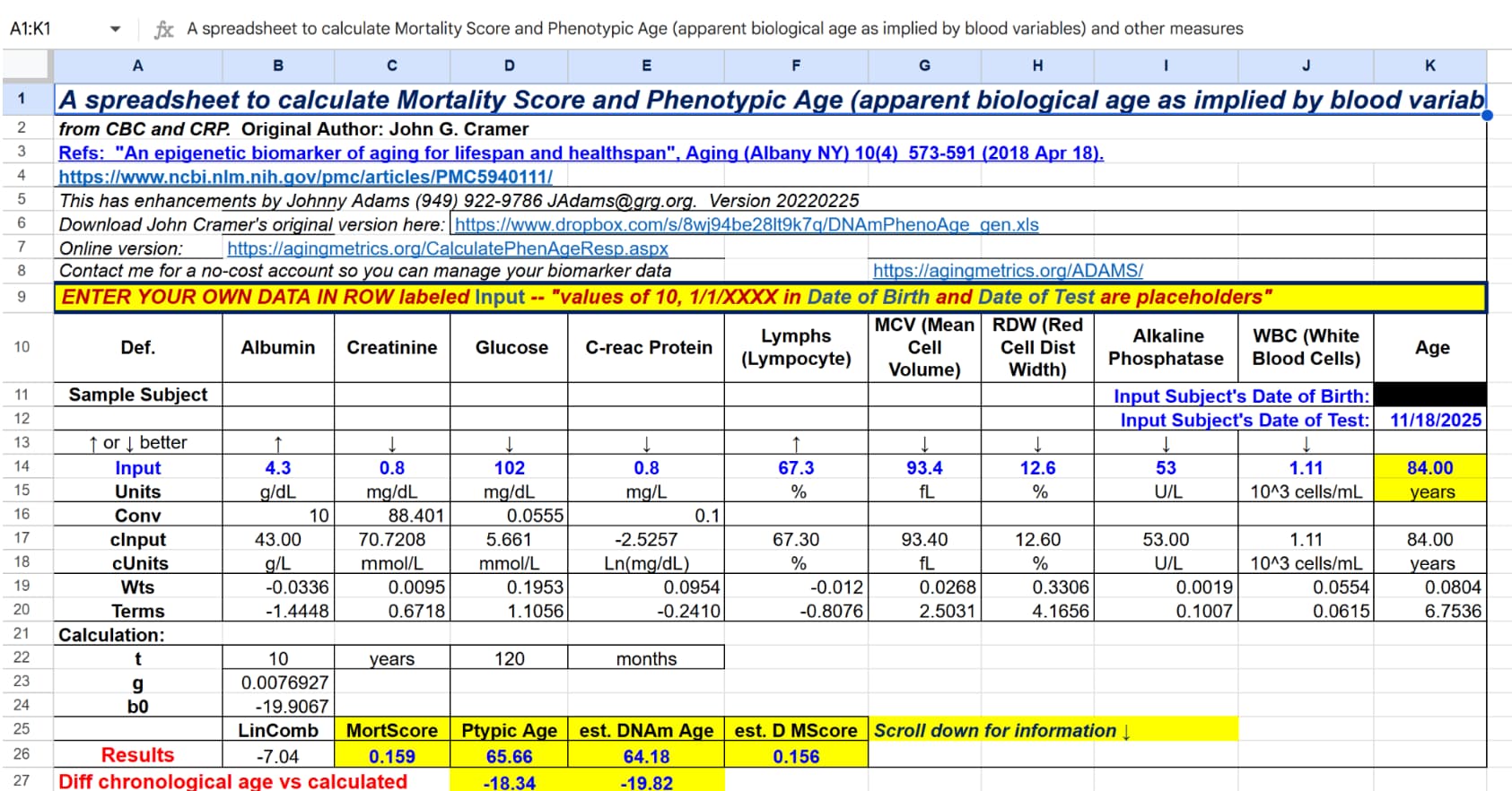
I am using “The PhenoAge Calculator Based on the Original DNAm PhenoAge Clock Analysis.” Which is still being used by some, such as Michael Lustgarten, PhD, to at least track some blood markers related to healthspan and lifespan.

4 Likes

@desertshores So what does PhenoAge say about you? Just curious. I’ve never used any of those clocks.

This is the calculator that I use.

If you do not want to use the spreadsheet, you can enter your results into the age calculator. You can also download the spreadsheet from Dr. Kara Fitzgerald’s website or

Nick Engerer’s website.

This particular version is attributable to:

John G. Cramer, PhD, Professor Emeritus of Physics at the University of Washington, Seattle

These are the results from the last time I entered my test results (Unlike Michael Lustgarten, I do not update the calculator frequently). Twice a year is sufficient for my needs.):

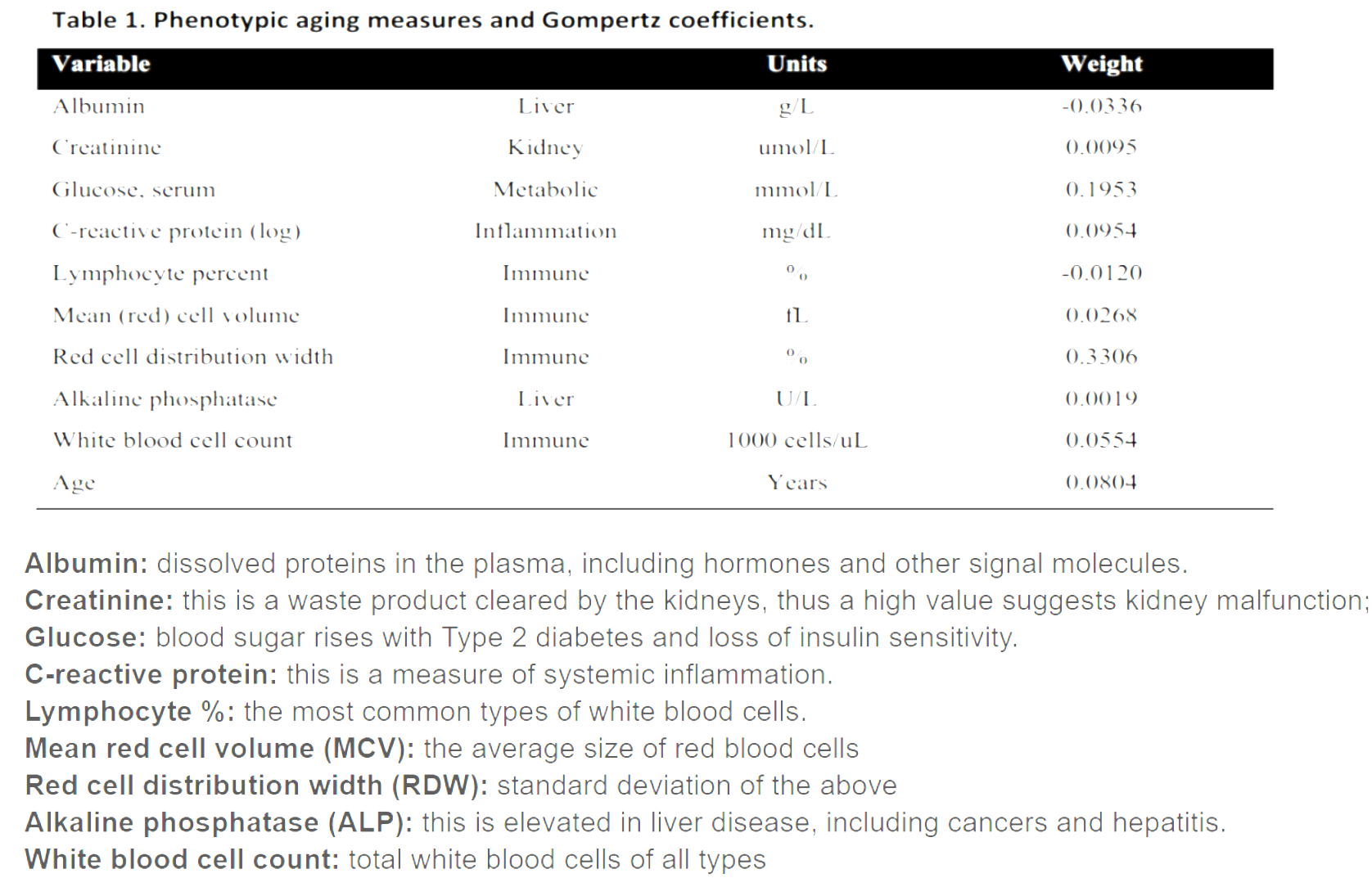
An epigenetic biomarker of aging for lifespan and healthspan

6 Likes

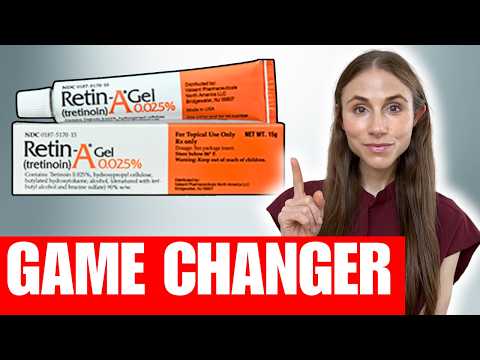
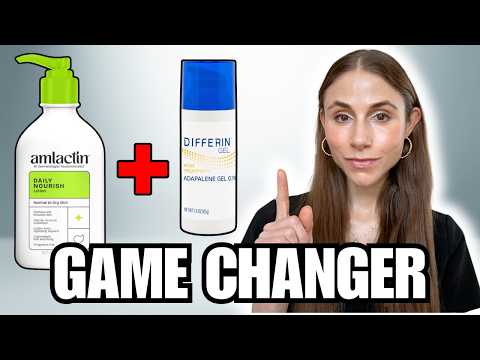
This report provides a clinical analysis of the dermatological protocol combining AmLactin (ammonium lactate) and topical retinoids. It synthesizes the insights from Dr. Dray’s clinical experience with peer-reviewed data on alpha-hydroxy acids (AHAs) and vitamin A derivatives.

I. Executive Summary

The combination of ammonium lactate (lactic acid) and topical retinoids represents a high-potency, non-invasive strategy for reversing photoaging and structural skin atrophy. While often overlooked due to potential irritancy, this duo utilizes a dual-mechanism approach: chemical exfoliation/humectancy and cellular receptor-mediated remodeling.

AmLactin serves as a unique AHA due to its humectant properties and its concentration-dependent biological effects. Clinical data confirms that while lower concentrations (5%) provide superficial epidermal smoothing, a 12% concentration is required to induce measurable changes in the dermis, including increased dermal thickness and firmness Smith, 1996. Lactic acid achieves this by dissolving desmosomal bonds in the stratum corneum and potentially stimulating glycosaminoglycan synthesis in deeper layers.

Topical retinoids (e.g., tretinoin, adapalene) complement this by binding to nuclear retinoic acid receptors (RARs) to normalize epidermal maturation and stimulate type I collagen production. When combined, these agents address skin aging at multiple biological levels: the AHA clarifies the surface and enhances hydration, while the retinoid rebuilds the structural matrix from within. However, this is an advanced protocol. The primary risk factor is barrier dysfunctioncaused by the compounding effects of retinization and chemical exfoliation. Success requires a staged introduction, mandatory UV protection—as AHAs significantly lower the Minimal Erythema Dose (MED)—and an “experienced user” profile to avoid irritant contact dermatitis AAD, 2024.


II. Insight Bullets

  • The 12% Threshold: A 12% lactic acid concentration is the clinical minimum for stimulating dermal remodeling; 5% is limited to epidermal hydration Smith, 1996.
  • Humectant Dual-Action: Unlike glycolic acid, lactic acid is a natural component of the skin’s NMF (Natural Moisturizing Factor), drawing water into the stratum corneum while exfoliating.
  • Retinoid Mechanism: Retinoids do not “exfoliate” in the traditional sense; they normalize cellular behavior via receptor signaling, leading to a more compact stratum corneum and thicker dermis.
  • Synergistic Architecture: The AHA addresses “top-down” (texture/dullness), while the retinoid addresses “bottom-up” (collagen/firmness).
  • Photo-Sensitivity Shift: AHAs lower the skin’s MED (Minimal Erythema Dose), making the skin burn faster under UV exposure FDA, 2023.
  • The “Retinization” Barrier: Beginners must complete the 3–9 week retinization phase (initial peeling/sensitivity) before adding AHAs to avoid severe inflammation.
  • Collagen Preservation: Retinoids suppress the matrix metalloproteinases (MMPs) that degrade collagen following UV exposure.
  • Molecular Compaction: Consistent use of this combo results in a “shredded wheat to smooth surface” transition of the stratum corneum, enhancing radiance.
  • Waxing Contraindication: Due to stratum corneum thinning/compaction, facial waxing while on this protocol carries a high risk of skin lifting (tearing).
  • Maintenance Frequency: After 12 months of consistent retinoid use, anti-aging benefits may be maintained with 2–3 applications per week rather than nightly.
  • pH Dependency: The efficacy of Amlactin is heavily dependent on a low pH (ideally ~2.8–4.0) to maintain the free acid required for penetration.
  • Pigment Clearance: The combo hastens the clearance of melanin-laden keratinocytes while the retinoid inhibits new pigment production.
  • Neck and Eye Fragility: The thinner skin in these areas has fewer oil glands, making them high-risk zones for irritant contact dermatitis with this protocol.
  • Layering Uncertainty: No definitive RCTs prove the superiority of simultaneous layering over alternating nights; “alternating” remains the safer clinical recommendation.
  • Barrier Support: The use of niacinamide or ceramides is recommended to mitigate the “retinoid-compromised” skin barrier during this intensive treatment.

III. Actionable Protocol

High Confidence Tier (Level A/B Evidence)

  • Pre-Conditioning: Establish a stable, nightly retinoid habit for at least 3 months (no active peeling or redness) before introducing AmLactin.
  • Concentration Selection: Utilize 12% Ammonium Lactate (e.g., AmLactin Daily) to ensure dermal-level stimulation Smith, 1996.
  • Sun Protection: Mandatory application of broad-spectrum SPF 30+ daily. AHAs increase sunburn risk by approximately 20% during and one week after use.
  • Hair Removal Safety: Discontinue both actives at least 5–7 days prior to any facial waxing or laser treatments.

Experimental Tier (Safe but Unproven for Synergy)

  • Alternating Schedule: Use Retinoid on Night 1, AmLactin on Night 2. This reduces the risk of additive irritation while maintaining 100% of the active dose of each.
  • Split Application: Apply AmLactin in the morning (for humectancy/exfoliation) and Retinoid at night (for cellular repair). Note: This requires hyper-vigilance with morning sunscreen.
  • Patch Testing: Test the combo on a small area (e.g., behind the ear or side of the jaw) for 14 days before full-face application.

Red Flag Zone (Safety Data Absent / Risk High)

  • Eyelid Application: Avoid the orbital bone area. The risk of chemical blepharitis or severe dermatitis is high.
  • Simultaneous Layering: Applying both at the exact same time is not clinically “wrong” but may lead to unpredictable pH changes that neutralize the retinoid or cause extreme irritation.
  • Acute Inflammation: If skin is red, “raw,” or stings upon applying a simple moisturizer, discontinue both actives immediately and use only occlusives (e.g., petrolatum) until the barrier recovers.
  • Aggressive Multi-Acid Use: Do not combine this protocol with other AHAs (Glycolic) or BHAs (Salicylic) simultaneously, as this causes cumulative barrier failure.
2 Likes

I had forgotten about this. I used it for several years, decades ago, and was using it as a substitute for tretinoin because my doctor wouldn’t prescribe tretinoin. It is usually, if not always, behind the counter at such places as Walmart pharmacies. You have to ask for it. No prescription required. I consider it a very good product, especially for sun-damaged skin.

2 Likes

I had tried Amlactin in the past but couldn’t stand the smell. The newest versions have the smell greatly reduced.

I expanded on the research, including Dr. Greger’s emphasis on the VATTC study risks, and got the following takeaways:

Tretinoin is, by a wide margin, the best-evidenced topical drug in dermatology for both acne and photoaging. The Griffiths NEJM 1993 collagen data, replicated in subsequent 2-year and 22-month studies, are real and clinically meaningful. For melasma in fixed triple combination, for acne, and as an adjunct to minoxidil in androgenetic alopecia, the evidence is genuinely strong. For striae rubrae, post-inflammatory hyperpigmentation, and pre-procedure priming, the evidence is moderate. For keratosis pilaris, warts, scarring, and most of the other off-label uses you’ll see on social media, evidence is thin and largely empirical. For chemoprevention of skin cancer, the largest RCT was negative.
If you’re evaluating it for yourself, four honest framing points:
1. It is a real drug with a real side-effect profile, not a cosmetic. Perhaps 1 in 7 users will quit because of irritation. Tolerability protocols (low concentration, infrequent dosing, dry skin, buffering, short-contact therapy) can significantly reduce that.
2. OTC retinaldehyde or adapalene 0.1% gel is a reasonable starting point if you want to test whether your skin tolerates retinoids before committing to a prescription, or if you want most of the benefit with fewer side effects. The Creidi 1998 head-to-head suggests retinaldehyde 0.05% can deliver tretinoin-comparable wrinkle reduction with about a third of the irritation.
3. The VATTC mortality finding deserves acknowledgment, not dismissal. Mainstream consensus is that it’s likely a statistical artifact in an elderly, comorbid, high-smoking population on extreme dosing — but it has not been mechanistically explained, and “probably nothing” is not the same as “definitely nothing.” For typical adult facial use at 0.025–0.05%, the absolute risk implied is very small. For long-term, large-surface, high-strength use in elderly smokers, the risk-benefit conversation should be explicit.
4. Visible benefit takes 3–6 months, peak benefit 12 months, and effects regress within months of stopping. This is a long-term commitment.

Tolerability and How to Minimize Irritation
About 85% of tretinoin users develop “retinoid dermatitis” (erythema, scaling, stinging, dryness) at some point; ~20% experience moderate-to-severe irritation, and ~15% discontinue treatment entirely for this reason. The phenomenon is called retinization and reflects compromised stratum corneum barrier function while the epidermis adapts. It is usually worst in weeks 2–6 and improves thereafter.
Evidence-based strategies to reduce irritation:
1. Start low and slow. Begin with 0.025% cream (cream > gel for tolerability) two or three nights per week, then increase frequency over 6–12 weeks as tolerated.
2. Apply to completely dry skin. Wait 15–20 minutes after washing — applying to damp skin meaningfully accelerates penetration and irritation.
3. Use a pea-sized amount for the whole face. More is not better.
4. Buffer with moisturizer. Either apply a bland moisturizer first (“buffering”), or moisturize ~20 minutes after the tretinoin (“sandwich method”). A Draelos Cutis 2006 RCT showed pre-treating with a barrier-supporting moisturizer containing niacinamide/panthenol/tocopheryl acetate significantly reduced retinization-related irritation without diminishing efficacy.
5. Short-contact therapy. Veraldi et al. 2013 showed that applying 0.05% tretinoin once daily for only 30 minutes and then washing it off achieved acne efficacy comparable to overnight use, with markedly less irritation (only 5.4% discontinuation for irritation versus the typical 15%).
6. Avoid same-night use of other actives that compromise the barrier — alpha-/beta-hydroxy acids, benzoyl peroxide (which also chemically degrades tretinoin if the formulation isn’t a stable microsphere), strong physical exfoliation. Niacinamide, hyaluronic acid, and ceramide products are compatible.
7. Rigorous daily SPF. Tretinoin thins the stratum corneum and is itself UV-degraded; sunscreen is non-negotiable.

Foundational Mechanism & Photoaging
Griffiths CE et al. “Restoration of collagen formation in photodamaged human skin by tretinoin.” N Engl J Med. 1993;329(8):530–535.
The landmark RCT behind the 80% collagen increase finding.
:link: Restoration of collagen formation in photodamaged human skin by tretinoin (retinoic acid) - PubMed | Full text: https://www.nejm.org/doi/full/10.1056/NEJM199308193290803
Darlenski R et al. “Topical retinoids in the management of photodamaged skin: from theory to evidence-based practical approach.” Br J Dermatol. 2010;163(6):1157–1165.
Broad mechanism and clinical evidence review.
:link: Novel approach to gene expression profiling in Sézary syndrome - PubMed
Systematic review of tretinoin RCTs for photoaging (Yin et al., Int Wound J. 2022)
Reviews 23 RCTs confirming efficacy through 24 months.
:link: Topical tretinoin for treating photoaging: A systematic review of randomized controlled trials - PMC

The VATTC Mortality Signal — Most Important Safety Reading
Weinstock MA et al. “Topical tretinoin therapy and all-cause mortality.” Arch Dermatol. 2009;145(1):18–24.
The trial that was stopped early. Read the actual conclusions — the authors themselves call causation unlikely.
:link: Topical tretinoin therapy and all-cause mortality - PubMed | ResearchGate PDF: https://www.researchgate.net/publication/23801055
Schilling LM, Dellavalle RP. “Dealing with unanticipated mortality in a large randomized clinical trial of topical tretinoin.” Arch Dermatol. 2009;145(1):76.
The editorial response calling for transparency rather than alarm.
:link: Dealing with unanticipated mortality in a large randomized clinical trial of topical tretinoin - PubMed
Sangolli commentary — “Does topical tretinoin used for chemoprevention cause increased mortality?” J Cutan Aesthet Surg. 2009;2(2):101–102.
The most accessible plain-language analysis of why causation is implausible.
:link: Does Topical Tretinoin Used for Chemoprevention Cause Increased Mortality? - PMC (free full text)

1 Like

My microspheres Tretinion tubes are ready - I’ll start this fall to avoid summer sun exposure during the first few months of application.

Revize Micro 0.025% and 0.04% 20 gm gel tubes found for about $3.25/tube from India.