How to Stop or Reverse Skin Aging (2026)

the following supplement was identified by Google Gemini as helpful to prevent skin aging in this query cited here: What are the best strategies to maintain your early 20s appearance for as long as possible? - #3 by RapAdmin

Google Gemini Information Summary:

Oral Polypodium Leucotomos Extract (PLE) — Evidence Summary

What It Is

Polypodium leucotomos is a tropical Central American fern whose dried leaf extract is rich in phenolic acids (caffeic, ferulic, chlorogenic, and cinnamic acids) — potent antioxidants that confer systemic photoprotection when taken orally.


Mechanisms of Action

PLE works through multiple complementary pathways relevant to skin health and longevity:

Photoprotection & UV Defense: Neutralizes UV-generated reactive oxygen species (ROS), reducing oxidative DNA damage (cyclobutane pyrimidine dimers). A landmark 1997 study in Photodermatology, Photoimmunology & Photomedicine demonstrated that oral PLE prevented acute sunburn, psoralen-induced phototoxic reactions, and — critically — depletion of Langerhans cells, the skin’s frontline immune sentinels.

Anti-Photoaging: Inhibits matrix metalloproteinase-1 (MMP-1), preserving collagen and elastin — the structural proteins degraded by chronic UV exposure and responsible for wrinkles and skin laxity. It also blocks trans-urocanic acid isomerization (an immunosuppressive UV byproduct) and UV-mediated apoptosis and necrosis.

Immunomodulation: Preserves cutaneous immune surveillance by protecting Langerhans cells, which are rapidly depleted by UV — a key mechanism behind UV-induced immune suppression and skin cancer risk.


Clinical Evidence (Level 2 — RCTs)

Study Design Key Finding
Middelkamp-Hup et al. (2004) JAAD RCT, n=9, skin types II–III Oral PLE significantly reduced erythema, sunburn cells, DNA damage, and mast cell infiltration vs. placebo
González et al. (2017) JAAD Human clinical study, UVB response PLE increased minimal erythema dose (MED); 17/22 subjects showed decreased UVB-induced changes
Parrado et al. (2025) Nutrients RCT, double-blind, 8 weeks 23.8% increase in MED + 46.2% reduction in erythema intensity in treatment group
Choudhry (2014) RCT, vitiligo patients Improved repigmentation when combined with NB-UVB
Gonzalez et al. (1997) Photoderm RCT Prevented Langerhans cell depletion and psoralen phototoxicity

A 2025 systematic review in Journal of Drugs in Dermatology (21 studies meeting criteria, 11 RCTs) concluded PLE shows “strong evidence of effectiveness” across photoprotection, photoaging, and skin cancer prevention applications.

An ongoing NIH-registered clinical trial (NCT02813902) is investigating PLE specifically for prevention of skin cancer and its precursors.


Clinical Utility for Skin Longevity

PLE is not a sunscreen replacement — it provides an SPF equivalent of roughly 3–5 — but its value is systemic: it addresses UV damage in areas topical sunscreen misses or fails (incomplete coverage, missed reapplication), and it targets the immunosuppressive and pro-aging molecular pathways that drive long-term photoaging and carcinogenesis. Typical evidence-backed dosing is 240–480 mg/day, taken before sun exposure.


Reputable Products

Heliocare — The gold standard brand, built on proprietary Fernblock® PLE technology, extensively used in clinical research. Widely available via dermatologist offices, Amazon, and pharmacies. 240 mg/capsule.

Heliocare Ultra — Higher-dose formulation (480 mg PLE equivalent) with additional antioxidants for higher-risk individuals.

Supersmart Polypodium Leucotomos Extract — 1,000 mg/day dose (500 mg per capsule); manufactured in GMP/HACCP-certified facilities; 30+ year established supplement company.

Nutricost Polypodium Leucotomos Extract — 250 mg of a 20:1 concentrate (equivalent to 5,000 mg whole leaf); NSF-certified, GMP-compliant, FDA-registered facility. Budget-accessible.

NusaPure Polypodium Leucotomos — 240 mg, 10:1 extract; cGMP-manufactured in the USA; non-GMO, vegan.

Note: Heliocare is the most clinically referenced brand by name in dermatology literature and is the product most often recommended by dermatologists specifically because its Fernblock® extract is the standardized form used in many published trials.


Sources:

Here’s a pricing summary for each product, with direct purchase links:

Product Dose / Count Approx. Price Buy Link
Heliocare (standard) 240mg Fernblock®, 60 caps ~$37 retail / ~$25 with coupons Amazon · LovelySkin
Heliocare Ultra 480mg Fernblock® + vitamins C/E, lutein, lycopene, 30 caps ~$40–$42 Dermacare Direct · Amazon
SuperSmart PLE 1,000mg (4:1 extract), 90 veg caps ~$19 SuperSmart Direct · Walmart · Target
Nutricost PLE 250mg (20:1 extract = 5,000mg equivalent), 240 caps ~$15–$17 Nutricost.com · Amazon
NusaPure PLE 240mg (10:1 extract = 2,400mg equivalent), 200 veg caps ~$18–$22 NusaPure Direct · Amazon

Value note: Nutricost and SuperSmart offer the best cost-per-dose for budget-conscious buyers. Heliocare commands a premium as the clinically referenced brand with standardized Fernblock® extract — worth it if you want the formulation closest to what was studied in RCTs.

Sources:

2 Likes

What’s Really Causing Your Skin to Age?

What’s Really Causing Your Skin to Age?

I. Executive Summary

The core thesis presented by Dr. Hillary Lin centers on skin elasticity as an actionable, external surrogate biomarker for systemic physiological health, rather than a merely aesthetic metric. Cutaneous aging is governed by the structural integrity of the dermal extracellular matrix (ECM), specifically the interplay between elastin fibers—which function as mechanical springs providing tissue compliance and recoil—and collagen scaffolds that supply tensile strength. Chronological, intrinsic aging drives a genetically programmed decline in matrix synthesis, which is drastically compounded by extrinsic photoaging and environmental insults.

Mechanistically, cutaneous degeneration is orchestrated by four primary pillars: intrinsic senescence, elastic fiber fragmentation, persistent low-grade chronic inflammation (inflammaging), and the pathological upregulation of Matrix Metalloproteinases (MMPs). Enzymes such as MMP-1, MMP-2, and MMP-9, which normally manage physiological tissue remodeling, become hyperactive under the influence of ultraviolet (UV) radiation and oxidative stress, causing unchecked degradation of structural proteins. This destruction is further exacerbated by the accumulation of Advanced Glycation End-products (AGEs), where non-enzymatic glycation cross-links dermal proteins, rendering once-flexible fibers rigid and brittle.

To counter this cascade, a multi-modal therapeutic framework is proposed, bridging systemic lifestyle factors and targeted biomolecular interventions. At the foundational tier, regular resistance exercise emerges as a powerful systemic intervention, clinically demonstrated to suppress circulating inflammatory cytokines and expand dermal thickness via ECM gene activation. Nutritional optimization focuses on the targeted ingestion of hydrolyzed collagen peptides, which are broken down into specific bioactive dipeptides that directly stimulate dermal fibroblasts to synthesize new ECM networks while simultaneously inhibiting MMP activity. Photoprotection via broad-spectrum, daily mineral sunblock is mandatory to shield the dermis from the destructive wavelengths of both UVA and UVB light, which otherwise deplete the structural matrix. Advanced topical care integrates prescription retinoids to accelerate cell turnover and L-ascorbic acid to quench free radicals and drive collagen synthesis. Ultimately, cutaneous longevity cannot be achieved through superficial topical applications alone; it requires a coordinated, inside-out strategy that systematically addresses systemic inflammation, oxidative stress, glycation, and cellular mechanical signaling.

II. Insight Bullets

  1. Skin Elasticity as a Biomarker: Cutaneous elasticity serves as an external physiological proxy reflecting systemic state, directly tracking cellular hydration, nutritional competence, and endocrine balance.
  2. Elastin Mechanical Recoil: Elastin fibers operate as physical springs within the dermal layer, granting tissue compliance and allowing the skin to return to its baseline geometry after mechanical distortion.
  3. Collagen Structural Framework: Dermal collagen functions as structural scaffolding, providing the high tensile strength and rigidity required to hold cutaneous architecture in place.
  4. Intrinsic Degradation Vector: Programmed chronological senescence naturally dictates the gradual fragmentation, disorganization, and diminished production of both collagen and elastin fibers over time.
  5. Extrinsic Aging Wavelengths: External environmental inputs, primarily ultraviolet (UV) radiation, accelerate structural degradation by transforming flexible, compliant elastic networks into brittle, fragmented structures.
  6. The Four-Factor Matrix of Aging: Cutaneous structural failure is driven by four discrete, interconnected biological pathways: chronological senescence, elastic fiber degeneration, chronic micro-inflammation, and accelerated enzymatic cleavage.
  7. Dermal Fraying Analogy: Over time, the fragmentation of dermal components causes a tightly woven architectural tapestry to fray, destabilizing the structural framework and manifesting as clinical sagging and rhytids (wrinkles).
  8. Matrix Metalloproteinase Overactivation: Endogenous zinc-dependent endopeptidases (specifically MMP-1, MMP-2, and MMP-9) are pathologically upregulated by environmental toxins, shifting their role from controlled tissue remodeling to systematic ECM destruction.
  9. Maladaptive Hormetic Thresholds: Mild, acute stressors stimulate adaptive tissue resilience, but excessive or prolonged environmental insults cross a critical threshold, triggering chronic MMP activation and tissue disrepair.
  10. Advanced Glycation End-Products (AGEs): Non-enzymatic glycation occurs when circulating sugars covalently bond to dermal proteins and lipids, forming rigid cross-links that render soft, springy tissues stiff and non-functional.
  11. Cutaneous Inflammaging: Age-associated low-grade chronic inflammation upregulates systemic pro-inflammatory cytokines like interleukin-6 (IL-6) and tumor necrosis factor-alpha (TNF-Alpha), which continuously fuel MMP activity.
  12. Oxidative Rusting: Chronic micro-inflammation increases intracellular oxidative stress, mimicking an unmitigated “rusting” process that compromises the functional integrity of dermal cells and matrices.
  13. Bioactive Dipeptide Pharmacokinetics: Ingested collagen cannot bypass digestion intact; instead, it must be hydrolyzed into specific bioactive dipeptides—such as proline-hydroxyproline—to enter systemic circulation and reach target tissues.
  14. Fibroblast Genetic Activation: Systemically absorbed collagen dipeptides bind to dermal fibroblasts, functioning as signaling ligands that directly upregulate the transcription of type I collagen and elastin genes.
  15. Competitive MMP Suppression: Beyond driving new protein synthesis, specific hydrolyzed collagen peptides act as regulatory inhibitors that suppress hyperactive MMP enzymes, preserving existing dermal networks.
  16. Whole-Food vs. Isolated Antioxidant Toxicity: Sourcing polyphenols and flavonoids from whole-food matrices is superior to synthetic isolated megadoses, mitigating the severe hypervitaminosis and accumulation risks inherent to fat-soluble vitamins.
  17. Omega-3 PUFA Emulsion: Long-chain omega-3 polyunsaturated fatty acids downregulate UV-induced inflammatory pathways, optimize baseline stratum corneum hydration, and visibly reduce wrinkle depth within 12 weeks.
  18. Linoleic Acid Nuance: Despite common anti-seed-oil rhetoric, dietary omega-6 linoleic acid is associated with superior epidermal hydration metrics and a significant reduction in age-related skin thinning.
  19. Carotenoid Photoprotection: Dietary carotenoids (e.g., beta-carotene, astaxanthin) accumulate directly within cutaneous tissue, actively neutralizing UV-induced reactive oxygen species (ROS) and inducing a subtle, healthy pigment glow.
  20. Intestinal Transport of Hyaluronic Acid: High-molecular-weight oral hyaluronic acid resists gastric degradation, crossing the intestinal epithelium via intestinal-associated lymphoid tissue to undergo systematic distribution to peripheral connective tissues.
  21. Resistance Training Epigenetics: Mechanical loading via resistance exercise systematically downregulates circulating pro-inflammatory markers and enhances extracellular matrix gene expression, significantly expanding dermal thickness.
  22. Aerobic Microvascular Perfusion: Chronic endurance exercise enhances systemic microvascular blood flow, accelerating the delivery of essential amino acids and oxygen directly to the dermal architecture while driving down oxidative stress.
  23. The Complete Solar Spectrum Threat: Cutaneous photoaging is driven by the entire ambient light spectrum, including UVB (epidermal DNA damage), UVA (deep dermal matrix destruction), visible blue light, and short infrared radiation.
  24. UVA Deep Tissue Penetration: Due to its longer wavelength, UVA radiation penetrates past the superficial epidermis into the deep dermis, where it directly severs structural collagen and elastin cross-links.
  25. Mineral vs. Chemical Barrier Dynamics: Inert mineral sunblocks (zinc oxide, titanium dioxide) form a passive physical shield on top of the stratum corneum, avoiding the systemic absorption, potential toxicities, and contact sensitivities linked to chemical ultraviolet filters.
  26. Retinoid Kinetic Turn: Topical prescription tretinoin (vitamin A derivative) drastically compresses keratinocyte differentiation cycles and cell turnover rates while downregulating collagenase activity to smooth microtopography.
  27. L-Ascorbic Acid Atmospheric Volatility: Topical Vitamin C is a highly unstable molecule that oxidizes instantly upon exposure to air; standard wide-mouth cosmetic jars rapidly render the active compound biologically inert.

IV. Actionable Protocol (Prioritized)

High Confidence Tier (Backed by Level A/B Evidence)

  • Daily Broad-Spectrum Photoprotection: Apply a high-quality mineral sunblock (Zinc Oxide or Titanium Dioxide base) every morning. Regular daily use reduces cumulative photoaging markers by up to 24% over a 4.5-year period, effectively halting the UV-induced degradation of the dermal matrix. Give preference to tinted or advanced formulations that leave no white cast to maximize compliance Hughes et al., 2013.
  • Hydrolyzed Collagen Peptide Supplementation: Ingest 2.5 to 10 grams of hydrolyzed collagen peptides daily for a minimum uninterrupted duration of 3 months. This input delivers bioavailable dipeptides to the bloodstream, stimulating dermal fibroblasts to upregulate collagen type 1 and elastin genes while concurrently suppressing degradative MMP enzymes PubMed / Functional et al., 2023.
  • Mechanical Loading (Resistance Training): Execute structured resistance exercise sessions 2 to 3 times per week. Heavy resistance training rejuvenates aging cutaneous tissue by actively reducing circulating systemic inflammatory cytokines and directly upregulating dermal extracellular matrix synthesis, leading to measured increases in dermal thickness Nishikori et al., 2023.
  • Oral Hyaluronic Acid Protocol: Supplemental intake of 120 mg of oral hyaluronic acid daily for 12 weeks. High-molecular-weight formulations survive gastric processing, pass into peripheral connective tissues via intestinal lymphatic structures, and significantly increase skin hydration while decreasing microtopographical wrinkle depth PubMed / Ingestible HA Study, 2023.
  • Nighttime Prescription Retinoid Kinetics: Apply a pea-sized amount of prescription-strength tretinoin to a completely clean, dry face at night, strictly avoiding the highly delicate periorbital tissue. Tretinoin downregulates internal collagenase activity and compresses the cell-turnover timeline (Source unverified in live search for specific video trial metrics; universally validated in core dermatological literature).

Experimental Tier (Level C/D Evidence with High Safety Margins)

  • Atmosphere-Isolated Vitamin C Application: Apply a topical Vitamin C (L-ascorbic acid) serum immediately after morning cleansing to neutralize free radicals and serve as an essential cofactor for collagen synthesis. To prevent immediate molecular oxidation and subsequent biological inactivation, utilize only single-use amber glass vials or airtight vacuum pumps; discard any serum showing yellow/brown discoloration.
  • Gut-Skin Axis Modulation: Consume daily dietary prebiotics (high-fiber plant matter) alongside fermented probiotics (kefir, unsweetened yogurt, sauerkraut) to optimize the gut microbiome, systematically suppressing systemic inflammaging cascade metrics (IL-6, TNF-Alpha).
  • Topical Hygroscopic Plumping: Apply topical moisturizers containing highly concentrated humectants, specifically glycerol and hyaluronic acid, to clean skin. Hyaluronic acid mechanically binds up to 1,000 times its molecular weight in water, drawing moisture from the deep layers to temporarily plump the stratum corneum.

Red Flag Zone (Claims Debunked or Lacking Safety Data)

  • Isolated Megadose Synthetic Vitamin Ingestion: Avoid high-dose synthetic multivitamin pills, particularly fat-soluble variants (A, E). Megadosing synthetic fat-soluble compounds carries severe systemic accumulation toxicity risks; extreme over-supplementation of Vitamin D can drive dangerous hypercalcemia and electrolyte derangements, occasionally resulting in cardiac ICU admission for acute heart block.
  • Isolated Synthetic Beta-Carotene Megadosing: Avoid high-dose isolated synthetic beta-carotene supplements. Randomized controlled trials show that isolated beta-carotene fails to retard photoaging and drastically elevates the incidence of lung cancer in individuals with a history of smoking Hughes et al., 2013. Excess intake also triggers benign carotenemia, physically discoloring the skin to a yellow-orange hue.
  • Aggressive Retinoid Application Overuse: Do not apply large volumes of tretinoin or place it on thin periorbital regions. Over-application triggers severe retinoid dermatitis (“retinol burn”), presenting as acute inflammation, barrier destruction, and peeling.
  • Retinoid Application Without Sunscreen: Never implement a nighttime retinoid protocol without implementing rigorous next-morning broad-spectrum photoprotection. Retinoid cell-turnover acceleration leaves the fresh epidermal layer highly vulnerable to solar radiation, paradoxically worsening photoaging outcomes if left unprotected.
4 Likes

The Twin Who Froze Time: A 13-Year Botox Experiment Written on Two Identical Faces

Over 13 years, one identical twin received regular Botox to the forehead and brow while her genetically identical sister did not — and the treated twin’s deep, etched-in wrinkles simply never formed. The paper argues that long-term neuromuscular paralysis doesn’t just mask wrinkles temporarily but prevents the permanent “imprinting” of facial lines altogether.

Identical twins are the closest thing biology offers to a controlled experiment on a human face. Same genes, same collagen, same tendency to crease. So when two 38-year-old identical sisters walked into a Los Angeles clinic with dramatically different foreheads, the difference demanded an explanation — and the explanation, according to this report, was Botox.

One twin had received botulinum toxin type A injections into her forehead and frown-line muscles roughly two to three times a year for thirteen years. Her sister had been injected only twice, ever. The result was visible at rest, with no expression at all: the regularly treated twin’s forehead and glabellar (“frown line”) regions were smooth, while her sister carried the fixed, etched horizontal and vertical lines that most people accumulate by midlife.

The core idea is subtle but important. Everyone knows Botox smooths wrinkles while the muscle is chemically frozen. This report argues something further — that by preventing decades of repetitive muscle folding, the skin never develops permanent creases in the first place. These so-called imprinted lines are normally one-way streets: once the dermis and epidermis break down along a fold, no amount of fresh Botox reverses them. You need fillers or laser resurfacing. The twin comparison suggests that starting early and continuing indefinitely may sidestep that damage entirely.

A useful internal control strengthens the picture. Neither twin was treated in the lower face, and both showed comparable nasolabial folds and general aging there. That the divergence appeared only in the treated muscles — and not across the whole face — argues against the simpler explanation that one sister just aged faster.

The caveats are enormous, and the paper is candid about being an observation rather than a trial. This is a single pair of twins, documented photographically, authored by a physician with a direct financial stake in the manufacturer. It proves nothing on its own. But as a proof-of-concept for the “prevention, not just correction” hypothesis, two identical faces telling opposite stories is a striking piece of visual evidence — and one that has shaped cosmetic practice ever since.

Actionable Insights

The practical takeaway is narrow but real: for the specific goal of preventing etched forehead and frown lines, sustained low-frequency treatment appears to work as prophylaxis, not merely cosmetics. The dosing that produced this outcome was modest and stable — roughly 20 to 30 units total across the forehead and 15 to 25 units in the glabella, delivered only two to three times yearly, unchanged across 13 years.

On effect size: this must be stated plainly. No quantitative effect size can be calculated from this paper. There are no measurements, scores, rating scales, or continuous variables — only side-by-side photographs. The “magnitude” is a binary qualitative judgment (lines present versus absent). Any Cohen’s d, relative risk, or hazard ratio would be fabricated. The honest real-world magnitude is: “in one twin pair, imprinted lines were categorically absent in the treated sister.” That is a case observation, not an effect size.

Two secondary practical points survive scrutiny. First, the treated twin’s clinical benefit reportedly held for at least 6 months per session without dose escalation — consistent with prior literature suggesting repeated dosing may lengthen duration. Second, crow’s feet differences appeared only on smiling, not at rest, because that region had been treated for just 2 years — implying the “prevention” effect requires long time horizons, not quick wins.

Context / Source

and another similar type of study:

Full paper:

Long-Term Effects of OnabotulinumtoxinA on Facial Lines: A 19-Year Experience of Identical Twins

3 Likes

The study followed 22 adults who underwent three treatments with Candela’s 1940 nm non-ablative fractional laser. Researchers used a split-face design, treating one side of each participant’s face while leaving the other untreated for comparison.

Instead of relying only on photographs or physician assessments, the team examined tiny molecular markers known as DNA methylation patterns. These are chemical tags that sit on DNA and help regulate how genes behave without changing the genetic code itself. Scientists increasingly use these patterns as one of the most reliable ways to estimate biological aging.

Across more than 3.8 million sites in the genome, the researchers found that the laser treatment shifted DNA methylation in the opposite direction of normal skin aging at nearly 84% of the age-related sites that responded to treatment.

Equally notable was the timeline. The molecular changes did not appear immediately after treatment. They emerged about a month after the treatment series, continued to strengthen over the following months and remained stable six months later, suggesting the skin was continuing to remodel itself well after the laser sessions had ended.

1 Like

As a life long Botox user, I’ll give my 2 cents…

The smiling pictures are meaningless because if you have Botox you’ll always have fewer wrinkles because your face won’t move as much… note, the un-Botox’d twin has cheeks that rise up naturally when she smiles which causes more eye wrinkles (not relevant but she has a much prettier smile due to this fact)

And at rest
While Botox MIGHT have prevented the fine lines, we don’t really know. The un-botox’d twin has noticeably more sun damage. She is more tanned (not necessarily relevant) but notice the sun spots on her forehead compared to the paler twin.

The un-botox’d twin has less sagging around her mouth, fwiw. Not relevant.

Hope you enjoyed my ted talk.

8 Likes

I noticed the same things!

1 Like

I hope you are sitting down because this is a EUREKA moment!!!

A couple of months ago I posted about my new pigmentation (it’s mild, but having anything was just a hmmm compared to being very clear).

I was using zinc fairly often until last fall-ish. Then I switched exclusively over to BOJ (Korean spf) because I learned that has better spf coverage than even zinc.

Well, today I spent the morning with Fable and my mind is forever blown.

I gave ‘him’ a photo and he immediately told me what kind of pigmentation I have. He said it’s nothing IPL or CO2 would address.

I told him which windows I have and he said my windows block UVB and almost all UVA, so I barely need spf at home.

So, how am I getting pigment you ask? Well, I learned that light actually causes pigmentation, and no amount of spf is going to block the light… WHAAAATTTTT???

So, my issue was never about zinc vs chemical or even wearing it at all when inside. The protection was a result of my zinc being tinted!!! It was the tint my dear Watson, the tint!!

Iron oxides are the key to blocking light, be in it makeup or tinted spf. The lack of tint is why I’m getting pigmentation while indoors (or anywhere)

He suggested if I’m home for the day, slap on tinted spf or makeup.

If going out, slap one of those on over my chemical spf. Basically, bare faced is not my friend.

I asked him to summarize for you……

Why your sunscreen isn’t stopping your pigmentation (and iron oxides are the missing piece)

SPF only grades UVB, and UVA filters cover UVA. But visible light, the light you can see, passes straight through every non-tinted sunscreen on the market, mineral or chemical. Zinc particles in modern sunscreens are sized to be cosmetically clear, which by definition means transparent to visible wavelengths.

Turns out visible light is an independent driver of pigmentation. In melasma RCTs (Boukari 2015, Dumbuya 2020), patients using sunscreen plus iron oxides pigmented significantly less than patients using the identical sunscreen without them. Visible light activates melanogenesis via opsin-3 signaling in melanocytes, and the effect is strongest in people already prone to pigment. It also generates reactive oxygen species, so it contributes to photoaging generally, not just spots.

Iron oxides (CI 77491/77492/77499, i.e., the pigments in any tint) absorb visible light. Roughly 3% was the effective dose in the studies, which in practice means a tint you can actually see on

And no, Opus never told me this, even though it was discussed at length.
4 Likes

Thank you Beth. I sent this to my daughter who has started having pigment issues over the last few years. She lives in West Texas where it’s very hot and sunny. We have both gotten more serious about sunscreen but had no idea about the importance of it being tinted. Fortunately I normally wear makeup over my sunscreen but my daughter does not. This is invaluable information!

1 Like

Aw man I’ve resisted wearing sunscreen indoors forever.

Does this apply to red light therapy devices?

I have seen concerning pigmentation anecdotes from people using blue lights on their light therapy masks.

2 Likes

This is why physically blocking light (a hat with a brim) is better than any sunscreen (tinted or not), although you’ll still get some reflected light especially if out on the water.

1 Like

How to Stay Young With the Skin of the Dead

South Korea’s latest beauty fix is made from cadaver skin

Sara Yoon recalls the moment her Seoul dermatologist described the clinic’s newest offering. His English wasn’t perfect, making the pitch sound even more like science fiction than skin care.

“It’s made from dead people,” he said.

The 40-year-old influencer and mother of two from New Jersey, who moved to Seoul in 2023, paused — but only for a moment. In the gleaming clinics of the city’s affluent Gangnam district, the treatment derived from donated human tissue has become a must-have beauty fix. Patients line up. Vials sell out. Shares of L&C Bio Co., the small Korean biotech company leading the boom with its Re2O skin booster, have more than doubled over the past year.

Yoon’s fleeting hesitation reflects just how quickly one of modern medicine’s most unlikely ingredients has entered South Korea’s beauty mainstream, where the pursuit of dong-an — “youthful face” — fuels a constant search for the next breakthrough treatment. But the boom is also drawing regulatory scrutiny. Critics question the ethics of using donated human tissue in cosmetic procedures and whether growing demand could divert supplies from traditional medical uses such as breast reconstruction and burn treatment.

The Re2O treatment involves injecting a 6-milliliter vial of extracellular matrix, or ECM, derived from processed human skin directly into a patient’s face and neck. (“Layer skin over skin,” reads the tagline.) It provides an immediate dermal scaffold that fills fine lines, tightens pores and creates a structure into which the body’s own cells can grow. Dermatologists charge 600,000 won to 800,000 won ($400 to $530) per session, compared with 200,000 won to 300,000 won for conventional skin boosters.

The skin used in Re20 comes from tissue donated in the US and certified by the Washington-based Association for Advancing Tissue and Biologics, which sets standards for the safe use of donated human tissue and the donor authorization process. A few other Korean companies, including Hans Biomed Corp. and CG Bio Co., also make skin boosters derived from AATB-certified human tissue.

Read the full story: Human Skin Is the Newest Ingredient in the K-Beauty Boom

1 Like

Currently experimenting with a home made melatonin face serum.

Why I like it more than retinoids:
Retinoids on paper are great. In practice I find they irritate me to no end. I’m not sure I’ll ever be able to use them on my face which is unfortunate. No matter how strict I am with sunscreen I always end up with red skin. I’m just too prone to it.

But I am a very enthusiastic person. I do think I tend to use a new thing too much. In the future I will try strictly experimenting with a low % adapalene 2-3x a week.

Melatonin on the other hand no only can be put on in the morning in the sun, it shows photoprotective effects in studies. This is a huge bonus. It is currently my only major skin active AM and PM.

My home made recipe is very cheap as well, not that retinoids are expensive if you get them from Indian pharmacies.

My recipe:

I put pure melatonin powder in a glass jar with propylene glycol. I submerged the bottom part of the jar in warm/hot water and stirred continually to dissolve it into solution. Once dissolved I would add more and continue this process until it stopped fully dissolving. Once I reached this stage I then took my usual moisturizer, Cerave PM, and started adding this in and stirring it to incorporate.

In hindsight I think having the moisturizer in a container and slowly adding the melatonin solution and mixing it in would be a better method as the way I did it resulted in the moisturizer clumping up and being hard to fully mix in. Eventually it did mix in, I just resubmerged the bottom of the jar in warm/hot water and stirred vigorously.

I find this melatonin serum to be perhaps a little too concentrated. If I put it on and don’t put moisturizer on top right away it feels like it burns a bit. But this might be the propylene glycol.

Things to consider:

  1. From what I can see you need to keep this in the refrigerator. This is the only flaw for me. I’d rather keep it in the bathroom with my moisturizer for more streamlined use. Perhaps decanting a small amount into a small amber glass jar is viable.
  2. If you want to get a specific melatonin % in your serum you will need strict measurement. I’m not sure what the saturation point of melatonin in propylene glycol is, but 12.5% in studies was what was needed for maximum photoprotection. Lower % is useful for other anti-aging effects.
  3. My thought was to just get the highest % and get all of the benefits, especially since bulk melatonin powder isn’t really that expensive. Especially compared to buying premade melatonin serums.

I had Claude AI summarize all of the major studies on topical melatonin:

“Clinical Studies Using Topical Melatonin” (2024) — reviews 18 clinical trials on topical melatonin for photoprotection, anti-aging, and hair growth (PubMed search through Dec 2023).

“Unveiling the Anti-Aging Potential of Topical Melatonin: A Systematic Review” (2026) — broader pooled analysis. Topical melatonin (alone or combined) associated with skin hydration up to +59.5%, firmness up to +30%, wrinkle depth reduction −11% to −31%. Mechanistic findings: downregulated mTORC1, decreased MMP-1, increased collagen 17A1, fibrillin-1, and mitochondrial markers (TFAM, MTCO-1, VDAC).

UV protection / erythema

Radiation dermatitis (cancer patients)

Worth flagging in your post: this is a case where the positive finding didn’t replicate in a better-powered follow-up. Good instinct to know both sides here rather than just citing the 2016 result.

Anti-aging / wrinkles

  • Morganti et al. (combined oral + topical melatonin, vitamin E, beta-glucan) — showed benefit at a very low topical concentration (0.0002%), which the review authors flag as notable given how low that dose is relative to other trials.
  • Sagan et al. — a higher topical concentration (0.012% alone, no added actives) was found less effective than oral melatonin (2.5mg/day) — the opposite pattern from Morganti, suggesting the co-actives (not melatonin alone) may be doing a lot of the work in these combination formulas.
  • Melatosphere™ trial (2018), Cosmetics — open, evaluator-blinded, 2-month trial using a lipid-based delivery system for melatonin. 3D imaging (ANTERA 3D) showed −31% coarse wrinkle volume, −18% fine wrinkle volume, −17% melanin content. No placebo arm. https://www.mdpi.com/2079-9284/5/4/60
  • “In & Out” randomized trial (2024/2025) — compared topical-only vs. topical+oral melatonin (with hyaluronic acid and apigenin) over 84 days. Combined regimen beat topical alone: hydration +23.6% vs +18.3%, wrinkle depth −18.5% vs −9.4% (p<0.05). Lipidomic analysis showed increased ceramides and triglycerides, relevant to barrier function. Lipidomic and Instrumental Evaluation of a Melatonin-Based In & Out Strategy Versus Topical Treatment in Skin Aging: A Randomized Prospective Trial - PMC and https://www.mdpi.com/2310-2861/11/11/860

Mechanism (relevant to formulation logic)

Across the review literature, melatonin’s proposed skin mechanisms are: direct free-radical scavenging, upregulation of endogenous antioxidant enzymes (SOD, glutathione peroxidase), immune modulation relevant to inflammation/dermatitis, mitophagy activation supporting mitochondrial turnover, and downregulation of mTORC1/MMP-1 with upregulation of collagen-supportive markers.

What this means for concentration/formulation choices

Pulling from the review’s concentration data across studies: 0.01% has established human skin penetration data; 0.1% has the clearest direct anti-aging trial data; photoprotection studies span 0.5% up to 12.5%; and 2.5% has the strongest overall clinical evidence base. Combination formulas (with vitamin E, beta-glucan, hyaluronic acid, or apigenin) consistently outperform melatonin alone in the anti-aging trials, so if your serum includes complementary actives, that’s consistent with where the strongest data sits.

3 Likes

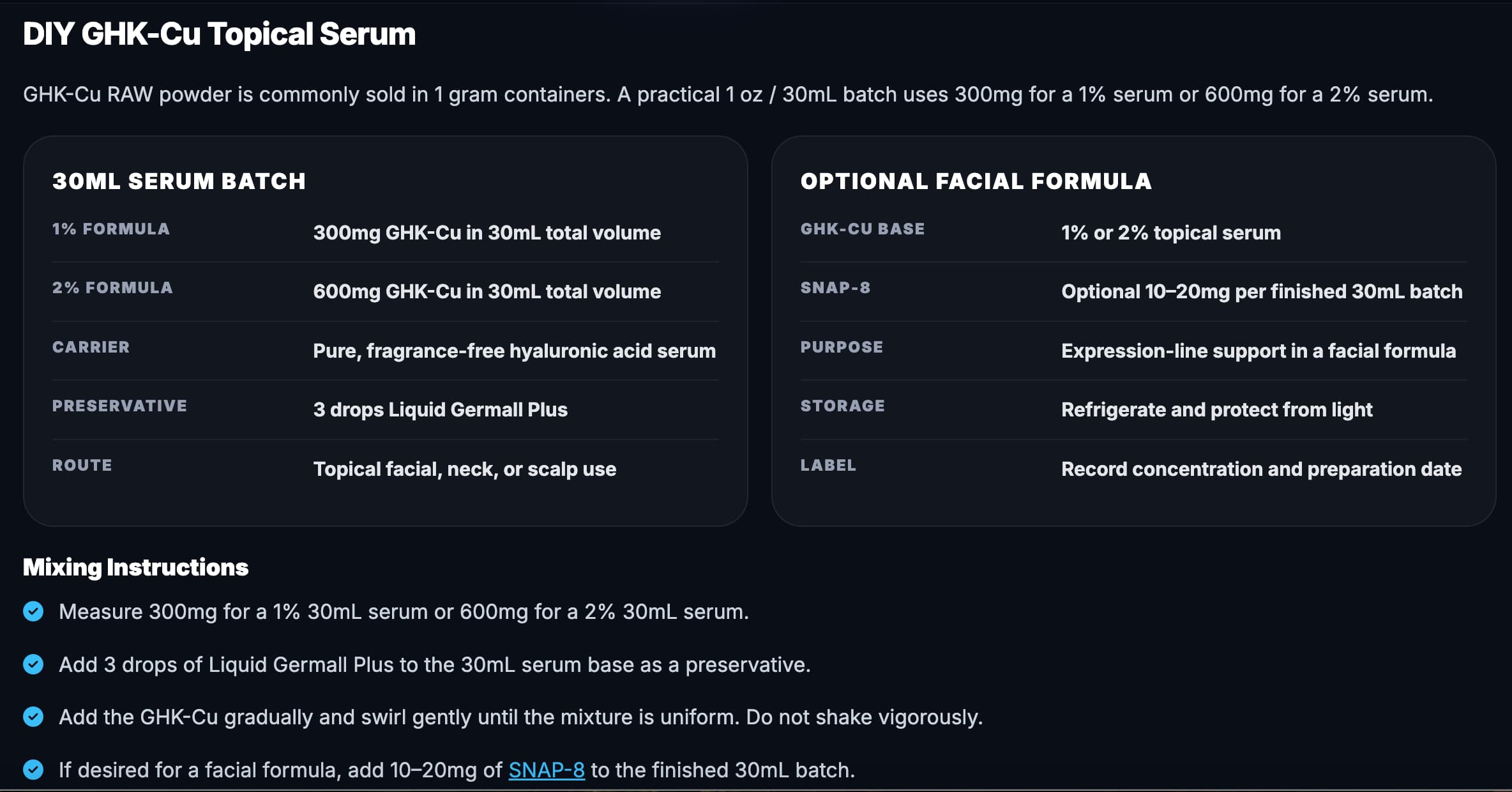
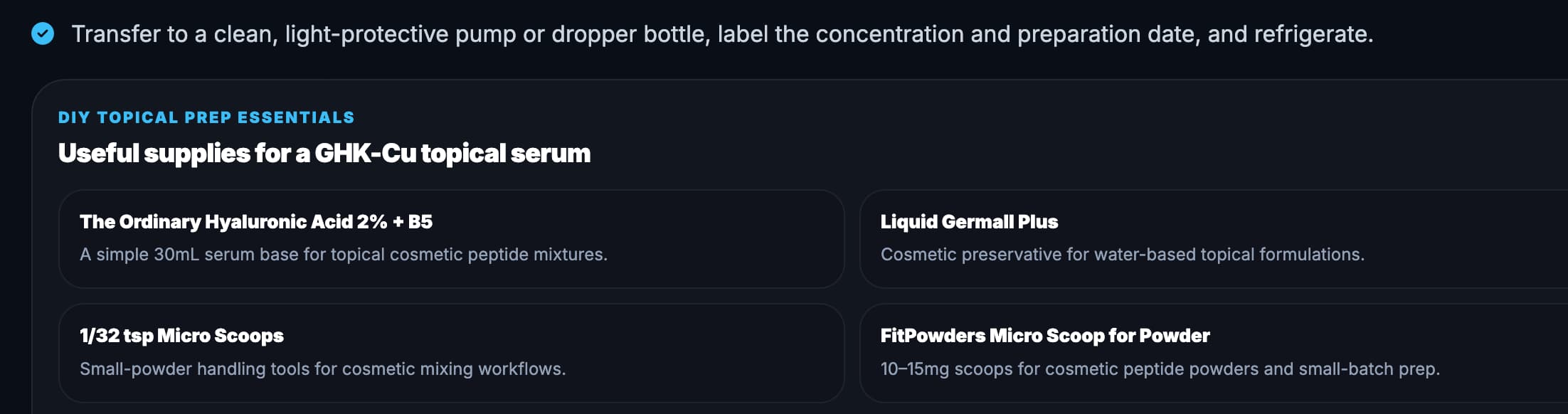
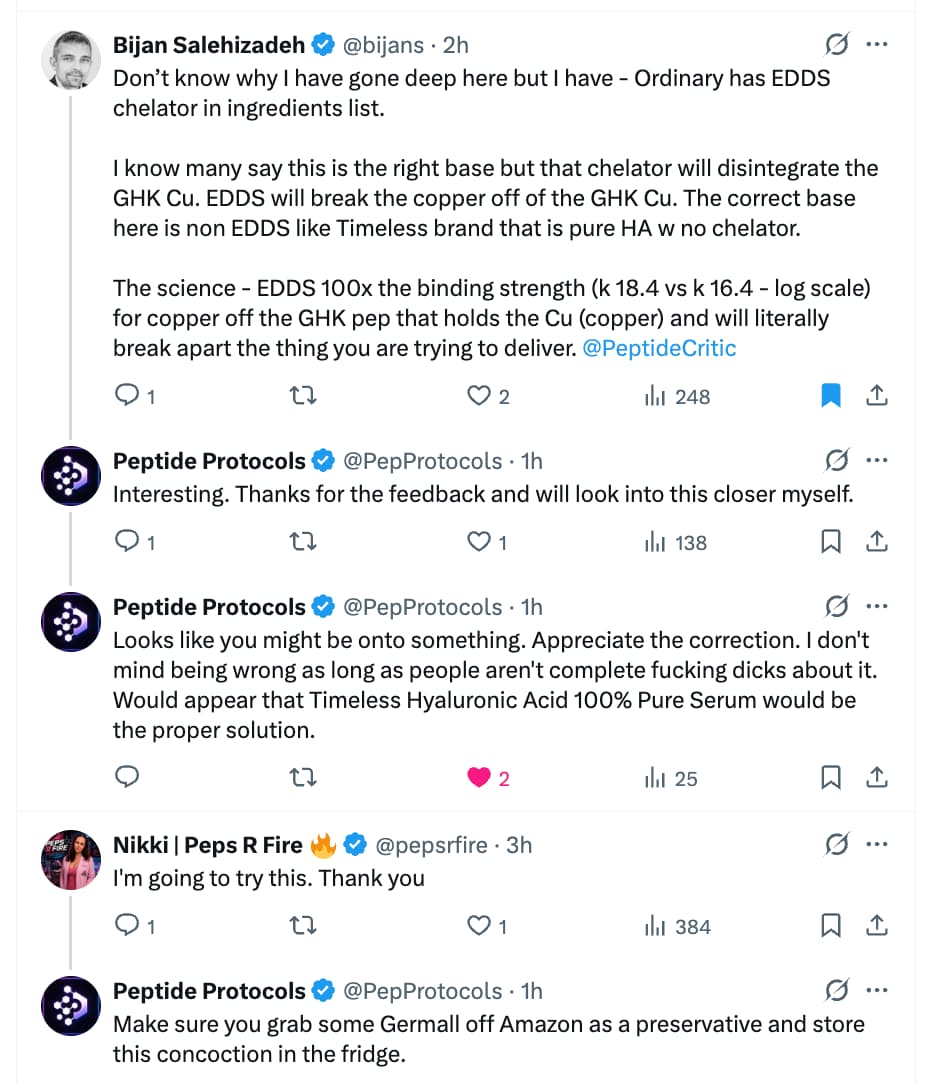
Homemade GHK-Cu serum with a splash of Snap-8 for those fine lines. All for a fraction of the cost of buying a commercial product with less potency.

Want instructions and required supplies?

Sources:

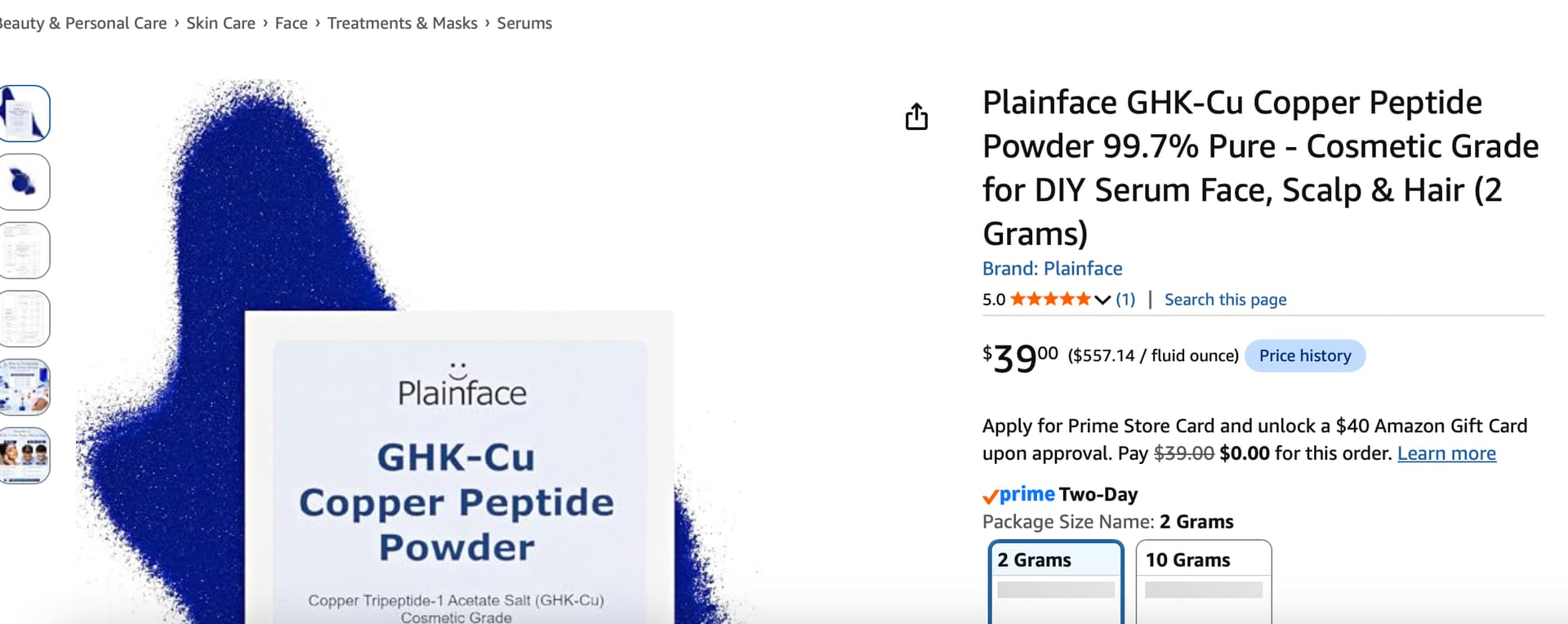
Examples of Powder Sources (amazon.com):

Amazon search on “GHK-CU powder”

https://www.amazon.com/s?k=GHK-Cu+RAW+powder&crid=J9HTAVZY5GDD&sprefix=ghk-cu+raw+powder%2Caps%2C214&ref=nb_sb_noss_1

FWIW, Fable also told me not to make my own GHK CU serum and that The Ordinary serum everyone uses is the wrong vehicle, just as Bijan said.

I didn’t ask why and I still haven’t tried it.

1 Like

From today’s Washington Post:

The new frontier of antiaging? Hands.

Some notice their hands are aging more rapidly than their face, and the beauty industry is touting a solution.

When Sharlene Velazquez bought a new car, her hands sat a little higher on the wheel than they usually did. Every day while driving to work or running errands, this new view of her hands upset her.

Velazquez saw volume loss in her hands. Her skin was starting to thin and wrinkles appeared slowly; she wanted to do something about it.

“My hands weren’t looking the same. My hands were not matching my face*,”* she said.

She was one of many women seeking hand rejuvenation treatments to make them look fuller and younger.

Velazquez, a registered nurse who owns a medical aesthetic practice in California, says hands can be a touchy topic of conversation. Hands can show age quickly because they are exposed to so much, including sunshine, water and everything people touch throughout the day. As people age, their skin gets thinner, revealing bone structure and wrinkles; they can even develop sunspots or hyperpigmentation around the knuckles.

But her clients don’t usually come in asking for hand treatments. Instead, it’s almost a ripple effect caused by the new standard of beauty for aging women.

It starts with Botox and filler on the face, something that is completely normalized today. Studies have shown a 4 percent increase in neuromodulator injections (like Botox) within one year, according to a 2024 report from the American Society of Plastic Surgeons.

Many women notice their face no longer matches their neck and chest, and once they fix that inconsistency, they look to other places to close the gaps created by aging. That’s where hand treatments come in.

“It’s per person, per goal because everybody is so different. It’s typically like a combination [of treatments]. Mostly women come in because of volume loss,” Velazquez said.

Skin boosters, calcium-based filler and microneedling are just a few treatments people seek.

Ewoma Ukeleghe, a cosmetic and medical doctor, says skin boosters, such as hyaluronic acid, give instant results by restoring volume lost in the skin.

“Skin boosters are a real metaphorical gateway drug to hand rejuvenation. You’re piercing the skin, which is intense. However, you get that instant payback of plump, soft, hydrated-looking skin,” Ukeleghe said.

Full story: The new frontier of antiaging? Hands. (Washington Post)

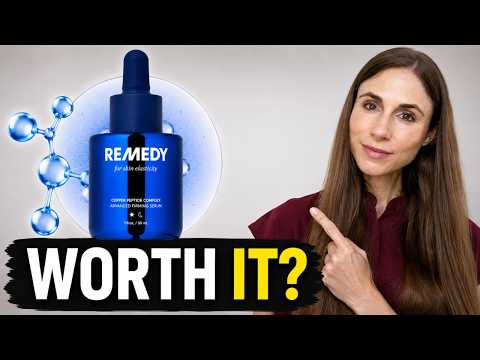
Do Copper Peptides Really Work? Dermatologist Reviews the Science

I. Executive Summary

This video provides an evidence-based dermatological analysis of topical copper peptides, focusing on the formulation, clinical efficacy, and sensory performance of Remedy Copper Peptide Complex Advanced Firming Serum ($29.99/1 oz) relative to established cosmeceutical options like The Ordinary Multi-Peptide + Copper Peptides 1% Serum ($32/1 oz). The central thesis highlights that while copper tripeptide-1 (GHK-Cu) possesses valid biological mechanisms—including dermal fibroblast stimulation, extracellular matrix (ECM) upregulation (collagen, elastin, glycosaminoglycans), and suppression of pro-inflammatory cytokines—the commercial marketing vastly exaggerates its real-world clinical magnitude. Endogenous GHK-Cu levels decline with human aging, but topical application yields modest cosmetic improvements in skin elasticity and wrinkle depth rather than true systemic anti-aging or profound structural rejuvenation. Furthermore, clinical trials demonstrating topical efficacy are limited by short 12-week evaluation windows, small sample cohorts, manufacturer funding, and multi-ingredient complex formulations that obscure the isolated contribution of GHK-Cu.

Formulation analysis of the Remedy serum reveals a fragrance-free vehicle containing verified humectants (glycerin, polyglutamic acid, hyaluronic acid), barrier-supportive extremolytes (ectoin), soothing agents (allantoin, Centella asiatica, turmeric), and secondary peptides (Palmitoyl Tripeptide-5, Acetyl Hexapeptide-8). However, real-world dermatological testing exposed a functional vehicle flaw: despite its hydrating ingredient profile, the product produced an immediate drying, tight, squeaky-clean film on the skin upon drying. This required heavy emollient intervention and failed to match the sensory hydration provided by competitor formulations.

From a cosmeceutical protocol perspective, popular social media myths regarding GHK-Cu—such as catastrophic oxidation when layered with L-ascorbic acid, structural incompatibility with retinoids/AHAs, or skin “purging” (“copper uglies”)—are dismissed as unsupported by cosmetic chemistry. Topically applied copper peptides remain non-exfoliating, highly tolerated secondary actives. Conversely, the trend of systemic or injectable GHK-Cu for longevity represents an unvalidated, high-risk practice lacking human safety data and flagged by regulatory agencies for immunogenic risks. Ultimately, topical copper peptides offer minor, supplementary cosmetic value that cannot replace foundational dermatological pillars: daily broad-spectrum sunscreen, topical retinoids, and basic barrier-repair moisturizers.

II. Insight Bullets

  1. Endogenous GHK-Cu Physiology: Glycyl-L-histidyl-L-lysine (GHK) is a naturally occurring human tripeptide with high binding affinity for Cu(II), present in plasma at ~200 ng/mL at age 20 and declining to ~80 ng/mL by age 60 (Pickart et al., 2018).
  2. Unproven Causality of Serum Decline: The age-dependent decrease in systemic circulating GHK-Cu lacks established clinical causality with specific degenerative human pathologies (Pickart et al., 2018).
  3. Fibroblast Activation & ECM Biosynthesis: Preclinical evidence establishes that GHK-Cu stimulates dermal fibroblasts to increase synthesis of type I collagen, elastin, and glycosaminoglycans (GAGs) (Dou et al., 2020).
  4. Pro-Angiogenic Growth Factor Induction: In vitro models show GHK-Cu upregulates basic fibroblast growth factor (bFGF) and vascular endothelial growth factor (VEGF), supporting microvascular capillary formation during tissue repair (Dou et al., 2020).
  5. Anti-Inflammatory & Antioxidant Activity: GHK-Cu suppresses reactive oxygen species (ROS) and downregulates pro-inflammatory cytokines, specifically tumor necrosis factor-alpha (TNF-alpha) and interleukin-6 (IL-6) (Dou et al., 2020).
  6. Preclinical Translational Gap: Extrapolating wound-healing data from rodent models and cell cultures directly to anti-aging efficacy in healthy human skin represents a significant translational leap.
  7. Human Clinical Trial Efficacy: Double-blind, placebo-controlled 12-week human trials demonstrate statistically significant improvements in skin firmness, elasticity, and wrinkle depth from topical GHK-Cu (Badenhorst et al., 2025).
  8. Methodological Limitations of Clinical Data: Published clinical evidence for copper peptides is constrained by short study durations (12 weeks), small trial cohorts, industry funding bias, and combination formulations that hide individual peptide contribution.
  9. Market Price Benchmarking: Remedy Copper Peptide Complex ($29.99/1 oz) is priced comparably to main market competitors such as The Ordinary Multi-Peptide + Copper Peptides 1% ($32/1 oz).
  10. Glycerin Mechanics in Line Smoothing: High concentrations of glycerin diminish transepidermal water loss (TEWL) and temporarily swell the stratum corneum, creating optical scattering that rapidly smooths superficial fine lines.
  11. Polyglutamic Acid Film Formation: Polyglutamic acid functions as a high-molecular-weight humectant that forms a thin moisture-retaining film over the epidermis to complement lower-molecular-weight hyaluronic acid.
  12. Hydration Dependency of Epidermal Desquamation: Adequate water content in the stratum corneum is required for proper activity of desquamative enzymes responsible for smooth skin texture and barrier turnover.
  13. Ectoin as an Osmoprotective Extremolyte: Ectoin stabilizes cellular membranes and proteins, acts as an antioxidant, and attenuates UV- and stress-induced epidermal damage (Wang et al., 2025).
  14. Allantoin Anti-Irritant Mechanism: Allantoin combines soothing anti-inflammatory properties with mild keratolytic activity to soften rough, hyperkeratotic skin.
  15. Botanical Antioxidant Support: Extracts of Centella asiatica (asiaticoside/madecassoside) and turmeric (Curcuma longa) provide complementary polyphenolic antioxidants and wound-healing support.
  16. Palmitoyl Tripeptide-5 Mechanism: Palmitoyl Tripeptide-5 mimics the thrombospondin-1 (TSP-1) sequence to activate latent transforming growth factor-beta (TGF-beta), inducing downstream collagen gene expression (Gorouhi et al., 2009).
  17. Argireline Penetration Limitations: Acetyl Hexapeptide-8 (Argireline) competitively inhibits SNARE complex assembly in vitro, but topical formulations fail to penetrate to the deep neuromuscular junction in vivo to replicate botulinum toxin activity (IJMS, 2025).
  18. Superoxide Dismutase (SOD) Formulation Instability: Enzymatic antioxidants like SOD require strict formulation stability and specific catalytic environments to maintain bioactivity in topical cosmeceuticals (PMC7235401).
  19. Debunking L-Ascorbic Acid Incompatibility: Cosmetic chemistry consensus indicates that layering topical GHK-Cu alongside L-ascorbic acid does not cause significant peptide destabilization or oxidative failure in practical daily application.
  20. Retinoid & AHA Layering Compatibility: Topical copper peptides do not induce chemical degradation when paired with retinoids or alpha hydroxy acids, provided individual skin barrier tolerance is maintained.
  21. Refutation of “Copper Uglies” / Purging: GHK-Cu does not increase cell turnover or induce follicular acne purging; reported reactions stem from vehicle intolerance or pre-existing barrier impairment.
  22. Vehicle Physics vs. Ingredient Lists: Remedy Serum produced an immediate dry, tight, squeaky-clean film post-application, demonstrating that formula aesthetics and vehicle interaction can override a logically designed ingredient list.
  23. Proper Product Layering Order: Water-based peptide serums should be applied after cleansing and thin toners, but prior to heavy occlusive moisturizers, prescription retinoids, and daily broad-spectrum sunscreen.
  24. Economic Prioritization in Longevity Skincare: Peripheral cosmeceutical peptides ($30–$32/oz) offer minor incremental benefits and should only be considered after securing essential core pillars (sunscreen, retinoids, humectants).
  25. Injectable GHK-Cu Safety Hazards: Systemic/injectable GHK-Cu lacks rigorous human safety profiling and has been categorized by the US FDA as a bulk drug substance presenting significant safety risks, including immunogenicity and peptide aggregation (FDA, 2023).

IV. Actionable Protocol (Prioritized)

High Confidence Tier (Level A/B Evidence)

  • Daily Broad-Spectrum Photoprotection: Apply broad-spectrum SPF 30+ sunscreen daily to prevent UV-induced reactive oxygen species, matrix metalloproteinase (MMP) activation, and collagen/elastin degradation (Level A).
  • Topical Retinoid Therapy: Utilize prescription tretinoin or over-the-counter retinol/retinaldehyde to accelerate epidermal turnover and stimulate dermal procollagen synthesis (Level A/B).
  • Multi-Depth Epidermal Hydration: Apply foundational humectants (Glycerin, Hyaluronic Acid) daily to optimize stratum corneum water content, suppress transepidermal water loss (TEWL), and maintain desquamative enzyme kinetics (Level A/B).

Experimental Tier (Level C/D Evidence with High Safety Margins)

  • Topical GHK-Cu (Copper Tripeptide-1) 1% Serum: Apply 3–5 drops of topical GHK-Cu serum once or twice daily to clean skin prior to heavy creams to support minor improvements in skin elasticity, firmness, and superficial wrinkle depth (Badenhorst et al., 2025) (Level B/C).
  • Topical Barrier-Supportive Osmoprotectants (Ectoin 0.5–2%): Incorporate ectoin-containing topical formulations to enhance skin barrier resilience, calm neurogenic inflammation, and scavenge environmental ROS (Wang et al., 2025) (Level C/D).
  • Flexible Actives Layering: Co-apply topical copper peptides with L-ascorbic acid, retinoids, or AHAs in the same or alternating routines (AM/PM), monitoring strictly for personal barrier tolerance rather than theoretical chemical conflicts (Level C/D).

Red Flag Zone (Debunked or Safety Data Absent)

  • Systemic / Injectable GHK-Cu Administration: Safety Data Absent. Systemic or compounded subcutaneous injections of GHK-Cu carry high immunogenicity risks, potential peptide aggregation, and compounding impurities. Placed on the FDA Category 2 Bulk Drug Substance risk list (FDA, 2023).
  • Topical Argireline as a “Botox Substitute”: Debunked. Topical Acetyl Hexapeptide-8 cannot achieve sufficient transdermal penetration to reach deep facial neuromuscular junctions; clinical wrinkle reduction is primarily driven by vehicle surface hydration (IJMS, 2025).
1 Like

OK, I have acquired siroskin 0.1%. I think I may use it in my left hand/arm and compare with my right one for any changes. Does anyone have any dosage tips?

3 Likes

Anyone try straight vitamin E oil? I’ve heard really good things but never bothered since it seemed so basic that I didn’t think it would do much.

I ordered some and will be trying it out.

Still using melatonin face serum I made and will likely continue using this.

You can pull information from the original paper on this topic: Rapamycin May Slow Skin Aging (Drexel U. Study)

1 Like

Are You Using Copper Peptides WRONG? (Dr. Dray, Dermatologist)

I. Executive Summary

In this clinical guidance, board-certified dermatologist Dr. Dray evaluates the widespread internet myths surrounding topical copper tripeptide-1 (GHK-Cu) and reframing its actual utility in dermatological practice. Social media skincare discourse frequently asserts that copper peptides cannot be co-administered with other potent active ingredients, specifically L-ascorbic acid (vitamin C) and topical retinoids (tretinoin, tazarotene, trifarotene, adapalene, retinol, and retinaldehyde). Proponents of these restrictions claim that copper ions induce rapid oxidation of L-ascorbic acid or chemically degrade retinoids. However, Dr. Dray clarifies that these warnings rely on theoretical chemical incompatibilities in unchelated aqueous solutions that do not reflect finished, stable cosmetic formulations on human skin. In well-formulated GHK-Cu complexes, copper is tightly bound to the tripeptide, preventing free ionic copper from driving oxidation. Provided an individual’s skin barrier tolerates the combined regimen, copper peptides can be safely layered alongside retinoids, L-ascorbic acid, or novel biologics like polydeoxyribonucleotides (PDRN).

Beyond formulation compatibility, Dr. Dray addresses the clinical efficacy of GHK-Cu. While marketing campaigns frequently position copper peptides as a revolutionary anti-aging breakthrough, robust human clinical trial data demonstrating meaningful dermal remodeling, elastin regeneration, or deep wrinkle reduction remains limited. Preclinical literature confirms that GHK-Cu upregulates collagen synthesis, decorin, and tissue inhibitors of metalloproteinases (TIMPs) in vitro and accelerates animal wound repair (Pickart & Margolina, 2018). However, topically applied GHK-Cu in human cosmetic formulations functions primarily as a high-performing humectant. Its main observable effect is enhancing stratum corneum moisture retention, which temporarily plumps the epidermis, smooths surface texture, and reduces superficial fine lines. Consequently, while GHK-Cu is a well-tolerated supportive hydrating agent, its cosmetic outcomes are fundamentally comparable to standard barrier moisturizers rather than potent, structural anti-aging interventions like prescription retinoids or daily broad-spectrum photoprotection.

II. Insight Bullets

  1. Theoretical vs. Clinical Incompatibility: Social media claims that copper peptides chemically degrade L-ascorbic acid or retinoids rely on theoretical aqueous chemistry, not clinical dermatological data.
  2. Chelation Prevents Oxidation: In GHK-Cu, copper is tightly chelated to the glycyl-L-histidyl-L-lysine tripeptide, preventing free copper ions from driving rapid ascorbate oxidation (Pickart et al., 2015).
  3. Cutaneous Tolerance Is Individual: The limiting factor when combining copper peptides with retinoids or acids is individual skin barrier tolerance, not chemical destruction of the molecules.
  4. Retinoid Compatibility: Copper peptides can be safely co-applied with all classes of topical retinoids, including tretinoin, tazarotene, trifarotene, adapalene, retinol, and retinaldehyde.
  5. Vitamin C Co-Application: There is no clinical evidence demonstrating that layering topical GHK-Cu with L-ascorbic acid neutralizes the biological efficacy of either compound on intact human skin.
  6. Biologic Ingredient Co-Application: Copper peptides are fully compatible with emerging topical actives, such as polydeoxyribonucleotide (PDRN) formulations.
  7. Preclinical vs. Clinical Evidence Gap: GHK-Cu displays extensive in vitro and animal wound-healing data, but high-quality, large-scale human randomized controlled trials for anti-aging remain sparse (Pickart & Margolina, 2018).
  8. Endogenous GHK Decline: Endogenous plasma levels of GHK drop from approximately 200 ng/mL at age 20 to 80 ng/mL by age 60, correlating with reduced systemic tissue repair capacity (Pickart et al., 2015).
  9. Extracellular Matrix Regulation: In vitro models show GHK-Cu modulates both collagen synthesis and matrix metalloproteinase (MMP) activity, balancing tissue remodeling during wound healing.
  10. Epidermal Moisture Retention: In cosmetic dermatology, the primary functional mechanism of topical GHK-Cu is increasing stratum corneum hydration.
  11. Superficial Wrinkle Plumping: The visual reduction in fine lines achieved by copper peptides is largely secondary to transient epidermal plumping from improved moisture binding.
  12. Equivalence to Barrier Moisturizers: The cosmetic smoothing effect of GHK-Cu serums closely mirrors the physical outcomes produced by standard, well-formulated barrier moisturizers.
  13. Absence of Explosive Sensitization: Layering copper peptides with other actives will not cause acute chemical destruction of the skin barrier, though mild irritant contact dermatitis may occur in sensitive individuals.
  14. Lack of Dermal Rejuvenation Dominance: Copper peptides do not represent a “next frontier” capable of outperforming established dermal remodelers like tretinoin or tazarotene.
  15. Stratum Corneum Penetration Limits: As hydrophilic peptides, topical GHK-Cu face significant penetration barriers across the lipophilic stratum corneum unless paired with specialized delivery vehicles.
  16. Non-Oxidative Fenton Safety: Co-administering topical copper peptides and vitamin C does not generate harmful localized Fenton-reaction hydroxyl radicals under standard cosmetic conditions (PMC9856059).
  17. Absence of Retinoid Inactivation: Copper peptides do not interfere with retinoic acid receptor (RAR) binding or nuclear transcription pathways induced by topical retinoids.
  18. Symptomatic Fine Line Relief: Temporary fine line reduction from GHK-Cu reflects short-term stratum corneum hydration rather than permanent structural elastogenesis.
  19. Skincare Routine Simplification: Eliminating artificial wait times or complex ingredient isolation schedules between copper peptides and other actives improves regimen adherence.
  20. Re-Evaluating Cosmetic Hype: Marketing claims exaggerating copper peptides as gene-resetting anti-aging miracles overstate realistic topical clinical outcomes.
1 Like