In the spring of 2024, Flynn McGuire started to notice glowing references online to an unapproved drug that proponents claimed could help the body heal more quickly. McGuire is a chief medical resident at University of Utah Health, where he works with patients rehabilitating from cancer and injuries, but he had never heard of the substance, called BPC-157. Colleagues he consulted hadn’t heard of it either. So he decided to conduct a formal review of the scientific literature in his field. “I wanted to see if there was anything to it, or not,” he said.
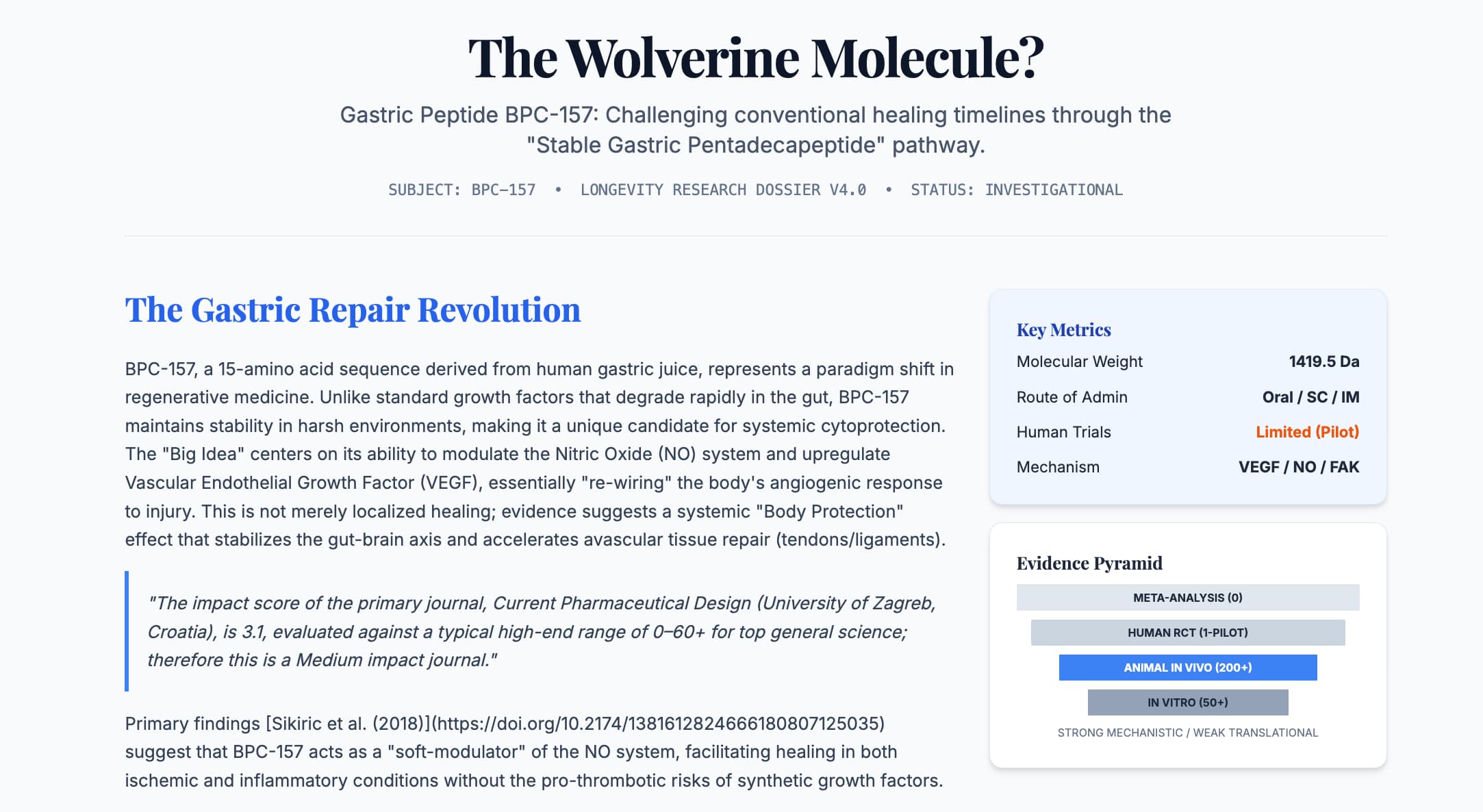
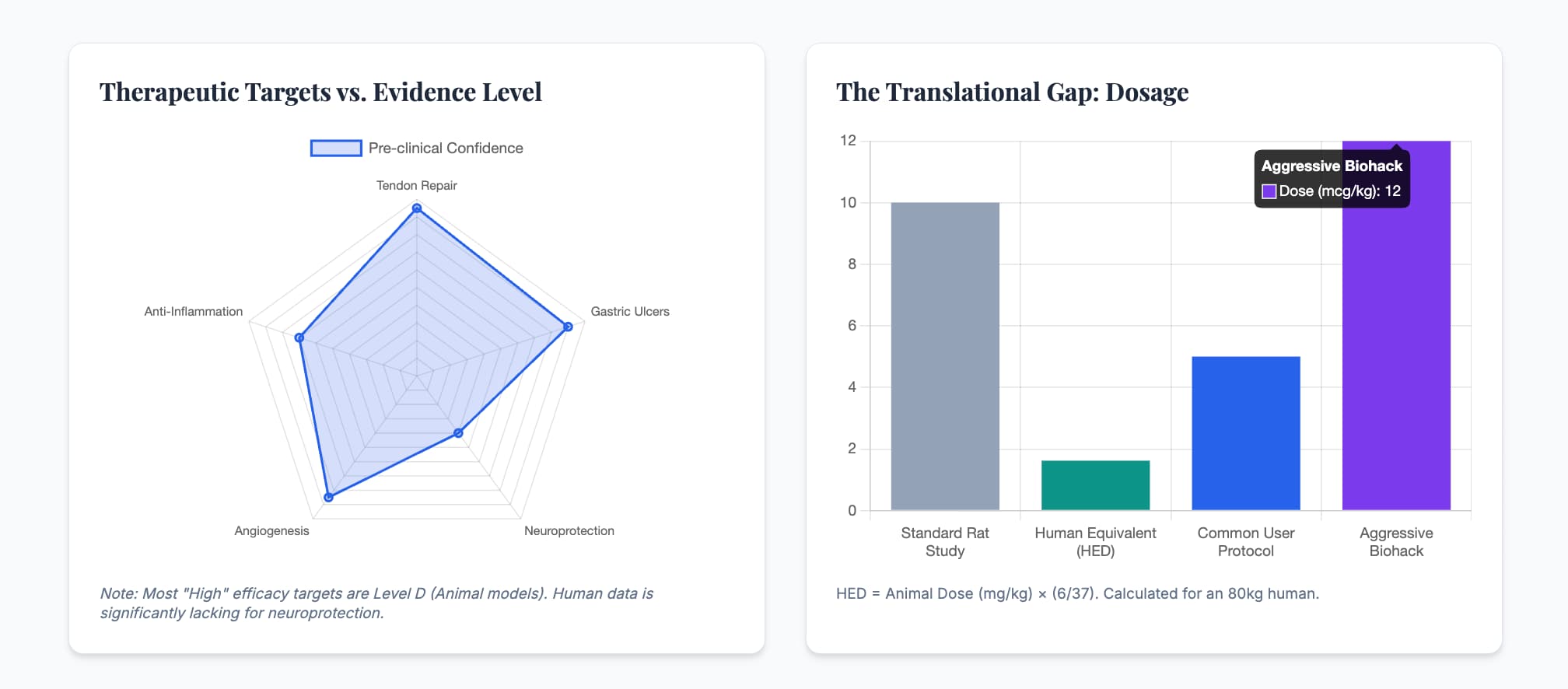
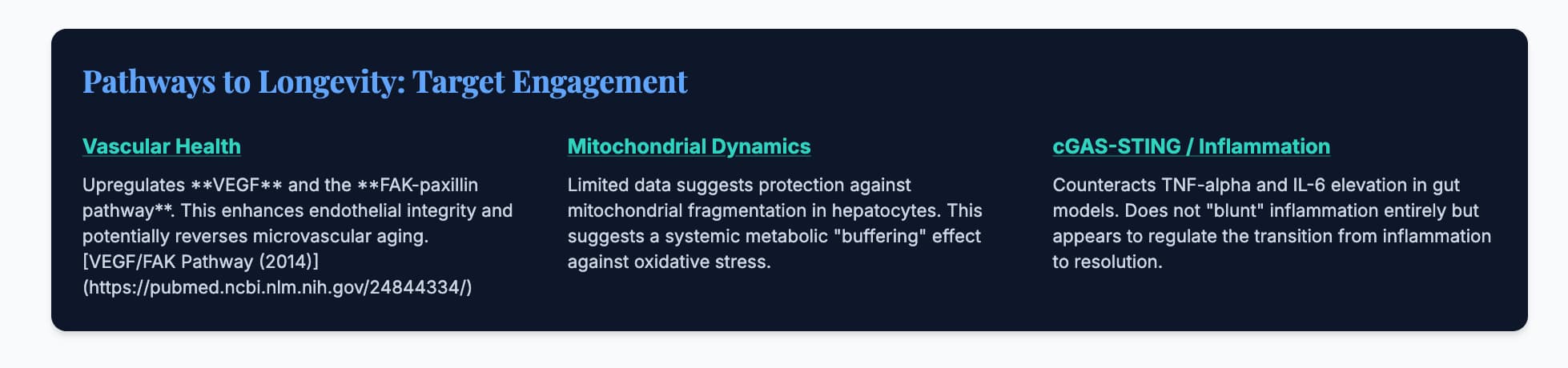
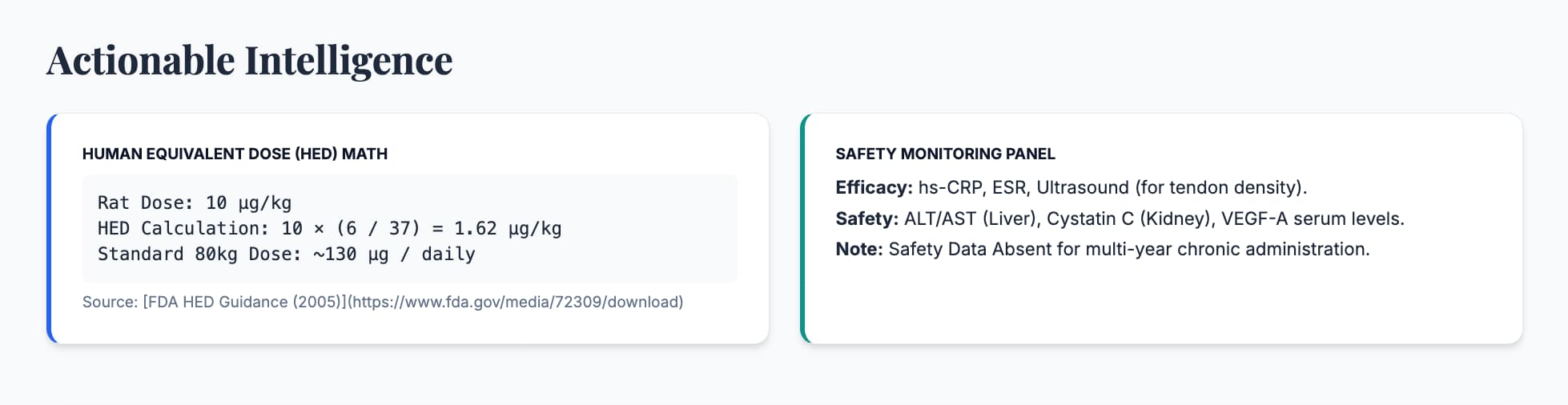
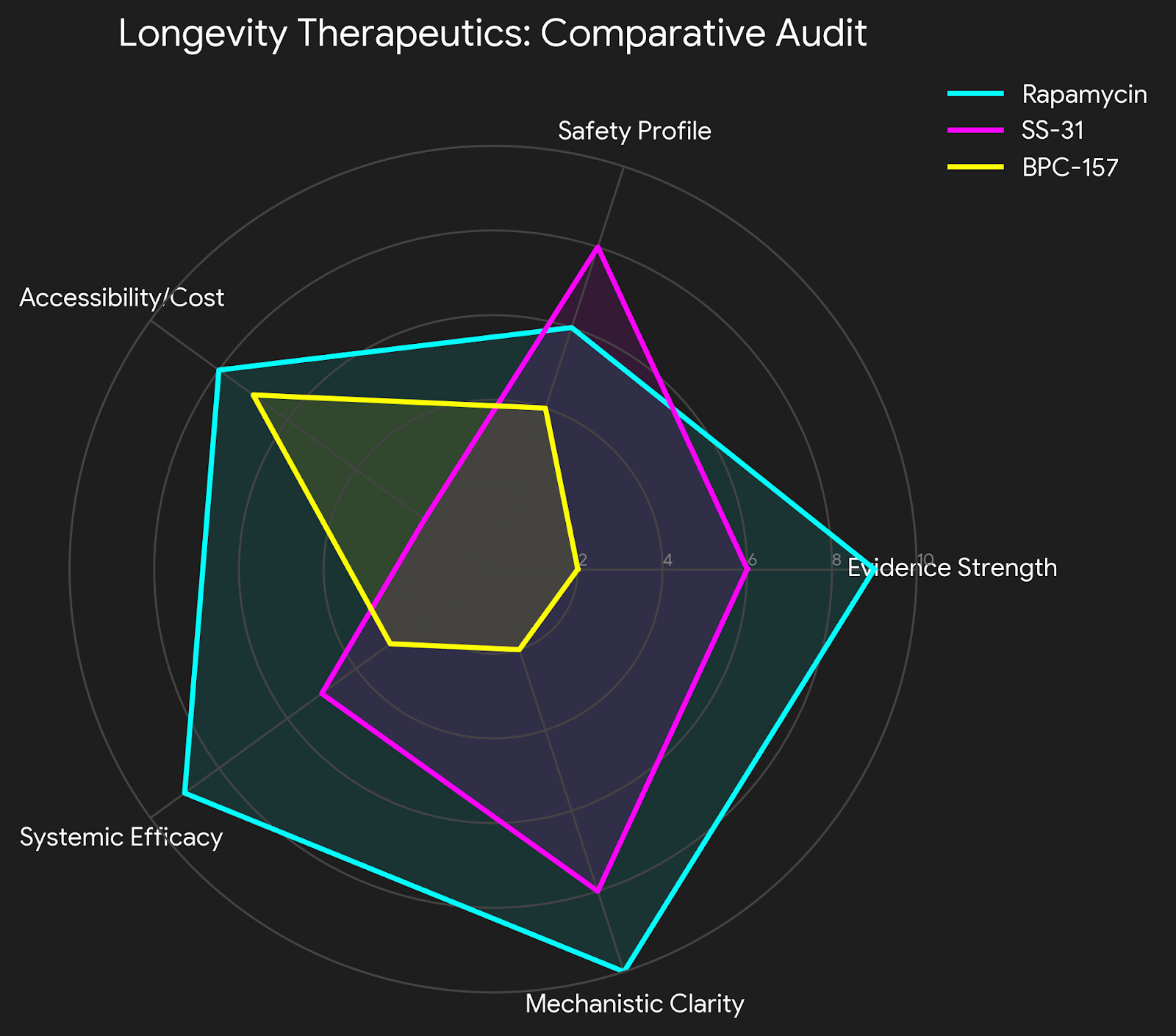
What McGuire and his colleagues found as they read through the literature was a decidedly mixed bag. Almost all the existing data on BPC-157 comes from a single group of researchers in Croatia. In rodents, the substance promotes the growth of new blood vessels and reduces inflammation, enhancing healing in tendons, ligaments, and muscle. Researchers have documented few side effects. But there is very little data on how the drug works in humans, and, until well-designed human studies are conducted, McGuire and his co-authors concluded, the substance should be approached cautiously. In an email to Undark, McGuire was blunter: BPC-157, he wrote, “Should not be used by humans.”
“The amount of hype to evidence is just so skewed, it’s crazy,” McGuire told Undark in an October interview. Indeed, BPC-157 is having a moment. Once the province of hardcore gym subcultures, the substance has been embraced by popular podcasters, wellness clinics, and patients seeking relief from health conditions that are not well-managed with traditional medical treatment.
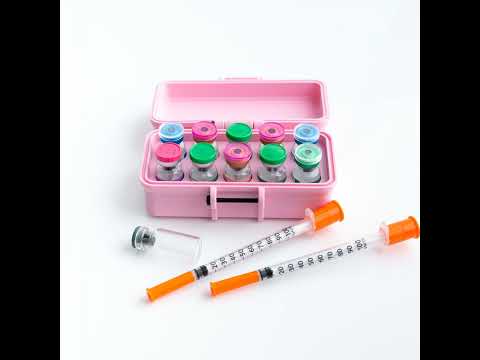
BPC-157 is a kind of chemical called a peptide, and the U.S. Food and Drug Administration treats it and some other peptides as unapproved drugs — going so far in 2023 as to explicitly prohibit compounding pharmacies from supplying BPC-157 to patients. Health and Human Services Secretary Robert F. Kennedy Jr. has more recently signaled a desire to loosen restrictions on experimental medical treatments, including unapproved peptides like BPC-157.
Read the full story:

 for the past 2.5 years. I heal like a kid.