As we age, the body’s primary enzyme for making nitric oxide — the molecule that keeps blood vessels supple — begins to fail. This review argues that nitrate-rich vegetables like beetroot and spinach feed a microbe-dependent “backup” pathway that becomes more important precisely when the main system breaks down.
For decades, dietary nitrate carried a bad reputation, lumped in with the nitrosamines of cured meats and the spectre of cancer. This review, assembled by a Polish-Ukrainian team, is part of a broader scientific rehabilitation: the same nitrate found in leafy greens and beetroot is now understood as the raw material for a vital alternative route to nitric oxide (NO), the body’s master regulator of vascular tone, blood flow and mitochondrial efficiency.
The “big idea” hinges on biological redundancy. The body normally makes NO using an enzyme called eNOS, which requires oxygen and the cofactor BH4. With age, this machinery degrades — eNOS becomes “uncoupled” and starts producing damaging superoxide instead of protective NO. Here is the elegant twist: the alternative nitrate-nitrite-NO pathway works best under exactly the low-oxygen, acidic conditions that the failing enzymatic route cannot handle. Older bodies, in theory, should be more responsive to dietary nitrate, not less.
The catch is that this pathway outsources a critical step to bacteria living on the back of your tongue. These microbes convert nitrate to nitrite; without them, the chain breaks. This explains one of the review’s most actionable warnings: antibacterial mouthwash can wipe out these bacteria and blunt the blood-pressure benefits of a healthy diet entirely.
The review’s second theme is synergy. Whole beetroot consistently outperforms equivalent doses of isolated nitrate salt. The vegetable’s betalain pigments and polyphenols act as bodyguards, protecting fragile NO from oxidative destruction while simultaneously calming inflammation through the Nrf2 and NF-kB signalling systems. It is the food matrix, not the nitrate number on a label, that matters.
The clinical promise spans blood pressure, brain perfusion, muscle oxygenation and metabolic health. But the authors are commendably candid that the long-term picture is murkier than the acute one — several multi-week trials found the early benefits simply evaporate.
Actionable Insights
The practical takeaways are unusually concrete, though the effect sizes are moderate, not miraculous.
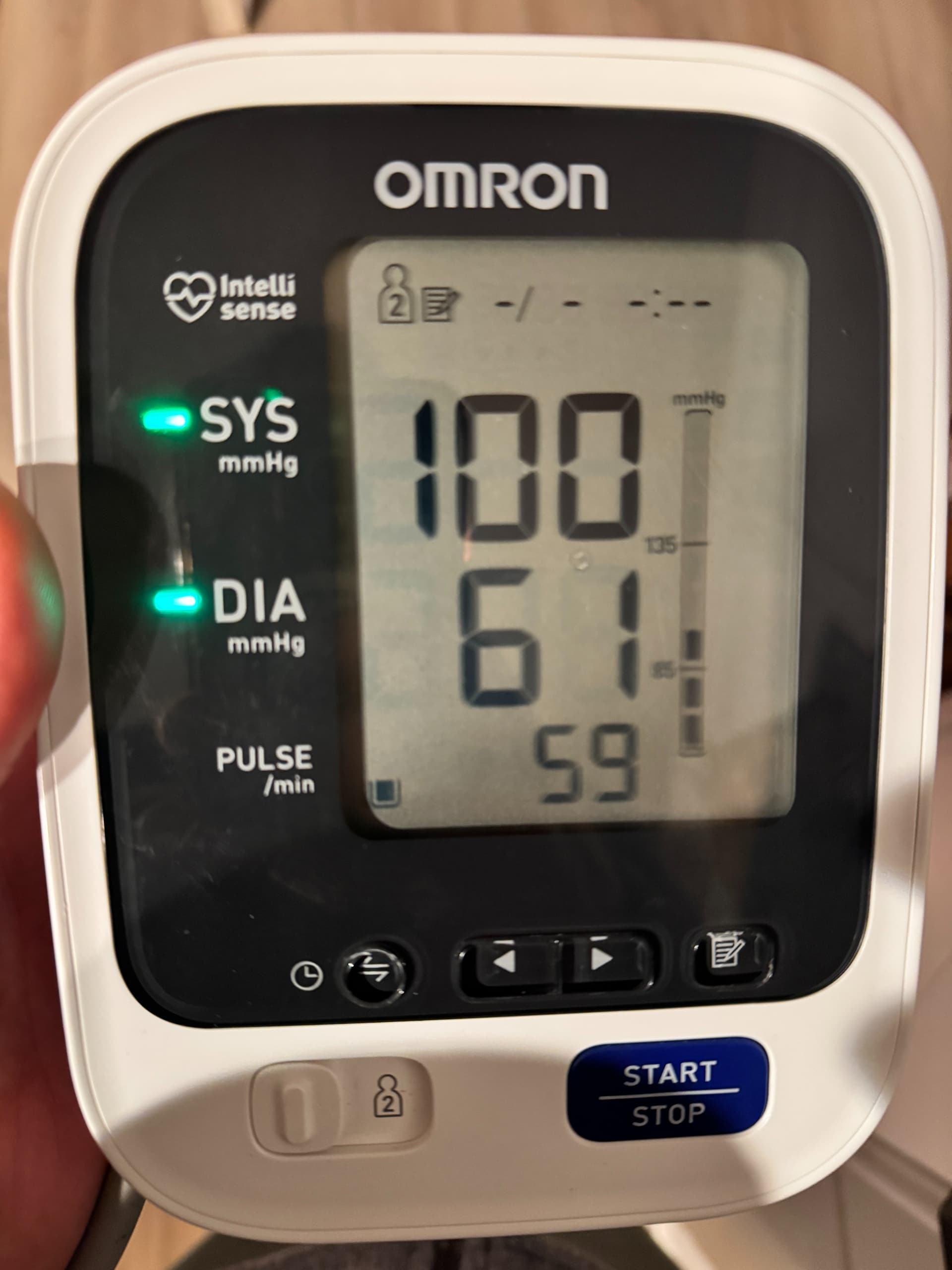
Blood pressure: Across the RCTs summarized, beetroot/leafy-green nitrate produces systolic reductions of roughly 3 to 10 mmHg. To contextualize the magnitude: a sustained 5 mmHg systolic drop at population scale is associated with meaningfully lower stroke and cardiac-event risk — comparable to a low-dose antihypertensive, achieved through food. The standardized effect is roughly a small-to-moderate one (estimated Cohen’s d ~0.3-0.5; see Part 2).
Dose: The functional window is 250-600 mg nitrate/day (4-10 mmol), achievable with ~250-300 g of nitrate-rich vegetables or 250-500 mL beetroot juice.
Timing & form: Consume 1-2 hours before the desired effect; favor fresh, juiced, or minimally processed forms; and avoid antibacterial mouthwash around intake — it can abolish the benefit outright.
Honest caveat: Highly trained athletes and people with well-functioning vasculature respond least. Greatest responders are older adults with existing endothelial dysfunction.
Source
- Paper: Dietary Nitrate-Rich Vegetables as Natural Modulators of Health: Mechanisms and Benefits in Ageing Populations
- Institution: Pomeranian University in Słupsk (lead); Nicolaus Copernicus University / Collegium Medicum in Bydgoszcz; M.M. Gryshko National Botanic Garden, Kyiv; University of Zielona Góra.
- Country: Poland (with Ukrainian co-authorship).
- Journal: International Journal of Molecular Sciences (IJMS), MDPI.
- Impact Evaluation: IJMS carries a JCR 2024 impact factor of 4.9 (five-year JIF ~5.7; Q1 by rank, 72/319 in Biochemistry & Molecular Biology; CiteScore notably higher, ~8-9). Using your framework, therefore this is a Medium impact journal.