This is a meandering thread, so please allow me to ask an unrelated question.
If a product says that two capsules have 1020 mg of potassium “as potassium bicarbonate,” does that mean that the capsules have 1020 mg of potassium or 1020 mg of potassium bicarbonate?
I ask because potassium bicarbonate is 40% potassium and 60% bicarb, and I’m not sure what the label is saying.
I’ve learned that citrate is a good alkalizing agent. Just ordered moderate doses of magnesium citrate, calcium citrate, and citric acid, which I will supplement with grapes, nuts, and oatmeal.
Citrate is good for alkanizing. At times my urinary pH is over 9. This obviously affects the solubility of various species. Urate, for example, is not that soluble at 5.5.
My view about sodium citrate is that it is quite distinct from sodium chloride and it is perhaps the anion that is really significant from a BP perspective.
Nutrition Experts are Wrong About Fiber. (Norwitz)
I. Executive Summary
The provided transcript analyzes a high-resolution, multi-omics randomized crossover trial conducted by the Stanford Snyder Lab (2022), comparing the physiological effects of two soluble dietary fibers: arabinoxylan (AX) and long-chain inulin. The core thesis challenges the homogenized public health directive to “eat more fiber,” demonstrating that distinct fiber types yield radically divergent, host-specific biological outcomes. The analysis reveals that AX fiber consistently reduces low-density lipoprotein (LDL) cholesterol in a dose-dependent manner. This reduction is likely mediated via altered bile acid metabolism, enhanced fecal excretion, and systemic polyphenol signaling. Conversely, high-dose inulin supplementation (30 grams/day) paradoxically induced hepatotoxicity—evidenced by elevated alanine aminotransferase (ALT)—and systemic inflammation (IL-6) in a subset of healthy participants, necessitating trial suspension for those individuals.
The speaker correctly emphasizes that dietary fiber is not a monolithic therapeutic agent but a heterogeneous class of bioactive compounds requiring precision application. The transcript identifies the critical interplay among fiber type, dosage, and host microbiome functionality. Additionally, the video posits that high dietary protein intake may synergistically amplify the lipid-lowering effects of AX fiber, though this remains an observational correlation requiring targeted causal investigation to separate verified metabolic interactions from spurious dietary overlaps.
However, the transcript contains a severe translational gap regarding a promoted commercial probiotic (Winnow Labs). The speaker claims this product binds and excretes microplastics from the human gastrointestinal tract. A live clinical search reveals a complete absence of human randomized controlled trials (Level A/B evidence) substantiating this claim. The assertion extrapolates in vitro bacterial screening directly to human clinical efficacy without requisite safety, pharmacokinetic, or longitudinal health outcome data. The actionable intelligence derived from this transcript lies in the precision application of specific functional fibers for targeted metabolic outcomes, while discarding unverified commercial supplementation claims.
II. Insight Bullets
“Dietary fiber” functions as a heterogeneous class of bioactive molecules; prescribing it as a monolithic intervention is scientifically inaccurate.
Arabinoxylan (AX) and inulin are both classified as soluble fibers but trigger diametrically opposed metabolic and hepatic responses.
AX fiber supplementation dose-dependently reduces LDL cholesterol by up to 20 mg/dL in human cohorts.
High-dose long-chain inulin (30 grams/day) induces acute hepatotoxicity in sensitive individuals, indicated by elevated ALT levels.
High-dose inulin drives systemic inflammation, measurable via increased Interleukin-6 (IL-6).
Adverse hepatic and inflammatory responses to inulin are highly individualized, highlighting the necessity of host-microbiome compatibility.
AX fiber operates via multiple pathways: direct bile acid binding/excretion, gut microbiome composition shifts, and systemic receptor signaling.
AX acts as a molecular delivery vehicle for polyphenols, specifically ferulic acid, which subsequently modulate lipid metabolism systemically.
Observational data within clinical trials suggest a high dietary protein intake may amplify AX fiber’s cholesterol-lowering efficacy, but causal mechanisms remain unverified.
Low-to-moderate dose inulin (10 grams/day) may confer metabolic benefits without triggering the hepatotoxicity observed at high doses.
Pre-clinical models suggest gut bacteria utilize inulin to degrade dietary fructose, potentially mitigating hepatic fructose spillover and fatty liver disease.
Current clinical diagnostic tools are insufficiently advanced to accurately prescribe targeted probiotics based on individualized microbiome assays.
Time-restricted eating (TRE) enforcing a feeding window of under 10 hours supports circadian rhythmicity, though human microbiome shifts resulting strictly from TRE remain clinically ambiguous.
Fermented foods introduce transient microbial diversity, but gastrointestinal tolerance is highly variable among individuals with distinct mucosal pathologies.
Claims that specific commercial probiotics bind and neutralize microplastics in the human gut lack in vivo clinical validation and represent a primary safety and efficacy unknown.
Precision nutrition paradigms must replace blanket dietary guidelines, focusing strictly on compound identity, exact dosage, and individual host phenotypes.
III. Adversarial Claims & Evidence Table
Specific Claim
What they cited
Scientific Reality (Current Data) & Link
Evidence Grade
Verdict
AX fiber lowers LDL cholesterol dose-dependently.
Stanford Snyder Lab 2022 Crossover RCT.
Verified. AX supplementation significantly reduced LDL and increased bile acids in humans. Lancaster et al., 2022
Level B
Strong Support
High-dose inulin causes liver damage (ALT) and inflammation.
Stanford Snyder Lab 2022 RCT.
Verified. 30g/day inulin spiked ALT and systemic inflammation in a subset of healthy individuals. Lancaster et al., 2022
Level B
Strong Support
Low-dose inulin protects the liver from fructose.
Prior video / Unseen mechanism data.
Inulin alters gut bacteria to degrade fructose, preventing fatty liver primarily in murine (mouse) models. Human data is mixed. Jang Lab, 2025 / Zheng et al., 2020
Level D
Translational Gap
High protein intake amplifies AX’s cholesterol-lowering effect.
Stanford Snyder Lab 2022 RCT (Correlation).
Verified as an observational finding within the RCT. Causal relationship is unproven and requires dedicated trials. Lancaster et al., 2022
Level C
Speculative
Time-restricted eating (<10 hrs) resets the gut microbiome.
Personal protocol.
Early TRE shows metabolic benefits, but RCTs report small microbiome changes of uncertain clinical significance compared to standard diets. Moro et al., 2022
Level B
Plausible
Winnow Labs probiotic binds and neutralizes microplastics in human gut.
Internal in vitro screening.
Source unverified in live search. Zero Level A/B human clinical data exists proving microplastic neutralization or excretion by probiotics in vivo.
Level E
Safety Data Absent / Unsupported
IV. Actionable Protocol (Prioritized)
This protocol synthesizes verified data into a pragmatic framework, aggressively filtering out speculative commercial claims.
High Confidence Tier (Level A/B Evidence)
Arabinoxylan (AX) for Lipid Management: For individuals targeting LDL cholesterol reduction, AX fiber presents a clinically viable intervention. Titrate dosage slowly from 10 grams to 30 grams per day to assess gastrointestinal tolerance.
Precision Fiber Selection: Discontinue the use of generic “mixed fiber” supplements. Select single-ingredient fibers based on explicit metabolic goals (e.g., AX for lipids, avoiding high-dose inulin for liver preservation).
Experimental Tier (Level C/D Evidence - High Safety Margin)
Low-Dose Inulin: If utilized for metabolic support or glycemic control, strictly limit inulin intake to 10 grams per day to avoid hepatotoxic thresholds. Monitor liver function panels (AST/ALT) if using long-term.
Time-Restricted Eating (TRE): Implement an 8 to 10-hour feeding window aligned with daylight hours (Early TRE). While microbiome alterations are clinically uncertain, the metabolic and glycemic benefits carry a high safety margin and robust secondary support.
Protein-Fiber Co-ingestion: Combine AX fiber supplementation with adequate dietary protein. While the synergistic cholesterol-lowering effect is currently speculative, optimizing protein intake carries independent longevity and lean mass benefits.
Red Flag Zone (Debunked / Safety Data Absent)
High-Dose Inulin (>20-30 grams/day): Contraindicated. Carries a verified risk of inducing hepatocellular injury and systemic inflammation.
Anti-Microplastic Probiotics: Avoid. Translating in vitro bacterial binding of plastics to human gastrointestinal efficacy ignores complex gut motility, pH degradation, and mucosal immunity. Safety data is entirely absent.
V. Technical Mechanism Breakdown
Arabinoxylan (AX) Lipid Modulation via Enterohepatic Circulation: AX increases the viscosity of the intestinal lumen, mechanically binding bile acids. The liver compensates for this continuous fecal bile acid loss by upregulating the enzyme cholesterol 7 alpha-hydroxylase (CYP7A1). This enzyme catalyzes the rate-limiting step in converting circulating endogenous cholesterol into new bile acids, effectively draining the systemic LDL pool.
Polyphenol Systemic Signaling: AX acts as a structural matrix for polyphenols. Ferulic acid, covalently bound to the arabinose branches of AX, is liberated by microbial esterases in the lower gastrointestinal tract. Once absorbed into systemic circulation, ferulic acid functions as a signaling molecule, reducing hepatic oxidative stress and modulating lipid metabolism pathways.
Inulin-Induced Hepatotoxicity (High Dose): Rapid and excessive fermentation of long-chain inulin alters the osmotic balance and microbial ecology of the colon. This dysbiosis can degrade the mucin layer, increasing intestinal permeability (“leaky gut”). The resulting translocation of lipopolysaccharides (LPS) from the gut lumen into the portal vein activates hepatic Kupffer cells via Toll-like receptor 4 (TLR4). This cascade drives the overproduction of pro-inflammatory cytokines, specifically IL-6, resulting in hepatocellular stress and the subsequent leakage of intracellular ALT into the bloodstream.
Bile Acid Receptor Signaling: Beyond mere excretion, specific fibers shift the microbial conversion of primary bile acids into secondary bile acids, such as ursodeoxycholic acid (UDCA) and lithocholic acid (LCA). These secondary bile acids escape the gut and act as potent endocrine hormones. They bind to the Farnesoid X Receptor (FXR) in the liver and the Takeda G-protein Receptor 5 (TGR5) in systemic tissue, fundamentally altering whole-body glucose and lipid homeostasis. Additional multi-omics data is required to map the exact secondary bile acid profiles generated by individual fiber subtypes.
A comprehensive market analysis indicates that sourcing 10 distinct, consumer-direct suppliers of pure arabinoxylan powder is currently impossible. The commercial market for this compound is highly consolidated. Most arabinoxylan is either restricted to B2B wholesale supply chains (e.g., Comet Bio), compounded into proprietary encapsulated formulas, or sold as research-grade reagents at prohibitive costs.
Below are the only three verifiable, in-stock sources for arabinoxylan explicitly labeled and sold as a powder available for shipping to the United States.
Note: For the BioBran/Lentin Plus products, each packet/bag contains 1.4 grams of total powder (yielding 1000 mg of active MGN-3 arabinoxylan compound). The total weight calculated above relies on the gross powder weight (1.4 g per sachet) to ensure accurate comparative density pricing.
Shipping Cost Summary:
Rank 1 (Walmart): Free shipping.
Rank 2 (eBay - happy japanese): Free shipping (import fees included in the listing price).
Rank 3 (eBay - Minoxidil Wholesale): $30.00 flat rate for economy shipping from outside the US.
Pharmacological and Longevity Context
For applications in healthcare and longevity, arabinoxylan is primarily investigated for its capacity to delay immunosenescence and regulate metabolic homeostasis.
Data indicates that enzymatically modified arabinoxylan (such as the MGN-3/BioBran variant) directly upregulates Natural Killer (NK) cell cytotoxicity and enhances T and B lymphocyte proliferation. This is achieved through the modulation of critical cytokines, including TNF-alpha and IFN-gamma. Furthermore, as a complex hemicellulose polysaccharide, its degradation by gut microbiota yields highly bioavailable short-chain fatty acids (SCFAs), predominantly butyrate and propionate. These metabolic byproducts are critical in downregulating systemic inflammation pathways (such as NF-kappa B) and improving glucose homeostasis, mechanisms that are central to extending healthspan.
Its very questionable, how they managed to keep this bacteria alive in capsules.
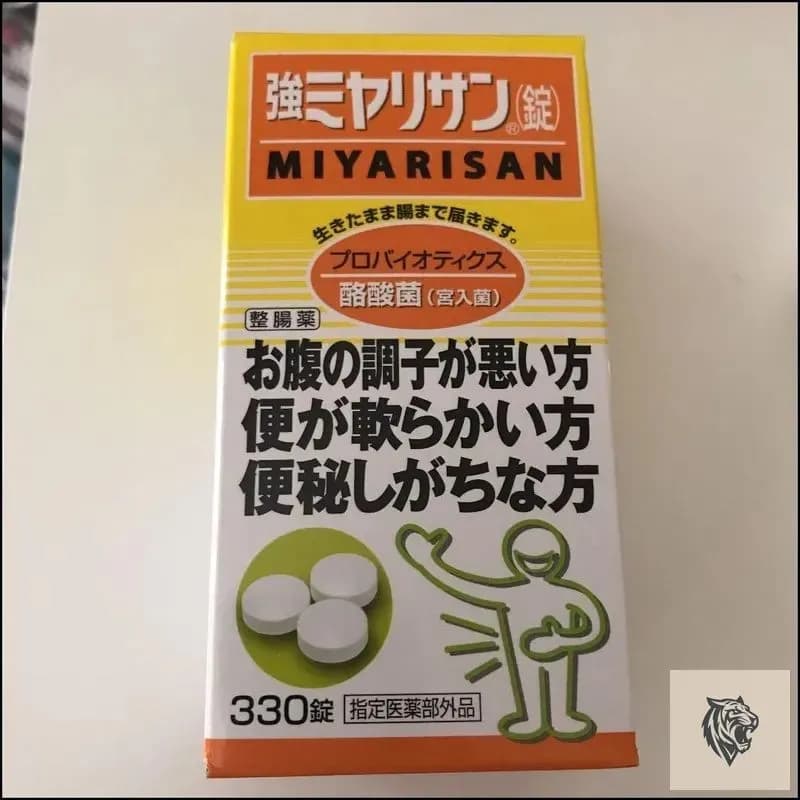
I found a way cheaper product, it’s japanese. Miyarisan. Contains only Clostridium butyricum, which is not aerofobic as akkermansia. But its should be enough to get butyric acid with inulin, and especcialy resistant starch.
Careful with psyllium - a lot of psyllium comes from India and can have extremely high heavy metal, including lead contamination (btw. this is often true of turmeric powder as well). I take a tablespoon of psyllium husk powder (important distinction) daily and select the brand with proven low levels of contamination, Yerba Prima, unfortunately quite expensive, but like I said, I never try to save on health (when it’s too risky).
? I don’t see negative thinking in my post. And like I wrote, I do take psyllium. I only pointed out that as long as you are taking it, it makes sense to try to get the benefits without too much risk, so take the psyllium with less lead in it. That’s all. But of course, to each their own, if someone likes the lead, that’s their right, no judgment from me!
“Studies both in hypertension-prone rodents and in salt-sensitive humans indicate that, whereas high sodium chloride intakes typically lead to increases in vascular volume, blood pressure, and urinary calcium loss, other non-halide sodium salts such as sodium citrate, sodium bicarbonate, or sodium phosphate have none of these effects.”
And yes, citrate is a good alkalizing agent, which I find to be superior to bicarbonate. I personally take citrate in the form of magnesium citrate, calcium citrate, and potassium citrate. I get enough sodium from my diet.
The other night I had some gut inflammation, perhaps because I didn’t get a chance to take my normal high fiber supplements (including inulin and resistant starch), as I’m travelling at the moment. I wondered about this, so asked Google, and it said:
Sudden cessation of a high-soluble fiber diet (including inulin) can indeed trigger gut issues. When microbes adapted to a high-inulin diet are suddenly deprived of it, they can begin to degrade the protective mucus layer of the gut, which can lead to inflammation and increase susceptibility to infection.
Timeframe: Studies suggest that a diet lacking fiber can cause an altered gut microbiota composition and an inflammatory environment within as little as three days.