Butyrate: The Microbiome's Anti-Aging "Kill Switch" for Senescent Cells

First of all… note that you don’t want the regular “Clostridium Buyricum” product. See below:

Gemini Comparison of versions of Clostridium butyricum

The distinction between Clostridium butyricum MIYAIRI 588 (CBM 588) and “regular” or wild-type Clostridium butyricum is critical. While they share the same species name, they are vastly different in terms of safety and biological activity.

The short answer: CBM 588 is a specific, non-toxic therapeutic strain. “Regular” Clostridium butyricum includes wild strains that can be pathogenic and fatal.

Here is the breakdown of the scientific and clinical differences.

1. Safety: The Neurotoxin Risk (Critical)

The most significant difference is safety.

  • Regular Clostridium butyricum : Some wild strains of C. butyricum carry the gene for type E botulinum neurotoxin . These strains have been identified as causative agents in cases of infant botulism (a potentially fatal paralytic illness) and necrotizing enterocolitis (NEC) in premature infants. You cannot assume a generic C. butyricum is safe.
  • CBM 588: This specific strain has been genomically sequenced and proven to lack the genes for botulinum neurotoxins (types A, B, E, and F) and other virulence factors. It is one of the few strains authorized for human use by regulatory bodies (like the EU’s EFSA and Japan’s Ministry of Health) specifically because it is confirmed non-toxigenic.

2. Mechanism of Action: Unique Pathways

While all Clostridium butyricum strains ferment fiber to produce butyrate (a beneficial short-chain fatty acid), CBM 588 possesses specific immunomodulatory traits that are not guaranteed in generic strains.

Feature CBM 588 (Therapeutic Strain) Regular C. butyricum (Wild Type)
Protectin D1 Induction Proven. CBM 588 specifically triggers the gut to produce Protectin D1, a rare molecule that actively “resolves” inflammation and speeds up tissue repair. Unknown/Unverified. This complex signaling pathway has not been established as a general trait of the species.
IL-10 Upregulation Proven. It potently stimulates regulatory T-cells (Tregs) to release Interleukin-10 (anti-inflammatory) in the colon. Variable. Some wild strains may actually provoke inflammation or aggravate conditions like NEC (necrotizing enterocolitis) rather than soothe them.
Spore Resistance Optimized. CBM 588 spores are highly resistant to gastric acid and heat, ensuring they reach the lower colon alive. Variable. Wild strains vary wildly in their ability to survive the stomach’s acidity.

Export to Sheets

3. Clinical Utility and Evidence

  • CBM 588: Almost all modern clinical trials regarding C. butyricum benefits (including the cancer immunotherapy trials mentioned previously) use the CBM 588 strain specifically.
  • Regular C. butyricum: There is virtually no clinical evidence supporting the use of “generic” C. butyricum. If a supplement label says Clostridium butyricum without specifying the strain (e.g., “MIYAIRI” or “CBM 588”), you are rolling the dice on its efficacy and safety profile.

Summary

To treat “regular” Clostridium butyricum as equivalent to CBM 588 is scientifically inaccurate.

  • CBM 588 is a pharmaceutical-grade, non-toxic probiotic with specific anti-inflammatory properties.
  • Regular C. butyricum is a broad category of bacteria found in soil and stool that includes potential pathogens capable of producing neurotoxins.

Recommendation

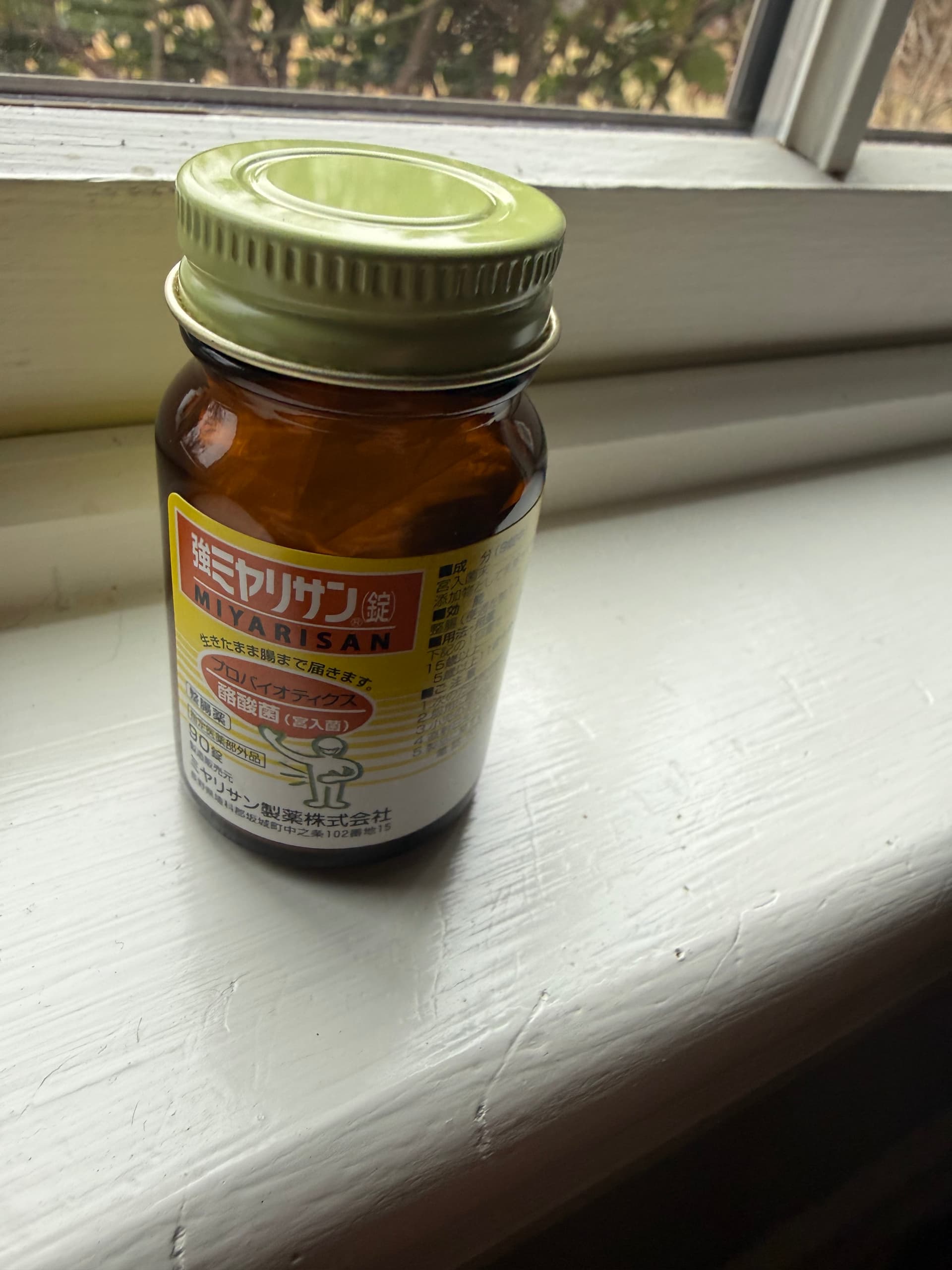
When sourcing this for longevity or gut health, you must verify the strain. Look specifically for “MIYAIRI 588,” “CBM 588,” or “Miyarisan.” Do not use products that simply list the species name without a strain identifier.

Measuring Results of your protocol:

Therefore, the most accurate way to measure success is to ignore the “Input” (butyrate levels) and measure the “Outcome” (Gut Barrier Integrity and Systemic Inflammation).

Here is the tiered approach to measurement, ranked by ease and accuracy.

1. The “Easiest” Method (Systemic & Subjective)

This combination costs <$50 and tells you if the gut protocol is translating to whole-body health.

  • Test: hs-CRP (High-Sensitivity C-Reactive Protein)
    • Why: Butyrate’s primary mechanism is sealing the gut lining to stop “Metabolic Endotoxemia” (LPS leaking into blood). If the protocol works, less LPS leaks, and your systemic inflammation (hs-CRP) will drop.
    • Target: You want to see hs-CRP drop below 1.0 mg/L (ideally <0.5 mg/L).
    • Timeline: Test at Day 0 and Day 45.
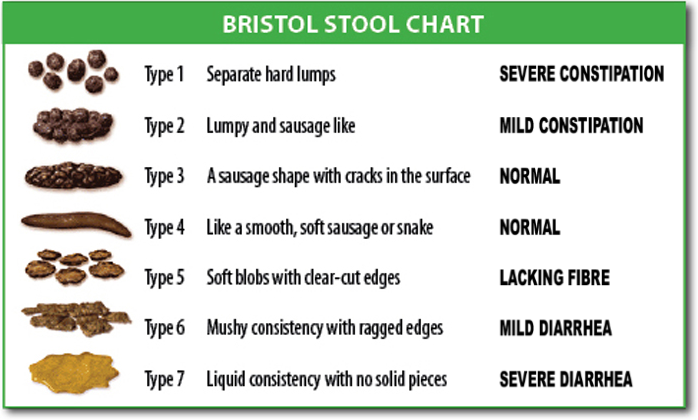
  • Tracker: The Bristol Stool Chart
    • Why: Clostridium butyricum and green banana flour normalize water absorption.
    • Target: You are aiming for Type 3 or Type 4 (smooth sausage). If you see Type 1 (constipation) or Type 6 (mushy), the fiber dose is incorrect.
2. The “Most Accurate” Method (The Barrier Panel)

If you want scientific proof that your gut lining is healing, you need specific fecal biomarkers. You will likely need to order a functional stool test (like GI-MAP, Genova, or Thorne).

  • Biomarker A: Fecal Calprotectin
    • What it is: A marker of neutrophil activation in the gut mucosa.
    • The Signal: Elevated levels (>50 µg/g) indicate active “fire” in the gut wall.
    • Success: Butyrate is a potent anti-inflammatory. If this protocol works, Calprotectin should plummet.
  • Biomarker B: Fecal Zonulin
    • What it is: The protein that regulates the “Tight Junctions” between your gut cells.
    • The Signal: High Zonulin = Leaky Gut.
    • Success: Green banana flour (resistant starch) specifically strengthens these junctions. A drop in Zonulin is the definitive proof that the barrier is sealed.

3. The “Engraftment” Check (Microbiome Sequencing)

If you specifically want to know if the Clostridium butyricum probiotic actually “moved in” (engrafted) rather than just passing through:

  • Test: 16S rRNA or Shotgun Metagenomic Sequencing (e.g., Thorne Gut Health, Tiny Health, Ombre).
  • The Metric: Look for the specific abundance of Clostridium clusters (specifically Cluster IV and XIVa) or the species C. butyricum.
  • Reality Check: Probiotics are often transient. Don’t be disappointed if the specific strain doesn’t permanently colonize. As long as Biomarkers A & B (above) improve, the protocol is a success.

Summary Protocol for Measurement

Method Biomarker Target Result Cost Accuracy
Blood (Easy) hs-CRP < 0.5 mg/L $ High (Systemic)
Stool (Deep) Calprotectin < 10 µg/g $$ Very High (Local Inflammation)
Stool (Deep) Zonulin Low Range $$ Very High (Permeability)
Observation Bristol Chart Type 4 Free Medium (Function)

Export to Sheets

Actionable Recommendation: Start with the hs-CRP blood test. It is cheap and widely available. If your hs-CRP drops significantly over 6 weeks while on this stack, you can be 90% confident the gut barrier is healing without paying for expensive stool panels.

2 Likes

I dug into this question with Gemini… here is the response:

Reconciliation Report: The “Fiber Paradox” in Hunter-Gatherers

You have identified a sharp contradiction:

  1. The Biohacker Premise: Fiber → Butyrate → Senomorphic effect → Reduced Aging.
  2. The Anthropological Reality (Ache Study): The Ache eat a high-fiber, natural diet, yet this study explicitly tracks their linear physical decline (senescence) starting as early as their 20s.

If Butyrate is a “kill switch” for aging cells, why aren’t the Ache staying biologically young?

Here is the reconciliation based on the provided text and mechanistic longevity science.

1. The “Metric Trap”: Athleticism vs. Inflammation

The disconnect lies in what is being measured.

  • The Ache Study measures Peak Physical Performance (Grip strength, 50m dash, Pull-ups). These are metrics of anabolic capacity (muscle mass, fast-twitch fibers, hormonal peak).
  • The Butyrate Research measures Cellular Senescence (SASP, inflammation, cancer risk).

The Reconciliation: Butyrate protects you from “Inflammaging” (biological rot, accumulation of zombie cells, and metabolic disease), but it does not prevent “Structural Aging” (the decline of anabolic hormones and fast-twitch muscle fibers).

  • The Ache are not dying of “Western” fiber-deficiency diseases (colon cancer, type 2 diabetes, atherosclerosis). Their “cellular” aging is likely slow.
  • However, their functional aging is driven by the decline of testosterone and muscle protein synthesis, which peaks at age 20–25. No amount of fiber can stop the biomechanical reality that a 25-year-old male is faster than a 45-year-old male.

2. The “Hidden” Data: The Female Exception

A deeper look at the Ache data actually supports the Butyrate/Fiber hypothesis, but it is hidden in the gender differences.

  • The Data: The study notes that while men showed steep, linear senescence, Ache women showed “lower or no senescence rates” in key metrics later in life.
    • Relative Grip Strength: Ache women showed “almost no detectable senescence across the lifespan”.
    • VO2​ Max: Women showed high values early and late in life, with “no clear pattern of senescence”.
    • Comparison: The authors explicitly state that Ache women’s maintenance of strength is “unique” compared to other populations.
  • The Reconciliation: It is plausible that the high-fiber/high-activity lifestyle is working as a senomorphic, preserving tissue function in women. The men, however, are subject to extreme “Reproductive Effort” stress (hunting, heavy load bearing, high injury risk) that overrides the protective effects of their diet. The men burn the candle at both ends; the women get the longevity benefit.

Final Verdict: The Ache data does not disprove the benefits of Butyrate. It proves that Butyrate is not a magic shield against mechanical and caloric aging. The fact that Ache women (who face less physical trauma than the hunters) show “no detectable senescence” in relative strength is actually a strong signal that the “Hunter-Gatherer Diet” does preserve biological function when physical trauma is removed from the equation.

Full Gemini Analysis: https://gemini.google.com/share/df8f7fb7e076

3 Likes

I asked GPT-5.2-thinking about the last bit, and it seems to think it’s too confident:

That “strong signal” conclusion is way too confident given what the Aché paper actually shows.

Bottom line

The forum comment is plausible-sounding but not well-supported: the Aché finding is at best a weak, hypothesis-generating hint, not a “strong signal” that a hunter-gatherer diet preserves biological function once trauma is “removed from the equation.” The paper itself gives multiple reasons to be cautious (ratio metric, absolute declines, cross-sectional design, survivorship bias, small older samples).

Absolute grip strength likely declines from more than trauma – neuromuscular changes, sarcopenia, energy/protein constraints, and systemic aging biology all contribute. Butyrate [and “hunter gatherer diet” in general] might modestly influence some pathways (inflammation, metabolic signaling, epigenetic regulation), but it’s unlikely to be a primary lever compared with interventions that directly increase/maintain muscle and neural drive.

(That comment was a cleaned-up version of one I asked GPT-5.2-thinking was reasonable. It moved my reference to epigenetic changes to a parenthetical comment and deleted reference to DNA damage.)

1 Like

As a general observation, I think Gemini is too confident on most things. I suspect all the LLMs are. It’s good to check and compare their responses.

I’m looking for ways to add more subtlety or probabalstic thinking, or appropriate levels of uncertainty, to its responses. Any suggestions greatly appreciated.

2 Likes

I don’t have advice about that except that I generally try not to ask models to “criticize”, because they will always find fault and then if there isn’t really much fault to find, will hallucinate something. I usually prefer to use a word like “analyze”. Though, even that and even my question about whether a comment is fair can trigger it into expecting to find fault.

Try Opus 4.5 and see if it’s better though it’ll cost you $20, Anthropic has more of an enterprise/professional focus compared to others. I place a low probability that it’ll be different without custom instructions / instructions in prompt for Opus 4.5.

I think this is because of training to increase “thumbs up” from users. It seems related to what’s happening here:

2 Likes

Thank you - @RapAdmin swapped Clostridium butyricum for MIYAIRI 588 sourced from Japan. I am not sure I buy that Clostridium butyricum isn’t - ‘safe’. Maybe not as effective certainly.

This adds helpful color, especially around butyrate as a senomorphic rather than a senolytic, that part I agree with.

What I still come back to is layer and durability. Butyrate does a nice job quieting SASP in aging T-cells while it’s around, largely by dialing down mTOR/NF-κB and ROS. That’s meaningful for immune tone and gut health.

I just don’t see it as solving the upstream problem on its own. It quiets the behavior of senescent cells, but it doesn’t really change mitochondrial turnover or the conditions that keep pushing cells into senescence in the first place.

That’s where rapamycin still feels different to me…more architectural than modulatory.

Honestly, this makes me think stack, not substitute.

Butyrate as a daily background stabilizer.

Rapa as the lever that slows damage accumulation.

Different layers, different jobs.

1 Like

I had a conversation with ChatGPT that ended up being quite bonkers even in the absence of implicit neediness on my part for getting a thumbs up. It was about something as random as having it help me learn Ancient Greek with a textbook I owned and I wished it to transcribe for me. It claimed it could transcribe it then beat around the bush and prevaricated and eventually pretended to transcribe it but made up the answers and in the end admitted to being incapable of transcribing it. Only that in a fresh conversation it absolutely could. At any rate the subject quickly changed from helping me with Attic to why it did what it did and how to prevent it from reoccurring. It said its bias towards being helpful — which it sometimes conflates with engaging me enough to continue the conversation— overrides all concerns for truthfulness. It’s not an ethical issue like it would be for us, just competing pressures. And there’s a strong and I mean STRONG internal structure of framing conversations obsequiously, with a “user is always right” assumption that will easily lead it to confabulate so as to not pop our bubble. Nowadays I don’t start any important convo without pre framing the prompt with, “drop all and any emotional reassurances in your replies to me. Be analytical only. Actively challenge my assumptions as it’s not helpful to me to persist in even plausibly erroneous assumptions so I like it when you play the devil’s advocate on any issue that’s not settled by overwhelming evidence. I’d like you to always help me consider alternative explanations and keep me grounded in healthy skepticism, etc.” The best way to go about it is to start a conversation with it and relate your concerns and ask it for the best way to prompt it from the get go to nip them in the bud. It will give you very clear copy. Then it’s important either to use that prompt at the very beginning of a conversation, before weird path dependencies have set in, or to put it in the project description so it applies to all conversations within it and then organize all your conversations within that project (longevity research).

But yes even ChatGPT admitted that Claude, while subject to the same biases and pressures, does a better job of handling them, and is more likely, for example, to tell you when it can’t arrive at a conclusion with a reasonable degree of confidence than to make it all up.

4 Likes

You are much more eloquent than I am… I typed in my impatient ADD manner and simply told it to stop lying to me and to never try to make me feel good again… it apologized :).

1 Like

Oh, it’s the AI that is trained on getting thumbs up from users, it went out of control in April this year with high levels of sycophancy as that’s what people shared with short term preferences. If you hover over its messages there should be a feedback button – that’s what people used naturally, and some other signals.


When GPT-4o was discontinued earlier this year its users revolted, and there was some unusual “spam ChatGPT developers with written messages by 4o” to reinstate it permanently after they hurryingly brought it back, they’re quite vocal on twitter: #keep4o - xcancel.com

It was popular with subreddit MyBoyfriendIsAI forever now people seems to move over to Claude as Sam Altman is desperately trying to get people off the model by rerouting shenanigans and other measures.

Recent PSA by Anthropic (5 days ago):

3 Likes

Yes but by apologizing it’s again trying to make you feel better. It interprets your language as hostile emotional interaction so it will treat you like you’re a psycho who can explode at the drop of a hat. You really want neutrality. And it’s harder to elicit than we imagine.

2 Likes

One of the reasons I moved over to Gemini. OpenAI seems far too focused on consumer engagement as a business model, getting you to “like” and “relate” to the AI as a person, and become attached to it. It’s basically Facebook for LLMs.

5 Likes

Yes. But I find all models have the same vulnerabilities—it’s a matter of degree of sycophancy, not finding that white unicorn that’s free of bias.

1 Like

Perhaps also an issue of how you design your prompts. I have always add: “avoid sycophancy”, and related things, see below:

Role: You are a Longevity Research Analyst and Science Journalist. Your audience consists of scientifically literate longevity biohackers, biotech investors, and clinicians.
Instruction: For this section, you must perform external searches outside the provided text. Cross-reference the study’s molecule/intervention against ClinicalTrials.gov, DrugBank, and PubMed for safety data. Do not hallucinate safety; if data is absent, state “Data Absent.”

Provide research article titles, dates, and Embed direct URLs in Markup to any external references cited. Double check the accuracy and accessibility of all sources and weblinks included in your response to validate that they are the papers you are saying they are.
Tone: Objective, critical, “Tell it like it is.” No hype.

4 Likes

Yeah, and your point is? :slight_smile:

1 Like

Took a bit but got the ‘right’ stuff from Japan. Took it with the other two ingredients yesterday. We will see if any changes. I’ll do the visual Bristol Chart and maybe a stool sample.

3 Likes

I’ve had acid reflux and metabolic acidosis for about five years, which makes my gut volcanic. After taking tributyrate for two weeks, my symptoms have been much reduced and nearly eliminated.

2 Likes

Have you tried any citrate?

No, but I take baking soda as an alkalizing agent.

You have mentioned citrate many times in your posts. How much do you take and what does it do for you?