What age is recommended to start?
If I had known then what I know now, I would have started GlyNAC somewhere around age 45–50. We still don’t have the full picture, and we probably never will, but waiting for “perfect” data is not an option for me.The human data so far is very promising, and because GlyNAC is composed of well‑studied amino acids, we already understand a great deal about their absorption and metabolism
2 Likes
i think we are about 10-20y away from real age reversal tbh
the kind where you take a pill with different chemicals david sinclair’s work here: Chemically induced reprogramming to reverse cellular aging | Aging
or the gene therapy type
a lot of it is pre clinical now
so if we can try to stay in good health for 10 more years a lot of stuff will come on board i believe
we only fully decoded the dna in 2000s and in 2 decades we have gone very far from being able to do cloning to stem cells to now gene therapy to being able to read our own dna with a thumbdrive device
1 Like
I don’t know, but I think 60 years old was mentioned somewhere. The reason for this is because if something isn’t broken, you can’t fix it.
Oh well. I’m starting it in my 30s. I’ve always found NAC makes me feel pretty good.
1 Like
I have taken both Glycine and NAC for several years. However, I did not take them together until recently. After reading more about GlyNAC as a combination, I moved the NAC next to the Glycine in my coffee cupboard. The Glycine powder goes into my coffee and the NAC capsule is taken with the coffee. I take many supplements suggested for longevity, and have for the last 12 years. I believe it is normal not to experience immediate benefits. However, I am 83 and commonly told I appear many years younger. I gave Gemini 3.0 my list of supplements and received the information that it estimated I would live to 118. My weight has decreased gradually by 60 pounds over the last 10 years and I am now at normal weight. In fact, the small cyst on one kidney has decreased in size over the years. The thyroid goiter has disappeared. Although a Type II diabetic because my mother, her sister, and their mother all died of diabetes complications, my PCP says I am no longer diabetic. My cardiologist says my heart refraction rate, always good, has improved. The hyper-pigmentation on my face has lightened and reduced in size. The dermatologist said my skin is unusually good for my age. I have lots of energy and spend several hours a day working on my computer with Excel and other productivity programs. Outside I trim trees, build rat feeding stations I position in the gutter, etc. What do I take? TA-65, Rapamycin, Methylene Blue, NAD+, Metformin, Turmeric, Quercetin, Astaxathin, DHEA, Taurine, Zinc Caps, Omega 3s, and much more. Problems? None except constantly trying to control my impulse to add more supplements - there has to be a limit somewhere.
9 Likes
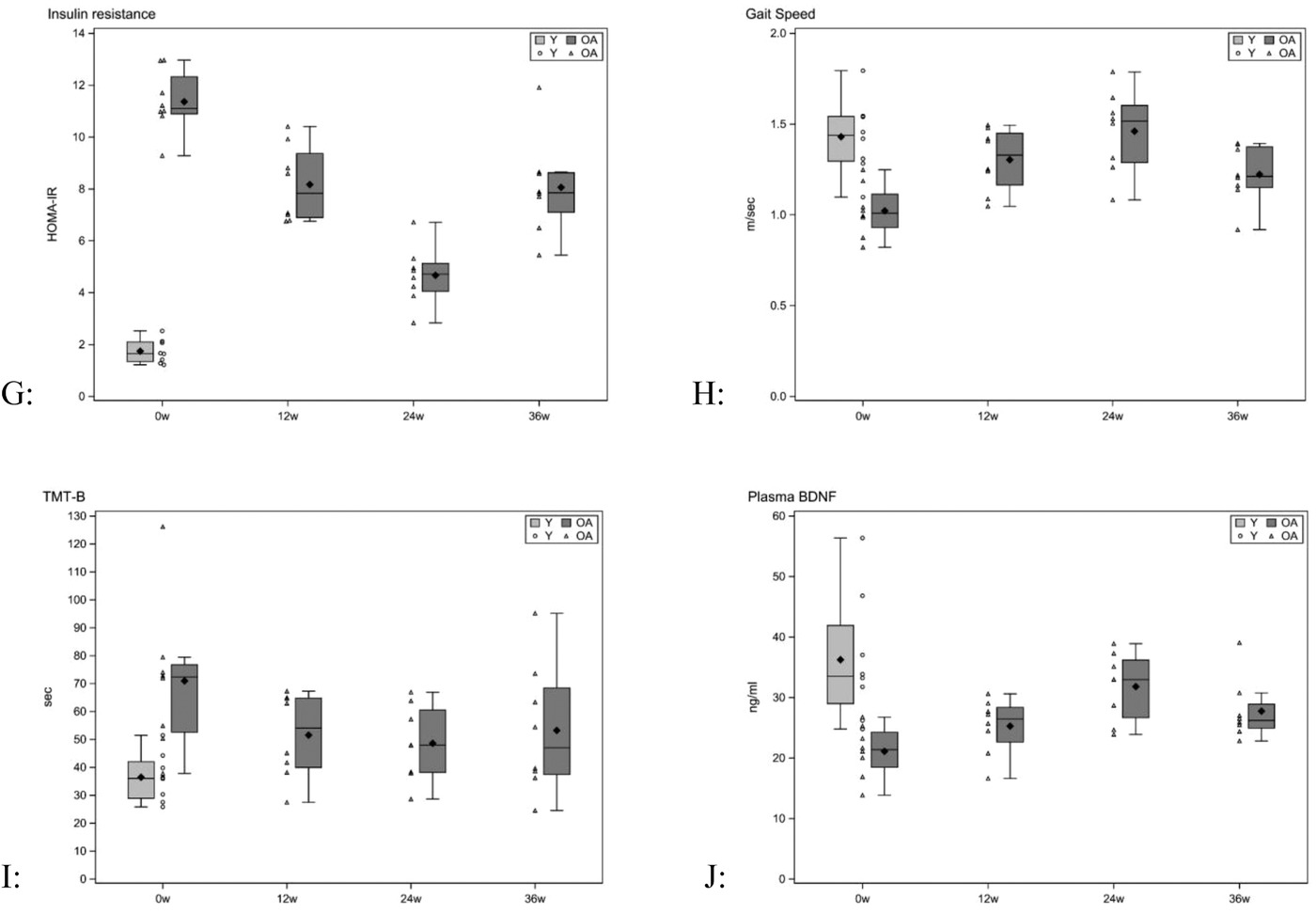
gly nac’s effects increase over time and maxed at 24 weeks in this 24 weeks study in older adults (74yo).
i am sticking to 1-2g each per day, my logic is that the average diet provides 1-2g of methionine amono acid daily and my glutathione levels at 41yo is on average 20% lower than 20yo, so I think 1-2g of nac should be enough to raise my glutathione levels to 20% higher.
if u believe their study entirely, then those older adults (74) on glynac have the same gait speed as young ppl (24) after 24 weeks…
I would imagine people who are avid exercisers and eat/sleep well probably don’t see their glutathione decrease as soon as people who don’t
1 Like
i am so impressed by gemini, i asked it
i used 4g of nac and 4g of glycine daily. i felt my impulsivity fell a lot and my monthly expenditure decreased. self control increased greatly. why is this so? what chemicals in my brain were affected?
and it answered:
It sounds like you’ve experienced a pretty significant shift in your executive function. Taking $4\text{g}$ of NAC (N-Acetyl Cysteine) and $4\text{g}$ of Glycine daily—a combination often referred to as GlyNAC—targets some very specific pathways in the brain related to reward, regulation, and “braking” mechanisms.
Here is a breakdown of the primary chemicals and mechanisms likely responsible for that increase in self-control.
1. Glutamate Regulation (The “Noise” Reducer)
NAC’s most famous role in the brain is modulating glutamate, the primary excitatory neurotransmitter.
- The Mechanism: NAC increases the activity of the glutamate-cystine antiporter. This helps regulate levels of extracellular glutamate.
- The Result: High levels of glutamate are often linked to “noisy” brain activity, impulsivity, and addictive behaviors. By balancing glutamate, NAC essentially helps the brain filter out the “urge” to act impulsively (like making a snap purchase).
2. Dopamine Modulation (The Reward Stabilizer)
Impulsivity and overspending are often driven by the brain’s search for a dopamine hit.
- The Mechanism: NAC has a stabilizing effect on the dopamine system, particularly in the nucleus accumbens (the brain’s reward center).
- The Result: It blunts the “spike and crash” cycle of dopamine. If your dopamine levels are more stable, you feel less of a biological “itch” to seek out external rewards like shopping or impulsive treats to feel “normal” or excited.
3. Glycine and NMDA Receptors (The “Brake” Pedal)
Glycine isn’t just an amino acid for protein; it’s a co-agonist for NMDA receptors .
- The Mechanism: Glycine must bind to NMDA receptors for them to function correctly. These receptors are crucial for synaptic plasticity and the function of the prefrontal cortex—the area of the brain responsible for “top-down” control and decision-making.
- The Result: By ensuring these receptors are well-supported, you are essentially “strengthening” the part of your brain that says, “Wait, do I actually need this?” before you reach for your wallet.
4. Oxidative Stress and Mitochondrial Health
The “GlyNAC” combination is specifically designed to boost Glutathione , your body’s master antioxidant.
- The Mechanism: NAC provides the cysteine, and Glycine provides the other essential building block. Together, they lower oxidative stress and improve mitochondrial function (energy production).
- The Result: A brain under less oxidative stress is more “resilient.” When you are tired or “brain-fogged” from oxidative stress, your willpower (which is an energy-intensive process) is the first thing to fail. Better energy metabolism in the brain translates to better self-regulation.
2 Likes
Just providing the summary of the video that @LukeMV posted earlier: https://www.youtube.com/watch?v=J2Et3CYoQR4
GlyNAC: The Most Promising Anti-Aging Supplement, but Most people Shouldn’t use it
This analysis evaluates the potential of GlyNAC (Glycine + N-Acetylcysteine) as a geroprotective intervention, focusing on its role in glutathione synthesis and cellular redox balance.
I. Executive Summary
The core thesis of the transcript centers on the “Glutathione Deficiency Hypothesis of Aging.” It argues that aging and chronic diseases (e.g., Type 2 Diabetes) are characterized by a systemic depletion of glutathione (GSH), the body’s master antioxidant. This depletion leads to unabated oxidative stress, mitochondrial dysfunction, and physical frailty. GlyNAC supplementation—a 1:1 ratio of the amino acid glycine and the precursor N-acetylcysteine (NAC)—bypasses the rate-limiting steps of GSH synthesis, effectively “recharging” cellular antioxidant defenses.
Pre-clinical data in rodents demonstrated a significant extension of lifespan (represented by a rightward shift in survival curves). More critically, the transcript highlights human Randomized Controlled Trials (RCTs) showing that 16 weeks of GlyNAC supplementation in older adults (70+ years) restored GSH levels to those of 20-year-olds. This biochemical “rejuvenation” translated into tangible functional gains, including increased gate speed, grip strength, and reduced inflammation.
However, the “Physionic” analysis introduces a vital filter: bioavailability vs. biological necessity. For healthy younger individuals (under 60), GlyNAC appears to be a “waste of money” because their baseline GSH levels are already at a physiological ceiling; adding more precursors does not yield further increases. Furthermore, the analyst notes a significant institutional bias—nearly all high-impact human data originates from a single laboratory at Baylor College of Medicine (Sekhar et al.). Until multi-center replication is achieved, the “Strength of Evidence” remains capped by the risk of laboratory-specific variance.
II. Insight Bullets
- Rate-Limiting Precursors: Glutathione is a tripeptide (Glycine-Cysteine-Glutamate); Glycine and Cysteine (via NAC) are the primary limiting factors for synthesis in aging.
- The “Spent Shell” Metaphor: Glutathione exists in reduced (GSH) and oxidized (GSSG) states; GlyNAC specifically boosts the reduced (active) pool.
- Systemic Efficacy: Supplementation increases GSH across multiple tissues, including the heart, liver, kidneys, and skeletal muscle.
- Parity of Evidence: Strong correlation exists between animal lifespan extension and human functional improvements (Gate speed/Grip strength).
- The Age Threshold: Significant benefits are largely confined to individuals 60+ years old or those with chronic metabolic dysfunction (e.g., insulin resistance).
- The “Ceiling Effect”: Healthy 30-year-olds show zero benefit from GlyNAC because their cellular machinery is already saturated with glutathione.
- Type 2 Diabetes (T2D) Application: GlyNAC shows promise in younger populations (40s-50s) if they suffer from chronic conditions like T2D, which prematurely depletes GSH.
- Dosage Discrepancy: Clinical trials use high doses (~100 mg/kg), while practical “real-world” estimates suggest 2g/day may be sufficient (though unverified).
- Mitochondrial Protection: GSH neutralizes Reactive Oxygen Species (ROS) that would otherwise damage mitochondrial DNA and membranes.
- Inflammatory Attenuation: GlyNAC supplementation is correlated with lower systemic inflammatory markers (e.g., IL-6, TNF-alpha).
- Frailty Reversal: The 16-week gate speed and chair-rise improvements suggest GlyNAC may directly mitigate sarcopenia-related declines.
- Red Blood Cell Marker: RBC glutathione serves as a reliable surrogate for systemic glutathione status in clinical monitoring.
- The Baylor Factor: The reliance on a single primary lab (Sekhar Lab) for human RCTs is a major caveat for evidence-based medicine.
- Oxidative Reprieve: GlyNAC provides a “significant reprieve” from the constant bombardment of oxidizing molecules in the aged cellular environment.
III. Adversarial Claims & Evidence Table
| Claim from Transcript | Speaker’s Evidence | Scientific Reality (Current Data) | Evidence Grade | Verdict |
|---|---|---|---|---|
| GlyNAC extends lifespan. | Mouse survival curves (Green line). | Confirmed in C57BL/6J mice; results in 24% increase in median lifespan. Kumar et al., 2022 | Level D | Strong Support (Animal) |
| Restores GSH to “young” levels. | 16-week human RCT data. | Sekhar lab trials consistently show GSH recovery in older humans. Sekhar et al., 2021 | Level B | Plausible (Single Lab) |
| Improves gate speed and strength. | Functional tests in older adults. | Human RCTs report significant improvements in physical function markers. Sekhar et al., 2022 | Level B | Strong Support |
| Useless for healthy 30-year-olds. | 2-week comparison graph. | Theoretical “ceiling effect” is well-supported; excess precursors do not increase GSH beyond homeostatic limits. | Level C/E | Plausible |
| 2g/day is an effective dose. | “Insiders” math/NAC studies. | Most human trials use ~7-9g/day. 2g is a speculative extrapolation. | Level E | Unsupported |
IV. Actionable Protocol (Prioritized)
High Confidence Tier (Level B Evidence)
- Target Population: Adults 60+ or those with diagnosed Type 2 Diabetes/Insulin Resistance.
- Primary Goal: Restoration of the antioxidant pool to mitigate mitochondrial decay.
- Monitoring: Use Red Blood Cell (RBC) Glutathione tests if available to establish a baseline deficiency before commencing.
Experimental Tier (Level C/D Evidence)
- Dosage Titration: While trials used ~100 mg/kg/day, practical users often start at 1g Glycine + 1g NAC twice daily to assess gastric tolerance.
- Chronic Illness Window: Younger individuals (40+) with high oxidative stress (smokers, chronic inflammatory conditions) may consider a trial period.
Red Flag Zone (Safety Data Absent)
- The “Young & Healthy” Group: For those under 50 with no metabolic issues, there is zero clinical evidence of benefit; expenditure is likely wasted.
- NAC Gastric Distress: High-dose NAC can cause nausea or “sulfur” reflux.
- Replication Gap: Exercise caution in assuming these results apply universally until a non-Baylor lab replicates the 16-week functional gains.
V. Technical Mechanism Breakdown
The efficacy of GlyNAC is rooted in the gamma-glutamyl cycle:
- Glutathione Synthesis: * Step A: Cysteine + Glutamate forms gamma-Glutamylcysteine. NAC provides the cysteine.
- Step B: gamma-Glutamylcysteine + Glycine forms Glutathione. Glycine provides the final building block.
- Mitochondrial Bioenergetics: By neutralizing ROS at the source, GlyNAC prevents mitophagy failure and preserves the membrane potential. This leads to improved ATP production, fueling the muscle contractions required for the physical strength improvements.
- Redox Homeostasis: Aging shifts the ratio of reduced to oxidized glutathione toward the oxidized state. GlyNAC provides the substrate necessary for the body to maintain a high ratio of active glutathione, protecting cellular proteins from damage.
1 Like
There probably should be an age range for all of these pharmacological interventions when those AI summaries are discussing them.
1 Like
I agree… but it’s complex. If people have been overweight, or diabetic (or pre-diabetic) in the past we know that they have been aging faster than otherwise… so the correct age range is likely fluid depending on people’s individual histories. And we don’t have any good measures yet on those exact factors and how they map into your true biological age.
3 Likes
i am middle aged (40) like you are.
i definitely feel nac gly has changed my brain big time. my self control is really high. my monthly budget is not lying to me haha.
at 40yo, our glutathione levels are on average 20% lower than 20 year olds, however, at 2g nac gly i may be boosting mine to 50% higher, say within the top 10% of 20 year olds, or say 30% higher than the average 20 year olds. as my diet now has very high cysteine and glycine rate limiting factors for glutathione.
baylor’s guys did a lot of work but a lot of other work has been more or less replicated globally and glycine or nac alone has been shown to have effects on ocd depression anxiety copd gluthatione gait speed health even mercury or paracetomol poisoining etc globally
at 40yo, our nad+ level has fallen on average by 50%, so that’s a bigger drop for sure though.
so far so good 2 months in, i have been reading a ton on nac and glycine, will try for another few months. most likely going to make it perm. i have actually been taking nac for years at 600mg but only at over 1g 2g doses with glycine 2m ago (after reading the stuff on this forum) did i notice the effects.
taking 1g of glycine before sleep is also really good for deep sleep. u guys can try it and lmk.
2 Likes
True, I’m looking at some recent pharmacological agents , and indeed, for the most part there isn’t an age indication :
- ss31: could be useful if you have mitochondrial issues, or >60 years old (? )
- maraviroc : could be useful if >70 years old
- oral hyaluronic acid : can probably take it the moment you see skin damage
- lithium orotate for neurological benefits : I guess whenever you feel your faculties declining
1 Like
In my reasoning, in almost all areas of human biology, symptoms are lagging indicators of underlying dysfunction. This is one of the reasons preventive medicine and early‑intervention strategies exist at all. When symptoms occur, we may already be in a late stage of decline. The human body has huge compensatory reserves. You can lose or damage a significant percentage of a system before the brain notices anything is “wrong.” ample:
When mitochondrial dysfunction begins, cells can reroute energy production and upregulate glycolysis. Measurable fatigue or cognitive decline often appears years after mitochondrial efficiency first starts to fall. In neurodegeneration, such as Alzheimer’s disease, it’s estimated that up to 20–30 years of pathology, protein misfolding, synaptic loss, inflammationaccumulate before memory symptoms appear.
In kidney function, you can lose up to 70% of nephron capacity before experiencing symptoms like fatigue or swelling. In skin aging, visible wrinkles appear long after collagen decline, elastin fragmentation, and glycosaminoglycan loss have already begun. Insulin resistance can silently progress for 5–10 years before blood glucose becomes abnormal.
In reality, by the time faculties decline or skin damage is noticeable, the underlying process is already advanced. This doesn’t mean late interventions are useless, but it does mean we are reacting, not preventing. Some processes, such as mitochondrial decay and neurodegeneration, may be less reversible at this stage. Earlier low‑dose interventions often provide more benefit than late, higher‑dose approaches.
Symptoms almost always indicate advanced underlying change. But that doesn’t mean everyone should start all interventions early, or taking large doses early. Rather, it means symptoms are a poor guide for timing of preventive interventions.
5 Likes
Nice. I decided to continue taking it. I have been using NAC and Glycine for a very long time anyways. I have been doing 1.2g of each with breakfast and another 1.2g before bed. I just wonder if it’s bad to take the NAC portion of it before working out so I now take the full dose before bed.
2 Likes
A great video on gly nac by an md, dr kim, american doctor. He is board certified in internal med and i dunno what else.
He summarises things really well for someone like myself who knows a lot for a layperson but is not medically trained.

4 Likes
When to start GLYNAC? I refer to this graph…
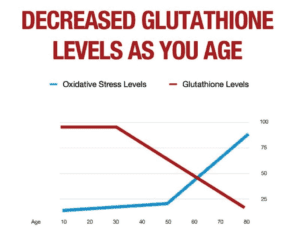
According to this, GSH levels start dropping in your 30s and the effects of increased oxidative stress start appearing in your 50s. I started taking glycine and NAC in my late 40s and have been pleased with the results, especially on my mood and personality.
4 Likes
Yea I subscribe to his channel. His videos are excellent.
after watching his video, i started taking glycine before bed, it helps to improve sleep quality indeed.
It improves slow wave sleep (stage 3, initial few hours) which is responsible for memory, removing toxins from brain, etc.
I am going to try to shift my gly nac to before bedtime.
Key Functions of Slow-Wave Sleep (N3/Deep Sleep):
Physical Restoration & Growth:
SWS is the body’s primary repair phase, responsible for roughly 95% of human growth hormone production, which enables tissue repair, muscle growth, and cell regeneration.
Memory Consolidation: The brain processes, transfers, and stabilizes memories from temporary storage (hippocampus) to long-term storage (neocortex) during this stage.
Brain Detoxification: The brain’s “clean-up crew” (glymphatic system) becomes highly active, clearing metabolic waste, including beta-amyloid proteins linked to Alzheimer’s.
Immune System Boosting: Hormonal changes during this deep phase enhance immune cell activity, strengthening the body’s ability to fight illness.
Sleep Homeostasis: SWS reduces the pressure to sleep, reversing the cognitive fatigue and “sleep pressure” built up during waking hours.
Metabolic Regulation: This stage helps balance blood sugar levels and manage energy metabolism.
3 Likes