Harold made a very interesting comment on Josh Mitteldorf’s blog recently on aging in plants and exosomes:
Hi Josh et al.,
So there were various issues raised, two stand out, whether or not plants age, and 2. How can it be that fungi in the wild are immortal while those grown in the lab have a short lifespan.
So, as to whether plants age, you divided plant aging into three categories, annuals (why not biennials?) – horizontally spreading and vertically spreading plants, though I don’t know why you chose those categories – but the lifespans of those species named seem to illustrate the two modes of aging you propose, programmed aging and immortality. Annuals and biennials are semelparous, the develop to the point of sexual maturity, produce seeds and die. They respond to an environment (the coming of winter) they cannot survive, so in order for the species to persist, they must use their resources to advance themselves (annuals are the first to colonize virgin ground) and to load their genomes into seeds that can survive the winter. I believe, as in mammals, the cessation of growth, or the gaining of sexual maturity stops growth and leads to death (which would occur anyway). When the flowers are cut, they regrow multiple times, while without cutting, those same flowers would only appear once and die is easily explained by this paradigm, the dying (or better, fertilized, flower) sends a signal that stops flowering (a phytohormone?) , telling the plant it’s reached its goal of reproducing, and not to bother further. Cutting leaves the plant feeling unfulfilled and proffers its flowers for its next attempt at love. As for the vertical and horizontal, there are some apparently immortal tall trees, like sequoias, but as you say, short ones, like Joshua pines as well that appear immortal. What about all those spreaders, like grass, is it immortal. I asked Chat, which said, leaves are mortal, they live for days or weeks, whither and die. The grass persists as its meristems lie close to the ground and apart from reproducing sexually (wheat, rye, corn, rice, etc. are all grass seeds), it reproduces by rhizomes, runners, roots. So, it’s really hard to say if its immortal or not. But clearly “immortality” (non-aging) is possible for the plant kingdom, as is programmed development. As with animals, like the shark, it may be the case that continual growth simply makes the organism prey to natural causes of death. (It’s said that as the shark grows, as surface area grows by the square of the size, while mass by the cube, until the gills no longer have the surface area to provide enough oxygen to the body.
As to the immortality of wild fungi, I think the answer is to be found in your observations that the same fungi immortal in the wild, are very mortal in the laboratory. The first thing that crossed my mind was that there was something missing in laboratory conditions that was present in the wild. So, what was missing was the connection with plants. We know that beneath the forest floor lies a complex network of fungal mycelia, and that those fungal hyphae penetrate plant cells providing an intimate connect between the cytoplasm of the fungus and the cytoplasm of the plant cells.
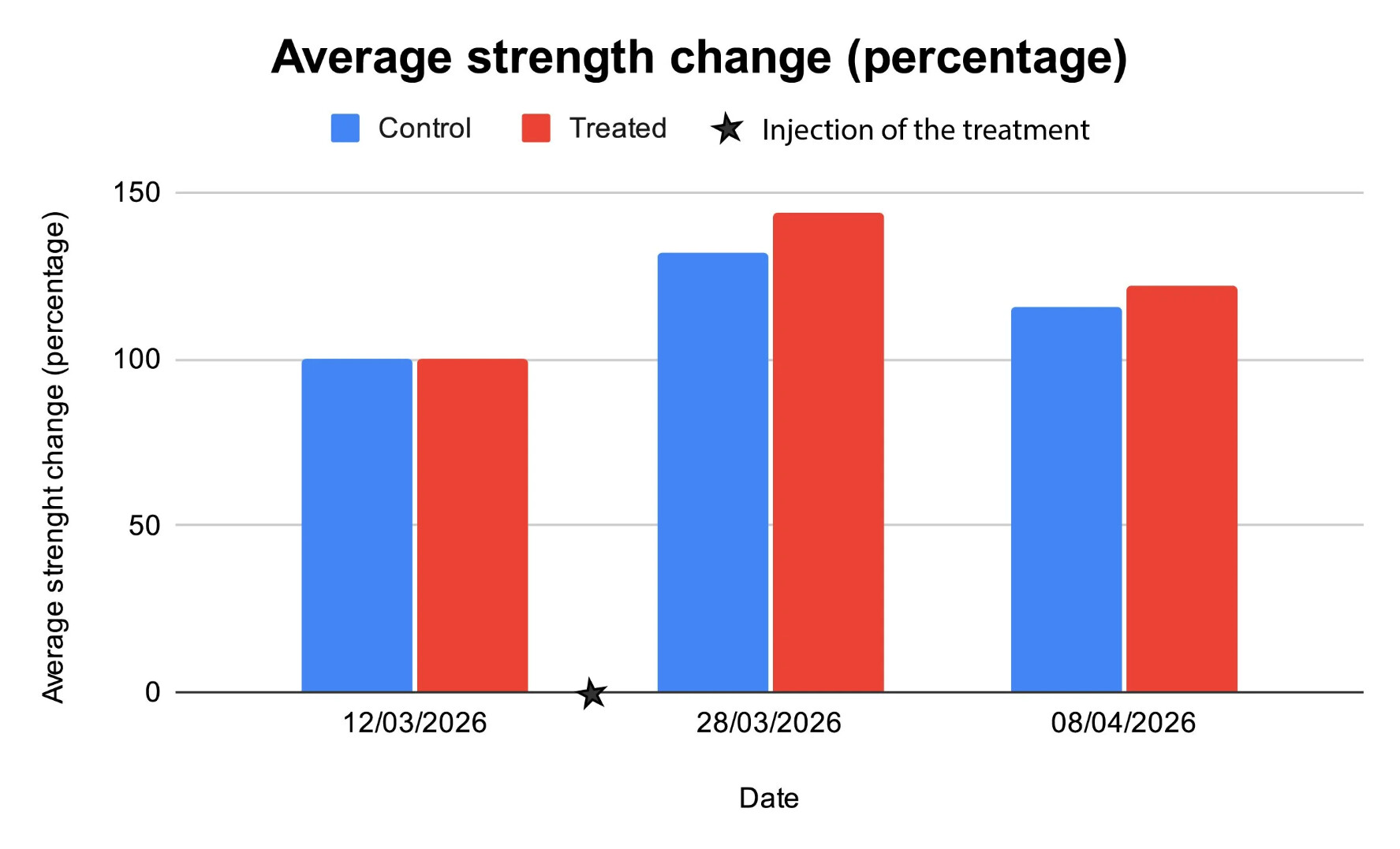
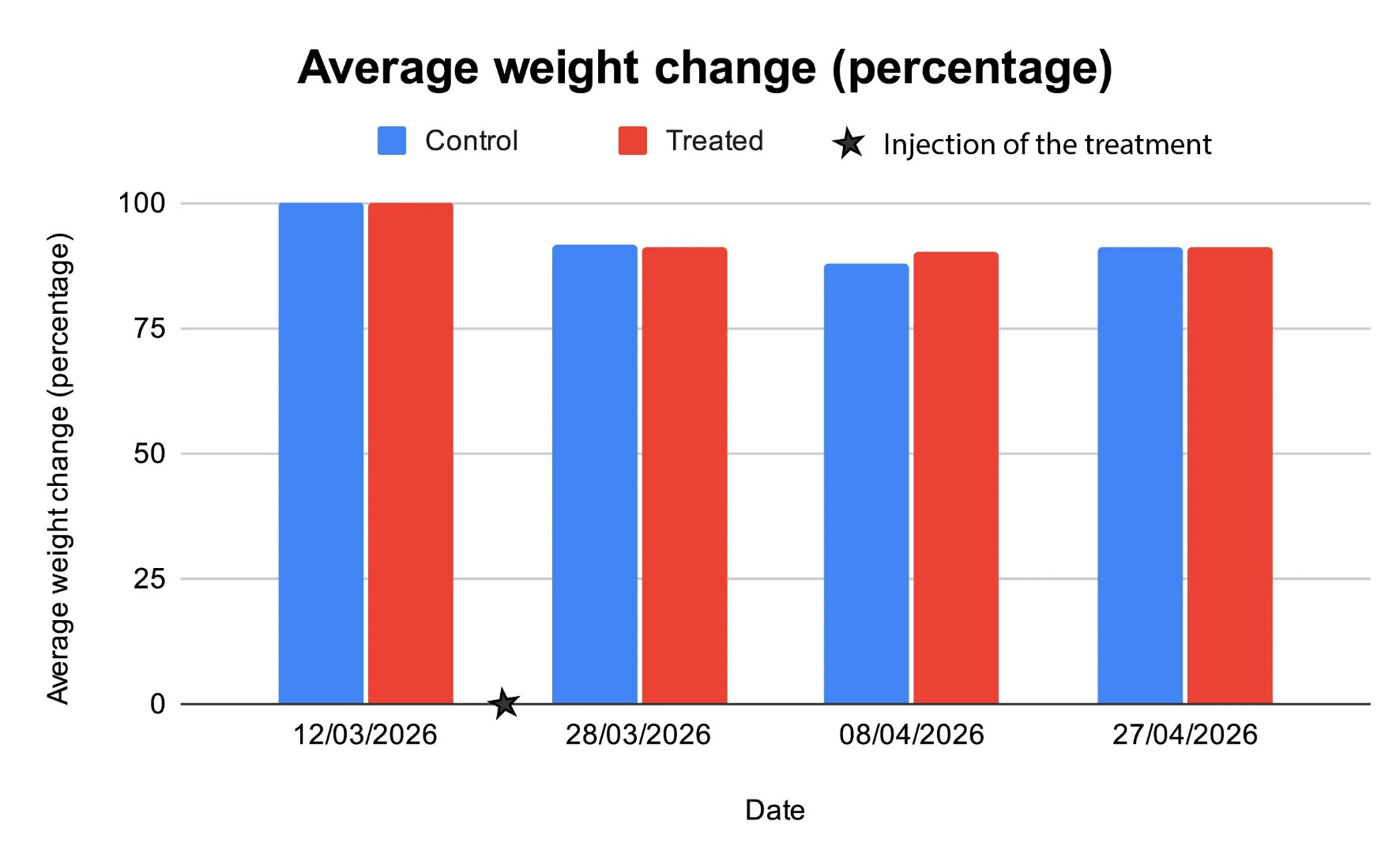
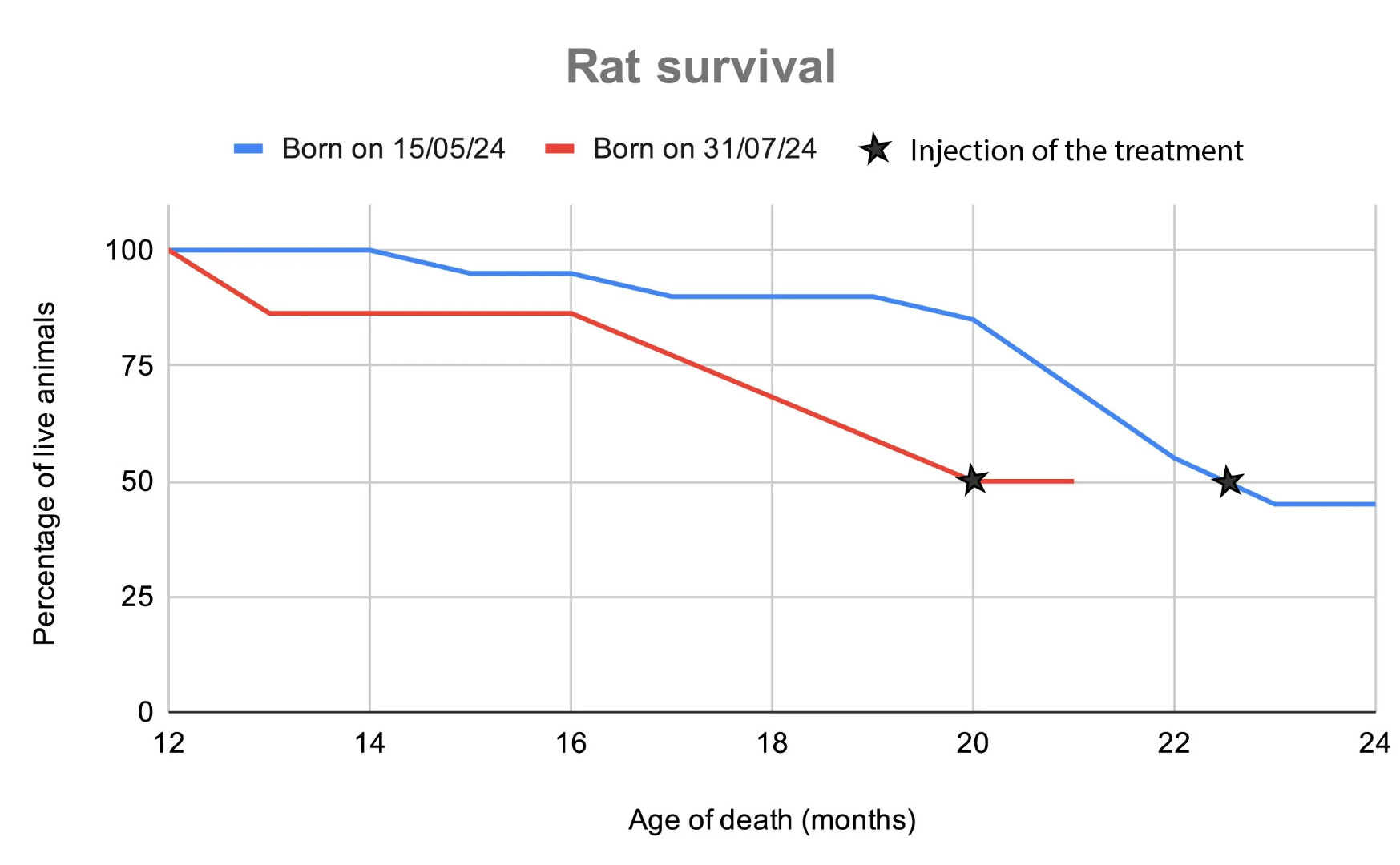
Now, as some of you know, I’ve long held the belief that exosomes are one secret to immortality. Anyone who knows the literature would agree that exosome can have healing properties, in fact, anything that can be done with stem cells can be better done with exosomes. So, let’s imagine, as most do, that aging is caused by accumulated damage (it’s not – exactly) and that vertically and horizontally spreading plants are immortal. Then let us suppose that they never stop growing and therefore must be continually providing repair exosomes for their tissues. Now, the intimate connection between fungus and plant allows the fungus access to the plant repair exosomes, which it uses to repair its own damage. I’ve already shown that pig exosomes can be used to promote rejuvenation in rats (and also increased longevity, though with a small sample size) – and so the homology of exosomes may go back past the division of the higher Eukaryota from Protista, so that perhaps tree exosomes might help us as well? Anyway, that’s my take on your interesting essay.
From https://scienceblog.com/joshmitteldorf/2026/02/16/aging-in-plants-or-no-aging-in-plants/#comments