This study looked at whether alirocumab (a PCSK9 inhibitor that dramatically lowers LDL cholesterol) can shrink plaque inside heart arteries when added to a strong statin in people who recently had a heart attack. The focus was whether patients at very-high risk (older, more medical problems) respond differently from lower-risk patients.
Researchers used three imaging methods that let them see inside the coronary arteries:
- IVUS (Intravascular Ultrasound): tiny ultrasound probe inside the artery to measure how much plaque there is .
- NIRS (Near-Infrared Spectroscopy): shows how much of the plaque is made of dangerous oily “lipid core.”
- OCT (Optical Coherence Tomography): a laser-based camera that measures how thick and stable the fibrous cap is —thin caps are vulnerable to rupture.
All scans were done right after the heart attack and again one year later.
How Much Plaque Was Reduced?
The main result was the change in percent atheroma volume (PAV)—basically, “how much of the artery wall is filled with plaque.”
Non–Very-High-Risk (non-VHR) group: strongest improvement
- Alirocumab: plaque shrank by –2.5%
- Placebo: shrank by –0.9% → Net improvement caused by alirocumab: –1.8%
This is substantial because prior research shows every 1% drop in plaque volume links to ~14% fewer future heart events.
Very-High-Risk (VHR) group: smaller improvements
- Alirocumab: –1.7%
- Placebo: –1.1%→ Net improvement: –0.8%, barely significant.
Lipid (fatty) content of plaque
Non-VHR patients again saw much larger reductions in dangerous lipid-rich plaque compared to VHR patients.
Inflammation inside plaque
Measured by “macrophage angle” (how much immune-cell infiltration is present).
Non-VHR patients again improved far more.
Stability of plaque cap
VHR patients slightly outperformed non-VHR here—likely because they started with thinner, weaker caps, giving more room for improvement.
Why Does Alirocumab Work Better in Lower-Risk Patients?
The arteries of VHR patients are often:
- older
- stiffer
- more scarred or calcified
- more affected by high blood pressure or long-term smoking
These arteries are less biologically flexible, meaning plaque is harder to reverse even when LDL is reduced to very low levels.
Lower-risk patients seem to have more “reversible” plaque, which responds more strongly to intensive LDL lowering.
What’s New Here?
This is the first study to show that plaque shrinkage from PCSK9 inhibitors depends strongly on a patient’s overall risk profile.
It challenges the usual assumption that “higher-risk patients benefit the most.”
Actionable Takeaways (for general readers)
- The people who gain the most plaque shrinkage are those who don’t have many traditional risk factors.
- Keeping blood pressure controlled, not smoking, and reducing inflammation likely makes major LDL reduction more effective.
- Alirocumab is expensive, so the best value is in people who can still “reverse” plaque.
Limitations
- Substudy, not originally planned for this comparison.
- VHR group was smaller and more complex medically.
- One year is short; clinical events (heart attacks, death) weren’t the primary endpoint here.
10 Questions an Interested Non-Scientist Might Ask
- How do I know if I’m in the “very-high-risk” or “lower-risk” category?
- Would lowering my LDL even further meaningfully shrink my own plaque?
- Should I get a coronary CT scan to see if my plaque is the “reversible kind”?
- Is expensive therapy like alirocumab worth it for me compared to stronger statins or lifestyle changes?
- If I have high blood pressure or long-term smoking history, will that blunt my results?
- Does lowering LDL this aggressively improve life expectancy, or mainly reduce heart-attack risk?
- If my plaque does shrink, how quickly does that translate into lower risk?
- Can I take alirocumab temporarily (“plaque reversal phase”) instead of long-term?
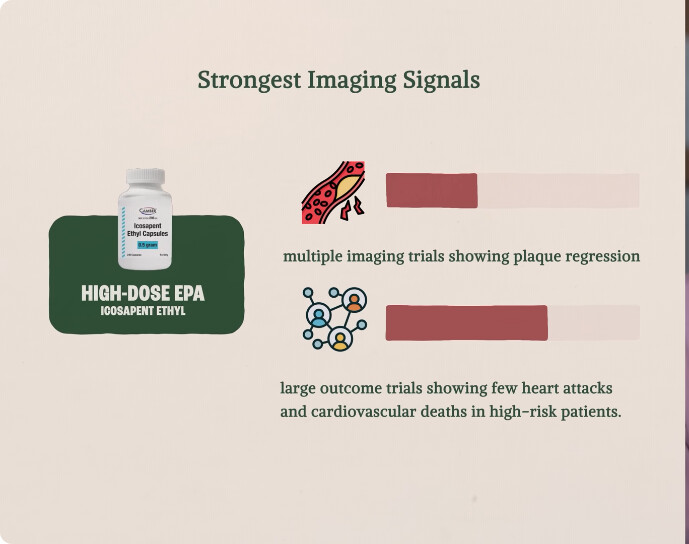
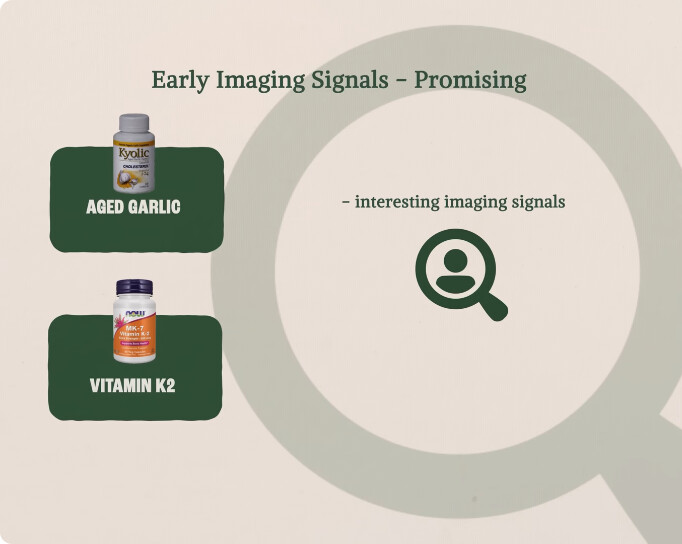
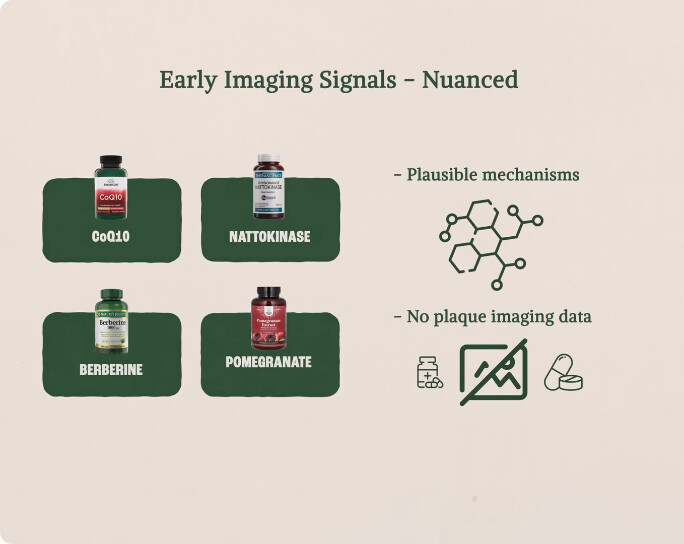
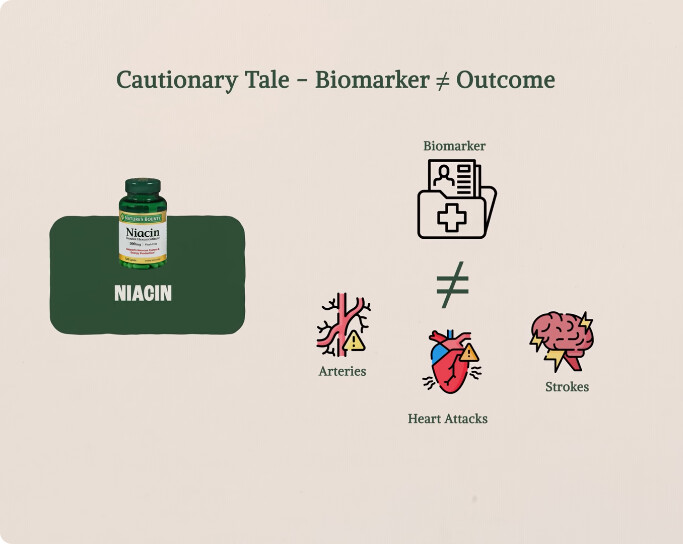
- Are there supplements or lifestyle changes that enhance plaque regression?
- If my Lp(a) is high, will PCSK9 inhibitors help with plaque reversal or only slightly?
Full Paper (open access): Effect of alirocumab on coronary plaque stratified by atherothrombotic risk