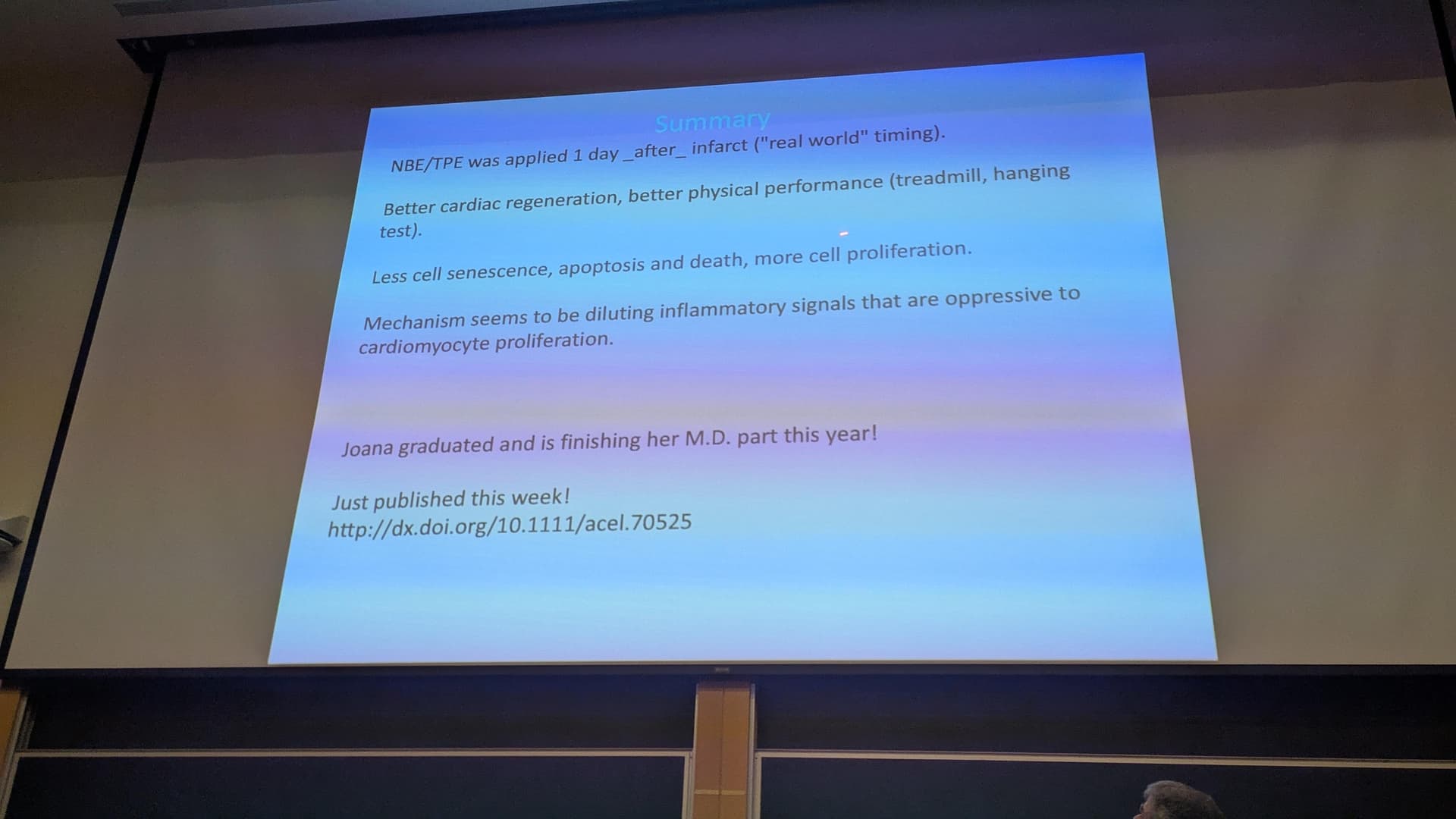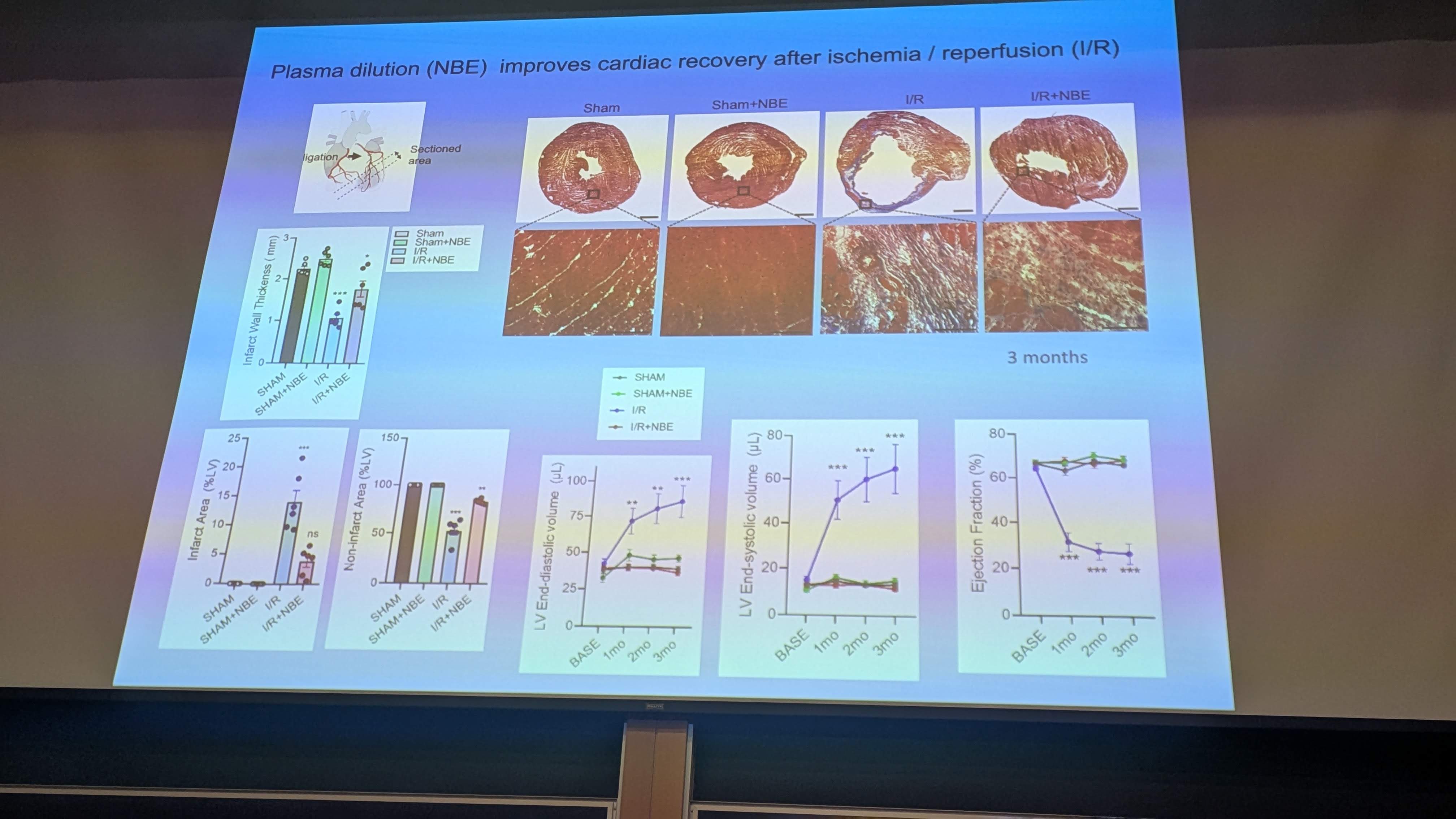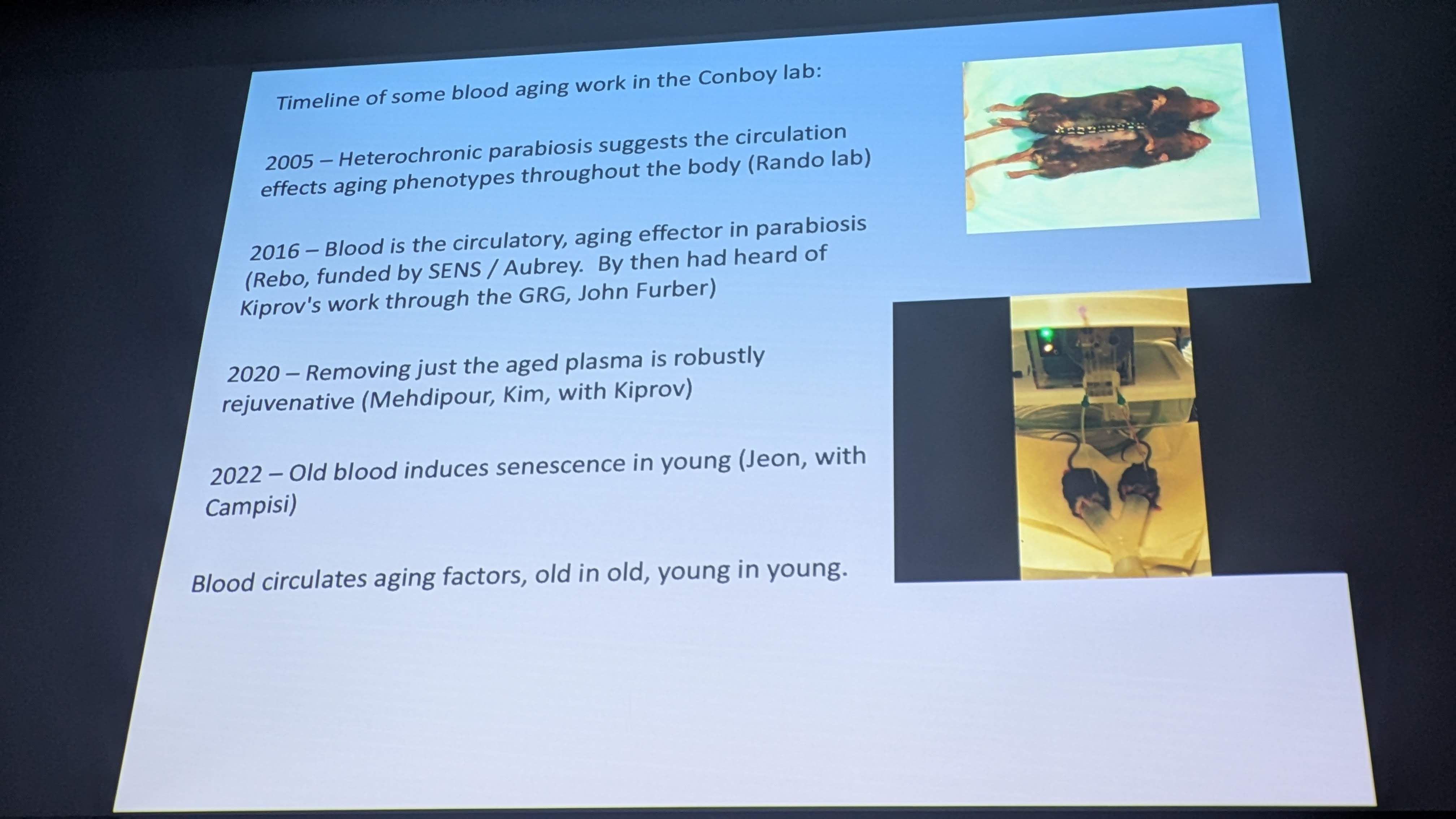
Michael Conboy presented at the Berkeley Longevity Conference today, this new paper (just published last week) with some amazing results from TPE administered to heart attack victims (mice) within 24 hours, resulting in almost complete rescue of the heart from fibrosis and damage.
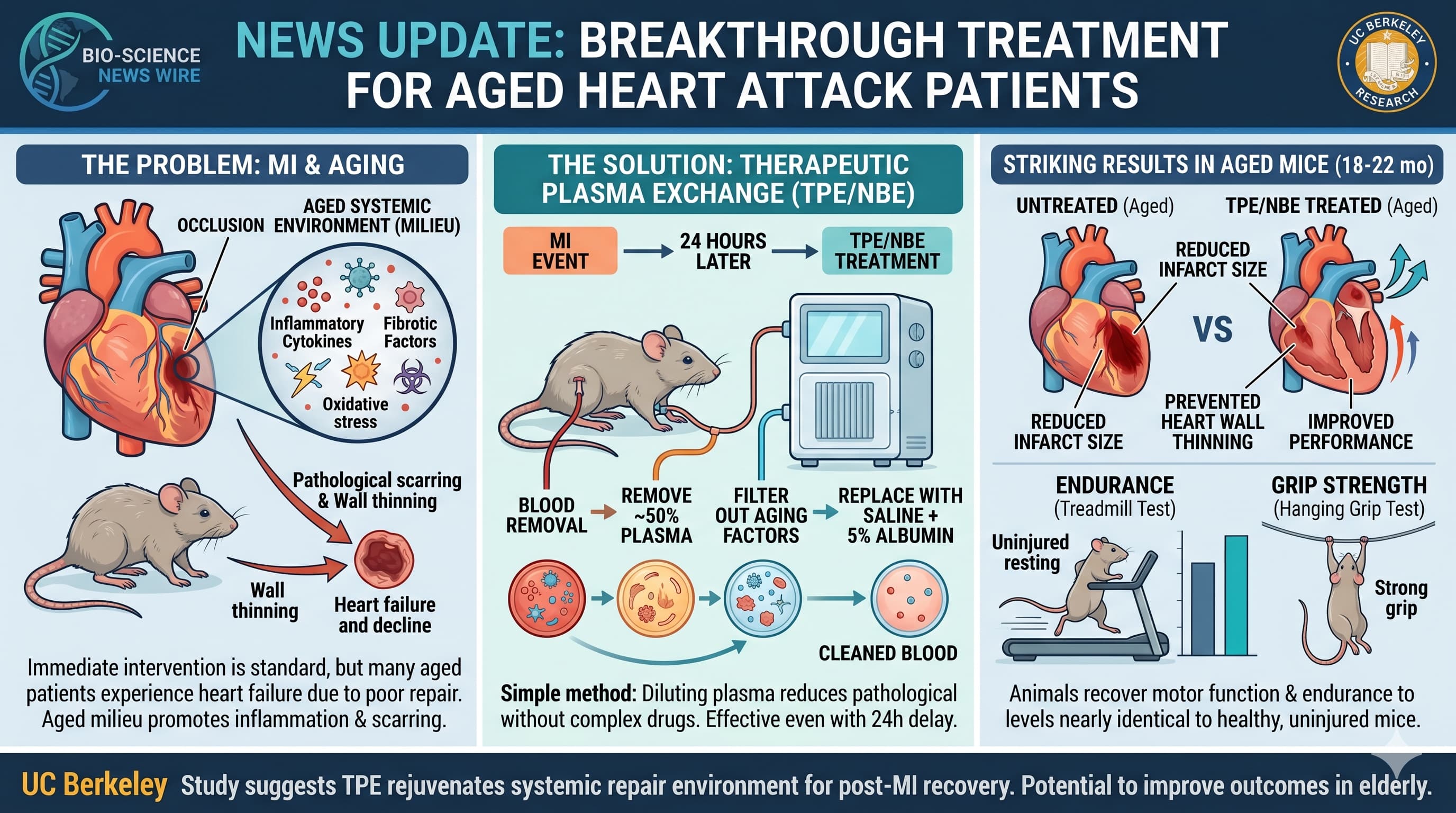
Myocardial infarction (MI) remains the primary cause of global mortality, particularly among the elderly. Standard clinical protocols emphasize immediate intervention—minutes matter. However, a significant percentage of patients experience a downward spiral of heart failure and physical decline after the event. This occurs because the aged systemic environment, or “milieu,” often fails to support healthy tissue repair, opting instead for pathological inflammation and scarring.
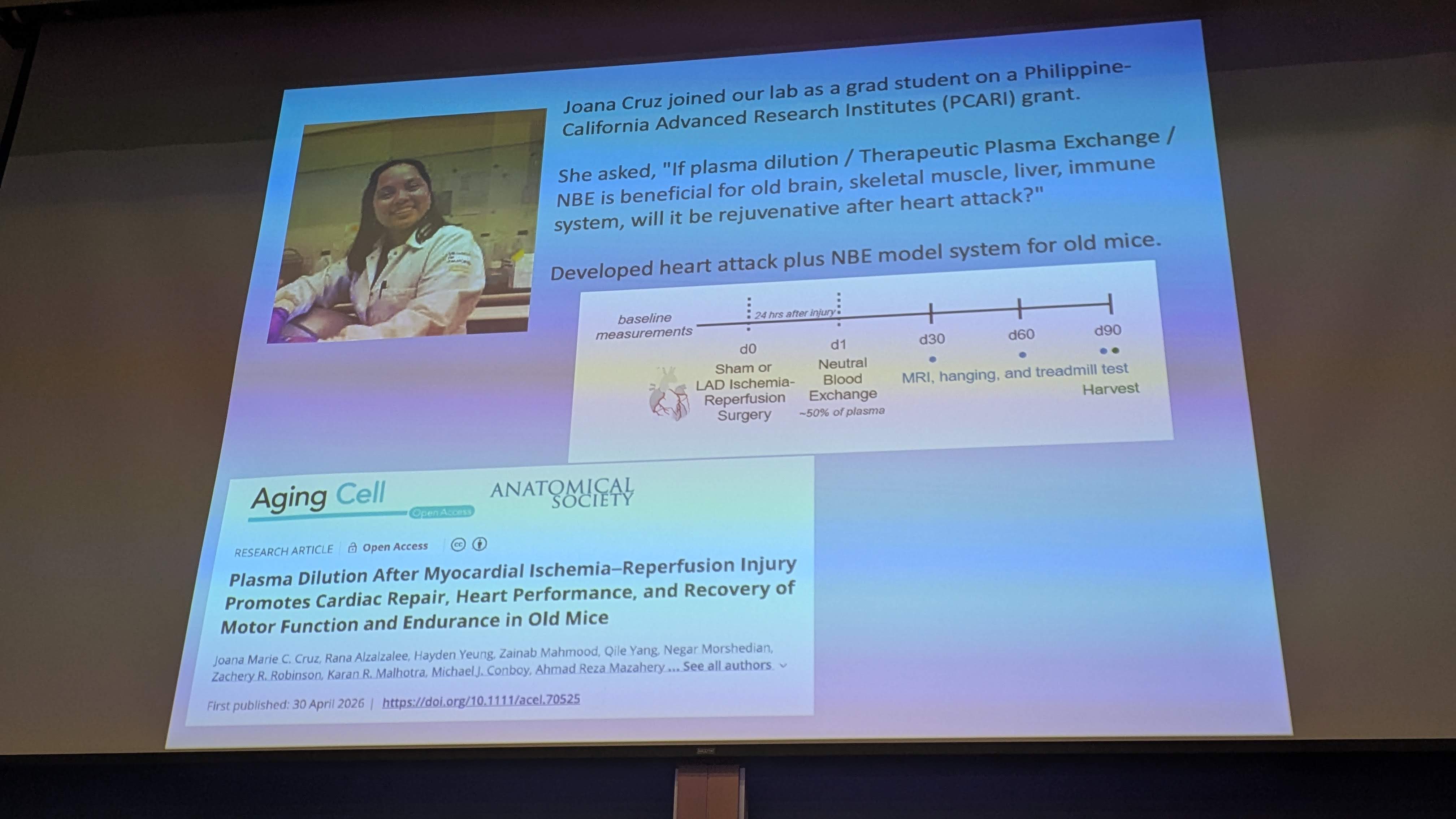
A breakthrough study from researchers at the University of California Berkeley suggests that the solution might not involve adding complex drugs, but rather “cleaning” the blood through a process called Therapeutic Plasma Exchange (TPE) / Neutral Blood Exchange (NBE). In this procedure, approximately 50% of the blood plasma is removed and replaced with a simple solution of saline and 5% albumin.
The team tested this intervention on 18- to 22-month-old mice—the biological equivalent of humans in their 60s. Crucially, they administered the plasma dilution 24 hours after the cardiac injury. Despite the delay, the results were striking: a single treatment significantly improved heart performance, reduced the size of the scarred area (infarct), and prevented the chronic thinning of the heart wall.
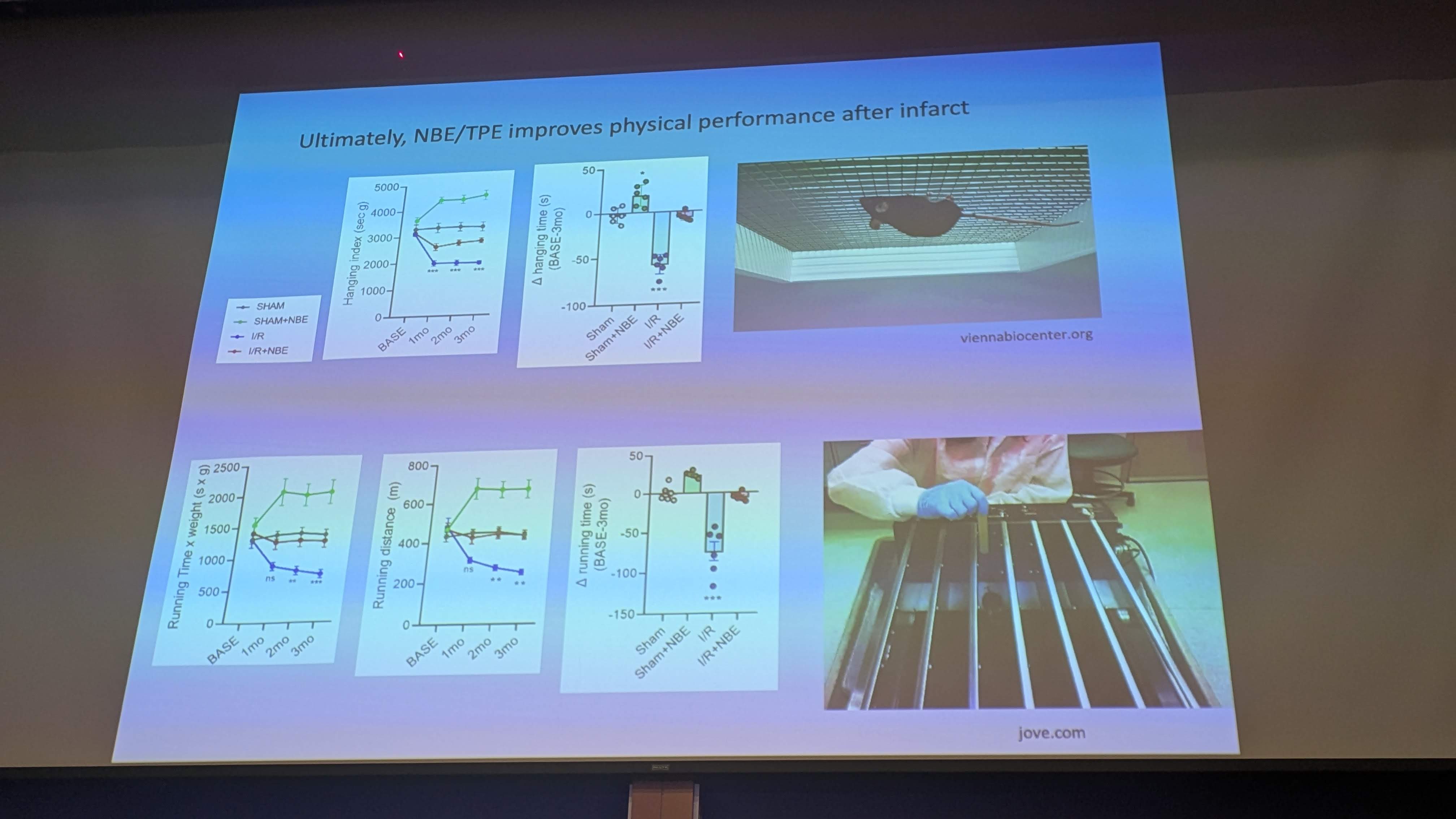
The benefits extended beyond the heart itself. Treated animals showed significant recovery in motor function and endurance, performing at levels nearly identical to healthy, uninjured mice on treadmill and hanging grip tests. Molecular analysis revealed that NBE “recalibrated” the cardiac environment, turning down excessive inflammatory signaling (such as the JAK/STAT and TGF-beta pathways) and allowing heart cells to re-enter the cell cycle for repair. This suggests that “old” blood contains a cocktail of factors that actively inhibit recovery, and simply diluting them can unlock the heart’s latent regenerative potential.
Actionable Insights
The practical implications for longevity and health optimization focus on the manipulation of the systemic milieu rather than localized tissue treatment:
-
Therapeutic Window Extension: This research suggests that a 24-hour post-event window is a viable target for systemic intervention to prevent long-term heart failure.
-
The Power of Dilution: The effectiveness of 50% plasma dilution indicates that the removal of pro-aging factors (inflammaging) is likely more critical than the addition of “young” factors.
-
Albumin as a Safety Buffer: The use of 5% albumin in the exchange fluid is essential for maintaining oncotic pressure and preventing hepatic stress.
-
Rejuvenation Potential: Even uninjured mice showed minor improvements in physical capacity after NBE, reinforcing the idea that plasma dilution acts as a broad rejuvenator of multiple organ systems.
-
Biohacker Relevance: For those exploring Therapeutic Plasma Exchange (TPE), this data provides a mechanistic basis for its use in cardiovascular resilience. However, clinical implementation specifically for post-MI recovery requires further human trials to establish precise safety profiles.
Source:
- Open Access Paper: Plasma Dilution After Myocardial Ischemia–Reperfusion Injury Promotes Cardiac Repair, Heart Performance, and Recovery of Motor Function and Endurance in Old Mice
- Institution: Department of Bioengineering and QB3 Institute, University of California Berkeley.
- Country: USA.
- Journal: Aging Cell, published: 30 April 2026
- Impact Evaluation: The impact score of this journal is 7.8, evaluated against a typical high-end range of 0–60+ for top general science, therefore this is a high impact journal.