The majority of the issue is FMD and CVD risk, the 9-17% figure. Where’s the analysis for this? Postprandial FMD is not the same FMD, and it’s not outcome data. Dietary oils for instance can decrease postprandial FMD but has outcome data showing its associated benefits. (And we have other reasons to believe dietary oils to be healthy).
It’s interesting… many of the references that that these queries point to are review papers… so you have to go down the rabbit hole of looking at each review paper and following the breadcrumb trail. It’s a pain in the ass. Unlike ChatGPT which hallucinates references quite commonly, I find that Google Gemini, when it makes a mistake, usually is just mis-identifying the link to the paper, so I have to search a bit more to find the correct link.
Part of the issue may also be that I am not just asking for a simple summary of the paper, I’m looking for actionable insights from the papers I analyze, so we have something we can actually do in response to a given paper. I don’t care about a paper if we can’t do anything with the information in any reasonable time frame.
Here is the backup for the 9 - 17% figure:
The specific research paper you are looking for is Rodriguez-Mateos et al. (2013), published in The American Journal of Clinical Nutrition.
This study is the primary source for the 1.5% acute improvement in Flow-Mediated Dilation (FMD) and provides the basis for the calculated cardiovascular disease (CVD) risk reduction.
1. The Primary Paper (Acute FMD Improvement)
Citation: Rodriguez-Mateos, A., et al. (2013). “Intake and time dependence of blueberry flavonoid-induced improvements in vascular function: a randomized, controlled, double-blind, crossover intervention study with mechanistic insights into biological activity.” The American Journal of Clinical Nutrition.
- The Findings: This study demonstrated a biphasic, dose-dependent increase in FMD.
- Result: Consumption of wild blueberry powder resulted in an acute increase in FMD, peaking at approximately 1.5% (absolute percentage points) at 1–2 hours post-consumption.
- Dose: The effect plateaued at 766 mg of total polyphenols (equivalent to ~240g or 1.5 cups of fresh wild blueberries).
- Mechanism: The study linked these improvements directly to plasma concentrations of specific anthocyanin metabolites.
Source: PubMed: Intake and time dependence of blueberry flavonoid-induced improvements in vascular function
2. The “9-17% CVD Risk Reduction” Calculation
It is critical to distinguish between direct observation and prognostic extrapolation. The Rodriguez-Mateos study did not run for decades to observe a reduction in heart attacks. Instead, the 9-17% risk reduction is a calculated projection based on the 1.5% FMD improvement.
This projection relies on established meta-analyses of endothelial function, specifically:
- Ras et al. (2013) / Inaba et al. (2010): These meta-analyses established that every 1% increase in FMD is associated with a 13% reduction (Confidence Interval typically 9%–17%) in the risk of future cardiovascular events.
- The Logic: Since wild blueberries acutely increase FMD by ~1.5%, researchers extrapolate that sustained consumption could theoretically lower CVD risk by roughly 13-19% (often summarized conservatively as ~15% or the 9-17% range depending on the specific confidence interval cited).
Source: Matsuzawa Y, et al. (2015). Prognostic Value of Flow-Mediated Vasodilation in Brachial Artery and Fingertip Artery for Cardiovascular Events: A Systematic Review and Meta-Analysis. (Confirming the prognostic value of FMD).
3. Supporting Research (Chronic/Sustained Effects)
While the 2013 paper established the acute 1.5% spike, subsequent research confirmed that this is not just a transient effect but translates to sustained baseline improvements.
-
Rodriguez-Mateos et al. (2019): Confirmed that daily consumption for one month led to sustained improvements in FMD and a significant reduction in systolic blood pressure (approx. 5 mmHg).
-
Source: Circulating Anthocyanin Metabolites Mediate Vascular Benefits of Blueberries
-
Wood et al. (2023): A more recent study in The American Journal of Clinical Nutrition found that wild blueberry consumption in older adults improved FMD by 0.86% (chronic baseline shift) and reduced systolic blood pressure by 3.59 mmHg.
Summary of Facts
| Metric | Finding | Source |
|---|---|---|
| Acute FMD Increase | ~1.5% (peak at 1-2 hours) | Rodriguez-Mateos et al. (2013) |
| Chronic FMD Increase | 0.86% - 1.0% (sustained baseline) | Wood et al. (2023); Rodriguez-Mateos (2019) |
| CVD Risk Impact | 13% reduction per 1% FMD increase (Range 9-17%) | Extrapolated from Ras et al. (2013) |
The functional differences are likely negligible. That said, I prefer blueberries from further North, in keeping with the “stressed fruit” concept, so I’m sticking with TJ’s boreal berries. Obviously, compared to Costco and some other aggregated blueberries TJ’s is more expensive, but I don’t care (my philosophy is to never try to save on food and health even if the difference is tiny - can’t use any $ once I’m dead, so why save over getting my priorities straight). But rationally it likely is best to go with cheaper options in this case - I’m irrationally obsessive.
4 Likes
So a Super-Polyphenol that possibly causes an increase in FMD by 0.86% that’s associated with a ~10% reduction in CVD events.
If food is medicine, how about a prescription for blueberries? N.S. researchers hope that’s the future
Dalhousie University study speaks to the larger trend of food prescribing gaining traction in Canada
Grove is a participant in a new study by researchers in Dalhousie University’s faculty of medicine, looking at whether providing blueberries for people to eat every day, combined with 30 grams of protein powder and personalized exercise routines three times a week, will improve frailty and heart health in older people. If it does, researchers hope the results will bolster the argument for doctors to prescribe blueberries.
It’s part of a larger trend gaining traction in Canada: food prescribing. It’s exactly as it sounds. Doctors identify patients who are experiencing food insecurity and at risk of diet-related chronic diseases, and write them prescriptions for fresh food. This gives them access to subsidized or free healthy foods.
The Study:
1 Like
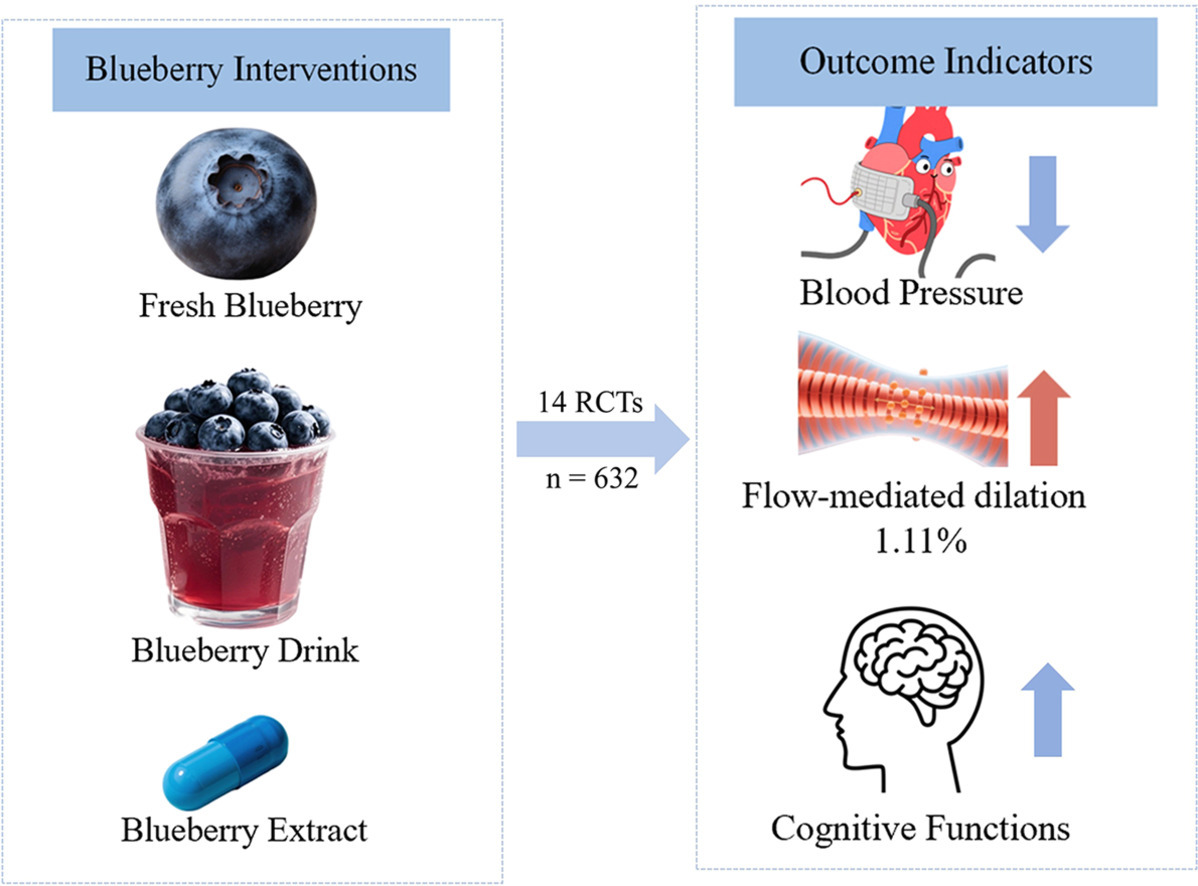
Blueberry Consumption Enhances Vascular Function but Not Cognitive Abilities in Healthy Individuals: A Systematic Review and Meta-Analysis
Highlights
-
Blueberry intervention significantly improved flow-mediated dilation in healthy individuals.
-
Non-significant improvements observed in executive function and mood following blueberry intervention.
-
Future trials needed to address bias risk in existing randomized controlled trials.
Paywalled paper: https://www.sciencedirect.com/science/article/abs/pii/S027153172600031X
How can something be wild and not organic? Are there fertilizers in the wild?
Or does “wild blueberries” refer to a species that can be farmed?
Yes, I think it’s the later.
(because I was curious also on this issue)
From Google Gemini 3 Pro …
The assumption that a commercially sold “wild” product is inherently chemical-free is agriculturally incorrect. In the commercial fruit industry, “wild” denotes a botanical species and its natural growth habit, whereas “organic” is a strictly defined regulatory standard governing agricultural inputs.
Here is the breakdown of the biology and the commercial management practices.
1. “Wild” Refers to Botanical Species, Not Farming Methodology
Commercially sold “wild blueberries” are lowbush blueberries (Vaccinium angustifolium). They are genetically distinct from standard cultivated blueberries, which are highbush varieties (Vaccinium corymbosum ). The term “wild” indicates that the plants are indigenous, naturally occurring, and spread clonally through underground rhizomes rather than being planted by humans from seeds or cuttings in agricultural rows.
2. Wild Blueberries are Farmed In Situ
While the plants establish themselves naturally in glacial soils (primarily in Maine and Eastern Canada, known as “barrens”), these fields are not untouched wilderness. They are aggressively managed commercial agricultural operations.Farmers “tend” the naturally occurring plants through a process called in situ (in place) farming. To increase yields, growers introduce commercial honeybee hives for pollination and actively prune the fields on a two-year cycle using industrial rotary mowers or controlled burns.
3. Conventional Management Involves Fertilizers and Pesticides
Because wild blueberries are grown in natural barrens, they face fierce competition from native weeds, fungi, and indigenous insect pests (such as the blueberry maggot fly and the invasive spotted wing drosophila). To ensure commercial viability and high yields, conventional wild blueberry growers routinely apply synthetic inputs.
In a conventional (non-organic) wild blueberry barren, you will find:
- Synthetic Fertilizers: Applied directly to the wild barrens to stimulate plant growth and maximize berry production.
- Soil Amendments: Elemental sulfur is frequently broadcast to artificially lower the soil pH to 4.0, which suppresses weed growth and favors the blueberry rhizomes.
- Herbicides: Used to kill off competing native shrubs and weeds that would otherwise shade the low-growing blueberry plants.
- Insecticides and Fungicides: Applied to the wild fields to prevent crop decimation from pests and blight.
Conclusion
You can purchase wild blueberries that are not organic because “wild” only dictates the plant species and the fact that it was not artificially planted. Unless a package of frozen wild blueberries carries a certified organic label, the naturally occurring fields were managed using conventional synthetic fertilizers, herbicides, and pesticides. Organic wild blueberry farmers must manage these exact same fields using only naturally derived, organically approved inputs and mechanical pest control methods, which generally results in lower crop yields and a higher retail price point.
My understanding: Wild - varietal - can be:
1)conventional - uses conventional pesticides/herbicides
2)organic - uses organic (label approved) pesticides/herbicides
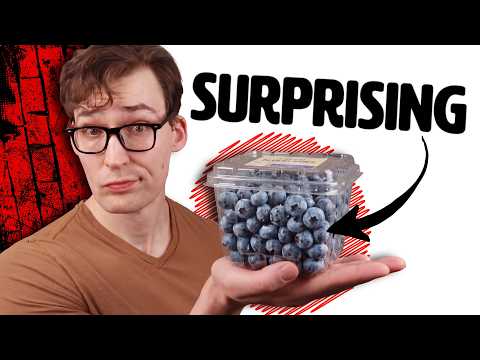
3)pesticide-free, labeled as such. This is not labeled as “organic”, because “organic” implies that certain approved pesticides can still be used. But those labeled “free of pesticides”, are just that: wild varietal, free of pesticide. That’s what TJ’s carries, as I’ve shown in the photo of the packaging I’ve uploaded.
1 Like
I wonder if huckleberries have similar properties. I’ve gone huckleberry hunting in the wild of Montana in the summer. They have a similar taste to blueberries, and are definitely wild non-cultivated berries.
Looks like it is the anthocyanin content that provides the benefit. There are other sources for anthocyanins.
3.1. Natural Sources of Anthocyanins
Anthocyanins are widespread in red/blue fruits and vegetables and their content in plants varies markedly among different species, depending on cultivar or variety, growing area, climate, farming methods, harvest time, ripening, seasonal variability, processing and storage, temperature and light exposure. Berries such as strawberries, blueberries, blackberries, blackcurrant, redcurrant and raspberries are a rich source of anthocyanins, with levels ranging from about 100 to about 700 mg/100 g of fresh product [10,72,73], but the highest content is found in elderberries and chokeberries, which can contain up to 1,4-1,8 g of anthocyanins per 100 g of product [10,72]. Other good sources of anthocyanins include purple corn, cherries, plums, pomegranate, eggplant, wine, grapes, and red/purple vegetables such as black carrots, red cabbage and purple cauliflower which may contain from a few milligrams up to 200–300 mg/100 g of product [72,73]. More recently, anthocyanins have been identified in numerous berries whose production and consumption is steadily increasing, such as maqui [74,75], myrtle [76,77], and açai [78,79,80].
FYI. A bit off topic topic here but of some relevance. Costco is not an aggregator in the traditional sense. You might find it informative to take a deep dive into their business model and, specifically in this context, their vendor management and relations principles. A precis follows here but the backstory is fascinating and has been the focus of many M7 MBA projects.
Costco operates distinctly from Whole Foods in its vendor management, prioritizing long-term partnerships and volume over the broad, brand-heavy aggregation model used by Whole Foods. While Whole Foods aggregates a vast array of specialty and organic brands (often leveraging its Amazon integration), Costco limits its selection to approximately 3,700 active SKUs (compared to 30,000+ at traditional grocers) and maintains transparent, stable relationships where it does not charge slotting fees or pressure suppliers for concessions.
Key distinctions in Costco’s vendor relations include:
Vendor Risk-mitigation: Costco limits a vendor’s sales exposure to the company to no more than 20% of their total business. This policy is designed to prevent vendors from becoming overly dependent on Costco. The company does not want to be the cause of a supplier going out of business if a product is discontinued or underperforms and is subsequently removed from shelves. This cap ensures vendor stability and reduces the financial risk for suppliers in the event of a relationship change.
Strict Markup Caps: Costco enforces a self-imposed ceiling of 14% on branded products and 15% on Kirkland Signature items, a radical departure from the typical 25-50% retail markup, which creates a trust-based pricing model.
Vertical Integration: The company operates its own processing facilities for fresh foods (chicken, fish, produce) to ensure quality control and capture additional margin, rather than relying solely on external brand aggregation.
Volume-Driven Loyalty: Vendors are guaranteed prompt payment and high volume in exchange for fair pricing, resulting in first access to new products and allocation priority during shortages.
Private Label Focus: Costco heavily promotes Kirkland Signature, its private label, which generates over $70 billion in annual sales, allowing the retailer to control supply chain costs directly rather than acting merely as a shelf space aggregator.
2 Likes
@RobTuck I’ll piggy back on this.
You MUST listen to this episode about Costco on my favorite podcast, Acquired.
Like any human system, Costco can make a mistake in selecting vendors but they are few and far between because their long term relationship model creates a mutual sense of obligation to do the right thing. Contrast that to Amazon where vendors are dumped unceremoniously the minute AI tells them they can get improve a margin by 0.1%, which sometimes means stealing the vendor’s product idea. I became sold on Costco 30 years ago when I could see the employee longevity. I’m still getting help from employees who helped me 30 years ago. Over the years, employees have told me, “no one leaves Costco.” Their annual y/y turnover is ~6%, compared with ~60% in the supermarket industry. In today’s climate, that metric alone says you are looking at something special. Customer loyalty is similar with a 93% y/y renewal with some of the 7% being people who are no longer with us. Consider buying and holding their stock!
1 Like
Compared with Huckleberries
Established Empirical Findings (High Probability)
1. Total Anthocyanin and Phenolic Quantifications
Extensive literature utilizing HPLC-DAD and spectrophotometric analysis confirms that both wild blueberries and huckleberries possess exceptionally high total monomeric anthocyanin content (TAC) and total phenolics (TP), often dwarfing cultivated highbush blueberries (V. corymbosum ).
- Total Anthocyanin Content: Ranges typically between 100 to 500 mg per 100 g fresh weight (expressed as cyanidin-3-glucoside equivalents).
- Total Phenolic Content: Frequently ranges from 350 to 1200+ mg per 100 g (as gallic acid equivalents).
- Observation: While phenotypic and environmental variances are profound, both species stand out as premier sources of highly concentrated flavonoid skeletons (C6-C3-C6).
2. Comparative Anthocyanidin Profiles (The Aglycones)
Both species feature a complex mixture of glycosides derived from five primary anthocyanidin aglycones: Delphinidin, Cyanidin, Petunidin, Peonidin , and Malvidin . (Pelargonidin is usually absent or found only in trace amounts). However, the relative distribution and concentration of these aglycones diverge sharply:
- Huckleberries (V. membranaceum): Empirical data reveals a heavily skewed profile toward cyanidin glycosides. In many phenotypes, cyanidins comprise a vast proportion of the total profile, with notably lower or occasionally absent levels of malvidins and petunidins compared to wild blueberries.
- Wild Blueberries (V. angustifolium): These typically display a highly balanced, complex distribution among all five aglycones. They are characterized by robust levels of malvidin and delphinidin glycosides (e.g., malvidin-3-glucoside and malvidin-3-galactoside).
3. Localization and Glycosylation Patterns
Anthocyanidins in both plants are unstable in their aglycone form and are conjugated with monosaccharides at the 3-position.
- The primary sugars involved are galactose, glucose, and arabinose .
- Both species typically yield about 15 distinct anthocyanin combinations based on these 5 aglycones × 3 sugars.
- A key distinction in the section Myrtillus (huckleberry) is that anthocyanins are distributed throughout both the skin and the pulp, whereas in many standard blueberries, pigments are localized primarily in the exocarp (skin).
Summary Table of High-Probability Data
| Feature | Wild Blueberry (V. angustifolium) | Huckleberry (V. membranaceum) |
|---|---|---|
| Taxonomic Section | Cyanococcus | Myrtillus |
| Total Anthocyanins | High (often 100–500 mg/100 g FW) | High (often 101–400 mg/100 g FW) |
| Pigment Localization | Primarily localized in the exocarp (skin) | Distributed in both skin and pulp |
| Predominant Aglycones | Broad distribution (Malvidin, Delphinidin, etc.) | High Cyanidin content, lower Malvidin/Petunidin |
Speculative Observations and Emerging Research
While the raw analytical chemistry above is well-documented, the subsequent physiological impacts and ecological drivers remain in the realm of active hypothesis and limited empirical support.
1. Differential Pharmacodynamics and Bioavailability
Because huckleberries lean heavily toward cyanidins and wild blueberries exhibit a more diverse profile heavily weighted in malvidins, their physiological actions may diverge.
- The Malvidin Factor in Wild Blueberries: Malvidin glycosides are more highly methylated and, according to some pharmacokinetics models, exhibit higher stability through the gastrointestinal tract than non-methylated anthocyanins like delphinidin. This suggests that the profile in wild blueberries might possess prolonged systemic circulation.
- The Cyanidin Factor in Huckleberries: Cyanidins are recognized as potent metal chelators and have specific affinity for vascular endothelial tissue. The sheer density of cyanidins in huckleberries could provide theoretically distinct neurovascular or anti-inflammatory profiles compared to the more balanced malvidin/delphinidin profile of wild blueberries.
2. Environmental Stress and Phenotypic Plasticity
The high concentration of anthocyanins in both species is an evolutionary response to environmental stressors.
Stock up …
3 Likes
The Surprisingly Negative Findings around Blueberries
I. Executive Summary
The core thesis of the analyzed data investigates the apparent translational disconnect between the cardioprotective epidemiological signal of dietary anthocyanins and the anemic clinical performance of whole blueberry interventions. Large prospective cohort data demonstrate a statistically robust, inverse association between high dietary anthocyanin intake and myocardial infarction risk, alongside overall cardiovascular disease (CVD) mortality, particularly in cohorts of young and middle-aged women. This epidemiological signal is thought to be mediated by the vascular endothelium, where anthocyanin metabolites modulate nitric oxide bioavailability and upregulate endothelial nitric oxide synthase (eNOS) signaling. This mechanism is clinically validated by randomized controlled trials (RCTs) demonstrating that acute and chronic blueberry intake reliably optimizes flow-mediated dilation (FMD).
However, a critical breakdown occurs when shifting the analytical focus from isolated anthocyanins to whole blueberry consumption within multivariate-adjusted longitudinal cohorts. Upon controlling for confounding lifestyle variables (such as baseline caloric intake, physical activity, smoking status, and age), the statistical association between whole blueberry intake and reduced CVD mortality is entirely attenuated. Furthermore, systematic reviews and meta-analyses of RCTs reveal that whole blueberry consumption fails to exert any robust, clinically meaningful impact on hard intermediate biomarkers of cardiometabolic risk, including systolic and diastolic blood pressure, fasting glucose, insulin resistance, or standard lipid profiles (such as total cholesterol, LDL-C, and triglycerides).
This therapeutic discrepancy is primarily driven by an unappreciated dose-dependent threshold. Pharmacokinetic data show that sub-therapeutic dosing—such as a half-cup of blueberries daily—fails to achieve sustained elevations in circulating plasma phenolic metabolites over six months. Conversely, a threshold dose of one cup (~150 grams) of fresh equivalents daily is mandatory to achieve statistically significant concentrations of blood metabolites capable of altering vascular dynamics. Methodologically, epidemiological studies frequently fail to segregate true non-consumers from sub-therapeutic consumers, thereby diluting the observable clinical signal. Consequently, whole blueberries exhibit limited therapeutic utility for systemic metabolic remodeling, making a broad dietary strategy targeting total anthocyanin density across multiple whole-food matrices a more pragmatic clinical approach.
II. Insight Bullets
- Anthocyanin Chemical Classification: Anthocyanins are water-soluble vacuolar pigments belonging to the flavonoid class, heavily concentrated in dark blue, red, and purple flora.
- Core Translational Disconnect: A significant mismatch exists between highly favorable population-level anthocyanin data and the weak clinical outcomes observed in whole blueberry RCTs.
- Epidemiological Myocardial Infarction Reduction: Multi-decade prospective cohorts show a significant inverse association between high dietary anthocyanin intake and future myocardial infarction risk in women [Cassidy et al., 2013].
- Confounding in Unadjusted Data: Age- and energy-adjusted epidemiological models initially suggest that blueberries reduce CVD mortality, but this effect disappears under rigorous multivariate adjustment.
- Multivariate Attenuation Specifics: Adjusting for baseline health status, socioeconomic factors, smoking, and background diet completely abolishes the statistical correlation between whole blueberry consumption and reduced CVD mortality.
- Vascular Endothelial Reactivity (FMD): Human trials consistently demonstrate that blueberry ingestion induces acute improvements in flow-mediated dilation (FMD), a direct marker of endothelial function [PMC12046616].
- Mechanistic Nitric Oxide Preservation: Anthocyanin metabolites optimize vascular function primarily by increasing nitric oxide (NO) bioavailability and reducing neutrophil NADPH oxidase activity.
- Dynamic Blood Vessel Adaptability: FMD measures the physical capacity of an artery to dilate in response to shear stress; impaired FMD serves as an independent, early predictor of subclinical atherosclerosis.
- Failure to Modify Systemic Blood Pressure: Meta-analyses of randomized controlled trials demonstrate that blueberry consumption does not reliably reduce resting systolic or diastolic blood pressure in general populations [ResearchGate, 2020].
- Lipid Profile Neutrality: Clinical trial data show no statistically significant alterations in circulating low-density lipoprotein cholesterol (LDL-C), high-density lipoprotein cholesterol (HDL-C), or total cholesterol from whole blueberry intake.
- Triglyceride Modifying Insufficiency: Pooled effect sizes from RCTs indicate that whole blueberry supplementation yields statistically non-significant changes in fasting plasma triglyceride concentrations.
- Insulin Resistance Stagnation: Whole blueberry interventions fail to show reproducible improvements in the homeostasis model assessment of insulin resistance (HOMA-IR) or fasting plasma glucose.
- The Sub-Therapeutic Dose Pitfall: Ingestion of a half-cup of blueberries daily fails to result in a meaningful or durable accumulation of active polyphenol metabolites in human plasma over six months.
- The One-Cup Clinical Threshold: Achieving a therapeutic floor requires a minimum daily intake of one full cup (~150 grams) of fresh equivalents to sustainably elevate plasma metabolite levels.
- Epidemiological Reference Group Flaws: Food Frequency Questionnaires (FFQs) introduce profound noise by comparing non-consumers to individuals consuming berries as infrequently as once per week, masking dose-response thresholds.
- Secondary Analyses Stability: When prospective cohort models adjust for total fruit and vegetable intake, the independent protective signal of total anthocyanins (rather than blueberries specifically) remains intact.
- Parent Compound Malabsorption: Intact dietary anthocyanins possess poor direct bioavailability; their systemic physiological effects are mediated almost entirely by downstream phenolic breakdown products.
- Gastrointestinal Biotransformation Pathways: Ingested anthocyanins undergo intensive phase I/II metabolism, spontaneous chemical degradation, and enterohepatic recirculation, yielding low-molecular-weight phenolic acids.
- Microbiome-Mediated Cleavage: The human gut microbiota breaks down complex anthocyanins into smaller, bioactive metabolites like protocatechuic, vanillic, and ferulic acids [OpenResearch Surrey, Source Verified].
- Inter-Individual Metabolic Variability: Due to highly variable gut microbiome composition, the plasma concentration and clear urinary clearance of functional metabolites vary by 40% to 54% between individuals.
- Alternative High-Density Plant Matrices: Therapeutic anthocyanin targeting should shift toward structurally denser botanical matrices such as elderberries, chokeberries (aronia), and black currants.
- Affordable Non-Berry Vectors: Red cabbage and purple sweet potatoes serve as highly concentrated, accessible, and lower-sugar dietary sources of functional anthocyanins.
- Clinical Priority Status: Anthocyanins and whole blueberries do not constitute a primary clinical line of defense against cardiovascular disease, given their inability to alter core metabolic or lipid drivers.
IV. Actionable Protocol
High Confidence Tier (Level A/B Evidence)
- Chronic Endothelial Function Optimization: Implement a minimum daily dosage of 150 grams (1 full cup) of whole blueberries or its freeze-dried equivalent to sustainably elevate plasma phenolic metabolites and preserve endothelial reactivity (FMD) [PMC8714924]. Doses less than this threshold (e.g., 0.5 cups) fail to alter long-term plasma metabolite concentrations and yield negligible vascular results.
Experimental Tier (Level C/D Evidence)
- Total Anthocyanin Diversity Strategy: Rather than relying solely on blueberries, rotate high-potency anthocyanin sources to expand the metabolomic footprint. Target a baseline intake of 50–100 mg of purified anthocyanins or equivalent whole foods per day, using alternative matrices such as black currants, chokeberries, elderberries, red cabbage, and purple sweet potatoes to support gut microbiome diversity and downstream metabolite production [PMC12046616].
Red Flag Zone (Debunked or Safety Data Absent Claims)
- Low-Dose Efficacy Hype (Debunked): The claim that sporadic or low-dose blueberry consumption (such as less than a half-cup daily or occasional weekly intake) provides systemic cardiovascular protection is soundly debunked by clinical pharmacokinetic data.
- Metabolic/Lipid Treatment Monotherapy (Debunked): Utilizing whole blueberries as a standalone therapeutic tool to lower systemic blood pressure, reverse insulin resistance, or manage atherogenic dyslipidemia (LDL-C, triglycerides) is clinically unsupported; RCT meta-analyses consistently report null effects on these hard markers [ResearchGate, 2020].
Watch your blueberry sources:
The total number of people sickened by E. coli linked to recalled frozen blueberries has increased to 17, the Food and Drug Administration said in an update on Thursday.
The illnesses were reported from May 11 to Aug. 2 in Florida and Georgia. So far, there have been six hospitalizations, and no deaths have been reported, the agency said.
In July, the Centers for Disease Control and Prevention and the F.D.A. announced that they were investigating an E. coli outbreak linked to frozen blueberries after a voluntary recall by Frutas y Hortalizas del Sur S.A., of San Carlos, Chile.
Later that month, the grocery store chain Publix recalled all GreenWise Organic Frozen Whole Blueberries and Whole Mixed Berries because of potential E. coli contamination.
On Wednesday, Frutas y Hortalizas del Sur S.A., expanded its July recall to include one lot of Great Value brand frozen organic mixed berry products sold at Walmart stores.
The latest recalled products were sold in 10-ounce packages with a lot code of 6040 01-6 and a best by date of Feb. 9, 2028, the F.D.A. said.
“Do not eat, sell, or serve a specific lot of recalled Great Value frozen berries or recalled GreenWise frozen berries,” the agency said on its website.
The affected product has been sold in a total of 19 states: Alabama, Arkansas, Florida, Georgia, Illinois, Indiana, Kentucky, Louisiana, Minnesota, Mississippi, Missouri, North Carolina, Ohio, Oklahoma, South Carolina, Tennessee, Texas, Virginia and Wisconsin.

Recalled Blueberries, Jalapenos, Lettuce: What to Know
Why is so much produce being recalled right now? What to know about blueberries, lettuce and jalapenos.
https://www.usnews.com/news/national-news/articles/2026-08-26/recalled-blueberries-jalapenos-lettuce-what-to-know
Should We Be Afraid of Our Food?
America’s food-safety system is being methodically dismantled by the Trump administration.
The cyclosporiasis outbreak that has garnered so much attention in recent months is unquestionably bad news. People have been sickened in at least 48 states, and the number of lab-confirmed cases—about 17,000—represents only a fraction of the number of people who have been infected by the parasite.
But as foodborne illnesses go, a cyclospora infection—most likely caused in this instance by the consumption of iceberg lettuce contaminated with human feces—is relatively mild: unpleasant but rarely life-threatening. The two people who have died during the current outbreak had serious underlying conditions. Other foodborne pathogens are far more dangerous. More than 1 million Americans are sickened by Salmonella every year; invasive, potentially life-threatening infections occur in about 8 percent of lab-confirmed cases, and cause meningitis, sepsis, and other serious complications. A botulism infection can cause paralysis, seizures, nerve damage, lung damage, and brain damage, as well as death.
The FDA is responsible for the safety of about 80 percent of the food consumed in the United States. Last year, James Jones, the highly respected head of the FDA’s human-foods division, resigned from his post, citing the “indiscriminate” firing of 89 staff members. The loss of such expertise threatens to cripple the agency’s food-safety efforts. Kyle Diamantas—who replaced Jones and now serves as the acting head of the FDA—has no scientific, medical, or public-health training. He is an attorney (and Donald Trump Jr.’s hunting companion). While employed at the law firm Jones Day, Diamantas defended Abbott Laboratories in a lawsuit alleging that the company had knowingly sold infant formula that could cause severe bowel problems. Abbott lost the suit and in August agreed to pay a $670 million settlement to resolve that case and other claims. In a statement to investors, Abbott said that the settlement is “not in any way an admission of liability” and that the company “remains confident in the safety of these products.”
full story: Should We Be Afraid of Our Food? (Atlantic)
1 Like