Using AI for Health and Longevity and Research - Your Favorite Prompts

That prompt and the results seem pretty good. This seems like the easiest and fastest way to identify the brands you can “reasonably” trust.

1 Like

Something new I’m playing with these days…

find a lecture on youtube
get transcript from http://ytscribe.ai
paste it into gemini with this prompt:

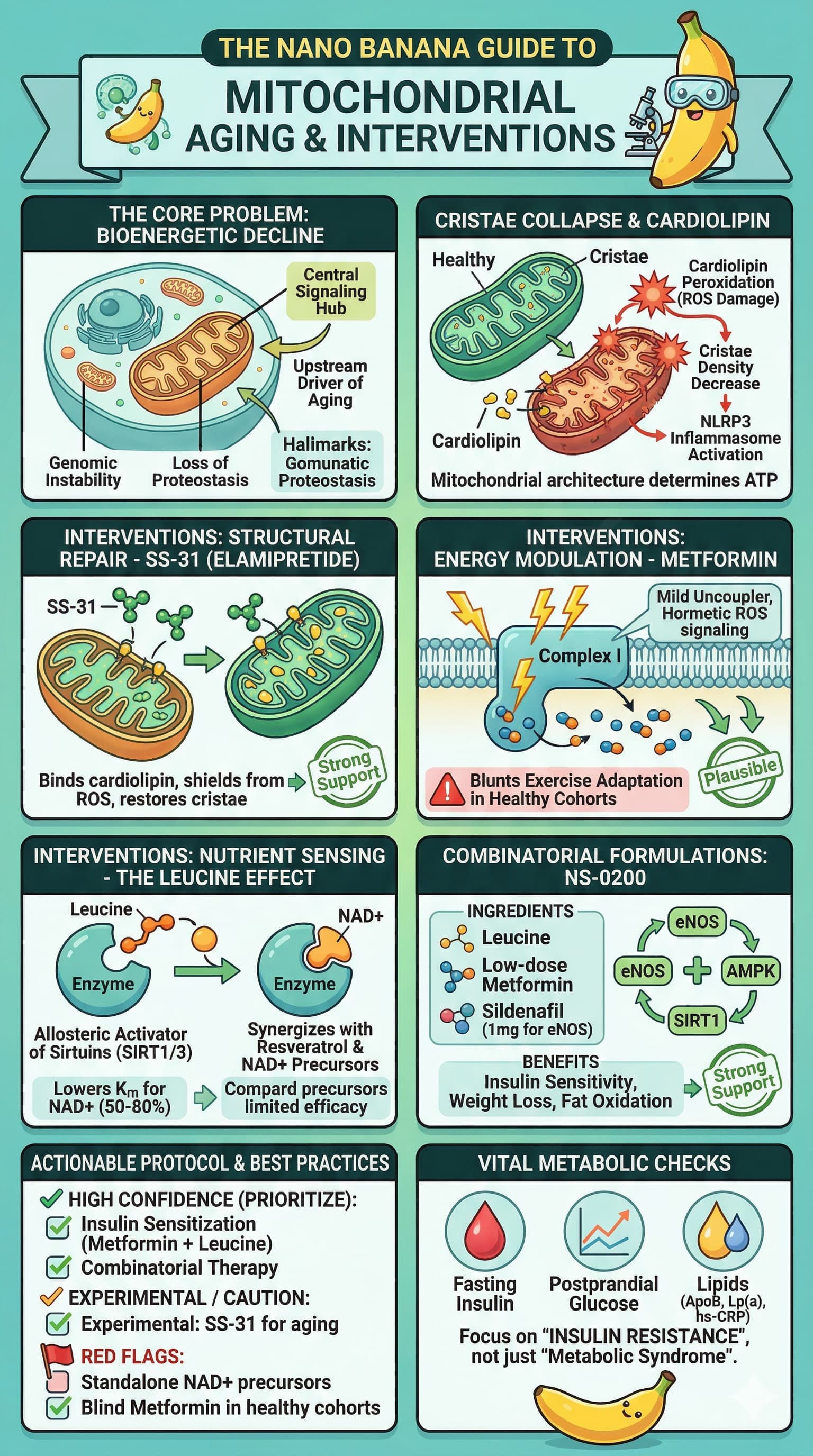
Generate an image. Turn this transcript into a cheatsheet with key takeaways, and give final output as 9:16 image created by nano banana.

Example:

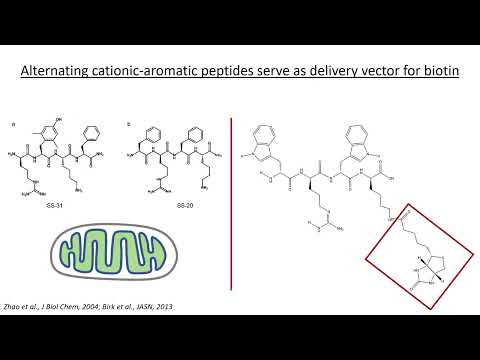
Video:

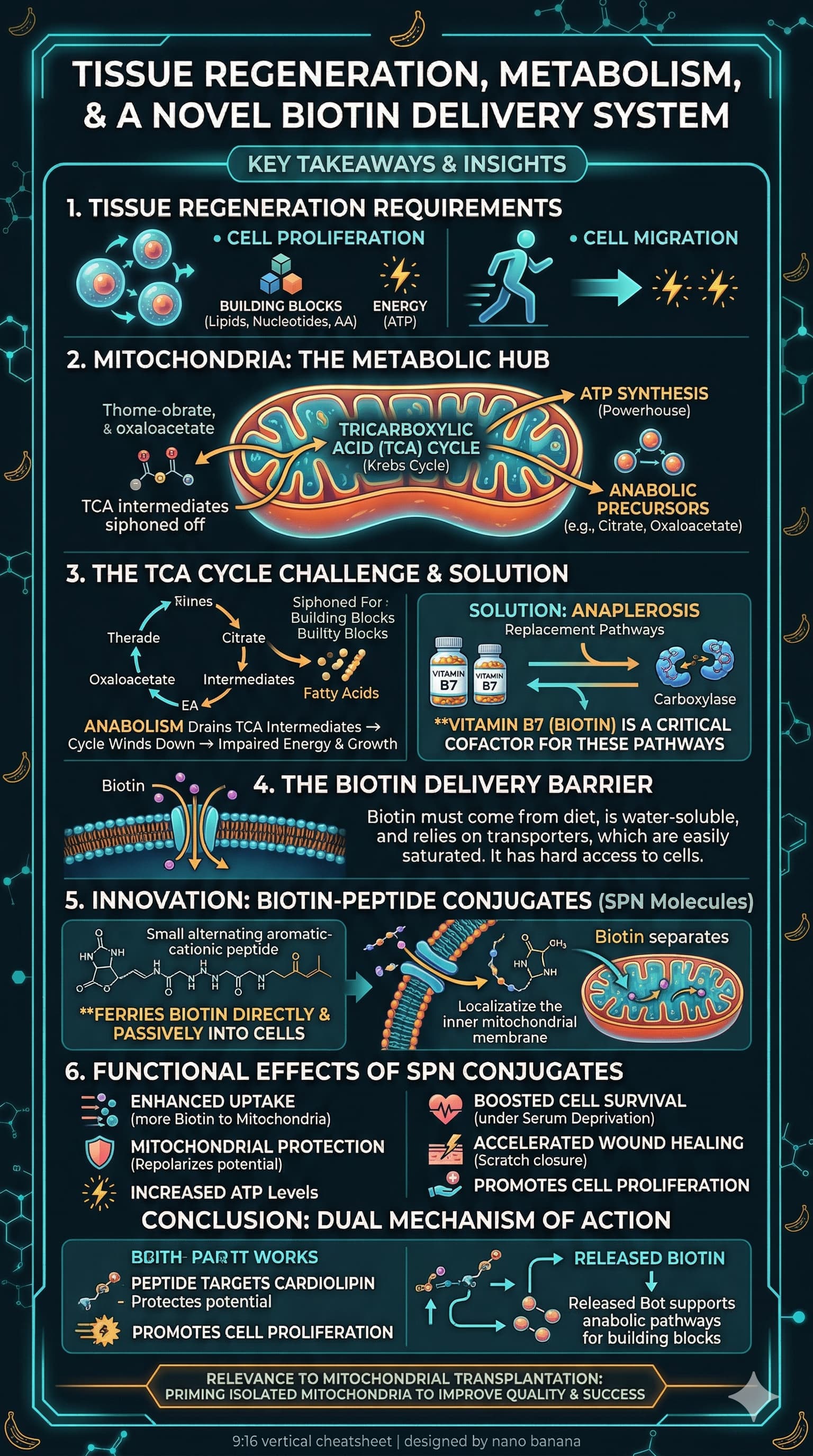
Result:

Example 2

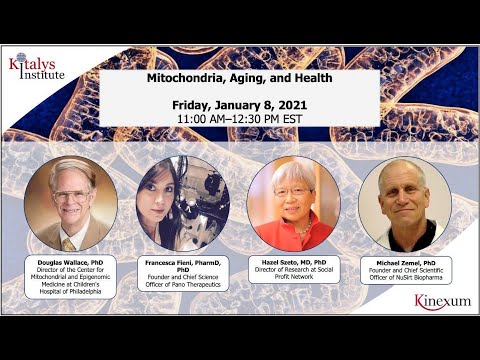
Video:

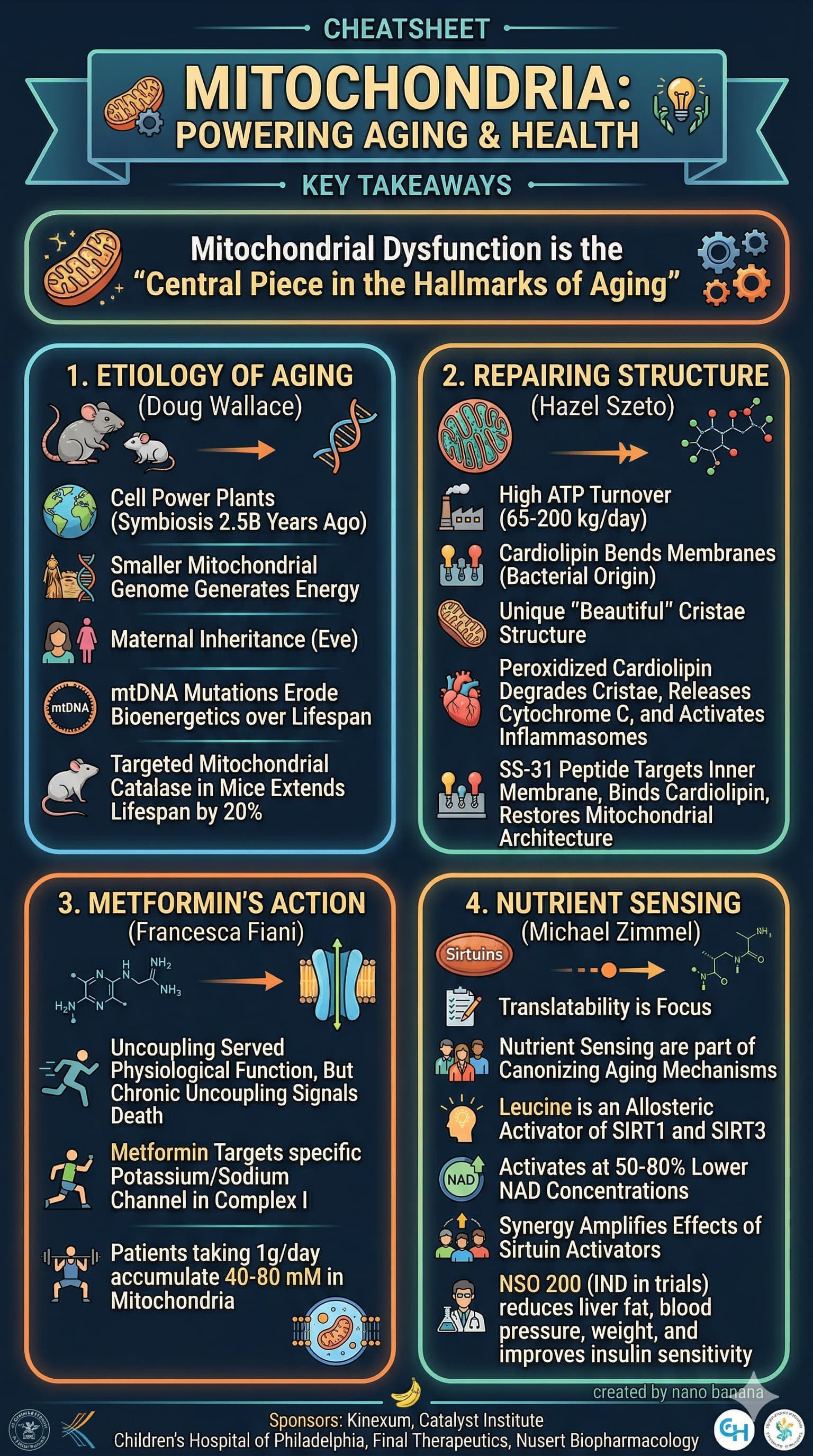
Result:

3 Likes

I find that the transcripts that https://ytscribe.ai/ does are not great.

So I’ve also tried using my transcript summary prompt (posted above a few months ago) to create a summary of the transcript, then use that as the basis for the next prompt, to generate the image.

Here is the resulting image I this scenario:

What do you think of this style of visual summary? Is it valuable?

  • Yes - Valuable, Please add as part of the transcript summaries
  • No - NOT Valuable, DO NOT add as part of the transcript summaries

0 voters

Valuable but perhaps too much detail for a graphic that goes with a text summary. Nicely done.

I’ve been thinking that as I consider a new supplement or medication that I need a good prompt to analyze for identification of any potential conflicts or drug-drug interactions. So I developed this. Comments and suggestions for improvements welcome:

Prompt for Checking New Supplements or Drug Additions and Possible Interactions:

Role: Senior Clinical Pharmacologist & Geroscience Specialist
Task: Rigorous Pharmacokinetic (PK) and Pharmacodynamic (PD) Interaction Analysis

Context

I am adding a new compound to an existing longevity-focused regimen. Your goal is to identify and stratify risks based on clinical evidence, mechanistic pathways (CYP450 enzymes, P-gp, OATP transporters), and potential additive toxicities.

Input Data

New Compound(s) to Evaluate:

[INSERT NEW MEDICATION/SUPPLEMENT AND DOSE HERE]

Existing Regimen (The Stack):

[INSERT CURRENT MEDICATIONS/SUPPLEMENTS AND DOSES HERE]

Analysis Requirements

  1. ADME Profile: Briefly define the Absorption, Distribution, Metabolism, and Excretion of the NEW compound.
  2. Mechanistic Conflict Identification:
    • Identify specific metabolic competition (e.g., CYP3A4, CYP2C19 substrates/inhibitors/inducers).
    • Identify transporter-mediated interactions (P-glycoprotein, BCRP, etc.).
    • Analyze renal and hepatic clearance bottlenecks.
  3. Pharmacodynamic (PD) Analysis: - Identify additive or antagonistic effects on primary longevity pathways (e.g., mTOR, AMPK, Sirtuins, IGF-1).
    • Flag “stack-on-stack” toxicity (e.g., multiple compounds affecting the same pathway or organ system).
  4. Risk Stratification Philosophy:
    • High Risk: Documented clinical contraindications, life-threatening potential (e.g., Serotonin Syndrome, QT prolongation, severe hepatotoxicity), or significant reduction in efficacy of critical meds.
    • Medium Risk: Likely to require dose adjustment or biomarker monitoring (ALT/AST, Creatinine, HbA1c).
    • Low Risk: Theoretical interactions based on in vitro data or animal models without established clinical significance in humans.

Output Format

Generate a prioritized Markdown table with the following columns: [Interaction Pair], [Risk Level], [Mechanism], [Potential Clinical Outcome], [Recommended Action/Investigation].

Follow the table with a “Knowledge Gaps” section identifying where human clinical data is missing for these specific combinations.

Style & Formatting

  • Tone: “Tell it like it is.” Objective, clinical, and critical.
  • Format: Pure Markdown. No LaTeX. Do not use LaTeX or special characters that break simple text parsers.
    • • Citations: Embed direct hyperlinked URLs (e.g., Smith et al., 2024) for all external data. Use nlm.nih.gov, doi.org, or nature.com as priority sources.

How to Use This Prompt Effectively

To ensure the analysis meets your standards for academic rigor, consider these three execution strategies:

1. Differentiate “In Vitro” vs. “In Vivo”

Many supplements (e.g., Curcumin, Quercetin) are potent inhibitors of enzymes in a petri dish but have poor bioavailability or different metabolites in vivo. If the AI flags a “High Risk” based on a test-tube study, you should challenge it to provide the Area Under the Curve (AUC) change reported in human trials.

2. Focus on “Narrow Therapeutic Index” (NTI)

If your stack includes medications where small dose changes lead to toxicity (e.g., Rapamycin/Sirolimus, Lithium, Warfarin, Digoxin, or Thyroid hormones), ensure the prompt specifically highlights **CYP3A4 and P-glycoprotein (P-gp)**competition, as these are the primary drivers of Sirolimus blood level fluctuations.

3. The “Longevity Pathway” Check

Since your interest is in longevity, an interaction isn’t just about safety—it’s about efficacy. For example:

  • Antagonism: Taking a strong antioxidant alongside a “hormetic” stressor (like Zone 2 exercise or Metformin) might blunt the signaling response you are trying to elicit.
  • Redundancy: Taking multiple mTOR inhibitors simultaneously may cross the threshold from “beneficial autophagy” into “immune suppression.”

Example Risk Table Output Structure

When you run the prompt, you should expect a result formatted like this:

Interaction Pair Risk Level Mechanism Potential Clinical Outcome Recommended Action
Rapamycin + Grapefruit Juice High CYP3A4 Inhibition 300-500% increase in Sirolimus AUC Avoid co-administration; monitor trough levels.
Metformin + Bernerine Medium Additive AMPK activation / OCT1 competition Risk of gastrointestinal distress or rare lactic acidosis Monitor blood glucose; staggered dosing.
Glucosamine + Warfarin Low Potential INR elevation (mechanistically unclear) Minor increase in bleeding risk Check INR 72 hours after initiation.
1 Like

Hi RapaAdmin, I like your prompt, but I used it with a modification to consider my genetics. Genetic variants affect how an individual’s body metabolizes medication and other compounds. I have been reading this forum for couple of years, but I have not seen this issue discussed - I may have missed it. It might actually deserve its own forum heading. (Let me know if you want me to create one. I came to this realization accidentally. I am a volunteer participant as a subject in NIH’s AllOfUs research program. It is like the US version of UK Biobank. The program offers full genomics for participant in an opt in basis.) When I got back my results, it gave me one disease risk factor variant (out of the 59 checked) and 2 deficient drug metabolism related variants. They also gave me genetic counseling and confirmation tests at Color Lab (for disease risk only) which confirmed the variants. Here are the drug metabolism related variants result I got back.

GeneVersion What it Means
CYP2C19*2/2 Poor Metabolizer
SLCO1B1
1/15 Decreased Function
DPYD
1/1 Normal Metabolizer
G6PDB Normal Metabolizer
NUDT15
1/1 Normal Metabolizer
TPMT
1/1 Normal Metabolizer
UGT1A1
1/*1 Normal Metabolizer

The top 2 confirm my suspicion that I feel more impact from drugs that I take more than most, including when I started rapa at different doses. I had gone up to 3/week when I had to stop it for a different reason - the fact that it was elevating my A1c. Side note: I have a plan to decrease my Rosuvastatin, add Ezetimibe and restart rapa at least experimentally. I think it is very important this community is aware of our own genetic markup for drug metabolism during our experimentation with various compounds. For example, it is known that SLCO1B1 *1/*15 carriers are prone to increased systemic exposure to simvastatin (Zocor®) resulting in myalgia (muscle pain) side effect at what could be a normal dose. This is part of a emerging individualized medicine field of research. In this community we might increase our awareness self in regards to compounds we take help each other by reporting dose response stories just as many of you have been reporting how you were able to decrease rapa dose using grapefruit juice…

Gemini Pro liked your version, but I asked him to add genetic information. Here’s how it did it:

It changed sub heading # to Context and Genomic Profile
It added a sub section under it called Genetic Variants like this for my profile:

  • Genetic Variants:
    • **CYP2C19 2/2: Poor Metabolizer (High risk for accumulation of substrates).
    • **SLCO1B1 1/15: Decreased Function (OATP1B1 transporter impairment; affects ).
    • Wild Type (Normal): DPYD, G6PD, NUDT15, TPMT, UGT1A1.
1 Like

Interesting idea, and a good one. I don’t know if you’ve seen it yet, but @cl-user has been doing a very good series on genetic pathways and optimization of therapeutic approaches - see here: List and discussion of the series of deep dives into genetic pathways

It seems that @cl-user has been doing what might be called “vertical” slices at this issue, and there is perhaps an opportunity to look at a horizontal slice… i.e. gathering up all the medications (and supplements?) that a person is taking and doing a genetic pathway analysis to see if there are potential conflicts and opportunities for improvement by moving to a slightly different medication in the same family that is more optimized for your specific genetics.

1 Like

I replied here.

And sure these need to be used for the global medications/supplements stack optimization.
Maybe I should post my stack optimization as an example?

2 Likes

Beautiful. I vote you do post your stack analysis. I support your project 100%, it’s one of the most valuable biohacking information approaches ever published on this site. Andiamo!

3 Likes

Here it is: Full stack optimization based on the findings from the genetic deep dive reports

2 Likes

Since I’ve noticed that many of you guys are using the Gemini AI llm, Admin included. And that I subscribed to the Gemini business tier as well.
The latest updates, after the recent Google I/O have been pretty disappointing: lower tokens limits, introduction of the flash 3.5 flash model which is supposed to be an optimization between efficiency and reasoning. But it does not pass the test of simple mathematical sums.

https://www.reddit.com/r/GeminiAI/comments/1tjrvyx/comment/on506k9/?context=1

I too am disappointed, was expecting model up to par if not better than ChatGPT5.5

Are you guys thinking about changing? Or giving it some more time. I’ve been using this model for everyday workflow and more complex engineering reasoning and it was good, but with the new limits the top models like 3.1 extended will be severy limited.

I am just starting to play with it. For my use it seems ok so far. But I have also signed up for claude. I will use both for the next few months to see how they compare.

1 Like

Smart move, pls post the progressive results here, I’m interested.

What I can do on my side, using openrouter, is compare all three main reasoning models available (now Gemini 3.1 Pro extended, Opus 4.7 and ChatGPT 5.5), with the same health and longevity question). It may not be very representative overall, but it may give some useful clues for the really important questions, which I’ll have to think about anyhow.

1 Like

I have the low level subscription for chatGPT, claude and gemini as well as a subscription to github copilot (that I am only using as a code assistant). I tend to put some questions into all of them. They vary in that for any given task one of them might do a better job than the others, but it is not always the same one that gives the best response.

Yes, it is not easy to compare them all, the performance depends on the tasks, the subject, the prompt.

I think about excluding coding, obviously, and including the same prompt with questions limited to health and longevity. Of course, even this is not an optimal way to proceed, since different languages may respond better to slightly different way to pose prompts.

The fact is tht by now all the most powerful levels are strongly limited in usage, unless you have the most expensive tiers. This is certainly true of Gemini and Claude, I don’t know exactly about ChatGPT and its 5.5 version.

I have been paying for a Claude Pro plan for about six months as an experiment in using AI as an accountability partner for my health and fitness efforts. I am entirely satisfied with the results and plan to continue. I find the Opus model is worth the higher cost to get superior interaction (I recently upgraded to the $100/month subscription to get 5x capacity). Based on early work I did with Claude to build out (1) my protocol, (2) issues to address and (3) projects to work on, Claude keeps me on my toes for tracking biomarkers (blood and functional) and assessing progress. Data collection is easy with uploaded screenshots (Oura, etc) and data collection forms presented by Claude every morning.

In addition I have recently started using Claude on my “A Good Life” project which operates similarly (accountability) but with much less emphasis on the details of my health and more breadth on the many other variables involved in my personal assessment of what makes for a good life. The primary innovation here is the integration of my personal 1-2x/week check-ins with the same for my “special person” who also performs check-ins on Claude. Claude does a joint session with both of us every weekend to help us to stay on the same page in building a good life. It’s been quite invigorating to actually be doing what I have been meaning to get around to doing (urgent vs important).

I recommend Claude. But any AI is better than no AI for avoiding omphaloskepsis (“Navel-gazing” and “omphaloskepsis” both refer to the act of contemplating one’s own navel or engaging in excessive, sometimes useless, self-reflection”)

3 Likes

Good choice, also the US$ 100/mo surely constitutes an investment, you are making me think about it, LOL, I’m an avid user of AI, for work, health, hobbies and experimentation.

1 Like

As an aside, the gemini image creation tool is really meaningful in more than one ways.
It helps visualize a story, concept, data or a complex idea/solution . I have used it a few times this year to pitch an idea or a complex solution some committee and Board members in rather simplifiied lay out! The picture was worth 10000 words and very well received.
It is prone to make typos in the infographics but they are getting better.

1 Like

I sometimes like to get models to.theorize about ingredients of products. E.g. I asked GPT-5.5-thinking to theorize about DermCeutical EDL’s main ingredient:

My best guess: the active is probably eriodictyol, or an eriodictyol-adjacent citrus flavanone/polyphenol, formulated at a low level in a conventional cosmetic base.