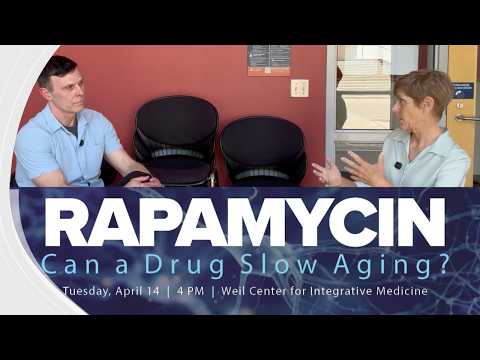
Researchers at the University of Arizona R. Ken Coit College of Pharmacy will begin a double-blind, randomized Phase 3 clinical trial this year to evaluate whether a drug used to prevent organ transplant rejection can also improve older adults’ resilience and immune function.
The clinical trial with the drug, rapamycin, is funded with $12 million in philanthropic support from alumnus R. Ken Coit. Coit graduated from the College of Pharmacy in 1967 and has been a supporter of the college for decades. In 2021, his $50 million naming gift commitment was used to establish endowed faculty positions and student scholarships and to renovate the Coit History of Pharmacy and Health Sciences Museum.
“Ken’s generosity is making possible the first investigator-led clinical trial in the College of Pharmacy,” said Brian Erstad, interim dean of the Coit College of Pharmacy. “His latest gift will enable new opportunities for our researchers to continue to gain further insights into the human lifespan and make new inroads in the development of therapeutics to slow aging.”
“Rapamycin is our best shot on goal for improving resiliency and healthspan as we age,” Coit said. “Several studies have proven that rapamycin can improve vaccine efficacy and improve oral health in older adults. This study will measure the ability for low-dose rapamycin to maintain or improve physical and immunologic functioning in people 65 years and older.”
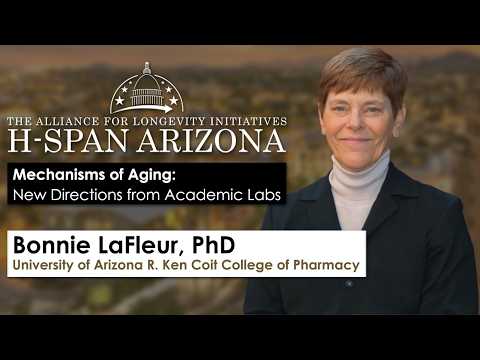
According to lead investigator Bonnie LaFleur, a professor in the Coit College of Pharmacy, the Phase 3 clinical trial, if it receives final approval from the FDA as expected, is projected to take six years. Participants will be randomized to rapamycin or a placebo that they will take for two years, with an additional year of follow-up. Collaborators will conduct several ancillary studies in parallel with the clinical trial, all with the goal of improving health and well-being in older adults.
Researchers will focus on two main ways to measure the potential effects of rapamycin. The first will gauge the impact of the treatment on physical function, specifically, whether rapamycin changes the transition to frailty, which can significantly impact quality of life. The second will evaluate the levels of an inflammatory marker called IL-6, a measure of inflammation associated with many age-related diseases, including frailty. The researchers want to see if rapamycin can reduce IL-6 levels in the blood.
This is wonderful news. Some credit goes to the decades of work by Andrew Weil creating awareness and acceptance for this kind of work in the medical school. Beyond Arizona, Weil has been a driving force behind the adoption of alternative and geroprotective concepts in medical practice nationwide. I can still recall the shock on a largely MD audience’s face perhaps 30 years ago when unpacked the immune stimulating properties of different classes of mushrooms. Heresy!
Yes. The endpoints seem potentially anemic. The first endpoint mentioned here could be a summary of a family of specific metrics but the second endpoint – Il-6 – perhaps seems narrow to a fault but it does convey that the choice of IL-6 as an endpoint rather than something like p-S6 phosphorylation (a direct readout of mTORC1 inhibition) or epigenetic clocks suggests the investigators are framing this firmly within the geroscience/inflammaging paradigm rather than trying to prove mTOR pathway engagement per se.
LaFleur’s expertise is in immunobiology, oncology, aging, and statistical methods for precision healthcare and biomarkers. She has extensive experience in biomarker-driven and interventional clinical trials, including regulatory submissions for FDA and EMA approved diagnostic tests. She has co-PI connections with Janko Nikolich-Zugich, a highly regarded immunologist at Arizona who has published extensively on immunosenescence. This suggests the immunological endpoints may be considerably more sophisticated than just IL-6 – the “ancillary studies” likely include deeper immune phenotyping. Perhaps this is where the unspecified ancillary studies come into play. The six year time suggests staging and rigor. The modest budget suggests a population of 200-400 across all arms. Good enough to get attention.
I sent an email to a person who is likely my last contact at the medical school, hoping she is not retired. From the press information, it appears that the IND application is still pending or in late-stage review. As a consequence, the trial does not yet appear on ClinicalTrials.gov and no NCT number assigned to it. ClinicalTrials.gov registration is required within 21 days of first patient enrollment so that could be awhile. The school has strong successful relationships with the FDA so approval is likely pro forma.
Wow - 6-years. As Blagosklonny shared: “If you wait until you are ready, it is almost certainly too late.” By Seth Godin
Waiting until you feel “ready” or until everything is perfect is a trap; it often means you have waited too long. Starting immediately—even without full preparation—is essential because you get ready by starting, not by waiting. Delaying action leads to missed opportunities, as you cannot predict when the right moment will pass.
I’ve already been on rapamycin almost 5-years. Glad I was an early adopter.
The PEARL study used questionnaires to evaluate outcomes. One they identified was a decrease in pain among women (WOMAC score often used to evaluate OA pain). Their n of cases and dosage were too small to get statistically meaningful results, nor did they assess for causes of pain. I had quite painful OA. I proposed an n of one experiment to my PCP—14 weeks of 5 mg/week of sirolimus that included a month of titrating up from 1 mg/week. She examined my hands before and after. We were both astounded by the improvement in pain and some in flexibility in my case. Something like this is easily measurable and since there are currently no meaningful treatments for OA it would be a real success story if it was efficacious in a substantial fraction of OA patients. I may have been in the sweet spot to see effects. Enough hand OA to be in real pain, but not enough joint damage to make improvement unlikely. Collectively could we quickly make some suggestions like this to the research team at Arizona based on our various positive experiences for fairly common afflictions?
Great to see. And this is what I’ve been hoping for for a long time - that some wealthy person would donate a chunk of money to run a proper study. No conflicts of interest. No weird proprietary mTOR inhibitors. Just (hopefully) some good honest science, and definitive answers.
I participated in the Pearl trial. I was on very low dose or 10MG compounded formula which later was raised to 15 MB compounded. When my bloodwork failed to show much if any in my system, I was raised to 20MG compounded formula. I was told a 15 MG was equivalent to 3 to 5 MG of regular rapamycin. So for much of that time I wasn’t getting even a normal or 6MG weekly dose. One thing I did notice about the time I started the trial, I was diagnosed with Osteoporosis on my left shoulder. However since being on Rapamycin, My shoulder doesn’t bother me at all. I workout at Planet fitness doing different exercises that require use of shoulders like bench presses and pulldowns etc. So maybe the Rapamycin is responsible for curing my shoulder problems. I recently started GSH and NAD+ home injections. A month on GSH and just over a week on the NAD+. Not cheap but wanted to give both a try.
A landmark 720-person Phase 3 randomized controlled trial (RCT) at the University of Arizona is currently evaluating low-dose rapamycin for healthy aging and geroprotection. While rapamycin is established as a robust lifespan-extending pharmacological intervention in mammalian models (mTOR pathway and aging), human translational data remains largely confined to surrogate biomarkers and short-term safety studies. This trial represents the largest rigorous evaluation of intermittent rapamycin dosing in adults over 65, targeting two co-primary endpoints: the clinical transition from a pre-frail to a frail state, and systemic reductions in Interleukin-6 (IL-6), a core inflammatory marker of the senescence-associated secretory phenotype (SASP).
The mechanistic rationale relies on the differential kinetics of the mechanistic target of rapamycin (mTOR) complexes. Chronic daily dosing, standard in solid organ transplantation, suppresses both mTORC1 and mTORC2, driving established adverse events like immunosuppression and metabolic dysregulation. In contrast, this trial utilizes a once-weekly dosing schedule (likely 8 mg/week) designed to selectively inhibit mTORC1 (implicated in growth and aging) while allowing mTORC2 (implicated in metabolic and immune homeostasis) to recover.
Preliminary data from a 50-person, 8-week dose-escalation pilot (4 mg vs. 8 mg) validates this pharmacokinetic strategy. Spectral flow cytometry confirmed a dose-dependent inhibition of S6 kinase (a downstream target of mTORC1) without significant suppression of AKT (a downstream target of mTORC2). Crucially, weekly dosing demonstrated no drug accumulation; trough levels remained safely below the 5 ng/mL threshold associated with clinical immunosuppression, and no severe adverse events or typical rapalog-induced mucositis (mouth sores) caused trial attrition.
Beyond primary frailty and inflammatory endpoints, researchers will deeply phenotype participants over the two-to-three-year study. Exploratory biomarkers include epigenetic age clocks, advanced glycation end products (AGEs) in the skin, spirometry, and spectral immune profiling. By recruiting a generalized older population—excluding only those with advanced chronic kidney disease or those already requiring immunosuppressants—the trial aims to provide definitive Level B evidence regarding whether the healthspan and resilience benefits of mTOR modulation observed in preclinical models successfully translate to aging human populations.
II. Insight Bullets
Co-Primary Trial Endpoints: The phase 3 trial explicitly targets the clinical transition from pre-frail to frail and reductions in IL-6, an inflammatory cytokine strongly correlated with multimorbidity and mortality.
Phase 3 Trial Scale: Enrolling 720 participants aged 65 and older for a two-year continuous dosing period with a three-year follow-up, making it the most highly powered low-dose rapamycin human longevity trial to date.
mTORC1 vs. mTORC2 Selectivity: The protocol leverages intermittent dosing to selectively inhibit mTORC1 (measured via S6 kinase suppression) while avoiding mTORC2 inhibition (measured via AKT stability) to prevent metabolic and immune toxicity.
Optimal Dosing Kinetics: An 8-week pilot (n=50) demonstrated that an 8 mg once-weekly dose creates a steeper slope of mTORC1 inhibition than a 4 mg dose, without disrupting mTORC2.
Zero Drug Accumulation: Pharmacokinetic monitoring confirmed participants cleared the weekly dose within 6-7 days. Blood trough levels remained strictly below 5 ng/mL, the clinical threshold for transplant-level immunosuppression.
Favorable Safety Profile: In the pilot phase, no serious adverse events occurred. Common rapalog side effects, such as stomatitis (mouth sores), were minimal and resulted in zero subject dropouts.
Cytochrome P450 Irrelevance: Genotyping for fast versus slow metabolizers (CYP450 variants) yielded no significant correlation with safety or efficacy outcomes, indicating that baseline genetic pre-screening may be unnecessary for broad clinical application.
Non-Invasive AGEs Monitoring: The trial measures advanced glycation end products (AGEs) via skin autofluorescence as a proxy for cumulative “chemical aging,” oxidative stress, and metabolic risk.
Deep Phenotypic Profiling: Exploratory endpoints capture systemic aging through epigenetic clocks, joint mobility tracking for osteoarthritis, and spirometry for pulmonary function.
Inclusion of Mild Comorbidities: The cohort includes participants with well-managed chronic conditions (e.g., hypertension), excluding only advanced pathologies like Stage 3 chronic kidney disease or uncontrolled type 2 diabetes.
Immune Stratification: Participants are balanced at baseline based on immune profiles (robust, inflammatory, or immunosenescent) to detect differential phenotype responses to mTOR inhibition.
Potential Renal Reversal: Despite advanced kidney disease functioning as an exclusion criterion, researchers are aggressively monitoring early-stage renal markers to determine if rapamycin halts or reverses kidney pathology, mirroring robust murine data.
Translational Alignment: Independent trials, such as the PEARL Trial (NCT04488601), validate the safety of 5–10 mg weekly dosing regimens, identifying improvements in lean mass and pain reduction in specific sub-cohorts.
IV. Actionable Protocol (Prioritized)
High Confidence Tier
Biomarker Safety Surveillance: Routine blood panels—specifically comprehensive metabolic panels (CMP), complete blood counts (CBC), lipid profiles, and HbA1c—are mandatory to establish a baseline and monitor physiological responses when initiating mTOR inhibitors.
Pharmacokinetic Timing: Intermittent dosing (once every 7 days) is the only empirically supported method to achieve geroprotective mTORC1 inhibition without triggering the severe immunosuppressive and metabolic penalties associated with continuous mTORC2 blockade.
Experimental Tier
Weekly Rapamycin Administration: Utilizing 4 mg to 8 mg of rapamycin once weekly. This range demonstrates high safety margins and active target engagement (S6 kinase suppression) in Phase 2/3 trial parameters. Efficacy for absolute lifespan extension in humans remains pending.
Phenotypic Tracking Protocols: Tracking clinical frailty (mobility/grip strength) alongside objective inflammatory markers (high-sensitivity C-Reactive Protein, IL-6) offers a more precise readout of biological aging interventions than subjective wellness assessments.
Red Flag Zone
Chronic Daily Dosing [Severe Risk]: Daily administration of rapamycin is strictly contraindicated for longevity protocols. It drives pan-mTOR inhibition, resulting in significant immunosuppression (dependent on dose) and insulin resistance.
Pre-existing Renal Impairment [Contraindication]: Individuals with Stage 3 Chronic Kidney Disease (CKD) or an eGFR <30mL/min/1.73m2 are actively excluded from ongoing clinical trials due to unpredictable drug clearance and toxicity risks.
Unverified Maximum Lifespan Claims [Safety Data Absent]: Despite sweeping claims in the commercial longevity sector, there is currently zero Level A/B clinical evidence proving that rapamycin extends maximumlifespan in human subjects. Verified data is strictly limited to healthspan extension, localized tissue resilience, and modulation of specific aging biomarkers.
Another interview with the leader of this initiative:
Mechanisms of Aging: New Directions from Academic Labs (Dr. Bonnie LaFleur)
I. Executive Summary
Dr. Bonnie LaFleur outlines the translational trajectory of longevity therapeutics from academic models to human clinical applications, focusing on a large-scale, randomized, double-blind, placebo-controlled trial at the University of Arizona. The core biological thesis posits that dietary restriction, an intervention robustly shown to improve healthspan across species, can be pharmacologically mimicked by rapamycin to delay the onset of physical and cognitive deterioration in older adults.
A critical knowledge gap in current aging research is the lack of conclusive human trials proving functional lifespan extension via pharmacological interventions. Scholarly debate persists regarding whether mechanistic target of rapamycin (mTOR) inhibition fundamentally alters the aging process or merely prevents distinct age-related pathologies. To address this, the trial will administer weekly low-dose rapamycin (versus a manufactured placebo) to 720 adults aged 65 and older over a two-year duration. The demographic specifically targets “pre-frail” individuals, categorized by scores of one to two on the Fried frailty index. The primary clinical endpoint intentionally diverges from abstract biological clocks, targeting the functional transition from a pre-frail to a frail state—a physical decline that currently impacts 20% to 23% of pre-frail adults over a two-year span.
Preliminary dose-finding data from LaFleur’s team compared 4 mg and 8 mg weekly rapamycin regimens. Results verified that an 8 mg weekly dose rapidly decreases downstream mTORC1 signaling—specifically reducing phospho-S6 kinase—without disrupting the parallel AKT signaling pathway or inducing chronic immunosuppressive trough levels (>5 ng/mL). Genetic screening for cytochrome P450 (CYP) metabolic variances demonstrated negligible impact on systemic rapamycin accumulation at low doses, indicating mass genotyping may be unnecessary for clinical deployment.
The protocol emphasizes a multimodal approach to biological age assessment. While epigenetic clocks remain foundational, integrating routine blood chemistry (e.g., “Lin age”) and comprehensive immune profiling provides a higher-fidelity estimation of patient resilience. Furthermore, Interleukin-6 (IL-6) is utilized as a vital quantitative surrogate for chronic inflammation, heavily correlated with the physiological transition to frailty. Additional longitudinal data will be strictly required to distinguish verified clinical outcomes from theoretical speculation regarding neurodegenerative protection and overarching geroprotection.
II. Insight Bullets
Dietary Restriction Mimicry: Rapamycin acts as a pharmacological analog to caloric restriction, engaging highly conserved nutrient-sensing pathways to theoretically extend human healthspan.
Functional Primary Endpoints: Modern clinical longevity trials prioritize tangible functional outcomes, explicitly the delayed transition from pre-frailty to frailty, over isolated molecular or genetic markers.
Frailty Prevalence: Epidemiological data verifies that approximately 20% to 23% of adults over the age of 65 exist in a pre-frail state, presenting a targeted intervention window for geroprotectors.
Fried Frailty Index Utilization: Clinical screening leverages the Fried frailty criteria—assessing weight loss, exhaustion, low physical activity, slowed motor performance, and objective weakness—to categorize physiological decline.
Interleukin-6 (IL-6) as a Surrogate Marker: IL-6 operates as a quantitative biomarker for systemic chronic inflammation and exhibits a statistically significant correlation with impending physical frailty.
Off-Label Dosing Baselines: Pre-clinical survey data from early adopters establishes an average off-label rapamycin dose of 6 mg per week, with administration ranging from 3 mg to 10 mg weekly.
Targeting Phospho-S6 Kinase: A weekly rapamycin dose of 8 mg downregulates phospho-S6 kinase (a direct indicator of mTORC1 activity) more rapidly and effectively than a 4 mg dose.
Trough Level Safety Constraints: Anti-aging protocols necessitate that rapamycin trough levels remain consistently below 5 to 15 ng/mL to avoid the deep immunosuppressive states required in solid organ transplantation.
Metabolic Genotypic Variance: Screening for fast versus slow metabolizer phenotypes (via CYP genetic variants) showed minimal variance in low-dose rapamycin accumulation, suggesting routine genetic screening is not a prerequisite for safe administration.
Compounding Degradation Dynamics: Non-pharmaceutical, compounded rapamycin formulations suffer from severe chemical instability; clinical analysis revealed that theoretical 5 mg to 10 mg doses frequently yield only 1.4 mg to 2.89 mg of active compound.
Lin Age Biomarker Modeling: Augmenting epigenetic tracking with standard blood chemistry and metabolomic profiles (Lin age) substantially amplifies the precision and predictive power of biological age estimates.
Clinical Resilience Profiling: The development of “resiliency biomarkers” aims to predict subclinical vulnerability, determining whether older patients possess the immune and physiological stability to endure invasive procedures (e.g., Mohs micrographic surgery).
Stratified Immune Randomization: To prevent outcome bias, modern trial cohorts are intentionally balanced according to baseline immune profiling to ensure the sample is not inherently skewed toward hyper-resilient outliers.
Multimodal Aging Assessment: Comprehensive biological age tracking requires integrated data from flow cytometry (immune aging), non-invasive UV skin mapping (chemical aging), and DEXA scans (adipose tissue shifts).
Experimental Tier (Level C/D Evidence with High Safety Margins)
Intermittent Low-Dose Rapamycin: Weekly dosing of 4 mg to 8 mg suppresses mTORC1 (indicated by decreased phospho-S6 kinase) without inducing chronic immunosuppression. While clinical trials establish high safety margins at these intermittent doses, definitive human lifespan extension data remains outstanding. A randomized controlled trial to establish effects of short-term rapamycin treatment, 2017
NAD+ Precursor Supplementation: Promoting cellular redox homeostasis via NAD+ precursors (e.g., NMN, NR) addresses age-associated decline in metabolic function. Clinical profiling indicates a high safety margin, though long-term RCT outcomes for disease prevention are ongoing. Dietary Supplementation With NAD±Boosting Compounds in Humans, 2023
Routine Biomarker Panel Aggregation: Track physiological aging by combining standard metabolic panels with epigenetic testing. This multi-variable approach provides a more rigorous and actionable snapshot of biological resilience than isolated clocks.
Red Flag Zone (Safety Data Absent or Elevated Risk)
Reliance on Compounded Rapamycin: Independent analysis proves profound instability in supplement-grade, compounded rapamycin. Relying on non-pharmaceutical manufacturing results in highly unpredictable dosing and variable biological responses.
Continuous or High-Dose Rapamycin: Dosing protocols that sustain trough levels above 5 ng/mL actively cross into clinical immunosuppression. This inhibits vital immune function, increasing susceptibility to severe infections, directly contraindicating longevity and healthspan objectives.
Chronological Age as a Clinical Absolute: Utilizing chronological age in isolation to assess a patient’s capacity to withstand invasive medical treatments frequently results in elevated, unpredicted morbidity. True risk assessment requires verified resiliency biomarkers.