There’s no down side that I know of and I take it and my wife and several friends. But I can say that there’s a difference between brands and I wish I knew somebody that tested them all and could tell us which one is best. Some barely work at all.
Thanks for that @Bicep…. *adds to cart.
I just AI’d and I see Vitality Pro offers it. I could be wrong but it’s my impression they are one of the highest quality brands. Edit: I now see Adssx mentioned them which is probably why I knew it’s a good brand.
At some point I just got it in my head that UK brands are generally of higher quality than the US, but this might not be accurate!
Edit: @Bicep I see @Davin8r uses Nootropics and he is usually pretty good at sourcing. Nootropics is same cost per pill but nootropics is 500mg vs VP at 250mg
When they fill capsules the dust gets on the outside in small amounts. It’s unavoidable. My wife says if they taste like bile (which is awful) then they work. She needs it for her gall bladder. We are currently using Bulk Supplements brand and it does taste bad. It’s cheapest on rapadmin’s list too.
1 Like
@Bicep Excellent feedback. I’ll now reach out to Nootropics and Vitality Pro to confirm they have zero residue on their capsules and zero taste… I’ll be back to share what I learn.
I had my gallbladder taken out which was one of the best things to happen to me… . Undiagnosed for many years and felt awful… turns out it was gangrene… lovely!
Glad it’s helping your wife, but if she ever needed the surgery, I’ll share that for me, it was a big nothing…. And I’m even too wimpy to take an icky tasting supplement 
Transmissible gastroenteritis virus in pigs  : Ursodeoxycholic acid against TGEV infection via the JAK-STAT1 signaling pathway 2026
Clinical effects of ursodeoxycholic acid in COVID-19 infection: A systematic review and dose-response meta-analysis 2026: “UDCA showed association with a lower risk of infection (OR,0.69;95%CI,0.55-0.86). And UDCA associated with lower severe infection risk (OR,0.75;95%CI,0.64-0.89), and ventilator use (OR,0.75;95%CI,0.62-0.90) compared to controls.”
On the other hand: Neither Metformin nor Ursodeoxycholic Acid Effectively Treats Postacute Sequelae of COVID-19: A Randomized Clinical Trial 2026: “A 2-week course of metformin or UDCA did not significantly improve recovery from PASC.”
Bile Acids as Candidate Therapies for Multiple Sclerosis: Inverse Signal Analysis Using the FDA Adverse Event Reporting System and Preclinical Validation 2026: “Inverse associations were identified for UDCA (odds ratio [OR]: 0.197, 95% confidence interval [CI]: 0.117–0.333) […] In the EAE model, UDCA was associated with lower clinical scores at the peak (day 18) and late phases (days 26–28)”
1 Like
This was wrong, see update here: Ora Biomedical Million Molecule Challenge Results - #466 by adssx
1 Like
Thanks for the update! I stopped taking TUDCA because of your previous findings (I am 34 so I prefer to reduce risks as much as possible) even if my biomarkers improve a lot with it. These new results are encouraging.
So, besides stopping if you have cancer due to its anti-apoptotic effect or if you feel is causing intestinal distress… we don’t have many issues with it?
1 Like
This study did not provide evidence supporting protective effects for severe COVID-19 outcomes. However, the results are limited by the small cohort of patients treated with UDCA.
Post-weaning protein restriction induces vascular and PVAT dysfunction and fibrosis in males, associated with ER stress. TUDCA significantly attenuates these alterations, supporting its potential as a therapeutic strategy for vascular complications associated with early-life undernutrition.
Preprint but NIA
A network pharmacology approach identified TUDCA and arundine as promising repurposing candidates in AD that rescue disease-relevant molecular phenotypes by acting on AD-associated genes through regulation of G protein signaling.
Here’s a good one!
4 Likes
I could not find any warning flags issued by the FDA, so it is probably safe for most people.
However, it might be risky for anyone who has cancer, especially prostate cancer.
From Claude Opus 4.7. You can see the full response to the query:
I did this because of some previous responses to TUDCA
Query: Is there any evidence that tauroursodeoxycholic acid (TUDCA) supplementation would increase cancer risk or be detrimental to someone who has cancer?
You can see the full response and explanations here.
3 Likes
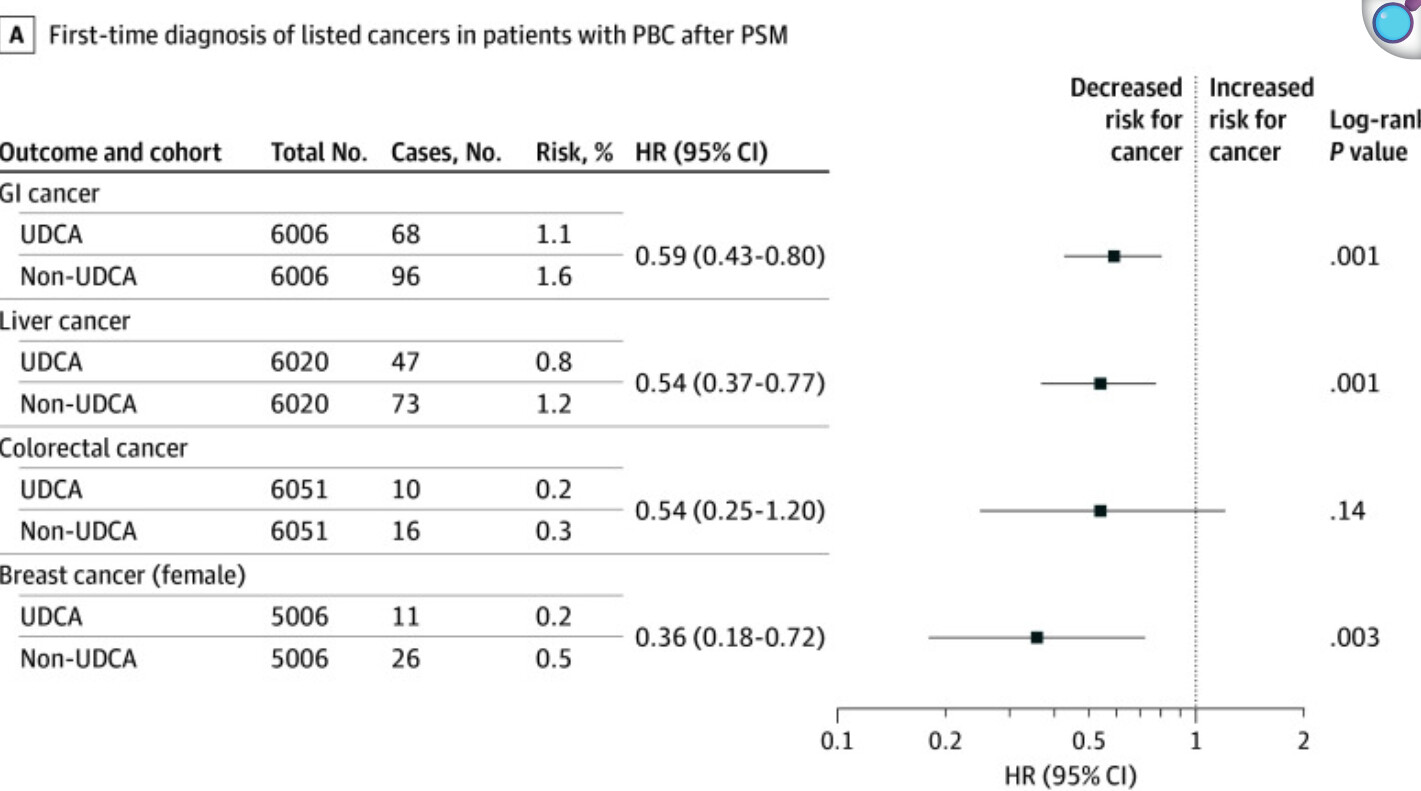
This study found that UDCA therapy was associated with a significantly reduced risk of several cancers, but with selective effects :
- 41% reduced risk of gastrointestinal cancers (HR = 0.59)
- 46% reduced risk of liver cancer (HR = 0.54)
- 64% reduced risk of breast cancer in women (HR = 0.36)
- No significant association with colorectal cancer (HR = 0.54, but P = 0.14, not statistically significant) – the conclusion remains inconclusive.
4 Likes
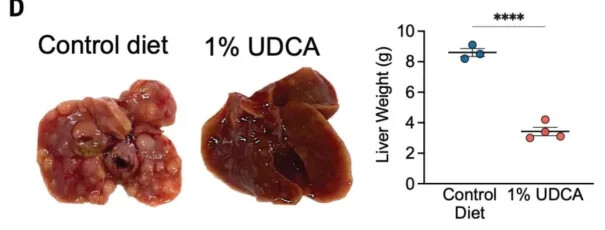
The researchers supplemented the diet of tumor-bearing mice with 1% ursodeoxycholic acid and found that tumor growth was almost completely halted, with liver weights comparable to those of healthy mice. The investigators also tested other mouse models of liver cancer, including a diet-induced non-alcoholic fatty liver disease model that progresses to hepatocellular carcinoma. In all cases, dietary supplementation with ursodeoxycholic acid promoted tumor-specific T cell responses within the liver and effectively suppressed tumor development.
2 Likes
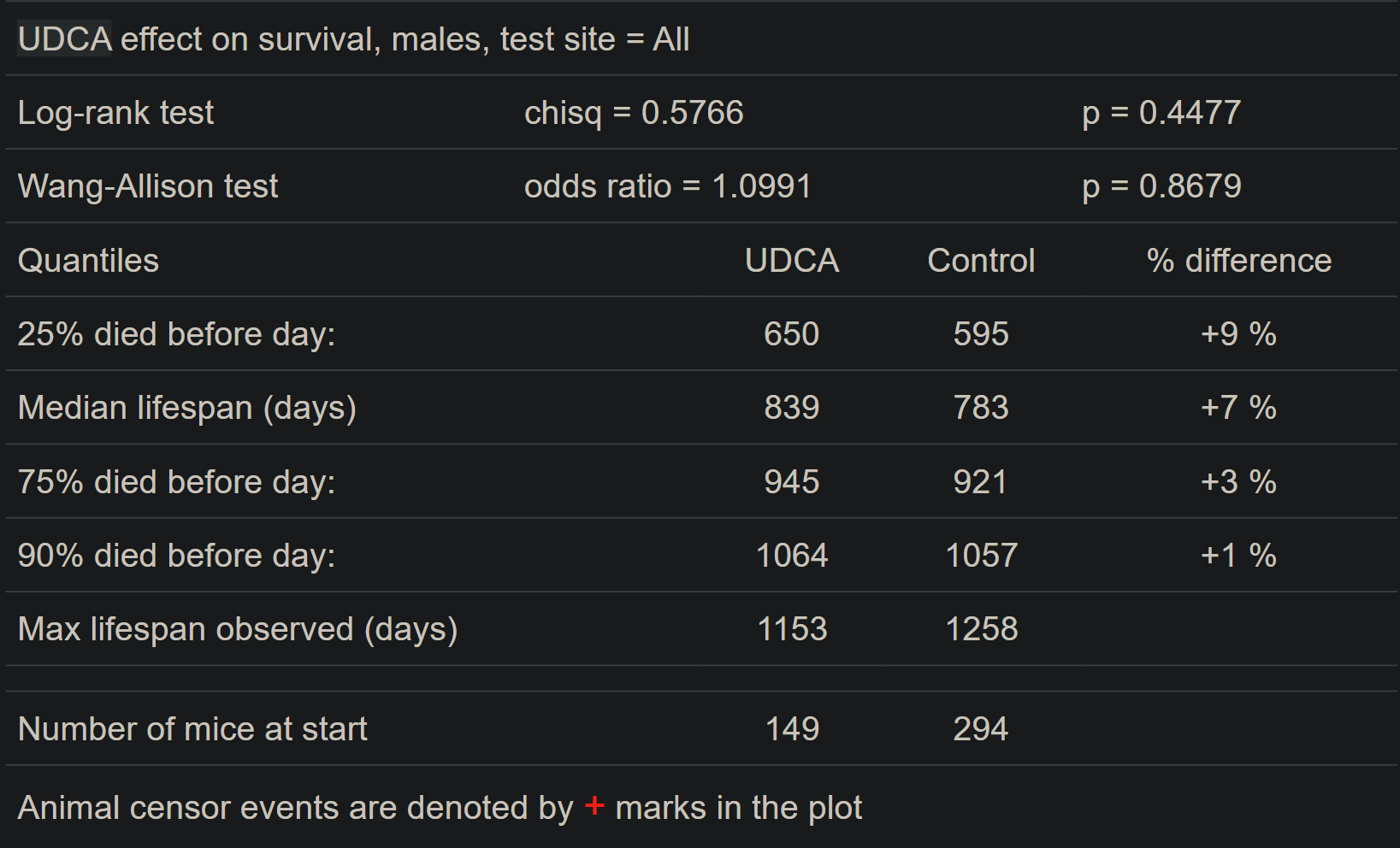
I see where you’re coming from—if we disregard the p-values, UDCA indeed appears to extend median lifespan while shortening the maximum lifespan.
However, if UDCA actually has no significant impact on lifespan, a larger sample size naturally increases the probability of sampling extreme long-lived outliers. In this trial, the control group was nearly double the size of the UDCA group ($n=294$ vs. $n=149$).
Furthermore, if you look at the $90th$ percentile lifespan, the UDCA group and the control group had virtually identical mortality timing in late life ($1064$ days vs. $1057$ days), with UDCA even slightly higher. This strongly suggests that the difference in the absolute maximum lifespan ($1153$ vs. $1258$ days) is largely an artifact of the UDCA group having half the sample size and thus missing out on extreme outliers purely due to chance. That is precisely why statistical analysis matters.
We need to be especially cautious when making claims about negative impacts, particularly when they contradict the published paper’s conclusions. While there are times when statistically non-significant trends offer valuable insights, this study clearly isn’t one of those cases.
1 Like
I suggest that anyone taking statins consider taking UDCA at the same time. The fact that statins significantly increase the risk of new-onset diabetes is a class effect, and there are multiple pathways involved in triggering diabetes. One of them is the gut microbiota. There was an experiment where they transplanted gut microbiota from patients who had been on statins for over six months into C57BL/6 mice. Compared to the control group, the mice that received the fecal transplant showed impaired glucose tolerance. After being given 50 mg/kg of UDCA for four weeks, their glucose intolerance and insulin resistance significantly improved. Right now, there’s actually an RCT in humans underway. I predict there’s a high chance this trial will succeed, and in the future, taking statins together with UDCA could become the norm.
https://bmjopen.bmj.com/content/16/7/e117417#ref-14
Statin therapy is associated with an increased risk of dysglycaemia and new-onset type 2 diabetes, which compromises patient adherence. Ursodeoxycholic acid (UDCA), a hepatoprotective drug, has shown potential for improving glycaemic control, but its role in preventing statin-induced dysglycaemia remains unexplored in prospective randomised trials, particularly in a primary prevention setting. This trial aims to determine whether UDCA coadministration can prevent statin-induced impairment of glucose tolerance.
2 Likes
The only slight issue with this RCT is the dosage. The trial uses a fixed dose of 500 mg, whereas clinically, UDCA dosing is usually based on body weight. Fortunately, though, 500 mg is enough to cover the majority of people. There might be a small number of heavier individuals for whom it wouldn’t be potent enough.
I wonder if TUDCA would have the same effect, or if it’s different enough (based on absorption, tissue distribution and pharmacodynamics) that we should just be considering it a completely different compound.
1 Like
I think @adssx did some research on that, and it seems to lean toward UDCA being overall superior, but he can chime in to confirm/deny, so check with him. I looked briefly into it and noticed that in any case there are not many easily available good sources of UDCA compared to TUDCA (at least that I could find - no sense getting it from an unknown/unreliable provider). Personally, UDCA/TUDCA does not clear the bar for inclusion in my stack, but everybody’s situation is unique. YMMV.
Great question! Honestly, I don’t know the answer to that either. Personally, I’d suggest sending an email directly to the authors to ask.
lithocholic acid (LCA) can directly extend median lifespan in mice, and TUDCA extends lifespan in C. elegans. Given that the ITP already confirmed UDCA fails to extend lifespan in mice, if TUDCA can also mitigate the negative effects of statins, I think people would definitely prefer taking TUDCA.
I’ve actually emailed the authors already! Also, I did some digging and found that there’s already a published clinical trial looking into whether TUDCA can protect pancreatic islet function in humans. Judging from the data, TUDCA doesn’t seem to show much efficacy. @CronosTempi , what are your thoughts on the outcomes of this trial?
https://clinicaltrials.gov/study/NCT02218619?tab=results#outcome-measures
I have not delved into this, but I wonder if Type I Diabetes is not an entirely different physiological environment, and therefore any findings in this context translate on a cellular level to T2DM or non-diabetic settings. TGR5 receptors might act differently on cAMP-PKA signalling. Or some other factors impacting insulin production. I wish this was in more common T2DM as that would be more relevant to prediabetics. But not being Type I, I suspend judgement.