Ok. AAS?
Asian American Studies
American Astronomy Society
American Association of Suicidology
Are the 1st search results
Ok. AAS?
Asian American Studies
American Astronomy Society
American Association of Suicidology
Are the 1st search results
Anabolic-androgenic steroids
Wow - this is the first I’ve ever heard of this drug and its effects. It is old research though, and I was curious why it has seemed so low profile given its results… I’ll do a little more digging on the side effect profile. There must be a “catch” (or many) given the generally positive impression I’ve gotten from this early research done back around 2000.
I may give it a go being a biologic Erlenmeyer for such experimentation. On the testosterone increase as most probably know here, effects on older males are limited by the loss of Leydig cells. Similar to the lack of effect using HCG as T monotherapy, accelerating the machine to increase output but there aren’t enough employees to put out the product. LH rises but T does not.
Yes, as @AustraliaLongevity said, it can cause all those obsessive behaviors. Its basically acting as a dopamine mimic and can cause people to engage in all types of impulsive control disorders (ICDs).
Trial it if you want but keep a close eye on your behavior.
If you genuinely have a dopamine problem, 0.25mg every few days may just help you feel normal. I’ve used it here and there and didn’t develop any odd behaviors. But otherwise, I wouldn’t advise. It works very well.
Please explain why you don’t advise. I can imagine all sorts of good reasons but I’d like to hear yours?
tnx alot, curt
I had some compulsive behaviors when I was on a similar drug (bromocriptine) 20 years ago. I was on a very high dose though and when the dose was reduced the compulsions went away. It’s a real thing.
Here are the common dosing levels used in different conditions, and the side effect profile:
Cabergoline is an ergot-derived, long-acting agonist with high selectivity for dopamine D2 and D3 receptors, along with significant affinity for serotonin 5-HT2A, 5-HT2B, and adrenergic α1/α2 receptors. Its elimination half-life (t1/2) spans 63 to 69 hours, which allows for infrequent dosing but prolongs drug exposure and adverse event duration.
Adverse event profiles and severity correlate with cumulative lifetime exposure and peak plasma concentrations across distinct clinical indications:
| Indication | Typical Dose Range | Dosing Frequency | Typical Cumulative Dose / Year |
|---|---|---|---|
| Lactation Suppression | 0.25 mg – 1.0 mg | Single dose or 0.25 mg q12h ×2 days | 1.0 mg total |
| Hyperprolactinemia / Microprolactinoma | 0.25 mg – 1.0 mg/week | Divided 1–2 times weekly | 13 mg – 52 mg/year |
| Resistant Macroprolactinoma / Acromegaly | 1.5 mg – 4.5 mg/week | Divided 2–3 times weekly | 78 mg – 234 mg/year |
| Parkinson’s Disease (Historically) | 1.0 mg – 4.0 mg/day | Daily (7.0 – 28.0 mg/week) | 365 mg – 1,460 mg/year |
| Off-Label Prolactin Modulation | 0.25 mg – 0.5 mg/week | Once or twice weekly | 13 mg – 26 mg/year |
Side effect incidence is biphasic: low-dose endocrine use is dominated by transient gastrointestinal and autonomic symptoms, whereas high-dose or chronic neurological regimens introduce structural fibrotic and severe neuropsychiatric risks.
`Low-Dose / Endocrine Exposure (<2.0 mg/week)
┌────────────────────────────────────────────────────────┐
│ Common: Nausea, Dizziness, Orthostatic Hypotension │
│ Moderate: Fatigue, Headache, Mood Alterations │
│ Low: Subclinical Valvular Thickening, Mild ICDs │
└────────────────────────────────────────────────────────┘
High-Dose / Cumulative Neurological Exposure (>3.0 mg/day)
┌────────────────────────────────────────────────────────┐
│ High Severity: Clinically Significant Valvulopathy │
│ High Severity: Pleuropulmonary & Serosal Fibrosis │
│ High Severity: Severe Impulse Control Disorders (ICDs) │
│ High Severity: Dopamine Agonist Withdrawal Syndrome │
└────────────────────────────────────────────────────────┘`
| Organ System | Adverse Reaction | Frequency (Low Dose: ≤2 mg/wk) | Frequency (High Dose: >7 mg/wk) | Primary Pharmacological Mechanism |
|---|---|---|---|---|
| Gastrointestinal | Nausea, vomiting, dyspepsia, constipation | 25% – 35% (Mild to Moderate) | 40% – 60% (Moderate to Severe) | D2 stimulation in the chemoreceptor trigger zone (CTZ) & gastric hypomotility |
| Autonomic / Vascular | Orthostatic hypotension, syncopal dizziness | 15% – 25% (Mild) | 30% – 50% (Moderate to Severe) | α1-adrenergic antagonism & peripheral sympatholytic vasodilation |
| Neurological | Headache, somnolence, sleep attacks | 10% – 15% (Mild) | 20% – 30% (Moderate) | Central D2/D3 receptor overstimulation |
| Psychiatric | Impulse Control Disorders (gambling, hypersexuality, binge eating) | 5% – 10% (Underreported) | 15% – 25% (High Severity) | Non-physiological stimulation of mesolimbic D3 “reward” circuits |
| Cardiovascular | Fibrotic Cardiac Valvulopathy (moderate-to-severe regurgitation) | < 1% (Rare/Subclinical) | 15% – 33% (Severe) | Agonism at 5-HT2B receptors (pubmed.ncbi.nlm.nih.gov) activating mitogenic cascades in valvular interstitial cells |
| Respiratory / Serosal | Pleural thickening, pulmonary & retroperitoneal fibrosis | < 0.1% (Exceptional) | 2% – 5% (Severe) | 5-HT2B-mediated myofibroblast proliferation and collagen deposition |
The most structurally damaging toxicity associated with cabergoline is valvular heart disease and serosal (pleural, pericardial, retroperitoneal) fibrosis.
Cabergoline readily crosses the blood-brain barrier to activate D3 receptors in the ventral striatum and nucleus accumbens.
Clearance Kinetics: Elimination Half-Life ~63–69 Hours (Full Washout ~14–16 Days)
Immediate Reversal (Days to Weeks)
├── Gastrointestinal: Nausea, dyspepsia, emesis
├── Autonomic: Orthostatic hypotension, dizziness, syncopal episodes
└── Central: Daytime sedation, acute headaches
Intermediate Resolution (Weeks to Months)
├── Neuropsychiatric: Impulse control behaviors (gambling, hypersexuality)
├── Metabolic/Endocrine: Prolactin rebound, lactation recurrence, tumoral re-expansion
└── Reversible Fibrotic Phases: Early-stage pleural effusions and inflammatory serositis
Persistent / Irreversible (Long-Term / Permanent)
├── Advanced Cardiac Valvulopathy: Structurally remodeled, fibrosed, or retracted leaflets
├── Dense Retroperitoneal Fibrosis: Established collagenous entrapment of pelvic/ureteral structures
└── Dopamine Agonist Withdrawal Syndrome (DAWS): Protracted anxiety, anhedonia, autonomic instability`
Same reasons @AustraliaLongevity cited, and generally speaking, playing with neurotransmitters is tricky business that easily backfires.
I’ve had dopamine problems since some serious inflammatory insults to my brain in 2021, followed by leaky gut, so therapeutics are necessary for normalization. For someone without a medical reason, I’d be more cautious. Try it, sure, but I’m just saying I wouldn’t chronically take it. I don’t even chronically take it.
How did you determine you had dopamine problems? Some specific tests/labs?
No, it’s a clinical diagnosis - reward, motivation, attention (ADHD-like), & anhedonic presentation, strikingly corrected by drugs that target different aspects of the system. But it was also a hypothesis backed by an initial and ongoing mechanism, so it wasn’t a random guess. The discovery of leaky gut was part of the latter, because chronic endotoxin exposure is very bad for the brain.
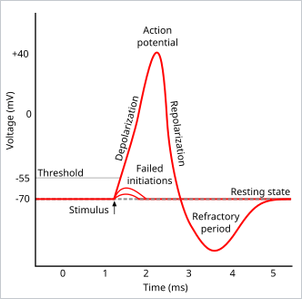
Refractoriness is common in nature and a part of life, I’m not sure whether to try and modify it is a good thing unless there’s a problem.
But yeah, dopamine agonists is a thing and other drugs. There’s tolerance however, ironically.
That’s interesting, what ended up helping you?
well…all I have to do is convince the wife now…
Surprise her 
oh yeah:, that’ll go over big… 
I sent an inquiry to IndiaMart, which I had no previous experience with. It seems to be a B2B aggregator and I was alarmed by the number and strangely diverse responses I got. I have no clue or confidence in how I would order from them. The potential for scam seems high. Any thoughts on them or other less dodgy sources for cabergoline?
Ah yes - we developed a curated list of people we trust and have experience with - here in this thread: Buy Rapamycin Online - List of Reliable Pharmacies
I recommend you contact them directly and avoid the mass of spam you get if you contact people via IndiaMart.
There is the not small issue right now of India pharmacies not being able to ship to the USA due to customs issues. This may change soon but most people are not shipping things right now, it seems.
is the shipping issue recent? I had a shipment about 6 mo ago.