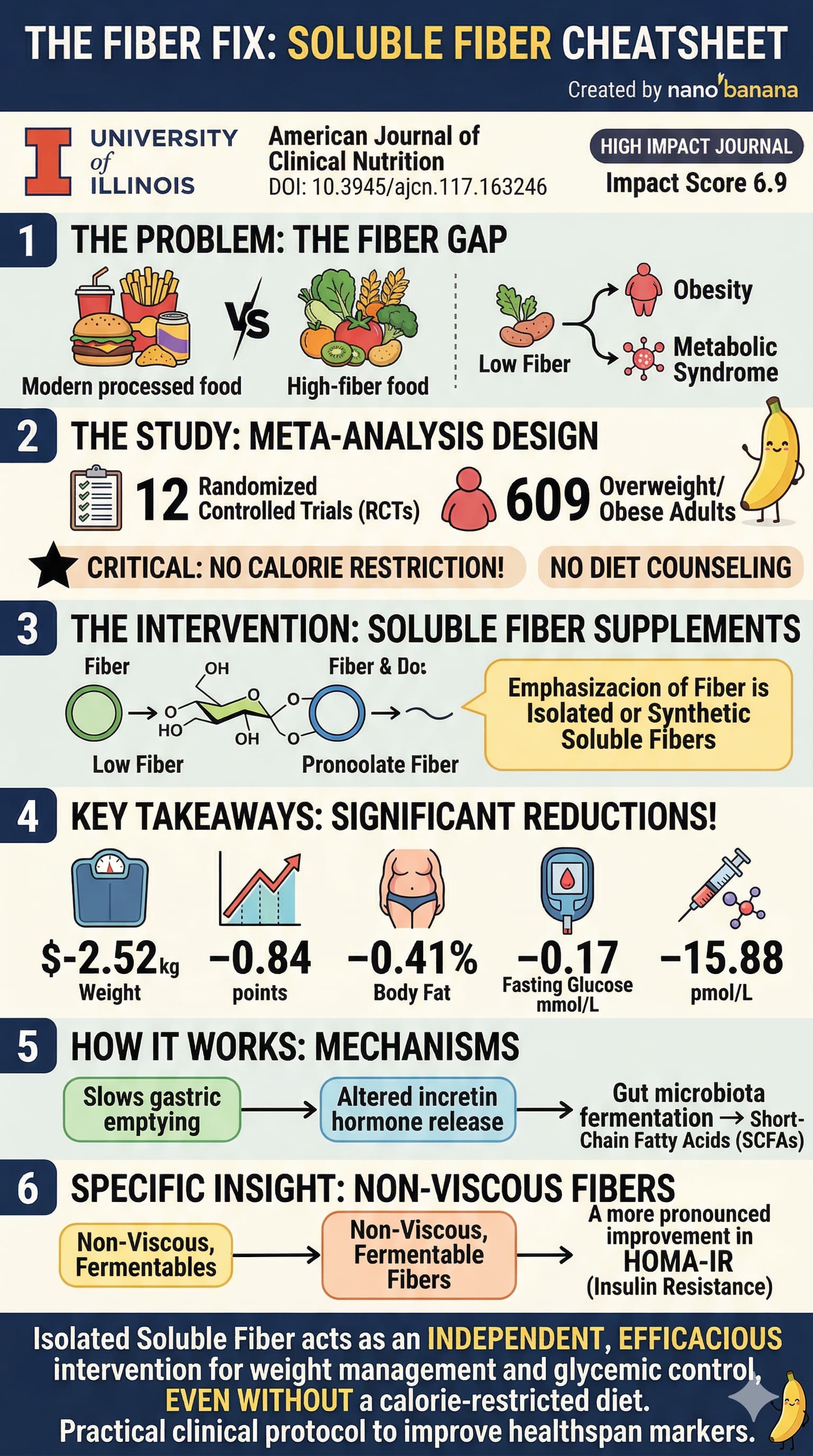
An analysis of the potential health benefits (by Google Gemini 3 Pro):
Efficacy and Clinical Evaluation of Polydextrose (Vitafusion Fiber Well)
Vitafusion Fiber Well relies on polydextrose (PDX) as its sole active source of dietary fiber, delivering 5 grams per two-gummy serving. From the perspective of biogerontology and clinical nutrition, the evaluation of this product requires separating the physiological effects of the active molecule (PDX) from the limitations of its delivery matrix (a gummy vehicle containing artificial sweeteners and sugar alcohols).
Biochemical Profile of Polydextrose
Polydextrose is a synthetic, randomly cross-linked polymer of glucose, featuring 1,6-glycosidic bonds that render it highly resistant to hydrolysis by mammalian digestive enzymes in the upper gastrointestinal tract. It is classified as a highly soluble, non-viscous, fermentable dietary fiber.
Because it is non-viscous, PDX does not form a gel in the stomach or small intestine. Therefore, it lacks the mechanical satiety effects and the robust bile-acid sequestration properties characteristic of viscous fibers like psyllium husk or oat beta-glucan. Its primary mechanism of action relies entirely on its fermentation profile in the colon.
Evidence for Healthspan and Longevity Mechanisms
The gerontological interest in dietary fiber centers on its ability to mitigate “inflammaging” (chronic, low-grade systemic inflammation) and improve metabolic homeostasis via the gut-brain-liver axis. PDX demonstrates moderate utility in these pathways.
1. Gut Microbiota Modulation and SCFA Production In vitro and human dietary intervention trials confirm that PDX is slowly fermented by the colonic microbiota. Unlike inulin, which ferments rapidly in the proximal colon (frequently causing gas and bloating), PDX fermentation is sustained throughout the colon, reaching the distal segments.
-
Microbial shifts: PDX supplementation has been shown to increase the relative abundance of beneficial taxa, including Bifidobacterium, Faecalibacterium, and Akkermansia (a microbe heavily correlated with metabolic health and longevity), while suppressing certain Firmicutes.
-
Metabolites: This fermentation yields short-chain fatty acids (SCFAs), specifically acetate, propionate, and butyrate. Butyrate is critical for longevity, as it serves as the primary energy source for colonocytes, upregulates tight-junction proteins to prevent intestinal permeability (“leaky gut”), and exerts systemic epigenetic effects via histone deacetylase (HDAC) inhibition.
2. Metabolic Homeostasis and Lipid Control The clinical data regarding PDX and lipid metabolism in humans is mixed. While murine models fed a high-fat diet demonstrate that PDX can alleviate adipose tissue inflammation, reduce macrophage infiltration, and lower LDL cholesterol, human clinical trials show inconsistent lipid-lowering effects. Some studies note minor reductions in LDL and total cholesterol, while others show null results. The hypocholesterolemic effect of PDX is likely mediated indirectly via propionate-induced inhibition of hepatic fatty acid synthesis, rather than direct cholesterol trapping in the gut.
3. Glycemic Response PDX yields approximately 1 kcal/g and possesses a near-zero glycemic index. It does not trigger an insulin spike, making it metabolically neutral regarding postprandial glucose excursions.
Clinical Comparison: PDX vs. Viscous Fibers
| Physiological Action |
Polydextrose (PDX) |
Viscous Fibers (e.g., Psyllium) |
Clinical Implication for Longevity |
| Colonic Fermentation |
Slow, reaches distal colon |
Variable, primarily proximal |
PDX protects distal colonocytes via sustained SCFA exposure. |
| Bile Acid Sequestration |
Minimal |
High |
Viscous fibers are vastly superior for ApoB/LDL cholesterol reduction. |
| Satiety / Gastric Delay |
Low |
High |
PDX is ineffective as a mechanical appetite suppressant. |
| Gastrointestinal Tolerance |
High (up to 50g/day) |
Moderate |
PDX induces less bloating than rapid-fermenting prebiotics like inulin. |
Critical Evaluation of the Delivery Matrix (Vitafusion Gummy)
While PDX itself is a validated functional ingredient, the commercial formulation of Vitafusion Fiber Well introduces vectors that may degrade its net biological benefit.
-
Dosing Insufficiency: A serving provides 5g of PDX. Ancestral diets associated with extreme longevity and robust microbial diversity yield 30 to 50+ grams of diverse fiber types daily. Relying on this product at the recommended dose fails to achieve the critical mass necessary for systemic metabolic restructuring.
-
Excipients and Sweeteners: The product utilizes xylitol, sorbitol, and sucralose.
- Sucralose is highly controversial in microbiome research. Emerging data suggests chronic exposure to specific artificial sweeteners may disrupt the very microbial diversity the PDX is intended to cultivate, potentially reducing insulin sensitivity.
- The combination of PDX with sugar alcohols (sorbitol/xylitol) compounds the osmotic load in the gut, which can trigger laxation through water retention rather than through beneficial microbial bulk, potentially causing distress if doses are escalated to achieve meaningful fiber intake.
Knowledge Gaps
-
Lifespan Extension: There is currently no direct empirical data demonstrating that isolated PDX supplementation extends maximum lifespan in mammalian models. Its benefits are extrapolated from healthspan markers (SCFA production, reduced adiposity).
-
Net Microbiome Effect of the Matrix: Longitudinal human trials isolating the microbiome impact of PDX when administered alongside sucralose are required to confirm if the prebiotic benefit survives the artificial sweetener payload.
Practical Verdict
Polydextrose is a scientifically validated, well-tolerated prebiotic that effectively generates lifespan-promoting SCFAs in the distal colon. However, the Vitafusion Fiber Well gummy is an suboptimal delivery system for biogerontological purposes. The dosage is too low to drive significant metabolic shifts, it lacks the cardiovascular benefits of viscous fibers, and the inclusion of artificial sweeteners introduces unnecessary metabolic variables. For actionable longevity protocols, utilizing bulk, unflavored PDX powder—ideally stacked with a viscous fiber like psyllium to cover both bile sequestration and distal fermentation—is a vastly superior and more practical clinical approach.