While many of us in this community focus on metabolic pathways and cellular senescence, we often overlook the exogenous “signal noise” coming from our produce. The Environmental Working Group (EWG) has just released its 2026 Shopper’s Guide to Pesticides in Produce, and for those of us optimizing for a “clean” biological slate, the data is sobering.
This year, the EWG has shifted its focus from mere detection frequency to toxicity weight, highlighting how “forever chemicals” (PFAS) and systemic neurotoxins are infiltrating even the most health-conscious diets. If you’re not sourcing organic for the following 12 items, you may be unknowingly introducing endocrine disruptors that counter-act your longevity protocols.
The 2026 Dirty Dozen: The Chemical Breakdown
1. Strawberries
The perennial “winner” for all the wrong reasons. Recent testing of California-grown crops found that 80% of samples were contaminated with PFAS (perfluoroalkyl and polyfluoroalkyl substances). Specifically, strawberries were found to carry up to 10 different PFAS pesticides on a single berry—the highest variety of “forever chemicals” ever recorded in the guide’s history.
2. Spinach
Spinach continues to hold more pesticide residue by weight than any other produce item. The primary concern here is Permethrin, a neurotoxic insecticide that is difficult to wash off as it is often absorbed into the leaf tissue itself.
3. Kale, Collard, and Mustard Greens
These nutrient-dense greens often harbor DCPA (Dacthal), a pesticide classified by the EPA as a “suggested” human carcinogen. Testing shows that even after rigorous washing, 60% of kale samples still contain residues of this chemical.
4. Grapes
Grapes are particularly vulnerable due to their thin, porous skins. Over 90% of conventional grapes tested positive for at least two different pesticides, including a high frequency of Imidacloprid, a neonicotinoid linked to reproductive harm in animal models.
5. Peaches & Nectarines
These stone fruits are “sponges” for fungicides. Because they are highly prone to rot, they are doused in Fludioxonil and Iprodione, chemicals designed to inhibit fungal growth but known to interfere with androgen signaling in humans.
6. Cherries
Much like strawberries, cherries have seen a massive spike in PFAS contamination in the 2026 report. Approximately 80% of samples contained a cocktail of at least four different PFAS pesticides, which persist in the human body for years.
7. Pears
Pears have climbed the list this year due to the heavy use of Diphenylamine (DPA). This chemical is applied post-harvest to prevent “storage scald,” meaning the highest concentrations are often present exactly when you buy them at the supermarket.
8. Apples
Apples are treated with a rotating “cocktail” of chemicals to maintain their aesthetic appeal. The EWG highlights the presence of Chlorpyrifos, an organophosphate insecticide that has been largely restricted but still appears in trace amounts on conventional crops.
9. Blackberries
A newcomer to the list since 2025. Blackberries are now flagged for high toxicity scores due to the use of Bifenthrin, a pyrethroid insecticide that is particularly effective at sticking to the uneven surface of the fruit.
10. Blueberries
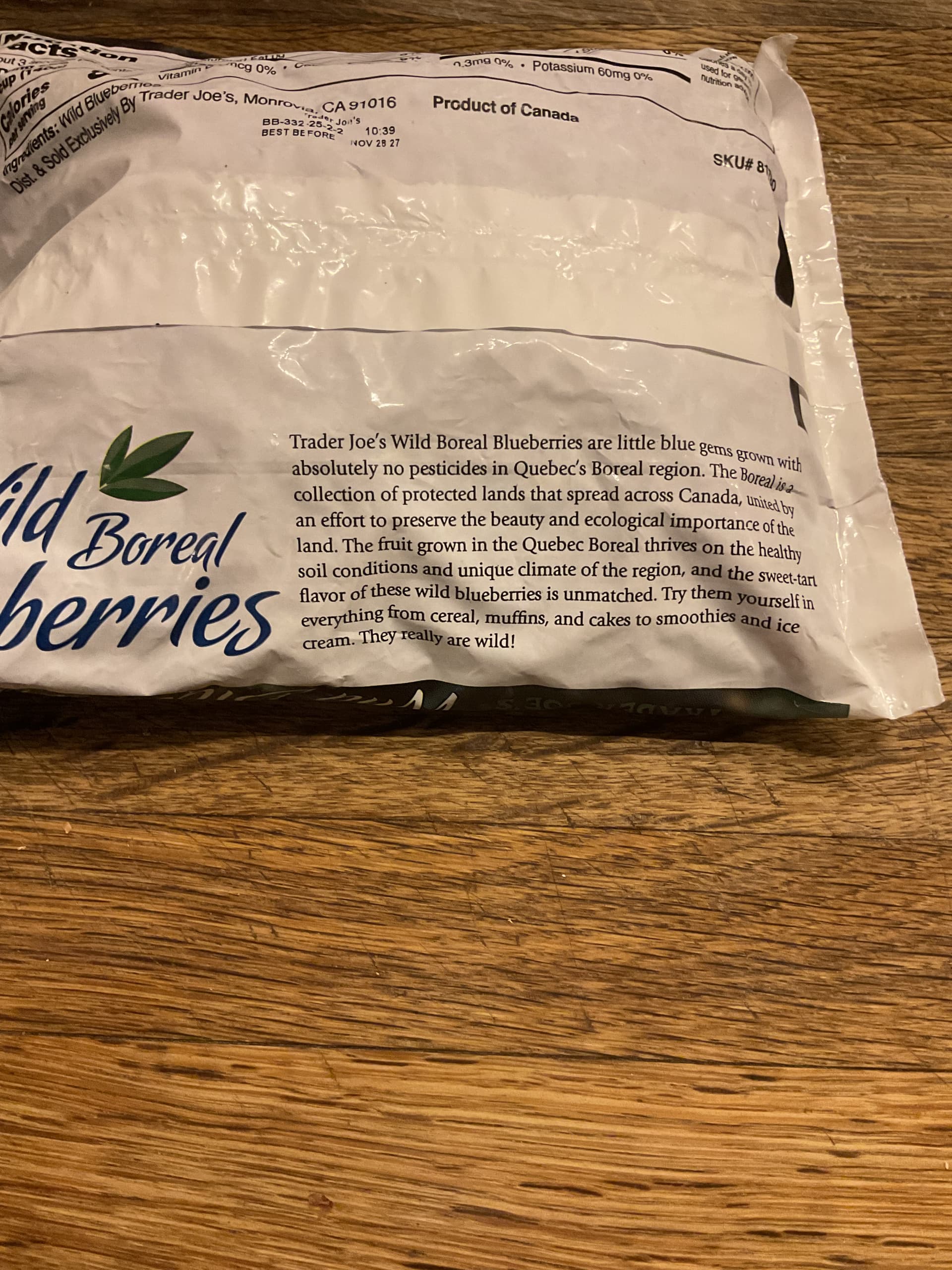
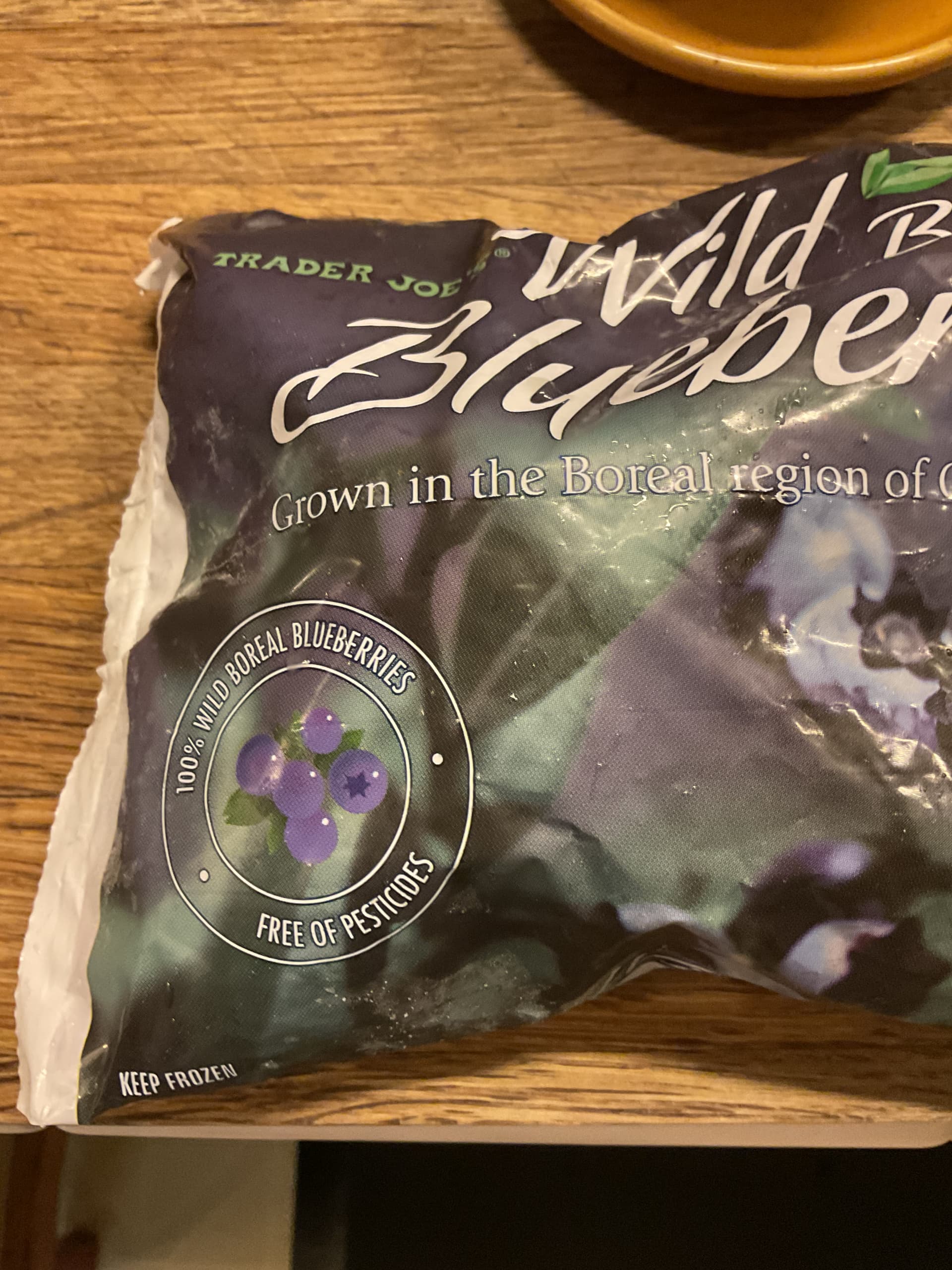
Blueberries have seen a steady increase in pesticide detection over the last three years. The main offender is Malathion, an organophosphate that is a known potent acetylcholinesterase inhibitor.
11. Bell & Hot Peppers
Peppers are frequently treated with Acephate, an insecticide that the EPA has previously identified as a developmental neurotoxin. It is often found in both the flesh and the seeds of the fruit.
12. Potatoes
Despite being a root vegetable, potatoes are heavily contaminated with Chlorpropham, a sprout inhibitor. While banned in the EU since 2019 for its potential to cause vascular irregularities, it remains widely used in US conventional farming.