Is pantethine the same as pantethinic acid (vit B5)?
I’ve been taking both rosuvastatin and ezetimibe 3x a week for at least a couple of years.
1 Like
What’s your result? Does it help?
Just a quick scan. Didn’t find a lot on this, and found that high LDL might be bad for autoimmune and statins may help also via modulating information.
Will discuss with my medical team as I have some autoimmune risks.
No, similar but not the same. B5 has no effect on lipids.
Taking the medication 3x a week was my idea. The cardiologist I think, wanted to dose every day but I never considered that. As you can see, for me, dosing 3 days is working well.
This is from December
Total Cholesterol 129
Hdl 53
Ldl 60
2 Likes
Do you dose both on the same day or alternate them?
I take them both at the same time.
1 Like
Don’t confuse pantethine with pantothenic acid. These are not the same.
In Japan and China, pantethine is available as a prescription drug for hyperlipidemia. It is available as a supplement in the US.
3 Likes
Review the following;
Pantethine is not rate limited. If you drink alcohol Panethine will accelerate the conversion of acetaldehyde into acetate thereby reducing a hangover.
I can hunt up a paper on this if people want it. However, they are both Coenzyme A precursors.
2 Likes
It’s a very unique lipid lowering mechanism. By increasing CoA in the cytoplasm, it increases the oxidation of acetate at the expense of cholesterol synthesis.
It commonly takes 4-9 months to work. Patience is required.
3 Likes
Not right now, because I couldn’t find any in the store, but yeah I’ll increase dosage with GFJ.
1 Like

[Post must be at least 20 characters]
Here’s a very interesting and informative debate between two experts in the field of cardiology about whether cardiac imaging or biomarkers should guide us regarding medical interventions, such as statins, for the primary prevention of cardiac events and mortality. It’s amazing how unsettled all of this is still.
I appreciate that the importance of inflammation and cardiac troponin levels are extensively discussed under the biomarkers section. He’s not exclusively looking at lipids.
1 Like
This would not be ideal at all: to steal Peter Attia’s analogy, it would be like getting regular CT scans and begin smoking cessation therapy if a nodule was discovered. Coronary calcium, especially in a young person, is a disastrously late point at which to intervene. The correct heuristic is to treat causes.
4 Likes
My latest post is an excellent debate on this subject by two well respected experts in preventive cardiology. It’s complicated and far from settled.
1 Like
The Attia analogy falls flat because no one is suggesting that we don’t make proper behavioral decisions even if the CAC is zero. You still exercise, eat properly, keep your weight and BP under control, and don’t smoke. You may even choose to add citrus bergamot for lipids as well. It’s just that statins may not be warranted.
Furthermore, the prognosis is excellent over 10 years, unlike a lung cancer, and the CAC wouldn’t be expected to increase by very much, if at all.
3 Likes
“May choose”, is understating it, that should be the norm not the exception. Especially if the intervention is really safe.
1 Like
Of course it does. Already posted by @A_User:
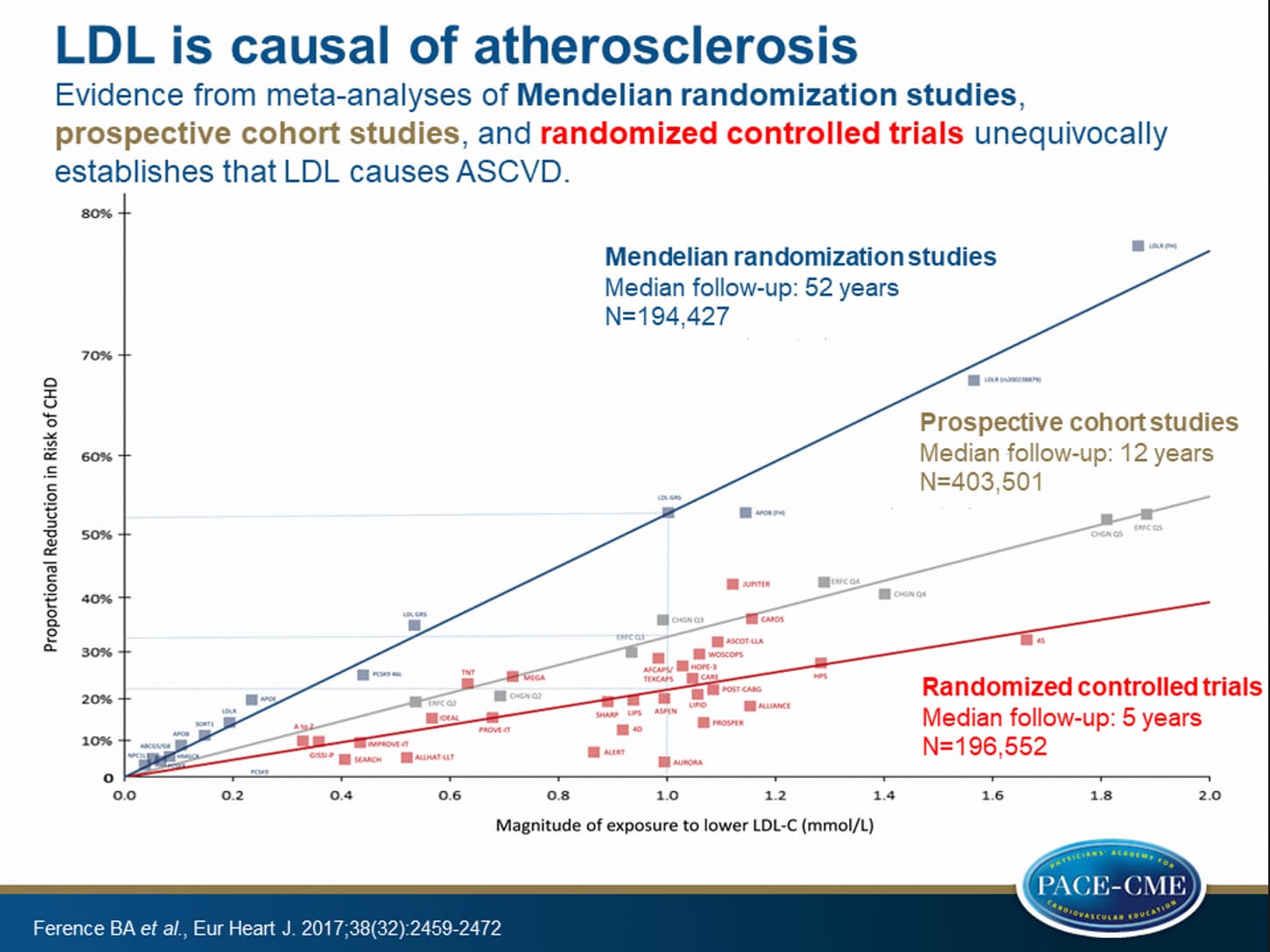
That’s already standard of care per the guidelines:
The most important way to prevent atherosclerotic vascular disease, heart failure, and atrial fibrillation is to promote a healthy lifestyle throughout life.
A team-based care approach is an effective strategy for the prevention of cardiovascular disease. Clinicians should evaluate the social determinants of health that affect individuals to inform treatment decisions.
Adults who are 40 to 75 years of age and are being evaluated for cardiovascular disease prevention should undergo 10-year atherosclerotic cardiovascular disease (ASCVD) risk estimation and have a clinician–patient risk discussion before starting on pharmacological therapy, such as antihypertensive therapy, a statin, or aspirin. In addition, assessing for other risk-enhancing factors can help guide decisions about preventive interventions in select individuals, as can coronary artery calcium scanning.
All adults should consume a healthy diet that emphasizes the intake of vegetables, fruits, nuts, whole grains, lean vegetable or animal protein, and fish and minimizes the intake of trans fats, red meat and processed red meats, refined carbohydrates, and sweetened beverages. For adults with overweight and obesity, counseling and caloric restriction are recommended for achieving and maintaining weight loss.
Adults should engage in at least 150 minutes per week of accumulated moderate-intensity physical activity or 75 minutes per week of vigorous-intensity physical activity.
For adults with type 2 diabetes mellitus, lifestyle changes, such as improving dietary habits and achieving exercise recommendations, are crucial. If medication is indicated, metformin is first-line therapy, followed by consideration of a sodium-glucose cotransporter 2 inhibitor or a glucagon-like peptide-1 receptor agonist.
All adults should be assessed at every healthcare visit for tobacco use, and those who use tobacco should be assisted and strongly advised to quit.
Aspirin should be used infrequently in the routine primary prevention of ASCVD because of lack of net benefit.
Statin therapy is first-line treatment for primary prevention of ASCVD in patients with elevated low-density lipoprotein cholesterol levels (≥190 mg/dL), those with diabetes mellitus, who are 40 to 75 years of age, and those determined to be at sufficient ASCVD risk after a clinician–patient risk discussion.
Nonpharmacological interventions are recommended for all adults with elevated blood pressure or hypertension. For those requiring pharmacological therapy, the target blood pressure should generally be <130/80 mm Hg.
Your friend apparently won’t change his or her diet, doesn’t smoke, and isn’t diabetic. He or she either needs lipid-lowering medications, or a change in attitude about diet (supposing there are levers there, such as high saturated fat intake), or to quit rapamycin.
Because you’re hoping to live more than 10 years, and atherosclerosis is a chronic (compounding time-driven) disease.
Statins have been robustly demonstrated to lower risk of Alzheimer’s and all-cause dementia.
https://www.nature.com/articles/s41598-018-24248-8
… do not develop atherosclerosis without unphysiologic intervention by humans.
Medicines are what’s left if lifestyle changes are off the table (and often even with them, especially if one waits too long). We don’t have remotely the evidence of safety or efficacy (in terms of hard outcomes, not just lipid-lowering) for any supplement that we have for any approved lipid-lowering medication.
Niacin has repeatedly failed to impact hard outcomes in clinical trials; there are no hard outcomes for bergamot, and I don’t think there are even trials of more than 100 patients lasting more than one year.
5 Likes