First, let me restate again - that list is based on speculation, mostly because of desperation: the research moves so slowly (to my eyes!) and the need is so urgent, that out of desperation I am forced to speculate and go out on a limb, taking chances which may not pan out. One general remark - some of the speculative agents may not work, not because they’re not useful, but because they need other things to allow them to work. PD (or any complex pathology) has so many systems go wrong, that you need multiple steps to fix things. For example, dietary copper doesn’t work against PD, but that’s because of other steps that need to be taken, and so you frequently get the effect of something being simultaneously in excess (copper) accelerating alpha-sinuclein formation and deficit blocking critical enzyme formation depending on tissue location.
Copper Ions and Parkinson’s Disease: Why Is Homeostasis So Relevant?
Re B1/B2. I was thinking of benfotiamine.
The Beneficial Effects of a Combination Therapy of Oral Benfotiamine and Methylcobalamin in the Treatment of Parkinson’s Disease: Case Reports and Review of the Literature
Here I was trying a multistep approach - not focusing on a single compound like magnesium or B1 or astaxanthin etc., but on a hopefully synergistic effect. So, for example since there is an issue with magnesium getting into the brain, you need to find ways of assisting that process by taking in other compounds - there is the hypothesis that magnesium deficit in the brain is an issue of transporter malfunction. Fix or get around that by other compounds, and all of a sudden magnesium makes sense, where magnesium by itself may not have seemed sensible.
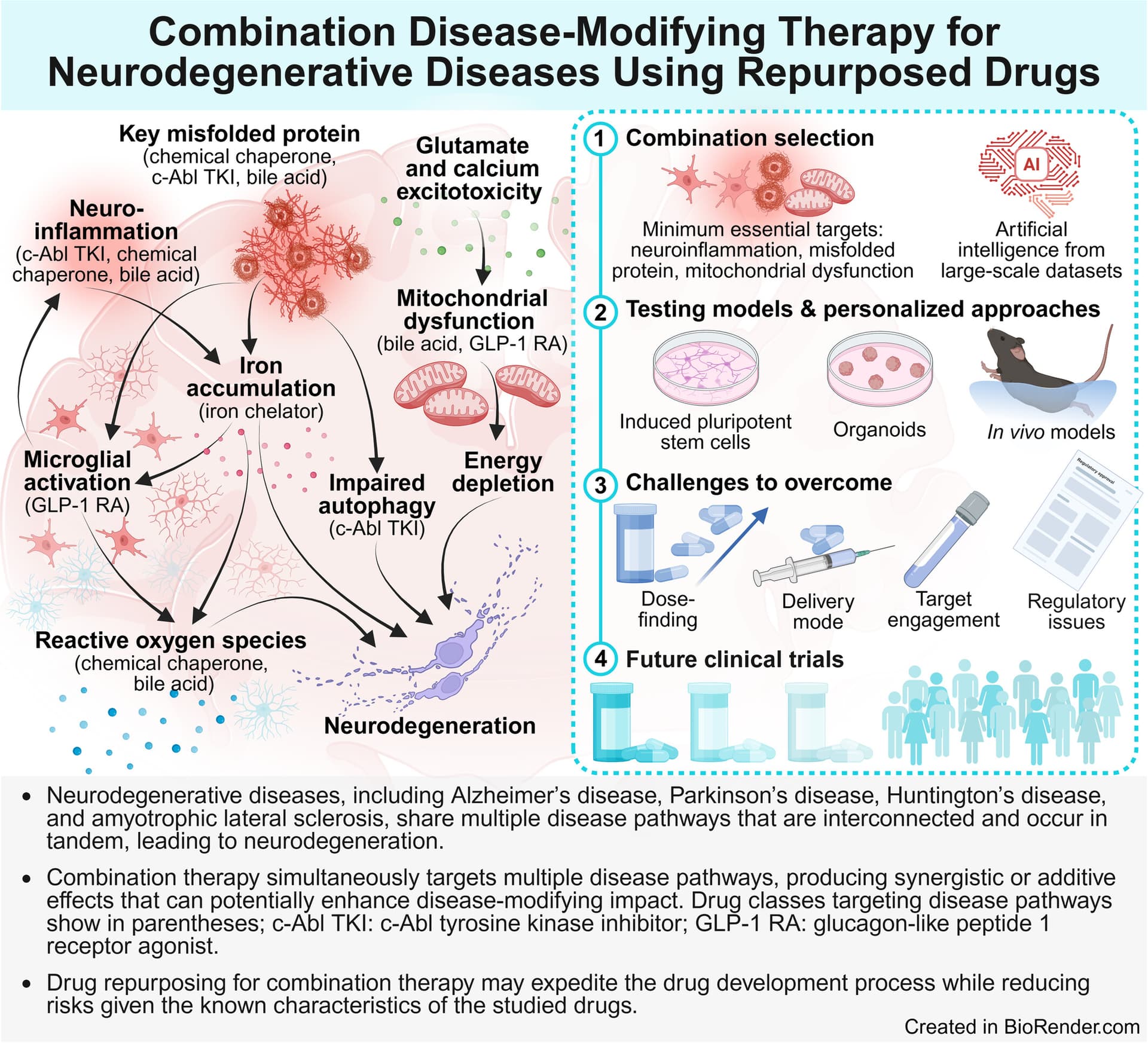
I keep seeing papers to the effect “compound X works/does not work against PD”. I am very tired of this. Clearly that’s not how you should approach the problem. It’s like looking at a ladder with multiple broken steps and you call in a bunch of engineers and they deliver to you a report like Engineer A “fix step #6”, Engineer B “fix step #9”, Engineer C “fix step #12” and so on. It’s nonsense. You must fix ALL the steps or you can not climb up the ladder! PD is a ladder with many, many broken steps. It wil require many things. You can’t look at a screw (f.ex. astaxanthin) and say: this will not allow you to climb up the ladder (fix PD) - no, but the screw can be used to fix one of the steps and be part of the solution. By itself it may do nothing. In concert with other measures it will be part of fixing the ladder.
Again apologies for desperation speculation - but that’s all we have with such sloooooow pace of research - CAUTION: Chinese paper, shit model (mice with induced PD by MPTP injections  )
)
Benfotiamine protects MPTP-induced Parkinson’s disease mouse model via activating Nrf2 signaling pathway
So, astaxanthin to me is not in the context of generalized lowering of inflammation, but specifically the Nrf2 pathway. Again, apologies for mice model - desperation speculation 
Astaxanthin-loaded brain-permeable liposomes for Parkinson’s disease treatment via antioxidant and anti-inflammatory responses
Astaxanthin is neuroprotective in an aged mouse model of Parkinson’s disease
Astaxanthin suppresses endoplasmic reticulum stress and protects against neuron damage in Parkinson’s disease by regulating miR-7/SNCA axis
Astaxanthin as a Modulator of Nrf2, NF-κB, and Their Crosstalk: Molecular Mechanisms and Possible Clinical Applications
Magnesium - that is correct: elevated serum levels are the result of malfunctioning transport mechanisms. That is a frequent phenomenon - some substance is elevated in blood precisely because of defects in tissue absorbtion, therefore serum levels do not reflect tissue levels and you can actually have a deficit in the tissues. The issue here is that the magnesium doesn’t get into the brain efficiently, therefore elevated serum or CSF levels don’t help. The idea is that the threonate form can more easily get to the brain, especially if we assist it with other compounds.
Re: tributyrin. Direct tributyrin gets around the frequent problem in PD of poor microbiome profile and gut wall integrity.
Dietary tributyrin supplementation in Parkinson’s disease: An open-label target engagement study
Yet again: this is extensive speculation. My idea is to take a target, such as for example substantia nigra necrosis, look at all the steps leading up to it, and systematically attempt to repair or get around each step (like fixing all the steps on a ladder) using many compounds at once. Of course, this is very hard because there is still a ton we just don’t know - what exactly is the etiology of various pathologies in different ways PD presents. But you gotta start somewhere and I refuse to wait while research is moving at a snail’s pace. YMMV.