[we] worked with the research team and they also had flagged that the controls were long lived for the compounds dissolved in H2O (H2O controls) on this set of experiments and had already launched a repeat by the time the report containing the original run was sent to you. Our lab manager had found used manufacturer supplied H2O for the original set of experiments but had found that it drastically extended lifespan across several experiments. While we haven’t performed chemical analysis of the stock yet, we believe it was contaminated and not pure H2O. Our lab manager initiated a repeat of the experiment with internal H2O stocks that we generate with a water purifier and then sterilize via autoclave. This repeat (data attached) had controls in-line with what we would expect for the conditions tested and similar lifespans for the compounds tested in both experiment 1 and experiment 2 (the repeat).
Our apologies for the internal communication issue - a note should have been added to the original report indicating that we were performing a retest of the experiment
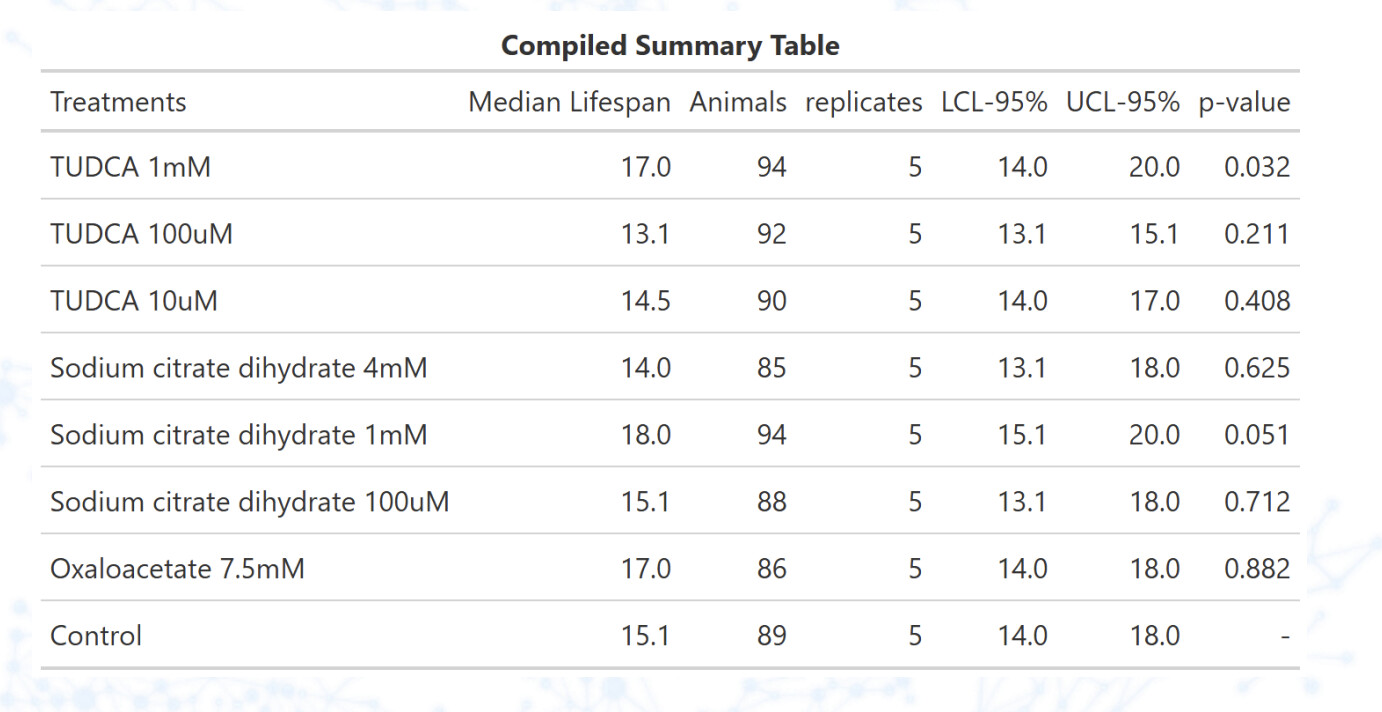
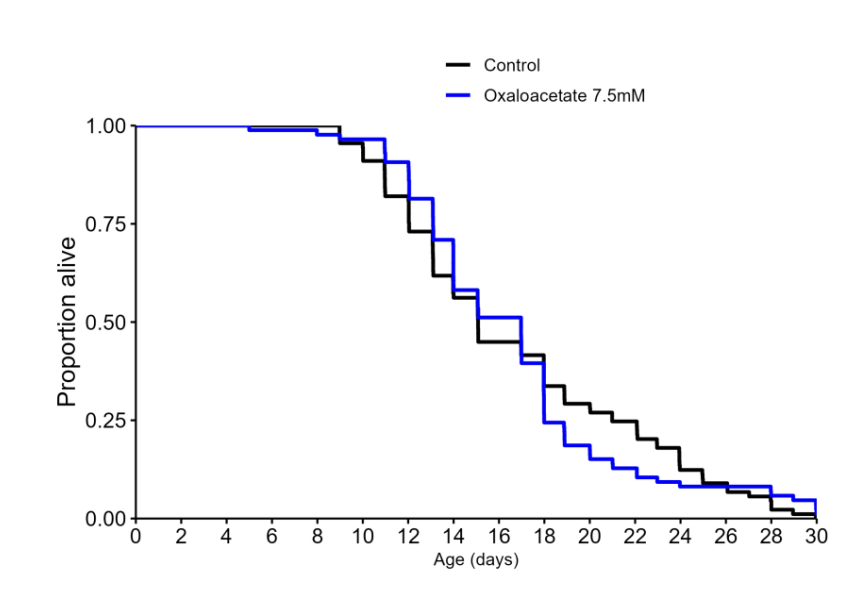
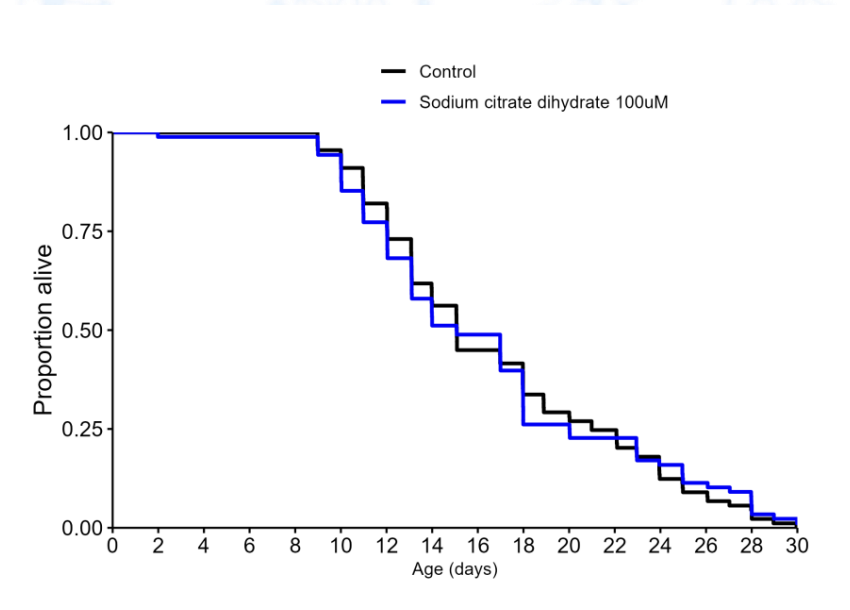
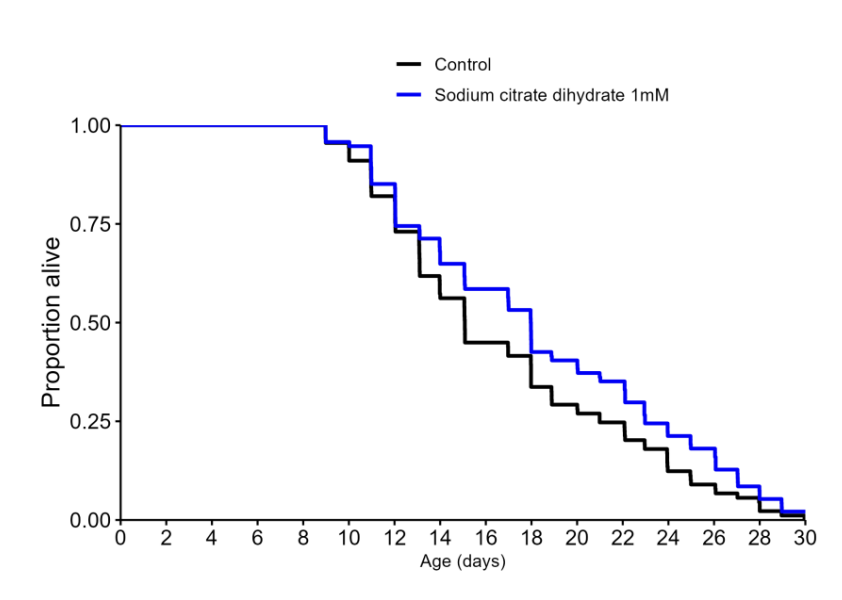
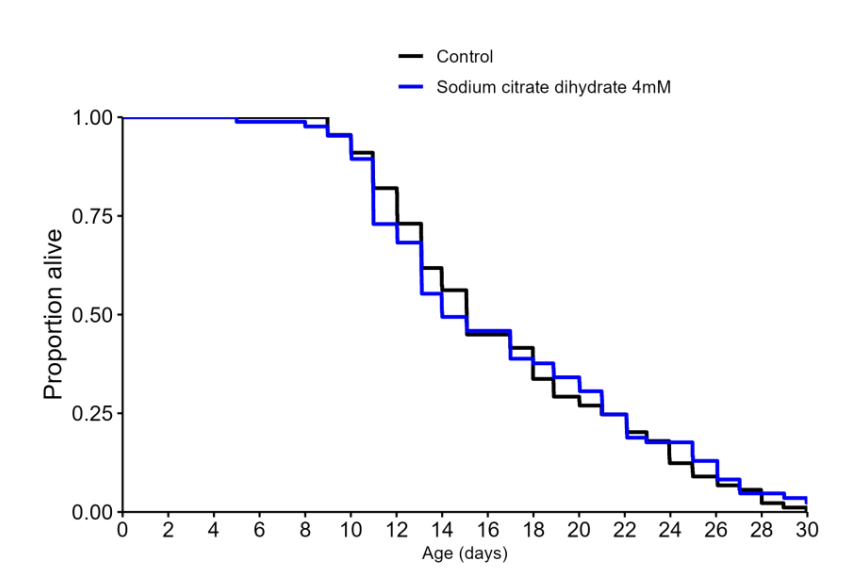
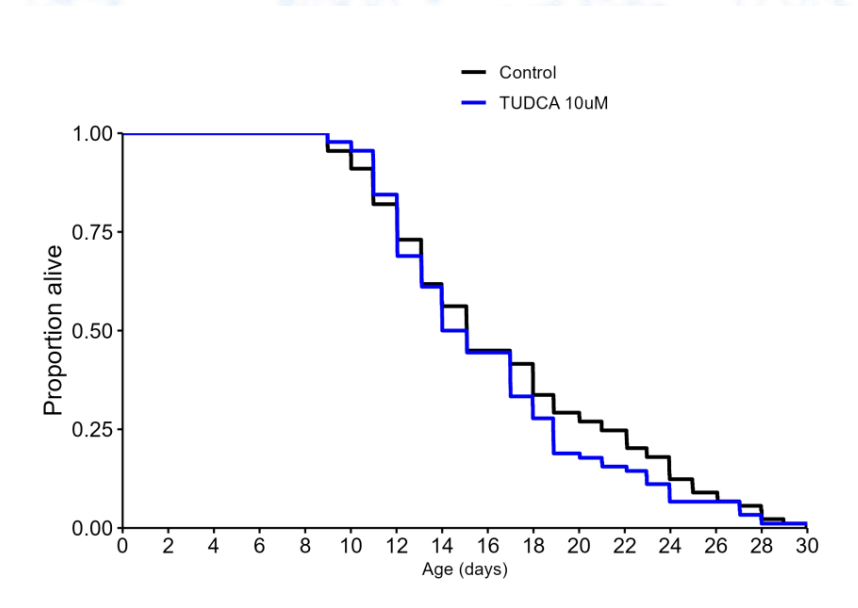
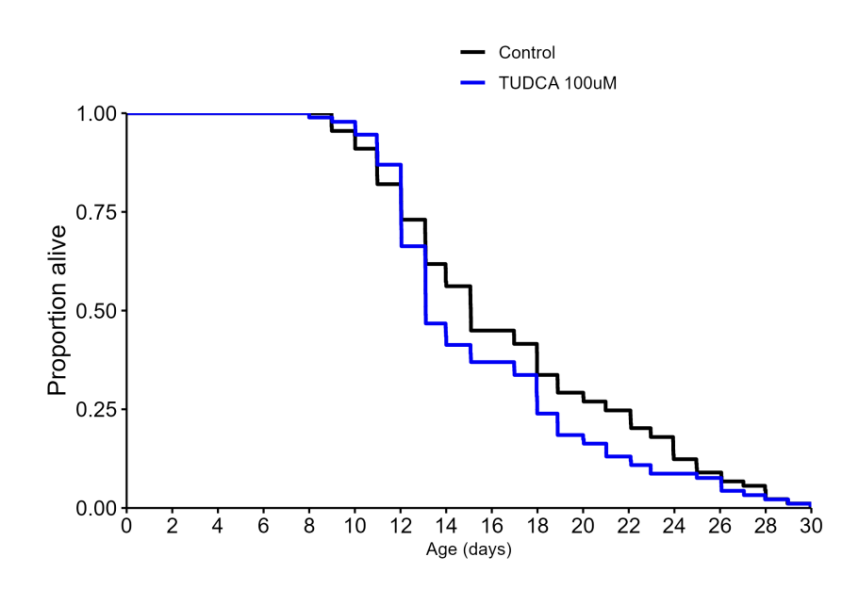
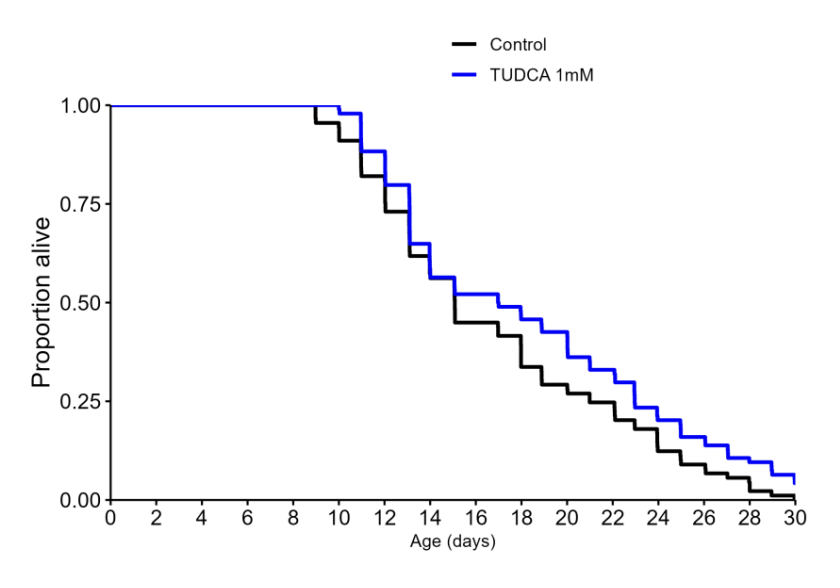
The good news with this update: high-dose TUDCA and high-dose sodium citrate dihydrate look OK. Not as good as UDCA though: Ora Biomedical Million Molecule Challenge Results - #452 by adssx (Poke @John_Hemming @Davin8r )
I continue to worry about the reliability of tests on live food.
Thanks so much for contacting them and for sharing the results! Those results look a lot more within expectations too.
The links for sponsoring a single or combinatorial intervention don’t seem to be working.
Yeah they stopped that project, Ben said:
I did purposely take down those two options from the website as we are trying some new ideas on how best to work with folks around the MMC. We’ve found that working with bigger screening projects like the mTOR dataset or the new peptide one that we’re about to move forward on has allowed for better integration with the systems we use and faster return on results. We’ll always continue to work with custom designed experiments for interested folks but we’re pushing hard on early 2026 being our window to move the needle on several of our internal developments. I’ll be putting up a couple of sample projects on the website soon that will more align with how we ran the mTOR crowdfunding project (i.e. kickstarter style model).
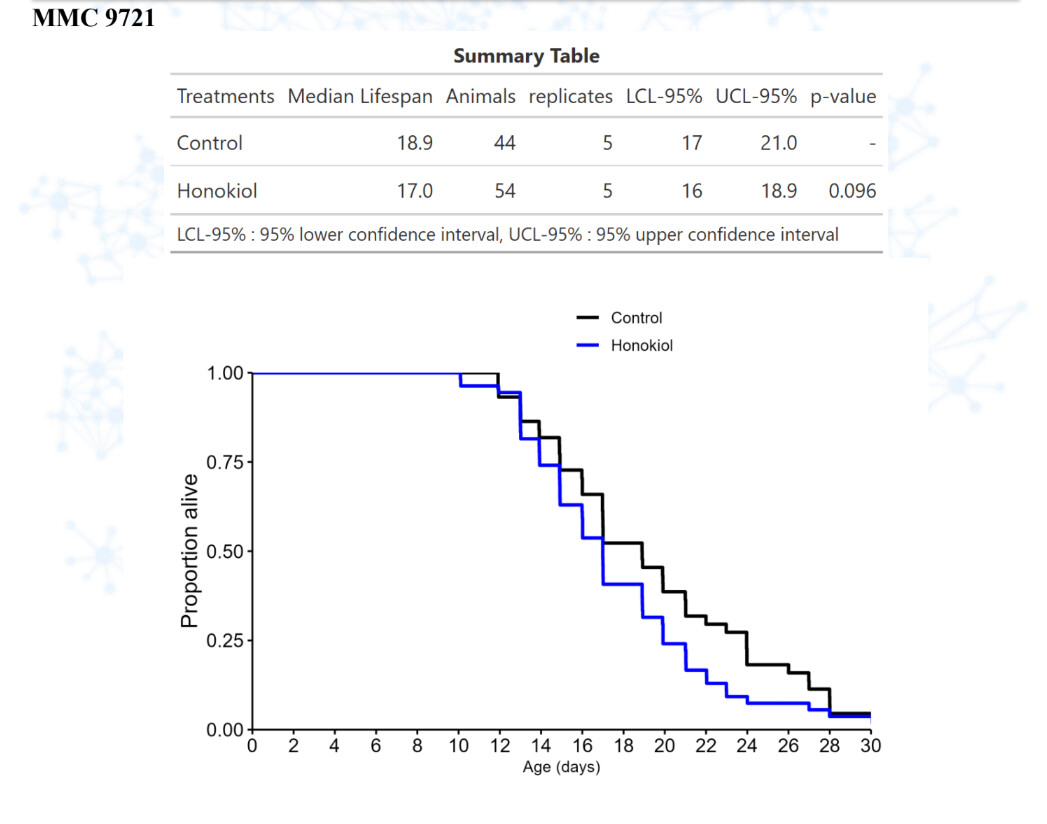
Ultimately we will get more data from this than from individuals sponsoring random substances.
Do we have any data on what peptides are being tested??
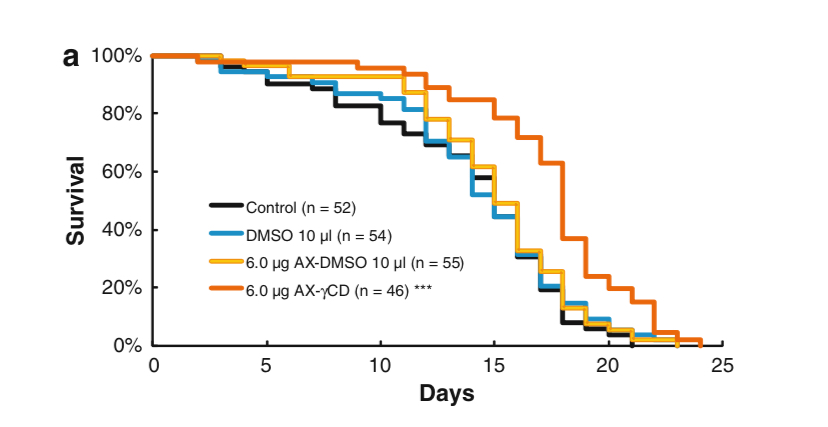
I asked Gemini why Astaxanthin that protects from DNA damage didn’t help C elegans in living longer and it answered that it is probably a delivery problem due to fat absorption. It pointed to this study where researchers successfully extended the lifespan of C Elegans using Astaxanthin by improving the fat absorption: