When all animal models fail, no actual human clinical data exist and you’re left with mechanistic speculation maybe it is time to reconsider your approach.
I have my own n=1 data. In the end that has to be my own personal priority. Obviously my family are important as well. However, if I find something works for me and my family I don’t care about any quantity of worm experiments.
BTW, did anybody test Thioflavin T?
It was the winner in CITP (Caenorhabditis Intervention Testing Program)
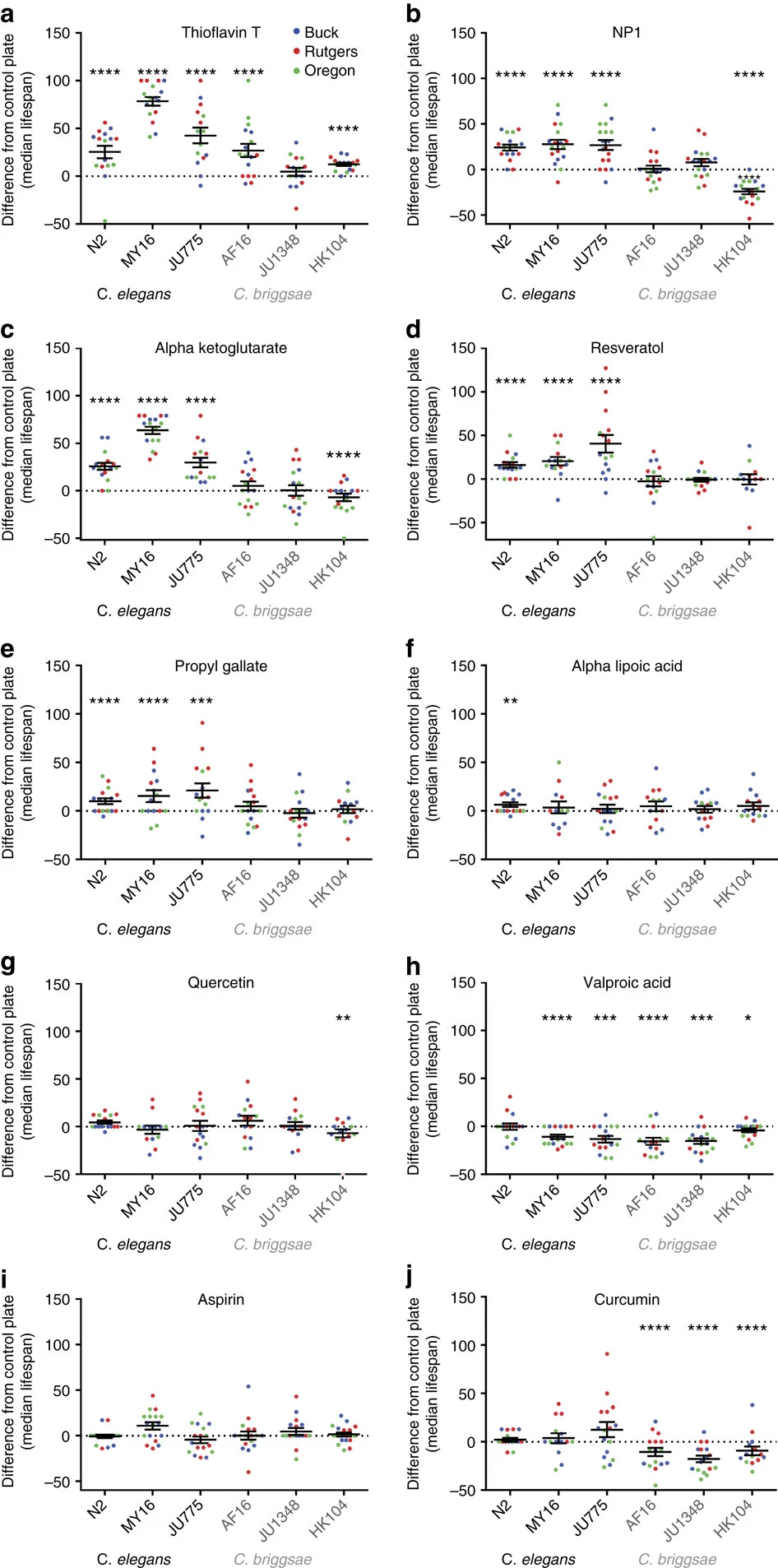
ThT was the most robust of the chemicals we tested, as it significantly and reproducibly extended lifespan in five of the six strains tested, with only JU1348 failing to respond to treatment with significant lifespan extension (Fig. 4a, Supplementary Fig. 5 and Supplementary Table 4). In addition to being the most robust of the treatments, ThT also showed the most potent effect. We found that in some trials, for certain strains, ThT-treated populations exhibited a doubling of the median lifespan relative to control-treated populations (Fig. 4a and Supplementary Fig. 5). The average median lifespan (across all the trials for a given strain) ranged from a small but reproducible effect on HK104, the long-lived C. briggsae strain, to a significantly large effect (70% extension of median lifespan) on C. elegans strain MY16
3 Likes
My AI isn’t sure about that one:
Safety and Practical Considerations
- Toxicity: ThT is toxic if swallowed and can cause serious eye damage and irritation. It is also toxic to aquatic life.
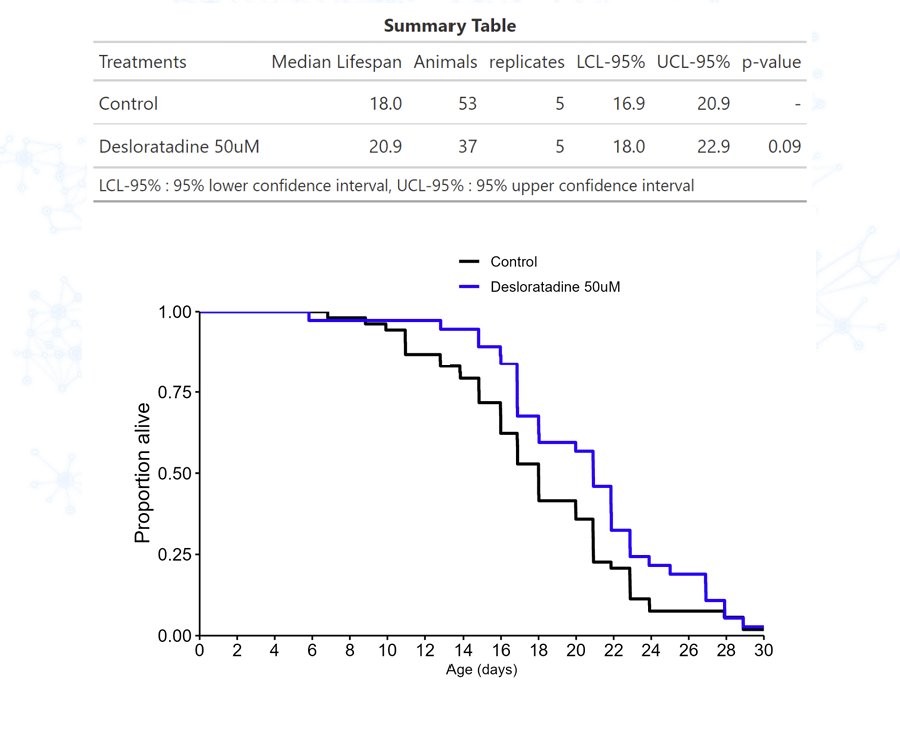
I ended up sponsoring desloratadine with Ora after combing through the 2024 UK biobank drug mortality study data and noticing that desloratadine stood out among common antihistamines. In the dataset it was associated with lower all-cause mortality (HR 0.811, 95% CI 0.670–0.982; p = 0.031955, though FDR-adjusted p = 0.0754, N = 2,551). Most other antihistamines were neutral (e.g., cetirizine, loratadine) or trended worse (e.g., fexofenadine, chlorphenamine).
I also found a Swedish cancer-registry paper that reported an association between desloratadine use and improved breast-cancer survival (HR 0.67, 95% CI 0.55–0.81; p < 0.001).
In this Ora study, desloratadine increased median lifespan from 18.0 to 20.9 days (~16% increase) with p = 0.09. While this is a modest longevity signal compared to some Ora studies, I think it’s still interesting since antihistamines are so widely used. If this benefit is confirmed in future studies, it might suggest a reason to prefer desloratadine over other antihistamines when they are equally effective at treating primary symptoms.
Cross-Species Mechanistic Hypotheses for Longevity: Desloratadine (from GPT 5.2)
Here are plausible cross-species mechanisms between C. elegans and humans that don’t rely on classic H1 “antihistamine” biology:
-
CAD / lysosome → TFEB (mammals) / HLH-30 (worms) → autophagy–lysosome upregulation (primary hypothesis):
Desloratadine appears to behave like a cationic amphiphilic drug (CAD) that can accumulate in lysosomes. Mild lysosomal “stress” can trigger a compensatory response—TFEB/HLH-30 activation, increased lysosomal biogenesis, and improved autophagic clearance. This is a highly conserved longevity-relevant pathway and could plausibly explain both worm and human signals. -
AMPK ↔ mTOR ↔ autophagy coupling (likely linked):
Many geroprotective effects funnel through AMPK/mTOR/autophagy. Any lysosomal/autophagy activation may couple to AMPK signaling, shifting cells toward maintenance/proteostasis. -
General stress-resistance programs (e.g., Nrf2 in mammals / SKN-1 in worms):
If desloratadine acts as a mild hormetic stressor, it could upregulate antioxidant/detox defenses and improve resilience under stress—consistent with stronger signals in “high stress” contexts.
9 Likes
Siim Land just interviewed the scientist for the Ora Challenge.

4 Likes
Super interesting about Desloratidine. That is a very “boring” drug too, widely used, very few side effects.
However, I did find one bit of “bad news”
https://journals.physiology.org/doi/full/10.1152/ajpgi.00321.2018
Male rats treated for 16 weeks with desloratadine developed an obesity-like phenotype and signs of metabolic syndrome, including excessive weight gain, increased abdominal subcutaneous and brown fat, high triglycerides, high fasting blood glucose with insulin resistance, elevated liver-to-body-weight ratio, and fatty liver.
And in humans, a correlation between desloratadine and obesity:
A cross-sectional NHANES analysis also found an association in humans: prescription H1 antihistamine users had significantly greater weight, BMI, waist circumference, and insulin levels compared to age- and gender-matched controls.
Unfortunately I couldn’t find any rodent studies, but it seems like a very reasonable one for the ITP to test.
2 Likes
Thanks for the super informative post. But do you happen to know what on earth is going on with the controls?
@Krister_Kauppi If you know the answer, could you chip in please?
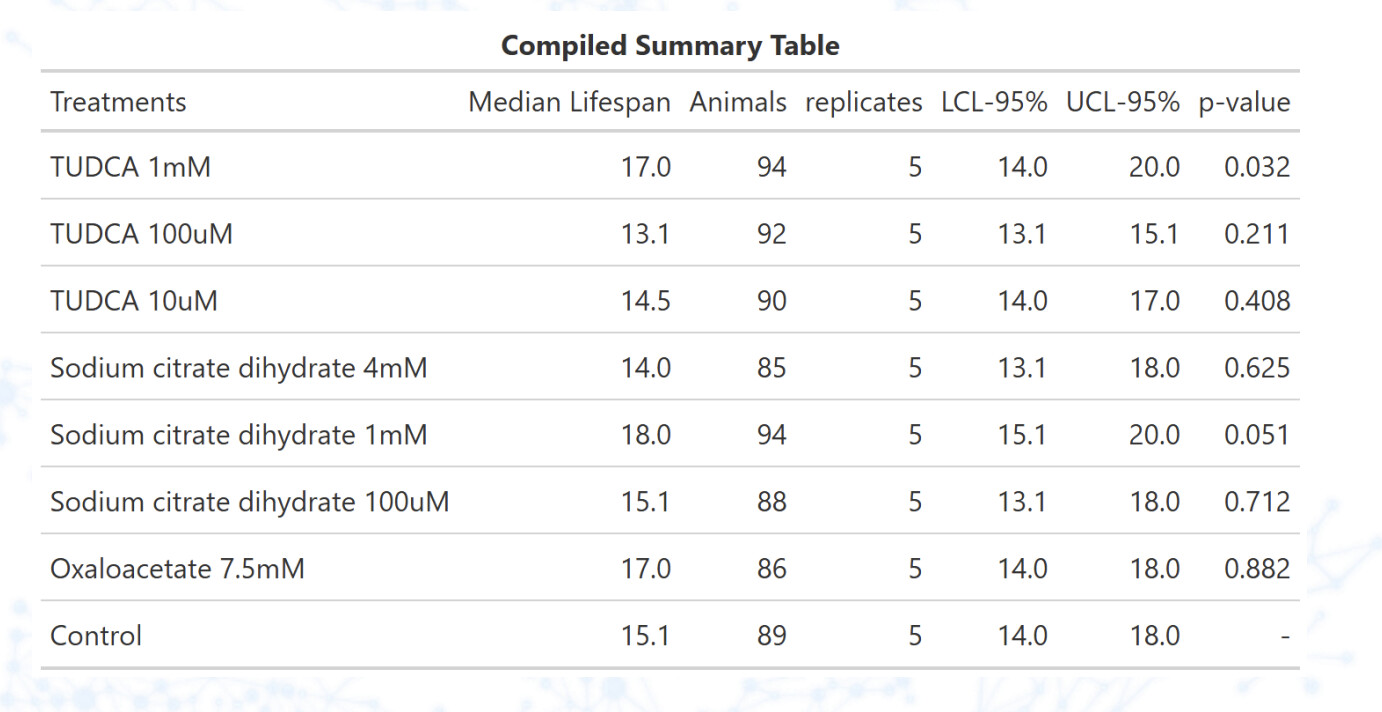
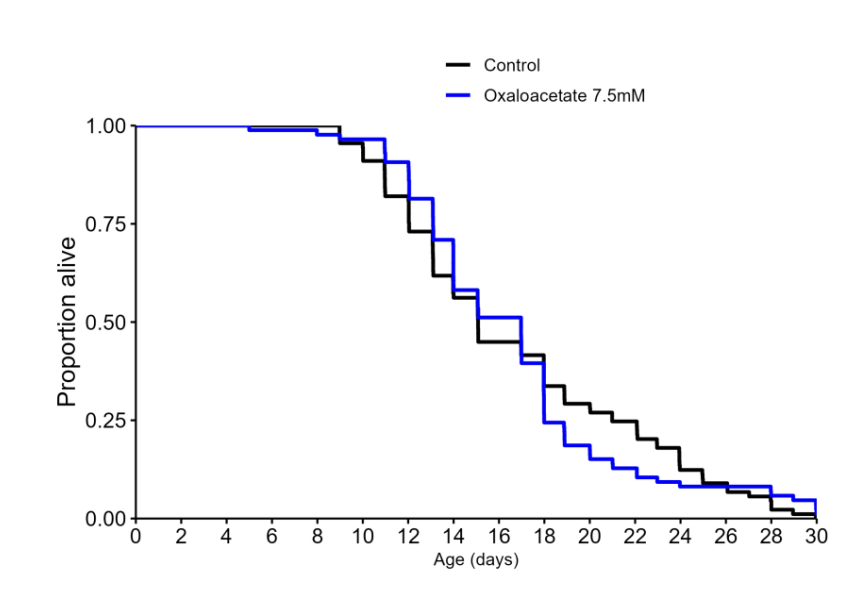
Oxaloacetate haș controls with median lifespan of 23.1 days, across 60 animals and 4 replicates
But UDCA has controls of 13.1 days, across 61 animals and 4 replicates
That’s an absolutely massive difference. More than “a bit longer”. Unless they’ve completely changed something about the methodology, something seems very wrong there. That would make it almost impossible to interpret any useful results if the healthy controls show this much variability. Or am I missing something?
1 Like
I don’t know why it may have this type of variation. The best thing is to contact Ora and ask them. If you do then post the answer here 
1 Like
Answer:
I appreciate you forwarding the question to us! I’ll look into this personally as well has have the team look at our lab records […] I do know that those two compounds needed to be dissolved in a different solvent to reach the desired concentrations (H2O vs DMSO). We do sometimes see differences in control lifespans but that being said, 23 days is very long lived for a control and generally the difference in lifespan between controls is much smaller. We record a ton of information going into each experiment in addition to the videos (batch numbers for reagents, date/time of populations used, etc).
We’ll track this down and get an answer for you and the interested party asap.
3 Likes
[we] worked with the research team and they also had flagged that the controls were long lived for the compounds dissolved in H2O (H2O controls) on this set of experiments and had already launched a repeat by the time the report containing the original run was sent to you. Our lab manager had found used manufacturer supplied H2O for the original set of experiments but had found that it drastically extended lifespan across several experiments. While we haven’t performed chemical analysis of the stock yet, we believe it was contaminated and not pure H2O. Our lab manager initiated a repeat of the experiment with internal H2O stocks that we generate with a water purifier and then sterilize via autoclave. This repeat (data attached) had controls in-line with what we would expect for the conditions tested and similar lifespans for the compounds tested in both experiment 1 and experiment 2 (the repeat).
Our apologies for the internal communication issue - a note should have been added to the original report indicating that we were performing a retest of the experiment
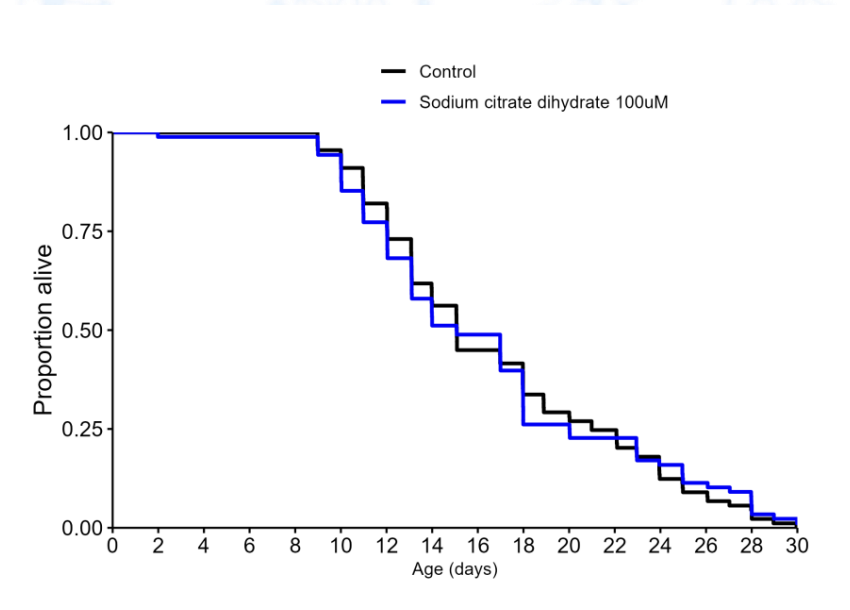
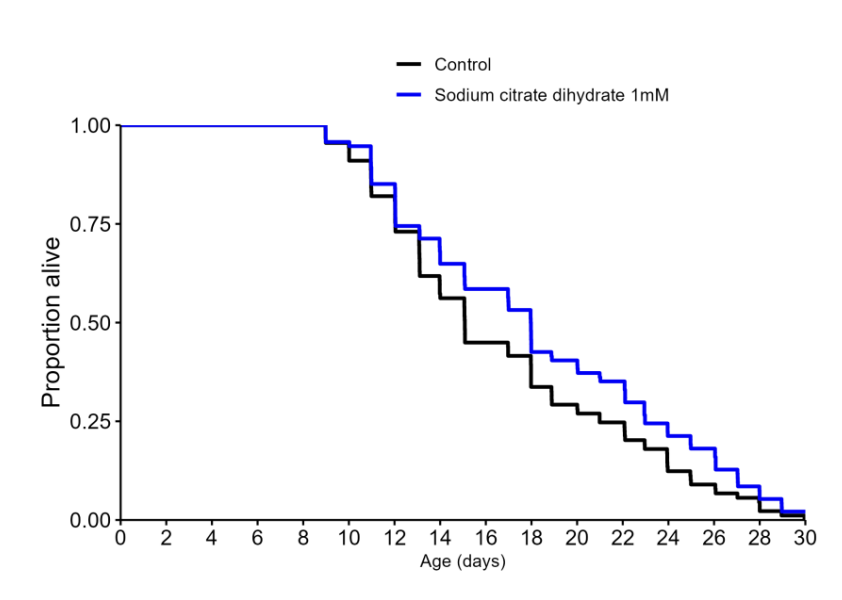
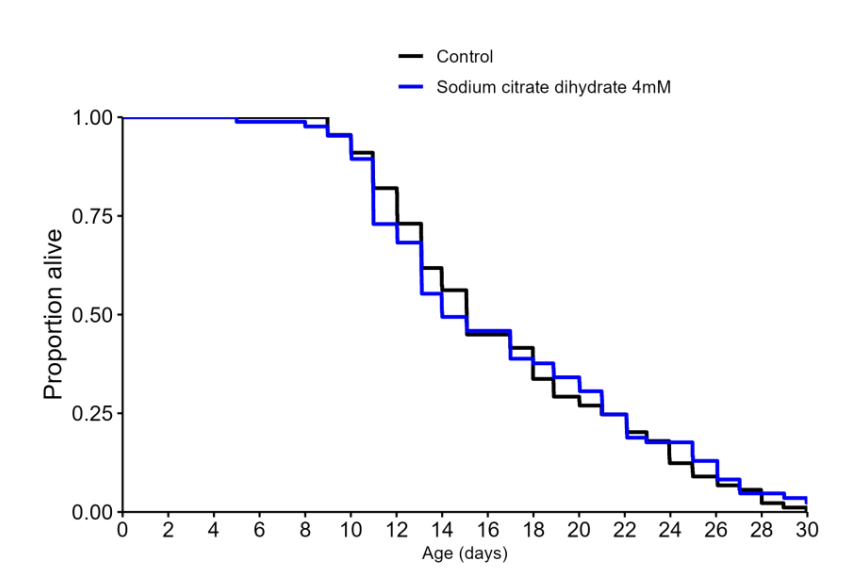
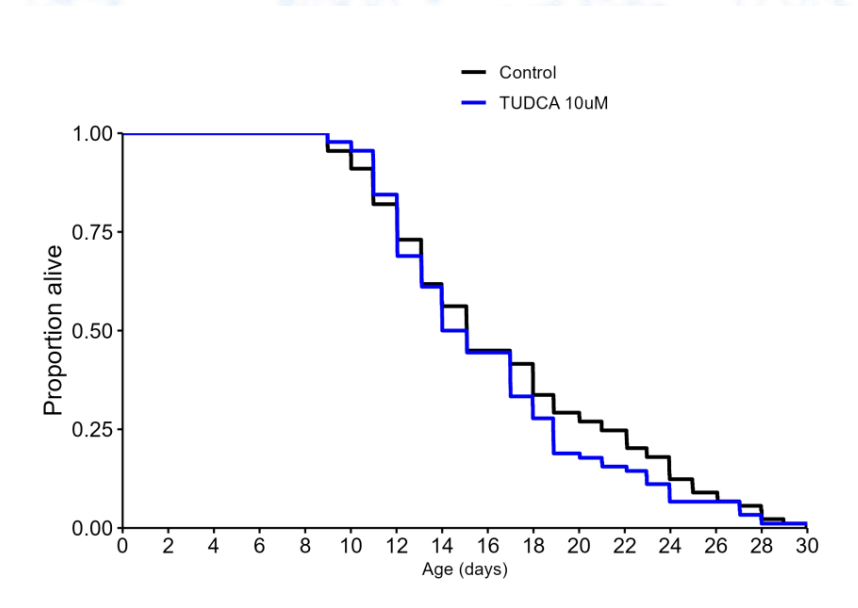
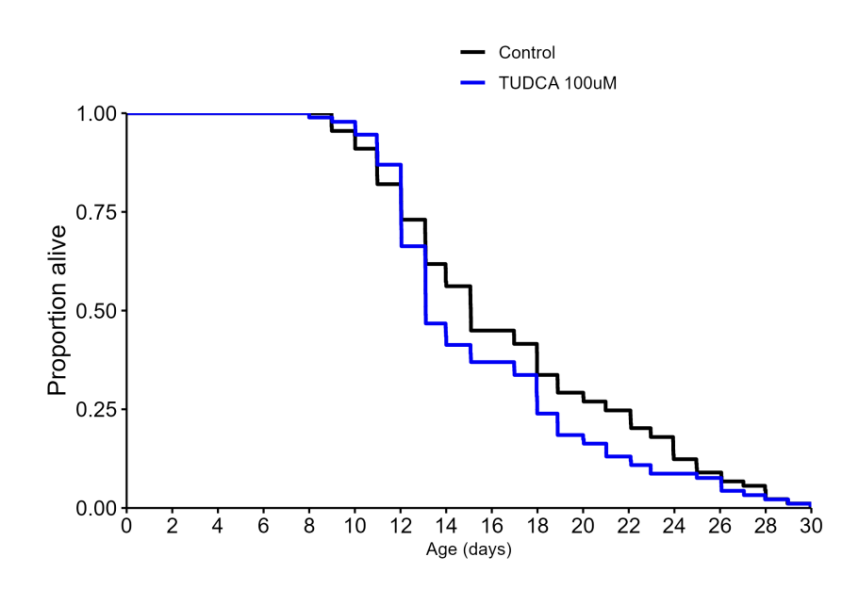
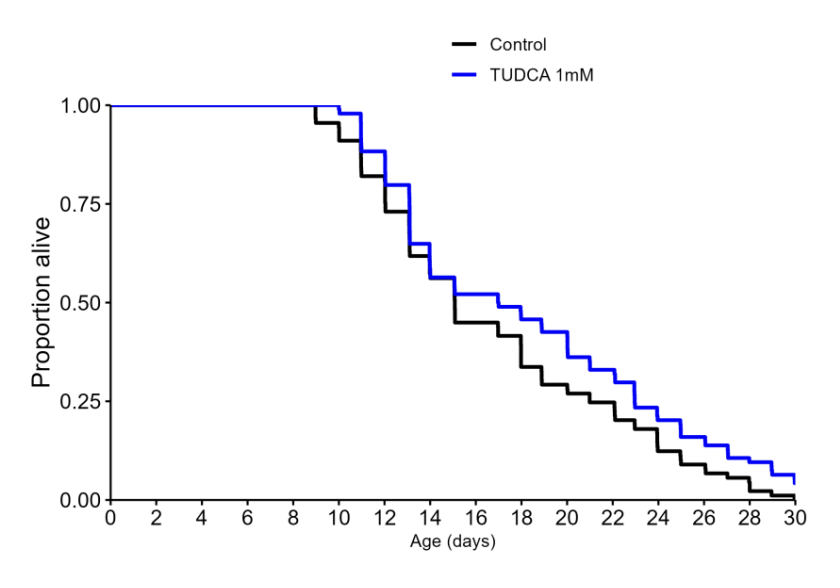
1 Like
The good news with this update: high-dose TUDCA and high-dose sodium citrate dihydrate look OK. Not as good as UDCA though: Ora Biomedical Million Molecule Challenge Results - #452 by adssx (Poke @John_Hemming @Davin8r )
3 Likes
I continue to worry about the reliability of tests on live food.
1 Like
Thanks so much for contacting them and for sharing the results! Those results look a lot more within expectations too.
1 Like
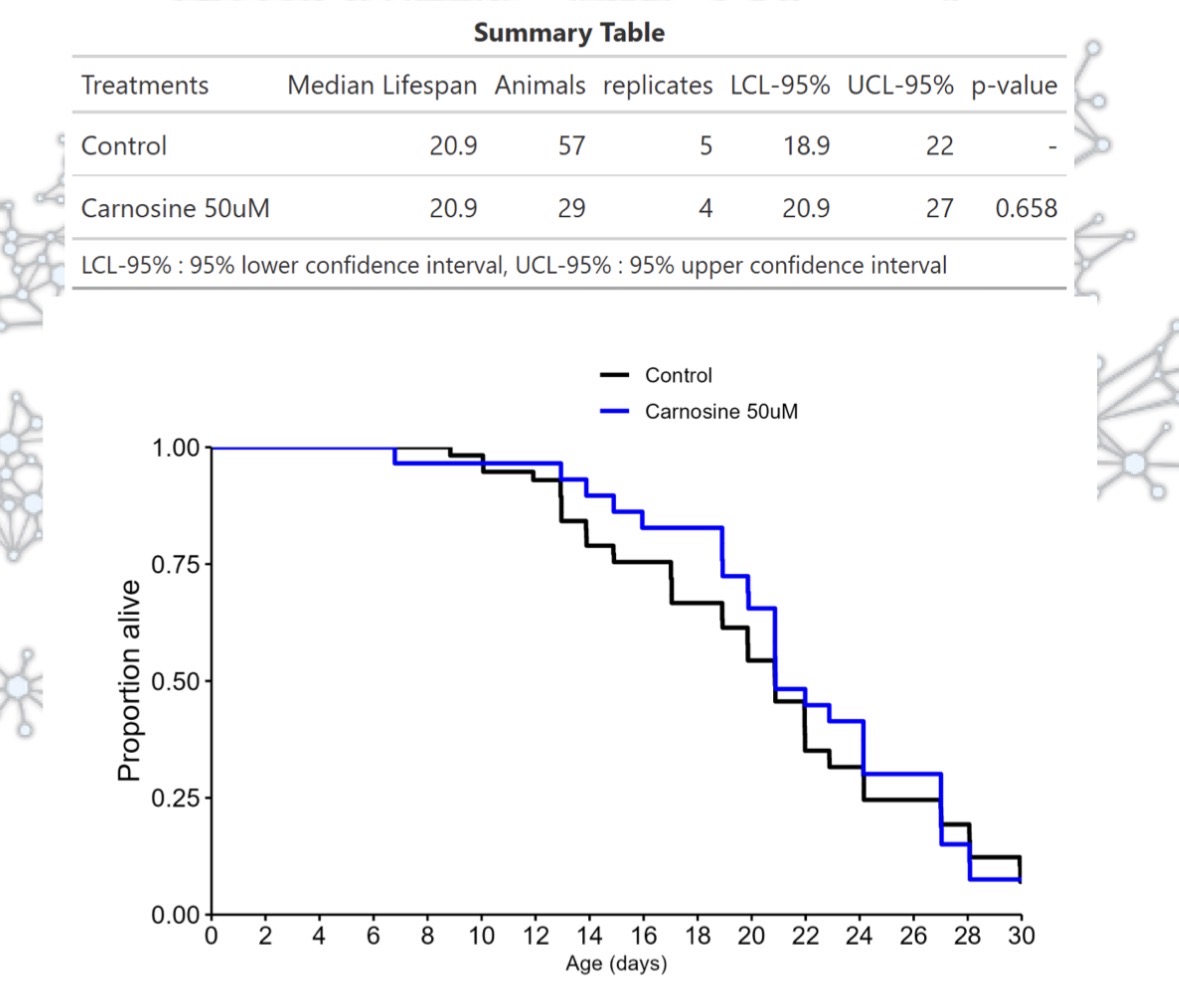
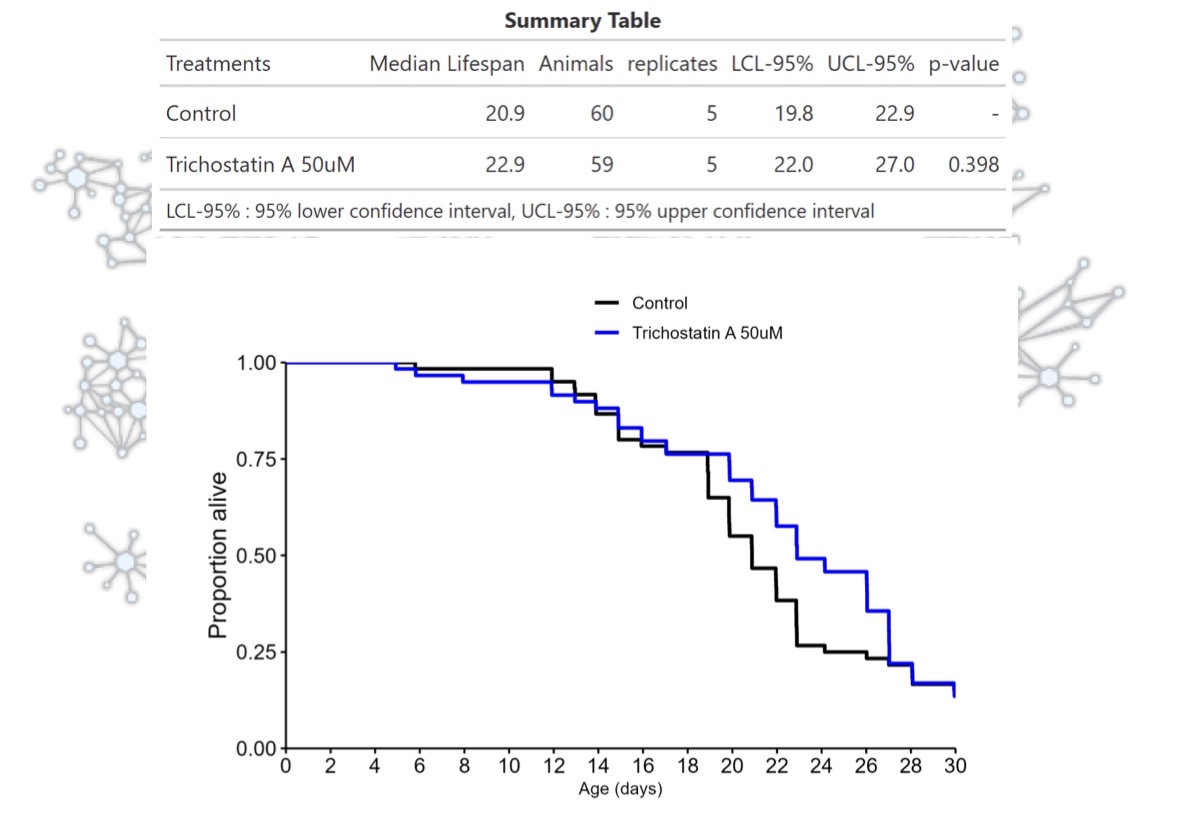
The links for sponsoring a single or combinatorial intervention don’t seem to be working.
Yeah they stopped that project, Ben said:
I did purposely take down those two options from the website as we are trying some new ideas on how best to work with folks around the MMC. We’ve found that working with bigger screening projects like the mTOR dataset or the new peptide one that we’re about to move forward on has allowed for better integration with the systems we use and faster return on results. We’ll always continue to work with custom designed experiments for interested folks but we’re pushing hard on early 2026 being our window to move the needle on several of our internal developments. I’ll be putting up a couple of sample projects on the website soon that will more align with how we ran the mTOR crowdfunding project (i.e. kickstarter style model).
5 Likes
Ultimately we will get more data from this than from individuals sponsoring random substances.
Do we have any data on what peptides are being tested??
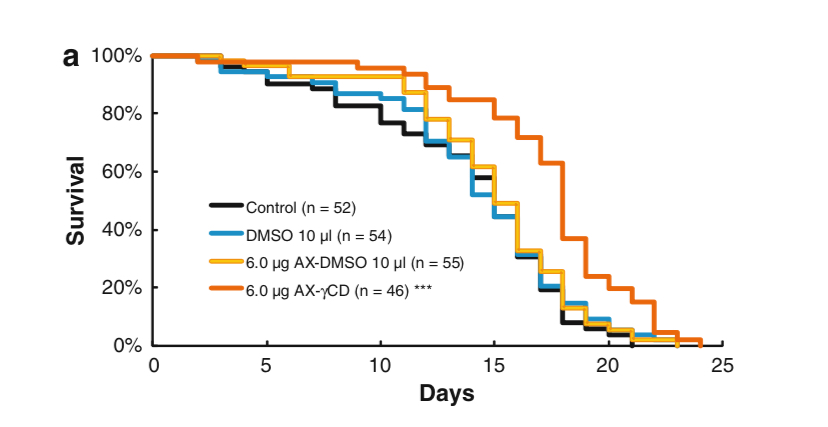
I asked Gemini why Astaxanthin that protects from DNA damage didn’t help C elegans in living longer and it answered that it is probably a delivery problem due to fat absorption. It pointed to this study where researchers successfully extended the lifespan of C Elegans using Astaxanthin by improving the fat absorption:
4 Likes