Ok, solid reply. I’ll go for EPA-only for now, and we’ll see what happens with the evidence in the future.
In all honesty, I find it very difficult to believe that DHA at the dose I’m taking would be harmful. However, I think in this game we have to be willing to change our minds about things and take educated guesses. I think you are correct that if we look at the bigger picture, from multiple angles, the argument for supplementing DHA is pretty weak. EPA at least has some evidence.
I don’t have high triglycerides (usually less than 50mg/dl) so I don’t need the TG-lowering effects of fish oil. But again, I am considering that my diet is otherwise absent of any marine omega-3.
On a related note - what are your opinions about EPA/DHA in children? There are various supplements specifically marketed for parents to give children for neurodevelopment and cognition, ADHD and behaviour, visual development, allergy/asthma, etc. They are extremely popular, and just in my kids playground, I’ve heard parents discussing it. I assume that most of the claims are bullshit, or at least highly speculative, but you’ve definitely read more about this than I have. Any thoughts?
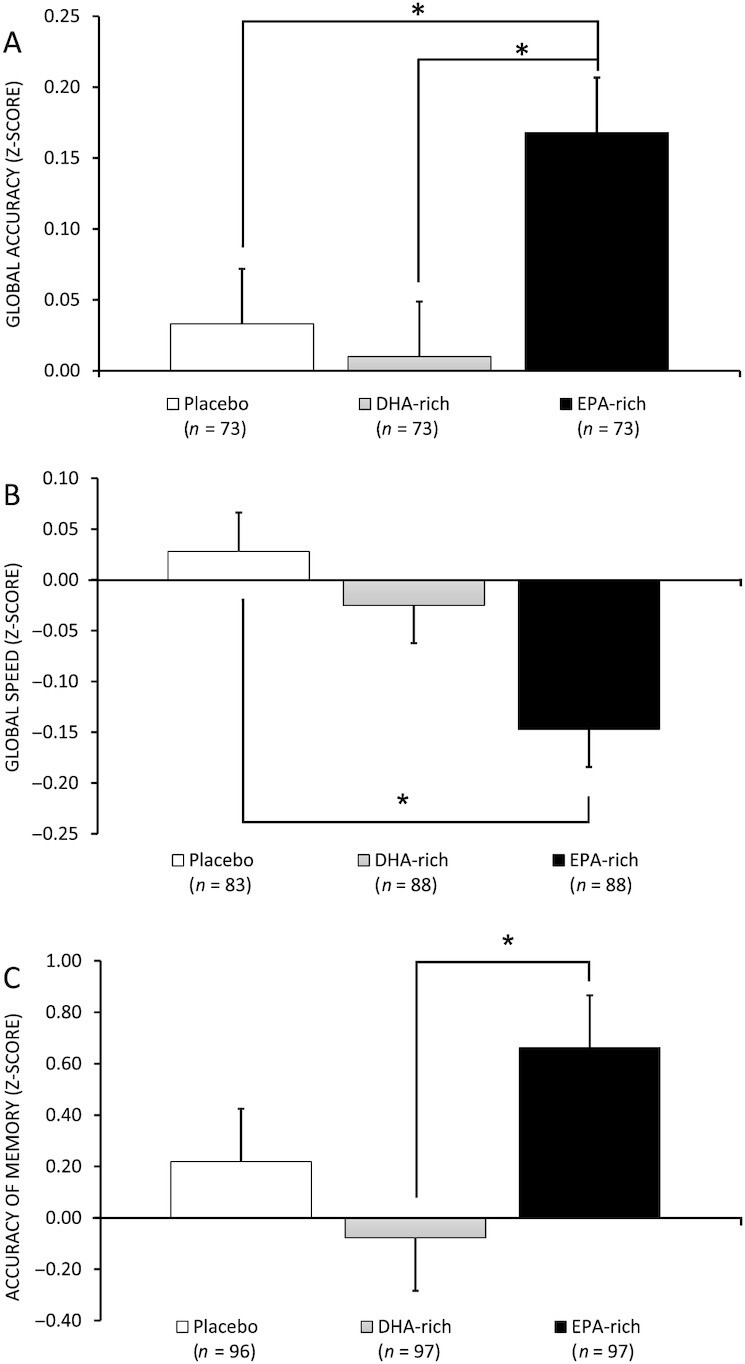
Reviewed the video with Gemini’s help, researched related studies and tried to reach conclusions about when / if DHA or EPA have clinically appropriate applications. For such a well studied set of compounds the conclusions are hard to draw with high confidence frankly.
Clinical Conclusions on DHA and EPA Supplementation
DHA Cognitive Limits: Exogenous DHA does not reverse or slow moderate-to-severe Alzheimer’s disease.[1, 2] DHA’s clinical utility is strictly confined to protecting episodic memory in healthy older adults experiencing subjective age-associated memory complaints.
Prenatal DHA and Preterm Prevention: Supplementation with DHA (600 to 1000 mg/day starting by week 12) is highly viable and recommended during pregnancy. It reduces early preterm birth (before 34 weeks) by 42% and overall preterm birth (before 37 weeks) by 11%, particularly in women with low baseline dietary fish intake.
EPA and Cardiovascular Protection: Purified EPA monotherapy (icosapent ethyl, 4 g/day) reduces major adverse cardiovascular events (MACE) by 25% in high-risk, statin-treated hypertriglyceridemic patients. Mixed formulations containing DHA fail to show cardiovascular benefits because DHA co-administration increases LDL-C and alters cell membrane biophysics, neutralizing EPA’s anti-atherogenic properties.[3, 4]
**EPA and Depression Treatment: Formulations containing 60% or more EPA of the total EPA+DHA demonstrate robust therapeutic efficacy as an adjunctive treatment for clinical depression.[5, 6] Efficacy is restricted to a precise therapeutic range of 200 to 2200 mg/day of unopposed EPA (the EPA dose minus the DHA dose).**[7, 5]
Atrial Fibrillation Paradox: High-dose pharmacological prescription omega-3 supplementation (2 to 4 g/day) increases the relative risk of incident atrial fibrillation in a dose-dependent manner by 11% per additional gram.[8, 9] Conversely, typical over-the-counter dietary supplementation (1 g/day or less) or high circulating plasma levels are associated with a neutral or protective effect against arrhythmias.[10, 11]
The 10 Most Reliable and Impactful Studies
REDUCE-IT Trial: Bhatt DL, et al. (2019). Cardiovascular Risk Reduction with Icosapent Ethyl for Hypertriglyceridemia. New England Journal of Medicine.(https://www.nejm.org/doi/full/10.1056/NEJMoa1812792).
Significance: A landmark double-blind RCT demonstrating that 4 g/day of highly purified EPA (icosapent ethyl) significantly reduces the risk of major adverse cardiovascular events by 25% (P < 0.001) in high-risk, statin-treated patients.
Significance: A large multi-center RCT testing 4 g/day of a combined EPA/DHA carboxylic acid formulation that was halted early for futility, showing no significant difference in MACE (P = 0.84), and establishing that DHA co-administration neutralizes EPA’s vascular benefit.
Significance: A high-quality systematic review of 70 trials (over 19,000 women) showing that prenatal omega-3 supplementation (primarily DHA) reduces the risk of preterm birth before 37 weeks by 11% and early preterm birth before 34 weeks by 42%.
Significance: An RCT of 485 healthy older adults with subjective memory complaints demonstrating that 900 mg/day of algal DHA significantly improves episodic memory PAL scores (P = 0.032) after 24 weeks, reversing cognitive aging by approximately three years.[13]
Significance: A randomized prospective trial in 18,645 Japanese patients demonstrating that 1.8 g/day of purified EPA added to low-dose statin therapy achieves a significant 19% relative reduction in major coronary events (P = 0.011).
Significance: A meta-analysis establishing that omega-3 supplements require \ge 60% EPA to achieve clinical antidepressant efficacy (P = 0.001), identifying a therapeutic window of 200 to 2200 mg/day of unopposed EPA.[7, 5]
UK Biobank Atrial Fibrillation Analysis: O’Keefe J, et al. (2025). Associations Between Plasma Omega‐3 and Fish Oil Use With Risk of Atrial Fibrillation in the UK Biobank. Journal of the American Heart Association.(https://www.ahajournals.org/doi/10.1161/JAHA.125.043031).[11]
Significance: A retrospective cohort study in over 261,000 participants showing that higher plasma omega-3 levels are inversely associated with incident AF risk (P < 0.001), while common over-the-counter supplement doses (\le 1\text{ g/day}) carry no risk of triggering AF.[10, 11]
Significance: A meta-analysis of 38 RCTs (149,051 participants) showing that cardiovascular risk reduction is far more pronounced with pure EPA monotherapy (mortality RR: 0.82) compared to combined EPA+DHA therapies (mortality RR: 0.94).[4]
Atrial Fibrillation Supplementation Meta-Analysis: Gencer B, et al. (2021). Effect of Long-Term Marine Omega-3 Fatty Acids Supplementation on the Risk of Atrial Fibrillation in Randomized Controlled Trials of Cardiovascular Outcomes: A Systematic Review and Meta-Analysis. Circulation.(https://www.ahajournals.org/doi/10.1161/CIRCULATIONAHA.121.055654).[8]
Significance: A meta-analysis of 7 clinical trials (81,210 patients) proving that prescription omega-3 supplementation increases AF risk (P = 0.013) in a dose-dependent manner (HR 1.49 for >1\text{ g/day} vs. HR 1.12 for \le1\text{ g/day}).[8, 9]
Prenatal DHA Dosing Trial (Kansas Study): Carlson SE, et al. (2013). Docosahexaenoic acid (DHA) supplementation in pregnancy increases gestation duration and birth size: a randomized, double-blind, single-center trial. American Journal of Clinical Nutrition.(DHA supplementation and pregnancy outcomes1 - PMC).[14]
Significance: A double-blind RCT in 350 pregnant women showing that 600 mg/day of DHA during the last half of gestation significantly increased gestation duration by 2.9 days (P = 0.041), boosted infant birth weight by 172 g (P = 0.004), and reduced early preterm birth before 34 weeks (P = 0.025).[14]
I’ve never checked. I’ve only been a dad for a few weeks now, so it wasn’t on my radar before . However, I assume the data on supplements for kids must be even worse than for adults. And I’m willing to try things and take risks on myself, but less so on others (especially if they can’t understand and discuss the risks). So I would/will be very conservative and probably just stick to established medical guidelines when it comes to kids. There’s a 10y lag between research and medical guidelines and another 10y between guidelines and day-to-day medical practice. So following guidelines is already being 10y early vs the average doctor/patient/parent.
Congratulations!
If there’s not a thread here on parenting for longevity there should be
My specific thoughts on fish are that kids love sushi when it’s introduced at the right time - ie before they go through their “cautious of new food stage”
For obvious Evolutionary reasons kids get fussy when they start walking, before then they typically eat whatever you give them. So going in early with fish and sushi can be transformative. (and could save them from hours of worrying about fish oil supplements! (
I asked you for a FISH with only EPA in it. You posted a bottle of EPA. Lol. My argument is complete.
Also, you say no clinical trials pending on DHA but there’s 1 specifically on targeting increases in brain DHA with the lyso form to better cross the BBB. Good luck getting that through IRB if the consensus was that DHA was harmful. In full disclosure, there are several others that include DHA but you elected not to disclose those.
As for the 2 year duration you claimed was more than adequate to see benefit of DHA, statins take ~2 years in secondary prevention. 2-5 years for primary prevention. I would never expect a lifestyle intervention such as fish oil to have a drastic effect on my health in 2 years. Arguably one of the most successful drugs in pharmacology takes at least that long.
I’m not engaging with you anymore. I agree to disagree. You keep copying the same studies and refuse any evidence to the contrary of your opinion with its old, Asian, “BS”, or simply ignore critiques of the studies you put strong weight in.
And you can give your kid a huge lifelong brain advantage by raising in a bi or trilingual environment, effortless for the child and fun for the grandparents… start them early with intellectual and neurological stimulation, musical instrument, chess, learning is so much easier at an early age and gives a chance to discover and develop various talents…
Sorry, read too quickly! But again fish consumption <> Omega 3 supplementation
I said no RCT with DHA-only supplementation for cognition or mental health. The Lysoveta ones are EPA-strong (2:1). And yes, they’re looking at brain DHA. Of course, DHA is not bad. The question is whether supplementing with DHA is good (at least with the forms available on the market today).
I searched on ClinicalTrials.gov with the keywords DHA, EPA, omega, PUFA, fish oil, docosahexaenoic, and eicosapentaenoic. I filtered for “Not yet recruiting”, “Recruiting”, “Active, not recruiting”, or “Enrolling by invitation”. I only mentioned those for brain health. I quickly rechecked again and I indeed missed A Clinical Study of Omega-3 on Depression and Cognition, NCT05941754, which is 2g vs 4g EPA-only but the trial has “Unknown status” and will probably never be done.
If I missed some others, please post them instead of making this snarky comment. Here, we assume good faith and try to elevate the level of the debate.
MIRACL: atorvastatin reduced recurrent ischemic events over 16w after ACS.
PROVE-IT TIMI-22: statins reduced clinical events within 30 days after ACS.
But yes, otherwise you’re right. Still, LDL, hs-CRP, endothelial function, and plaque inflammation improve within weeks / a few months. The PrevenE4 trial examined various biomarkers, but none improved. Maybe they did not look at the right ones (p-tau217 would have been great)? Again, I ask you: what could convince you that DHA supplementation is not beneficial? If nothing, then you hold a religious belief, and you’re not looking at evidence.
I did not criticize studies for being “Asian,” but yes, Chinese papers from 10+ years ago from Tier 3 institutions have a high likelihood of being of poor quality. It’s unfortunately a reasonable first-pass filter. Today, China is leading in biotech and has world-class researchers. Things have changed.)
“simply ignore critiques of the studies you put strong weight in”: what did I ignore? Can you please point me to that? You said the VITAL-DEP “association” was small, but otherwise I don’t think you addressed any of the 10 papers I posted, can you please briefly explain why you disagree with those:
But the most interesting: VITAL is post-intervention observational follow-up of study participants is ongoing and due to end this year. So we’ll soon know the result of 15+ years of omega-3 supplementation on cancer, CVD, hypertension, arrhythmia, etc.:
Vital is using “Omacor, one 1-gram capsule per day. Each capsule of Omacor contains 840 milligrams of marine omega-3 fatty acids (465 mg of eicosapentaenoic acid [EPA] and 375 mg of docosahexaenoic acid [DHA]).” so more EPA than DHA but not that much (1.24:1). Hopefully the results will be positive, this will settle the debate and we’ll all be able to get the Omacor Rx!
@adssx - you know how companies pay researchers to bias their studies in favor of their drug/supplement, or have conflicts of interest (ahem, Bill Harris). Well, I think soon the opposite may happen with the companies selling fishoil - they may have to pay you off $$$ big time, because you are destroying their business, lol !!!
If one day Antoine suddenly says “never mind, DHA is the healthiest thing around, take all you can!”, and also coincidentally moves into a newly purchased big mansion in Belgravia, you will know what happened …
Same, I keep thinking about Kaiberlein’s repeated warnings that supplements are real medicine, and not necessarily harmless. If we aren’t deficient in something, we shouldn’t take it just because some influencer touted it’s benefits. And unknown interactions could also be less than beneficial.
I think the idea is only taking things you are deficient in is simple minded and inadequate. Something that an influencer would say to a non scientific audience
The human body doesn’t require 124 ug of a substance daily and that is the perfect number. This rabbit hole has been debunked time and time again. Vitamin D deficiency causes rickets but that doesn’t mean the level of vitamin D after preventing rickets doesn’t correlate with 1000 other disease states. And it doesn’t mean you can fix things by taking a pill either.
Arguably, most westerners are deficient in Omega 3s. Why? Because there is a marked difference in dementia rates and CVD based on blood levels. That deficiency doesn’t make omega 3 supplements a slam dunk either.
What defines a deficiency state is 100% in the eye of the beholder. The general term “deficiency” mostly just means avoiding a specific disease state when we do not understand what molecules impact health beyond these specific disease states. Literally no one thinks the purpose of vitamin D in the body is just to prevent rickets. There are vitamin d receptors in almost every tissue yet the defined deficiency states are bone related.
The fact is there are RCTs showing impact of various supplements beyond deficiency and disease states. Are some of these industry financed and questionable? Sure. But dismissing 100% of these studies because some are questionable is not the right answer either.
No one has truly defined most deficiency states so we are all flying somewhat blind except for rickets and beriberi and the like. Health is a continuum not strictly an avoidance of disease states.
I agree that people shouldn’t take something just because some influencer claimed it’s good for them. But I have a problem with the statement that if you aren’t deficient in something you shouldn’t take it. That all depends on the definition of deficiency. As an example.you can be not anemic at all, and as such not overtly deficient in iron, yet have subclinical deficiency that only effects functions that need iron for lower priority things in the body.
Also some vitamins/minerals are required for tons of different things in the body. It’s very possible to have enough of it for most of them but not enough for others.Take magnesium as an example. It is a co-factor for over 300 enzymes in the body. There is no test that can tell you whether some of these enzymes are “deficient” in magnesium despite the majority being not at a certain magnesium intake. Sometimes taking a bit of extra of various vitamins/minerals that act as enzyme cofactors can act as a safeguard against potential minor deficiencies that don’t show up on typical tests or give clear symptoms of deficiency. This may be more important with aging as many enzymes get damaged with aging or perhaps their production declines. Sometimes that can be compensated for partially by having more of the cofactor around.
To be fair to the deficiency argument, iron is well established to be about more than red cell count.
While that isn’t completely sorted out, there are well known issues with iron deficiency including restless legs, fatigue and hair loss. This is fully accepted by standard medicine.
Not to bring up the ADNI paper again, but was looking at some papers on Terazosin. Terazosin activates PGK which increases ATP production in the brain. It seems counterintuitive, but you see a reduction in brain FDG-PET uptake due to more efficient metabolism/energy production in the brain. Interestingly the ADNI study also showed a reduction in FDG-PET activity, but with O-3 rather than Terazosin. They assumed this was a negative finding, but at least in the setting of Terazosin it doesn’t seem to be. The critiques of the study remain large - poor control of numerous factors that cause Alzheimers, lack of reference to the previous ADNI paper showing benefit, lack of discussion regarding the previous ADNI paper, no dose/duration/quality data regarding the supplement, etc. The FDG-PET data seemed like a strongpoint, but perhaps it is not as obvious as you’d think given a similar effect with Terazosin. Not jumping back into the DHA is good or bad argument, but mostly focusing on the FDG PET data and how it may not tell the entire story with brain metabolism.
 . However, I assume the data on supplements for kids must be even worse than for adults. And I’m willing to try things and take risks on myself, but less so on others (especially if they can’t understand and discuss the risks). So I would/will be very conservative and probably just stick to established medical guidelines when it comes to kids. There’s a 10y lag between research and medical guidelines and another 10y between guidelines and day-to-day medical practice. So following guidelines is already being 10y early vs the average doctor/patient/parent.
 …
…