Ha, I have said learning to use crypto for this has been the ultimate brain exercise for me… that which does not kill me and all
I was very leery of peptides made in china (and even buying things from India… I thought you all were NUTS), until I learned that most of the API’s for our US pharmacy supplied medicines are made in China, and even many of our generics are made in India… eureka!
Having said that, I buy peptides from a source who has them tested and then there are second rounds of random testing.
Biohacking has gone through a lot of different phases. Implanting an NFC chip in your hand is old school and having a blood boy is passé. Among Silicon Valley’s 20-somethings, all the cool kids have a peptide stack.
Jasmine Sun joins us this week to chat about all things peptides. She was previously a product manager at Substack, but now she writes about San Francisco culture on her own Substack. Jasmine recently published a deep dive in The New York Times about the trendy injectable and deets on the Chinese peptide rave (which you first read about from our new writer, Kylie Robison, last month).
One interesting thing mentioned in this podcast is that some people in San Francisco are getting their peptides tested for purity and quality by the free drug checking services (targeted primarily to prevent overdose, etc. in the illegal drug user population). See here: Drug Checking (SCOPE) - San Francisco AIDS Foundation
Influencers are pushing suspicious peptides. How much are you willing to risk? (Verge)
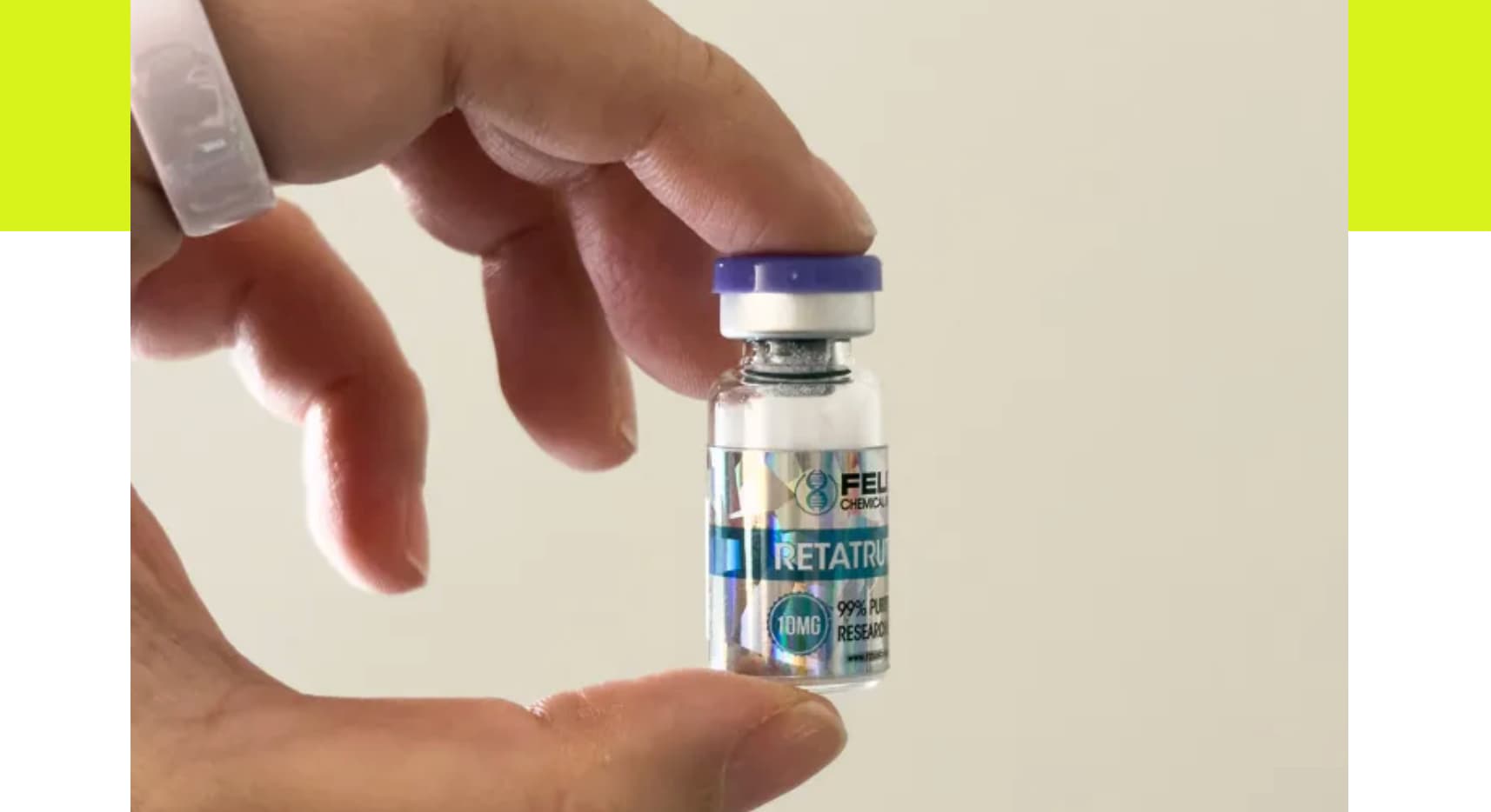
The search for the contents of my mystery “GLP-3” vial leads further into the wellness wild west.
On TikTok, it’s disturbingly easy to find videos of influencers reconstituting vials of powdered peptides. In most, influencers hold up a vial of gray-market retatrutide, an unapproved weight loss drug colloquially known variously as GLP-3 (because it adds two extra agonists, glucagon and GIP), reta, and ratatouille. The other supplies on hand are alcohol swabs, syringes, and bacteriostatic water. These kitchen-counter chemists say how easy it is to turn a powdery substance in a bottle into a peptide that can be injected into the body. To figure out dosages, just use an online peptide calculator. The storage instructions are all over the place, but generally boil down to “keep it in your fridge for 30 to 90 days.”
Most tutorials don’t include simple, crucial instructions like “wash your hands” or “disinfect all surfaces.” The vast majority of influencers don’t wear latex gloves. The most anyone does is swipe an alcohol swab over the lids of the retatrutide and bacteriostatic water vials.
When I show these clips to a bona fide pharmacist and compounding specialist, her face falls.
I am originally form Russia, Moscow, and have a healthy skepticism as well … but that is my motto for most countries in general.
Russia has some incredible Research “Institutes” - peptides including - and some production facilities associated with them… probably best in the world. But you have to be in the know to be able to identify them…
If I were to try peptides (which I haven’t yet) - I would just get quotes from the top providers of the specific peptide you are interested in, as identified by https://www.finnrick.com , then choose the lowest priced, high quality vendor.
I just stumbled upon this… seems like it will likely impact this industry, though it seems primarily focused on the US compounding pharmacy market (though I’m not sure how they define “compounding” pharmacies…
H.R. 6509 , formally titled the Safeguarding Americans from Fraudulent and Experimental (SAFE) Drugs Act of 2025 , is a piece of bipartisan legislation introduced to amend the Federal Food, Drug, and Cosmetic Act (FD&C Act). Its primary objective is to curb the unregulated mass production of compounded medications—specifically targeting “knock-off” versions of FDA-approved drugs (such as GLP-1 agonists used for weight loss)—by tightening definitions and inspection protocols for compounding pharmacies.
Key Statutes and Provisions
The bill establishes stricter regulatory guardrails to distinguish between legitimate, individualized compounding and de facto drug manufacturing.
Redefinition of “Essentially a Copy” The bill restricts compounding pharmacies from creating more than 20 copies of a commercially available drug in a single month. It codifies a stricter definition of “essentially a copy” to include any compounded product containing the same active ingredient as an FDA-approved drug.
Exemption: A product is not a “copy” only if the prescribing practitioner determines a significant clinical difference exists for the individual patient (e.g., removing an allergen), preventing pharmacies from using trivial formulation changes to bypass regulations.
Enhanced Reporting Requirements Any pharmacy or facility that dispenses more than 20 compounded prescriptions of a commercially available drug to out-of-state patients in a month must report this activity to the FDA. This provision aims to identify entities acting as large-scale interstate manufacturers under the guise of local pharmacy compounding.
Oversight of Large-Scale Outsourcing Facilities The bill creates a specific designation for “Large-Scale Outsourcing Facilities” (defined as those compounding more than 100 drug products annually).
Mandatory Pre-Market Inspection: The FDA must inspect these facilities before they begin compounding operations.
Biennial Re-inspection: Facilities are subject to mandatory re-inspection at least once every two years.
Resource Allocation The legislation authorizes the Secretary of Health and Human Services (HHS) to adjust establishment fees for outsourcing facilities to fully fund these expanded inspection and safety oversight activities.
Current Status and Legislative Standing
Status:Introduced (Stage 1 of Legislative Process)
Date Introduced: December 9, 2025
Committee Referral: House Committee on Energy and Commerce
Sponsorship: Bipartisan sponsorship by Rep. Rudy Yakym [R-IN] and Rep. André Carson [D-IN].
As of January 2026, the bill has been referred to committee but has not yet undergone markup or a floor vote. It remains active for the duration of the 119th Congress (2025–2026).
Consensus and Predicted Timeline
Legislative Consensus: There appears to be moderate-to-strong bipartisan consensus regarding the core issue: the safety risks posed by unapproved, mass-produced compounded drugs.
Political Support: The joint Republican-Democratic introduction suggests the bill avoids strict partisan divides.
External Support: Patient advocacy groups (e.g., American Diabetes Association , Aimed Alliance ) have endorsed the bill, citing the need to protect patients from low-quality compound versions of high-demand drugs.
Opposition Risks: Potential friction may arise from compounding pharmacy trade groups if the “essentially a copy” definition is viewed as overly restrictive to legitimate patient care.
Projected Timeline:
Q1–Q2 2026: The bill must first clear the House Energy and Commerce Committee. Given the late introduction in the 2025 session, committee hearings are the immediate next hurdle.
Passage Probability: While standalone passage is possible, it is more pharmacologically and politically likely that H.R. 6509 will be attached to a broader FDA reauthorization or healthcare transparency package later in 2026.
Earliest Potential Enactment:Late 2026. If the bill moves independently, it would require passage in both the House and Senate before the conclusion of the 119th Congress in January 2027.
Says everyone who’s buying from looksmaxxers on Instagram or AI bots in China and injecting them into their bloodstream.
Rachel, a 34-year-old, was turned on to peptides after visiting L.A. and seeing a group of her friends who all looked amazing. “I was like, ‘What’s going on? Why do you guys all look so jacked and your skin is really tight and nice? You guys party constantly.’ ” Their response: “Oh, we’re all on peptides.”
The global peptide-therapeutics market has swelled to over $50 billion in annual sales and is projected to nearly double again in roughly the next decade. The boom can largely be traced to the popularization of weight-loss drugs such as Ozempic and Wegovy; the ‘P’ in GLP-1 stands for ‘peptide.’ Their success helped normalize the idea of regular self-injection at home while opening the door for a wave of other compounds promising miraculous benefits.
There are peptides marketed for just about every wellness and cosmetic outcome you might imagine. BPC-157, used for reducing inflammation and healing injuries, is popular (Joe Rogan is a fan); so is GHK-Cu for anti-aging skin care. There are dozens more, for everything from quicker tanning (melanotan-II) to increased libido (PT-141).
Discord chat rooms buzz with users asking for advice on stacking and dosing protocols. On Reddit, where r/peptides has almost 140,000 members, people post pictures of their transformations. At New York’s elite prep schools, peptide use is rampant among students.
But the safety of what users inject comes down to individual suppliers with little to no oversight. Nearly 30 percent of the peptides tested by Finnrick, a peptide-testing start-up, are either mislabeled, under- or overdosed, or contaminated with toxins or foreign bacteria.
Life on peptides feels amazing. But are they actually safe? Ezra Marcus reports on the surge in popularity of the injectable compounds — and tries them himself:
Hmm… There are a lot of things I can do that make me feel amazing, yet they may not all be good for me. I’m still waiting for hard evidence from other peptides outside of GLP-1s. Correct me if I’m wrong and there are others that have RCTs or significant proven benefits outside of feeling good.
Yes, I read ta-1 has been used for many things and has some good safety data.
Ditto for SS-31
DSIP small RCTs
I see there are RCTs for GHK CHU (but I think that is for topical?)… I am very curious about this one because people rave, but I’m also more risk averse if something is purely cosmetic vs helping my long term health. Anyone here try it and/or know of anything downsides? (I hear it stings, but I’m more interested in negative health side effects).
Yes. But do any of them really move the needle? Before I start injecting myself with grey market peptides based on influencer opinions, I want cold hard data as to why it will help me. I think we have that for prescription meds like Rapamycin, SGLT2I, ARBs, etc… And we have data for HGH and GLP-1s. I’m just not comfortable with the data for any of the other peptides. Hopefully we’ll get more soon. However, I am not aware of anything else that really moves the needle.
Then again, I am a peptide neophyte so if someone can really make a case for a peptide, I am open to changing my opinion. Convince me.
All of the peptides I mentioned have rct data behind them, and have been approved by the FDA for the ailments they claim to treat. Not sure what else I could provide you.
For instance, tesamorelin, the RCTs look good until you realize that a GLP-1 does the same thing and better (at least based on my research).
Bremelanotide is great if you have hypoactive sexual desire, but I’d probably do trt to treat this instead.
Abaloparatide and Teriparatide are great for women trying to prevent osteoarthritic fractures.
They all have their uses, but, unfortunately, not for me. None of these moves the needle for me. It seems like they all have a fairly narrow use case, unlike Rapamycin or an SGLT2I which has varied and broadly applicable uses.
My feeling is that peptides are great for specific purposes, but aren’t so great as a broad-based longevity treatment that everyone should be injecting. That’s the point I’m trying to make. I also think that influencers are taking these narrow use case peptides and trying to broaden their scope, which isn’t a good thing IMHO.
Role: Longevity Research Analyst To: Biohacking & Clinical Community
Executive Summary
This briefing analyzes five high-profile peptides currently circulating in both clinical and gray-market longevity protocols. While some (Teriparatide, Abaloparatide) have solid Level A evidence for specific pathologies, others (HGH for anti-aging) rely on outdated hypotheses that modern data has largely refuted. Note the critical regulatory divergence between Teriparatide and Abaloparatide regarding osteosarcoma risks.
1. HGH (Human Growth Hormone)
Status: FDA-approved for GH deficiency; widely abused for “anti-aging.”
Claim
Evidence Level
Verdict
Translational Notes
“Reverses biological aging / extends lifespan”
Level A (Refuted)
False
Translational Gap: While GH-deficient mice live shorter lives, GH-resistant (Laron dwarf) mice live longer. In humans, high GH is correlated with increased mortality (cancer/diabetes).
“Increases lean muscle mass in healthy adults”
Level A
Supported
Increases lean body mass (mostly water retention/connective tissue), but does not increase strength or exercise capacity in healthy adults.
“Significantly reduces body fat”
Level A
Supported
Lipolytic effect is confirmed, but risk-benefit ratio is poor compared to GLP-1 agonists.
Key Studies:
Liu et al. (2007):Systematic review: the safety and efficacy of growth hormone in the healthy elderly.Ann Intern Med. (Found small body comp changes but high rates of adverse events like edema and joint pain).
Meinhardt et al. (2010):Systematic review: the effects of growth hormone on athletic performance.Ann Intern Med. (No improvement in strength/Vo2 max).
Safety Profile:
High Risk: Increases insulin resistance (diabetes risk), fluid retention (carpal tunnel, edema), and joint pain.
Cancer Concern: Long-term sustained IGF-1 elevation is associated with increased cancer risk in observational data.
2. Tesamorelin (Egrifta)
Status: FDA-approved for HIV-associated lipodystrophy. GHRH analog.
Consistent reduction (~15-18%) in VAT in HIV populations; distinct from generalized weight loss.
“Improves Cognitive Function (MCI)”
Level B
Promising
A robust RCT showed improved executive function and verbal memory in older adults with Mild Cognitive Impairment (MCI).
“Improves Liver Health (NAFLD)”
Level B
Supported
Reduces liver fat and prevents fibrosis progression in HIV-associated NAFLD.
Key Studies:
Baker et al. (2012):Effects of growth hormone-releasing hormone on cognitive function in adults with mild cognitive impairment and healthy older adults.Arch Neurol. (The primary “biohacker” citation for nootropic use).
Stanley et al. (2014):Reduction in visceral adiposity is associated with improved metabolic profile…Clin Infect Dis.
Safety Profile:
Moderate Risk: Can induce hyperglycemia and increase HbA1c (monitor glucose). Less water retention than HGH due to pulsatile release mechanism.
Contraindications: Active malignancy, pregnancy.
3. Bremelanotide (Vyleesi)
Status: FDA-approved for Hypoactive Sexual Desire Disorder (HSDD) in premenopausal women. Melanocortin agonist.
Claim
Evidence Level
Verdict
Translational Notes
“Increases libido in women (HSDD)”
Level A
Supported
Statistically significant increase in desire and decrease in distress vs. placebo.
“Effective for Erectile Dysfunction / Male Libido”
Level C/E
Uncertain
Off-label use in men is common in gray markets (often as PT-141). Small studies show efficacy, but high rates of side effects.
“Works via CNS, not vascular flow”
Level B
Supported
distinct from PDE5 inhibitors (Viagra); creates “central” arousal rather than just mechanical facilitation.
Key Studies:
Kingsberg et al. (2019):Bremelanotide for the Treatment of Hypoactive Sexual Desire Disorder…Obstet Gynecol.
Safarinejad et al. (2008):Salvage of sildenafil failures with bremelanotide…J Urol. (Male data).
Safety Profile:
Side Effects: High incidence of nausea (40% in some trials), flushing, and headache.
Blood Pressure: Transient increase in systolic BP after injection; contraindicated in uncontrolled hypertension.
4. Abaloparatide (Tymlos) vs. 5. Teriparatide (Forteo)
Status: Both are FDA-approved bone anabolic agents (PTH/PTHrP analogs). Critical Distinction: Regulatory safety warnings have diverged recently.
Claim
Evidence Level
Verdict
Translational Notes
“Increases Bone Mineral Density (BMD) & Reduces Fractures”
Level A
Supported
Both are highly effective. Abaloparatide may have a slight edge in lumbar spine BMD increases.
“Accelerates Fracture Healing (Off-Label)”
Level B
Plausible
Often used off-label for non-unions or acute sports fractures. Data is mixed but generally supportive of faster callus formation.
Miller et al. (2016):Effect of Abaloparatide vs Placebo on New Vertebral Fractures in Postmenopausal Women…JAMA.
Gilsenan et al. (2021):Teriparatide Did Not Increase Adult Osteosarcoma Incidence in a 15-Year US Postmarketing Surveillance Study.J Bone Miner Res. (The study that likely led to the label change).
Safety Check:
Osteosarcoma: Rat studies showed dose-dependent bone cancer with both. Long-term human surveillance cleared Teriparatide, leading the FDA to remove its “Black Box” warning in Nov 2020. Abaloparatide still carries this warning on its label as of late 2025/early 2026.
Hypercalcemia: Abaloparatide has a lower incidence of hypercalcemia compared to Teriparatide.
Final Analyst Note
The “Translational Gap” Warning:
Be extremely wary of protocols mixing HGH with longevity. The data suggests that while it improves cosmetic metrics (skin, muscle size), it likely accelerates cellular aging pathways (mTOR, IGF-1) and contradicts the “low IGF-1” longevity phenotype observed in centenarians.
Winner for Body Comp/Metabolism: Tesamorelin (Lower side effect profile than HGH).
Winner for Bone Health: Teriparatide (proven long-term safety, warning removed) or Abaloparatide (lower hypercalcemia risk).
I"m going to be a little pedantic here but HGH is not a peptide. It’s 191 amino acids long so that clearly puts it into the protein territory. The definition and boundary is a bit blurred but most peptides are <20 amino acids long.
Insulin, at only 51 amino acids, is a classic example that gets classified as both a long peptide and a small protein.
But these are just human classifications…