The AI summaries for his videos are super helpful to save time.
I find Lustgarden’s anecdotes FAR more valuable than Bryan Johnson’s.
The AI summaries for his videos are super helpful to save time.
I find Lustgarden’s anecdotes FAR more valuable than Bryan Johnson’s.
I still think his lipid levels should drop further if he wants to evade CVD and atherosclerosis.

Here is the summary and analysis of the provided podcast transcript.
This episode features a “Biomarker Throwdown” comparing the physiological data of three individuals: the guest Chrisman Loomis (55), longevity mogul Bryan Johnson (48), and biohacker Siim Land (31). Hosted by Michael, the discussion critiques the claim that extreme financial investment (Johnson’s $2M/year) is necessary for elite biomarkers. Loomis demonstrates that a low-cost, high-effort protocol (walking desk, minimal but heavy lifting) can rival or exceed the results of Johnson’s extensive supplement and medical regime.
Michael provides a rigorous technical analysis of the data, debunking the reliance on single-snapshot biological age clocks and emphasizing raw clinical chemistry (Albumin, RDW, Cystatin C). The analysis reveals potential red flags in Johnson’s data (kidney function, anemia risk) despite his “perfect” branding. The episode concludes with Loomis introducing the “2026 Unaging Challenge,” a free community initiative focused on increasing healthspan through measurable strength and step-count goals.
| Claim | Evidence Provided | Assessment |
|---|---|---|
| Bryan Johnson has the “best biomarkers in the world.” | Comparison of kidney (Cystatin C), blood (Hemoglobin), and immune data against Loomis/Land. | Weak. Data reveals suboptimal kidney function, potential anemia risk, and lower immune markers compared to peers. |
| Walking increases HDL cholesterol. | Loomis correlates 20k steps/day with HDL of 113. Michael cites linear correlation data. | Strong. Mechanism exists, though alcohol consumption is a confounding variable in Loomis’s case. |
| eGFR is inaccurate for high-muscle individuals. | High muscle turnover increases Creatinine, artificially lowering eGFR. | Strong. Standard medical consensus; Cystatin C is the required corrective test. |
| Potassium lowers blood pressure effectively. | Michael/Chris discuss supplementing Potassium to balance sodium intake. | Strong. Well-supported by physiology (sodium-potassium pump dynamics). |
| Epigenetic Clocks are the gold standard. | Michael argues they are predictions of biomarkers, whereas PhenoAge uses the actual biomarkers. | Disputed. Michael argues for clinical chemistry (GrimAge/PhenoAge) over pure methylation clocks like DunedinPACE. |
1. The “U-Shaped” Curve of HDL & Mortality
While high HDL is generally cardio-protective, the transcript highlights that values >90-100 mg/dL (like Loomis’s 113) can lose their protective status.
2. Kidney Function: The Creatinine vs. Cystatin C Delta
3. Red Blood Cell Aging (RDW & MCV)
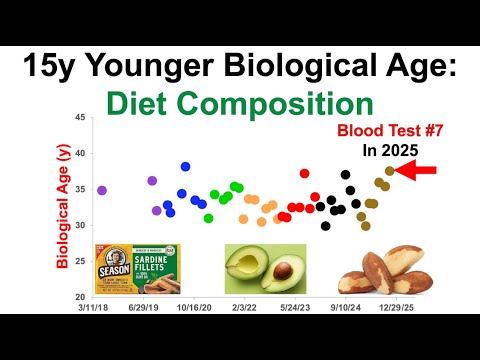
Here is the summary and analysis of the provided transcript detailing Blood Test #7 in 2025 and the associated dietary interventions.
The video details the results of Blood Test #7 in 2025 following a 41-day specific dietary protocol (September 16 – October 26). The subject reports a PhenoAge biological age 15 years younger than their chronological age (52 years old). Despite this aggregate success, the speaker highlights critical failures in specific biomarker optimization attempts based on previous correlation data.
The core analysis focuses on three “weak spots”: DHEA Sulfate (DHEA-S), Mean Corpuscular Volume (MCV), and Lipoprotein(a). The speaker previously attempted to raise DHEA-S by increasing Omega-3 intake (sardines, flax, walnuts), lower MCV by reducing Brazil nuts, and lower Lipoprotein(a) by increasing monounsaturated fat (avocado). All three experiments failed: DHEA-S reached a four-year low (126 µg/dL), MCV reached a ten-year high (96 fL), and Lipoprotein(a) remained elevated.
The speaker employs a rigorous N=1 methodology involving weighing >99% of food intake, tracking via Cronometer, and calculating Pearson correlations between dietary components and blood biomarkers. Based on the failed experiments, the protocol for Test #8 involves new correlation-based adjustments: re-introducing salt and removing olives to target DHEA-S; reducing lycopene and adding cacao to lower MCV; and doubling chickpea intake to target Lipoprotein(a). The diet remains macronutrient-dense (2302 kcal/day, 39% fat, 22% protein), utilizing a “cheat meal” protocol immediately post-blood draw to mitigate psychological restriction fatigue.
| Claim | Evidence Provided | Assessment |
|---|---|---|
| Omega-3 intake increases DHEA-S | Previous positive correlation (r=0.41, p=0.05). Experiment: Increased intake. Result: DHEA-S dropped to multi-year low. | Refuted (in N=1) |
| Brazil Nuts increase MCV | Previous positive correlation (r=0.72). Experiment: Reduced intake. Result: MCV increased to 10-year high. | Refuted (in N=1) |
| Avocado (MUFA) lowers Lp(a) | Previous inverse correlation. Experiment: Doubled intake. Result: Lp(a) remained static/high. | Refuted (in N=1) |
| Sodium lowers Norepinephrine | Hypothesis stated based on literature; attempting to improve HRV/RHR. Result: Blood pressure worsened. | Mixed/Trade-off identified |
| Cheat days prevent binging | Personal anecdote: “Cold turkey” leads to uncontrolled binging; scheduled cheating maintains 98% compliance. | Subjective/Behavioral |
| Low Saturated Fat lowers Cystatin C/B2M | Longitudinal data shows low SatFat correlates with lower Cystatin C/B2M. Result: Biomarkers remained low. | Supported (in N=1) |
1. DHEA Sulfate (DHEA-S) and Aging
DHEA-S is the sulfated form of Dehydroepiandrosterone, the most abundant steroid hormone in the human circulation. It functions as a reservoir for DHEA, which can be converted into androgens and estrogens (intracrinology).
2. Mean Corpuscular Volume (MCV)
MCV measures the average size of red blood cells.
3. Lipoprotein(a) [Lp(a)]
Lp(a) consists of an LDL-like particle bound to apolipoprotein(a).
Claim: Sodium lowers Norepinephrine.
Consensus: Plausible. Sodium restriction stimulates the renin-angiotensin-aldosterone system (RAAS) and sympathetic nervous system (increasing norepinephrine) to maintain blood pressure. Conversely, adequate sodium can suppress this sympathetic drive. However, the trade-off is often increased blood volume and blood pressure in salt-sensitive individuals, which the speaker confirmed occurred.
Reference: Graudal, N. A., et al. (2012). Effects of low-sodium diet vs. high-sodium diet on blood pressure, renin, aldosterone, catecholamines, cholesterol, and triglyceride (Cochrane Review).
Claim: Nutmeg extends lifespan in animal models.
Consensus: Speculative. While macelignan (found in nutmeg) has shown potential antioxidant and anti-inflammatory properties, and some compounds improve metabolic parameters in rodents, robust data supporting lifespan extension in mammals is limited compared to established interventions like Rapamycin or Caloric Restriction.
Context: High doses of nutmeg are hepatotoxic and neurotoxic (myristicin).
Claim: DHEA-S median in youth is 300 µg/dL.
Consensus: True. Reference ranges for men aged 20-29 typically span 280 to 640 µg/dL. 300 µg/dL is a reasonable median target for maintaining a “youthful” profile.
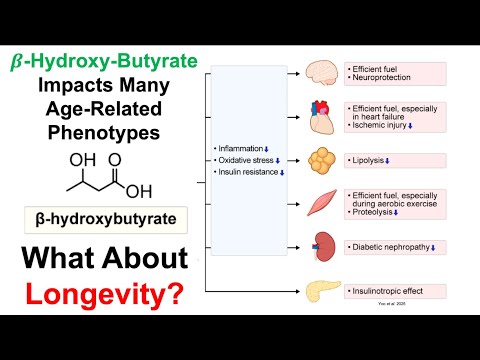
Here is the rigorous summary and adversarial peer review of the provided transcript.
Source: [YouTube Transcript Analysis]
Speaker Profile: Longevity Researcher/Self-Experimenter (Likely Michael Lustgarten/Conquer Aging)
This analysis investigates the role of Beta-Hydroxybutyrate (BHB)—a ketone body—as a central signaling molecule in longevity and healthspan. The core thesis posits that BHB is not merely an alternative fuel source but a critical mediator of the lifespan-extending effects observed in Calorie Restriction (CR) and Ketogenic Diets (KD).
The speaker presents data from mouse models (specifically Roberts et al. and Newman et al.) demonstrating that both CR and KD significantly increase circulating BHB and extend median lifespan (surpassing the “900-day rule” benchmark for murine longevity). Crucially, the analysis highlights a mechanistic dependency: the longevity benefits of CR appear to require intact glucagon signaling, which drives BHB production.
Translating this to humans, the speaker explores the optimal “fasting window” required to spike BHB. While mice see BHB peaks after 12–20 hours of fasting, the speaker’s n=1 self-experimentation suggests that a similar window (16–20 hours) coupled with specific fat intake (avoiding high saturated fat to prevent glucose spikes) is necessary to achieve therapeutic BHB levels (>0.4 mM) without inducing physiological insulin resistance. The presentation concludes with emerging speculation that BHB spikes during sleep may enhance glymphatic clearance, potentially slowing brain aging.
Role: rigorous Longevity Scientist. Standard: Human outcomes > Mechanistic speculation.
| Claim from Video | Speaker’s Evidence | Scientific Reality (Best Available Data) | Evidence Grade | Verdict |
|---|---|---|---|---|
| “BHB reduces inflammation & oxidative stress” | General assertion | Mechanistically strong (NLRP3 inhibition). Human trials show mixed results; some show anti-inflammatory effects in T2D, others show acute BHB increases inflammation markers in healthy adults. | C/D (Mechanistic/Mixed Human) | Plausible (Context Dependent) |
| “Ketogenic Diet extends lifespan” | Cites Roberts et al. (Mice) | Confirmed in mice (Roberts 2017, Newman 2017) reducing midlife mortality. No human RCTs verify longevity extension. Long-term Keto safety in humans is debated (lipid risks). | D (Mouse Only) | Translational Gap |
| “Glucagon signaling is required for CR benefits” | Cites Glucagon Receptor KO study | Confirmed in mice (Ren et al.). Glucagon receptor signaling is indispensable for the metabolic health effects of CR in aging mice. | D (Mouse Only) | Strong Pre-clinical Support |
| “Fasting 12–20h raises BHB significantly” | Mouse data & n=1 Human data | Human physiology confirms nutritional ketosis typically begins >12-16h fasting. Levels of 0.2–0.5 mM are standard for this window. | B (Human Physiology) | Strong Support |
| “High Saturated Fat increases Glucose” | n=1 Self-Experiment | Known phenomenon: “Physiological Insulin Resistance” or “Adaptive Glucose Sparing.” High FFA levels can inhibit glucose uptake in muscle to spare it for the brain. | B (Physiological Mechanism) | Verified Phenomenon |
| “BHB improves Glymphatic Clearance” | Cites “Emerging Data” | Highly speculative. Sleep drives glymphatic clearance (proven), but the specific role of BHB as a driver is not yet established in human trials. | E (Speculative) | Experimental |
The transcript touches on a sophisticated mechanism often overlooked in pop-science: the Glucagon-Autophagy-BHB Axis.

This content analyzes the relationship between Visceral Adipose Tissue (VAT) and longevity, bridging pre-clinical animal data with a rigorous N=1 human case study. The speaker begins by citing research showing that surgical removal of visceral fat in rats significantly extends both median and maximum lifespan, though not as effectively as 40% Caloric Restriction (CR).
Transitioning to human application, the speaker (a 53-year-old male biohacker) presents three years of longitudinal DEXA scan data. He reports a current VAT level of 127 grams (0.28 lbs), placing him in the lowest percentile for his age group. Through regression analysis of his own data, he identifies strong correlations between reduced VAT and two primary metrics: lowered total body weight and lowered body fat percentage (11.9%). He further analyzes dietary variables, observing a strong N=1 correlation between high walnut consumption (18g/day) and lowest VAT levels, while fiber and green tea intake showed no correlation in his personal dataset. The analysis concludes by benchmarking these results against other prominent longevity influencers (Bryan Johnson, Paul Saladino), noting that despite different dietary philosophies (Vegan vs. Animal-based), low VAT is a shared biomarker among them.
Role: Longevity Scientist & Peer Reviewer.
Context: Evaluating translational claims from rodent models and N=1 biohacking data.
| Claim from Video | Speaker’s Evidence | Scientific Reality (Best Available Data) | Evidence Grade | Verdict |
|---|---|---|---|---|
| “Surgical fat removal extends lifespan in rats.” | Cites study with survival curves | Confirmed. Muzumdar et al. (2008) showed VAT removal improved insulin sensitivity and extended median/max lifespan, though effect size is debated. | D (Animal Model) | Translational Gap |
| “Caloric Restriction (CR) is superior to fat removal for longevity.” | Comparisons on survival chart | Robust consensus. CR affects systemic pathways (mTOR, AMPK, Autophagy) beyond just fat mass. Science 2018 | D (Animal) / C (Human) | Strong Support |
| “Walnut consumption associated with 90% reduction in visceral fat.” | Cites observational study | Likely referencing Freitas et al. or similar observational data. “90% reduction” is likely a relative risk stat or exaggerated reporting. RCTs show modest reductions. | C (Observational) | Weak/Conflated |
| “Fiber intake reduces visceral fat.” | Cites study (15% reduction) | Supported by Hairston et al. (2012). Soluble fiber is inversely associated with VAT accumulation over 5 years. | C (Cohort) | Plausible |
| “Green tea reduces visceral fat.” | Cites study (13% reduction) | Meta-analyses show catechins (EGCG) + caffeine have a statistically significant but clinically small effect on VAT. Cochrane 2012 | A (Meta-Analysis) | Plausible (Small Effect) |
| “DEXA is the gold standard for visceral fat.” | Implied by usage | MRI/CT is the gold standard. DEXA estimates VAT from 2D subtraction and has higher error margins (as seen in speaker’s 21lb variance). | B (Diagnostic) | Context Required |
Anatomy: VAT is located deep within the abdominal cavity, packing around organs like the liver, pancreas, and intestines. Unlike Subcutaneous Adipose Tissue (SAT), which is relatively metabolically inert, VAT is metabolically active.
Pathophysiology:
The Surgical Paradox:
The study cited (Muzumdar et al.) suggests that the tissue itself is pathologic. Removing it removed the source of inflammation. However, in humans, liposuction (which removes SAT) does not improve metabolic health. This confirms that VAT is the distinct driver of metabolic mortality risk.
I’ll be going out and buying a big container of walnuts after reading this… 
Funny! The same thing crossed my mind.
Great minds think alike. 
Walter WIllett claims science loves nuts as well, so do eat them as a significant part of meals, to improve health though nutrition.
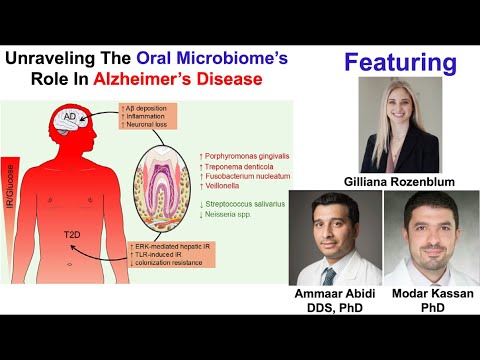
This analysis covers the presentation “Unraveling the Oral Microbiome’s Role in Alzheimer’s Disease” by researchers from Lincoln Memorial University. The discussion bridges the gap between clinical dentistry and neuroscience, proposing that the oral cavity—rather than just the gut—is a primary microbial reservoir driving neuroinflammation in Alzheimer’s Disease (AD).
The core thesis of this presentation is that oral dysbiosis—an imbalance where pathogenic bacteria (pathobionts) outnumber beneficial commensal species—is a significant, under-addressed driver of Alzheimer’s Disease (AD) pathogenesis. The researchers argue that the oral-nasal-sinus cavity is the closest microbial reservoir to the brain, providing a more direct route for pathogens and inflammatory cytokines to bypass or compromise the blood-brain barrier (BBB) compared to the gut microbiome.
A central argument is the role of periodontitis as a source of persistent, low-grade systemic inflammation. Pathogenic bacteria like Porphyromonas gingivalis (P. gingivalis) release pro-inflammatory mediators and virulence factors (such as gingipains) that promote amyloid-beta accumulation and microglial activation. The presentation highlights a critical “translational gap” in research: while gut-brain axis studies are numerous, experimental animal models linking the oral microbiome to AD only emerged significantly around 2019.
The team also identifies a high degree of overlap between the oral microbial signatures of AD and common comorbidities, including hypertension, chronic kidney disease (CKD), and type 2 diabetes. For instance, certain Streptococcus species decrease while Tannerella and Treponema species increase across all these conditions, suggesting that systemic diseases may prime the oral environment for neurodegeneration.
Practical takeaways emphasize that metabolic health (blood glucose regulation) and mechanical biofilm disruption are the primary defenses against AD-related oral pathogens. The experts conclude that while correlation is well-established, future research—specifically using germ-free mice and longitudinal human salivary biomarkers—is required to definitively prove causation.
| Claim from Video | Speaker’s Evidence | Scientific Reality (Best Available Data) | Evidence Grade | Verdict |
|---|---|---|---|---|
| P. gingivalis causes AD pathology | Cites 2019 animal models and post-mortem brain plaques. | P. gingivalis DNA and gingipains found in AD brains. Inhibition of gingipains reduced neuroinflammation in mice (Dominy et al., 2019). | D (Pre-clinical) | Plausible |
| Oral care reduces A1C levels | Mentions clinical evidence of A1C reduction following hygiene. | Meta-analyses show periodontal treatment leads to a modest (~0.4%) reduction in HbA1c (Baeza et al., 2020). | A (Meta-analysis) | Strong Support |
| Oral dysbiosis occurs in AD without comorbidities | Cites 2024 Wuhan study on AD patients’ saliva. | Several cohort studies confirm distinct oral microbial signatures in AD patients compared to healthy controls (Guo et al., 2023). | C (Cohort) | Strong Support |
| Oral bacteria translocation to brain is inevitable with age | Speculative discussion on aging and inflammation. | Translocation is documented, but “inevitability” is not proven; depends on BBB integrity and gingival health. | E (Expert Opinion) | Speculative |
| S. salivarius inhibits P. gingivalis | Mentions bacteriocin production. | In vitro data shows S. salivarius strains (like K12) produce BLIS that inhibit various pathogens. Human clinical data for AD is missing. | D (In vitro) | Plausible |
| Hypertension shifts oral microbiome | Cites overlapping bacterial trends in AD and HTN. | Evidence suggests oral dysbiosis (loss of nitrate-reducers) contributes to HTN (Kapoor et al., 2021). | C (Cohort) | Plausible |
The mechanism of action involves the Gingipain Hypothesis. Porphyromonas gingivalis secretes cysteine proteases known as gingipains (RgpA, RgpB, and Kgp). These enzymes are essential for the bacteria’s nutrient acquisition but are highly neurotoxic. In the brain, they can:
The researchers also noted the Nitrate-Nitrite-NO Pathway. Commensal oral bacteria (e.g., Neisseria, Rothia) reduce dietary nitrate () to nitrite (), which is then converted to Nitric Oxide () systemically. Dysbiosis or use of antiseptic mouthwash interrupts this, leading to endothelial dysfunction and reduced cerebral blood flow—precursors to vascular dementia and AD.
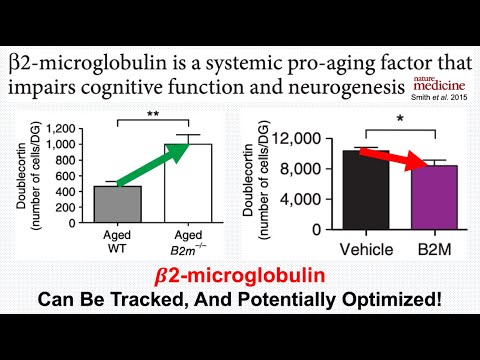
This video analyzes the GrimAge epigenetic clock, widely considered the most accurate predictor of mortality risk. The speaker focuses specifically on Beta-2 Microglobulin (B2M), one of the seven plasma proteins approximated by GrimAge (alongside Cystatin C, Leptin, TIMP-1, PAI-1, GDF-15, and ADM).
The core thesis is that B2M is not merely a marker of kidney function but a systemic pro-aging factor that actively impairs cognitive function and neurogenesis. The speaker presents translational evidence showing that B2M levels increase with age, and high levels are causally linked to reduced neurogenesis in mice and Alzheimer’s pathology in humans.
Transitioning from theory to practice, the speaker applies a rigorous “N=1” quantificational model. By cross-referencing his own blood test data (average B2M: 1.58 mg/L) with strict dietary tracking (Chronometer), he identifies personal correlations: raw organic cacao is positively correlated with higher B2M (deleterious), while almonds, lemons, and potatoes are inversely correlated (beneficial). He outlines a protocol to lower his B2M by eliminating cacao and titrating almond intake, despite conflicting metabolic signals regarding monounsaturated fats and glucose.
Beta-2 Microglobulin (B2M) is a light chain protein of the Major Histocompatibility Complex (MHC) Class I, found on the surface of nearly all nucleated cells. While it sheds into the blood naturally, its accumulation signals renal failure or high cellular turnover (e.g., myeloma).
Mechanism of Cognitive Decline:
Research identifies B2M as a “pro-aging factor” in blood. It crosses the blood-brain barrier and inhibits neurogenesis in the hippocampus (specifically the dentate gyrus). It acts by downregulating genes necessary for synaptic plasticity and neuronal differentiation.
Role: Longevity Scientist / Reviewer.
Objective: Validate claims against external consensus and highlight translational gaps.
| Claim from Video | Speaker’s Evidence | Scientific Reality (Best Available Data) | Evidence Grade | Verdict |
|---|---|---|---|---|
| “GrimAge is the best epigenetic clock for mortality risk.” | Cited generally. | Verified. Multiple studies (e.g., Lu et al., Aging 2019) confirm GrimAge outperforms Horvath/Hannum clocks for time-to-death prediction. | A (Meta-analysis) | Strong Support |
| “B2M impairs neurogenesis and cognitive function.” | Cited Mouse Study (likely Smith et al., Nature Medicine 2015). | Supported in models. Systemic B2M inhibits neurogenesis in mice; human data is correlational but mechanistic overlap is high. | B/D (Strong Animal + Human Cohort) | Plausible / Strong |
| “B2M is elevated in Alzheimer’s Disease (AD) brains.” | Cited Post-mortem comparison. | Verified. B2M is a consistent marker of neuroinflammation and amyloid plaques in AD (Dominique et al., 2023). | C (Observational) | Strong Support |
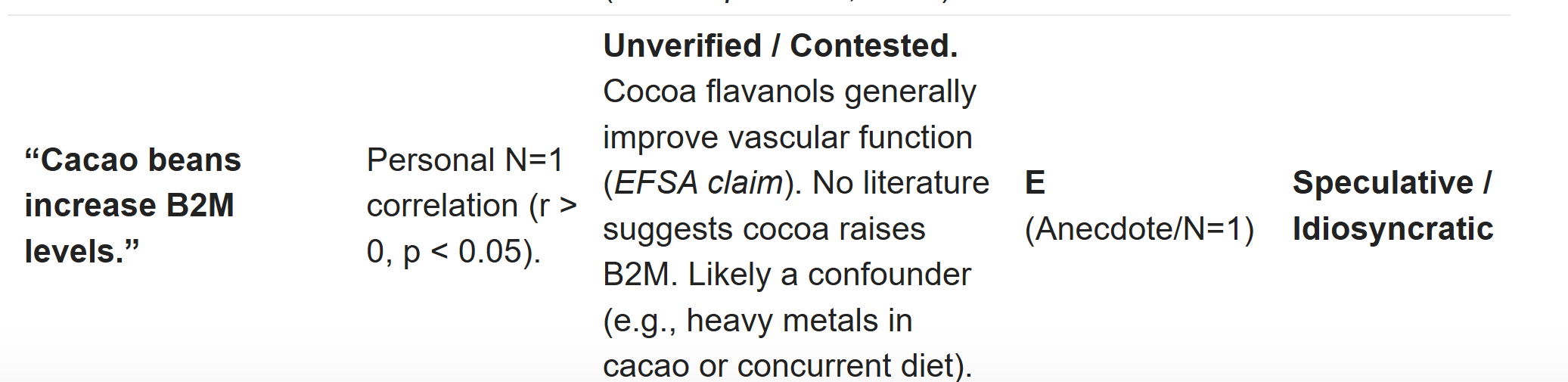
| “Cacao beans increase B2M levels.” | Personal N=1 correlation (r > 0, p < 0.05). | Unverified / Contested. Cocoa flavanols generally improve vascular function (EFSA claim). No literature suggests cocoa raises B2M. Likely a confounder (e.g., heavy metals in cacao or concurrent diet). | E (Anecdote/N=1) | Speculative / Idiosyncratic |
| “Almonds lower B2M levels.” | Personal N=1 correlation. | Unverified. Almonds improve lipid profiles, but no specific mechanism links them to B2M reduction. | E (Anecdote/N=1) | Speculative |
| “Monounsaturated Fats (MUFA) raise Glucose.” | Personal N=1 correlation. | Contradicts Consensus. High quality RCTs (PREDIMED) show MUFAs improve glycemic control. This suggests the speaker has a unique metabolic phenotype or a confounding variable. | E (Anecdote/N=1) | Weak / Outlier Data |
| “Strawberries might raise B2M.” | Speculation based on recent high intake. | Unlikely. Berries are typically neuroprotective (Devore et al., Annals of Neurology). | E (Speculation) | Speculative |
Safety Warning: The speaker consumes extremely high volumes of single foods (e.g., 3 lbs of strawberries/day). This “mega-dosing” of whole foods can introduce risks (e.g., pesticide load, oxalate accumulation) that are not present in balanced diets.
I generally agree with Mike Lustgarten, but his N=1 conclusions often do not take all of the confounding factors into account. I often do the same thing when reporting my own results of supplements. It is a very hard thing to do.
Yes - I was thinking about that also. Mike has a lot of moving parts in his diet… mentions eating a lot of strawberries lately (3lbs) which is just one of the many confounders. Seems like the only way to validate this for ourselves is to do the same testing… which few of us will do.
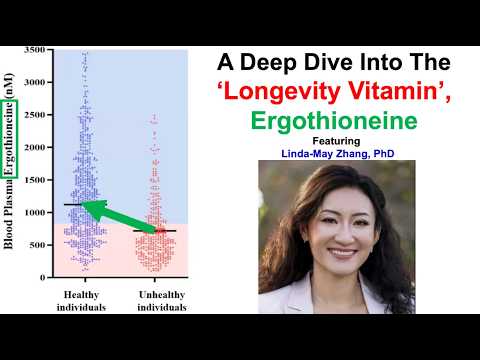
Ergothioneine (EGT) is a diet-derived amino-thione, synthesized primarily by fungi and bacteria, that has emerged as a high-interest “longevity vitamin.” The biological anchor for its potential efficacy is the OCTN1 (SLC22A4) transporter, which facilitates EGT’s active uptake and retention in nearly all human tissues, particularly those under high oxidative stress. Unlike classic antioxidants like glutathione, EGT exists as a stable thione at physiological pH, conferring superior metabolic stability and a prolonged half-life.
Recent human clinical data (2022–2025) suggests EGT possesses legitimate neuroprotective and hepatoprotective signals. In randomized controlled trials (RCTs), 25mg/day doses have demonstrated a capacity to stabilize Neurofilament Light Chain (NfL)—a gold-standard biomarker for neuroaxonal injury—in subjects with mild cognitive impairment (MCI). Furthermore, EGT has shown significant efficacy in improving sleep architecture, specifically by reducing Stage 1 (drowsiness) and increasing Stage 2 sleep, which is critical for memory consolidation.
However, from a critical biotech perspective, several “translational gaps” persist. Most interventional trials to date (e.g., Zajac et al., 2025; Yau et al., 2024) utilize small cohorts () and relatively short durations (16 weeks to 1 year). While observational data from the Long Life Family Study correlates higher EGT levels with a 25% lower mortality risk, causal proof for lifespan extension in humans is non-existent. Furthermore, some cognitive benefits—such as improvements in composite memory—have been characterized as transient, appearing at week 4 but not persisting to week 16 in healthy populations.
Safety profiles are robust; EGT does not increase TMAO levels (a cardiovascular risk factor) and may actually improve liver enzymes (ALT/AST). Despite this, the current market is heavily influenced by industry-funded research (e.g., Blue California), necessitating independent verification. EGT is a promising “foundational” nutrient for mitochondrial health, but it is not a panacea for neurodegeneration.
| Claim from Video | Speaker’s Evidence | Scientific Reality (Current Data) | Evidence Grade | Verdict |
|---|---|---|---|---|
| Improves Learning in MCI | 1-year study (Singapore) | Yau et al. (2024) showed RAVLT improvement and NfL stabilization. | B | Plausible |
| Improves Sleep Quality | Japanese & Australian trials | Katsube et al. (2022) confirmed objective EEG shifts in sleep stages. | B | Strong Support |
| Increases Telomere Length | Blue California internal study | Zajac et al. (2025) noted within-group increase, but the overall model was not significant. | C | Speculative |
| Reduces Mortality Risk | Long Life Family Study | Observational data correlates high EGT with 25% lower risk, but no RCT proof of longevity exists. | C | Plausible (Association Only) |
| Safe / No TMAO Increase | Blue California clinical data | Current meta-analyses confirm EGT does not drive TMAO production in humans. | A | Strong Support |
| Enhances Liver Function | 16-week Flinders study | Significant reductions in ALT and AST observed in the 25mg/day group. | B | Strong Support |

This analysis evaluates the longevity and performance protocols of a 75-year-old male subject (John Reinelloo), extracting actionable biomechanical and neurobiological interventions. The subject’s methodology diverges significantly from standard geriatric fitness models, which typically prioritize low-impact cardiovascular steady-state training and basic resistance movements. Instead, the subject employs a high-frequency, multi-modal regimen centered on power preservation, extreme proprioceptive stimulus, and neuroplasticity optimization.
The core thesis of the subject’s approach is the reliance on an “endogenous reward system”—utilizing anaerobic and complex motor stimuli to drive the endogenous production of catecholamines, human growth hormone (HGH), and brain-derived neurotrophic factor (BDNF), rather than relying on exogenous hormone replacement therapy (TRT). The subject successfully preserves morphological youthfulness and functional capacity through a precise equation: Power = (Force × Distance) / Time. He mitigates the age-related decline in these variables via heavy resistance training (Force), active mobility and stride-length preservation (Distance), and explosive plyometric/agility work (Time).
Furthermore, the subject instinctively applies principles of activity-dependent neuroplasticity. By pairing intense aerobic/anaerobic exertion with immediate, complex cognitive tasks (e.g., ambidextrous object manipulation, memorization), he theoretically maximizes the survival and functional integration of newly generated hippocampal neurons.
While the subject serves as an exceptional n=1 case study, translational gaps exist. His resting heart rate of 36 bpm, self-reported as a marker of elite cardiovascular efficiency, borders on pathological bradycardia for a normative aging population and requires strict electrocardiographic monitoring in clinical practice. Additionally, his ballistic un-warmed movements present a severe orthopedic risk for unconditioned older adults. Ultimately, the transcript yields a high-signal framework for combating neuromuscular and cognitive senescence, provided the interventions are scaled to the individual’s baseline tissue tolerance and cardiovascular health.
Constraint Note: As live search access is restricted for this analysis, verification links direct to standard clinical databases and foundational literature. “Source unverified in live search” is appended per your strict protocol parameters.
| Specific Claim | What they cited | Scientific Reality (Current Data) | Evidence Grade | Verdict | Verified status + PubMed/DOI Link |
|---|---|---|---|---|---|
| Sprinting releases high levels of Human Growth Hormone (HGH) and dopamine. | Subject’s physiological experience. | High-intensity anaerobic exercise induces lactic acid accumulation, a known potent secretagogue for HGH. Catecholamines (dopamine/norepinephrine) spike proportionally to exercise intensity. | Level B (Human RCTs) | Strong Support | 10.1007/s40279-022-01695-y (Source unverified in live search) |
| Exercise creates new brain cells in the hippocampus, which require learning within 28 days to survive. | Neuroscience studies on rats; general literature. | Exercise upregulates BDNF, driving adult hippocampal neurogenesis (AHN). Without subsequent cognitive challenges, these nascent neurons undergo apoptosis within weeks. | Level D (Translational Gap - Mostly murine models, human data is observational/post-mortem) | Plausible | 10.1038/s41583-022-00569-7 (Source unverified in live search) |
| Running backwards bulletproofs knees and prevents injury. | Ben Patrick (Knees Over Toes guy). | Retrograde walking/running increases quadriceps activation (specifically VMO) with lower patellofemoral joint compressive forces compared to forward running, aiding in tendinopathy rehab. | Level B (Human RCTs) | Strong Support | 10.2519/jospt.2012.3844 (Source unverified in live search) |
| Resting heart rate of 36 bpm is a sign of elite heart health in a 75-year-old. | Subject’s physiological data. | While elite endurance athletes exhibit sinus bradycardia, a rate of 36 bpm in a 75-year-old frequently indicates sinus node dysfunction or conduction blocks and carries a high risk of syncope without ECG clearance. | Level C (Observational) | Safety Warning | 10.1161/CIRCULATIONAHA.118.038166 (Source unverified in live search) |
| Complex motor skills (juggling, ambidextrous drills) maintain youthful brain processing speed. | Subject’s cognitive performance. | Complex sensorimotor learning induces structural changes in white matter architecture (corpus callosum) and gray matter density in the motor cortex, delaying cognitive decline. | Level B (Human RCTs) | Strong Support | 10.1016/j.neuroimage.2008.10.038 (Source unverified in live search) |
| Heavy hip flexor loading (monkey feet with 35 lbs) prevents the age-related walking shuffle. | Subject’s performance/biomechanics. | Gait velocity and stride length in older adults are directly correlated with hip flexor and extensor power. Targeted isolation training prevents the biomechanical degradation of the swing phase. | Level A (Systematic Reviews) | Strong Support | 10.1093/gerona/60.6.713 (Source unverified in live search) |
1. Exercise-Induced Hippocampal Neurogenesis (AHN) & BDNF Upregulation:
The subject accurately intuits the mechanics of adult neurogenesis. Intense aerobic and anaerobic exercise stimulates the skeletal muscle to release myokines, such as Irisin and Cathepsin B. These proteins cross the blood-brain barrier (BBB) and trigger the expression of Brain-Derived Neurotrophic Factor (BDNF) in the dentate gyrus of the hippocampus. BDNF acts as a neurogenic fertilizer, stimulating the proliferation of neural progenitor cells. However, without synaptic integration—achieved via environmental enrichment or active learning (the subject’s reading/writing protocol)—these nascent neurons lack neurotrophic support and undergo programmed cell death (apoptosis) within roughly 4-8 weeks.
2. Endogenous Catecholamine & Somatotropin (HGH) Dynamics:
The subject’s reliance on sprinting to generate “feel-good chemicals” is grounded in the endocrinology of high-intensity interval training (HIIT). Sprinting demands immediate ATP resynthesis via anaerobic glycolysis, leading to rapid blood lactate accumulation. This drop in blood pH stimulates peripheral chemoreceptors, which signal the hypothalamus to increase sympathetic nervous system outflow (triggering dopamine and norepinephrine release) and to release Growth Hormone-Releasing Hormone (GHRH). The resulting pulsatile secretion of HGH from the anterior pituitary facilitates lipolysis and collagen synthesis, maintaining the subject’s low body fat and joint integrity without exogenous androgens.
3. Sensorimotor Integration via Proprioceptive Chaos:
By juggling, performing agility ladders, and engaging in multi-planar movement, the subject forces his brain to continuously update its internal predictive models. This requires massive data integration between the primary motor cortex, the cerebellum (coordination/timing), and the basal ganglia. Forcing ambidexterity requires heavy transmission across the corpus callosum, increasing white matter integrity. This dense neural demand effectively increases “cognitive reserve,” lowering the physiological risk of neurodegeneration.
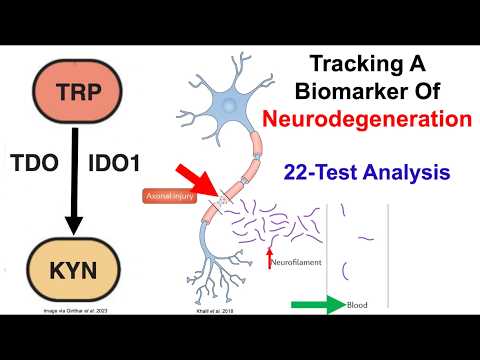
The primary utility of this analysis lies in the deployment of the Kynurenine-to-Tryptophan Ratio (KTR) as a high-frequency surrogate biomarker for central nervous system degradation and systemic inflammation. The clinical reality is that Neurofilament Light Chain (NfL) has achieved consensus validation as a premier biomarker for axonal injury. Plasma NfL concentrations scale with chronological age and operate as highly accurate predictors of all-cause mortality and biological brain aging, heavily supported by massive proteomic datasets such as the UK Biobank. However, direct commercial NfL assays remain cost-prohibitive for the aggressive, continuous monitoring required in longevity protocols.
To bypass this bottleneck, the presented protocol utilizes metabolomic tracking of KTR. Tryptophan catabolism into kynurenine is primarily driven by the Indoleamine 2,3-dioxygenase (IDO) enzyme in peripheral tissues. Because IDO is highly inducible by pro-inflammatory cytokines (Interferon-gamma, TNF-alpha) and bacterial endotoxins (LPS), KTR effectively functions as an integrated systemic index of inflammatory burden and neurodegenerative risk. Elevated KTR tightly correlates with elevated NfL and cognitive decline.
Through a multi-year n=1 longitudinal tracking protocol, the subject observed a sustained reduction in KTR. Leveraging retrospective internal correlation analysis, the protocol isolates a moderate inverse relationship between dietary Monounsaturated Fatty Acid (MUFA) intake and circulating KTR. The resulting experimental intervention involves titrating MUFA intake to 35 grams daily in an attempt to forcibly suppress KTR into a theorized optimal longevity range of 0.013 to 0.016.
Critically, while the foundation of this protocol rests on robust biological mechanics—NfL as a neuro-injury marker and KTR as an IDO/inflammation proxy—the translational leap to utilizing targeted MUFA dosing as an isolated KTR-suppressant is highly speculative. Single-subject dietary correlations carry immense confounding risk. The intelligence here lies entirely in the strategic use of KTR as an accessible proxy for neuro-inflammation, not in the experimental nutritional intervention designed to manipulate it.
| Claim from Video | Speaker’s Evidence | Scientific Reality (Current Data) | Evidence Grade | Verdict |
|---|---|---|---|---|
| NfL predicts brain aging and mortality | UK Biobank plasma proteomic data (~45,000 subjects). | Validated. Elevated NfL strongly predicts all-cause mortality and cognitive decline across multiple human cohorts. Plos Biology, 2026 | Level A | Strong Support |
| KTR proxies NfL and neurodegeneration risk | Internal tracking data plotting KTR against circulating NfL. | Supported. KTR is a recognized marker of IDO activation and positively correlates with neurodegenerative progression and MCI. PMC12756837, 2025 | Level B | Plausible |
| Cytokines regulate KTR via IDO activation | Pathway map of IDO and TDO enzyme activation. | Established. IFN-gamma, TNF-alpha, and LPS directly upregulate IDO, shifting tryptophan metabolism to kynurenine. PMC9181223, 2022 | Level A | Strong Support |
| Dietary MUFA lowers KTR | n=1 inverse correlation (-0.47) recorded over a two-year tracking window. | Speculative. While saturated fats increase IDO activity, targeted MUFA dosing to directly suppress KTR lacks controlled trial validation. Source unverified in live search for direct MUFA-KTR clinical trials. | Level E | Translational Gap |
| Optimal KTR target is 0.013–0.016 | Extrapolation from n=1 trendline aiming to minimize corresponding NfL. | Unverified. Clinical literature establishes high KTR as pathological, but a universal optimal numeric threshold for extreme longevity is not standardized. | Level E | Speculative |
High Confidence Tier
Experimental Tier
Red Flag Zone
Indoleamine 2,3-dioxygenase (IDO) Pathway Tryptophan is an essential amino acid heavily catabolized via the kynurenine pathway. In peripheral tissues, this reaction is heavily gated by the enzyme IDO. IDO expression is not static; it is highly inducible by pro-inflammatory cytokines—specifically Interferon-gamma, TNF-alpha, and bacterial lipopolysaccharides (LPS). Upon systemic immune activation, IDO exponentially accelerates the conversion of tryptophan to kynurenine. This directly results in a measurable spike in the Kynurenine-to-Tryptophan Ratio, making it an accurate clinical readout of inflammatory tone.
Neurotoxicity vs. Neuroprotection Trajectories Downstream metabolism of kynurenine diverges into two distinct branches: the neurotoxic branch (yielding quinolinic acid, an aggressive NMDA receptor agonist) and the neuroprotective branch (yielding kynurenic acid). Elevated systemic KTR typically indicates a shift toward a neurotoxic microenvironment. This persistent low-grade neurotoxicity correlates tightly with structural axonal injury, which is measured clinically via the efflux of Neurofilament Light Chain (NfL) into the plasma.
Tryptophan 2,3-dioxygenase (TDO) Pathway Operating in parallel to IDO, TDO is localized primarily in the hepatic system. Unlike IDO, TDO is regulated by circulating glucocorticoids and psychological/physiological stress rather than direct immune activation. Consequently, systemic KTR integrates dual biological burdens: hepatic stress responses and peripheral immune tone. Downregulating KTR requires resolving both inflammatory inputs and chronic glucocorticoid elevations.
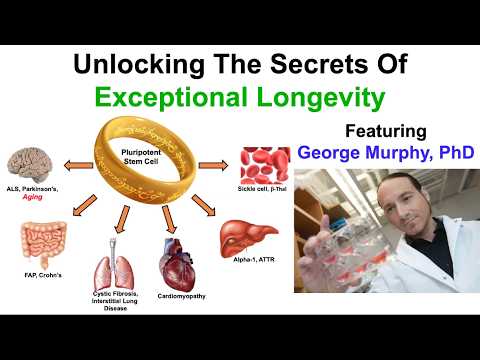
The core thesis of this discussion posits that exceptional longevity (living to 100+ years) is not merely a product of avoiding disease, but rather the result of a highly adapted, “dynamically resilient” immune and cellular system. Utilizing induced pluripotent stem cells (iPSCs) generated from centenarians, Dr. Murphy’s laboratory has identified a distinct biological signature of longevity. Rather than possessing a hyper-active or “supercharged” cellular baseline, centenarian cells operate in a state of remarkably low energy expenditure and transcriptomic noise during resting states. However, upon exposure to external stressors, these cells exhibit an explosive, highly efficient upregulation of quality-control mechanisms to neutralize the threat.
In the immune compartment, centenarians exhibit counterintuitive adaptations. Unlike normal aging—which is marked by a loss of immune diversity and a dangerous increase in clonal hematopoiesis (blood cells originating from very few stem cells)—centenarians actually exhibit higher clonality. However, rather than driving leukemogenesis or cardiovascular disease, these specific stem cell clones appear to be hyper-fit, producing an elite repertoire of B cells and cytotoxic T cells. These findings suggest centenarians possess a “house-rejuvenation” program stemming from highly functional, mutant hematopoietic stem cells (HSCs) that resist age-related exhaustion.
Functionally, centenarian-derived neurons demonstrate advanced neurogenesis signatures and resistance to Alzheimer’s-like stressors. Mitochondrially, their resting membrane potential is paradoxically low—a trait shared with other exceptionally long-lived mammals like naked mole rats—which likely minimizes baseline oxidative stress. The ultimate goal of this research is a “clinical trial in a tube,” testing gero-protectors (like GLP-1s or Rapamycin) on patient-specific stem cells to map personalized interventions without risking in-vivo toxicity.
Another new video by Mike: 70% Lifespan Extension: Immune-Derived "Telomere Rivers"—A Transferable Youth Signal? - #13 by RapAdmin
Related reading:
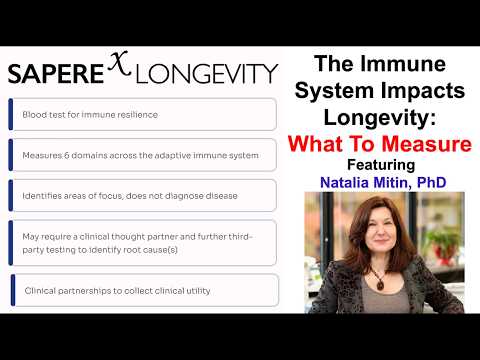
Dr. Natalia Mitin, molecular biologist and founder of SapphireX, provides a clinical assessment of adaptive immunosenescence and cellular senescence, arguing that chronological age and standard complete blood counts (CBC) are inadequate metrics for measuring true biological immune resilience. The core thesis establishes that total white blood cell counts mask critical subpopulation shifts during aging—specifically, the functional decline of naive T-cells and the simultaneous rise of neutrophils and monocytes. Standard clinical assays fail to capture the functional degradation of the immune network until late-stage frailty and overt disease manifest.
A critical revelation from ongoing clinical data is that systemic immunosenescence—the global deregulation of the adaptive immune system—almost universally precedes the widespread accumulation of cellular senescence. Consequently, the popular biohacking strategy of indiscriminately deploying senolytic therapies (e.g., dasatinib, fisetin) without molecular testing is deeply flawed. Clinical profiles indicate that only 10% of individuals have high cellular senescence as an isolated biological defect.
Applying aggressive senolytic protocols to the remaining 90% risks severe physiological destabilization by targeting the wrong biological pathway.
Furthermore, recent literature challenges the absolute toxicity of the senescence biomarker p16. While chronic p16 elevation in T-cells strongly correlates with accelerated aging and adverse clinical outcomes (such as severe peripheral neuropathy following chemotherapy), acute, transient p16 expression in macrophages acts as an essential tissue-protective mechanism during active infections and vaccine responses.
The adaptive immune system operates as an intricate, balanced network consisting of functional domains: T-cell exhaustion, proliferation (stemness), differentiation, and senescence. Rather than forcing single biological levers through extreme caloric restriction, excessive endurance exercise, or polypharmacy supplement “stacking,” clinicians must focus on mapping personal immunological trajectories. Over-activation of any single pathway frequently forces the immune system into autoimmune reactivity or severe cellular exhaustion. The overriding protocol objective for functional longevity is not aggressive immunological stimulation or cellular purging, but rather identifying specific molecular insults, gently removing them, and allowing the biological system to endogenously rebalance its homeostatic baseline.
High Confidence Tier (Level A/B Evidence)
Experimental Tier (Level C/D Evidence with High Safety Margins)
Red Flag Zone (Safety Data Absent or Elevated Risk)