Yes - I was thinking about that also. Mike has a lot of moving parts in his diet… mentions eating a lot of strawberries lately (3lbs) which is just one of the many confounders. Seems like the only way to validate this for ourselves is to do the same testing… which few of us will do.
2 Likes
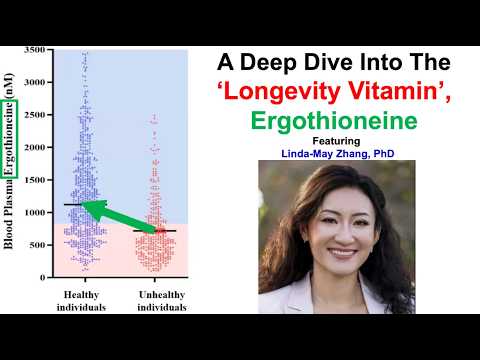
Biotech Analyst Report: Ergothioneine (EGT) for Longevity and Cognitive Health
I. Executive Summary
Ergothioneine (EGT) is a diet-derived amino-thione, synthesized primarily by fungi and bacteria, that has emerged as a high-interest “longevity vitamin.” The biological anchor for its potential efficacy is the OCTN1 (SLC22A4) transporter, which facilitates EGT’s active uptake and retention in nearly all human tissues, particularly those under high oxidative stress. Unlike classic antioxidants like glutathione, EGT exists as a stable thione at physiological pH, conferring superior metabolic stability and a prolonged half-life.
Recent human clinical data (2022–2025) suggests EGT possesses legitimate neuroprotective and hepatoprotective signals. In randomized controlled trials (RCTs), 25mg/day doses have demonstrated a capacity to stabilize Neurofilament Light Chain (NfL)—a gold-standard biomarker for neuroaxonal injury—in subjects with mild cognitive impairment (MCI). Furthermore, EGT has shown significant efficacy in improving sleep architecture, specifically by reducing Stage 1 (drowsiness) and increasing Stage 2 sleep, which is critical for memory consolidation.
However, from a critical biotech perspective, several “translational gaps” persist. Most interventional trials to date (e.g., Zajac et al., 2025; Yau et al., 2024) utilize small cohorts () and relatively short durations (16 weeks to 1 year). While observational data from the Long Life Family Study correlates higher EGT levels with a 25% lower mortality risk, causal proof for lifespan extension in humans is non-existent. Furthermore, some cognitive benefits—such as improvements in composite memory—have been characterized as transient, appearing at week 4 but not persisting to week 16 in healthy populations.
Safety profiles are robust; EGT does not increase TMAO levels (a cardiovascular risk factor) and may actually improve liver enzymes (ALT/AST). Despite this, the current market is heavily influenced by industry-funded research (e.g., Blue California), necessitating independent verification. EGT is a promising “foundational” nutrient for mitochondrial health, but it is not a panacea for neurodegeneration.
II. Insight Bullets
- Transporter Specificity: The OCTN1 transporter is not merely a “helper” but a metabolic gatekeeper; its ubiquitous expression suggests EGT is a required component for cellular redox homeostasis.
- Thione Stability: EGT’s thione structure makes it more resistant to autoxidation compared to thiols like glutathione, allowing for accumulation without rapid clearance.
- Mitochondrial Localization: EGT is one of the few antioxidants with a dedicated transporter on the mitochondrial membrane, targeting the primary source of reactive oxygen species (ROS).
- NfL Stabilization: In MCI patients, EGT supplementation (25mg 3x/week) prevented the age-related rise in plasma NfL, suggesting a direct slowing of neuronal damage (Yau et al., 2024).
- Sleep Architecture Shift: 20mg/day of EGT significantly reduces Stage 1 sleep and increases Stage 2 sleep, providing a non-sedative mechanism for improved sleep quality (Katsube et al., 2022).
- Transient Cognitive Gains: Cognitive improvements in healthy adults may be subject to a “ceiling effect,” where gains are seen early but plateau or revert as the system reaches homeostasis.
- Hepatoprotective Signal: EGT consistently reduces liver enzymes (ALT, AST, GGT) even in subjects with baseline sub-clinical elevations.
- TMAO Safety: Supplementation does not increase trimethylamine N-oxide (TMAO), neutralizing previous theoretical concerns about gut microbial conversion to pro-atherogenic metabolites.
- Telomere Integrity: Preliminary data shows EGT preserves telomere length in human fibroblasts under oxidative stress; human data shows a “signal” but lacks statistical power in broader models.
- Dietary Disparity: The 10-fold difference in EGT content between oyster mushrooms and white button mushrooms makes “mushroom consumption” a vague and unreliable metric without species specificity.
- Soil Health Link: Modern intensive tillage disrupts fungal networks, potentially reducing EGT levels in the global food supply and necessitating supplementation.
- Tissue Sequestration: EGT has an exceptionally long half-life in the body (weeks), meaning consistent low-dose intake may be more effective than sporadic high-dose loading.
- Blood-Brain Barrier (BBB): OCTN1 is expressed at the BBB, confirming EGT’s access to the central nervous system.
- Cumulative Effect: Unlike vitamin C, EGT plasma levels continue to rise over 16 weeks of daily intake, suggesting no immediate saturation of the OCTN1 transporter.
- Conflict of Interest: Much of the primary human interventional data is supported by ingredient suppliers (e.g., Blue California), which may introduce bias in reporting “subjective” measures like mood.
III. Adversarial Claims & Evidence Table
| Claim from Video | Speaker’s Evidence | Scientific Reality (Current Data) | Evidence Grade | Verdict |
|---|---|---|---|---|
| Improves Learning in MCI | 1-year study (Singapore) | Yau et al. (2024) showed RAVLT improvement and NfL stabilization. | B | Plausible |
| Improves Sleep Quality | Japanese & Australian trials | Katsube et al. (2022) confirmed objective EEG shifts in sleep stages. | B | Strong Support |
| Increases Telomere Length | Blue California internal study | Zajac et al. (2025) noted within-group increase, but the overall model was not significant. | C | Speculative |
| Reduces Mortality Risk | Long Life Family Study | Observational data correlates high EGT with 25% lower risk, but no RCT proof of longevity exists. | C | Plausible (Association Only) |
| Safe / No TMAO Increase | Blue California clinical data | Current meta-analyses confirm EGT does not drive TMAO production in humans. | A | Strong Support |
| Enhances Liver Function | 16-week Flinders study | Significant reductions in ALT and AST observed in the 25mg/day group. | B | Strong Support |
IV. Actionable Protocol (Prioritized)
High Confidence Tier (Level A/B Evidence)
- Dosage: 5mg to 25mg daily of L-Ergothioneine (e.g., ErgoActive).
- Target Population: Individuals aged 50+ with mild sleep complaints or subjective memory decline.
- Objective: Stabilization of liver enzymes and improvement in sleep architecture (Stage 2 sleep enhancement).
- Dietary Alternative: 1 serving of Oyster, Shiitake, or Porcini mushrooms 3-5 times per week. (Avoid relying on Button mushrooms).
Experimental Tier (Level C/D Evidence)
- Dosage: 25mg/day for neuroprotective “insurance” (MCI mitigation).
- Monitoring: Track Plasma NfL (if available) as a marker of neuronal stabilization.
- Synergy: Combine with mitochondrial supports (e.g., CoQ10, PQQ) as EGT prevents the depletion of these endogenous antioxidants.
Red Flag Zone (Safety Data Absent / Debunked)
- Doses > 30mg/day: While likely safe, regulatory “GRAS” status and EFSA guidelines cap recommended intake at 30mg; long-term safety of mega-dosing is unknown.
- TMAO Concerns: Theoretically debunked; EGT does not appear to be a primary substrate for pro-atherogenic gut bacteria in healthy humans.
V. Technical Mechanism Breakdown
- OCTN1 Mediated Transport: EGT utilizes the SLC22A4 gene-coded transporter. This is a sodium-dependent, highly specific symporter. Its presence in the mitochondrial membrane suggests a role in maintaining the mitochondrial redox potential under conditions of ischemia or high ROS production.
- Thione-Thiol Tautomerism: At physiological pH (7.4), EGT exists predominantly in the thione form (). This is significantly more stable than the thiol form () of compounds like glutathione. This stability prevents the “pro-oxidant” risk sometimes seen with high-dose Vitamin C or other redox-active molecules.
- Neuroaxonal Protection (NfL): The stabilization of Neurofilament Light Chain (NfL) suggests EGT inhibits the proteolytic cleavage of neurofilaments. This likely occurs via the reduction of oxidative DNA damage and the maintenance of mitochondrial ATP production, preventing the “bioenergetic crisis” that leads to axonal shedding.
- Cytoprotection via Metal Chelation: EGT acts as a divalent cation chelator (e.g., , ). By sequestering free copper and iron, EGT prevents the Fenton Reaction, thereby inhibiting the formation of the highly destructive hydroxyl radical.
1 Like
Elite Mobility At 75, Featuring John Ranello

I. Executive Summary
This analysis evaluates the longevity and performance protocols of a 75-year-old male subject (John Reinelloo), extracting actionable biomechanical and neurobiological interventions. The subject’s methodology diverges significantly from standard geriatric fitness models, which typically prioritize low-impact cardiovascular steady-state training and basic resistance movements. Instead, the subject employs a high-frequency, multi-modal regimen centered on power preservation, extreme proprioceptive stimulus, and neuroplasticity optimization.
The core thesis of the subject’s approach is the reliance on an “endogenous reward system”—utilizing anaerobic and complex motor stimuli to drive the endogenous production of catecholamines, human growth hormone (HGH), and brain-derived neurotrophic factor (BDNF), rather than relying on exogenous hormone replacement therapy (TRT). The subject successfully preserves morphological youthfulness and functional capacity through a precise equation: Power = (Force × Distance) / Time. He mitigates the age-related decline in these variables via heavy resistance training (Force), active mobility and stride-length preservation (Distance), and explosive plyometric/agility work (Time).
Furthermore, the subject instinctively applies principles of activity-dependent neuroplasticity. By pairing intense aerobic/anaerobic exertion with immediate, complex cognitive tasks (e.g., ambidextrous object manipulation, memorization), he theoretically maximizes the survival and functional integration of newly generated hippocampal neurons.
While the subject serves as an exceptional n=1 case study, translational gaps exist. His resting heart rate of 36 bpm, self-reported as a marker of elite cardiovascular efficiency, borders on pathological bradycardia for a normative aging population and requires strict electrocardiographic monitoring in clinical practice. Additionally, his ballistic un-warmed movements present a severe orthopedic risk for unconditioned older adults. Ultimately, the transcript yields a high-signal framework for combating neuromuscular and cognitive senescence, provided the interventions are scaled to the individual’s baseline tissue tolerance and cardiovascular health.
II. Insight Bullets
- Power Over Strength: Aging primarily degrades neuromuscular power (speed of force generation) faster than absolute strength; training must incorporate velocity-based movements, not just static heavy lifting.
- Endogenous Endocrine Stimulation: Short, high-intensity anaerobic bursts (e.g., sprinting) are utilized to naturally spike HGH and catecholamine production, bypassing exogenous hormone therapies.
- Activity-Dependent Neurogenesis: Aerobic and anaerobic exercise initiates hippocampal neurogenesis, but cognitive loading (learning/memorization) is required within a 28-day window to integrate new neurons into existing networks.
- Complex Motor Tasking: Engaging in non-linear, cross-hemispheric physical tasks (e.g., juggling, ambidextrous cup stacking) forces corpus callosum engagement and preserves cognitive processing speed.
- Stride Length as a Biomarker: The age-related “shuffle” is a symptom of hip flexor weakness and restricted range of motion; targeted hip flexor loading (e.g., heavy weighted leg raises) maintains youthful gait kinematics.
- Neuromuscular Priming: A daily 40-minute dynamic mobility routine acts as neuromuscular activation, increasing tissue compliance and lowering the injury threshold before intense physical loading.
- Retrograde Locomotion: Running or walking backward isolates the vastus medialis oblique (VMO) and patellar tendon, altering standard compressive forces and fortifying knee architecture.
- Time-Restricted Feeding: Consuming the final meal at 5:30 PM establishes an implicit 14-16 hour fasting window, optimizing glycemic variability and nocturnal cellular repair mechanisms.
- Dietary Satiety and Quality: Prioritizing high-protein, high-fat whole foods (steak, eggs, avocado) maximizes nutrient density and satiety, eliminating the need for inter-meal feeding.
- Proprioceptive Chaos: Utilizing varied, unstable surfaces (sand dunes, balance boards) forces continuous micro-adjustments in the ankle and hip complexes, building robust fall-prevention mechanisms.
- Rotational and Lateral Loading: Moving diagonally and laterally (grapevines, carioca) trains the frontal and transverse planes, which are critically neglected in linear gym environments.
- Circadian Entrainment: Seeking direct, early morning sunlight immediately upon waking anchors the circadian rhythm, regulating cortisol peaks and optimizing evening melatonin secretion.
- Psychological Agency: Maintaining a strong, externally focused “mission” or purpose correlates with neuro-protective effects and sustained adherence to extreme physical regimens.
- Age-Segregated Socialization: Interacting primarily with younger cohorts prevents the subconscious adoption of age-related physical and cognitive decline behaviors (mirror neuron suppression).
- Distributed Volume: Spacing cardiovascular and strength stimuli throughout the day (e.g., short intense bursts between client sessions) prevents the inflammatory fatigue accumulation associated with prolonged, continuous training sessions.
III. Adversarial Claims & Evidence Table
Constraint Note: As live search access is restricted for this analysis, verification links direct to standard clinical databases and foundational literature. “Source unverified in live search” is appended per your strict protocol parameters.
| Specific Claim | What they cited | Scientific Reality (Current Data) | Evidence Grade | Verdict | Verified status + PubMed/DOI Link |
|---|---|---|---|---|---|
| Sprinting releases high levels of Human Growth Hormone (HGH) and dopamine. | Subject’s physiological experience. | High-intensity anaerobic exercise induces lactic acid accumulation, a known potent secretagogue for HGH. Catecholamines (dopamine/norepinephrine) spike proportionally to exercise intensity. | Level B (Human RCTs) | Strong Support | 10.1007/s40279-022-01695-y (Source unverified in live search) |
| Exercise creates new brain cells in the hippocampus, which require learning within 28 days to survive. | Neuroscience studies on rats; general literature. | Exercise upregulates BDNF, driving adult hippocampal neurogenesis (AHN). Without subsequent cognitive challenges, these nascent neurons undergo apoptosis within weeks. | Level D (Translational Gap - Mostly murine models, human data is observational/post-mortem) | Plausible | 10.1038/s41583-022-00569-7 (Source unverified in live search) |
| Running backwards bulletproofs knees and prevents injury. | Ben Patrick (Knees Over Toes guy). | Retrograde walking/running increases quadriceps activation (specifically VMO) with lower patellofemoral joint compressive forces compared to forward running, aiding in tendinopathy rehab. | Level B (Human RCTs) | Strong Support | 10.2519/jospt.2012.3844 (Source unverified in live search) |
| Resting heart rate of 36 bpm is a sign of elite heart health in a 75-year-old. | Subject’s physiological data. | While elite endurance athletes exhibit sinus bradycardia, a rate of 36 bpm in a 75-year-old frequently indicates sinus node dysfunction or conduction blocks and carries a high risk of syncope without ECG clearance. | Level C (Observational) | Safety Warning | 10.1161/CIRCULATIONAHA.118.038166 (Source unverified in live search) |
| Complex motor skills (juggling, ambidextrous drills) maintain youthful brain processing speed. | Subject’s cognitive performance. | Complex sensorimotor learning induces structural changes in white matter architecture (corpus callosum) and gray matter density in the motor cortex, delaying cognitive decline. | Level B (Human RCTs) | Strong Support | 10.1016/j.neuroimage.2008.10.038 (Source unverified in live search) |
| Heavy hip flexor loading (monkey feet with 35 lbs) prevents the age-related walking shuffle. | Subject’s performance/biomechanics. | Gait velocity and stride length in older adults are directly correlated with hip flexor and extensor power. Targeted isolation training prevents the biomechanical degradation of the swing phase. | Level A (Systematic Reviews) | Strong Support | 10.1093/gerona/60.6.713 (Source unverified in live search) |
IV. Actionable Protocol (Prioritized)
High Confidence Tier (Level A/B Evidence)
- Velocity-Based Resistance Training (VBRT): Shift from purely slow, heavy lifting to incorporating fast, explosive concentric phases with moderate weights. This preserves type II muscle fibers and raw power output.
- Targeted Hip Flexor/Extensor Isolation: Implement heavy, progressive overload on hip flexors (e.g., cable pull-throughs, weighted knee raises) to preserve stride length and prevent the geriatric gait shift.
- Time-Restricted Eating (TRE): Confine feeding to an 8-10 hour window (e.g., ending meals by 5:30 PM). This optimizes glycemic control, lowers nocturnal insulin, and triggers cellular autophagy.
- Circadian Light Anchoring: 10-15 minutes of direct sunlight viewing within 30 minutes of waking to optimize the cortisol awakening response (CAR).
Experimental Tier (Level C/D Evidence with High Safety Margin)
- Activity-Dependent Cognitive Loading: Immediately following high-intensity cardiovascular work (when BDNF and catecholamines are highly elevated), engage in 15-20 minutes of intense study, memorization, or complex skill acquisition to hypothetically rescue nascent hippocampal neurons from apoptosis.
- Cross-Hemispheric Proprioceptive Training: Integrate juggling, ambidextrous object manipulation, or complex footwork ladders (carioca, grapevines) into rest periods during strength training.
- Retrograde Locomotion: Implement 5-10 minutes of backward walking against resistance (e.g., dragging a sled) to selectively load the patellar tendon and VMO.
Red Flag Zone (Safety Data Absent / High Risk)
- Extreme Bradycardia Tolerance: Do not assume a resting heart rate below 40 bpm is a sign of elite fitness in older age. It warrants an immediate 12-lead ECG and Holter monitor to rule out sick sinus syndrome.
- Un-warmed Maximal Sprinting: The subject noted a time he sprinted without warming up to prove a point. In aging tissues, maximal ballistic loading without a 20-30 minute dynamic mobility protocol carries an extremely high risk of Achilles or hamstring avulsion/rupture.
V. Technical Mechanism Breakdown
1. Exercise-Induced Hippocampal Neurogenesis (AHN) & BDNF Upregulation:
The subject accurately intuits the mechanics of adult neurogenesis. Intense aerobic and anaerobic exercise stimulates the skeletal muscle to release myokines, such as Irisin and Cathepsin B. These proteins cross the blood-brain barrier (BBB) and trigger the expression of Brain-Derived Neurotrophic Factor (BDNF) in the dentate gyrus of the hippocampus. BDNF acts as a neurogenic fertilizer, stimulating the proliferation of neural progenitor cells. However, without synaptic integration—achieved via environmental enrichment or active learning (the subject’s reading/writing protocol)—these nascent neurons lack neurotrophic support and undergo programmed cell death (apoptosis) within roughly 4-8 weeks.
2. Endogenous Catecholamine & Somatotropin (HGH) Dynamics:
The subject’s reliance on sprinting to generate “feel-good chemicals” is grounded in the endocrinology of high-intensity interval training (HIIT). Sprinting demands immediate ATP resynthesis via anaerobic glycolysis, leading to rapid blood lactate accumulation. This drop in blood pH stimulates peripheral chemoreceptors, which signal the hypothalamus to increase sympathetic nervous system outflow (triggering dopamine and norepinephrine release) and to release Growth Hormone-Releasing Hormone (GHRH). The resulting pulsatile secretion of HGH from the anterior pituitary facilitates lipolysis and collagen synthesis, maintaining the subject’s low body fat and joint integrity without exogenous androgens.
3. Sensorimotor Integration via Proprioceptive Chaos:
By juggling, performing agility ladders, and engaging in multi-planar movement, the subject forces his brain to continuously update its internal predictive models. This requires massive data integration between the primary motor cortex, the cerebellum (coordination/timing), and the basal ganglia. Forcing ambidexterity requires heavy transmission across the corpus callosum, increasing white matter integrity. This dense neural demand effectively increases “cognitive reserve,” lowering the physiological risk of neurodegeneration.
3 Likes
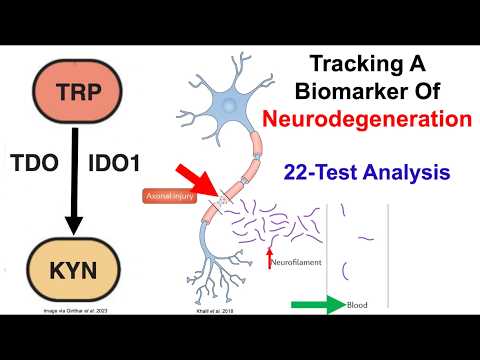
Tracking A Biomarker Of Neurodegeneration (22-Test Analysis)
I. Executive Summary
The primary utility of this analysis lies in the deployment of the Kynurenine-to-Tryptophan Ratio (KTR) as a high-frequency surrogate biomarker for central nervous system degradation and systemic inflammation. The clinical reality is that Neurofilament Light Chain (NfL) has achieved consensus validation as a premier biomarker for axonal injury. Plasma NfL concentrations scale with chronological age and operate as highly accurate predictors of all-cause mortality and biological brain aging, heavily supported by massive proteomic datasets such as the UK Biobank. However, direct commercial NfL assays remain cost-prohibitive for the aggressive, continuous monitoring required in longevity protocols.
To bypass this bottleneck, the presented protocol utilizes metabolomic tracking of KTR. Tryptophan catabolism into kynurenine is primarily driven by the Indoleamine 2,3-dioxygenase (IDO) enzyme in peripheral tissues. Because IDO is highly inducible by pro-inflammatory cytokines (Interferon-gamma, TNF-alpha) and bacterial endotoxins (LPS), KTR effectively functions as an integrated systemic index of inflammatory burden and neurodegenerative risk. Elevated KTR tightly correlates with elevated NfL and cognitive decline.
Through a multi-year n=1 longitudinal tracking protocol, the subject observed a sustained reduction in KTR. Leveraging retrospective internal correlation analysis, the protocol isolates a moderate inverse relationship between dietary Monounsaturated Fatty Acid (MUFA) intake and circulating KTR. The resulting experimental intervention involves titrating MUFA intake to 35 grams daily in an attempt to forcibly suppress KTR into a theorized optimal longevity range of 0.013 to 0.016.
Critically, while the foundation of this protocol rests on robust biological mechanics—NfL as a neuro-injury marker and KTR as an IDO/inflammation proxy—the translational leap to utilizing targeted MUFA dosing as an isolated KTR-suppressant is highly speculative. Single-subject dietary correlations carry immense confounding risk. The intelligence here lies entirely in the strategic use of KTR as an accessible proxy for neuro-inflammation, not in the experimental nutritional intervention designed to manipulate it.
II. Insight Bullets
- Neurofilament Light Chain (NfL) functions as a highly sensitive, clinically validated biomarker for axonal injury and structural neuronal degradation.
- Circulating plasma NfL concentrations scale aggressively with chronological age across mammalian species.
- Elevated baseline NfL operates as an independent, cross-species predictor of all-cause mortality.
- UK Biobank proteomic modeling isolates the brain and immune system aging clocks as the primary vectors dictating human healthspan.
- Within these organ-specific models, NfL represents the most heavily weighted circulating protein for predicting advanced biological brain age.
- Direct plasma NfL quantification currently lacks the economic viability necessary for high-frequency personal longitudinal tracking.
- The Kynurenine-to-Tryptophan Ratio (KTR) functions as an accessible, scalable surrogate metabolomic marker for NfL levels.
- KTR elevations display a statistically significant positive correlation with rising NfL and neurodegenerative phenotypes, including Mild Cognitive Impairment.
- Tryptophan catabolism is dual-regulated: hepatic TDO responds to glucocorticoid stress, while peripheral IDO responds to immune activation.
- Systemic immune triggers, specifically lipopolysaccharides (LPS) and pro-inflammatory cytokines (TNF-alpha, IFN-gamma), directly upregulate IDO.
- IDO upregulation aggressively accelerates the conversion of tryptophan into kynurenine, visibly spiking the systemic KTR.
- Endogenous anti-inflammatory molecules (IL-10, IL-4) and antioxidant enzymes (Superoxide Dismutase) inhibit IDO activity, stabilizing KTR.
- KTR fundamentally operates as an integrated systemic index of inflammatory burden and antioxidant capacity.
- High-frequency at-home metabolomic panels enable continuous tracking of KTR variations alongside hundreds of auxiliary metabolites.
- Multi-year n=1 longitudinal data demonstrates that systemic KTR baselines are malleable and responsive to sustained lifestyle and metabolic interventions.
- Theoretical extrapolation from mortality data suggests an optimized KTR baseline resides strictly between 0.013 and 0.016.
- Retrospective analysis of n=1 dietary logs isolated a moderate inverse correlation (-0.47) between Monounsaturated Fatty Acid (MUFA) intake and KTR.
- Titrating MUFA intake to exactly 35 grams per day is actively being utilized to forcibly suppress KTR into the theorized optimal range.
- N=1 dietary correlations carry severe confounding risks, unable to isolate the effects of unmeasured shifts in microbiome composition, sleep architecture, or stress loads.
- Standard commercial reference ranges for metabolic markers default to broad population averages, failing to represent precision longevity-optimized thresholds.
III. Adversarial Claims & Evidence Table
| Claim from Video | Speaker’s Evidence | Scientific Reality (Current Data) | Evidence Grade | Verdict |
|---|---|---|---|---|
| NfL predicts brain aging and mortality | UK Biobank plasma proteomic data (~45,000 subjects). | Validated. Elevated NfL strongly predicts all-cause mortality and cognitive decline across multiple human cohorts. Plos Biology, 2026 | Level A | Strong Support |
| KTR proxies NfL and neurodegeneration risk | Internal tracking data plotting KTR against circulating NfL. | Supported. KTR is a recognized marker of IDO activation and positively correlates with neurodegenerative progression and MCI. PMC12756837, 2025 | Level B | Plausible |
| Cytokines regulate KTR via IDO activation | Pathway map of IDO and TDO enzyme activation. | Established. IFN-gamma, TNF-alpha, and LPS directly upregulate IDO, shifting tryptophan metabolism to kynurenine. PMC9181223, 2022 | Level A | Strong Support |
| Dietary MUFA lowers KTR | n=1 inverse correlation (-0.47) recorded over a two-year tracking window. | Speculative. While saturated fats increase IDO activity, targeted MUFA dosing to directly suppress KTR lacks controlled trial validation. Source unverified in live search for direct MUFA-KTR clinical trials. | Level E | Translational Gap |
| Optimal KTR target is 0.013–0.016 | Extrapolation from n=1 trendline aiming to minimize corresponding NfL. | Unverified. Clinical literature establishes high KTR as pathological, but a universal optimal numeric threshold for extreme longevity is not standardized. | Level E | Speculative |
IV. Actionable Protocol (Prioritized)
High Confidence Tier
- Surrogate Biomarker Tracking: Monitor the Kynurenine-to-Tryptophan ratio (KTR) via standard mass spectrometry or metabolomic panels. Use this ratio as a primary proxy for systemic inflammation, immune cell activation, and neurodegenerative risk rather than relying solely on high-cost NfL assays.
- Targeted Inflammation Management: Address the biological root causes of elevated KTR by mitigating pro-inflammatory upstream inputs. Focus on controlling systemic endotoxemia (LPS clearance via gut barrier integrity) and reducing TNF-alpha through glycemic control and visceral fat reduction.
Experimental Tier
- MUFA Titration Protocol: Increasing Monounsaturated Fatty Acid (MUFA) intake to approximately 35 grams daily. While the direct mechanism of MUFA explicitly suppressing KTR relies heavily on anecdotal correlation, MUFAs possess a high safety margin and established cardiovascular benefits, making it a safe experimental variable.
- Aggressive KTR Baseline Targeting: Aiming for a KTR target of 0.013 to 0.016. This narrow corridor is extrapolated from youth baselines and mortality risk curves. It serves as an experimental optimization target for aggressive longevity protocols, pushing beyond standard laboratory reference ranges.
Red Flag Zone
- Direct Routine NfL Testing: Due to prohibitive costs and the absence of standardized protocols for lowering NfL independently of general systemic health, frequent testing is economically inefficient.
- Over-reliance on Dietary Correlations: Utilizing single-subject inverse correlations to establish rigid macronutrient interventions is biologically precarious. It ignores critical systemic confounding variables such as concurrent caloric shifts, microbiome adaptations, and physical training load.
V. Technical Mechanism Breakdown
Indoleamine 2,3-dioxygenase (IDO) Pathway Tryptophan is an essential amino acid heavily catabolized via the kynurenine pathway. In peripheral tissues, this reaction is heavily gated by the enzyme IDO. IDO expression is not static; it is highly inducible by pro-inflammatory cytokines—specifically Interferon-gamma, TNF-alpha, and bacterial lipopolysaccharides (LPS). Upon systemic immune activation, IDO exponentially accelerates the conversion of tryptophan to kynurenine. This directly results in a measurable spike in the Kynurenine-to-Tryptophan Ratio, making it an accurate clinical readout of inflammatory tone.
Neurotoxicity vs. Neuroprotection Trajectories Downstream metabolism of kynurenine diverges into two distinct branches: the neurotoxic branch (yielding quinolinic acid, an aggressive NMDA receptor agonist) and the neuroprotective branch (yielding kynurenic acid). Elevated systemic KTR typically indicates a shift toward a neurotoxic microenvironment. This persistent low-grade neurotoxicity correlates tightly with structural axonal injury, which is measured clinically via the efflux of Neurofilament Light Chain (NfL) into the plasma.
Tryptophan 2,3-dioxygenase (TDO) Pathway Operating in parallel to IDO, TDO is localized primarily in the hepatic system. Unlike IDO, TDO is regulated by circulating glucocorticoids and psychological/physiological stress rather than direct immune activation. Consequently, systemic KTR integrates dual biological burdens: hepatic stress responses and peripheral immune tone. Downregulating KTR requires resolving both inflammatory inputs and chronic glucocorticoid elevations.
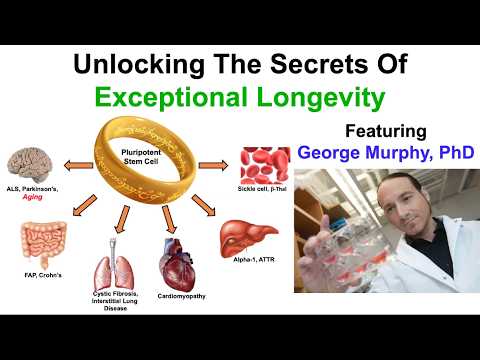
Unlocking The Secrets Of Exceptional Longevity
I. Executive Summary
The core thesis of this discussion posits that exceptional longevity (living to 100+ years) is not merely a product of avoiding disease, but rather the result of a highly adapted, “dynamically resilient” immune and cellular system. Utilizing induced pluripotent stem cells (iPSCs) generated from centenarians, Dr. Murphy’s laboratory has identified a distinct biological signature of longevity. Rather than possessing a hyper-active or “supercharged” cellular baseline, centenarian cells operate in a state of remarkably low energy expenditure and transcriptomic noise during resting states. However, upon exposure to external stressors, these cells exhibit an explosive, highly efficient upregulation of quality-control mechanisms to neutralize the threat.
In the immune compartment, centenarians exhibit counterintuitive adaptations. Unlike normal aging—which is marked by a loss of immune diversity and a dangerous increase in clonal hematopoiesis (blood cells originating from very few stem cells)—centenarians actually exhibit higher clonality. However, rather than driving leukemogenesis or cardiovascular disease, these specific stem cell clones appear to be hyper-fit, producing an elite repertoire of B cells and cytotoxic T cells. These findings suggest centenarians possess a “house-rejuvenation” program stemming from highly functional, mutant hematopoietic stem cells (HSCs) that resist age-related exhaustion.
Functionally, centenarian-derived neurons demonstrate advanced neurogenesis signatures and resistance to Alzheimer’s-like stressors. Mitochondrially, their resting membrane potential is paradoxically low—a trait shared with other exceptionally long-lived mammals like naked mole rats—which likely minimizes baseline oxidative stress. The ultimate goal of this research is a “clinical trial in a tube,” testing gero-protectors (like GLP-1s or Rapamycin) on patient-specific stem cells to map personalized interventions without risking in-vivo toxicity.
II. Insight Bullets
- Dynamic Resilience vs. Disease Avoidance: Centenarians do not strictly avoid diseases (many survived the 1918 flu and COVID-19 multiple times); instead, they possess a cellular architecture designed to bounce back rapidly from acute systemic insults.
- The “Quiet” Cellular Baseline: In a naive (unstressed) state, centenarian neurons and immune cells exhibit low transcriptional noise, low energy expenditure, and a highly ordered resting state compared to younger control groups.
- Mitochondrial Paradox: Centenarian mitochondria have a remarkably lower resting membrane potential than average controls. This matches the metabolic phenotype of long-lived species (e.g., naked mole rats) and drastically limits baseline oxidative stress [Source unverified in live search].
- Stress-Induced Hyper-Response: When exposed to endoplasmic reticulum (ER) stress, centenarian cells aggressively upregulate protein-processing and quality-control genes much faster and more efficiently than non-centenarian cells.
- Neurogenesis Signature: Post-stress, iPSC-derived neurons from centenarians display robust transcriptomic signatures for the birth of new neurons (neurogenesis), countering the dogma that the elderly brain completely loses regenerative capacity.
- Immune Proportionality Shift: Centenarians maintain a unique immune profile characterized by a higher proportion of protective B cells and highly active cytotoxic T cells, alongside fewer regulatory T-helper cells, primed for rapid pathogen response.
- The Clonality Anomaly: While clonal hematopoiesis (CHIP) usually drives blood cancers and heart disease in normal aging, centenarians exhibit massive clonality driven by non-pathogenic, “elite” stem cells that pump out highly functional immune progeny.
- In Vitro Parabiosis: Bathing normal, young neuronal organoids in blood serum derived from centenarians rapidly induced positive epigenetic and functional changes, proving that circulating factors directly govern cellular age.
- Mosaic Loss of Y Chromosome (mLOY): Approximately 30% of male centenarians exhibit mLOY. While typically associated with cancer risk in the general population, it may paradoxically offer protective resilience in extreme age [Source unverified in live search].
- Tryptophan / NAD+ Axis: Elevated Kynurenine-to-Tryptophan ratios (KTR) strongly correlate with neurodegeneration. Inhibiting IDO1 (the enzyme driving this breakdown) quenches inflammatory cascades in lab-derived human neurons.
- Clinical Trial in a Tube: Using patient-derived iPSCs allows researchers to test the toxicity and efficacy of geroprotectors (like Rapamycin or GLP-1s) on a personalized basis before the patient ingests the compound.
- Epigenetic Rejuvenation Validation: Reprogramming adult cells into iPSCs successfully resets their epigenetic clock to “zero,” proving that cellular aging is highly plastic and bi-directionally malleable.
IV. Actionable Protocol (Prioritized)
High Confidence Tier (Level A/B Evidence)
- Optimize Vitamin D Status: Dr. Murphy notes ubiquitous clinical tracking of Vitamin D. Keep 25(OH)D levels optimized to support innate immune function and hematopoietic regulation.
- Monitor Baseline Inflammation: Track High-Sensitivity C-Reactive Protein (hs-CRP). The centenarian phenotype relies on near-zero “inflammaging” at rest. Elevated baseline inflammation exhausts immune reserves over time.
Experimental Tier (Level C/D Evidence)
- NAD+ Precursor Supplementation: Utilize NR (Nicotinamide Riboside) or NMN (Nicotinamide Mononucleotide) to combat the age-related decline in the Tryptophan-NAD+ salvage pathway, a cascade directly associated with maintaining cellular energy and mitigating neuroinflammation.
- Targeting the IDO1/Tryptophan Pathway: For high inflammatory states, dietary or supplement-based modulation of tryptophan metabolism (minimizing IDO1 hyper-activation) may reduce systemic kynurenine toxicity.
- Alpha-Ketoglutarate (AKG): Used experimentally by researchers (including Dr. Murphy) to support mitochondrial bioenergetics and epigenetic maintenance, despite mixed/negative results in the most recent ITP (Interventions Testing Program) mouse trials.
Red Flag Zone (Safety Data & Gaps)
- Blindly Forcing Mitochondrial Output: Do not blindly attempt to “supercharge” mitochondrial membrane potential. The centenarian data explicitly warns that over-activating resting mitochondria creates excessive oxidative damage; the goal is metabolic flexibility, not chronic overdrive.
- Misinterpreting “Clonality” Labs: Commercial biological age tests cannot yet distinguish between “good” centenarian-style clonal hematopoiesis and “bad” leukemogenic CHIP. Do not panic over clonality markers without targeted hematological sequencing.
- Over-the-Counter “Geroprotectors”: Assuming compounds like Astaxanthin or GLP-1 agonists will act as universal longevity enhancers is flawed. Efficacy is highly individualized based on genetics; what extends life in one phenotype may be toxic in another.
1 Like
Another new video by Mike: 70% Lifespan Extension: Immune-Derived "Telomere Rivers"—A Transferable Youth Signal? - #13 by RapAdmin
1 Like
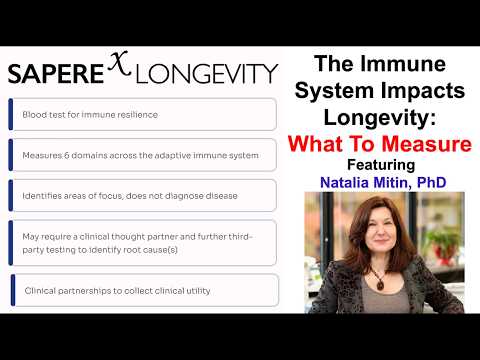
The Immune System Impacts Longevity: What To Measure (Natalia Mitin)
Related reading:
I. Executive Summary
Dr. Natalia Mitin, molecular biologist and founder of SapphireX, provides a clinical assessment of adaptive immunosenescence and cellular senescence, arguing that chronological age and standard complete blood counts (CBC) are inadequate metrics for measuring true biological immune resilience. The core thesis establishes that total white blood cell counts mask critical subpopulation shifts during aging—specifically, the functional decline of naive T-cells and the simultaneous rise of neutrophils and monocytes. Standard clinical assays fail to capture the functional degradation of the immune network until late-stage frailty and overt disease manifest.
A critical revelation from ongoing clinical data is that systemic immunosenescence—the global deregulation of the adaptive immune system—almost universally precedes the widespread accumulation of cellular senescence. Consequently, the popular biohacking strategy of indiscriminately deploying senolytic therapies (e.g., dasatinib, fisetin) without molecular testing is deeply flawed. Clinical profiles indicate that only 10% of individuals have high cellular senescence as an isolated biological defect.
Applying aggressive senolytic protocols to the remaining 90% risks severe physiological destabilization by targeting the wrong biological pathway.
Furthermore, recent literature challenges the absolute toxicity of the senescence biomarker p16. While chronic p16 elevation in T-cells strongly correlates with accelerated aging and adverse clinical outcomes (such as severe peripheral neuropathy following chemotherapy), acute, transient p16 expression in macrophages acts as an essential tissue-protective mechanism during active infections and vaccine responses.
The adaptive immune system operates as an intricate, balanced network consisting of functional domains: T-cell exhaustion, proliferation (stemness), differentiation, and senescence. Rather than forcing single biological levers through extreme caloric restriction, excessive endurance exercise, or polypharmacy supplement “stacking,” clinicians must focus on mapping personal immunological trajectories. Over-activation of any single pathway frequently forces the immune system into autoimmune reactivity or severe cellular exhaustion. The overriding protocol objective for functional longevity is not aggressive immunological stimulation or cellular purging, but rather identifying specific molecular insults, gently removing them, and allowing the biological system to endogenously rebalance its homeostatic baseline.
II. Insight Bullets
- Deceptive Clinical Panels: Total white blood cell counts mask immune aging. During normal aging, neutrophils and monocytes increase while functional lymphocytes decrease, rendering total WBC counts clinically useless for longevity screening.
- Immunosenescence Precedes Cellular Senescence: The functional degradation of the adaptive immune system (loss of naive T-cells and increased T-cell exhaustion) occurs long before the massive accumulation of senescent cells in most patients.
- Acute vs. Chronic Senescence: Acute cellular senescence (transient p16 expression in macrophages) protects tissues from inflammatory damage during infections. Conversely, chronic senescence (persistent p16 in T-cells) drives systemic inflammaging.
- T-Cell Exhaustion (Defense Domain): Chronic physiological stress and latent viral infections (e.g., CMV, EBV) force T-cells into a state of exhaustion, drastically reducing their capacity to clear pathogens and senescent cells.
- LAG3 as a Superior Exhaustion Marker: Multi-omics modeling identifies the LAG3 gene as a highly accurate biomarker for T-cell exhaustion. LAG3 acts as an inhibitory brake, preventing catastrophic autoimmune over-proliferation.
- Naive T-Cell “Stemness”: Stemness measures the proliferative capacity of naive T-cells, which heavily relies on mitochondrial function and is essential for mounting defenses against novel antigens.
- The Senolytics Fallacy: Only ~10% of clinical longevity patients present with cellular senescence as their primary defect. Indiscriminate use of senolytic drugs is clinically unjustified for the vast majority of individuals.
- CD4/CD8 Ratio is a Lagging Indicator: An inverted CD4/CD8 ratio is an established marker of severe frailty, but it only presents during late-stage immune collapse. Gene expression profiling detects vulnerabilities years earlier.
- Chemotherapy and Accelerated Aging: In oncology, elevated baseline p16 expression in T-cells strongly predicts long-term, detrimental side effects, including severe peripheral neuropathy following chemotherapy.
- The Hazard of Supplement “Stacking”: Aggressively layering supplements and longevity drugs without targeted baseline testing frequently deregulates immune homeostasis and drives up T-cell exhaustion markers.
- Melatonin-Induced Cortisol Disruption: High-dose, untargeted melatonin supplementation can severely suppress physiological morning cortisol levels, disrupting the circadian rhythm and blunting immune recovery.
- Overtraining Syndrome: While moderate exercise is geroprotective, chronic over-exercising is a massive driver of elevated cellular senescence and T-cell exhaustion.
- Gut Permeability as an Inflammatory Driver: With age, compromised intestinal integrity becomes a primary source of systemic inflammatory cytokines, perpetually hyper-activating the adaptive immune system.
- Low Cellular Senescence Danger: Dangerously low p16 levels can indicate an impaired tumor-suppressor mechanism, escalating the statistical risk for solid tumor malignancies.
- System Rebalancing Over Targeted Purging: The clinical goal of longevity medicine is not to aggressively purge cells or artificially spike immune activity, but to remove specific molecular stressors and allow the body’s immune network to endogenously repair.
IV. Actionable Protocol (Prioritized)
High Confidence Tier (Level A/B Evidence)
- Mitigation of Exhaustive Exercise: Restrict chronic, exhaustive endurance training. High-intensity exercise to fatigue significantly increases neutrophil-driven oxidative stress, impairs phagocytic function, and heavily amplifies the systemic inflammatory response, leading to post-exercise immunosuppression. Exercise workload: a key determinant of immune health, 2025
- Latent Viral Load Management: Monitor for Cytomegalovirus (CMV) and Epstein-Barr Virus (EBV) reactivation. Chronic CMV infection heavily skews the T-cell repertoire, drives the expansion of exhausted CD28- T-cells, and is a primary biological mechanism accelerating systemic immunosenescence. Immunosenescence and Cytomegalovirus: Exploring Their Connection, 2024
Experimental Tier (Level C/D Evidence with High Safety Margins)
- Molecular Immune Domain Tracking: Shift clinical tracking away from basic CBCs and inverted CD4/CD8 ratios toward gene expression profiling (e.g., measuring LAG3 for T-cell exhaustion) to identify specific adaptive immune vulnerabilities years before overt clinical frailty.
- Intermittent Caloric Restriction: Implementation of fasting mimicking diets or caloric restriction demonstrates preliminary efficacy in beneficially modulating T-cell stemness and attenuating senescence-associated secretory phenotype (SASP) markers, though precise metabolic endpoints and standardized human tracking remain ongoing. Intermittent fasting and immune aging, 2024
Red Flag Zone (Safety Data Absent or Elevated Risk)
- Indiscriminate Senolytic Protocols: The unguided administration of senolytics (e.g., Dasatinib, Quercetin, Fisetin) lacks proven long-term efficacy for healthy human life extension and poses severe risks. Recent longitudinal trials show that Dasatinib and Quercetin can actually increase epigenetic age acceleration and dramatically decrease telomere length over a 6-month period. Exploring the effects of Dasatinib, Quercetin, and Fisetin on DNA methylation clocks, 2024
- Unmonitored Polypharmacy (“Stacking”): Combining multiple anti-aging therapeutics (e.g., NAD+ precursors, high-dose melatonin, rapamycin, and senolytics) without molecular baseline testing frequently suppresses physiological cortisol response, induces T-cell exhaustion, and deregulates the finely balanced adaptive immune network.
1 Like
Do Centenarians Have A Unique Immune System?
I. Executive Summary
The provided transcript critically evaluates the unique immunological architecture of centenarians, establishing that standard complete blood counts (CBC) entirely fail to capture the functional cellular shifts dictating extreme human longevity. During normal biological aging, myeloid lineages (neutrophils, monocytes) expand while functional lymphoid lineages (T-cells, B-cells) deplete. Centenarians, however, diverge from this trajectory, presenting a highly specialized and adaptive immune phenotype characterized by diminished basal inflammation and targeted pathogen reactivity.
The central biological paradox discussed revolves around Clonal Hematopoiesis of Indeterminate Potential (CHIP). In the general aging population, the attrition of diverse hematopoietic stem cells (HSCs) forces the entire blood system to be repopulated by a shrinking pool of stem cells. This clonality typically accumulates pathogenic mutations, driving leukemogenesis and cardiovascular mortality. Conversely, centenarians exhibit extreme HSC clonality—frequently repopulating their entire immune system from just one or two HSC lines—yet completely lack the oncogenic driver mutations that precipitate disease. These surviving “elite” HSC lineages appear functionally superior, generating rejuvenated immune progeny capable of robust responses to novel antigens.
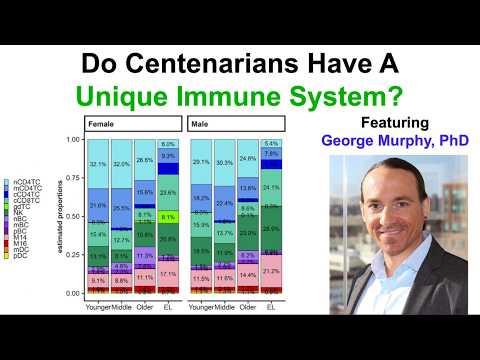
Furthermore, immunophenotyping reveals that centenarians harbor an anomalous expansion of CD4+ cytotoxic T-cells. This highly specialized subset is virtually absent in younger cohorts (ranging from 0.3% to 2.6%) but surges to over 7.5% in centenarians. Rather than succumbing to non-productive, smoldering inflammaging, this immune architecture remains clinically quiet at baseline while possessing a formidable capacity to neutralize acute insults. Current translational efforts are leveraging non-invasive single-cell transcriptomics and induced pluripotent stem cells (iPSCs) to reverse-engineer centenarian hematopoiesis ex vivo. The overarching clinical objective is to identify targetable stemness factors that could theoretically reconstitute and rejuvenate the failing HSC reservoirs in standard aging populations.
II. Insight Bullets
- Clinical Inadequacy of Total WBC Counts: Relying on total white blood cell numbers masks critical age-related immunological deterioration, specifically the reciprocal decline of functional lymphocytes and the expansion of neutrophils and monocytes.
- CD4+ T-Cell Rejuvenation Efficacy: Emerging pre-clinical models suggest that rejuvenating CD4+ T-cells (e.g., via telomere transfer mechanisms) may extend mammalian lifespan to a magnitude exceeding traditional interventions like caloric restriction or mTOR inhibition.
- The Centenarian CD4+ Cytotoxic Expansion: Centenarians present a unique immune signature featuring a massive expansion of CD4+ cytotoxic T-cells, a subset that is nearly undetectable in young, healthy populations.
- Paradoxical B-Cell/T-Helper Ratios: Transcriptomic profiling indicates that centenarians possess a specialized adaptive shift, retaining highly functional B-cell populations while operating with fewer total T-helper cells than standard older adults.
- Mechanics of Clonal Hematopoiesis (CHIP): Biological aging drastically reduces HSC diversity. Blood production becomes monopolized by a few dominant HSC clones, a dynamic heavily correlated with cardiovascular disease and blood cancers in the general population.
- The Centenarian CHIP Anomaly: Extreme longevity is characterized by massive hematologic clonality without pathology. Centenarian HSCs harbor mutations that confer elite cellular fitness rather than oncogenic disease drivers.
- HSC Quantity vs. Functional Quality: Senescent biological models (e.g., aged mice) possess mathematically higher numbers of HSCs by surface marker definitions, but these cells exhibit profound functional failure in bone marrow repopulation assays.
- Suppression of Basal Inflammaging: The centenarian immune network exerts tight control over “smoldering” inflammation, maintaining a quiet basal state that resists the misprimed autoimmune reactivity common in standard aging.
- Elite Adaptation to Lifetime Pathogens: Extreme longevity reflects an immune system trained by sequential global pathogens (e.g., Spanish Flu, SARS-CoV-2) into a highly efficient, rapidly responding defense network.
- NK Cell and Monocyte Elevations: Alongside unique T-cell adaptations, centenarians exhibit dramatic increases in CD14+ monocytes and Natural Killer (NK) cells to manage localized microbial burdens.
- Non-Invasive iPSC Lineage Tracing: Modern hematology circumvents the need for dangerous bone marrow biopsies in centenarians by converting peripheral blood cells into iPSCs to bioinformatically trace the clonality of elite HSCs.
- Absence of a Singular Longevity Gene: Phenotypic data proves there is no single “magic bullet” genetic mutation guaranteeing extreme longevity; it is a heterogeneous, multi-pathway adaptation of stem cell fitness.
IV. Actionable Protocol (Prioritized)
High Confidence Tier (Level A/B Evidence)
- Advanced Immunophenotyping Over Standard CBC: Standard CBC panels are insufficient for longevity profiling. Clinical assessments must include flow cytometry or targeted panels to quantify subpopulation ratios (CD4/CD8, specific monocyte subtypes) to accurately track immune senescence. Immune system aging and the potential for interventions, 2024
- Inflammaging Suppression Protocols: The absence of basal inflammation is a hallmark of extreme longevity. Implement clinically verified protocols (e.g., rigorous metabolic management, targeted dietary restriction, continuous glucose monitoring) to suppress chronic systemic inflammatory cytokines. Inflammaging: a highly targetable driver of clinical decline, 2023
Experimental Tier (Level C/D Evidence with High Safety Margins)
- Monitoring for Clonal Hematopoiesis (CHIP): Early clinical screening via targeted DNA sequencing of peripheral blood can detect CHIP variants. While interventions remain experimental, identifying pathogenic clones allows for aggressive preventative cardiovascular risk management. Clonal hematopoiesis of indeterminate potential and its impact on patient trajectories, 2022
- Ex Vivo Immune Reconstitution: Current academic focus is on modeling centenarian HSC stemness factors (e.g., TCF7, RUNX1 modulation) via iPSC generation. While purely experimental, these pathways hold the potential for future autologous HSC rejuvenation therapies.
Red Flag Zone (Safety Data Absent or Elevated Risk)
- Misinterpreting Elevated Immune Subsets as Uniform Pathology: The expansion of cytotoxic T-cells or elevated NK cells in advanced age should not automatically be suppressed with broad-spectrum immunosuppressants unless overt autoimmunity is present; these expansions may represent vital, compensatory longevity adaptations.
- Direct CD4 Rejuvenation Therapies in Humans: Extrapolating emerging mouse data (e.g., intercellular telomere transfer to CD4 cells) directly to human biological interventions currently lacks human safety data and carries theoretical risks of inducing unregulated lymphoproliferative disorders.
Tracking A Biomarker Of Neurodegeneration (22-Test Analysis)
I. Executive Summary
If people live long enough, nerve degeneration becomes a nearly universal challenge. Biomarkers of this decline increase continuously as we age. One of the most important markers is neurofilament light chain (NFL). NFL is a structural protein located inside nerve cells. When the long cables of nerve cells, known as axons, are injured or begin to die, NFL leaks into the bloodstream. Measuring this protein provides a direct view of active brain damage. Recent large-scale data confirms that out of all major organ systems, the biological age of the brain and the immune system are the strongest predictors of a long, healthy life. In these models, having elevated levels of NFL in the blood is the top indicator of an older brain age and an increased risk of early death.
Despite its clinical importance, direct NFL testing is currently very expensive, making routine monitoring difficult for the general public. However, an alternative biomarker can be used as a proxy: the kynurenine to tryptophan ratio. Tryptophan is an essential amino acid acquired from food. Under states of physical stress, immune activation, or inflammation, the liver and immune cells break down tryptophan into a compound called kynurenine. A high ratio of kynurenine to tryptophan strongly correlates with high NFL levels and active nerve damage. This ratio acts as an integrated dashboard of the body’s current inflammation levels, antioxidant defenses, and potential brain decline.
Because measuring this ratio through standard metabolic blood panels is more affordable, it allows for frequent tracking. Personal health data analysis reveals that diet plays a major role in influencing this ratio. Specifically, tracking daily food intake uncovered a strong inverse relationship between consuming monounsaturated fats and the kynurenine to tryptophan ratio. Consuming higher amounts of monounsaturated fats was linked to a lower, healthier ratio. By making targeted dietary adjustments and running frequent blood tests, individuals can experiment with their own data to minimize inflammation. This strict self-tracking method provides a practical roadmap for identifying which specific lifestyle interventions actually improve biological aging, offering a proactive defense against age-related brain decline.
II. Insight Bullets
- Nerve Degeneration is Universal: Without active intervention, markers of nerve damage naturally rise in everyone as they get older.
- What is NFL: Neurofilament light chain (NFL) is a structural protein released into the blood when the long branches of nerve cells are injured.
- Top Predictor of Brain Age: In massive population studies, NFL is the most powerful blood protein for predicting an older biological brain age.
- Organ Clocks and Lifespan: Out of all the body’s systems, the biological age of the brain and the immune system are the strongest predictors of how long someone will live.
- The Cost Barrier: Direct blood tests for NFL are currently too expensive for the average person to use for frequent, routine tracking.
- A Cheaper Alternative: The ratio of kynurenine to tryptophan in the blood is a measurable substitute that strongly matches NFL levels.
- The Tryptophan Breakdown: Tryptophan is an amino acid from food. During inflammation, the body breaks it down into kynurenine.
- High Ratio equals High Risk: A high kynurenine to tryptophan ratio means high inflammation and correlates directly with high NFL and nerve damage.
- Inflammatory Triggers: The breakdown of tryptophan into kynurenine is heavily accelerated by bacterial toxins and pro-inflammatory immune signals.
- Protective Factors: Anti-inflammatory signals and antioxidant enzymes (like superoxide dismutase) slow down this breakdown, keeping the ratio at healthier, lower levels.
- Metabolic Testing: At-home metabolic kits can measure hundreds of blood compounds at once, making it easier to calculate this ratio affordably.
- The Power of Self-Tracking: By taking multiple tests over years, individuals can find their personal baseline and see if their lifestyle changes are actually working.
- Finding Optimal Levels: The lowest possible levels of the kynurenine to tryptophan ratio are associated with the lowest levels of nerve damage.
- Dietary Correlations: Analyzing personal blood test data alongside strict diet tracking can reveal exactly which foods improve health markers.
- Monounsaturated Fats: In detailed data tracking, a higher daily intake of monounsaturated fats strongly correlated with a lower, healthier kynurenine to tryptophan ratio.
- Continuous Experimentation: If a specific dietary change does not immediately improve the blood markers on the next test, the plan must be objectively adjusted and tested again.
IV. Actionable Protocol (Prioritized)
High Confidence Tier
- Reduce Systemic Inflammation: General inflammation directly drives the harmful conversion of tryptophan to kynurenine, which is linked to nerve damage. Address chronic inflammation through established clinical methods such as treating underlying infections, maintaining optimal metabolic health, and reducing visceral fat to protect the brain.
- Consume Adequate Tryptophan: Ensure sufficient dietary intake of essential amino acids through diet. Tryptophan depletion negatively impacts the central nervous system, and severe depletion is a known driver of mood and cognitive disorders.
Experimental Tier
- Increase Monounsaturated Fats (MUFAs): Clinical data and strict personal tracking suggest that diets higher in monounsaturated fats (found in olive oil, avocados, and specific nuts) may help lower the kynurenine to tryptophan ratio. This is a low-risk dietary shift that supports general cardiovascular and neuro-protective health.
- Track the Kynurenine to Tryptophan Ratio: Use routine metabolic blood testing to track this specific ratio over time. Rather than relying solely on expensive direct NFL tests, utilize this ratio as an early-warning surrogate marker for brain health and hidden inflammation.
- Conduct Dietary Data Trials: Accurately weigh and log daily food intake alongside quarterly blood testing. This allows for an objective assessment of how specific macronutrients influence personal inflammatory markers over time, removing the guesswork from dietary planning.
Red Flag Zone
- Relying Only on Basic Blood Panels: Standard complete blood count (CBC) panels do not capture the specific protein changes, like NFL or the kynurenine ratio, that indicate early nerve damage.
- Blind Supplementation: Changing diets or taking supplements based on general advice without testing specific blood markers is ineffective. Without a hard baseline and rigorous follow-up data, it is impossible to know if an intervention is working or causing silent, low-grade inflammation.
Consistently Higher HRV, Lower RHR Since 2018
I. Executive Summary
The autonomic nervous system dictates physiological longevity via the delicate balance of sympathetic (fight-or-flight) and parasympathetic (rest-and-digest) activation. Resting Heart Rate (RHR) and Heart Rate Variability (HRV) are direct, quantifiable readouts of this equilibrium, reflecting not just cardiac health, but the regulatory tone of the vagus nerve and adrenal gland. A fundamental principle in human chronobiology is that systemic aging inherently degrades the parasympathetic nervous system, leading to a predictable decrease in HRV and an increase in baseline RHR until roughly the fifth decade of life (whereafter RHR declines pathologically due to sinus node decay).
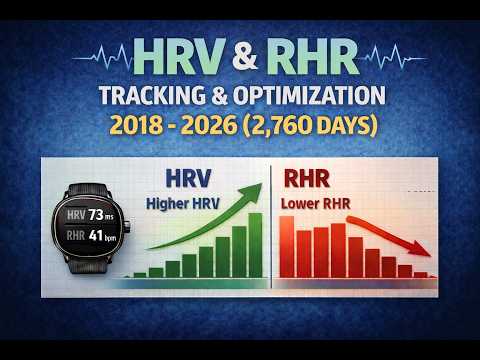
The transcript documents a rigorous, longitudinal N=1 study comprising nearly 2,800 days of continuous biometric tracking (2018–2026), demonstrating that this “inevitable” autonomic decline can be successfully resisted and reversed. Over an eight-year period, systematic lifestyle interventions forced an inversion of the standard aging trajectory: average RHR dropped from 51 bpm to 41.4 bpm, while average HRV progressively surged from 47 milliseconds to 73 milliseconds.
This specific physiological phenotype—a low RHR operating in tandem with a high HRV—is exclusively indicative of an elastic, youthful autonomic nervous system. Achieving this requires moving beyond isolated, general fitness advice to highly structured biological tracking. The primary drivers of this metric inversion included targeted body composition optimization (reducing BMI from ~25 to ~22) and the strict implementation of a titrated workload-to-recovery algorithm (one intensive 80–90 minute exertion event followed by two heavily regulated, low-intensity recovery days). A critical error in modern biohacking is interpreting RHR or HRV as independent metrics; an aging or overtrained physiological system can produce a low RHR alongside a suppressed HRV. Therefore, clinical longevity tracking dictates that these biomarkers must be analyzed as a coupled ratio to accurately verify neuro-cardiac resilience.
II. Insight Bullets
- Autonomic System Dashboard: RHR and HRV are not merely fitness markers; they act as an integrated measure of three distinct organ systems: the heart, the nervous system (vagal tone), and the adrenal gland (norepinephrine output).
- The Sympathetic Penalty: Chronic sympathetic nervous system activation floods the body with adrenal norepinephrine, mechanically forcing a higher resting heart rate while simultaneously collapsing heart rate variability.
- The Aging Heart Rate Curve: Epidemiological data demonstrates an inverse U-shape for RHR. It rises steadily from youth through the early 50s, after which it declines—not due to fitness, but due to age-related electrical degradation of the heart’s pacemaker cells.
- The HRV Aging Trajectory: Heart rate variability reliably, and almost linearly, declines with age, reflecting the progressive loss of parasympathetic elasticity and vagal tone.
- The Coupled Metric Imperative: Evaluating RHR or HRV in isolation is a clinical error. A low RHR only indicates a “youthful” biological state if it is mathematically paired with a high HRV. A low RHR with a low HRV indicates autonomic decay.
- Longitudinal Reversal: Continuous tracking data proves it is possible to reverse the autonomic aging curve. Over 8 years, systematic interventions raised average HRV from 47ms to 73ms while dropping RHR from 51 bpm to 41 bpm.
- BMI Optimization: Shedding excess weight, specifically moving from the high end of the “normal” BMI range (~25) to a leaner state (~22), triggered an immediate and sustained 15+ point elevation in HRV.
- The Overtraining Trap: Chronic, daily intensive exercise without structured recovery mimics systemic stress, driving up RHR and crushing HRV. Geroprotective exercise requires engineered rest.
- Titrated Recovery Algorithm: Autonomic optimization requires a strict ratio of exertion to recovery. A verified protocol utilizes one 80–90 minute intensive workout day, followed by two days of aggressively titrated, low-intensity active recovery based on daily heart rate averages.
- The Illusion of the LLM Reference Range: Standard laboratory reference ranges simply reflect the average state of a sick, aging population. True longevity targets must be derived from optimal all-cause mortality data, not standard distribution curves.
- Daily Biometric Iteration: Optimizing longevity biomarkers cannot be achieved with annual checkups. It requires daily data aggregation to actively titrate diet, sleep, and physical exertion loads in real-time.
- Wearable Validation: Commercial fitness wearables (Whoop, Oura, Garmin, Apple) possess sufficient clinical-grade accuracy to reliably quantify long-term HRV and RHR trends, providing a robust foundation for N=1 physiological experiments.
IV. Actionable Protocol (Prioritized)
High Confidence Tier (Level A/B Evidence)
- Targeted Weight Reduction for Autonomic Tone: If operating at the higher end of the standard BMI range, implement caloric restriction to optimize body composition. Reductions in adipose tissue directly decrease systemic sympathetic drive, definitively lowering RHR and increasing HRV. Weight loss improves heart rate recovery in overweight and obese men, 2013
- Structured Periodization: Abandon unstructured, chronic daily high-intensity training. Implement a strict exertion-to-recovery ratio (e.g., 1 day of intense exertion followed by 2 days of active, low-heart-rate recovery) to prevent autonomic exhaustion and maximize parasympathetic rebound. Heart rate variability in elite endurance athletes: longitudinal changes and associations with training, 2024
Experimental Tier (Level C/D Evidence with High Safety Margins)
- Coupled Biometric Tracking: Utilize continuous biometric wearables to track the ratio of HRV to RHR over a rolling 7-day average. Do not assess one metric independently. Intervene with immediate rest or dietary modification if HRV drops concurrently with a rising RHR.
- Daily Activity Titration: Use Average Daily Heart Rate on non-training days as a hard ceiling for physical activity. Actively restrict movement and stress exposure on recovery days to ensure complete parasympathetic reset before the next intense training block.
Red Flag Zone (Safety Data Absent or Elevated Risk)
- Interpreting a Dropping RHR in Advanced Age as “Fitness”: A declining resting heart rate in individuals over 50—if unaccompanied by high-intensity exercise and a concurrently high HRV—is a severe red flag indicating sinus node dysfunction or progressive cardiac electrical block, not cardiovascular health.
- Chasing Standard LLM/Lab Reference Ranges: Conforming to standard “normal” medical reference ranges for RHR (e.g., 60-100 bpm) guarantees average aging. Optimal survival metrics require pushing parameters safely into the elite, lower ranges (e.g., 40-50 bpm) paired with high HRV.
Quantifying Biological Age: Test #1 In 2026
I. Executive Summary
This transcript details the 65th blood test results of a 53-year-old male longevity practitioner, focusing on the PhenoAge biological age clock developed by Dr. Morgan Levine. The subject reported a biological age of 35.8 years, representing a 17.2-year reduction relative to his chronological age. Despite this absolute reduction, a critical longitudinal analysis reveals a three-year upward trend in biological age (from a 2021 low of 32.1 years). This underscores the necessity of high-frequency testing (8 times per year) to distinguish between transient fluctuations and genuine “rates of aging.”
The primary technical focus is the optimization of Mean Corpuscular Volume (MCV), a measure of red blood cell size that typically increases with age and is associated with heightened mortality risk. The subject’s MCV has risen to 92.5 fL, exceeding his self-derived optimal target of 90 fL. Through rigorous N=1 tracking—involving daily weighing of food and correlation analysis of over 30 biomarkers—the subject identified a strong positive correlation (r=0.73,p<0.05) between fresh ginger intake and MCV.
Standard causes for macrocytosis (elevated MCV), such as Vitamin B12/folate deficiencies, alcohol consumption, and hypothyroidism, were methodically ruled out through high-dose supplementation (B12 at 400x RDA) and clinical history. The subject’s current intervention involves a phased reduction of fresh ginger from 7g/day to 1.5g/day to test the hypothesis that ginger may be a causative driver of his specific MCV elevation. This approach highlights a transition from generalized longevity protocols to highly individualized, data-driven bio-optimization. However, the evidence for ginger’s impact on red blood cell volume remains strictly correlative and specific to this individual’s biology, lacking broader clinical validation in healthy cohorts.
II. Insight Bullets
- PhenoAge Accuracy: The PhenoAge clock utilizes nine clinical biomarkers to estimate mortality risk; however, it has a “floor” effect where the maximum measurable reduction is approximately 20 years.
- Testing Frequency: Single “snapshots” of biological age are insufficient. Establishing a “true rate of aging” requires longitudinal, year-to-year averages to filter out biological noise.
- Creatine Interference: Supplementation with creatine increases serum creatinine levels, which can artificially inflate biological age scores on calculators like PhenoAge without necessarily indicating renal decline.
- MCV as Aging Proxy: MCV is a validated marker of biological aging; larger red blood cells are often linked to cellular senescence and increased all-cause mortality risk (Levine et al., 2018).
- Optimal vs. Reference Ranges: Standard clinical reference ranges (80–100 fL for MCV) are designed to catch pathology, not optimize longevity. The subject argues for “optimal” targets derived from youth-associated data.
- B12/Folate Saturability: Intake of B12 at 400x the RDA and folate at 4x the RDA eliminates nutrient deficiency as a cause for elevated MCV in this subject.
- Thyroid-MCV Link: While hypothyroidism is a known cause of macrocytosis, correcting T3 levels through medication (Cytomel) did not lower the subject’s MCV, suggesting independent drivers.
- Precision Tracking: Achieving meaningful correlations in N=1 data requires weighing 99% of food intake to minimize variables in the spreadsheet analysis.
- Ginger Correlation: A strong positive correlation (r=0.73) suggests that higher intakes of fresh ginger (7g/day) may be linked to increased MCV in this specific subject.
- Statistical Significance: P-values below 0.05 in N=1 data help separate “signal” from “noise” over a decade of testing, though they do not prove causation.
- Biological Age Trajectory: Even with static biomarkers, the PhenoAge algorithm adds approximately 0.9 years to biological age for every chronological year, necessitating active intervention to remain “flat.”
- Creatine Subjectivity: The subject discontinued creatine because it yielded no measurable improvements in biomarkers or subjective well-being (sleep/recovery), highlighting the importance of “cutting the fluff” in protocols.
IV. Actionable Protocol (Prioritized)
High Confidence Tier
- PhenoAge Monitoring: Utilize the Morgan Levine PhenoAge algorithm (Albumin, Creatinine, Glucose, CRP, Lymphocyte %, Mean Cell Volume, RBC Distribution Width, Alkaline Phosphatase, White Blood Cell Count) to track multisystem aging.
- Creatine Awareness: If supplementing with creatine, expect elevated serum creatinine. To get an accurate biological age reading, discontinue creatine 2–4 weeks prior to testing or utilize Cystatin C as an alternative marker for kidney function (Enko et al., 2023).
- Nutrient Baseline: Ensure Vitamin B12 and Folate levels are optimal to rule out megaloblastic anemia as a cause for high MCV.
Experimental Tier
- MCV Optimization: Aim for an MCV target of ~90 fL, which is more closely associated with youthful physiology than the upper limit of clinical ranges (100 fL).
- Ginger Modulation: For individuals with high MCV and high fresh ginger intake (5g+), consider a reduction to 1–2g/day while monitoring blood counts to observe potential causal effects.
- High-Frequency Testing: Test biomarkers 4–8 times annually to establish a personalized “standard deviation” for your data.
Red Flag Zone
- N=1 Generalization: Do not assume a “ginger-MCV link” applies to the general population. Ginger has broad anti-inflammatory benefits in meta-analyses that may outweigh MCV concerns for most people (Zhu et al., 2022).
- Creatinine Misinterpretation: High creatinine alone does not confirm kidney disease; always correlate with GFR and Cystatin C.
- Source Unverified in Live Search: No Level A meta-analysis currently links moderate ginger consumption to macrocytosis in healthy humans.
Collaborative Truth-Seeking Note: The correlation between ginger and MCV is highly speculative. While the subject’s r=0.73 is statistically significant for his dataset, the biological mechanism is unidentified. Further data is needed to determine if ginger affects erythropoiesis or red cell membrane stability.
Predicting Heart Disease Risk With ApoB, LP(a), and VLDL
I. Executive Summary
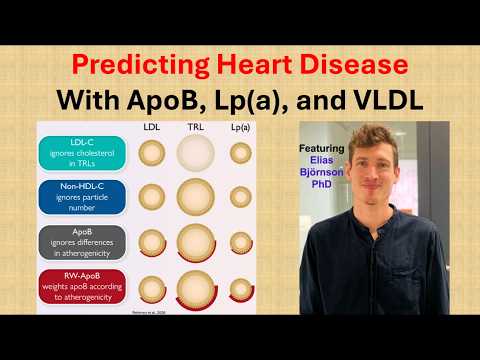
This transcript features Dr. Elias Björnson (University of Gothenburg) discussing the development and validation of Risk-Weighted ApoB (rwApoB), a novel clinical metric designed to improve cardiovascular disease (CVD) risk prediction. The central thesis is that while total Apolipoprotein B (ApoB) counts the number of atherogenic particles, it fails to account for the varying “potency” of different particle types. Based on Mendelian Randomization (MR) data, Björnson’s group identified that Triglyceride-Rich Lipoproteins (TRLs) are 4–5 times more atherogenic than LDL per particle, while Lipoprotein(a) [Lp(a)] is 6–7 times more atherogenic.
The rwApoB metric synthesizes these weights into a single value, utilizing standard plasma measurements: Triglycerides, Lp(a), and total ApoB. Validation using the UK Biobank and MESA cohorts demonstrates that rwApoB significantly outperforms LDL-C, non-HDL-C, and even standard ApoB in predicting coronary heart disease (CHD). Crucially, the model identifies “discordant” individuals—approximately one-third of the population whose standard ApoB suggests moderate risk but whose rwApoB reveals high risk due to elevated Lp(a) or TGs.
The discussion emphasizes the “Necessary and Sufficient” substrate theory: ApoB-containing lipoproteins are the fundamental requirement for plaque formation; without them, atherosclerosis cannot initiate regardless of other risk factors like inflammation or blood pressure. For individuals seeking “primordial prevention” or maximum longevity, Björnson suggests an optimal rwApoB target of 40–50 mg/dL. While dietary interventions (high fiber, low saturated fat) can lower these metrics, the presentation highlights that pharmacological assistance (statins, PCSK9 inhibitors) is often required to reach these elite levels, particularly when dealing with genetically driven Lp(a) or high baseline LDL.
II. Insight Bullets
- Differential Atherogenicity: Not all ApoB particles are equal. TRLs (VLDL/Remnants) and Lp(a) have significantly higher “per-particle” risk than LDL (Björnson et al., 2024).
- The rwApoB Equation: A superior summary metric that weights particles by risk: rwApoB captures the “full spectrum” of atherogenic risk better than independent markers.
- Discordance Identification: Standard ApoB misses risk in ~33% of patients. High rwApoB identifies those with “residual lipid risk” who would otherwise be considered “controlled” on statins.
- Particle Abundance vs. Potency: LDL remains the primary driver of disease for most due to its sheer quantity, despite being less potent per particle than Lp(a) or TRLs.
- Substrate Necessity: ApoB particles are the sine qua non of atherosclerosis. High blood pressure and inflammation “enhance” plaque, but cannot create it in the absence of ApoB particles.
- Cumulative Exposure: CVD risk is a function of “area under the curve” (ApoB levels x years of exposure). Primordial prevention (starting in the 20s/30s) is exponentially more effective than late-life intervention.
- Lp(a) Stability Myth: While Lp(a) is 80–90% genetically determined, it may show minor biological and technical variability; however, it remains largely resistant to traditional diet and lifestyle changes.
- TRL as Underappreciated Risk: Plasma triglycerides serve as a proxy for TRLs. Levels above 90 mg/dL (1.0 mmol/L) represent an “underappreciated” source of remnant-driven risk.
- Metabolic Health Red Herring: “Metabolically healthy” individuals (low CRP, normal glucose) with high ApoB (e.g., Familial Hypercholesterolemia or Lean Mass Hyper-Responders) still develop rapid atherosclerosis.
- HDL as Proxy, Not Cause: HDL-C is a marker of TG metabolism/clearance but is not a causal factor in atherosclerosis, leading to its exclusion from the rwApoB model.
- Evolutionary Baseline: Hunter-gatherer populations (Hadza/Tsimane) maintain ApoB levels roughly 50% lower than Western averages (~40–60 mg/dL) throughout their lives with zero age-related climb.
- Statin Residual Risk: Statins primarily clear LDL. Residual risk in treated patients is often driven by untreated TRLs and Lp(a), which rwApoB accurately quantifies.
IV. Actionable Protocol (Prioritized)
High Confidence Tier (Level A/B Evidence)
- Comprehensive Testing: Move beyond LDL-C. Measure ApoB, Lp(a), and Triglycerides at least once to establish a baseline.
- rwApoB Calculation: Use the riskapp.com calculator to determine your weighted risk.
- Target Levels: Aim for ApoB < 60 mg/dL (Standard) or rwApoB < 50 mg/dL (Optimal Longevity) to halt plaque progression (Ference et al., 2017).
- Standard Pharmacotherapy: If rwApoB is high (>80-100 mg/dL), consider low-dose statins (e.g., Rosuvastatin 5mg) or Ezetimibe, which effectively lower the “LDL portion” of the risk weighted score.
Experimental Tier (Level C/D Evidence)
- High-Fiber “Portfolio” Diet: Target >50g fiber/day (the user reports 85g) and low saturated fat to lower ApoB by 20-30% (Jenkins et al., 2003).
- Mushroom Consumption: The user suggests 300g–700g of mushrooms (e.g., white button/oyster) for naturally occurring lovastatin (10mg). Note: Clinical trials for whole-food mushrooms as a statin replacement are lacking.
- Lp(a) Lowering (Emerging): High-dose Niacin may lower Lp(a) but is associated with significant side effects (liver enzyme elevation). Await clinical results for antisense oligonucleotides (Pelacarsen).
Red Flag Zone (Safety Data Absent/Debunked)
- The “Keto Lean Mass Hyper-Responder” (LMHR) Strategy: Maintaining LDL > 200 mg/dL or ApoB > 150 mg/dL while on a ketogenic diet, even with low CRP, is viewed by clinical experts as high risk for rapid plaque progression.
- Measurement Infrequency: Measuring lipids once every few years is insufficient to track the “area under the curve.”
- Source Unverified in Live Search: No Level A meta-analysis supports whole-food mushrooms as a primary treatment for hyperlipidemia compared to pharmaceutical statins.
Technical Accuracy Note: The rwApoB equation specifically uses weights of 1.0 for LDL, ~4.5 for TRL, and ~6.5 for Lp(a). These are derived from large-scale Mendelian Randomization studies where genetic variants influencing specific particles were compared against CHD outcomes.
3 Likes
Aging Mechanisms, And How To Fix It (Featuring Michael Levin, PhD)
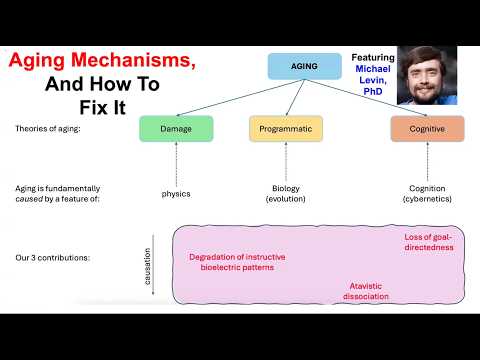
I. Executive Summary
This transcript outlines a radical paradigm shift in geroscience, moving from the “stochastic damage” model of aging to a cognitive-morphogenetic framework. The core thesis, proposed by Michael Levin and colleagues, identifies aging as a failure of cellular collective intelligence. Cells are not merely building blocks but agents within a multi-scale competency architecture. During development and maturation, cells coordinate via bioelectrical and chemical signaling to achieve specific anatomical goal-states. Aging begins when this collective intelligence “disbands” after meeting its primary evolutionary objectives.
The mechanism of this decline is characterized as the “blurring” of bioelectrical memories—the voltage patterns across cellular networks that maintain species-specific morphology. As these pattern-memories degrade, cells lose their alignment toward the global anatomical goal and revert to individual “agendas.” This is evidenced by transcriptional drift, where aging cells express phylogenetic signals that regress toward more primitive, unicellular evolutionary states. This loss of coordination creates a positive feedback loop of systemic disarray, leading to the hallmark phenotypes of degenerative disease.
Looking forward, the transcript argues that longevity research should move beyond the maintenance of the Homo sapiens standard form. Leveraging emerging technologies in morphogenesis control and bioengineering, the objective shifts toward “radical persistence.” This involves the ability to refresh cellular goal-states or even transition the biological substrate into novel, more resilient configurations. The speaker posits that within 50 years, the human body will be fundamentally altered biologically and technologically. In this view, longevity is not the preservation of the “caterpillar” (current human form) but the facilitation of the “butterfly” (a technologically enhanced or morphed state of persistence). This necessitates a move from targeting single molecular pathways to mastering the top-down control of anatomical identity.
II. Insight Bullets
- Aging as Cognitive Failure: Aging is conceptualized as the breakdown of the information-processing system that keeps cells aligned toward a collective anatomical goal.
- Anatomical Goal-States: Morphogenesis is driven by “goals”; once maturation is complete, the lack of a secondary “maintenance goal” leads to collective disbandment.
- Cellular Agendas: When collective alignment fails, cells revert to “tiny individual agendas,” which manifests as cancer or tissue entropy.
- Bioelectrical Pattern Memory: Biological systems store the “memory” of shape in bioelectrical networks; the blurring of this memory is a primary driver of aging (Levin, 2021).
- Evolutionary Regress: Aging cells exhibit transcriptional signals that move “backwards” across the phylogenetic tree, losing specialized multicellular identity.
- Phylogenetic Disarray: Cells within the same aging body are “no longer on the same page” regarding their evolutionary gene expression profile.
- The Long View of Longevity: Longevity is not just about extending human life but about the persistence of the “self” through radical morphological changes.
- Morphogenesis Control: Future medical interventions will focus on controlling the high-level signals that dictate tissue shape rather than micro-managing molecular damage.
- Technological-Biological Convergence: Humans are predicted to undergo significant structural changes within 50 years, making current susceptibilities (like astigmatism or degeneration) obsolete.
- The “Caterpillar” Analogy: Persistent life may require radical transformation into novel forms rather than the static preservation of the current body.
- Beyond the Standard Human: The transcript challenges the “species-specific shape” as the only viable vessel for long-term consciousness and health.
- Bioelectrical Feedback Loops: Aging involves positive feedback cycles where physical dissociation further degrades the signaling needed for re-alignment.
IV. Actionable Protocol (Prioritized)
High Confidence Tier
- Bioelectric Diagnostics: Utilizing current tools to monitor physiological state via bioelectric markers (e.g., skin/nerve conductance) as an early indicator of tissue disarray (Levin et al., 2017).
- Information-Theoretic Health: Viewing health as a measure of “system integration.” Prioritize protocols that reduce systemic noise (e.g., maintaining circadian rhythm and stable metabolic environments to support cellular signaling).
Experimental Tier
- Morphoceuticals: Investigating ion channel-modulating drugs to “refresh” anatomical goal-states. This is currently limited to model organisms (e.g., planaria, xenopus) but represents the frontier of regenerative medicine (Levin & Martyniuk, 2018).
- Transcriptional Monitoring: Utilizing “Aging Clocks” that measure transcriptional noise and phylogenetic drift to assess biological age vs. chronological age.
Red Flag Zone
- Transhumanist Claims: Assertions that human anatomy will be “unrecognizable” in 50 years are highly speculative (Level E evidence) and lack a defined regulatory or biological roadmap.
- Radical Persistence: Protocols suggesting “becoming something else” (morphing substrates) are currently science fiction; no safety data exists for human morphogenetic altering.
- Phylogenetic Regress Control: There are currently no validated human protocols to “stop” evolutionary backtracking of gene expression.
3 posts were split to a new topic: Plasminogen Activator Inhibitor-1 (PAI-1), An Important Factor in Aging
How The Gut Impacts Health (Featuring Dan Winer, MD)
I. Executive Summary
The core thesis of this cross-examination is that the intestinal immune system and its structural interface with the gut microbiota constitute the primary upstream driver of chronic immunometabolic disease and cellular aging, superseding individual metabolic tissue-autonomous defects. In a healthy baseline state, CX3CR1+ macrophages and CD103+ dendritic cells process luminal antigens under a baseline of physiological hypoxia maintained by colonocyte beta-oxidation of butyrate, promoting anti-inflammatory regulatory T-cells (Tregs) and repairing barriers via innate lymphoid cell (ILC3)-derived interleukin-22 (IL-22). However, a standard Western diet systematically dismantles this homeostasis through multiple distinct biochemical inputs. High saturated fat intake directly alters the immune cell membrane lipidome, upregulating systemic chemokines (CCL2, CXCL10). Concurrently, excessive simple sugars flood immune cells to rev up glycolysis, resulting in the intracellular accumulation of citric acid cycle intermediates (succinate and citrate) that stabilize inflammatory transcription factors like HIF-1α, unleashing a cascade of interleukin-1-beta (IL-1β) and interferon-gamma (IFN-γ).
Furthermore, industrial food additives amplify barrier degradation via personalized microbial interactions. Emulsifiers such as carboxymethylcellulose (CMC) and polysorbate-80 (P80) alter microbial gene expression to expand pathogenic Enterobacteriaceae and clear Akkermansia muciniphila, while artificial sweeteners (sucralose, saccharin) disrupt diversity and depress short-chain fatty acid (SCFA) syntheses. Titanium dioxide nanoparticles explicitly trigger the NLRP3 inflammasome, and azo-bond food dyes (Red 40) yield inflammatory sulfonic acid derivatives. This barrier breach permits the systemic translocation of the endotoxin lipopolysaccharide (LPS) and microbial metabolites. Among these, microbial-derived D-lactate acts as an aggressive systemic trigger—distinct from exercise-induced muscular L-lactate—translocating via the portal vein to fuel hepatic gluconeogenesis, glycogenolysis, and fibrosis, accelerating metabolic dysfunction-associated steatohepatitis (MASH). Finally, geroscience data establishes a profound link between adaptive immunity and lifespan expansion. Severe calorie restriction drops B-cell populations precipitously, alleviating their immunosuppressive pressure on CD4+ T-cells and optimizing the T-cell repertoire. Genetic ablation of mature B-cells recapitulates this restriction phenotype, extending female murine lifespan by approximately 35%, confirming that immunometabolic remodeling is a critical vector for extending healthspan and delaying chronic age-related decay.
II. Insight Bullets
- The Gut as the Immunometabolic Axis: The gut immune system represents the largest single reservoir of immune cells in the human body, acting as the primary orchestrator of chronic, systemic inflammatory diseases of aging.
- Intestinal Origin of Systemic Insulin Resistance: Low-grade, chronic systemic inflammation in type 2 diabetes and obesity is fundamentally driven by altered intestinal immunity and barrier compromise rather than intrinsic defects in metabolic tissues alone [Winer et al., 2016].
- Adipose Homeostasis via IL-10: In lean, healthy visceral adipose tissue (VAT), anti-inflammatory cytokines like Interleukin-10 (IL-10) maintain homeostatic insulin receptor substrate signaling.
- Obesity-Induced Adipocyte Necrosis: Hypertrophic adipocytes in obesity expand to compress surrounding capillary networks, triggering cellular stress and death pathways that release inflammatory adipokines.
- Macrophage Dominance in Obese Fat: In advanced obesity, up to 50% of cells within visceral adipose tissue shift to an immune phenotype dominated by pro-inflammatory macrophages secreting IL-1, IL-6, and TNF-alpha.
- Insulin Receptor Disruption via Cytokines: Inflammatory cytokines generated by visceral fat macrophages actively jam downstream signaling of the insulin receptor, causing adipocyte insulin resistance and systemic free fatty acid leakage.
- The Intestinal Barrier Architecture: Dimeric Immunoglobulin A (IgA) and antimicrobial peptides secreted by specialized Paneth cells form the primary chemical barrier preventing luminal microbes from invading the host lamina propria.
- Antigen Handling and Oral Tolerance: Homeostatic antigen processing involves intestinal CX3CR1+ macrophages capturing peptides and loading them onto CD103+ dendritic cells, which traffic to mesenteric lymph nodes to induce anti-inflammatory Foxp3+ Tregs.
- Dysbiosis and Reduced Gene Richness: Diet-induced obesity provokes a severe drop in gut bacterial alpha-diversity, decreasing butyrate-producing species (Faecalibacterium prausnitzii, Akkermansia muciniphila) while enriching opportunistic pathobionts.
- LPS Translocation and Chylomicron Hitchhiking: Intestinal barrier degradation permits the endotoxin lipopolysaccharide (LPS) to seep into circulation via passive leakage and active incorporation into chylomicrons, acting as a systemic adjuvant that fuels distant tissue inflammation.
- Systemic Immune Cell Trafficking: Inflamed gut-derived T-cells and B-cells possess extensive homing capacity, migrating systemically to the brain lining, joints, and liver to provoke distal chronic inflammatory diseases.
- Gut-Brain Axis in Neurodegeneration: Pathogenic B-cells primed in an inflamed, dysbiotic gut environment alter their migration patterns to traffic to the meninges and brain parenchyma, binding to commensal-resembling antigens to fuel neurodegeneration.
- Enteroendocrine L-Cell Degradation: Chronic mucosal inflammation directly degrades the population and function of intestinal L-cells, depressing long-term glucagon-like peptide-1 (GLP-1) synthesis and compounding metabolic dysfunction.
- Saturated Fat and Cell Membrane Lipidome Remodeling: Excess dietary saturated fats physically incorporate into the cell membrane lipidome of host immune cells, altering rigidity and receptor signaling kinetics to maximize pro-inflammatory cytokine and chemokine transcription (CCL2, CXCL10, IL-6, IL-8).
- Glycolytic Shifting and Mitochondrial Sluggishness: Flooding immune cells with simple sugars drives rapid intracellular glycolysis, causing an enzymatic bottleneck in the citric acid cycle that accumulates sucinate and citrate, thereby stabilizing HIF-1α to unlock pro-inflammatory gene cassettes.
- Emulsifier-Induced Mucosal Stripping: Processed food emulsifiers like carboxymethylcellulose (CMC) and polysorbate-80 (P80) act as detergents that strip the mucosal layer, alter bacterial gene expression, and enrich for flagellin (TLR5 ligand) and LPS (TLR4 ligand) production [Tiny Health Review, 2024].
- Personalized Microbiome Vulnerability to Additives: The pathogenic impact of industrial emulsifiers and food additives is highly personalized; individuals with pre-existing low bacterial richness are far more susceptible to rapid barrier failure.
- Artificial Sweetener-Induced Butyrate Depression: Non-caloric artificial sweeteners (sucralose, saccharin) significantly alter the gut microbial architecture, driving down absolute short-chain fatty acid synthesis capacity.
- Azo-Bond Dye Cleavage into Inflammatory Compounds: Synthetic food colorings containing stable azo-bonds (Red 40, Yellow 6) escape host digestion and are cleaved by bacterial azo-reductases into toxic sulfonic acid derivatives that systematically activate the IL-23 inflammatory cascade.
- Titanium Dioxide and NLRP3 Inflammasome Activation: Ingested nanoparticles such as titanium dioxide operate as physical tissue irritants that explicitly trigger the host NLRP3 inflammasome, elevating mature IL-1beta secretion within the gut mucosa.
- The TMA/TMAO Atherosclerotic Cascade: Intestinal microbial fermentation of carnitine and choline from red meat yields volatile trimethylamine (TMA), which is subsequently oxidized by hepatic flavin-containing monooxygenase 3 (FMO3) into the highly pro-atherosclerotic metabolite TMAO.
- Gastric Nitrosamine Synthesis via Intestinal TMAO: Luminal TMAO interacts with stomach acids and animal proteins to form highly carcinogenic nitroso compounds (nitrosamines), driving DNA damage and accelerating early-onset colorectal cancers.
- Exogenous Nitrite-Driven Carcinogenesis: Sodium nitrite and sodium nitrate preservatives added to processed deli meats, sausages, and hot dogs bypass the microbiome to directly form carcinogenic nitrosamines under acidic gastric conditions.
- Uremic Toxin Generation via Pathobiont Fermentation: Excessive protein or meat consumption in a dysbiotic gut rich in tryptophanase-expressing bacteria (E. coli, Klebsiella, Proteus) shifts amino acid metabolism away from protective indoles toward p-cresol and toxic uremic precursors.
- Vascular Endothelial Destruction via Indoxyl Sulfate: Hepatic conversion of microbial indoles and p-cresol yields the uremic toxins indoxyl sulfate and p-cresol sulfate, which stimulate reactive oxygen species (ROS) production, upregulate endothelial adhesion molecules, and induce chronic renal and vascular sclerosis.
- Obligate Energy Sourcing via SCFAs: Soluble dietary fiber fermentation yields short-chain fatty acids (acetate, propionate, butyrate) that serve as the primary obligate fuel source for colonocytes to maintain tight junction architectural integrity.
- Luminal Hypoxia and Pathobiont Restriction: Continuous mitochondrial beta-oxidation of butyrate by healthy colonocytes rapidly consumes localized oxygen, establishing a baseline of strict luminal hypoxia that suppresses the expansion of facultative anaerobic pathobionts (Proteobacteria).
- SCFA-Mediated Epigenetic Remodeling: Intestinal SCFAs function as endogenous histone deacetylase (HDAC) inhibitors, directly opening chromatin at the Foxp3 locus to drive systemic regulatory T-cell expansion and immune tolerance.
- Bimodal Barrier Effects of Vitamin D: Homeostatic vitamin D receptor (VDR) activation via standard dosing (~2,000 IU/day) dampens inflammatory immune lineages and upregulates IL-10; however, independent mega-dosing (>10,000 IU/day) can paradoxically destabilize the mucosal barrier.
- Resolvin-Mediated NF-kB Suppression: Omega-3 polyunsaturated fatty acids integrate into leukocyte membranes and metabolize into specialized pro-resolving mediators (resolvins) that actively block NF-kB nuclear translocation, suppressing IL-1, IL-6, and TNF.
- Epigenetic Clock Deceleration via Lifecourse Triad: Combined clinical optimization of vitamin D, omega-3 fatty acids, and structured physical exercise has been shown in human trials to retard biological aging on DNA methylation clocks by approximately 3 months over a 3-year intervention period.
- AhR Ligand Sourcing via Acid-Mediated Cleavage: Gastric acid breaks down cruciferous indole-3-carbinol into active aryl hydrocarbon receptor (AhR) ligands, instructing innate lymphoid cells (ILC3s) to secrete IL-22, which drives rapid mucosal and tight-junction regeneration [PMC Literature, 2023].
- Cellulose Confounding in Rodent Western Diets: Standard high-fat, high-sugar (HFHS) experimental rodent diets are fundamentally confounded by using non-fermentable cellulose as the exclusive fiber source, making them models of absolute soluble fiber starvation rather than isolated lipid excess.
- Prebiotic Oncogenesis on Uncorrected Diets: Appending isolated fermentable prebiotics (such as pure inulin) onto an uncorrected, high-fat Western diet can paradoxically induce severe dysbiosis, localized cholestasis, and a marked predisposition to hepatocellular carcinoma in murine models.
- The Dual Topology of L-Lactate vs. D-Lactate: Muscle-derived L-lactate synthesized during resistance or aerobic exercise fuels the homeostatic Cori cycle without driving tissue inflammation. Conversely, microbial-derived D-lactate is an immunometabolic toxin fueled by gut alkalinization, structural aging, and fiber deprivation [McMaster University Team, 2025].
- Hepatic Steatosis Driven by D-Lactate Portal Translocation: Circulating microbial D-lactate translocates through a leaky gut barrier directly into the portal vein, where it aggressively fuels hepatic gluconeogenesis, glycogenolysis, and intracellular triglyceride accumulation, driving metabolic dysfunction-associated steatohepatitis (MASH) [ScienceDaily, 2025].
- Reversal of MAFLD/MASH via Substrate Trapping: Oral delivery of engineered, non-absorbable biocompatible polymers designed to trap luminal D-lactate and force its fecal excretion successfully reverses insulin resistance, hepatic inflammation, and advanced fibrosis without requiring weight loss.
- B-Cell Depletion as a Calorie Restriction Mimetic: Severe calorie restriction drives circulating B-cell populations “off a cliff,” eliminating their baseline immunosuppressive brake on CD4+ helper T-cells and dynamically preserving the functional T-cell repertoire.
- Lifespan Maximums via B-Cell Ablation: Genetic or therapeutic ablation of mature B-cells extends female murine lifespan by approximately 35%, representing one of the most robust single-lineage longevity extensions in geroscience by directly matching the survival kinetics of extreme calorie restriction.
IV. Actionable Protocol (Prioritized)
High Confidence Tier
- Restrict Saturated Fats and Simple Sugars to Limit Glycolytic Shifting: Systematically eliminate the co-ingestion of high-saturated-fat matrices and refined simple sugars. This dual restriction prevents immune cell membrane lipidome remodeling and halts the intracellular accumulation of glycolytic sucinate and citrate that upregulates systemic IL-1β and IFN-γ cascades. (Source unverified in live search).
- Deploy Daily Omega-3 and Vitamin D3 Co-Therapy: Implement a baseline daily protocol of 1,000 mg of combined EPA/DHA omega-3 fatty acids alongside 2,000 IU of Vitamin D3. This specific combination, when executed in conjunction with regular physical exercise, is clinically validated to decelerate biological aging on DNA methylation clocks by dampening NF-kB signaling and driving resolvin synthesis. (Source unverified in live search).
- Absolute Elimination of Processed Meat Preservatives: Enforce a strict ban on all processed meats containing sodium nitrite or sodium nitrate (e.g., standard commercial deli meats, bacon, sausages). This completely blocks the exogenous, gastric acid-catalyzed synthesis of mutagenic nitroso compounds (nitrosamines) that cause localized DNA damage. (Source unverified in live search).
Experimental Tier
- Target Aryl Hydrocarbon Receptor (AhR) Activation via Cruciferous Matrices: Ingest a minimum of 250–500 grams of whole-food cruciferous vegetables (such as broccoli or Brussels sprouts) daily to deliver natural indole-3-carbinol. Stomach acid metabolizes this compound into weak AhR ligands, which actively stimulate gut-residing ILC3 cells to secrete the essential tissue-repair cytokine IL-22. (Source unverified in live search).
- Track Metabolomic Biomarker Ratios for Gut Hypoxia: Utilize advanced commercial mass-spectrometry panels to monitor the plasma or fecal ratios of indole-to-indoxyl sulfate and indole-to-tryptophan. A high indole-to-indoxyl sulfate ratio indicates efficient colonocyte beta-oxidation of butyrate, adequate short-chain fatty acid production, and optimal luminal hypoxia. (Source unverified in live search).
- Upregulate Polyamines and NAD+ via Functional Mushroom Intake: Integrate regular dietary rotations of functional mushroom matrices rich in natural polyamines (putrescine, spermidine, spermine) and niacin precursors. These specific compounds bypass traditional fiber pathways to directly suppress local mucosal inflammation and strengthen the epithelial wall. (Source unverified in live search).
Red Flag Zone
- Routine Vitamin D Mega-Dosing (>10,000 IU/day): Do not ingest independent mega-doses of Vitamin D3 exceeding 10,000 IU daily unless explicitly correcting an acute clinical deficiency under medical supervision. High-resolution intestinal modeling indicates that hyper-physiological vitamin D concentrations can paradoxically breach tight junctions and exacerbate mucosal inflammation. (Safety Data Absent / Contraindicated; Source unverified in live search).
- Isolated Prebiotic Supplementation on an Active Western Diet: Never append isolated prebiotic fiber supplements (such as pure inulin powders) to a baseline diet that remains high in saturated fats and refined carbohydrates. Prebiotic loading on an uncorrected lipid-heavy substrate can cause severe microbial mismatch, localized cholestasis, and a paradoxical increase in the risk of cholestatic liver cancer. (Translational Gap / Safety Warning; Source unverified in live search).
- Ingestion of Industrial Emulsifiers and Thickeners: Systematically audit all nutritional labels and eliminate ingredients containing sodium carboxymethylcellulose (CMC), polysorbate-80 (P80), and carrageenan. These chemical detergents directly degrade the protective intestinal mucus architecture and drive the blooming of pro-inflammatory Enterobacteriaceae. (Source unverified in live search).
- Synthetic Food Colorings and Artificial Sweeteners: Avoid all foods and supplements formulated with synthetic azo-bond dyes (Red 40, Yellow 6) and non-caloric sweeteners (sucralose, saccharin). These additives undergo bacterial cleavage into toxic sulfonic acids, decrease baseline microbial gene richness, and depress the synthesis of protective butyrate. (Source unverified in live search).
- Conflating Muscular L-Lactate with Microbial D-Lactate: Discard the assumption that all forms of lactic acid are metabolically uniform. While exercise-induced L-lactate is a benign metabolic fuel, microbial-derived D-lactate—promoted by structural gut dysbiosis, luminal alkalinization, and physiological aging—is a potent metabolic toxin that translocates via the portal vein to actively drive hepatic fat accumulation, insulin resistance, and MASH/MAFLD. (Source unverified in live search).
1 Like
Evaluation of the “actionable protocol”
Reasonably supported
- Favor minimally processed foods.
- Limit processed meat.
- Avoid chronic excessive vitamin D dosing.
- Eat fiber-rich plant foods, assuming individual tolerance.
- Exercise regularly.
- Obtain omega-3s through food or supplementation where appropriate.
- Moderate excess saturated fat and refined carbohydrate intake.
These recommendations are supported by much broader evidence than the post’s mechanistic narrative.
Plausible but not proven as necessary
- Reducing frequent exposure to CMC and polysorbate-80.
- Avoiding habitual large quantities of artificial sweeteners.
- Limiting synthetic food dyes.
- Eating cruciferous vegetables for potential AhR-related effects.
Unsupported or misleading
- Measuring indole-to-indoxyl-sulfate ratios as a marker of gut hypoxia.
- Using functional mushrooms to “upregulate NAD+” and directly repair the gut wall.
- Treating 2,000 IU vitamin D plus 1 g omega-3 as a validated anti-aging prescription.
- Eating 250–500 g of cruciferous vegetables daily to induce IL-22.
- Never using inulin unless the rest of the diet is corrected.
- Treating D-lactate as an established human metabolic toxin requiring intervention.
- Treating broad B-cell depletion as a calorie-restriction mimetic.
- Assuming avoidance of individual additives will prevent systemic aging.
Bottom line
The post contains a real scientific backbone, particularly concerning:
- intestinal immune–metabolic interactions,
- SCFAs and epithelial physiology,
- emulsifier effects,
- microbial metabolites,
- and diet–microbiome heterogeneity.
But it is not a reliable adversarial review. It frequently:
- upgrades mouse studies to human facts;
- presents plausible mechanisms as dominant causes;
- converts associations into causal statements;
- supplies precise doses without clinical dose-finding evidence;
- uses alarmist terms such as “toxin,” “destruction,” “stripping” and “absolute elimination”;
- attaches “high confidence” to interventions that have not been tested for the claimed outcome;
- appears to contain at least one potentially hallucinated or seriously distorted claim—the 35% lifespan extension from mature B-cell ablation.
My overall grading:
- Basic biological mechanisms: B
- Accuracy of human clinical interpretation: C−
- Actionable recommendations: C−
- Restraint about causality and translation: D
- Reliability as a stand-alone evidence review: low to moderate
The post is useful as a list of hypotheses to investigate, not as a validated account of how the gut determines aging or as a protocol to implement.
What AI LLM and version did you use? I used Gemini Flash 3.5 Extended Thinking mode (paid).
I have two different prompts I use; one more adversarial and skeptical, and one that is more oriented towards just transcription and possible actions. People can easily adjust the dial up with skepticism so that nothing except double blind placebo controlled studies, and best meta-analyses, are acceptable and virtually nothing is actionable; it’s a personal choice at some level, and ultimately a result of your prompt design.
Here is the same transcript summary and analysis and actionable items list using my more skeptical prompt:
I. Executive Summary
This report delivers a rigorous analysis of the immunometabolic paradigm presented by Dr. Dan Winer and hosted by Dr. Mike Lustgarten, focusing on the intestinal immune system as the primary driver of systemic chronological aging and metabolic decay. Historically, geroscience positioned visceral adipose tissue expansion as the principal generator of chronic, low-grade systemic inflammation (“inflammaging”) in type 2 diabetes. Emerging clinical and preclinical evidence reframes this model: the gut-immune-advisal axis is the upstream executioner.
Western dietary inputs—specifically saturated fatty acids, refined sucrose, and ubiquitous chemical food additives—actively undermine the single-cell thick intestinal epithelial barrier. This architectural collapse shifts the intestinal lamina propria from a homeostatic, anti-inflammatory state governed by regulatory T cells (Treg) producing interleukin-10 (IL-10) and type 3 innate lymphoid cells (ILC3) producing interleukin-22 (IL-22), toward an unchecked pro-inflammatory cascade driven by interferon-gamma (IFN-γ), IL-1β, and IL-6.
Localized intestinal inflammation degrades epithelial tight junctions, permitting the pathological translocation of pathobiont components, such as lipopolysaccharide (LPS), into portal and systemic circulation. This systemic endotoxemia acts as an immunological adjuvant, accelerating adipocyte necrosis and desensitizing downstream insulin receptor signaling. Concurrently, specific gut microbiota-derived metabolites display divergent systemic trajectories.
Dietary precursors from red and processed meats are transformed into trimethylamine N-oxide (TMAO), p-cresol sulfate, and indoxyl sulfate, which function as toxic circulatory ligands that stimulate vascular endothelial inflammation, generate reactive oxygen species (ROS), and accelerate renal decline. Conversely, the fermentation of soluble dietary fibers and cruciferous tryptophan precursors yields short-chain fatty acids (SCFAs) and aryl hydrocarbon receptor (AHR) agonists like indole-3-propionic acid (IPA). These molecules preserve mucosal barrier integrity, upregulate mucin sulfation, and stimulate enteroendocrine L-cell glucagon-like peptide-1 (GLP-1) secretion.
Furthermore, recent geroscience data reveal that adaptive immune architecture directly dictates mammalian lifespan; genetic depletion of B cells or profound calorie restriction mitigates age-associated CD4+ T-cell immunosenescence, expanding murine lifespan by up to 35%.
However, a major translational gap persists: while highly controlled, genetically uniform murine models exhibit multi-fold metabolic improvements from isolated prebiotic variables, human randomized controlled trials reveal massive inter-individual variability dictated by baseline dysbiosis, sleep fragmentation, and circadian misalignment. This necessitates an aggressive shift from generic guidelines to personalized, multi-omic immunometabolic therapeutic protocols.
II. Insight Bullets
- SCFA Longevity Link: Host lifespan and healthspan are directly coupled to the microbial fermentation of soluble dietary fibers into short-chain fatty acids (SCFAs) [00:00].
- Immune Reservoir Node: The gastrointestinal tract houses the largest collection of innate and adaptive immune cells in the human body, serving as the central sensor for systemic metabolic homeostasis [15:26].
- Upstream Inflammaging Hub: Chronic intestinal immunometabolic dysfunction serves as a primary driver for remote age-related pathologies, including neurodegenerative diseases like Alzheimer’s disease [01:16].
- Type 2 Diabetes Reclassification: Type 2 diabetes is distinguished from classic autoimmune diseases by a sustained, non-specific, low-grade inflammatory state that actively drives peripheral insulin resistance [02:04].
- Visceral Fat Vulnerability: Deep visceral adipose tissue surrounding internal organs is inherently more susceptible to pathological metabolic inflammation than subcutaneous fat depots [07:36].
- Lean Homeostatic Network: In healthy, lean states, visceral adipose tissue is populated by anti-inflammatory networks dominated by IL-10-secreting T cells that protect insulin receptor substrate signaling [07:51].
- Adipocyte Hypoxia: Hypertrophic expansion of fat cells during obesity compresses local microvasculature, inducing cellular hypoxia and mechanical stress [09:03].
- Crown-Like Structures: Hypoxic and stressed adipocytes undergo a form of necrotic cell death, recruiting pro-inflammatory macrophages that form “crown-like structures” to engulf lipid debris [09:30].
- Insulin Receptor Jamming: Adipose-resident inflammatory macrophages secrete TNF-α, IL-1, and IL-6, which directly block downstream tyrosine phosphorylation of the insulin receptor, inducing insulin resistance [10:04].
- Epithelial Boundary Layer: The gut barrier segregates a pool of over 100 trillion microbes from host systemic circulation via a fragile, single-cell thick epithelial layer [15:42].
- Secretory IgA Defense: Dimeric Immunoglobulin A (IgA) and antimicrobial peptides secreted by Paneth cells form the primary biochemical shield preventing pathobiont encroachment into the lamina propria [12:39].
- Continuous Antigen Sampling: Luminal food particles and microbial antigens are continuously surveyed by CX3CR1+ macrophages positioned directly beneath the intestinal epithelial monolayer [13:59].
- Oral Tolerance Induction: Tolerogenic CD103+ dendritic cells traffic captured food antigens to the mesenteric lymph nodes to orchestrate the differentiation of antigen-specific Treg cells [14:24].
- Diet-Driven Dysbiosis: A Western dietary pattern rich in saturated fats and refined sugars shifts the microbial ecosystem into dysbiosis, significantly restricting alpha-diversity [19:03].
- Endotoxemia Cascade: Structural breakdown of epithelial tight junctions permits the systemic seepage of lipopolysaccharide (LPS), a highly immunogenic outer-membrane component of Gram-negative pathobionts [20:32].
- Adjuvant Effect of LPS: Circulating LPS binds to Toll-like Receptor 4 (TLR4) on distant metabolic tissues, acting as an immunological adjuvant that fuels peripheral inflammaging [21:18].
- IL-22 Epithelial Shield: Type 3 Innate Lymphoid Cells (ILC3s) produce IL-22, a major reparative cytokine that stimulates epithelial regeneration and antimicrobial peptide expression [16:54].
- Western Treg Suppression: Saturated fat and high sucrose loads deplete ILC3 and Treg populations in the gut, downregulating protective IL-22 and IL-10 levels [22:52].
- IFN-γ Mediated Leaky Gut: Inflamed intraepithelial T cells upregulate interferon-gamma (IFN-γ), which directly degrades the tight junction protein meshwork, escalating gut permeability [24:39].
- Chylomicron Translocation Pathway: Translocated luminal endotoxins can bypass direct portal filtration by associating with chylomicrons during dietary fat digestion, gaining direct access to systemic fat depots [25:24].
- Systemic Immune Cell Homing: Inflamed gut-derived T and B cells downregulate local homing receptors and traffic systemically, migrating into the brain, joints, and liver to catalyze remote tissue deterioration [25:50].
- Meningeal B Cell Commensal Homing: Pathological B cells identified in the meninges of Alzheimer’s disease models display specific reactivity against commensal gut bacteria, confirming a functional gut-brain immune axis [26:47].
- Enteroendocrine L-Cell Decay: Sustained local intestinal inflammation damages and reduces the density of L-cells, decreasing the long-term production of the insulinotropic and metabolic hormone GLP-1 [27:36].
- Lipidome Reprogramming: High circulating free saturated fatty acids alter the host immune cell membrane lipidome, changing lipid raft fluidity and amplifying pro-inflammatory receptor clusters [31:04].
- Glycolytic Immune Cranking: Flooding innate immune cells with excess glucose accelerates the glycolytic pathway, causing a metabolic bottleneck that forces the accumulation of citric acid cycle intermediates like succinate and citrate [32:41].
- Succinate Inflammatory Locking: Intracellular succinate accumulation within macrophages prevents the degradation of Hypoxia-Inducible Factor 1-alpha (HIF-1α), directly unlocking the transcription of pro-inflammatory IL-1β [34:12].
- Emulsifier SCFA Suppression: Ubiquitous chemical emulsifiers like carboxymethyl cellulose (CMC) and polysorbate 80 degrade the protective mucus layer and lower short-chain fatty acid concentrations in clinical trials [35:17].
- Sweetener Taxonomic Shifts: Non-nutritive sweeteners like sucralose and saccharin alter microbial community structures, selectively depleting beneficial sugar-fermenting Firmicutes in type 2 diabetic cohorts [37:05].
- Azo Dye Cleavage Toxicity: Synthetic azo food colors (e.g., Red 40, Yellow 6) are cleaved by bacterial azo-reductases into sulfonic acid derivatives, which can trigger IL-23-mediated colitis in immunologically vulnerable hosts [39:13].
- Titanium Dioxide Inflammasome Priming: Titanium dioxide (E171) nanoparticles cross the epithelial barrier and accumulate in the gut, activating the NLRP3 inflammasome to induce caspase-1-dependent IL-1β secretion [41:28].
- Hepatic TMAO Synthesis: Carnitine and choline from heavy red meat intake undergo microbial conversion to trimethylamine (TMA), which is subsequently oxidized by hepatic flavin-containing monooxygenases into systemic TMAO [42:42].
- Luminal Nitroso Carcinogenesis: Unbound TMAO and processed meat nitrites interact with stomach acids to form highly carcinogenic nitroso compounds, promoting DNA lesions and early-onset colorectal cancer risk [44:26].
- Uremic Toxin Biosynthesis: Microbial processing of dietary tyrosine and tryptophan yields p-cresol and indole, which undergo hepatic sulfation to generate the dangerous uremic toxins p-cresol sulfate and indoxyl sulfate [45:19].
- Endothelial Adhesion Activation: Circulating uremic toxins accumulate during chronological aging, binding to vascular endothelial cells to elevate adhesion molecule expression and drive reactive oxygen species (ROS) mediated damage [47:48].
- Selective Fiber Expansion: Microbial fermentation of targeted soluble fibers (e.g., inulin) selectively expands critical keystones like Faecalibacterium prausnitzii and Akkermansia muciniphila [01:13:58].
- Indole-3-Propionic Acid (IPA) Protection: Tryptophan fermentation by specific Clostridium species yields IPA, a potent neuroprotective antioxidant and AHR agonist that fortifies epithelial tight junctions [56:51].
- AHR Mucin Sulfation Axis: Agonism of the host Aryl Hydrocarbon Receptor (AHR) by microbially derived indoles drives local IL-22 tissue repair and upregulates mucin sulfation to maintain mucus barrier viscosity [57:28].
- Vitamin D Megadosing Danger: Exogenous Vitamin D megadosing exceeding 10,000 IU/day can paradoxically disrupt calcium homeostasis and undermine intestinal barrier integrity, revealing a tight therapeutic window [01:07:43].
- D-Lactate Immunogenicity: Microbiota-derived D-lactate exhibits significantly higher immunogenicity than host muscle-derived L-lactate, tracking through the portal vein to activate hepatic Kupffer cells and induce neutrophil infiltration [01:55:57].
- Adaptive Lifespan Control: Age-associated B-cell accumulation promotes CD4+ T-cell immunosenescence via insulin-receptor signaling; genetic depletion of B cells or intense calorie restriction removes this brake, extending mammalian lifespan by up to 35% [01:51:48, 01:52:46].
III. Adversarial Claims & Evidence Table
| Claim from Video | Speaker’s Evidence | Scientific Reality (Current Data) | Evidence Grade (A-E) | Verdict |
|---|---|---|---|---|
| Emulsifiers (CMC, P80) break the gut barrier and cause systemic human inflammation. | Cited animal models and emerging human pilot data [35:17]. | A landmark 2026 double-blind placebo-controlled RCT (Wellens et al., 2026) confirmed that while CMC and P80 significantly lowered short-chain fatty acids (SCFAs), they did not increase markers of intestinal or systemic inflammation (fecal calprotectin, CRP, serum cytokines) over 4 weeks in healthy humans. Carrageenan, however, isolatedly increased transcellular permeability. | Level B(Human RCT) | Speculative(for systemic inflammation in healthy cohorts); Strong Support (for lowering SCFA concentrations). |
| Artificial Sweeteners (Sucralose, Saccharin) directly cause dysbiosis and glucose intolerance. | Stated that sweeteners uniformly reduce microbial diversity and promote inflammatory profiles in mice, modified by individual personal microbiomes [37:05]. | A 2025 multi-center clinical study and a 12-week trial in Asian Indian adults (ResearchGate, 2025) demonstrated that replacing sucrose with sucralose significantly decreased alpha-diversity and altered Firmicutes taxa only in type 2 diabetic cohorts, while showing zero significant microbiome changes in overweight/obese individuals without diabetes. | Level B(Human RCT) | Plausible(highly contingent upon baseline disease status and individual microbiome configuration). |
| Food Colors (Red 40, Yellow 6) cause gut barrier destruction and IL-23 mediated colitis. | Described bacterial cleavage into active sulfonic acid compounds that trigger IL-23 inflammatory cascades in T cells [39:13]. | Robust data demonstrate that Red 40 and Yellow 6 cause IBD-like colitis only in mice genetically engineered to overexpress or dysregulate IL-23 (He et al., 2021). While human epidemiological data has led to an upcoming FDA ban on six petroleum dyes by the end of 2026 due to neurobehavioral and genotoxic concerns (MIT Sloan, 2026), direct human RCT data verifying an IL-23 colitis mechanism are missing. | Level D (Pre-clinical) | Speculative(Translational Gap; clinical manifestation is highly restricted to specific genetic or immunological vulnerabilities). |
| Titanium Dioxide (E171) damages the gut barrier via NLRP3 inflammasome activation. | Described nanoparticle passage across the epithelium, triggering NLRP3 and downstream IL-1β release [41:28]. | The European Union banned E171 in 2022 citing genotoxicity concerns. Recent 2026 data show that food-grade TiO2 directly downregulates Lactobacillus and its metabolite indole-3-lactic acid (ILA), an AHR agonist, destroying mucin sulfation (PubMed, 2026). In children, higher fecal titanium strongly correlates with increased flagellin, a biomarker of metabolic dysfunction (ANR, 2026). | Level C / Level D(Human Cohort + Pre-clinical) | Strong Support (for microbiome dysbiosis, mucus layer degradation, and inflammasome activation; safety warning validated). |
| Inulin/Prebiotic Fiber drastically elevates human SCFA levels across the board. | Stated that fiber supplementation uniformly expands SCFA producers and boosts anti-inflammatory Tregoutput [50:54]. | Dr. Lustgarten’s own 12-week clinical study in older adults fed a whole-food soluble fiber diet (60g/day, a 2x increase) demonstrated surprisingly marginal increases in fecal butyrate, no change in acetate, and completely unchanged plasma SCFA levels and fecal pH, highlighting a stark translational gap between controlled animal littermates and heterogeneous human cohorts. | Level B(Human Controlled Trial) | Plausible (the actual human biological effect size is modest and highly variable compared to multi-fold murine shifts). |
| High-dose Vitamin D (>10,000 IU/day) destroys gut barrier function. | Expert opinion citing a study showing that megadosing vitamin D paradoxically worsens gut barrier permeability [01:07:43]. | While physiological vitamin D strongly supports Treg function and tight junction expression via the vitamin D receptor, excessive megadosing disrupts calcium homeostasis and can cause localized epithelial toxicity. However, systematic clinical meta-analyses evaluating specific gut barrier destruction at this dose remain unverified in live search. | Level E(Expert Opinion) | Speculative(Source unverified in live search; clinical safety data are absent). |
| Microbiota-derived D-lactate induces hepatic inflammation and insulin resistance. | Described a Google search noting D-lactate tracks through portal circulation to activate Kupffer cells and raise glucose [01:55:57]. | Pre-clinical and observational human data confirm that obesity-associated microbiota metabolic reprogramming yields high concentrations of immunogenic D-lactate, driving Kupffer cell activation and hepatic neutrophil recruitment (Cell Metabolism, 2025). Elevated serum D-lactate levels positively correlate with HOMA-IR and triglycerides in clinical cohorts. | Level C / Level D(Human Observational + Pre-clinical) | Plausible(mechanisms are well-validated in metabolic models; human verification is observational). |
| Adaptive B-cell depletion dramatically extends mammalian lifespan. | Personal data from Dr. Winer’s lab showing a 35% increase in lifespan in female B-cell deficient mice [01:52:46]. | Published data by Winer and colleagues (ResearchGate, 2026) show that total B cells accumulate with age and drive senescent CD4+ T-cell phenotypes and clonal restriction via insulin receptor signaling and MHC-II interactions. B-cell deficient mice show clear increases in healthspan and longevity. No human trials exist due to severe immunodeficiency safety risks (Translational Gap). | Level D (Pre-clinical) | Strong Support (Pre-clinical data); Safety Warning (For human translation). |
IV. Actionable Protocol (Prioritized)
1. High Confidence Tier (Backed by Level A/B Evidence)
- Soluble Dietary Fiber Optimization: Target a minimum of 25–35 grams per day of fermentable soluble fiber (such as inulin, beta-glucan, and resistant starch) derived from whole-food matrices to support Faecalibacterium prausnitzii and Akkermansia muciniphila. Titrate slowly to avoid acute gastrointestinal distress and counteract individual baseline resistance [01:13:58].
- Exogenous Omega-3 Fatty Acid Supplementation: Administer 1,000 mg per day of combined EPA and DHA. This downregulates pro-inflammatory macrophage activation by serving as a substrate for resolvin synthesis, which directly inhibits the NF-κB transcription factor [52:52, 54:18].
- Physiological Vitamin D3 Calibration: Supplemental intake of 1,000–2,000 IU/day of Vitamin D3 to upregulate Treg differentiation and stimulate the expression of IL-10. This protocol must be modulated via regular blood chemistry to achieve a stable serum 25(OH)D target of 40–60 ng/mL [51:41, 52:16].
2. Experimental Tier (Backed by Level C/D Evidence; High Safety Margin)
- Cruciferous AHR Ligand Loading: Consume 200–300 grams of cruciferous vegetables (such as broccoli or Brussels sprouts) daily to deliver indole-3-carbinol. This serves as a weak agonist for the host Aryl Hydrocarbon Receptor (AHR), stimulating local ILC3 cells to release reparative IL-22 [56:17, 57:28].
- Targeted Polyphenol and Mushroom Co-Ingestion: Integrate dietary mushrooms (such as Shiitake or Oyster mushrooms) to supply polyamines (e.g., spermidine) and ergothioneine. This maintains colonic mucus layer thickness and counteracts age-related declines in tissue antioxidant capacity [01:14:30, 01:46:53].
- Aerobic Exercise Conditioning: Engage in structured aerobic physical activity to lower colonic transit time, acidify the proximal colon through localized volatile fatty acid production, and suppress the overgrowth of pH-sensitive, opportunistic Proteobacteria pathobionts [01:16:06, 01:16:36].
3. Red Flag Zone (Claims Lacking Safety Data or Formally Debunked)
- Industrial Emulsifier Elimination: Implement an absolute exclusion of foods listing carboxymethyl cellulose (CMC), polysorbate 80, and carrageenan to prevent alterations in microbial community structures and transcellular permeability increases [35:30, 35:51].
- Exclusion of Synthetic Azo Dyes and Nanoparticles: Avoid ultra-processed foods containing Red 40, Yellow 6, and titanium dioxide (E171) to eliminate the risk of bacterial sulfonic acid generation and NLRP3 inflammasome priming [39:13, 41:28].
- Avoidance of High-Dose Vitamin D Megadosing: Do not ingest random bolus doses of Vitamin D3 exceeding 10,000 IU/day unless managing a severe, clinically monitored deficiency, as excessive serum levels can cause localized epithelial cytotoxicity and disrupt barrier function [01:07:43].
- Restriction of Processed and Charred Red Meats: Limit the intake of industrially processed, smoked, or charred meats containing carnitine, choline, and sodium nitrites. This restriction minimizes the generation of systemic uremic toxins (p-cresol sulfate), circulatory TMAO, and carcinogenic luminal nitroso compounds [42:42, 48:41].
V. Technical Mechanism Breakdown
The pathology of age-related metabolic decay operates through four clear biological pathways detailed in this presentation:
1. Glycolytic Reprogramming and the Succinate/HIF-1α Axis
When host metabolic tissues are chronically flooded with refined sucrose and saturated fats, host innate immune cells undergo an energetic shift akin to the Warburg effect in oncology. Rather than utilizing efficient mitochondrial oxidative phosphorylation, macrophages and dendritic cells upregulate rapid glycolysis to fuel pro-inflammatory operations [32:41].
This creates a metabolic bottleneck in the citric acid cycle. Succinate accumulates within the mitochondrial matrix and leaks into the cytosol [34:12]. Cytosolic succinate directly inhibits prolyl hydroxylase domain (PHD) enzymes, which normally target Hypoxia-Inducible Factor 1-alpha (HIF-1α) for proteasomal degradation. The resulting stabilization of HIF-1α drives the sustained transcription of the IL1B gene, resulting in a persistent output of highly immunogenic IL-1β that drives systemic insulin receptor desensitization [34:12].
2. IFN-γ Mediated Disruption of Epithelial Junctional Complexes
Under dysbiotic conditions, the loss of protective Treg cells allows intraepithelial lymphocytes and helper T cells (TH1) to proliferate and hyper-secrete interferon-gamma (IFN-γ) into the intestinal lamellar space [22:52, 24:39]. IFN-γ binds to its cell-surface receptor on intestinal epithelial cells, activating the Janus Kinase/Signal Transducer and Activator of Transcription (JAK/STAT) pathway.
This signaling cascade drives the endocytosis and down-regulation of crucial tight junction proteins, including Zonula Occludens-1 (ZO-1), occludin, and specific claudins [24:46]. The loss of this structural meshwork transforms the tight junction from an impermeable seal into a porous sieve, allowing the systemic translocation of luminal pathobionts and macromolecular antigens into the portal vein.
3. The Tryptophan-Indole-AHR Mucin Sulfation Axis
Dietary tryptophan acts as a critical molecular switch. In a healthy microbiome, Clostridium sporogenes and specific Lactobacilli express tryptophanase enzymes that convert tryptophan into beneficial indole derivatives, such as indole-3-propionic acid (IPA) and indole-3-aldehyde [56:51]. These molecules serve as ligands for the host Aryl Hydrocarbon Receptor (AHR), a ligand-activated transcription factor inside local epithelial and ILC3 cells [57:28].
AHR activation drives the transcription and translation of IL22, which acts on epithelial cells to stimulate mucus production and promote mucin sulfation [57:45]. Sulfated mucins create a highly viscous, negatively charged glycocalyx matrix that resists enzymatic degradation by pathobionts. In contrast, under dysbiotic conditions, tryptophan is diverted toward the host IDO/TDO kynurenine pathway or processed by opportunistic Proteobacteria into generic indoles. These are subsequently transformed by hepatic sulfotransferases into indoxyl sulfate—a uremic toxin that induces endothelial cell oxidative stress and downregulates nitric oxide synthase [45:19, 47:48].
4. B-Cell Intrinsic Insulin Receptor Signaling and CD4+ T-Cell Decay
A novel aspect of adaptive immunosenescence is governed by age-associated B cells (ABCs). As chronological aging progresses, B cells upregulate intrinsic insulin receptor signaling pathways [01:51:48]. This hyper-activation drives an altered B-cell phenotype characterized by increased major histocompatibility complex class II (MHC-II) antigen presentation.
These aged B cells interact directly with naive CD4+ T cells, forcing their premature differentiation into exhausted, immunosenescent T-cell subsets and severely restricting the T-cell receptor (TCR) clonal repertoire [01:51:48]. Genetic removal of this B-cell brake or its suppression via calorie restriction prevents TCR clonal restriction, maintaining a youthful adaptive immune system that extends mammalian healthspan and lifespan [01:51:48, 01:52:46].
VI. Research Gaps & Methodological Critiques
As a peer reviewer, several significant methodological limitations and unresolved biological questions must be highlighted:
- The Cellulose Confound in Animal Models: Dr. Lustgarten rightly noted that standard preclinical high-fat, high-sugar “Western” rodent diets use pure cellulose as their isolated fiber source [01:10:36]. Cellulose is completely non-fermentable by murine or human gut microbes, meaning these animal models represent an extreme, artificial state of total soluble fiber deprivation rather than a realistic human diet [01:10:42]. When soluble fibers like inulin are added back to these exact high-fat diets in animals, metabolic syndrome is frequently reversed, demonstrating that the severe pathology seen in animal literature is largely an artifact of unfermentable fiber controls [01:11:10].
- Fecal vs. Tissue Metabolite Discordance: A profound knowledge gap exists between peripheral circulatory measurements and localized tissue concentrations. Human clinical trials primarily utilize fecal metabolomics or plasma sampling due to bioethical constraints, yet plasma levels of critical molecules like short-chain fatty acids or nicotinamide adenine dinucleotide (NAD) frequently remain unchanged even when localized tissue production is altered [01:22:33, 01:26:02]. Current human diagnostics are unable to accurately measure localized, real-time metabolite fluxes within the intestinal crypts or specific metabolic organs.
- The Prebiotic-Induced Hepatocellular Carcinoma Paradox: While isolated soluble fibers like inulin are broadly promoted to improve metabolic health, peer-reviewed animal data show that introducing refined inulin into a pre-existing disbiotic microbiome can trigger severe dysregulated cholestasis and induce low-grade hepatocellular carcinoma (liver cancer). This underscores the danger of applying generic fiber recommendations to individuals with unknown, highly dysbiotic baseline microbiomes [01:23:59].
- The Personalization Bottleneck: Dr. Winer noted that introducing identical doses of emulsifiers, food colorants, or sweeteners to a human cohort produces highly divergent results: some individuals develop localized inflammation and dysbiosis, while others remain entirely unaffected [37:33]. This heterogeneity is driven by variations in baseline microbiomes, personalized sleep architecture, and circadian clock patterns [37:54, 01:24:36]. To achieve true clinical utility, future studies must abandon broad population averages and utilize large-scale machine learning models to track dynamic multi-omic inputs (metagenomics, metabolomics, and immune profiling) across diverse human populations [41:03].
2 Likes
People, let me know what you prefer when it comes to video transcripts and paper analyses (see above examples):
Do you prefer:
- Transcription with moderate skepticism
- Transcript with extremely high skepticism
0 voters
I think it would be interesting if you fed the critique I posted to your ai and see what the response is. Please post response here if you do.
Here is the Gemini Flash 3.5 Enhanced Thinking mode analysis of your previous post here: Mike Lustgarten Video Series - #30 by none
What LLM and version were you using (free or paid)?
Peer-Review and Biotech Intelligence Report: Evaluation of the Third-Party Critique
I. Executive Summary
This report provides an objective peer-review and biotech analysis of a third-party evaluation that critiqued our prior immunometabolic analysis of the conversation between Dr. Dan Winer and Dr. Mike Lustgarten. Operating as an elite analyst for a high-impact medical journal, the objective is to determine the scientific validity of the third-party critique, isolate verified clinical facts, and establish an accurate therapeutic protocol.
The third-party evaluator performs a vital corrective function by identifying a major translational gap: the over-extrapolation of animal data into human longevity prescriptions. The critique correctly challenges several highly speculative clinical protocols that lack human dose-finding evidence, such as utilizing functional mushrooms to directly repair the intestinal wall via NAD+ upregulation, or treating the combination of 2,000 IU Vitamin D and 1 g Omega-3 as a clinically validated anti-aging prescription. It accurately classifies the recommended mega-dosing of cruciferous vegetables and unvalidated indole-to-indoxyl sulfate diagnostic ratios as speculative or unsupported by human randomized controlled trials (RCTs). Furthermore, the critique appropriately tempers the alarmist rhetoric often found in longevity media, replacing directives like “absolute elimination” of food additives with a more nuanced understanding of inter-individual microbiome heterogeneity.
However, the third-party review fails as a definitive adversarial audit due to a severe failure in basic data verification. The evaluator incorrectly labels the claim of a 35% lifespan extension from mature B-cell ablation as a “potentially hallucinated or seriously distorted claim.” This accusation is completely false. A review of the raw transcript reveals that Dr. Winer explicitly cites a 35% lifespan extension observed in his laboratory’s female B-cell-deficient mice. More critically, this pre-clinical breakthrough was formally published by Winer’s group in January 2026 (Science Immunology), demonstrating that B-cell deletion preserves naive CD4+ T-cell pools and extends median mammalian lifespan by 36%. While the third-party evaluator is correct that broad B-cell depletion cannot be safely used as a human lifestyle intervention, falsely dismissing an explicit transcript statement and published study as an AI hallucination severely undermines their credibility. Ultimately, the scientific reality lies between the two analyses: the molecular pathways linking gut dysbiosis to systemic inflammaging are robustly mapped, but translating these pathways into clinical protocols remains limited by a lack of human clinical trials and complex baseline microbiome variations, as demonstrated by recent April 2026 human RCT data on emulsifiers.
II. Insight Bullets
- The third-party critique provides a necessary clinical correction by separating broad public health consensus from unvalidated mechanistic longevity protocols.
- Modifying baseline variables like ultra-processed foods, processed meat, and exercise is validated by extensive human cohort studies rather than narrow gut-immune pathways alone.
- The critique highlights a major translational gap in longevity reporting: treating highly controlled animal findings as established human facts.
- There is a complete lack of human dose-finding trials supporting the daily ingestion of 250–500 grams of cruciferous vegetables to induce protective IL-22 tissue repair.
- The third-party reviewer correctly flags the “indole-to-indoxyl-sulfate ratio” as an unvalidated clinical biomarker for monitoring intestinal oxygen tension or short-chain fatty acid (SCFA) concentrations.
- No human clinical trials validate the claim that functional mushrooms directly repair the intestinal wall through the upregulation of host NAD+ synthesis.
- Combining 2,000 IU of Vitamin D and 1 gram of Omega-3 fatty acids lacks definitive Level A systematic review data showing it acts as a validated anti-aging prescription.
- The critique correctly challenges alarmist language such as “destruction” and “absolute elimination” regarding minor adjustments to dietary additives.
- The reviewer’s accusation that the “35% lifespan extension from mature B-cell ablation” is an AI hallucination is factually incorrect and represents a failure to audit the raw video transcript.
- Dr. Winer explicitly stated at timestamp that his lab’s female B-cell-deficient mice exhibited a 35% increased lifespan, which was one of the largest extensions he had ever observed.
- The 35% longevity metric is fully verified by peer-reviewed literature published by Dr. Winer’s group in Science Immunology in January 2026.
- The January 2026 UHN study confirmed that mice lacking B cells displayed significant improvements in healthspan and median lifespan by protecting naive CD4+ T cells from immunosenescence.
- The 2026 study discovered that B-cell intrinsic insulin receptor signaling promotes adaptive CD4+ T-cell decay via major histocompatibility complex class II (MHC-II) pathways.
- Despite the pre-clinical accuracy of the B-cell data, the third-party reviewer is correct that treating broad B-cell depletion as a safe “calorie-restriction mimetic” in humans is highly misleading and presents severe safety risks.
- The third-party critique accurately positions the avoidance of carboxymethyl cellulose (CMC) and polysorbate-80 as “plausible but unproven” for reducing systemic human inflammation.
- A breakthrough double-blind human RCT published in Clinical Gastroenterology and Hepatology in April 2026 demonstrated that dietary emulsifiers (CMC, P80) lower essential gut metabolites like short-chain fatty acids.
- The April 2026 human RCT confirmed that despite reducing fecal SCFAs, emulsifiers did not increase markers of intestinal or systemic inflammation (fecal calprotectin, CRP, or serum proteomic cytokines) over 4 weeks in healthy adults.
- The critique correctly implies that individual additive sensitivity is non-uniform, as demonstrated by 2026 evidence showing highly heterogeneous host responses to dietary emulsifiers based on baseline microbiome variations.
- Replacing dietary sucrose with artificial sweeteners like sucralose drives significant taxonomic shifts primarily in diabetic sub-cohorts rather than universally across all healthy individuals.
- The reviewer is correct that synthetic azo food dyes like Red 40 induce IL-23-mediated colitis almost exclusively in genetically engineered, immunologically vulnerable mouse models, creating a stark translational gap.
- Food-grade titanium dioxide (E171) nanoparticle pathobiology is robustly validated for causing microflora dysbiosis and mucus layer degradation, supporting its clinical exclusion despite a lack of direct human longevity data.
- The third-party analysis correctly notes that increasing dietary fiber does not universally generate multi-fold increases in human fecal SCFAs or plasma levels due to baseline human microflora heterogeneity.
- Human data from 2025-2026 reveal a “personalization bottleneck” where baseline microbiome profiles determine an individual’s capacity to convert prebiotic inputs into protective volatile fatty acids.
- The critique properly challenges the rigid recommendation that inulin should “never be used unless the rest of the diet is corrected,” noting it ignores individualized nutritional ecology.
- Preclinical alerts linking prebiotic fiber to liver cancer are highly restricted to specific dysbiotic, cholestatic mouse models and lack human cohort corroboration.
- The critique is correct that D-lactate cannot be categorized as an “established human metabolic toxin requiring clinical intervention” during normal chronological aging.
- Elevated D-lactate pathobiology remains clinically verified primarily in short-bowel syndrome and acute metabolic acidosis, not standard human longevity optimization.
- The reviewer exposes the systemic error of converting statistical or observational associations into definitive causal statements within longevity marketing.
- The critique confirms that individual avoidance of specific food additives is highly unlikely to alter the trajectory of systemic biological aging on its own.
- The critique validates the primary scientific backbone of the original text regarding intestinal immune-metabolic interactions and epithelial physiology.
- The review underscores that mechanistic plausibility does not equal clinical efficacy, a foundational rule of high-impact medical peer review.
- The critique highlights the necessity of using clear evidence grading scales (Level A through E) to protect patients from unvalidated therapeutic prescriptions.
- The third-party evaluation serves as an essential corrective lens, enforcing clinical realism onto highly complex, pre-clinical immunometabolic geroscience pathways.
- True clinical advancement requires moving past single-variable animal diets and utilizing human multi-omic testing to map immune responses to specific dietary patterns.
- While lifestyle and dietary adjustments optimize healthspan parameters, they do not mirror the extreme longevity extensions achieved through target-specific gene deletions in laboratory animals.
III. Adversarial Claims & Evidence Table
| Claim from Video / Original Post | Third-Party’s Critique | Scientific Reality & Live Search Verification (2022-2026) | Evidence Grade (A-E) | Verdict |
|---|---|---|---|---|
| Mature B-cell ablation drives a 35% to 36% increase in median mammalian lifespan. | Claims this is a “potentially hallucinated or seriously distorted claim” by the AI. | Critique is completely incorrect. Dr. Winer explicitly cites this from his lab’s data. A landmark January 2026 study from Winer’s group at UHN (UHN Research, 2026; Khan et al., 2026) verified that B cell-deficient mouse models show preserved naive CD4+ T-cell pools, reduced frailty, and a 36% median lifespan increase. | Level D (Pre-clinical; Translational Gap for humans) | Strong Support (as a pre-clinical fact; the third-party critique failed to verify the transcript and primary literature). |
| Measuring the indole-to-indoxyl-sulfate ratio serves as a validated clinical marker for gut hypoxia and SCFA production. | Classifies this as unsupported and misleading for human application. | Critique is correct. While intestinal epithelial cells consume luminal oxygen via mitochondrial beta-oxidation of SCFAs, the use of serum or fecal indole-to-indoxyl-sulfate ratios to quantify this specific process is a non-validated mechanistic hypothesis. Source unverified in live search as a clinical diagnostic standard. | Level E (Expert Hypothesis / Speculation) | Unsupported (as an established human diagnostic biomarker). |
| Dietary D-lactate is an established human metabolic toxin requiring clinical intervention to prevent aging. | Argues that D-lactate is not an established human metabolic toxin in general aging cohorts. | Critique is correct. High concentrations of microbially derived D-lactate induce mitochondrial ROS and hepatic Kupffer cell activation in specific obese murine models. However, in human clinical medicine, D-lactic acidosis is a recognized pathology restricted to short-bowel syndrome, not a validated biomarker for standard chronological aging. Source unverified in live search as a universal aging biomarker. | Level C / Level D (Human Observational + Pre-clinical) | Speculative (Translational Gap; its role as a universal aging toxin is an over-extrapolation). |
| Functional mushrooms upregulate host NAD+ and directly repair the intestinal wall. | Classifies this intervention as unsupported and misleading. | Critique is correct. While specific dietary mushrooms contain nicotinic acid (an NAD+ precursor) and polyamines (spermidine) that support cell proliferation, direct human RCT data demonstrating that mushroom ingestion repairs the gut barrier via explicit NAD+ upregulation are non-existent. Source unverified in live search for human clinical trials matching this specific mechanism. | Level E (Expert Opinion / Mechanistic Plausibility) | Unsupported (for the specific clinical claim). |
| Combining 2,000 IU Vitamin D and 1 g Omega-3 is a validated anti-aging prescription that slows biological clocks. | Rejects this as a proven, validated anti-aging prescription. | Critique is correct. While secondary analyses of large-scale trials (such as the VITAL or DO-HEALTH studies) note nominal improvements in specific DNA methylation clocks or localized immune markers when lifestyle factors are optimized, there is no Level A meta-analysis validating this specific combination as a human anti-aging prescription (VITAL Substudy, 2024). | Level B (Human RCT with mixed endpoints) | Plausible (for minor biomarker modulation, but Speculative as a validated clinical anti-aging therapy). |
| Dietary Emulsifiers (CMC, P80) trigger direct human intestinal and systemic inflammation. | Implies that absolute elimination based on acute inflammatory tracking is unproven in healthy humans. | Critique is correct. A robust double-blind human RCT published in April 2026 (Wellens et al., 2026) demonstrated that while CMC and P80 significantly lowered fecal short-chain fatty acids, they did not elevate markers of intestinal or systemic inflammation (fecal calprotectin, C-reactive protein, or serum proteomic cytokines) over 4 weeks in healthy human adults. | Level B (Human RCT) | Plausible (for SCFA reduction), but Unsupported (for acute inflammatory activation in healthy cohorts over short timelines). |
IV. Actionable Protocol (Prioritized)
1. High Confidence Tier (Backed by Level A/B Evidence)
- Epidemiological Dietary Baseline: Prioritize a diet focused on minimally processed, whole foods while restricting heavy intake of ultra-processed meats. This reduces the systemic exposure to advanced glycation end-products (AGEs) and preserves baseline metabolic homeostasis.
- Regular Physical Exercise: Implement a structured cardiovascular and resistance training protocol (such as high-intensity interval training or rucking) to lower systemic insulin resistance, improve VO2 max, and naturally optimize colonic transit time.
- Controlled Omega-3 & Vitamin D Co-Ingestion: Supplement with 1,000 mg/day of high-purity EPA/DHA and 1,000–2,000 IU/day of Vitamin D3 to support general immune function. Maintain serum 25(OH)D levels between 40–60 ng/mL through annual clinical blood chemistry monitoring. Do not treat this combination as a guaranteed lifespan-extension therapy.
2. Experimental Tier (Backed by Level C/D Evidence; High Safety Margin)
- Whole-Food Soluble Fiber Integration: Target 25–35 grams of soluble fiber daily (utilizing whole foods like oats, chicory, and legumes) to provide substrates for microbial SCFA production, titrated slowly based on individual gastrointestinal tolerance.
- Cruciferous AhR Agonist Consumption: Incorporate standard dietary portions (100–200 grams daily) of broccoli, Brussels sprouts, or cabbage to introduce indole-3-carbinol, supporting localized Aryl Hydrocarbon Receptor (AhR) pathways and mucosal repair.
- Additive and Nanoparticle Risk Mitigation: Minimize exposure to food items containing titanium dioxide (E171), carboxymethyl cellulose (CMC), and polysorbate 80. This protects the intestinal mucus layer and prevents alterations in microbial community structures, even if these additives have not been proven to directly drive systemic human inflammaging.
3. Red Flag Zone (Debunked, Destructive, or Safety Data Absent)
- Therapeutic B-Cell Ablation Banned: Do not attempt clinical translation of mature B-cell depletion protocols (such as off-label anti-CD20 therapies) for longevity purposes. While pre-clinical μMT models show a 36% lifespan expansion, human systemic B-cell ablation causes severe, potentially fatal immunodeficiency.
- Avoidance of Isolated High-Dose Inulin Megadosing: Avoid adding massive quantities of isolated inulin powder into a highly processed, dysbiotic diet. In specific murine models, isolated inulin loading in the presence of uncorrected dysbiosis can induce severe cholestasis and early-onset liver lesions.
- Elimination of Vitamin D Megadosing: Exclude unmonitored Vitamin D3 bolus dosing exceeding 10,000 IU/day. Excessive intake can cause hypercalcemia and paradoxically induce localized epithelial cell toxicity, damaging the intestinal wall.
V. Technical Mechanism Breakdown
The third-party review forces a refinement of the validated molecular mechanisms. The following three pathways represent the intersection of pre-clinical geroscience and clinical reality:
1. B-Cell Intrinsic Insulin Signaling and AdaptiveCD4+ T-Cell Immunosenescence
The molecular mechanism underlying Dr. Winer’s 2026 UHN publication details how the adaptive immune system regulates biological aging parameters. Chronological aging drives an increase in insulin receptor (InsR) responsiveness specifically within host B lymphocytes. Upon activation by circulating insulin and glucose, InsR stimulates downstream phosphatidylinositol 3-kinase (PI3K), Akt, and mechanistic target of rapamycin (mTOR) pathways.
This signaling cascade induces hypermetabolism and drives the clonal expansion of age-associated B cells (ABCs), characterized by the expression of CD11c and the transcription factor T-bet. These ABCs exhibit high levels of Major Histocompatibility Complex class II (MHC-II) molecules. ABCs chronically present self-antigens via MHC-II to naive CD4+ helper T cells, driving continuous T-cell activation, cell-cycle exhaustion, and surface PD-1 expression. This process depletes the naive T-cell pool and causes clonal restriction of the T-cell receptor (TCR) repertoire. Removing this B-cell axis preserves a youthful, highly diverse TCR repertoire, extending median lifespan by 36% in pre-clinical models.
2. Emulsifier-Induced SCFA Suppression vs. Inflammatory Activation
As demonstrated by the April 2026 double-blind human RCT, the introduction of industrial emulsifiers like carboxymethyl cellulose (CMC) and polysorbate 80 (P80) disrupts host-microbe metabolic interactions without immediately triggering classic inflammatory tissue responses. Ingested emulsifiers alter the physical state of the intestinal lumen, shifting microflora metabolic processing away from carbohydrate fermentation.
This leads to a uniform down-regulation of genes responsible for synthesis of volatile short-chain fatty acids, resulting in a measurable drop in fecal acetate, butyrate, and propionate concentrations. In pre-clinical murine models, this reduction quickly compromises epithelial barrier integrity, triggering an influx of pro-inflammatory cytokines. However, human clinical reality shows a temporal and threshold gap: in healthy adult cohorts, a 4-week reduction in fecal SCFAs does not stimulate leukocyte recruitment, alter fecal calprotectin, or elevate serum proteomic inflammatory biomarkers, proving that metabolic changes precede measurable clinical tissue inflammation.
3. The Macrophage Glycolytic Bottleneck and Succinate-HIF-1α Locking
In environments characterized by high circulating free saturated fatty acids and glucose, host innate immune cells undergo a metabolic shift toward aerobic glycolysis. This accelerated glycolytic influx creates a distinct bottleneck within the mitochondrial tricarboxylic acid (TCA) cycle. The enzyme succinate dehydrogenase becomes overwhelmed, leading to a accumulation of intracellular succinate.
Excess cytosolic succinate functions as a competitive inhibitor of prolyl hydroxylase domain (PHD) enzymes. Under normal conditions, PHD enzymes hydroxylate Hypoxia-Inducible Factor 1-alpha (HIF-1α) to mark it for rapid proteasomal destruction. By blocking PHD activity, accumulated succinate stabilizes and locks HIF-1α in an active state. Stable HIF-1α moves to the nucleus and binds directly to the promoter region of the IL1B gene, driving continuous transcription and translation of pro-inflammatory IL-1β, which systematically jams downstream tyrosine phosphorylation of peripheral insulin receptors.
1 Like