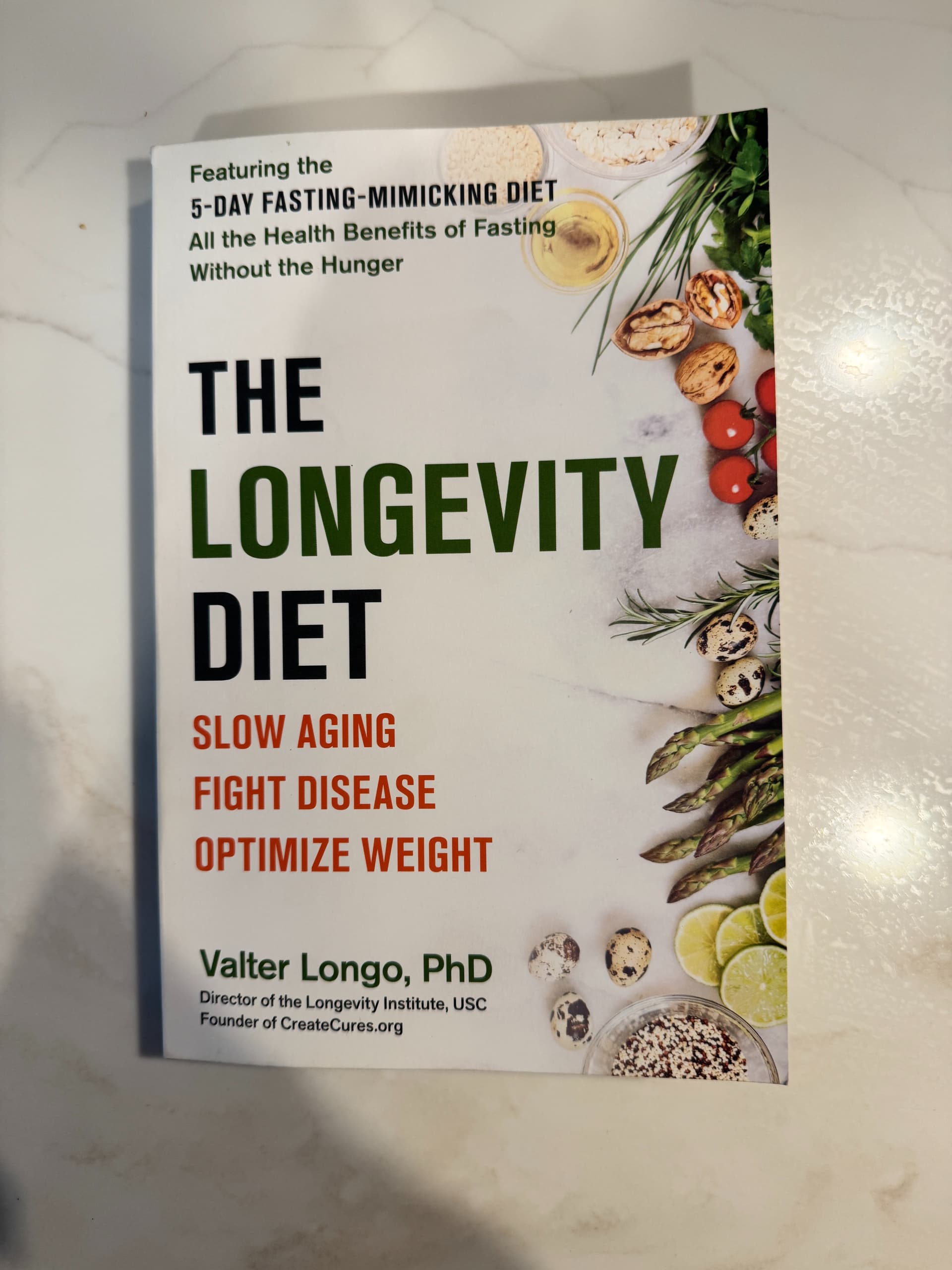
Another new Diet Study, Long term. Interesting to see that they note: “In the study, Lv and her colleagues found that high fibre intake had the strongest association with increased longevity”.
These 5 diets could add years to your life even if you have bad genes
Five dietary patterns that involve eating lots of plants have been linked with living up to three years longer, even among people who are genetically predisposed to have a shorter life
Five dietary patterns have been associated with living years longer, regardless of someone’s genetic risk factors for disease, in a study of more than 100,000 people.
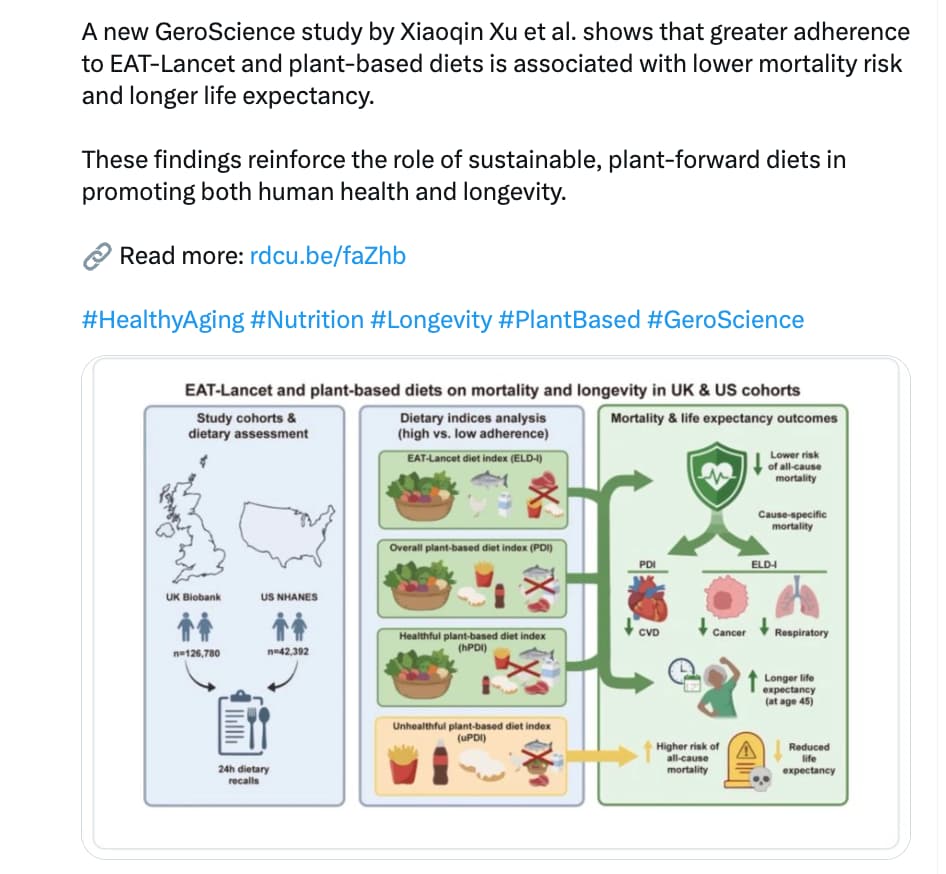
Yanling Lv at Huazhong University of Science and Technology in China and her colleagues looked at the association between diet and longevity by analysing data from 103,000 participants in the UK Biobank study. The individuals were scored based on how closely they reported adhering to five previously validated healthy diets: a Mediterranean-type diet, a plant-based diet, the DASH (Dietary Approaches to Stop Hypertension) diet, the DRRD (Diabetes Risk Reduction Diet), and the AHEI (Alternative Healthy Eating Index).
These five diets vary slightly in their approach, but in general, “they’re all recommending high intakes and a big variety of vegetables and fruit, they’re all recommending whole grain intake, they’re all recommending lean sources of protein, and many of those are vegetarian proteins”, says Collins. They also recommend steering away from sugary drinks and ultra-processed foods.
The study’s subjects were followed for a decade, during which time around 4300 of them died. Lv and her colleagues found that the participants whose dietary habits closely matched one or more of the five healthy dietary patterns were less likely to have died, even after adjusting for factors like their exercise levels and smoking status.
The study also found that people with genetic variants linked to reduced longevity were still less likely to die if they ate well, demonstrating that “even if you haven’t got great longevity genes, diet can make a big difference in terms of mortality risk,” says Collins.
The reason these five diets are associated with longer life is probably that they all involve eating a large amount and diversity of plants, which contain fibre, vitamins, minerals and phytonutrients, says Collins.
In the study, Lv and her colleagues found that high fibre intake had the strongest association with increased longevity, and a high intake of sugar-sweetened beverages had the least. Excess sugar consumption can lead to the development of type 2 diabetes and other metabolic conditions, thereby reducing longevity, they write.
A weakness of the study was that dietary scores were based on the participants’ recollection of what they had eaten in the last 24 hours on just two separate days, says Luigi Fontana at the University of Sydney in Australia. “A multi-day food diary can better approximate longer-term patterns,” he says.
Read the full story: These 5 diets could add years to your life even if you have bad genes (New Scientist)
Source Paper (open access) :
Healthy dietary patterns, longevity genes, and life expectancy: A prospective cohort study
https://www.science.org/doi/10.1126/sciadv.ads7559