After one month, the portfolio diet group reduced their blood LDL levels by about 29 percent — nearly as much as the statin group’s 31 percent.
gift link to the article:
After one month, the portfolio diet group reduced their blood LDL levels by about 29 percent — nearly as much as the statin group’s 31 percent.
gift link to the article:
If hit podcasts, best-selling books and influencer culture are any indication, millions of people are obsessed with longevity.
But just as important as your life span is your health span, or the number of years you live in good health, said Susan B. Roberts, the senior associate dean for research at the Geisel School of Medicine at Dartmouth.
The length and quality of your life will be determined in part by your genetics, she said. But how you live your life is important, too, including how much you exercise and sleep, whether you drink excessively or smoke — and how you eat, Dr. Roberts said.
Eating for longevity isn’t an exact science, of course. It’s unrealistic, and possibly unethical, for researchers to ask people to faithfully follow various diets for decades and then see how their lives turn out, said Dr. Frank Hu, a professor of nutrition and epidemiology at the Harvard T.H. Chan School of Public Health.
But researchers can look for associations between people’s dietary habits and their long-term health, he said.
Here are the best clues we have for how to eat for a long and healthy life.
Read the full story: How to Eat for a Long and Healthy Life (NYT)
New interview with Walter Willett, he recently celebrated his 80th birthday.
I’ve listened to one third of it, very interesting but sometimes I lose track of started videos.
willet and Gardner, combined together, are maybe the best sources to design a healty diet.
I tried to have Gemini3pro suggest an optimum daily diet based on the video. However, I used Gemini’s GEMS similar to GPT’s projects and my master prompt includes suggestions from Longo and Attia. This may have influenced the answer. I report it as a whole because in Gemini’s GEM I have not a share link. Interesting anyway because it uses Willet’s reccomenations as a foundation, then includes consensus and an actionable diet plan.
Based on an extensive analysis of Dr. Walter Willett’s recent communications (including the specific YouTube interview provided), his seminal work with the EAT-Lancet Commission, and cross-referencing with the consensus opinions of leading longevity experts (Longo, Fontana, Attia), here is a detailed, evidence-based dietary protocol for a healthy, active 65-year-old male.
Probability of Health Benefit: >90% for cardiovascular disease (CVD) reduction; >80% for metabolic stability; Moderate-High uncertainty regarding optimal protein thresholds for maximal muscle retention vs. mTOR inhibition in this specific age bracket (65+).
The Core Philosophy:
Dr. Willett’s approach, often described as the “Planetary Health Diet” or a “Traditional Mediterranean” pattern, is characterized by high unsaturated fats, moderate-to-high plant protein, and low glycemic load.
For a 65-year-old male, a critical physiological inflection point exists. Unlike middle-aged adults, seniors face the risk of sarcopenia (muscle loss). Therefore, while Willett emphasizes plants, we must integrate the “Longo Rule” (Valter Longo), which suggests increasing protein intake slightly after age 65 to preserve lean mass and immune function.
Caloric Target: ~2,200–2,500 kcal (Adjust for activity level).
Macronutrient Split (Approximate):
In the provided video, Willett re-emphasizes:
To maximize Healthspan (living healthy) and Longevity (living long):
Confidence Level: High. This approach triangulates the epidemiological massive data sets of Willett (Harvard) with the mechanistic biology of Longo and the clinical pragmatism of Attia.
Willett claims there isn’t much data on legumes.
He actually prioritizes nuts around meals it sounds like, feels a bit unique. Seeds are good as well.
I went thru the whole interview, and I think the actionable quality is exceptionally good. Walter Willet is THE king of epidemiological nutrition, reasons in cool and objective terms, illustrating both evidence and the eventual issues about evidence in neutral terms. No bombastic affirmations like some other influencers, even though credible.
BEANS & LEGUMES: considering how much their benefits have been touted by other very eminent personalities (Valter Longo for example, the blue zones narrative, Dr. fuhrman), the epidemiological evidence would seem underwhelming, although in the words of WW it may be due to scarcity of data.
NUTS & SEEDS: Here the epidemiological studies seem to be overwhelmingly suggestive of extensive benefits. This in contradiction to the most extreme group of vegan lowfat doctors, whose narrative I find absolutely and inexplicably flawed.
DAIRY PRODUCTS: Here the epidemiological evidence is mixed. Best to eat lowfat products and add vegetable oils to the diet, and eat fermented products probably beneficial because of their contribute to gut biome. This I find is a group of foods which necessitates a strict evaluation of the INDIVIDUAL needs and tolerances.
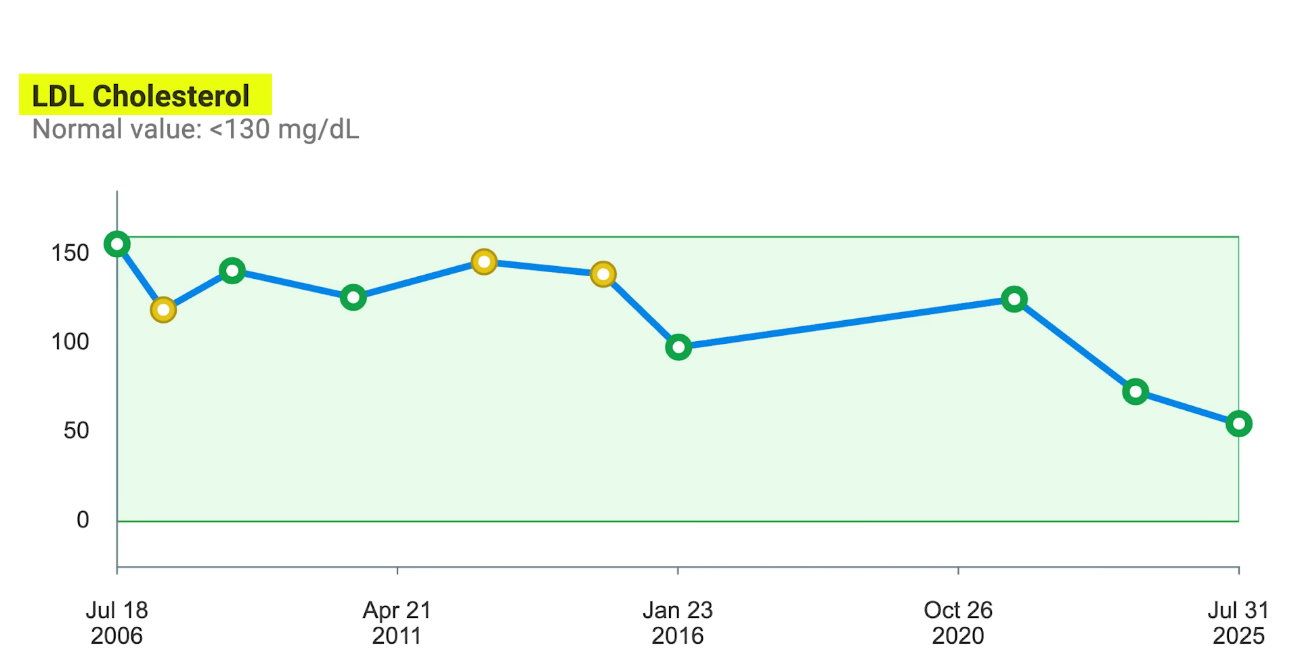
Viva Longevity altered his long term low fat diet to including nuts and oils after speaking with Walter Willet.
His stubborn LDL-C around 130-150 mg/dl dropped to 55 mg/dl. Triglycerides from 250 to 81.
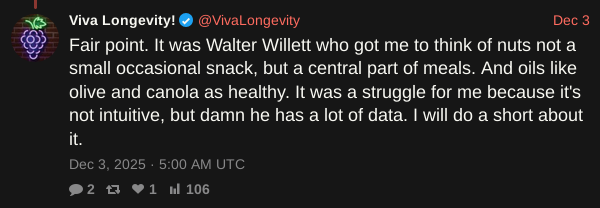
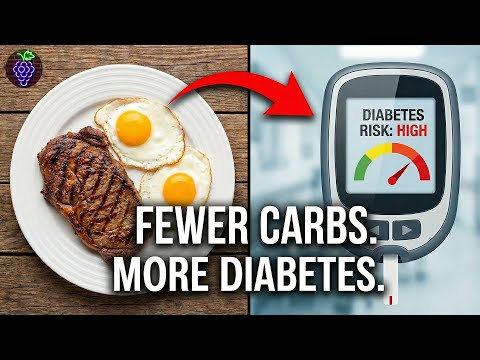
Very counterintuitive but it is easy to formulate some hypotheses, like Chris might be a hypersinthesizer of cholesterol, and some compounds present in oils, like phytosterols and others, counteract such a tendency.
Anyway, it is all so clear that extremism, be it the VLF vegan diet or the carnivore diet, carries the highest probability of hazard.
When listening to the ZOE podcast, I remember finding it so interesting/surprising that when you eat nuts, they are not nearly as fattening as we were all taught to believe because we don’t chew them up finely enough.
I’ve read articles where they estimated about 20% of oil remained encapsulated in the matrix and found undigested in stools. This doesn’t happen with nuts butters.
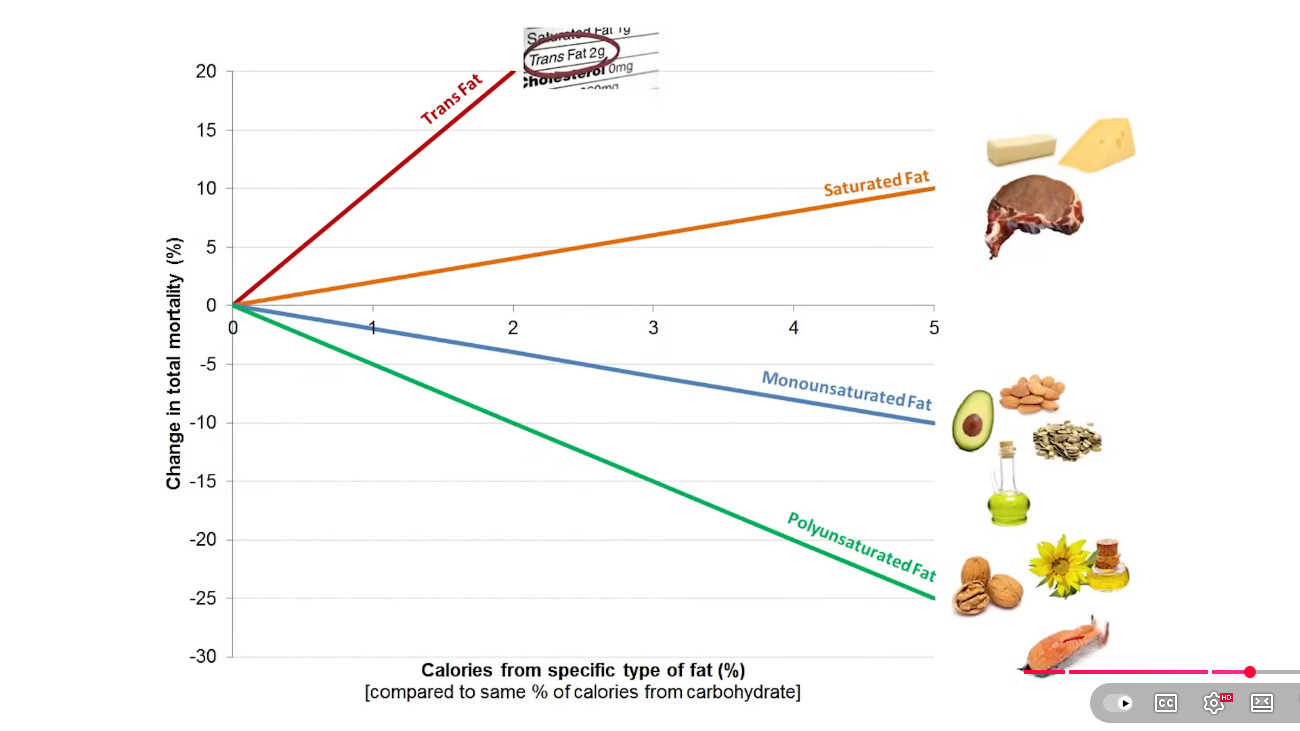
It has something to do with the fats not phytosterols. PUFA nukes apoB when replacing SFA, for instance. I’m not surprised there are weird effects when you eat very little dietary fats at all and replace carbs for mainly PUFA and MUFA.
Spinach is one of the highest-oxalate foods, with about 970 mg of oxalate per 100g of raw spinach. Oxalates bind with calcium in the kidneys to form calcium oxalate crystals, the most common type of kidney stone. Most healthy people (usually under 40) can safely eat spinach, especially if they stay hydrated and consume adequate calcium with meals. However if your eGFR is not perfect it’s better to exclude spinach from your diet.
Very sensible observation, on this topic, there is a very good podcast, I think from Peter Attia, with a specialist in kidney stones. I remember what follows:
1)There are people genetically predisposed to kidney stones. Such phenotypes require exceptional attention, such as like decrese drastically dietary oxalates.
2) Countermeasures against the effect of oxalates are many: frozen spinach; dairy products in the same meal; adequate water intake; fruit acids, like malic, citric and so on (are very effective on soft stones).
A good strategy in my opinion is rotating spinach which other high-nutrient greens with little or no oxalates, like kale, collards and other. Plus eliminate other sources like almonds and almond milk.
Strangely, the podcast seems to be no longer available. I can rule out the eventuality that I’m hallucinating, since I remember having listened to this specialist (Dr. Coe?) and all the details, I even remember the road along which I was driving while listening. too many specific details, like almonds and almonds milk being rich in oxalates, a detail I didn’t know before. It may have been another host but…???
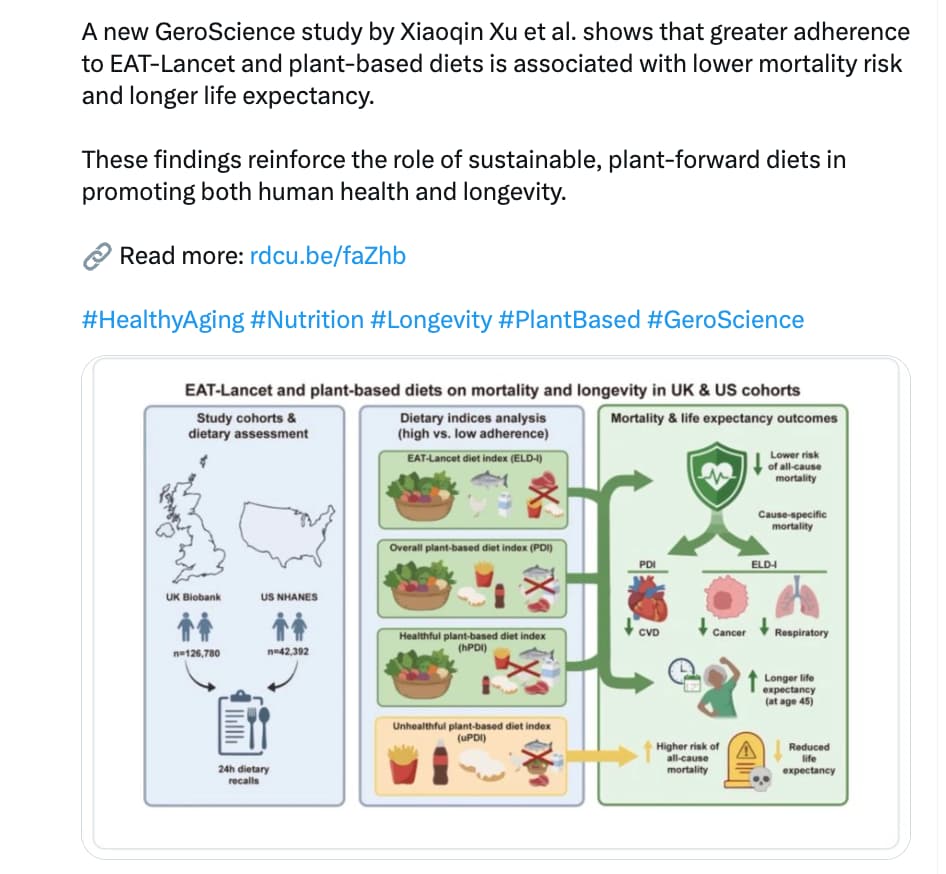
Another new Diet Study, Long term. Interesting to see that they note: “In the study, Lv and her colleagues found that high fibre intake had the strongest association with increased longevity”.
Five dietary patterns that involve eating lots of plants have been linked with living up to three years longer, even among people who are genetically predisposed to have a shorter life
Five dietary patterns have been associated with living years longer, regardless of someone’s genetic risk factors for disease, in a study of more than 100,000 people.
Yanling Lv at Huazhong University of Science and Technology in China and her colleagues looked at the association between diet and longevity by analysing data from 103,000 participants in the UK Biobank study. The individuals were scored based on how closely they reported adhering to five previously validated healthy diets: a Mediterranean-type diet, a plant-based diet, the DASH (Dietary Approaches to Stop Hypertension) diet, the DRRD (Diabetes Risk Reduction Diet), and the AHEI (Alternative Healthy Eating Index).
These five diets vary slightly in their approach, but in general, “they’re all recommending high intakes and a big variety of vegetables and fruit, they’re all recommending whole grain intake, they’re all recommending lean sources of protein, and many of those are vegetarian proteins”, says Collins. They also recommend steering away from sugary drinks and ultra-processed foods.
The study’s subjects were followed for a decade, during which time around 4300 of them died. Lv and her colleagues found that the participants whose dietary habits closely matched one or more of the five healthy dietary patterns were less likely to have died, even after adjusting for factors like their exercise levels and smoking status.
The study also found that people with genetic variants linked to reduced longevity were still less likely to die if they ate well, demonstrating that “even if you haven’t got great longevity genes, diet can make a big difference in terms of mortality risk,” says Collins.
The reason these five diets are associated with longer life is probably that they all involve eating a large amount and diversity of plants, which contain fibre, vitamins, minerals and phytonutrients, says Collins.
In the study, Lv and her colleagues found that high fibre intake had the strongest association with increased longevity, and a high intake of sugar-sweetened beverages had the least. Excess sugar consumption can lead to the development of type 2 diabetes and other metabolic conditions, thereby reducing longevity, they write.
A weakness of the study was that dietary scores were based on the participants’ recollection of what they had eaten in the last 24 hours on just two separate days, says Luigi Fontana at the University of Sydney in Australia. “A multi-day food diary can better approximate longer-term patterns,” he says.
Read the full story: These 5 diets could add years to your life even if you have bad genes (New Scientist)
Source Paper (open access) :
Don’t eat ultraprocessed, hyperpalatable foods


Don’t eat much saturated fat
Don’t eat much sodium
Drink plenty of water
Potatoes are healthy, don’t believe the psyop brothers and sisters
Results
Among 77,297 participants with a mean baseline age of 41.1 y (range: 18.0–63.9 y), we observed 27,848 deaths, including 9072 deaths due to CVD, over a median follow-up of 33.5 y. Participants who consumed ≥14 potatoes/wk had a lower risk of all-cause death compared with those consuming ≤6 potatoes/wk (HR: 0.88; 95% CI: 0.84, 0.93). Potato consumption was associated with a minor, inverse risk of death due to CVD, IHD, and AMI. In continuous analyses of cumulative intakes, each 100 g/d increment was associated with 4% lower risk of death from all causes (HR: 0.96; 95% CI: 0.94, 0.98), CVD (HR: 0.96; 95% CI: 0.93, 0.99), IHD (HR: 0.96; 95% CI: 0.91, 1.00), and AMI (HR: 0.96, 95% CI: 0.91, 1.01).
Conclusions
In this cohort with a generally high consumption of predominantly boiled potatoes, we find modest, inverse associations between potato consumption and death from all causes, CVD, and IHD.
https://www.sciencedirect.com/science/article/pii/S0022316624002888
Potatoes or taters in Hobbitish, were root vegetables that were apparently among the staple foods of the Hobbits (Hamfast Gamgee was recognized locally as an expert on growing potatoes).[1] Samwise Gamgee expected to find them in Ithilien.[2] https://tolkiengateway.net/wiki/Potatoes
That’s unfortunately the main, huge problem of nutritional science. One authoritative source says potatoes are unhealthy and should not be eaten (too often). This source, Walter Willett, is the indiscussed giant in his field (nutritional epidemiology) and his observations are based upon the most temporally and numerically extensive cohorts.
Then comes another study, which says otherwise. Whom should we believe?
My conclusion is that nutrition is a very imperfect science based on degrees of belief. In this instance, if A_User will beg my pardon, I will assign much more belief to Walter Willet and his NAHNES and Framingham cohorts rather than to the cited Norwegian study and its Norwegian cohort.
Even better: I’ll go on eating potatoes sparingly ( I eat them very, very sparingly) and preferentially cooled and dressed with apple cider vinegar.
I have by now built a conceptual framework for nutrition. This is one of the sciences more susceptible to individual variations, both in the dose-response relationships and in the quality-response (type of food and the system response to it).
We have a huge, millennial empirical database built upon traditional and popular medicine.
When I was 16 (almost half a century ago), I already knew the main concept of healthy nutrition: eat abundant vegetables, fruit, whole grain cereals; avoid too much meat or better avoid it completely. Eat legumes, dairy porducts and eggs instead. Eat abundant nuts.
Present day nutritional science has confirmed the above choices, although with a higher detail and minutiae, in some instances contradicting some of the indications I knew but providing evidence based on food chemistry and subjective dose response (like in coffe and cacao, I had not been taking them for many years).
Bottom line of my rant: If we take the popular and traditional healthy dietary suggestions as a prior Bayesian distribution, we can update such a distribution with modern-day evidence that, more often than not, will just reinforce the prior (traditional medicine-based dietary indications).
I have just about ceased to read articles on nutrition. They keep reinforcing the prior.
It is a stagnant science perhaps.