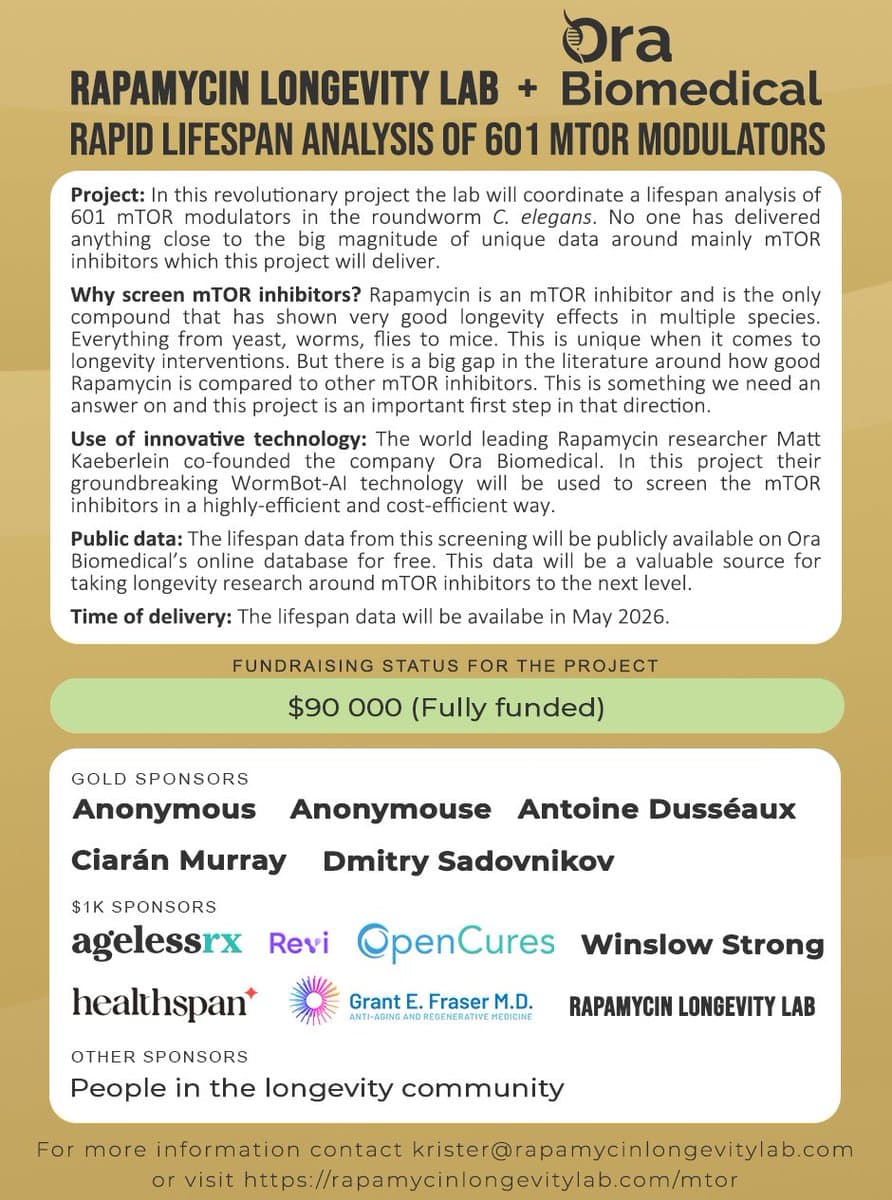
Other than the very top results there are 3 molecules in this screening that stand out to me as they are naturally derived and potential safe to consume. They’re difficult to find but I’m curious what people here think of them and if they’d be willing to try them?
These are derived, among other sources, from ginkgo biloba leaf, chamomile and garlic skin. All of these are relatively benign. We know that some amount of them are safe and therefore some amount of these molecules are safe. The question lies in how much.
Those 3 molecules are:
- Isoginkgetin
- Daphnetin
- N-Feruloyloctopamine
Isoginkgetin is a naturally occurring biflavonoid first isolated from Ginkgo biloba leaves.
- Induces apoptosis in cancer cells (JNK–caspase pathway)
- Anti-cancer activity (tumor growth, migration, clonogenicity inhibition)
- CDK6 inhibition and degradation (cell cycle arrest, anti-proliferative)
- ↓ GLUT1 expression → reduced glucose uptake and metabolic stress in tumors
- Activates AMPK–ULK1 signaling (energy stress, autophagy induction)
- Promotes autophagy (via CDK6 and TFEB-related mechanisms)
- TFEB activation → ↑ lysosomal biogenesis and function
- GSK-3β inhibition → TFEB nuclear translocation (lysosome restoration)
- Neuroprotection (motor neuron protection in ALS models)
- Anti-neuroinflammatory effects (↓ microglial activation, ↓ cytokines)
- NF-κB and p38 pathway inhibition
- Antidepressant-like effects (reduced inflammation, restored neurotransmitter balance)
- Chondroprotective effects (↓ cartilage degradation, ↓ MMPs, ↓ pain)
- PI3K/AKT modulation (cartilage protection, inflammation control)
- Anti-senescence and anti-ferroptosis effects in cartilage
- Antioxidant effects (↓ ROS)
- Anti-atherosclerotic effects (ACLY inhibition, lipid lowering, vascular protection)
- Nrf2 activation (oxidative stress resistance, cardioprotection)
- Cardioprotective effects (obesity-induced cardiomyopathy improvement)
- Broad antiviral activity (viral protease inhibition, life cycle suppression)
In conclusion, we showed that IGG effectively triggered apoptotic cell death in OSCC, employing a JNK-dependent pathway of caspase activations. Our findings implicate this natural compound as a tentative therapeutic modality against oral malignancies.
Isoginkgetin Induces Caspase Cascade Activation and Cell Apoptosis via JNK Signaling in Oral Cancer - PMC
Lysosomal dysfunction is a core pathological driver of neurodegenerative diseases such as amyotrophic lateral sclerosis (ALS). Transcription factor EB (TFEB) serves as a master regulator of lysosomal biogenesis, and its pharmacological activation represents a strategy to restore lysosomal function in disease and aging. Here, using a series of artificial intelligence-powered computational virtual screening workflows, we have identified isoginkgetin (ISO), a small-molecule compound, as a potent TFEB activator that promotes mechanistic target of rapamycin complex 1 (mTORC1)–independent TFEB nuclear translocation to enhance lysosomal biogenesis and function. Mechanistically, ISO functions as an ATP-competitive inhibitor that binds to the key Lys85 residue within the ATP-binding pocket of glycogen synthase kinase 3β (GSK-3β), thereby regulating the GSK-3β–TFEB signaling axis to activate TFEB nuclear translocation. Functionally, ISO improves lysosomal function and protects motor neurons differentiated from induced pluripotent stem cells derived from patients with ALS from degeneration. Collectively, these results support the hypothesis that lysosomal dysfunction is a druggable target for ALS.
Isoginkgetin protects against degeneration of ALS motor neurons via regulating the GSK-3β–TFEB signaling axis - PMC
IGK inhibited catabolism and promoted anabolism after stimulating by IL-1β in vitro. Following destabilization of the medial meniscus (DMM) surgery, administration of IGK significantly reduced OARSI scores and attenuated AGGRECAN and COLLAGEN2 loss, overexpression of MMP3 and articular cartilage deterioration. IGK relieved pain of mice after DMM. Besides, PI3K/AKT/NF-κB, P53, Autophagy, Ferroptosis pathway and reactive oxygen species (ROS), senescence of cartilage were changed after IGK treatment.
Isoginkgetin protects chondrocytes and inhibits osteoarthritis through NF-κB and P21 signaling pathway - PMC
In summary, this study provides the first preclinical evidence in support of the lipid-lowering and atheroprotective of ISOGK by targeting ACLY enzyme activity. These findings indicate that the novel ACLY inhibitor ISOGK holds promise for clinical translation and suggest the potential therapeutic value of ISOGK in treating atherosclerotic vascular diseases.
A natural small molecule isoginkgetin alleviates hypercholesterolemia and atherosclerosis by targeting ACLY - PMC
In summary, our study illustrated that ISO is a potential novel anticancer agent against HCC that directly binds the N terminus of CDK6 to induce its degradation with fewer side effects. Moreover, our results provide a new molecular mechanism by which ISO treatment or CDK6 deletion promotes autophagy; that is, ISO targeting the N terminus of CDK6 for degradation inhibits the expression of SLC2A1/GLUT1 by decreasing the enhancer activity of SLC2A1/GLUT1 , resulting in decreased glucose and inducing the AMPK-ULK1 pathway.
Isoginkgetin, a potential CDK6 inhibitor, suppresses SLC2A1/GLUT1 enhancer activity to induce AMPK-ULK1-mediated cytotoxic autophagy in hepatocellular carcinoma - PMC
Considering the extreme intra- and intertumoral heterogeneity of glioblastoma and the innate or acquired resistance of high-grade brain tumors to conventional therapy, the present study aimed to evaluate the effect of Iso, a natural substance, as a single inhibitor agent on the growth, clonogenic potential, and migration of U87MG. Furthermore, an attempt was made to identify the main mechanisms underlying the inhibition of growth induced by Iso, highlighting that Iso has effects on the blocking of cell growth through a reactivation of apoptosis and autophagy. The most interesting future research, certainly, could be investigating the ability of Iso to act in synergy with temozolomide-bypassing drug resistance mechanisms, preventing therapy failure and reactivating the homeostatic mechanism in cancer cells.
Isoginkgetin—A Natural Compound to Control U87MG Glioblastoma Cell Growth and Migration Activating Apoptosis and Autophagy - PMC
In conclusion, the present study identifies IGK as a novel naturally-occurring Nrf2 activator from eminent medicinal herb Ginkgo Biloba , and demonstrates its safety and efficacy to ameliorate obesity-induced cardiomyopathy.
Isoginkgetin, a bioactive constituent from Ginkgo Biloba, protects against obesity-induced cardiomyopathy via enhancing Nrf2/ARE signaling - PMC
In summary, the present study demonstrated that isoginkgetin could inhibit the production of peripheral inflammatory cytokines, decrease the neuroinflammation by downregulating p38/NF-κB signaling pathway in microglia, and protect neuronal cells from activated microglia-induced toxicity and apoptosis (Figure 2), which may contribute to it attenuated LPS-induced depression- and anxiety-like behavior and restored neurotransmitter synthesis and metabolism in mice. These data suggest that isoginkgetin may be a potential antidepressant candidate.
Isoginkgetin treatment attenuated lipopolysaccharide-induced monoamine neurotransmitter deficiency and depression-like behaviors through downregulating p38/NF-κB signaling pathway and suppressing microglia-induced apoptosis - PMC
We utilized virtual screening based on the structure of the viral major protease, 3Cpro, to filter potential anti-FMDV inhibitors from phytochemical compound libraries. Among the 5789 tested molecules, two flavonoids, luteolin and isoginkgetin, demonstrated a high potent negative effect on the FMDV life cycle by blocking the 3Cpro activity. The molecular docking revealed a good binding affinity of both compounds and FMDV 3Cpro, which strengthened our findings by the cell-based and FRET-based protease assays. As both phytochemical flavonoids presented negative effects on both DNA and RNA viruses in several studies, they could become promising board-spectrum antiviral agents effective against FMDV and other viruses.
Natural Phytochemicals, Luteolin and Isoginkgetin, Inhibit 3C Protease and Infection of FMDV, In Silico and In Vitro - PMC
Daphnetin is a molecule found in chamomile and plants from the genus Daphne.
- Anti-inflammatory (↓ TNF-α, IL-1β, IL-6, NO, PGE2)
- NF-κB and TLR4 inhibition
- Nrf2 activation (antioxidant response)
- ↓ ROS and oxidative stress
- ↓ iNOS and COX-2
- ↓ endotoxin-driven inflammation and mortality (animal models)
- Antidiabetic effects (↓ blood glucose)
- Cardio-protective (↓ myocardial injury, improved function)
- Anti-apoptotic (↓ ER stress, JNK/MAPK-related apoptosis)
- Neuroprotective (↓ ischemia-reperfusion injury, ↓ neuronal apoptosis)
- Cognitive/neurological support (AChE inhibition, KCC2 restoration, free radical scavenging)
- Carbohydrate enzyme inhibition (↓ α-amylase, ↓ α-glucosidase)
- ECM protection (↓ degradation in disc cells)
- NLRP3 inflammasome inhibition
- Mitochondrial support (↑ Nrf2/PINK1 mitophagy)
- Tissue-protective effects in metabolic, neural, cardiac, and disc degeneration models
Daphnetin has demonstrated the ability to reduce the production of pro-inflammatory cytokines through various mechanisms, including regulating the nuclear factor erythroid 2-related factor 2 (Nrf2) signaling pathway and suppressing NF-κB signaling (Zhang et al., 2018). Shen et al. conducted a study revealing that daphnetin effectively mitigated inflammation induced by LPS and decreased the mortality rate associated with endotoxin in mice. Their findings indicated that daphnetin significantly reduced the release of TNF-α, IL-1β, IL-6, NO, and PGE2 in Raw264.7 cells. Furthermore, it downregulated the expression of iNOS and COX-2, as well as the generation of ROS.
Coumarin: A natural solution for alleviating inflammatory disorders - PMC
In conclusion, the administration of daphnetin resulted in a reduction in blood glucose levels in diabetic rats. Furthermore, daphnetin demonstrated a dose-dependent improvement in cardiac function, attenuation of myocardial injury, and a reduction in the inflammatory response, as well as suppression of ER stress-induced apoptosis, through the inactivation of JNK and MAPK in diabetic rats. These findings indicate that daphnetin may be a promising therapeutic agent for the treatment of DCM.
Daphnetin ameliorates diabetic cardiomyopathy by regulating inflammation and endoplasmic reticulum stress-induced apoptosis - PMC
In summary, the present study demonstrated that DAP alleviated cerebral I/R injury by reducing inflammatory cytokines production and neural cells apoptosis in vivo. Furthermore, the potential mechanism responsible for neuroprotective and anti-inflammatory effects of DAP was involved with the inhibition of TLR4/NF-κ B mediated inflammatory signaling pathway. DAP showed a therapeutic potential for the treatment of stroke.
Daphnetin Protects against Cerebral Ischemia/Reperfusion Injury in Mice via Inhibition of TLR4/NF-κB Signaling Pathway - PMC
In conclusion, the present study has demonstrated that daphnetin alleviates HGHF-induced pathological damage in NK-92 cells via upregulating the secretion of inflammatory cytokines, thereby restoring the expression of the intracellular cytotoxic molecules (perforin and granzyme B), and inhibiting cell apoptosis. Taken together, these findings have provided a nove experimental basis for the application of daphnetin in the treatment of T2DM and has been laid a foundation for further exploring the immunomodulatory mechanism of natural coumarin derivatives in metabolic diseases.
Daphnetin Ameliorates Pathological Damage in NK-92 Cells Induced by High-Glucose and High-free Fatty Acids - PMC
Daphnetin attenuates Aβ-associated AD progression via inhibition of AChE activity, scavenging of free radicals, reduction of inflammation, and restoration of neuronal KCC2 channels. Hence, it may be a potential therapeutic agent for the treatment of AD. However, more extensive studies are required to confirm this therapeutic potency in different AD conditions and various animal species.
Daphnetin Ameliorates the Amyloid β-Induced Alzheimer Disease via Restoring Potassium-Chloride Co-Transporter 2 (KCC2) Ion Channel Functions in Mice - PMC
Daphnetin or 7,8 dihydroxycoumarin was found to be a potential salivary and pancreatic α-amylase blocker both in vivo and in vitro . It also inhibited α-glucosidase but to a lesser extent. Application of daphnetin for 7 days had no toxic effect on the organs like liver, kidney, small intestine in mice. Hence, it can be concluded that daphnetin has the potential to act as an α-amylase blocker. Further studies and careful investigations can lead to a more conclusive role of daphnetin in future.
Evaluation of toxicity and anti-amylase activity of 7, 8 dihydroxy coumarin (Daphnetin), a novel α-amylase blocker in vitro and in vivo - PMC
In conclusion, the present research provides evidence supporting the beneficial impacts of DAP in IDD (Intervertebral disc degeneration) treatment. This study demonstrates that DAP has a beneficial effect on oxidative stress, ECM degradation, and NLRP3 inflammasome activation caused by TBHP. This effect is achieved by increasing Nrf2/PINK1-mediated mitophagy in NPCs. Furthermore, the therapeutic efficacy of DAP in delaying IDD in rats was shown via in vivo tests. These results provide novel perspectives for understanding the potential of DAP in the therapeutic management of IDD.
Daphnetin-mediated mitophagy alleviates intervertebral disc degeneration via the Nrf2/PINK1 pathway: Daphnetin enhances mitophagy to alleviate disc degeneration via Nrf2/PINK1 - PMC
N-Feruloyloctopamine is an antioxidant compound isolated from garlic skin. Of the three compounds it is the one with the least amount of scientific data.
We provide evidence that FO can inhibit proliferation and stimulate apoptosis in Huh7 and Hep3B cells. Moreover, the critical pathways and potential target genes modulated by FO were screened. The conceptual diagram of the signal that FO stimulates apoptosis by regulating hub genes is simulated, but the specific mechanism by which FO mediates signal pathway transduction by regulating the expression of candidate genes is still unclear. We also need to reveal this hypothesis in subsequent molecular biology and histopathological experiments. It implies that the reformed FO can inhibit tumors by their effect on genes in critical signals and can be used as a promising antitumor drug.
N-trans-Feruloyloctopamine Wakes Up BBC3, DDIT3, CDKN1A, and NOXA Signals to Accelerate HCC Cell Apoptosis - PMC
 Summary

 Anonymous: Three anonymous contributions to the project and one by Anonymouse.