As longevity moves from laboratory promise toward clinical validation, China is emerging as one of the largest demand bases shaping the field’s next phase and its next major reality check happens this September in Shanghai.
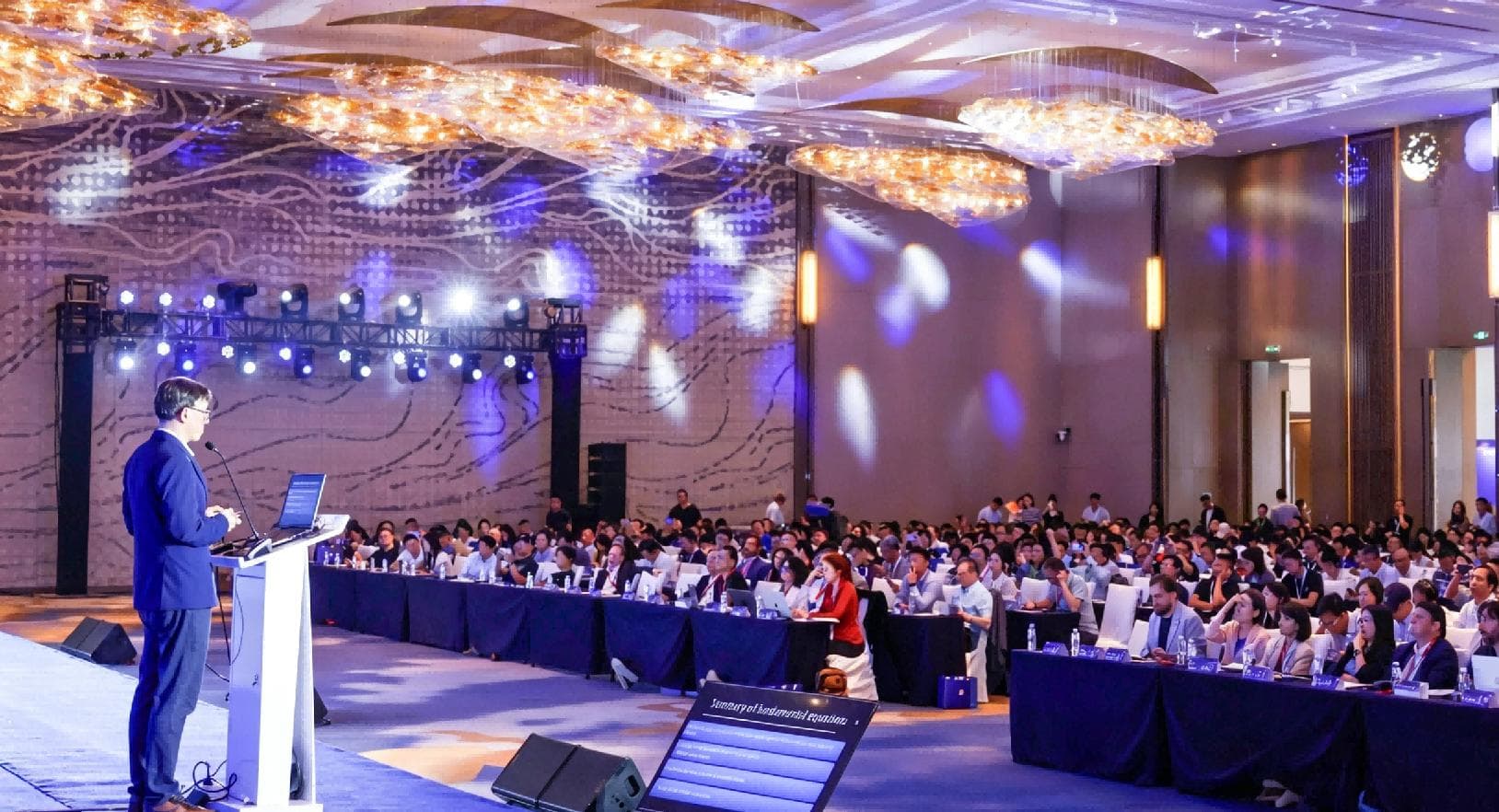
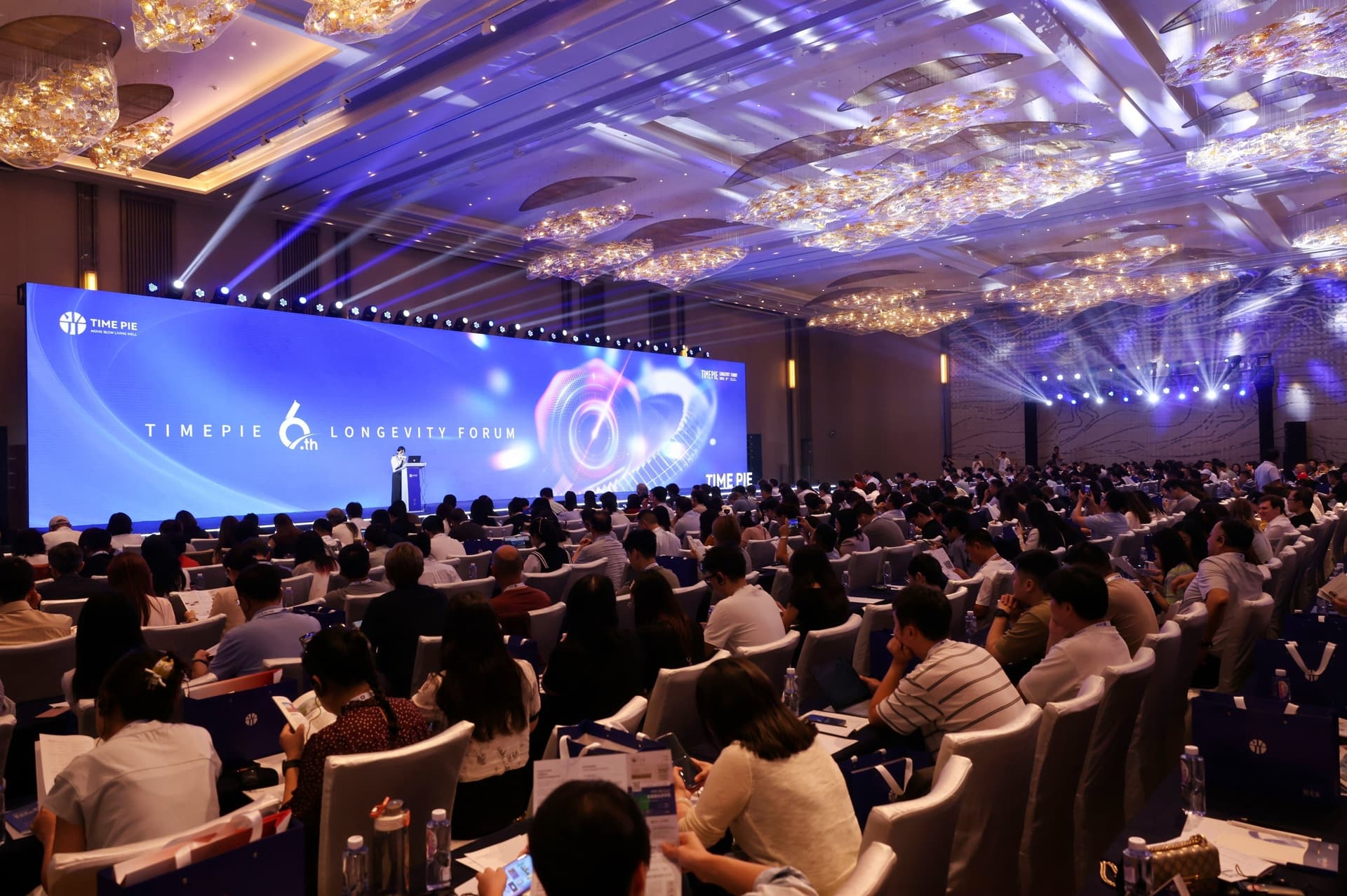
Unlike the speculative gatherings that characterized the industry’s infancy, the brief for this two-day event (12–13 September) is stubbornly practical: implementation. The 7th TimePie Longevity Forum will convene nearly 2,000 researchers, physicians, healthcare operators, technology companies and investors in Shanghai to examine how aging science can be translated into evidence-based, real-world medicine.
Why China Matters
By the end of 2025, China’s population aged 60 and above reached 323 million, accounting for 23% of the population, driving a fundamental shift in healthcare demand toward prevention, personalized intervention, and healthy aging.
Following the Healthy China 2030 strategy, China is rapidly expanding its longevity ecosystem. Leading hospitals and private healthcare groups are moving beyond traditional anti-aging concepts toward longevity medicine, advanced diagnostics, biomarker tracking, and personalized care.
Meanwhile, China is becoming increasingly connected with global longevity innovation, with international biotech companies, clinics, and health technology groups exploring partnerships through platforms such as the Hainan Boao Lecheng Pilot Zone.
A Dynamic Line-up
Longevity has never suffered from a shortage of ideas, but translating those ideas into something a physician can prescribe and a patient can actually receive has proved rather harder. Much of the discussion in Shanghai will orbit that problem – the stubborn, expensive and frequently unglamorous business of turning biological insight into clinical reality.
The scientific program includes researchers such as Raul Mostoslavsky and Barry Halliwell, who are expected to discuss developments across stem cell biology, tissue regeneration, epigenetic regulation and metabolic dysfunction. These areas sit close to the heart of contemporary geroscience, yet the distance between a promising mechanism and a meaningful clinical intervention remains considerable.
Alongside established researchers, figures including gerontologist Aubrey de Grey and biohacker Dave Pascoe will offer perspectives that originate well beyond conventional healthcare settings.
Writing the Longevity Clinic White Paper
Among the forum’s outputs will be an updated longevity clinic white paper developed with academic and industry partners, including Fudan University. Around the world, providers are adopting the label with remarkable enthusiasm, while consensus around standards, governance and clinical scope remains a work in progress.
The report is expected to examine how aging-related interventions can be integrated into healthcare systems while maintaining scientific rigor and regulatory oversight. Particular attention will be paid to the infrastructure that sits behind longevity services – the biological materials, assessment platforms and operational frameworks that rarely attract headlines but often determine whether a model succeeds.
Connecting Early-Stage Longevity Research
The event also maintains a direct connection to scientific research through the TimePie Longevity Research Grant, which channels net proceeds from the forum into early-stage longevity projects.
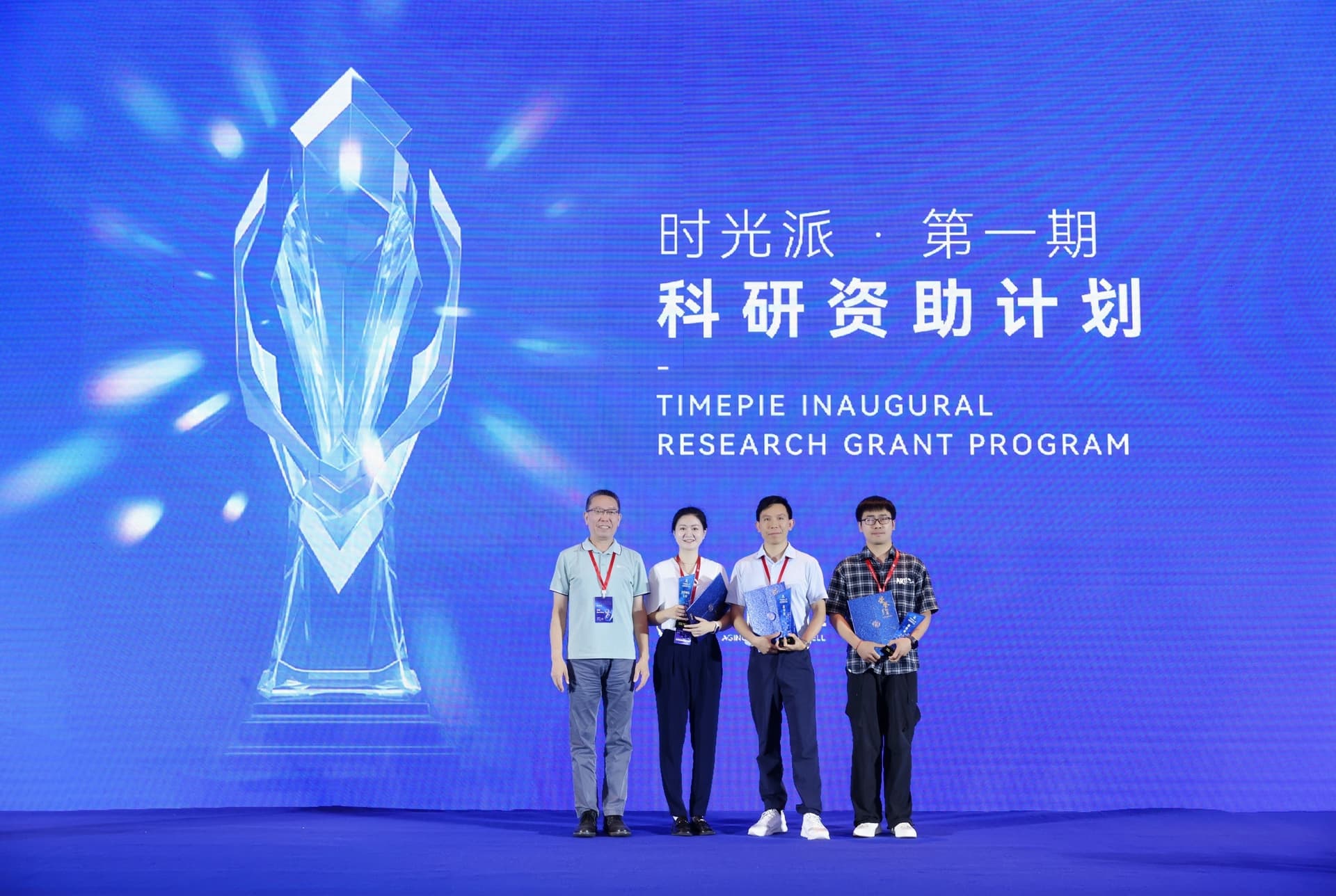
The initiative has previously supported work spanning senescent cell clearance, ovarian aging and AI-enabled drug discovery. Now in its second year, grants will once again be awarded internationally…
The 7th TimePie Longevity Forum runs 12–13 September, in Shanghai, China. – plus, use the code “LONGEVITY” for 20% off at the checkout!