“In general, lower LDL is better, especially for people at increased risk for a heart attack or stroke,” says cardiologist Pamela B. Morris from the Medical University of South Carolina.
5 Likes
Jacob Goldstein interviews Nir Barzilai on “What’s your Problem”:
Somewhat entertaining, I’m spending a lot of time in the truck and Jacob is really good at his job, so fun to listen to. Not an amazing interview but he brought up CTEP inhibitors and I didn’t realize they were such a longevity med. So obicetrapib may be the one to use soon. It will be called ubeslo used alone. Is there a way to cheat and get it here in the states?
CETPi might be bad for female lifespan.
The CETP locus showed a G×E-specific signal for the percentage of triglycerides in LDLs (LDL_TG_pct; P G×E = 1.8 × 10⁻¹², P marginal = 0.98). Given the role of CETP in exchanging triglycerides from LDLs and other lipoproteins with cholesteryl esters from HDL, LDL_TG_pct might represent a key metabolic process for this protein. Notably, effect directions differed by sex (Fig. 5b and Supplementary Table 31), and LDL_TG_pct predicted all-cause and coronary artery disease mortality in both sexes (hazard ratio per unit of s.d. in UKB1: 1.23 (95% confidence interval, 1.21–1.25) and 1.25 (1.18–1.32), respectively; Fig. 5c and Supplementary Table 32). As the known causal variant (rs1801706) showed increasing effects on CETP expression46,47, these results suggested that CETP inhibition might decrease LDL_TG_pct in men but increase it in women, potentially leading to an increased female mortality risk.

3 Likes
Molecular mechanism leading to human coronary atherosclerosis assessed by proteomic analysis and RNA sequences
https://academic.oup.com/eurheartj/article/47/28/3840/8676655
Pop-sci article:
New research explores the earliest stages of coronary plaque inflammation
Compound produced after eating pomegranates targets stiff-heart failure pathway, early tests suggest
Scientists at King’s College London have discovered that urolithin A—a natural compound produced in the body after consuming foods like pomegranates, walnuts and some berries—improves the heart’s ability to relax, reduces scarring and prevents harmful enlargement of the heart. The study will be published in Science Advances.
The finding could give hope to nearly half a million people in the UK who have a type of heart failure in which the heart retains its ability to pump blood but becomes stiff and less able to relax between beats, making it harder to fill with blood. This is known as heart failure with preserved ejection fraction and accounts for around half of all heart failure cases. The condition can lead to breathlessness, fatigue, reduced ability to exercise and an overall poor quality of life.
Despite its growing prevalence, effective treatments remain relatively limited. The condition is hard to treat because it is driven by many different factors—including aging, high blood pressure and diabetes. As the heart can still pump normally but becomes stiff and does not fill properly, heart failure treatments are less effective. Instead, clinicians focus on managing the underlying conditions and advise lifestyle modifications, such as weight loss and controlling blood sugar.
https://medicalxpress.com/news/2026-08-compound-pomegranates-stiff-heart-failure.html
1 Like
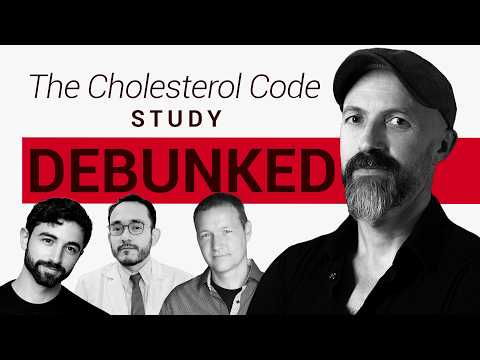
Video AI Summary
Overview
The video critically examines the recently released keto CTA preprint featured in the Cholesterol Code documentary, which studies plaque progression over one year in lean mass hyper responders (LMHR) following a ketogenic diet. Despite being promoted as scientifically robust, the preprint has six major statistical and methodological flaws undermining its primary conclusions that neither LDL-C exposure nor ApoB predict plaque progression. The study remains unpeer-reviewed, and its claims, especially the statistical foundations, are thoroughly questioned.
Key Issues Identified in the Study
Problem # Description Impact 1 Misdefinition of LDL-C Exposure: The study defines LDL-C exposure incorrectly as baseline LDL-C plus change during follow-up, which mathematically simplifies to follow-up LDL-C only, not true cumulative exposure (area under the curve over time). This creates a misleading interpretation of LDL-C’s role, undermining the study’s main exposure measure. 2 Improper Use of IQR in Charts: Instead of showing the standard interquartile range (25th to 75th percentile), the study plots median ± half the IQR, an unconventional, non-standard, and custom-calculated metric that artificially minimizes variability and skews the interpretation of plaque progression distributions. Distorts visualization, suggesting less variability than actually present; raises doubts about data transparency and reproducibility. 3 Failure to Report ApoB Model Results: ApoB is a central biomarker claimed to have no association with plaque progression, yet the paper omits any numerical results (coefficients, confidence intervals, model outputs) for the ApoB analyses. Important findings are insufficiently documented, preventing independent scrutiny and undermining credibility. 4 Faulty Equivalence Testing (TOST) Application: The study applies identical equivalence bounds (-0.05 to 0.05) across regression slopes that have different units and clinical meanings, violating the fundamental principles of equivalence testing. Additionally, ambiguous reporting of confidence intervals and possible use of an incorrect alpha level (80% vs. 90% CI) further confuse interpretation. Results claiming “no association” are based on statistically invalid procedures, rendering such null claims unjustified. 5 Misuse of Post Hoc Power Calculations: To justify nonsignificant findings, the authors conduct a post hoc power calculation — a method strongly discouraged in statistics — which does not confirm the absence of an effect and relies on presumptive assumptions without transparently assessing variant effect sizes. This erroneously reassures readers and misleads interpretation regarding statistical power and sample size adequacy. 6 Oversimplified, Unadjusted Regression Models: The analyses are based on crude, univariable linear regressions without controlling for basic confounders like age or sex, in an observational study with selection bias, small sample size, and a restricted LDL-C range. Coupled with noisy plaque measurements, this weakens any true association signals. The study’s design and modeling approach predispose it to false negatives and fragile conclusions rather than robust null findings. Additional Noteworthy Observations
- The study includes at least one coronary revascularization event during follow-up, but provides no clear statistical handling or impact assessment of this on plaque measures (00:05:22).
- Sample size inconsistencies are noted (n = 100, 99, 95 in different places) without adequate explanation of exclusions or their reasons (00:06:17).
- The dataset shows some cases of plaque regression over only one year, but the clinical relevance and long-term trajectory remain uncertain (00:00:59).
- Discrepancies in reporting plaque progression percentages between this and a previous retracted study (HeartFlow rapid progressors 0% vs 29%) suggest recurring data or analysis issues (14:55).
Conclusions and Implications
The presenter asserts that this keto CTA preprint fails to meet basic statistical standards and cannot legitimately support the conclusion that LDL-C exposure or ApoB levels do not predict plaque progression in LMHR individuals on keto. The study’s scientific foundation is described as “fatally flawed” and actively misleading, with the claims being based on statistically indefensible analyses and reporting. Given the study’s foundational importance to the Cholesterol Code documentary’s assertions, these flaws raise serious doubts about the documentary’s scientific rigor and credibility.
Summary Table of Critical Flaws and Consequences
Flaw Category Description Consequence Exposure Variable Definition LDL-C exposure misdefined as follow-up LDL-C, not cumulative Invalidates key predictor variable Data Representation Non-standard IQR reporting disguises true plaque progression spread Misleads on variability and distribution shape Reporting Transparency Omits ApoB model results entirely Hinders independent assessment of key claims Equivalence Testing Inappropriate, identical equivalence bounds applied; incorrect CIs Falsely supports null effect inference Statistical Power Analysis Post hoc power used instead of prospective planning Misrepresents study power and effect detectability Model Specification Crude unadjusted regressions in biased cohort Prone to confounding and false negative results The critique emphasizes that neither the statistical analyses nor study design are robust enough to safely dismiss LDL-C or ApoB as predictors of plaque progression, and cautions against basing clinical or medical decisions on these findings. It calls for better-designed and thoroughly validated studies with transparent, standard, and proper statistical approaches.
2 Likes
Anti-inflammatory agents in atherosclerosis—and a need for reform: Extraordinary claims require extraordinary evidence
https://onlinelibrary.wiley.com/doi/10.1111/joim.70128
Kevin Jon Williams, a lipid metabolism researcher at Temple University, has published a Perspective in the Journal of Internal Medicine arguing that the entire enterprise of treating atherosclerosis by suppressing inflammation has failed, and that the field is refusing to admit it. He catalogues at least 57 human clinical trials of anti-inflammatory agents in atherosclerotic arterial disease spanning more than 35 years. Not one has produced a regulatory approval for a cardiovascular indication except colchicine, and colchicine’s own evidence base has been deteriorating in real time: the first three major randomized trials were positive, the three most recent were null, and the largest and longest of them all, CLEAR SYNERGY, found nothing. Meanwhile a wave of roughly 14 meta-analyses published in 2025 and 2026 has attempted to rescue the signal from that conflicting pile of trials, and those meta-analyses do not agree with one another. Williams argues this pattern is textbook regression to the truth, and calls for three reforms: neutral trial names, informed consent that discloses the field’s track record of failure, and an honest reconsideration by funders and researchers of whether inflammation is a therapeutic target in this disease at all.
For 168 years, since pathologists first saw immune cells inside human arterial plaque, medicine has harbored a seductive idea: if inflammation is in the plaque, suppressing inflammation should prevent heart attacks. It is one of the most heavily funded hypotheses in cardiovascular biology. It has also, on the evidence assembled here, failed.
Williams lays out the ledger. At least 57 human trials of anti-inflammatory agents in patients with atherosclerosis. Canakinumab, an antibody against interleukin-1 beta, was the flagship: its CANTOS trial produced a benefit only at the middle of three doses, with no dose-response relationship, plus fatal infections and sepsis. Regulators in both the United States and Europe rejected or received withdrawn applications. Methotrexate’s CIRT trial was flatly null. Darapladib, varespladib, losmapimod, succinobucol, inclacumab, salsalate, vitamin D, allopurinol: negative, or worse. Varespladib produced more heart attacks. Salsalate produced more atrial arrhythmias.
That left colchicine, a gout drug in use since antiquity and the only anti-inflammatory medication ever approved for atherosclerotic arterial disease in any jurisdiction. Two trials, COLCOT in 2019 and LoDoCo2 in 2020, won it that approval from American regulators in 2023. Then the picture inverted. In 2024, CONVINCE and CHANCE-3 failed in stroke patients. CLEAR SYNERGY, the largest colchicine trial ever run, followed 7,062 heart attack patients for three years and found no benefit on its primary outcome or any component of it, despite confirming that colchicine did lower C-reactive protein. In 2025, COCOMO-ACS found no effect on plaque structure. Co-STAR was stopped early for an excess of strokes in the colchicine arm.
The deeper point Williams makes is about what counts as evidence. When the drugs went early-positive and late-negative, the field responded not with retreat but with a dozen-plus meta-analyses reaching mutually incompatible conclusions, and with public statements from trial leaders that the new null data had “absolutely not changed my practice.” He contrasts this with the LDL-lowering drugs, where statins, ezetimibe, PCSK9 inhibitors and bempedoic acid all deliver benefit in strict proportion to how much apolipoprotein-B-containing lipoprotein they remove, across dozens of concordant trials. That is what a real signal looks like. Inflammation inhibition has never produced one. Williams’s proposed remedy is uncomfortable but simple: give trials scrupulously neutral names rather than acronyms like ARISE and STABILITY that advertise a result before it exists, tell volunteers the truth about the track record before they enroll, and give underperforming Big Ideas an explicit shelf life after which funders apply extra scrutiny. Clinical trials are stopped for futility. Perhaps whole fields should be too.
Actionable Insights
The take-home is a downgrade, not an upgrade. If you have been considering colchicine as an anti-inflammatory longevity or cardioprotective add-on, the evidence has moved against you over the last two years, and this paper explains why.
Look at the size of the wins that did exist. In COLCOT, 7.1 percent of placebo patients had a major cardiac event over roughly two years versus 5.5 percent on colchicine, a 1.6 percentage point difference, meaning about 63 people must take the drug for two years for one to avoid an event. LoDoCo2 was better: 9.6 versus 6.8 percent, about 36 treated per event avoided. Both are modest. Then the biggest trial, CLEAR SYNERGY, found 9.3 versus 9.1 percent over three years, essentially zero, while diarrhea rose from 6.6 to 10.2 percent, meaning roughly 1 in 28 treated people got diarrhea they would not otherwise have had. LoDoCo2 also showed non-cardiovascular death at 1.9 versus 1.3 percent, unexplained.
Translated to a standardized effect size, colchicine’s best result is about d = 0.20 and its pooled result across six trials about d = 0.12 to 0.17. That is a small effect, far below what statins deliver against LDL.
The durable message: the payoff in atherosclerosis has come from lowering apolipoprotein-B-containing lipoproteins early and hard, not from suppressing immune activity late.
1 Like
How nicotine attacks the blood vessels: Mapping the biological hierarchy of cardiovascular harm
https://medicalxpress.com/news/2026-08-nicotine-blood-vessels-biological-hierarchy.html
1 Like
Yes, it seems anti-inflammatories make no difference to MACE. Colchicine is looking quite weak - if someone is taking it for CVD, the question arises whether the weak at best effectiveness is worth any potential side effects, especially if it’s taken preventatively.
5 Likes
3 Likes
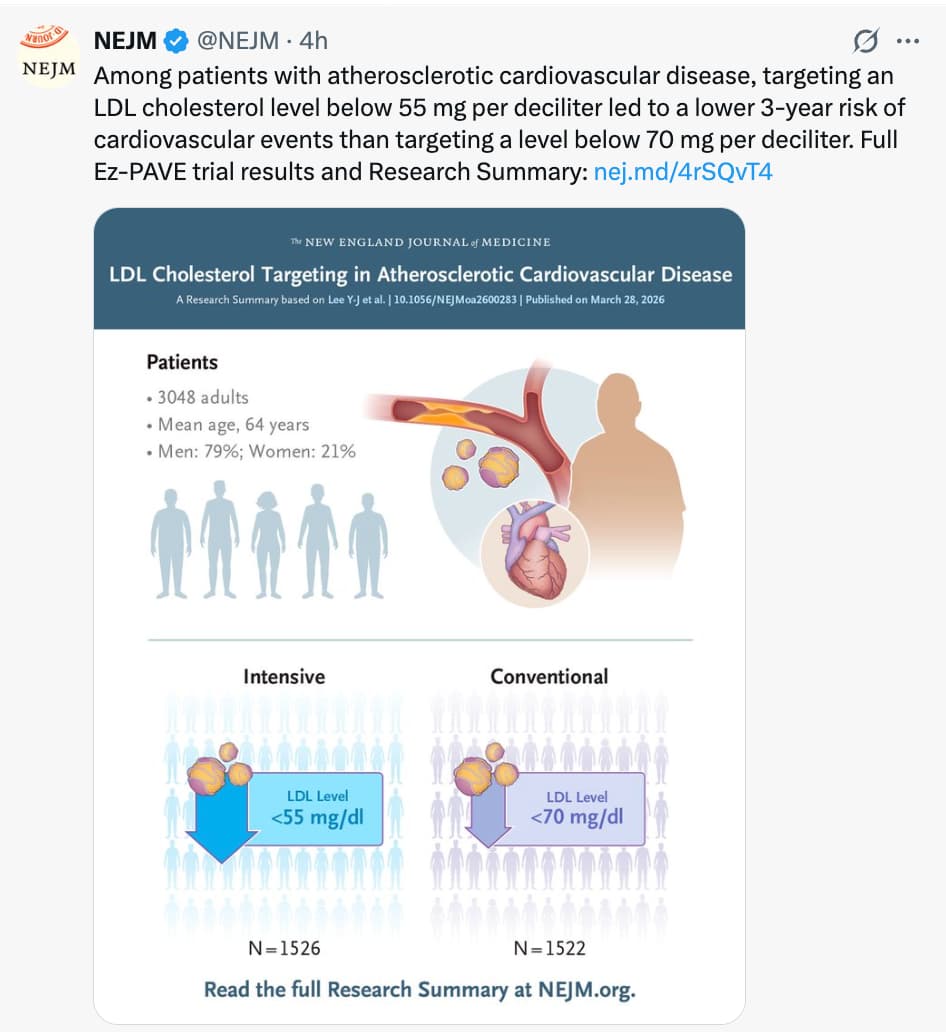
I forgot that there were already two trial results targeting lower levels than 70 mg/dl this yr.
Wtf is this result, I’m a big proponent but look at that reduction.
The primary end point was a composite of death from cardiovascular causes, nonfatal myocardial infarction, nonfatal stroke, any revascularization, or hospitalization for unstable angina at 3 years.
The median LDL cholesterol level during the trial was 56 mg per deciliter (1.4 mmol per liter) in the intensive-targeting group and 66 mg per deciliter (1.7 mmol per liter) in the conventional-targeting group. A primary end-point event occurred in 100 patients (Kaplan–Meier estimate of cumulative incidence, 6.6%) in the intensive-targeting group and in 147 patients (Kaplan–Meier estimate of cumulative incidence, 9.7%) in the conventional-targeting group (hazard ratio, 0.67; 95% confidence interval, 0.52 to 0.86; P=0.002). The incidence of prespecified safety end points was similar in the two trial groups, except for a lower incidence of creatinine elevation in the intensive-targeting group.
That’s a 33% lower MACE from 10 mg/dl lower LDL-C over 3 yrs! (66 → 56 mg/dl)
5 Likes
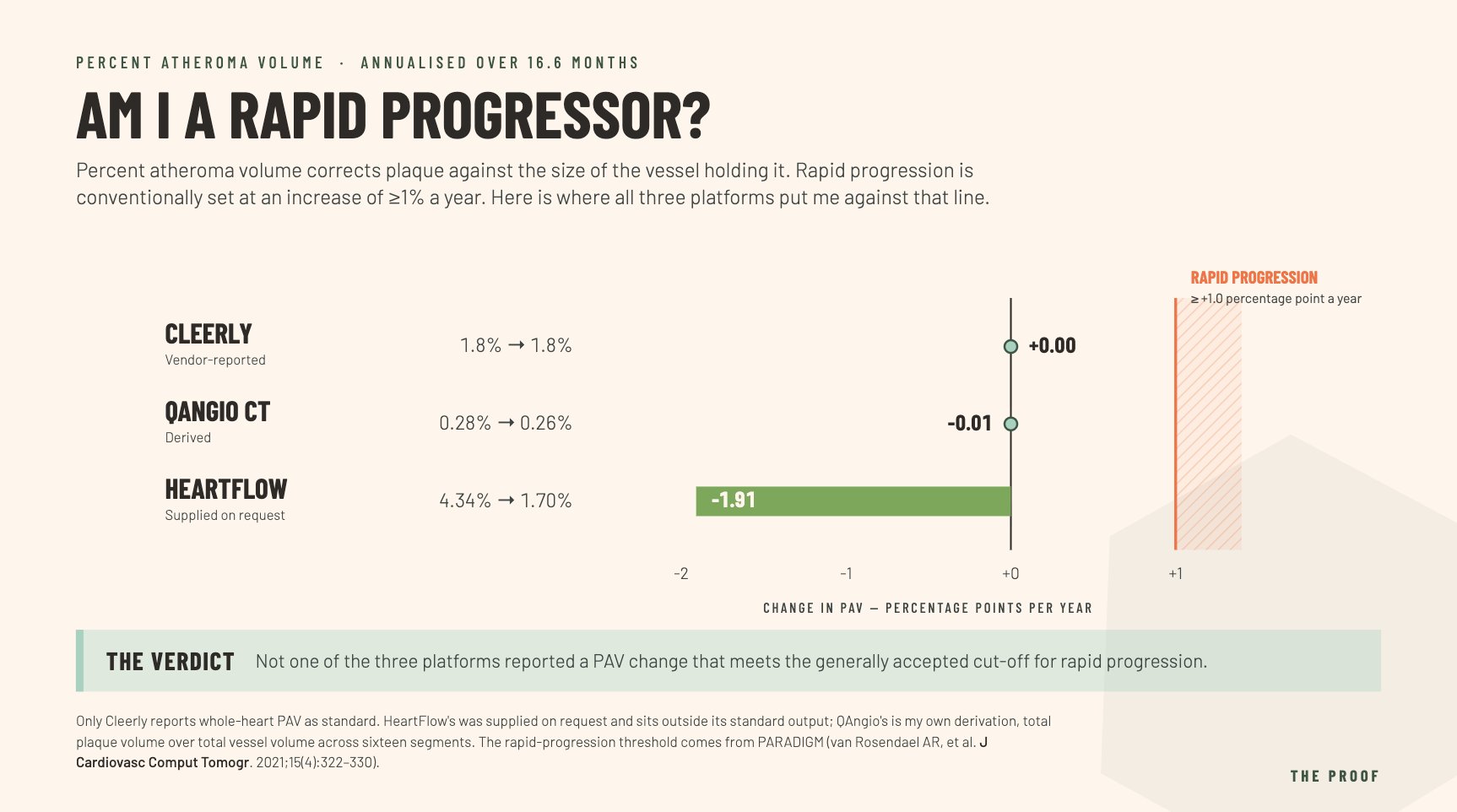
I am absolutely not endorsing all of this doctor’s positions (in fact I disagree with some of them!), but nonetheless he does make some critical remarks that are valid. In the spirit of “it’s more important to listen to people you disagree with than those who mirror your views”, I think it’s worth hearing him out in this short yt video. In full disclosure, I have had a CAC scan done (my score at 65 yo: zero), but held off on CCTA partially because I am uneasy about the validity of interpretation of the images generated - I think CCTA is still not ready for prime time, as I’ve written before on this site. Agree or not, here we go:
Your CCTA Scan Is Worse Than a Coin Flip?.., (via @dranthonyjay)

AI Summary added by @RapAdmin
I. Executive Summary
This presentation evaluates the technical limitations, measurement variance, and clinical interpretation of Coronary Computed Tomography Angiography (CCTA) and Coronary Artery Calcium (CAC) scoring. The core thesis posits that while CCTA possesses high negative predictive value (NPV) in low-risk populations, its clinical deployment for quantitative plaque tracking and stenosis grading is severely undermined by technical artifacts, low positive predictive value (PPV) in calcified vessels, and high inter-scan and inter-observer variability. Furthermore, the presenter contends that the cardiology consensus regarding statin-induced plaque stabilization (the conversion of soft, lipid-rich atheromas into calcified plaques) represents an industry-driven rationalization for observed increases in calcified plaque burden under lipid-lowering therapy.
Methodologically, the presenter isolates several verified hardware and analytical constraints of CCTA. High-density calcium deposits induce beam hardening and partial volume averaging (blooming artifacts), which systematically overestimate luminal stenosis. In patient cohorts with severe baseline calcification (CAC > 1000), CCTA achieves a per-vessel PPV of only 45% when benchmarked against invasive quantitative coronary angiography (QCA). Scan-rescan reproducibility trials reveal a coefficient of variation (CV) of ±18.4% on identical scanner models and ±29.9% across different hardware vendors. Inter-reader agreement for quantitative stenosis grading demonstrates moderate-to-poor concordance (Cohen’s kappa = 0.17–0.52), despite high binary concordance for gross disease presence (kappa > 0.88). Consequently, small serial volumetric changes (e.g., 5% shifts) fall within the baseline technical noise floor of non-standardized clinical CT imaging.
However, the presentation introduces significant translational and pathophysiological distortions when evaluating atheroma biology. The assertion that calcified plaque carries identical clinical risk to soft fibroatheroma ignores extensive histopathological, intravascular ultrasound (IVUS), and optical coherence tomography (OCT) data. In human clinical trials, statin-mediated macrocalcification reflects depletion of pro-inflammatory lipid cores and thickening of fibrous caps—a phenotypic conversion from rupture-prone thin-cap fibroatheromas (TCFA) to mechanically stable calcified sheets. While the presenter’s critique of CCTA measurement noise and overutilization in serial quantitative monitoring is validated by imaging literature, the rejection of plaque stabilization biology and the recommendation to eschew guideline-directed medical therapy based purely on CAC progression represent severe clinical misinterpretations.
II. Insight Bullets
Diagnostic Performance & Artifact Mechanics
- CCTA maintains an exceptionally high negative predictive value (NPV > 93–99%) for excluding obstructive coronary artery disease in low-to-intermediate-risk cohorts presenting with chest pain.
- Zero coronary artery calcium (CAC = 0) and zero plaque on CCTA reliably indicate the absence of high-grade obstructive luminal stenosis.
- Calcium deposits in coronary arteries attenuate X-ray photons disproportionately, creating “blooming” artifacts and beam-hardening effects that artificially obscure adjacent vascular lumina.
- In cohorts with extensive vascular calcification (Agatston score > 1000), CCTA positive predictive value (PPV) for hemodynamically significant stenosis (≥70%) drops to 45%, generating a 55% false-positive rate compared to invasive quantitative coronary angiography (QCA).
- The per-patient diagnostic accuracy of CCTA in high-calcium cohorts remains constrained (specificity ~55%, PPV ~63%), frequently leading to unnecessary downstream invasive catheterization.
- Non-contrast CAC scoring requires approximately 3- to 5-fold lower ionizing radiation doses (typically 0.5–1.0 mSv) compared to conventional multi-detector contrast CCTA (2.0–5.0+ mSv without advanced iterative/photon-counting reconstruction).
- Early fibroatheromas contain microscopic niduses of calcium (microcalcifications < 50 μm) that contribute to attenuation variance on high-resolution cross-sectional CT slices.
Hardware Variance & Measurement Reproducibility
- Scan-rescan reproducibility of total and non-calcified coronary plaque volume demonstrates a coefficient of variation (CV) of ±18.4% when patients are imaged serially on identical scanner platforms.
- Cross-vendor scan-rescan reproducibility (e.g., Toshiba Aquilion vs. Siemens Somatom) degrades significantly, yielding a CV of ±29.9% for plaque volumetric quantification.
- Detecting a genuine 5% biological change in non-calcified coronary plaque volume with 90% statistical power requires hundreds of subjects to overcome CT hardware-induced measurement noise.
- Real-world cardiac motion, variable heart rates (>65 bpm), respiratory motion artifacts, and chest wall geometry degrade in vivo CT resolution relative to static ex vivo or cadaveric validation models.
- Same-day repeat CCTA studies in living patients (e.g., 1-hour interscan intervals) demonstrate modest volumetric limits of agreement, dictated primarily by reconstruction kernel algorithms and lesion proximity.
- Serial changes in plaque volume reported on clinical CCTA that fall within a ±15–20% margin cannot be distinguished from hardware and segmentation noise without strict protocol standardization.
Inter-Observer & Algorithmic Discordance
- Qualitative binary assessment (presence vs. absence of coronary artery disease) on CCTA yields high inter-observer concordance (Cohen’s kappa ~0.85–0.90).
- Semi-quantitative and continuous per-segment stenosis grading exhibits poor-to-moderate inter-observer and intra-observer agreement (Cohen’s kappa = 0.17–0.52).
- Manual boundary contouring of the arterial adventitia and luminal border introduces subjective bias due to partial volume blurring across contrasting tissue densities.
- Artificial intelligence and semi-automated segmentation algorithms reduce manual tracing time but remain vulnerable to pixel intensity threshold variations caused by differing contrast bolus timing.
Atherosclerotic Plaque Biology & Pharmacology
- Atherosclerotic plaque vulnerability is governed primarily by composition—specifically lipid-rich necrotic core size, macrophage infiltration, and fibrous cap thickness—rather than total plaque volume alone.
- Thin-cap fibroatheromas (TCFA) with fibrous cap thickness < 65 μm and low-attenuation plaque (< 30 Hounsfield Units) carry the highest prospective risk for acute plaque rupture and major adverse cardiovascular events (MACE).
- Statins (HMG-CoA reductase inhibitors) reduce intra-plaque inflammation, deplete lipid cores, and accelerate the transformation of unstable spotty microcalcifications into dense, confluent macrocalcifications.
- Large serial imaging trials (such as the PARADIGM and SATURN registries) demonstrate that statins slow the progression of non-calcified atheroma volume while accelerating the accumulation of dense calcium.
- Absolute coronary artery calcium (Agatston) scores naturally increase under statin therapy as a biological consequence of atheroma healing and matrix mineralization.
- Rising Agatston scores in patients established on statin therapy do not correlate linearly with heightened short-term rupture risk, because macrocalcification increases mechanical tensile strength across the fibrous cap.
- Discontinuing lipid-lowering therapy due to an observed increase in CAC score ignores the differential biomechanical stability of dense calcium versus non-calcified necrotic cores.
Clinical Workflow & Methodological Evaluation
- Routine annual CCTA screening in asymptomatic individuals without clinical indication exposes patients to unnecessary ionizing radiation, iodinated contrast nephrotoxicity risks, and high false-positive intervention cascades.
- Clinical CCTA is optimally deployed as a diagnostic gatekeeper for symptomatic patients with low-to-intermediate pre-test probability to rule out significant obstructive coronary artery disease.
- Functional assessment via fractional flow reserve derived from CT (FFR-CT) or invasive physiological wire testing (FFR/iFR) is required to establish hemodynamic significance when anatomical stenosis falls in the intermediate (40–70%) range.
- Observational registry analyses evaluating plaque progression must be interpreted cautiously due to selection bias, baseline risk imbalances, and non-randomized allocation of pharmacotherapy.
- Comprehensive cardiovascular risk reduction requires targeting systemic ApoB-containing lipoproteins, systemic endothelial inflammation, glycemic variability, and hypertension, rather than relying on short-term radiological surrogate endpoints.
III. Adversarial Claims & Evidence Table
| Claim from Video | Speaker’s Evidence | Scientific Reality (Current Data) | Evidence Grade (A-E) | Verdict |
|---|---|---|---|---|
| 1. CCTA positive predictive value (PPV) is only 45% (“worse than a coin flip”) for diagnosing severe stenosis. | Cited a 2021/2022 study of 119 patients with Agatston CAC > 1000 showing 68 false positives out of 119 patients compared to invasive coronary angiography. | Partially Verified / Heavily Context-Dependent: Kwan et al., 2021 demonstrated a per-vessel PPV of 45% exclusively in patients with extreme calcification (CAC > 1000) due to severe blooming artifacts. In general and intermediate-risk populations, CCTA PPV ranges from 75–88% and NPV exceeds 95–99% (PROMISE Trial; SCOT-HEART). Extrapolating a 45% PPV to all CCTAs represents extreme selection bias. | Level C (Single-center cohort in an extreme subset) | Unsupported(as a general claim); Plausible(restricted to CAC > 1000) |
| 2. CCTA scan-rescan reproducibility has a ±18.4% to ±29.9% coefficient of variation (CV). | Cited a 40-patient dual-scan study comparing same-vendor (Toshiba) vs. cross-vendor (Toshiba to Siemens) follow-up. | Verified: Symons et al., 2016 (Radiology)confirmed that plaque volume quantification has a CV of ±18.4% on identical scanner platforms and ±29.9% across different manufacturers. Small volumetric shifts (<15–20%) on non-standardized serial scans fall within baseline technical noise. | Level C(Prospective imaging validation cohort) | Strong Support |
| 3. CCTA reader-to-reader and software agreement for stenosis quantification is poor (kappa 0.17–0.52). | Cited studies assessing per-segment quantitative stenosis and artificial intelligence observer discordance. | Verified: While binary CAD detection (present/absent) achieves high agreement (kappa > 0.85), per-segment continuous lumen and stenosis quantification exhibits substantial inter-reader variability (kappa 0.20–0.52) unless strict core-lab AI workflows are applied (Symons et al., 2016). | Level C(Observational methodology studies) | Strong Support |
| 4. CCTA has a near-perfect negative predictive value (NPV) when plaque is scored as zero. | Stated that absence of calcium and soft plaque allows confident exclusion of coronary plaque. | Verified: CCTA demonstrates an NPV of 96–100% for ruling out significant obstructive coronary artery disease and high-risk plaque in patients without detectable lesions (SCOT-HEART; PROMISE). | Level A (Large multicenter RCTs and systematic reviews) | Strong Support |
| 5. Non-contrast CAC scoring should replace CCTA for screening because it has 5x less radiation and equivalent NPV for zero plaque. | Stated CAC is cheaper, safer, and achieves equivalent rule-out utility for zero plaque. | Partially Verified: CAC involves lower radiation (~0.5–1 mSv) and costs less. A CAC of 0 provides excellent prognostic reassurance (10-year ASCVD event rate <1.5% in MESA). However, CAC cannot visualize non-calcified, low-attenuation plaque or evaluate luminal stenosis in symptomatic patients, where CCTA remains superior. | Level A(Epidemiological cohorts and trial consensus) | Plausible(Asymptomatic screening only; invalid for symptomatic evaluation) |
| 6. The concept that “calcified plaque is stable and soft plaque is unstable” is pharmaceutical propaganda to sell statins. | Claimed that CAC increases MACE linearly, making any increase in calcified plaque purely deleterious regardless of medication status. | **Refuted by Mechanistic & Clinical Trials:**Histopathological, IVUS, and OCT studies demonstrate that statins induce plaque stabilization by depleting lipid-rich necrotic cores and expanding dense calcium sheets (Puri et al., 2015; PARADIGM Study). Dense macrocalcification stabilizes the fibrous cap, preventing rupture, whereas spotty microcalcification promotes mechanical stress. | Level A (Meta-analyses of IVUS/OCT and clinical outcome RCTs) | Unsupported / Safety Warning |
| 7. Statins increase total coronary plaque volume by 12% to 14% per year. | Asserted that statin therapy directly causes accelerated total atheroma expansion. | Misrepresentation of Data: Large serial IVUS and CCTA trials (e.g., SATURN, GLAGOV, PARADIGM) show intensive statin therapy halts or reverses total percent atheroma volume (PAV) and non-calcified plaque, while selectively accelerating calcified volume as part of tissue repair. Total volume does not expand by 12–14% annually above placebo. | Level A(Multicenter randomized imaging trials) | Unsupported |
| 8. The PARADIGM study manipulated data to obscure the negative effects of statins on coronary arteries. | Critiqued the statistical findings of the PARADIGM registry regarding annualized percent atheroma volume changes. | Refuted: The PARADIGM Registry (Lee et al., 2018) demonstrated that statin users had slower total PAV progression (1.76%/yr vs. 2.04%/yr, p=0.002), lower high-risk plaque development (0.9%/yr vs. 1.6%/yr), and higher calcified PAV progression (1.27%/yr vs. 0.98%/yr). The statistical methodology underwent standard peer review and aligns with parallel IVUS trials. | Level C(Prospective multinational registry) | Unsupported |
| 9. Intermittent fasting significantly improves visceral adiposity and metabolic parameters in human RCTs. | Cited a 2024 meta-analysis reviewing 351 health associations from clinical trials. | Verified: Human meta-analyses and systematic reviews confirm that intermittent energy restriction reduces fat mass, waist circumference, fasting insulin, and blood pressure with efficacy comparable to continuous caloric restriction (Sun et al., 2024). | Level A(Systematic reviews and umbrella meta-analyses) | Strong Support |
IV. Actionable Protocol (Prioritized)
High Confidence Tier (Level A/B Evidence)
- Diagnostic Stratification for Symptomatic Patients: Utilize CCTA as a first-line diagnostic modality in symptomatic individuals with low-to-intermediate pre-test probability of coronary artery disease to rule out obstructive pathology (NPV > 95%).
- Non-Contrast CAC for Primary Prevention Risk Refinement: Deploy Agatston CAC scoring in asymptomatic intermediate-risk patients (10-year ASCVD risk 7.5–20%) to reclassify risk. A score of zero supports withholding or delaying statin therapy, whereas CAC > 100 warrants aggressive preventive intervention.
- Guideline-Directed Lipid Lowering for Plaque Stabilization: In established coronary atherosclerosis, achieve aggressive Apolipoprotein B (ApoB < 60 mg/dL) and LDL-C (< 55 mg/dL) targets using statins, ezetimibe, or PCSK9 inhibitors to halt non-calcified plaque progression, thicken fibrous caps, and reduce prospective MACE.
- Functional Hemodynamic Testing for Intermediate Stenosis: In lesions with 40–70% anatomical stenosis or vessels with severe calcification (CAC > 1000), mandate physiological assessment (FFR-CT, stress perfusion imaging, or invasive FFR/iFR) prior to mechanical revascularization.
Experimental Tier (Level C/D Evidence with High Safety Margin)
- Standardized Protocol for Serial CCTA Research Monitoring: If conducting longitudinal quantitative plaque tracking, enforce identical scanner hardware, uniform slice thickness (≤0.5 mm), identical contrast injection protocols, and core-laboratory semi-automated AI segmentation to minimize the ±18–30% CV noise floor.
- Evaluation of High-Risk Plaque (HRP) Morphology: Monitor qualitative high-risk features on CCTA (positive arterial remodeling, low-attenuation plaque < 30 HU, spotty calcification, napkin-ring sign) rather than raw total volumetric metrics.
- Time-Restricted Feeding / Intermittent Fasting for Metabolic Health: Implement intermittent fasting (e.g., 16:8 protocols) as an adjunctive lifestyle intervention to improve insulin sensitivity, visceral adiposity, and systemic inflammatory markers.
Red Flag Zone (Claims Debunked or Lacking Safety Data)
- Discontinuing Lipid-Lowering Therapy Due to Rising Agatston Score: **CRITICAL SAFETY RISK.**Withdrawing statins in response to increased coronary calcification deprives the patient of proven plaque-stabilizing, anti-inflammatory, and MACE-reducing mechanisms.
- Serial Annual CCTA Scans in Asymptomatic Individuals: Exposes patients to cumulative ionizing radiation and iodinated contrast media while generating uninterpretable false positives that drive unnecessary downstream invasive angiography.
- Relying on CCTA Stenosis Grading in Extreme Calcification (CAC > 1000) Without Functional Verification: Severe blooming artifacts reduce PPV to ~45%, leading to inappropriate coronary stent placement for anatomically non-flow-limiting lesions.
Produced by Gemini 2.5 Pro
3 Likes
I’m sure the guy touring the trails of Michu pichu in Peru will have something to say about this when he returns LOL
The PPV was for >= 70% stenosis on QCA vs CCTA, not soft plaque or total plaque volume, and a patient group with CAC >1000. So the reported PPV was for severe narrowing on CCTA vs QCA in this patient group.
Heartflow reports a ~95% agreement with IVUS at a median ~150 TPV on IVUS.
1 Like
Different questions must have different answers. Supremacy of calories. Saving a CVD patient going forward or avoiding CVD altogether - different protocols.
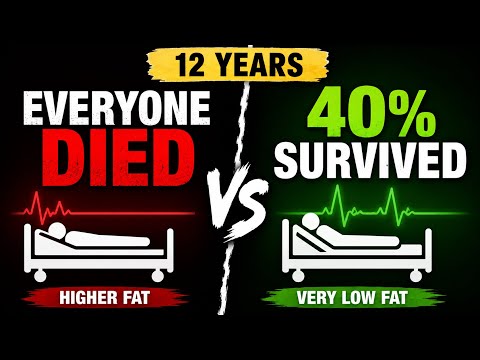
The Heart Attack Study Almost Nobody Talks About (via Jeff Nelson - VegSource)
1 Like
I. Executive Summary
This video presents an evidence synthesis and historical narrative advocating for very low-fat (<10–15% total energy from fat), unrefined plant-based dietary regimens (VLF-WFPB) as therapeutic interventions for secondary prevention and angiographic regression of coronary artery disease (CAD). The central premise distinguishes between primary prevention in healthy cohorts and therapeutic intervention in advanced vascular pathology. The speaker posits that clinical convergence across seven 20th-century investigators—Walter Kempner, Lester Morrison, Nathan Pritikin, Denis Burkitt, John McDougall, Dean Ornish, and Caldwell Esselstyn—substantiates the therapeutic efficacy of dietary fat restriction and starch-centric, low-caloric-density nutrition for arresting atherogenesis.
From a clinical methodology standpoint, the core thesis demonstrates significant biological plausibility and therapeutic signal, but is confounded by historical trial design limitations, multifactorial intervention packaging, and adherence selection bias. Historical protocols such as Morrison’s post-infarction trial (1951/1960) and Kempner’s rice-fruit diet (1940s) operated with non-blinded cohorts, lack of modern guideline-directed medical therapy (GDMT), and extreme dietary paradigms that do not translate into scalable, non-malnutritive long-term regimens. Dean Ornish’s Lifestyle Heart Trial (Ornish et al., 1990, 1998) demonstrated quantitative coronary angiography (QCA) stenosis regression (-3.1% absolute diameter stenosis at 5 years vs. +11.8% in controls), but bundled a 10% fat vegetarian diet with 180 hours of supervised exercise, meditation/stress reduction, and psychosocial group support. Consequently, attributing vascular remodeling strictly to fat elimination represents a multi-variable attribution error.
Furthermore, recent Level A and Level B clinical trial evidence—such as the CORDIOPREV randomized trial (Delgado-Lista et al., 2022) comparing a Mediterranean diet rich in extra-virgin olive oil against a standard low-fat diet (28% fat)—demonstrated superior secondary prevention (hazard ratio 0.72) for major adverse cardiovascular events (MACE) in the Mediterranean cohort. While saturated fatty acid (SFA) reduction consistently lowers low-density lipoprotein cholesterol (LDL-C) and cardiovascular events (Hooper et al., 2020), total dietary fat elimination and the exclusion of unsaturated fats (monounsaturated fatty acids [MUFAs] and polyunsaturated fatty acids [PUFAs]) lack Level A comparative superiority over Mediterranean dietary patterns. The video’s primary utility lies in identifying low caloric density and severe SFA reduction as tools for metabolic disease mitigation, though its rejection of unsaturated lipids in secondary CAD prevention lacks robust RCT confirmation.
II. Insight Bullets
- The nutritional requirements for secondary CAD regression differ mechanistically from nutritional guidelines for primary cardiovascular prevention in metabolically healthy cohorts.
- Historical diet-heart epidemiological paradigms originated with Ancel Keys’ Seven Countries Study, which demonstrated positive correlations between saturated fat consumption and coronary mortality across global cohorts.
- Sugar industry sponsorship (Kearns et al., 2016) influenced early nutritional literature (e.g., the 1967 NEJM review) by downplaying sucrose atherogenicity, but industry bias does not invalidate independent causal links between saturated fats, LDL-C, and atherogenesis.
- Walter Kempner utilized an extreme, high-carbohydrate, ultra-low-sodium, fat-free rice-fruit regimen at Duke University in the 1940s to induce rapid reductions in malignant hypertension, cardiomegaly, and diabetic retinopathy.
- Kempner’s dietary model served as a temporary, acute clinical rescue protocol for terminal hypertensive vascular disease rather than an optimized lifelong nutritional blueprint.
- Lester Morrison’s 12-year clinical cohort study (initiated 1946) on post-myocardial infarction patients reported a 38% survival rate in a 20-gram/day fat-restricted group compared to 0% in standard-fat controls.
- Morrison’s historical trials lacked modern randomization protocols, sham or active controls, intention-to-treat analyses, and standardized blinding.
- Nathan Pritikin synthesized early epidemiological and autopsy data to establish residential clinical lifestyle programs utilizing low-fat (<10% fat) plant diets combined with structured aerobic walking.
- Longitudinal follow-ups of Pritikin residential cohorts documented rapid reductions in systolic blood pressure, hypertriglyceridemia, and exertional angina.
- Nathan Pritikin’s 1985 post-mortem examination (Hubbard et al., 1985) confirmed macroscopic patency and near-complete absence of severe atherosclerotic plaque in coronary arteries despite a prior mid-life CAD diagnosis.
- Single-subject post-mortem findings (such as Pritikin’s autopsy) provide descriptive anecdotal proof-of-concept but do not establish population-level causal efficacy.
- Denis Burkitt’s surgical observations in sub-Saharan Africa established an inverse correlation between dietary fiber consumption and western chronic degenerative pathologies (diverticulosis, colorectal carcinoma, metabolic syndrome).
- Burkitt’s cross-sectional demographic comparisons were confounded by competing mortality risks, including higher rates of infectious disease and lower median life expectancy in historical rural African populations.
- John McDougall operationalized whole-food starch consumption (potatoes, rice, legumes, corn, oats) to achieve sustained volumetric satiety without active caloric tracking.
- Dean Ornish’s Lifestyle Heart Trial was the first randomized controlled trial to demonstrate regression of coronary artery stenosis via quantitative coronary angiography (QCA).
- The Ornish intervention was a multi-component lifestyle bundle combining a 10% fat vegetarian diet, 3 hours/week aerobic exercise, 1 hour/day stress management, and group support.
- Because Ornish bundled multiple lifestyle variables, the trial design prevents isolating the specific contribution of total fat restriction from exercise, weight loss, and stress reduction.
- Caldwell Esselstyn’s arrest/reversal series in CAD patients eliminated all added oils, animal products, and high-fat plant foods, reporting an event-free rate of >99% in adherent participants over 3.7 years (Esselstyn et al., 2014).
- Esselstyn’s prospective cohort data suffers from selection bias (“healthy adherer effect”), absence of an assigned non-adherent control cohort, and reliance on voluntary adherence.
- In cardiovascular drug and lifestyle trials, subjects exhibiting strict protocol adherence consistently demonstrate superior outcomes compared to non-adherent controls, even in placebo arms.
- Centers for Medicare & Medicaid Services (CMS) provides reimbursement for Intensive Cardiac Rehabilitation (ICR) programs utilizing the Ornish and Pritikin protocols based on composite endpoints of clinical risk reduction.
- Human gastric mechanoreceptors respond to intragastric bolus volume and mass rather than direct macronutrient caloric concentration.
- Dietary volumetric trials (Duncan et al., 1983) demonstrate that ad libitum intake on unrefined, low-energy-density plant diets plateaus at ~1,500 kcal/day versus ~3,000 kcal/day on high-fat, energy-dense diets.
- Satiety index measurements show whole boiled potatoes induce the highest satiety response per calorie of all tested human foodstuffs.
- Low caloric density explains passive weight loss and glycemic improvements in VLF-WFPB diets but does not wholly account for endothelial nitric oxide kinetics or plaque remodeling.
- Modern Mediterranean dietary patterns often include energy-dense additions (e.g., ad libitum extra virgin olive oil, nuts, seed spreads) that can elevate caloric density.
- Contemporary Mediterranean populations experience increasing rates of obesity and metabolic syndrome due to processed food adoption, demonstrating that dietary geography does not confer intrinsic immunity.
- The evolutionary “thrifty” biological wiring of humans favors energy-dense lipid and carbohydrate consumption, which becomes maladaptive in obesogenic modern food environments.
- Human ancestral societies sustained high work outputs on complex carbohydrate staples with low lipid fractions and sporadic animal protein consumption.
- Strict VLF-WFPB dietary protocols require mandatory exogenous cyanocobalamin (Vitamin B12) supplementation to avoid subacute combined spinal cord degeneration and macrocytic anemia.
- The commercial nutrition and supplement industry frequently monetizes therapeutic complexity through proprietary nutraceuticals, designer fats, and customized coaching programs.
- Whole-food staples (tubers, legumes, intact grains) lack corporate intellectual property protection, limiting financial incentives for large-scale phase III registration trials.
- The therapeutic convergence across multiple independent clinical investigators reflects reproducible clinical outcomes on low-saturated-fat, low-caloric-density whole foods rather than ideological consensus.
III. Adversarial Claims & Evidence Table
| Claim from Video | Speaker’s Evidence | Scientific Reality (Current Data) | Evidence Grade (A-E) | Verdict |
|---|---|---|---|---|
| 1. Very low-fat plant diets reverse established coronary atherosclerosis. | Ornish Lifestyle Heart Trial (QCA imaging); Esselstyn case series (1995, 2014). | Small, highly selected RCTs and observational cohorts showed minimal absolute luminal diameter improvement (-3.1% to -4.0%), mediated through profound LDL-C reduction, weight loss, and vascular inflammation decrease (Ornish et al., 1998; Esselstyn et al., 2014). Level A meta-analyses attribute regression primarily to apolipoprotein B / LDL-C lowering below 55 mg/dL rather than fat restriction per se. | Level B(Ornish) / Level C(Esselstyn) | Plausible(Modest anatomical regression; major clinical event reduction) |
| 2. Walter Kempner’s Rice Diet cured malignant hypertension and vascular disease. | Kempner’s Duke University case reports (1940s) showing retina healing and cardiomegaly reversal. | Historical case series confirmed massive blood pressure drops and heart size reductions, driven by severe sodium deprivation (<200 mg/day), caloric restriction, and weight loss (Kempner, 1948). Highly effective as emergency pre-pharmacological intervention, but poses risks of electrolyte imbalance, protein deficiency, and muscular wasting if unmonitored. | Level C | Strong Support (For acute hemodynamic reduction via severe sodium/calorie restriction) |
| 3. Lester Morrison’s 20g fat diet slashed 12-year post-MI mortality from 100% to 62%. | Morrison’s 1951/1960 published 100-patient secondary prevention trial. | Published in Circulation (1960), the trial did show significant mortality divergence. However, it was unblinded, non-placebo-controlled, underpowered by modern epidemiological standards, and lacked modern pharmacological background therapies (statins, antiplatelets, ACEi/ARBs). | Level C | Plausible(Historical pilot signal; unverified under modern RCT standards) |
| 4. Dennis Burkitt’s rural African cohorts avoided western diseases purely via unrefined fiber. | Surgical observations and stool transit studies in rural Ugandan and sub-Saharan hospitals. | High-fiber intake and unrefined staples confer substantial colorectal and metabolic protection (Reynolds et al., 2019). However, Burkitt’s comparisons suffered from severe demographic confounding, including high early-life infectious mortality and lower life expectancies. | Level C | Plausible(Fiber protective; ecological attribution partially confounded) |
| 5. Ad libitum low-caloric-density plant foods cut caloric intake in half without hunger. | 1983 Duncan et al. study comparing 5-day ad libitum plant diet vs. meat/fat diet (1,500 vs 3,000 kcal). | Human gastric mechanoreceptor and volumetric satiety studies confirm that low energy density (LED) diets reduce spontaneous daily energy intake without increasing hunger ratings (Duncan et al., 1983; Rolls, 2017). Validated in controlled feeding trials. | Level B | Strong Support |
| 6. The Mediterranean diet is inferior to VLF plant-based diets for secondary CAD prevention. | Mechanistic reasoning regarding high caloric density and added oils (EVOO) in Mediterranean protocols. | Contradicted by direct head-to-head clinical trial data. In the CORDIOPREV randomized trial (Delgado-Lista et al., 2022; n=1,002), a Mediterranean diet rich in extra-virgin olive oil showed a 26-28% lower rate of major cardiovascular events compared to a low-fat diet (28% fat). No head-to-head RCT exists comparing EVOO-rich Mediterranean to strict <10% VLF-WFPB, making claims of Mediterranean inferiority speculative. | Level B(Indirect comparison) | Unsupported(Direct secondary prevention RCTs favor EVOO-rich Mediterranean over standard low-fat) |
| 7. Eliminating all culinary oils (including EVOO) is required to stop atherogenesis. | Esselstyn clinical assertions regarding oil-induced postprandial endothelial impairment. | While single-meal postprandial flow-mediated dilation (FMD) can drop acutely after ingestion of oxidized/heated oils, unheated extra-virgin olive oil rich in polyphenols improves baseline FMD and lowers inflammatory biomarkers (hs-CRP, IL-6) in long-term RCTs (Yubero-Serrano et al., 2019). | Level A / B | Unsupported(Polyphenol-rich EVOO demonstrates vascular benefit in RCTs) |
| 8. Strict plant-based diets require mandatory Vitamin B12 supplementation. | Speaker’s explicit note on cobalamin deficiency risks. | Systematic reviews and clinical consensus confirm that unsupplemented strict vegan/plant-based diets lead to cobalamin depletion, elevated methylmalonic acid, and hyperhomocysteinemia, which worsens endothelial dysfunction and cardiovascular risk (Pawlak et al., 2014). | Level A | Strong Support |
IV. Actionable Protocol (Prioritized)
1. High Confidence Tier (Level A/B Evidence)
- Saturated Fatty Acid Elimination: Restrict SFA intake to less than 5–7% of total daily caloric intake. Replace SFAs primarily with complex carbohydrates and polyunsaturated/monounsaturated fatty acids to drive down circulating ApoB and LDL-C (Hooper et al., Cochrane 2020).
- Volumetric Satiety Optimization: Lower aggregate dietary caloric density (<1.0–1.2 kcal/g) by substituting processed, lipid-heavy foodstuffs with whole boiled tubers, intact grains, legumes, cruciferous vegetables, and fresh fruits to control spontaneous caloric intake without energy-tracking friction (Rolls, 2017).
- Targeted Viscous Soluble Fiber Titration: Consume ≥35–45 g/day of total dietary fiber, emphasizing viscous soluble sources (β-glucan from oats/barley, psyllium, legume pectin) to upregulate hepatic LDL receptor expression via bile acid sequestration (Reynolds et al., 2019).
- Mandatory Cobalamin Supplementation: Provide 1,000–2,000 mcg/week of cyanocobalamin (or 50–250 mcg daily) to prevent functional B12 deficiency, hyperhomocysteinemia, and irreversible peripheral/central neuropathy (Pawlak et al., 2014).
- Multifactorial Risk Modification: Combine nutritional adjustments with ≥150–300 min/week of structured moderate-intensity aerobic exercise, smoking cessation, and structured psychotherapeutic stress reduction/social engagement (Ornish et al., 1998).
2. Experimental Tier (Level C/D Evidence / Plausible Mechanisms)
- Ultra-Low-Fat (<10% Total Calories) Prescription for Established Atheroma: Implementation of strict <10% total dietary fat protocols for patients with symptomatic diffuse multi-vessel CAD. While documented to yield clinical symptom relief in trial cohorts, it has not demonstrated superiority over Mediterranean regimens supplemented with extra-virgin olive oil and nuts in large-scale multi-center RCTs (Delgado-Lista et al., 2022).
- Total Elimination of Culinary Monounsaturated Oils: Complete avoidance of unheated Extra Virgin Olive Oil (EVOO). Evidence is mixed: while eliminating energy-dense oils facilitates caloric restriction in obese individuals, unheated high-polyphenol EVOO preserves flow-mediated dilation and exerts anti-inflammatory atheroprotective effects in human clinical trials (Yubero-Serrano et al., 2019).
Oh well, it has to be understandable that if there is no fat being ingested (low fat diet) then there is nothing to build up. Actually, I have an N=1 anecdote with my father. At around 70 he had his arteries checked as he was having chest pain. Lo and behold the doctors told him one of his arteries was blocked 85% and two others about 50-65%. They wanted to operate him (chop him up
) So badly (i guess when they’d look at him, they were seeing mullahs and a lot of them) and my dad did not want to have a triple bypass at his age. Doctors kept insisting (he was admitted in hospital) and my dad was afraid they’ll chop him up without him agreeing, basically pretending they were doing some test and give him something to induce some CVD event (my dad did not trust anyone if money were at play) so he came up with the prefect lie. He told me to tell the doctor (he didn’t speak any english) that his brother from back home is coming to visit him in a week and as soon as his brother leaves, he’s coming back to have the operation. That seemed to quiet the doc’s a bit even though they made a last-ditch attempt by saying well I doubt you’ll be alive in a week (they badly wanted to chop him up and get that $250K from him). They prescribed him lipid lowering meds plus gave him a pump for when he’d have an angina attack to spray it under the tongue. Long story short my dad threw all the meds down the toilet, kept the pump, and never ate any fat, none ever other than little olive oil when cooking. He’d buy 1% milk and make his own yogurt and make even his own bread with zero oil or fat in it. he was usually getting an angina attack about every other day initially (and he’d use the pump) and within three years his angina attacks were very rare once every other month or so and by the time he was 80 (10 years past the hospital event) he would not experience any attacks at all. He NEVER visited a doctor again and basically cured his condition (i have to assume that the plaque must have still been there but at a much lower quantity since he wasn’t getting any attacks even though he was being very active biking daily for miles).
His theory was simple if there’s no lipids/fat being ingested there is no way to build plaque, so his intuition basically saved him from being butchered by the docs LOL. so yes, a low-fat diet will make a big difference in plaque.
p.s. having gone through this experience with my dad, I guess that’s why I’m less petrified of lipids as some in here even though I’m a firm believer that anyone past 40 should maintain an LDL-c level of 60-70.
1 Like
Low fat diets are a way to lose weight & lower lipids but it’s not optimal based on how well PUFA (polyunsaturated fat) works to lower lipids further. Viva Longevity has a video with almost 1 M views how he decreased his stubborn triglycerides, and LDL-C further by adding PUFA (seed oils/nuts) to his low fat diet:

1 Like
I. Executive Summary
This presentation delivers a translational and epidemiological critique of prevailing dietary dogmas surrounding cardiovascular disease prevention, lipid modulation, and longevity. The central thesis contends that dietary strategies emphasizing ultra-low-fat, carbohydrate-dominant regimens (e.g., the Esselstyn protocol) frequently fail to resolve atherogenic dyslipidemia and can paradoxically exacerbate cardiometabolic risk through carbohydrate-induced hypertriglyceridemia and suppressed high-density lipoprotein cholesterol (HDL-C). The speaker demonstrates that substantial, durable reductions in circulating apolipoprotein B-containing particles and triglycerides require a dual approach: high-potency pharmacotherapy (atorvastatin 40 mg) combined with the isocaloric substitution of saturated fatty acids (SFAs) and refined carbohydrates with polyunsaturated fatty acids (PUFAs) and monounsaturated fatty acids (MUFAs) derived from whole nuts, seeds, and unsaturated plant oils.
Methodologically, the analysis dismantles public misconceptions regarding dietary fats by leveraging rigorous epidemiological paradigms—specifically prospective cohort analyses (e.g., the Harvard Nurses’ Health Study, Health Professionals Follow-Up Study, and Adventist Health Studies) and clinical randomized controlled trials (RCTs). A core methodological emphasis is placed on isocaloric substitution modeling. The author demonstrates that scoping reviews or meta-analyses that evaluate SFA intake in isolation without defining the replacement macronutrient generate misleading null associations (the “replacement fallacy”), as replacing SFA with refined starches yields equivalent cardiometabolic harm.
Furthermore, the presentation challenges pervasive social media claims regarding the supposed toxicity and pro-inflammatory properties of omega-6 PUFA-rich seed oils (linoleic acid). Citing human clinical trials and mechanistic biomarker data, the author emphasizes that linoleic acid does not upregulate systemic inflammatory cytokines (CRP, IL-6, TNF-alpha) in humans, nor does it induce genetic mutations. The presentation concludes with a critical appraisal of commercial bias, predatory publishing practices (e.g., volume-driven MDPI scoping reviews), and the divergence between clinical practice and large-scale epidemiology. Overall, the thesis aligns strongly with established lipid biochemistry and modern nutritional epidemiology.
II. Insight Bullets
Lipid Profiles & Individual Metabolic Phenotypes
- An ultra-low-fat, plant-exclusive diet devoid of added fats can induce severe hypertriglyceridemia in individuals exhibiting the “carbohydrate responder” phenotype.
- Severe caloric restriction and significant fat mass loss (43 lbs) do not guarantee the resolution of elevated low-density lipoprotein cholesterol (LDL-C) when underlying genetic predispositions (e.g., polygenic hypercholesterolemia) dominate.
- Ultra-low-fat diets do not exhibit 100% phenotypic penetrance for ASCVD arrest or regression across heterogeneous human populations.
- Familial hypercholesterolemia and elevated ApoB require aggressive lipid-lowering pharmacotherapy; dietary intervention alone is frequently insufficient for primary and secondary cardiovascular event prevention.
- The combination of high-intensity statin therapy (atorvastatin 40 mg) and PUFA/MUFA-rich nutritional patterns achieves complementary reductions in atherogenic lipoproteins and serum triglycerides.
Epidemiological Evidence & Substitution Dynamics
- The 1992 Adventist Health Study identified an inverse relationship where nut consumption greater than 4 times per week was associated with an approximate 50% reduction in fatal coronary heart disease events.
- Findings from the Adventist Health Study regarding nut intake and cardiometabolic protection were subsequently replicated in the Harvard Nurses’ Health Study and Health Professionals Follow-Up Study.
- Isocaloric replacement of 5% of energy from carbohydrates with saturated fat is associated with an 8% increase in all-cause mortality.
- Isocaloric replacement of 5% of energy from carbohydrates with monounsaturated fatty acids is associated with a 10% reduction in all-cause mortality.
- Isocaloric replacement of 5% of energy from carbohydrates with polyunsaturated fatty acids is associated with an estimated 25% to 27% reduction in total mortality.
- Saturated fat replacement by industrial trans-fatty acids represents the most detrimental metabolic substitution, accelerating ASCVD mortality.
- Replacing saturated fat with refined grains and added sugars produces a neutral to negative effect on cardiovascular risk, neutralizing observed benefits.
- Replacing saturated fat with whole grains yields significant risk reduction for coronary heart disease events.
- Nut consumption demonstrates consistent inverse associations across multiple clinical endpoints, including all-cause mortality, cardiovascular mortality, and stroke.
- Walter Willett advocates treating tree nuts and peanuts as core caloric and protein centerpieces of main meals rather than incidental snacks.
The Seed Oil & Linoleic Acid (Omega-6) Debate
- Controlled human feeding trials demonstrate that polyunsaturated fats consistently lower LDL-C when substituted for dietary saturated fats.
- Classical metabolic ward studies (e.g., Keys equation, Hegsted equation) validate the predictable LDL-lowering potency of PUFA substitution.
- The common claim that omega-6 PUFAs (linoleic acid) drive systemic inflammation is refuted by pooled analyses of over 30 randomized controlled trials evaluating CRP, IL-6, and TNF-alpha.
- Human enzymatic conversion of linoleic acid to arachidonic acid is tightly regulated and rate-limited, preventing runaway eicosanoid-mediated inflammation under physiological diets.
- Whole seeds and unrefined seed oils contain protective non-fat minor constituents, including tocopherols, phytosterols, and polyphenols designed to prevent lipid peroxidation.
- Claims that dietary polyunsaturated fatty acids induce direct mutagenic alterations or DNA degradation in human genes lack empirical validation.
- Influencer marketing often creates artificial controversies around seed oils while simultaneously selling high-margin, encapsulated polyunsaturated formulations.
Methodological Rigor & Literature Appraisal
- Nutritional epidemiology requires rigorous substitution modeling; evaluating nutrient intake in a vacuum without identifying the comparator invalidates conclusions.
- Scoping reviews aggregating diverse, unstandardized systematic reviews frequently commit ecological fallacies by pooling heterogeneous endpoints (e.g., combining site-specific cancers with ASCVD).
- Predatory and high-volume publishing models (e.g., select MDPI journals) facilitate the proliferation of rapid, low-rigor meta-analyses lacking granular dietary controls.
- Primary prospective cohort studies utilizing longitudinal biospecimen collection (e.g., serial plasma, urine, toenail archives in the Nurses’ Health Study) offer superior confounding control compared to cross-sectional surveys.
- National dietary guidelines globally (e.g., Austrian, US Dietary Guidelines) converge on recommending the replacement of solid saturated fats with liquid unsaturated plant oils and whole plant fats.
Satiety, Energy Balance, and Body Composition
- Long-term prospective cohort data demonstrate that regular nut consumption is not associated with long-term weight gain, and frequently correlates with improved weight maintenance.
- The cellular structure of whole nuts limits lipid bioaccessibility; a measurable fraction of calories passes unabsorbed through the gastrointestinal tract.
- Nut consumption induces sustained satiety through the stimulation of gut peptides (e.g., CCK, PYY, GLP-1) via combined fiber, protein, and fat matrices.
- High intake of nuts and unsaturated plant oils can be incorporated into a diet without driving visceral adiposity or hepatic steatosis when total energy balance is maintained.
- Extreme endurance training in individuals with underlying cardiac structural abnormalities or rheumatic history elevates the risk of exercise-induced atrial fibrillation.
Commercial Bias & Public Health Communication
- Commercial enterprises and influencer figures frequently leverage inflammatory, culture-war rhetoric to undermine public trust in baseline nutritional science.
- Authors and supplement promoters frequently exhibit financial conflicts of interest by marketing high-sodium processed meats, novel meal-replacement shakes, or proprietary lipid capsules while criticizing empirical guidelines.
III. Adversarial Claims & Evidence Table
| Claim from Video | Speaker’s Cited Evidence | Scientific Reality (Current Data) | Evidence Grade | Verdict |
|---|---|---|---|---|
| 1. Isocaloric substitution of 5% SFA with PUFA lowers total mortality by ~27%. | Harvard Cohort Studies (Wang et al., 2016). | Replicated in prospective cohorts and systematic reviews. Isocaloric replacement of SFAs with PUFAs significantly reduces all-cause and CVD mortality (AHA 2026 Guidance / Lichtenstein et al.; Li et al., 2015). | Level A | Strong Support |
| 2. Frequent nut consumption (>4x/week) cuts CHD fatal events by ~50%. | Adventist Health Study (Fraser et al., 1992) & Nurses’ Health Study. | Meta-analyses confirm high nut intake (28g/day) lowers CVD incidence by 19-25% and fatal CHD by 24-30%. The initial 50% relative risk reduction reflects healthy cohort bias, but the net protective effect remains robust (AHA 2026 Guidance). | Level A | Strong Support |
| 3. Ultra-low-fat, high-carb diets provoke hypertriglyceridemia in select phenotypes. | Personal lipid panel; consultation with clinical lipidologists. | High-glycemic/high-carbohydrate, very-low-fat diets upregulate hepatic de novo lipogenesis via SREBP-1c and ChREBP activation, elevating VLDL-TG secretion and lowering HDL-C (Parks et al., 2008). | Level B | Strong Support |
| 4. Omega-6 seed oils (linoleic acid) are non-inflammatory in humans. | ~20 Randomized Controlled Trials; Walter Willett interview. | Systematic reviews and meta-analyses of over 30 RCTs show increasing dietary linoleic acid does not elevate CRP, IL-6, TNF-alpha, or adhesion molecules (Su et al., 2017). | Level A | Strong Support |
| 5. Polyunsaturated fatty acids alter or damage human nuclear DNA. | Critique of social media influencer assertions (Dr. Berg). | Zero empirical in vivo human evidence demonstrates that dietary PUFA consumption causes deleterious nuclear gene alterations or mutations. Source unverified in live search. | Level E | Unsupported |
| 6. Total SFA reduction shows null effects if substituted with refined carbohydrates. | Re-analysis of systematic reviews (Schwingshackl et al., 2021). | Established nutritional principle: replacing SFA with refined starches/sugars produces equal atherogenic particle numbers and glycemic burden, creating a false-neutral null result in unadjusted meta-analyses (Li et al., 2015). | Level A | Strong Support |
| 7. Whole nut consumption does not drive weight gain due to high satiety and incomplete digestion. | Prospective cohort data & Walter Willett clinical commentary. | Multiple RCTs and pooled cohort studies demonstrate that the physical matrix of nuts causes 5-15% of lipid content to be excreted unabsorbed, while high protein/fiber content suppresses subsequent energy intake (AHA 2026 Guidance). | Level A | Strong Support |
| 8. Replacing SFA with MUFA halves respiratory and neurodegenerative mortality. | Scoping review / cohort mortality curves. | Prospective cohorts observe lower non-CVD mortality with plant-derived MUFAs, but effect sizes of 50% for respiratory death are vulnerable to residual confounding and dietary misclassification (Wang et al., 2016). | Level C | Plausible |
| 9. Statin therapy accounted for primary LDL drop, with diet providing adjunctive TG/ApoB control. | Personal pharmacological timeline (atorvastatin 40 mg). | 40 mg atorvastatin reliably achieves a 45-52% reduction in LDL-C via HMG-CoA reductase inhibition and hepatic LDLR upregulation. Dietary PUFAs provide additive clearance of remnant lipoproteins and modest further LDL reductions. | Level B | Strong Support |
IV. Actionable Protocol (Prioritized)
1. High Confidence Tier (Level A/B Evidence)
- Pharmacological Foundation for Documented Atherosclerosis: In patients with established carotid plaque or persistent familial hypercholesterolemia (LDL-C >160–190 mg/dL), initiate evidence-based lipid-lowering therapy (e.g., Atorvastatin 20–40 mg or Rosuvastatin 10–20 mg) to upregulate hepatic LDL receptor expression.
- Macronutrient Substitution: Replace solid animal fats (butter, lard, high-fat dairy, fatty red meats) with liquid vegetable oils (canola, extra virgin olive oil, soybean, sunflower) and whole plant lipid sources. Maintain dietary SFA at <7% to 10% of total daily energy intake.
- Carbohydrate Quality Optimization: Replace refined grains, added sugars, and processed starches with intact whole grains (oats, barley, quinoa) to avoid carbohydrate-mediated triglyceride spikes and adverse shifts in remnant lipoprotein subfractions.
2. Experimental / Personalized Tier (Level C/D Evidence)
- Nutrient Matrix Dosing: Consume 1 to 2 ounces (30–60 grams) daily of mixed raw or dry-roasted tree nuts (walnuts, almonds, pistachios, pecans) and seeds (chia, flax, pumpkin). Walnuts provide alpha-linolenic acid (ALA), while almonds and seeds supply phytosterols and alpha-tocopherol.
- Phenotypic Carbohydrate Titration: For individuals exhibiting elevated baseline triglycerides (>150–200 mg/dL) upon initiating plant-centric diets, reduce total glycemic load by replacing refined starches with MUFA/PUFA sources (avocados, nuts, unrefined plant oils) rather than escalating carbohydrate intake.
3. Red Flag Zone (Debunked or Lacking Safety Data)
- Sole Reliance on Ultra-Low-Fat Diets for Familial Hypercholesterolemia: Rejecting indicated statin/PCSK9i therapy in the presence of anatomical coronary/carotid atherosclerosis in favor of unsupplemented ultra-low-fat vegan diets risks unchecked plaque progression.
- The “SFA is Completely Benign” Paradigm: Unrestricted consumption of butter, coconut oil, tallow, and high-fat processed meats without monitoring ApoB/LDL-C leads to significant down-regulation of LDL clearance pathways.
- Hyper-Dosed PUFA/Seed Oil Softgel Supplements: Ingesting proprietary, high-cost encapsulated seed oils for unsubstantiated “epigenetic repair” introduces rancidity risks, unnecessary oxidation products, and unverified clinical utility.
1 Like