A startup claims it’s found a drug to make your blood young (Generation Lab)

I’m not sure I understand the implication. They were asked about the work and mentioned that they were taking the intervention themselves. That doesn’t constitute evidence that it works, obviously, but neither does mentioning it strike me as particularly suspicious.

The interesting question is whether the underlying biology is sound and whether the data eventually support the claims.

1 Like

I think that it shows they have some confidence in their new drug combination in terms of safety at least… so I’m not surprised they are doing this, and telling people.

Richard Miller is in a different situation; he works for the government and the NIA doesn’t want to be seen to be promoting drugs off-label that haven’t been tested in rigorous studies (oriented towards longevity). I can understand why Richard Miller won’t say what he’s taken or not taken.

But for Irina Conboy who is no longer associated with UC Berkeley (only her company) she doesn’t have to worry about academic or govt. constraints that Richard Miller would.

4 Likes

If it is in fact two already approved medications, then cost should be reasonable.

1 Like

I’m pretty sure it won’t be too hard to find out how much it is. Just contact the clinic they’re working with.

It is possible that it’s a mixture of biologics, and that can be really pricey.

In the Matt Kaeberlein interview on 30th July Irina Conboy claimed to have invented a new aging clock that doesnt have all the drawbacks of the existing eipigenetic clocks. This sounded much more convincing. You would have thought they would have been talking about the results of the 2 drug combo on this new aging clock by now? But i guess maybe “we tested a drug combo we developed using a clock we also developed” wouldn’t seem that convincing and it has only been a month.

5 Likes

Too bad the Conboys are chasing money. Their work on neutral blood exchange, showing the positive effects of replacing a portion of old plasma with saline, seemed very promising. Needed follow-up to assess dosing and frequency as it could very be that periodic FREE plasma donation (about 25% of plasma removed) could have some of these same positive effects as NBE.

Alternatively it could be that they decided it was not going to be that effective.

1 Like

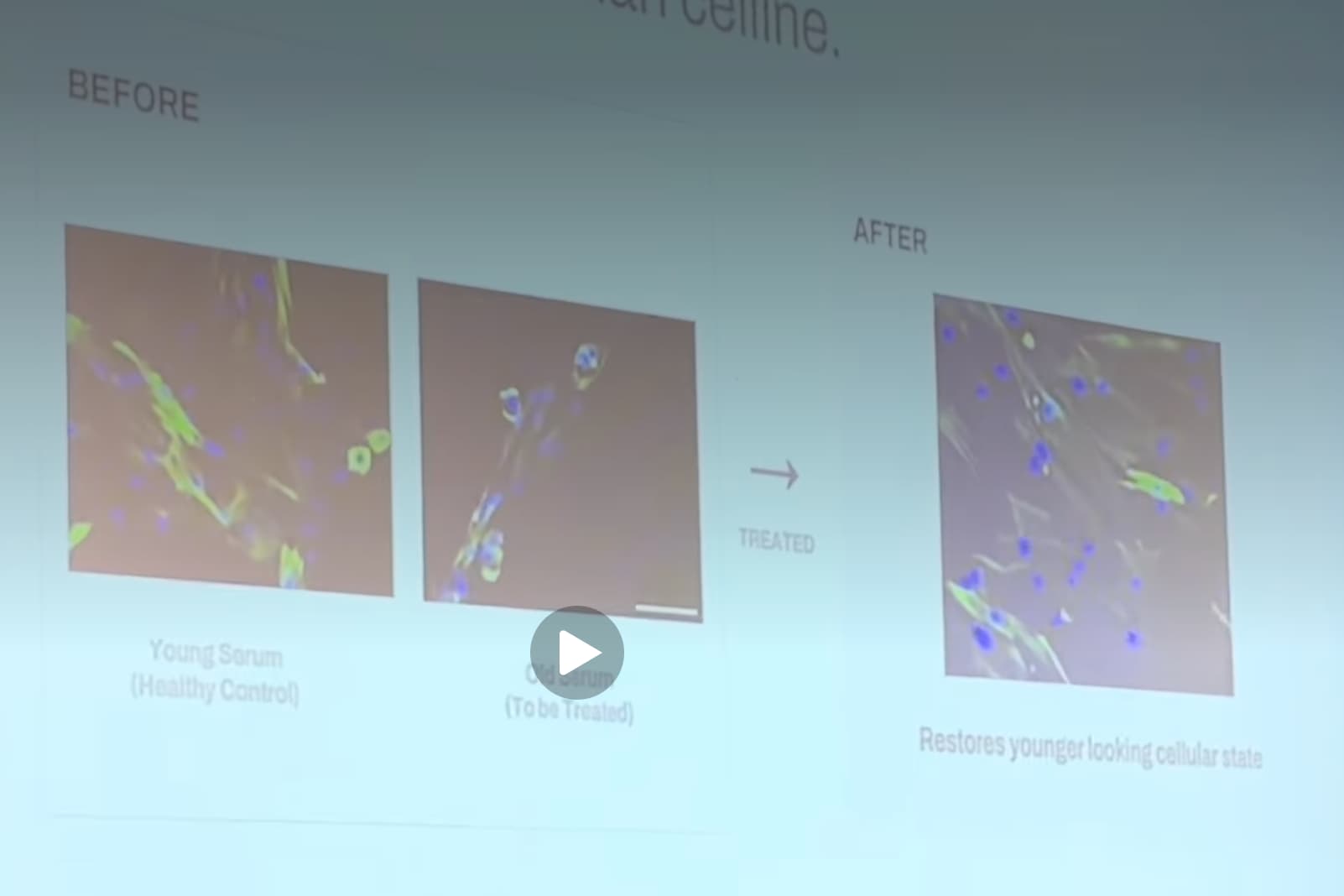
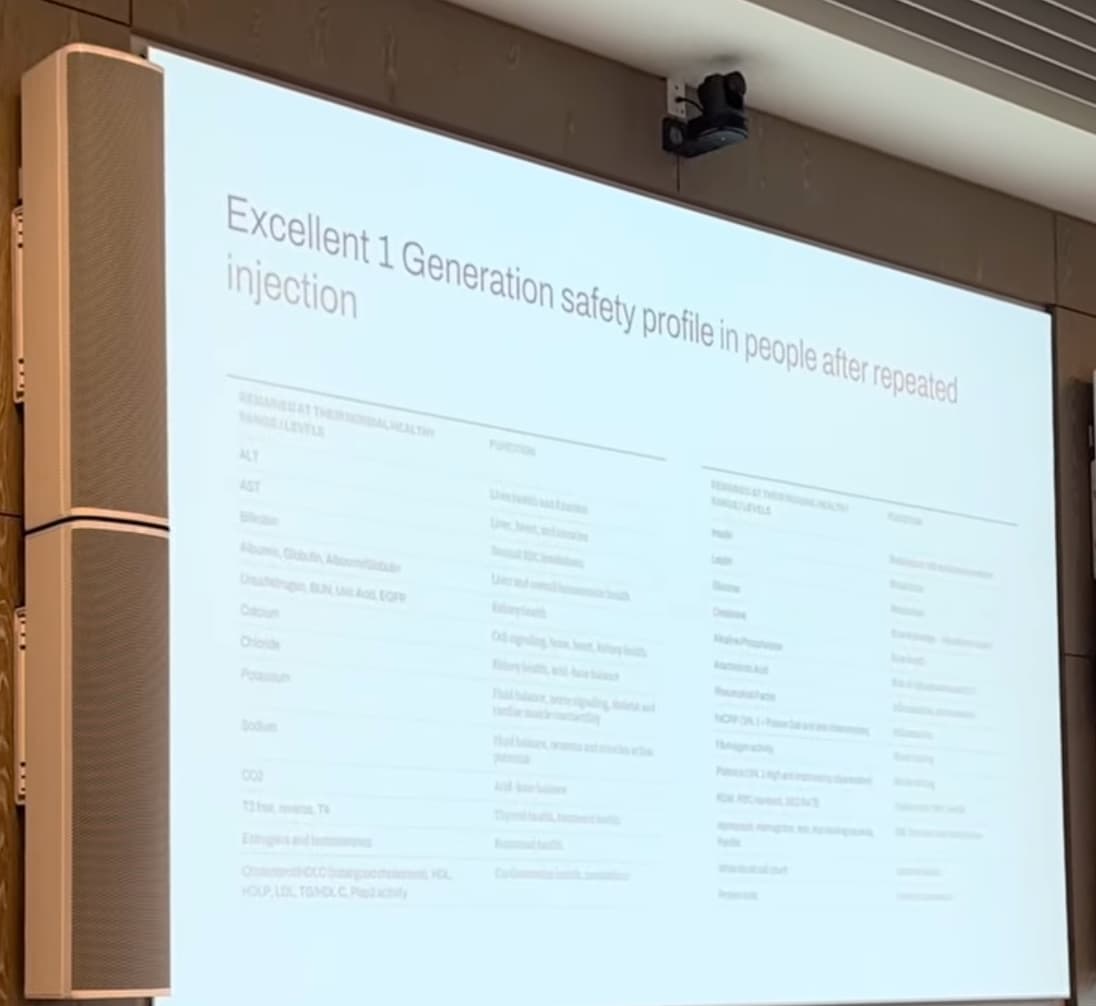
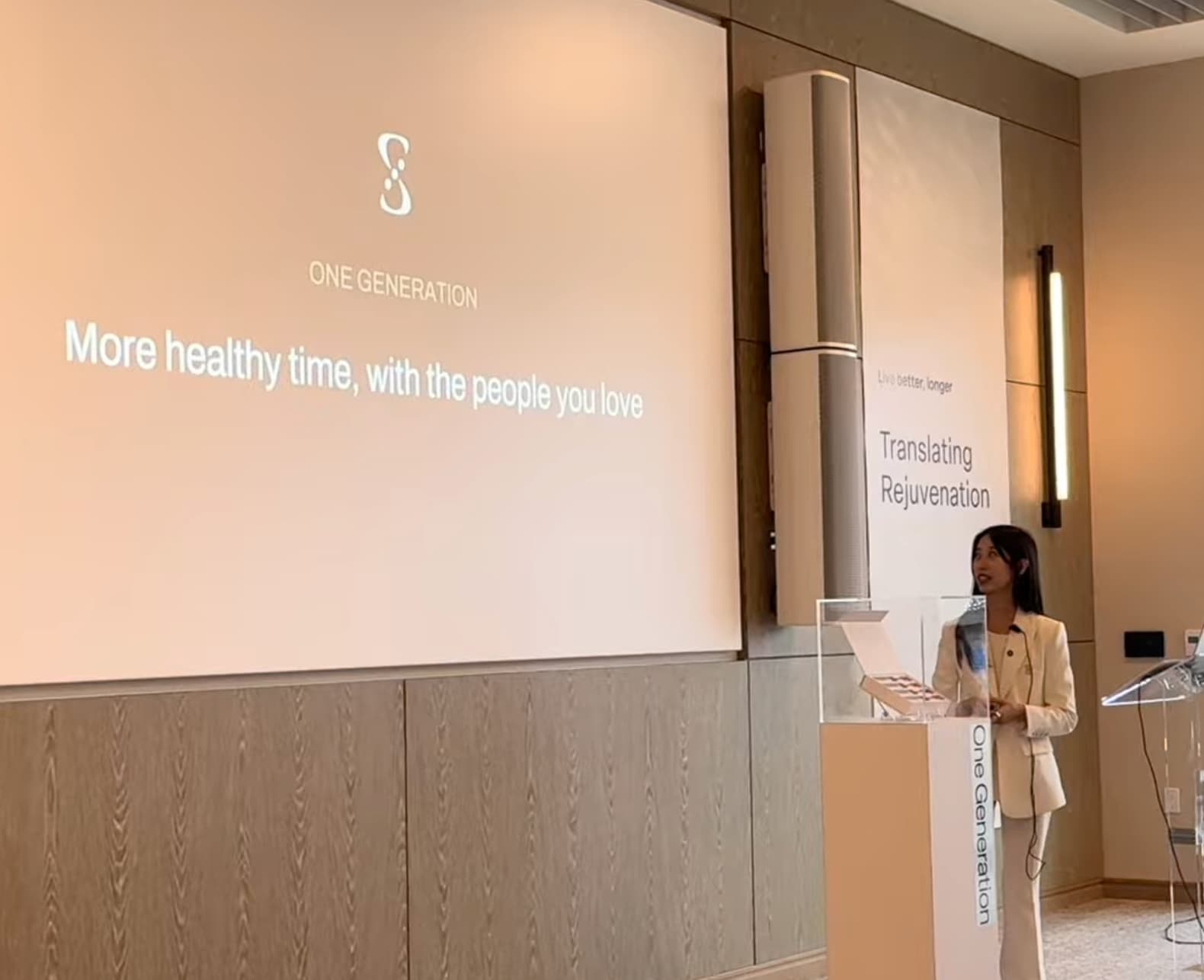
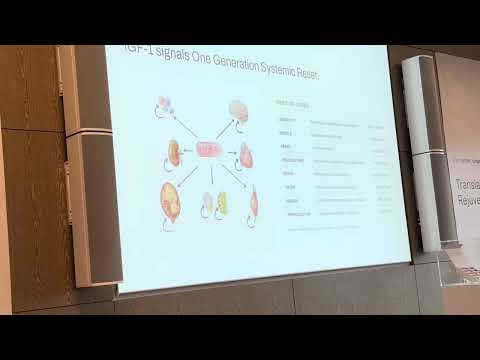
A recent presentation from the company (last Friday):

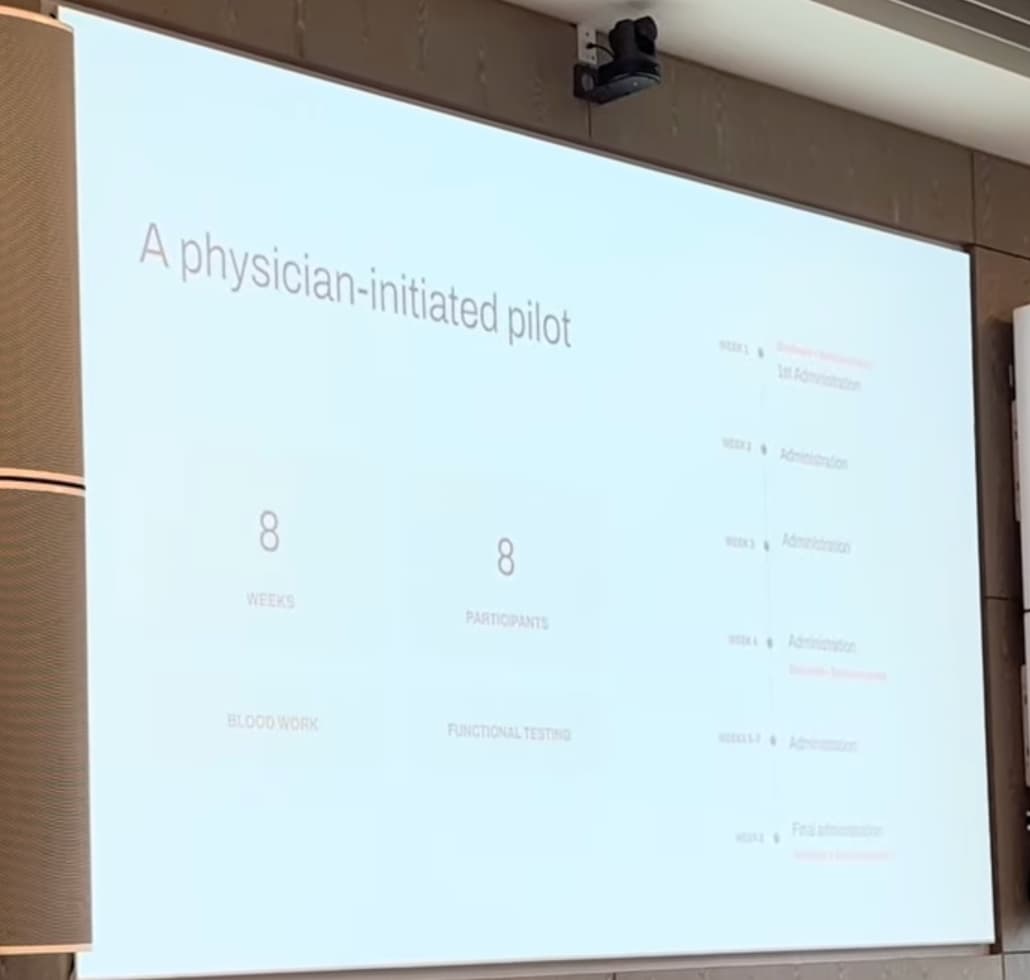
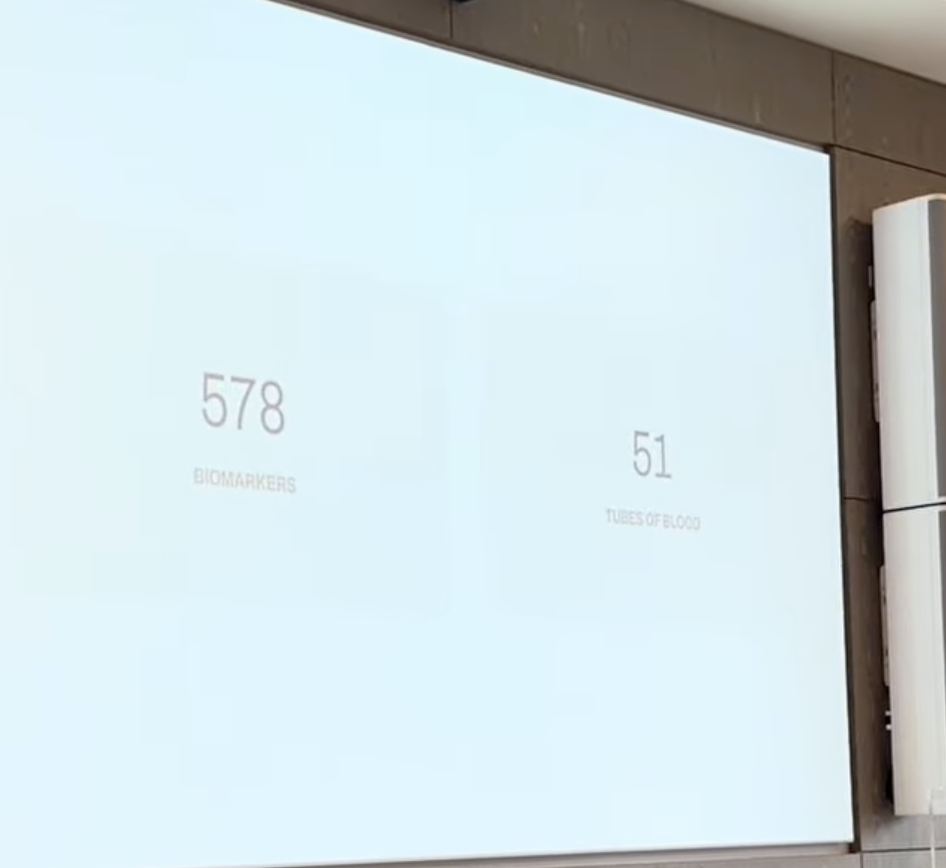
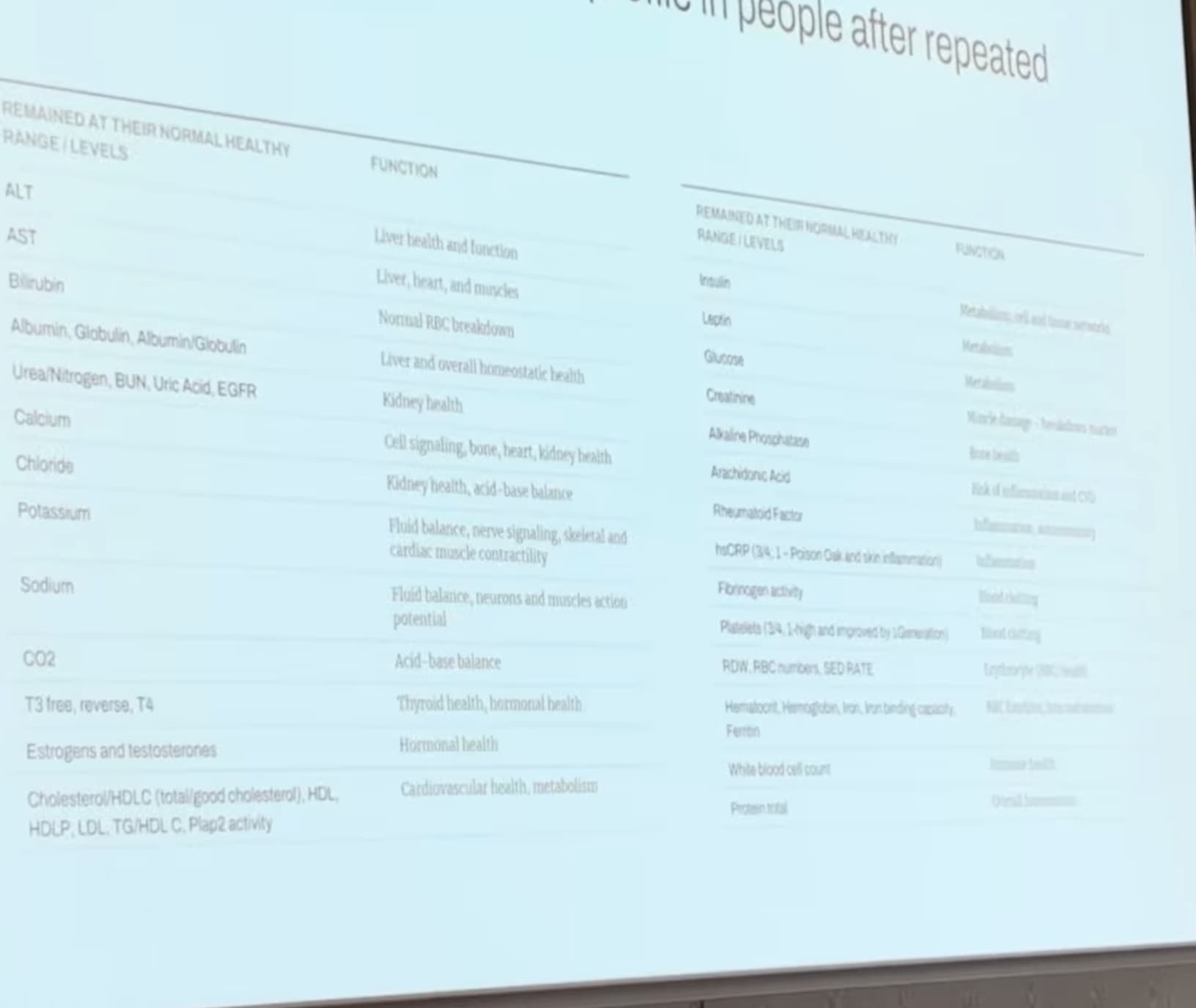
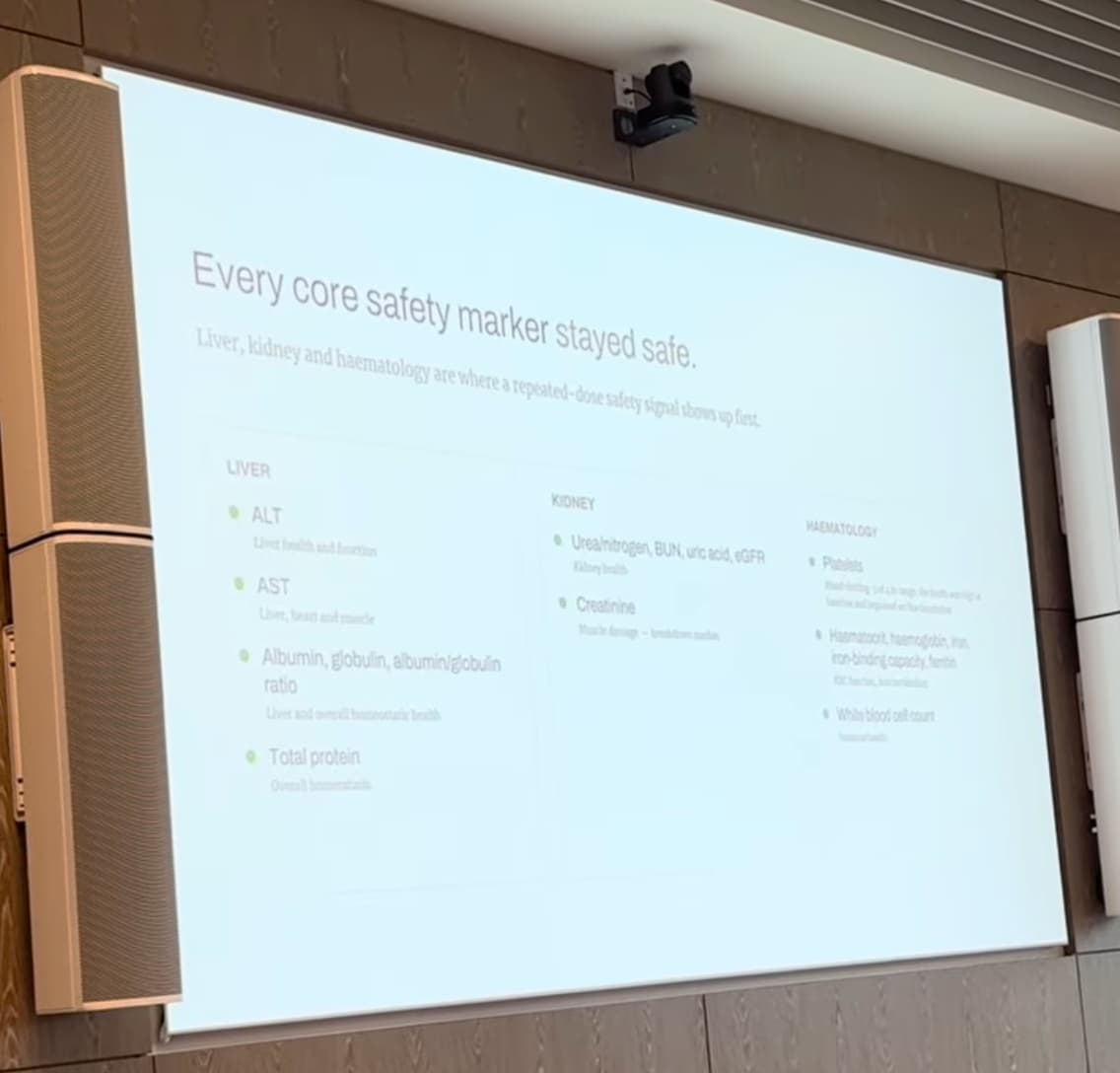
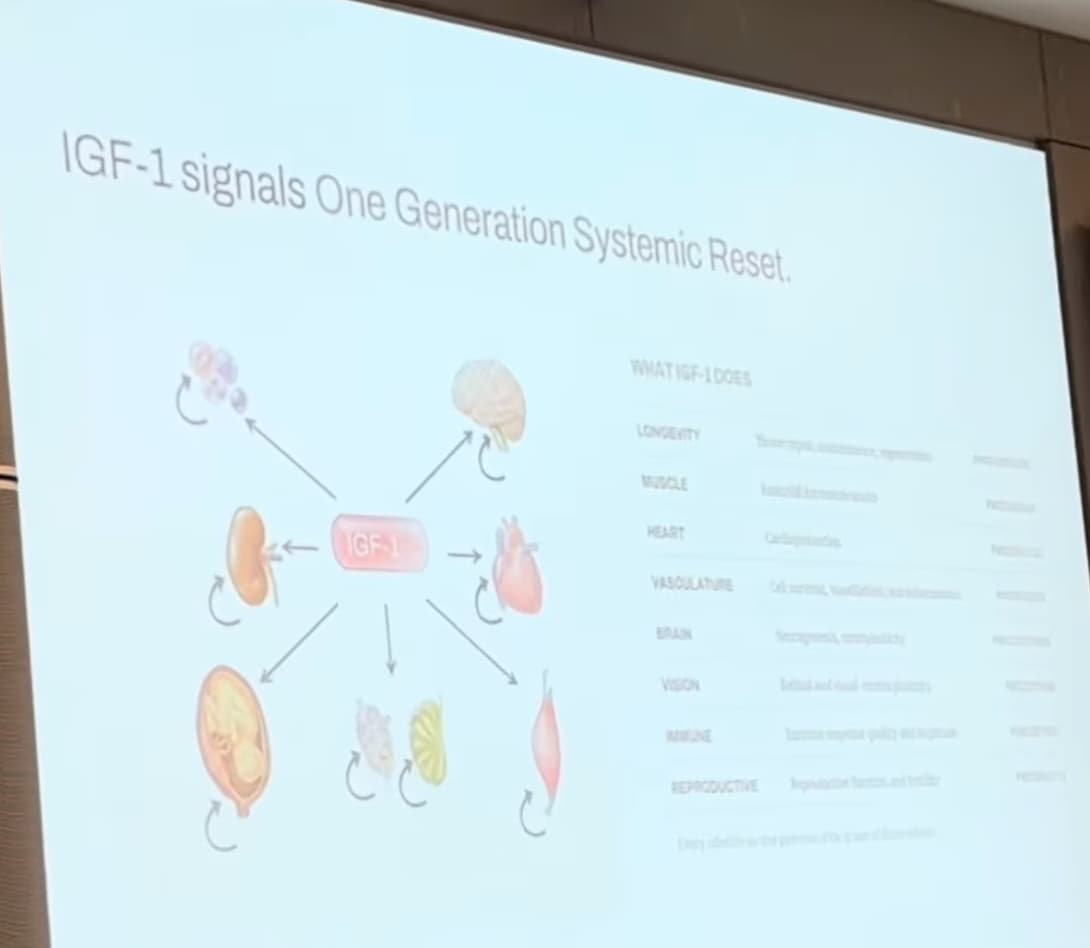
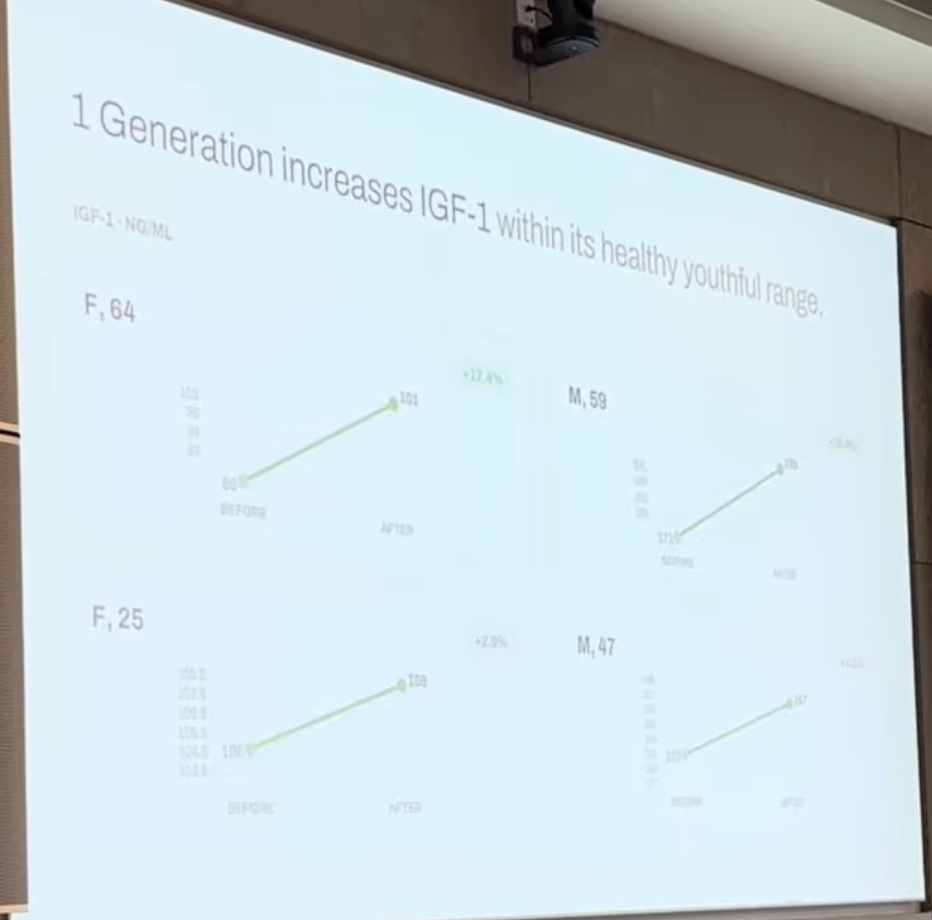
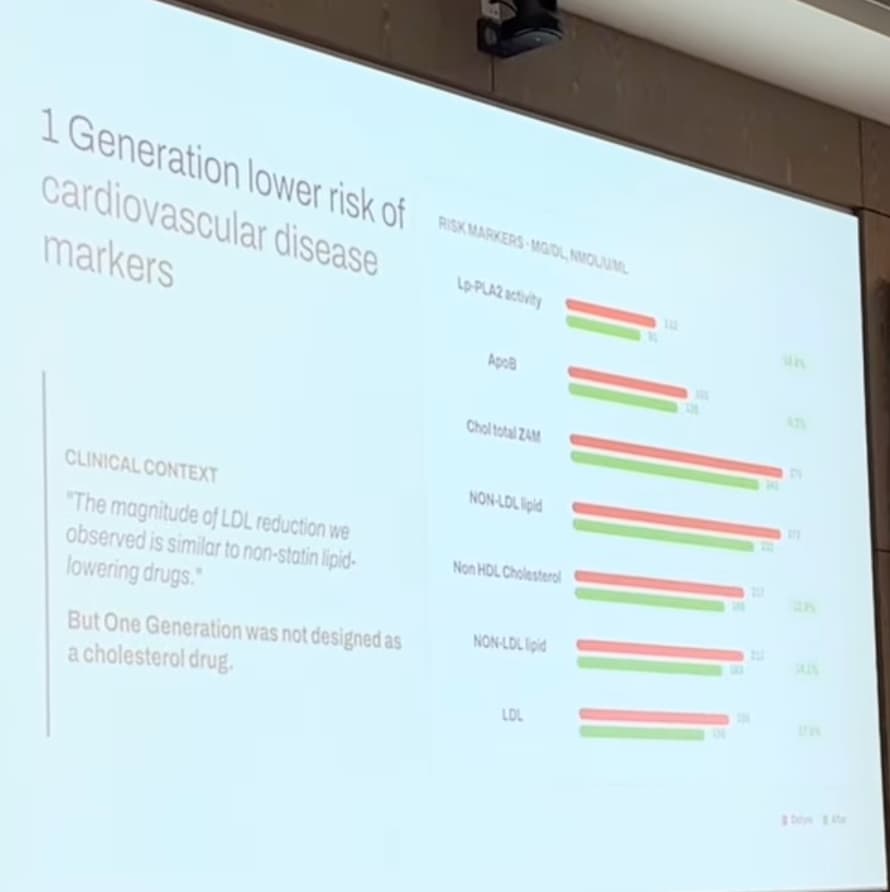
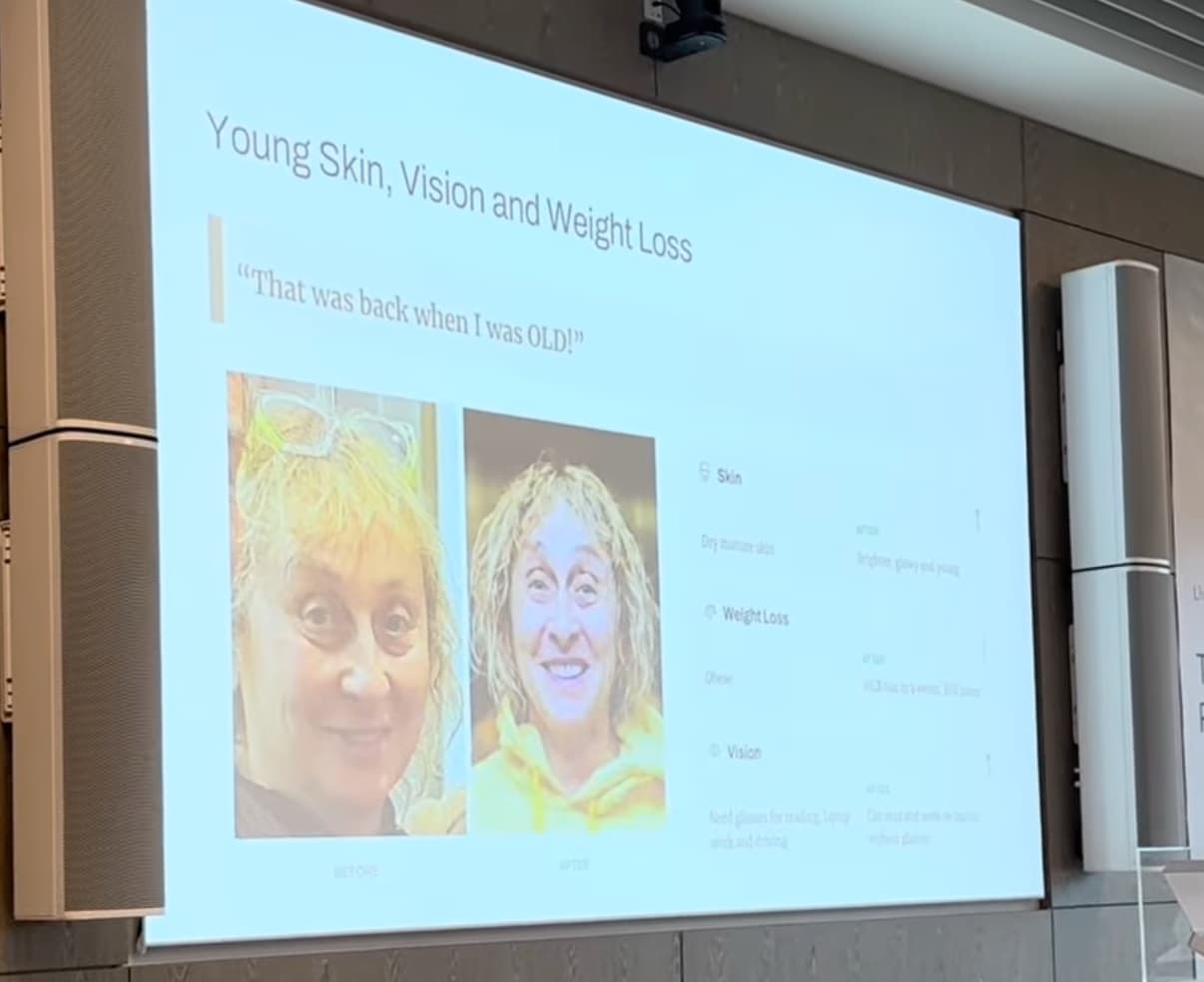
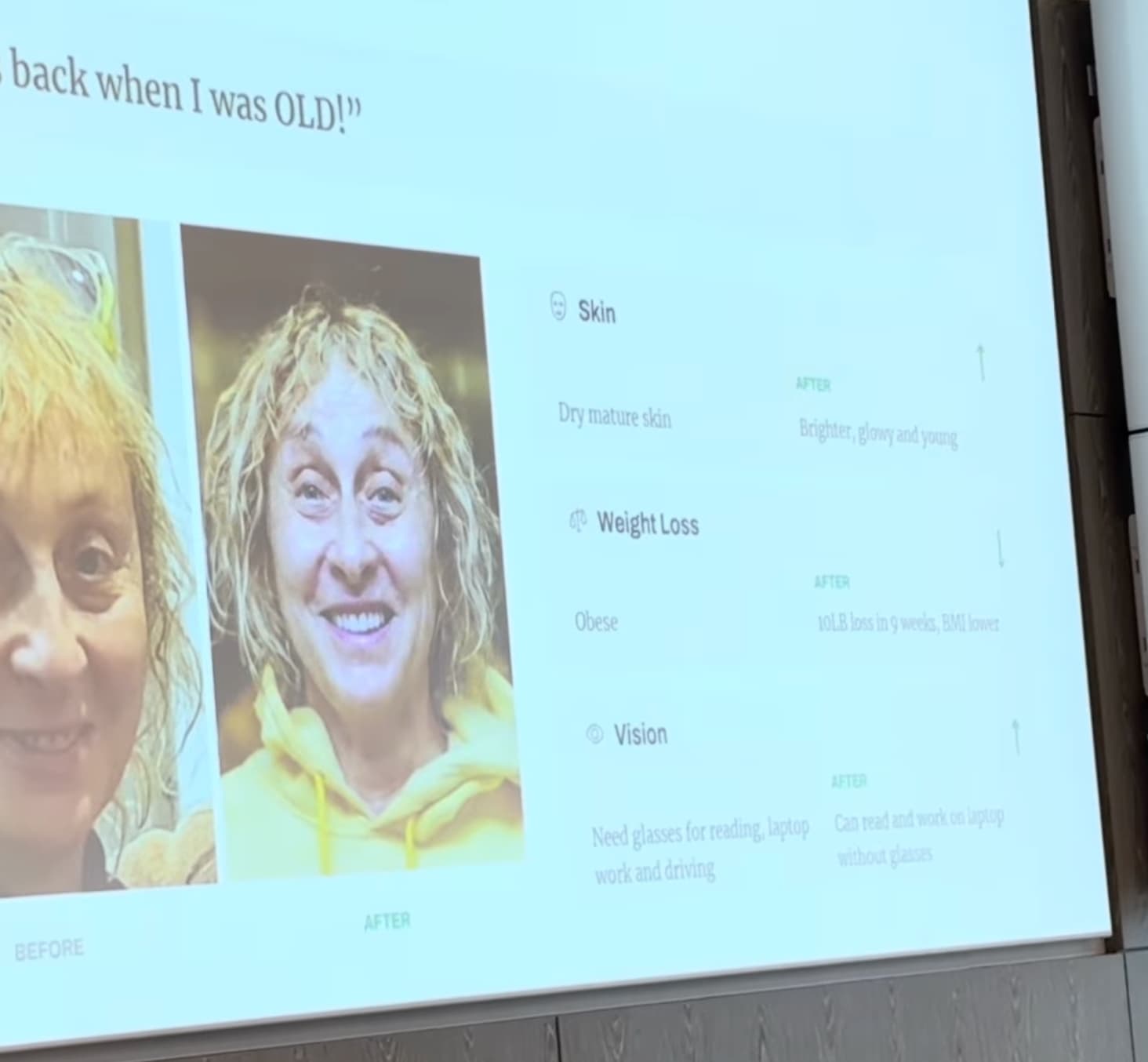
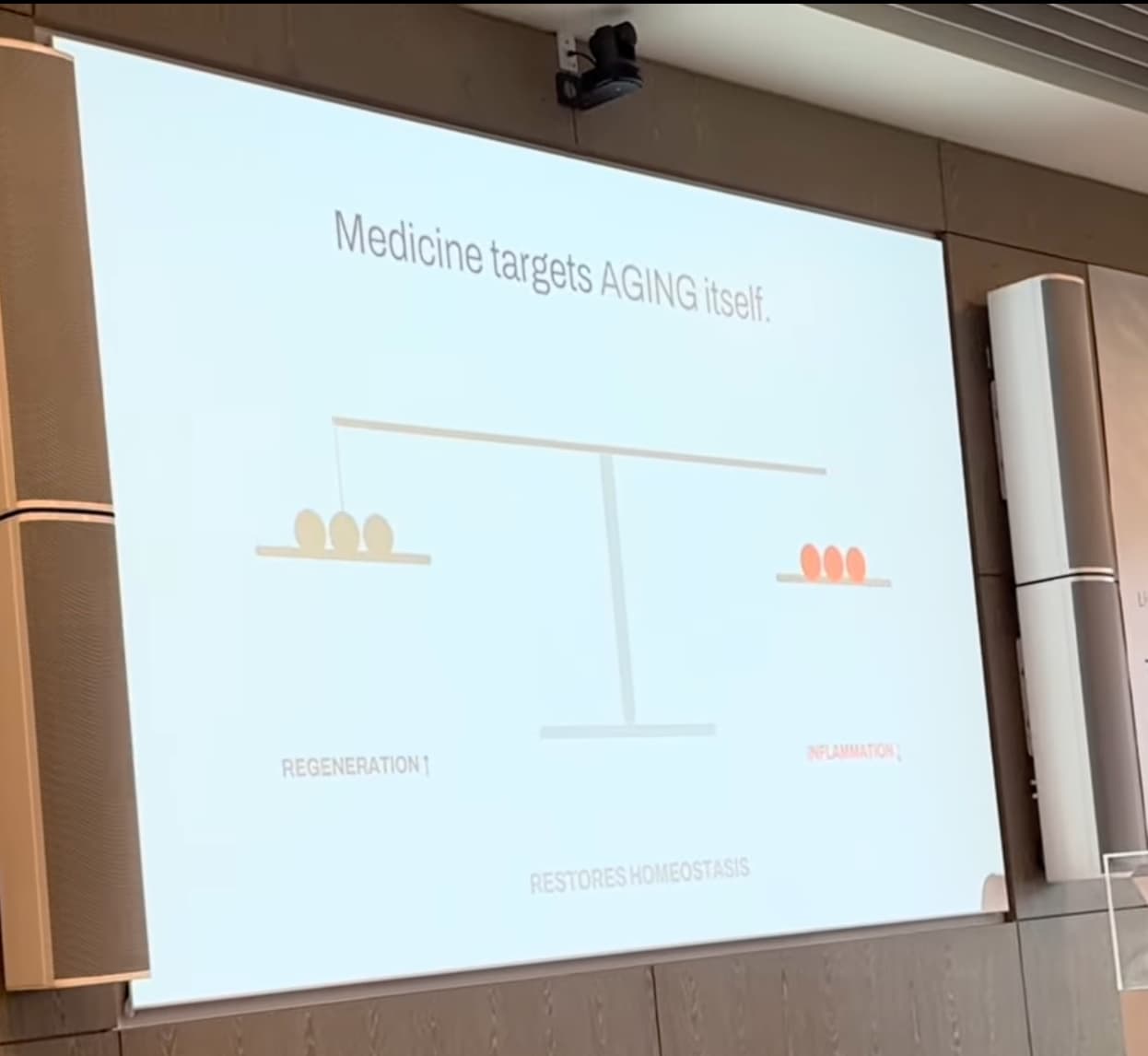
A very content & data lite presentation. Here are the slides below from screen shots:

They talk about how they tested it on themselves (8 of them):

They each had a total of 51 tubes of blood drawn. It seems safe in this short term trial.

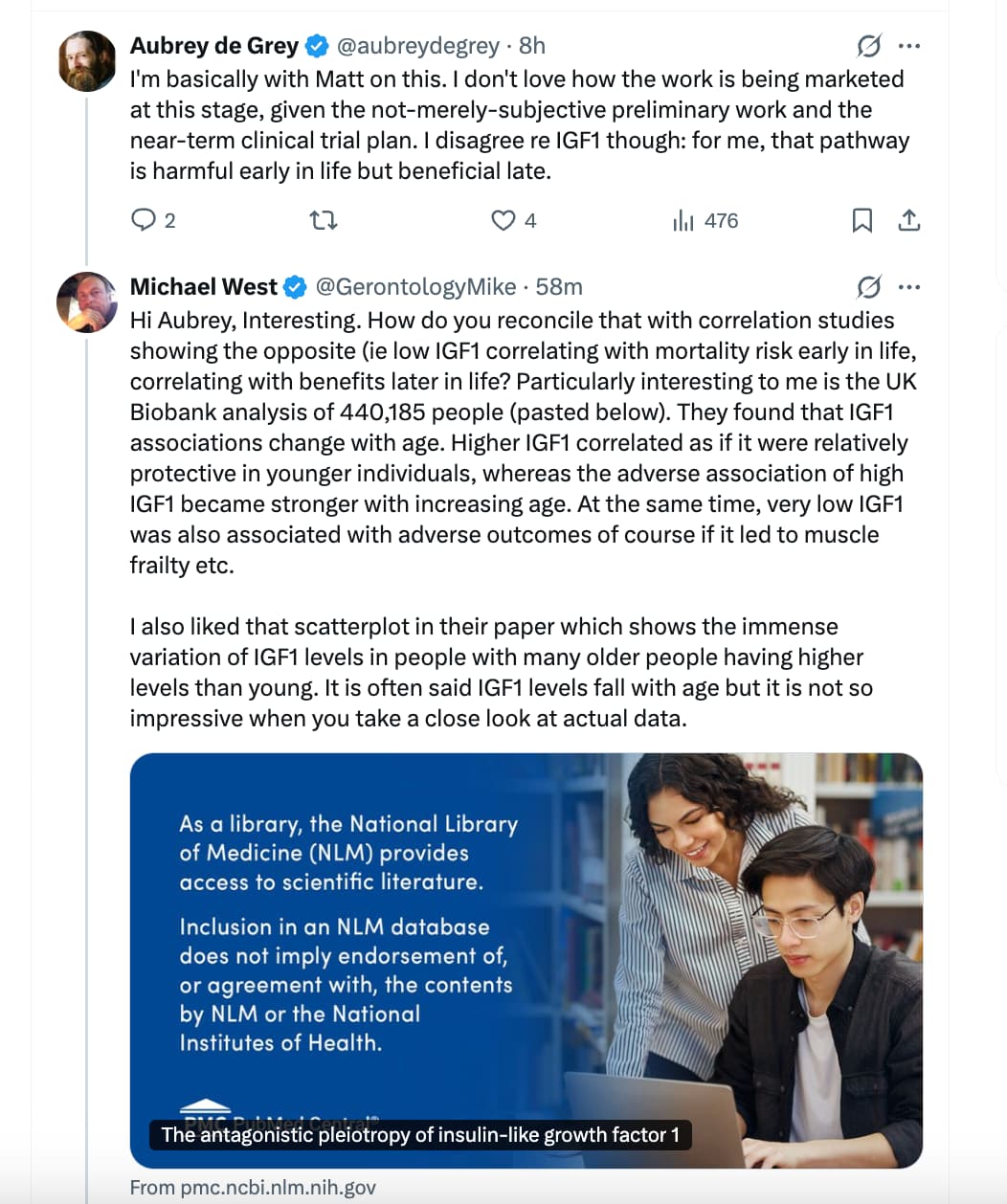
They see higher IGF-1 as a good thing (which is a point of contention with many longevity researchers).

And IGF-1 Was increased in all users of their new drug combination:

Uploading: Screenshot 2026-09-01 at 4.50.22 PM.png…

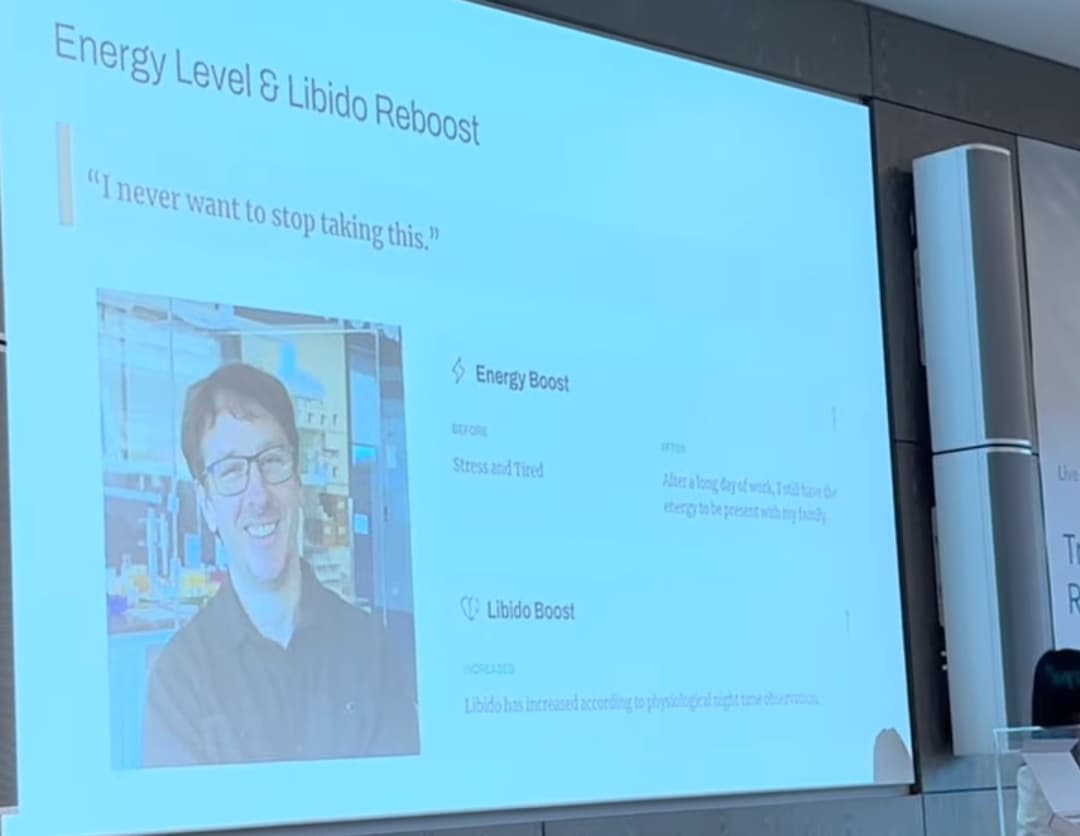
They have a number of testimonials (from mostly their employees):


Irina Conboy says she doesn’t need her driving glasses any more, after using the drug combo.

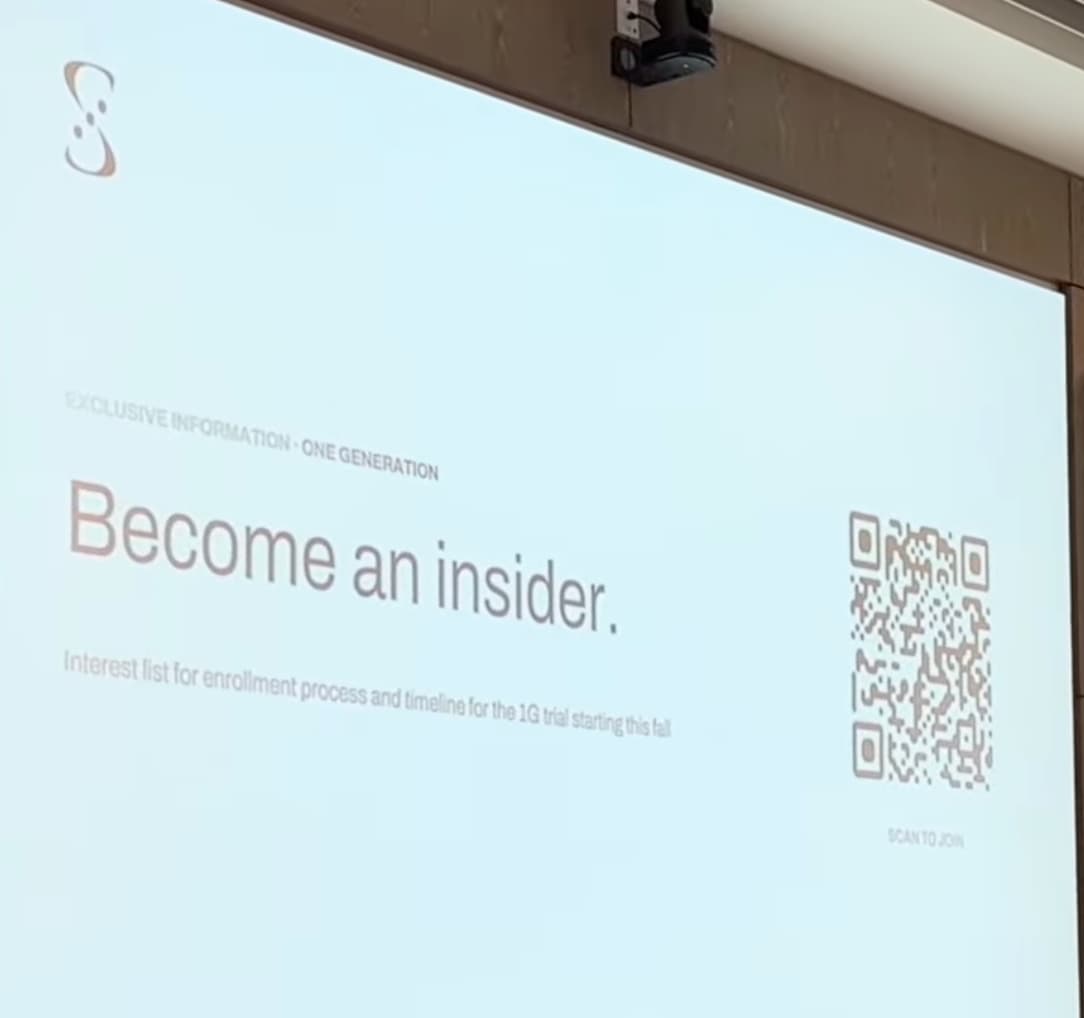
And they say anyone can join now using this registration QR code:

My cell phone worked on that code - so here is the link that it points to:

1 Like

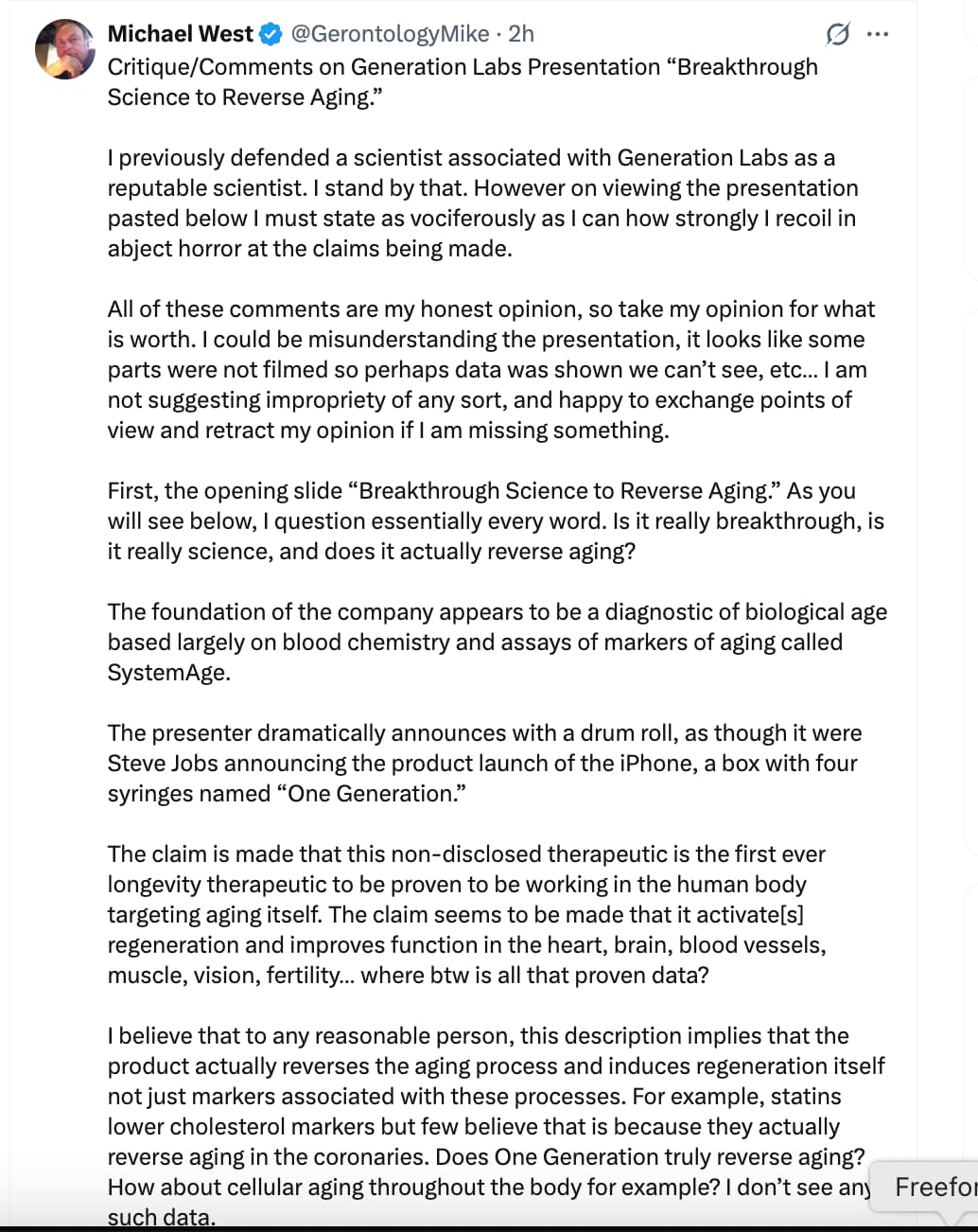
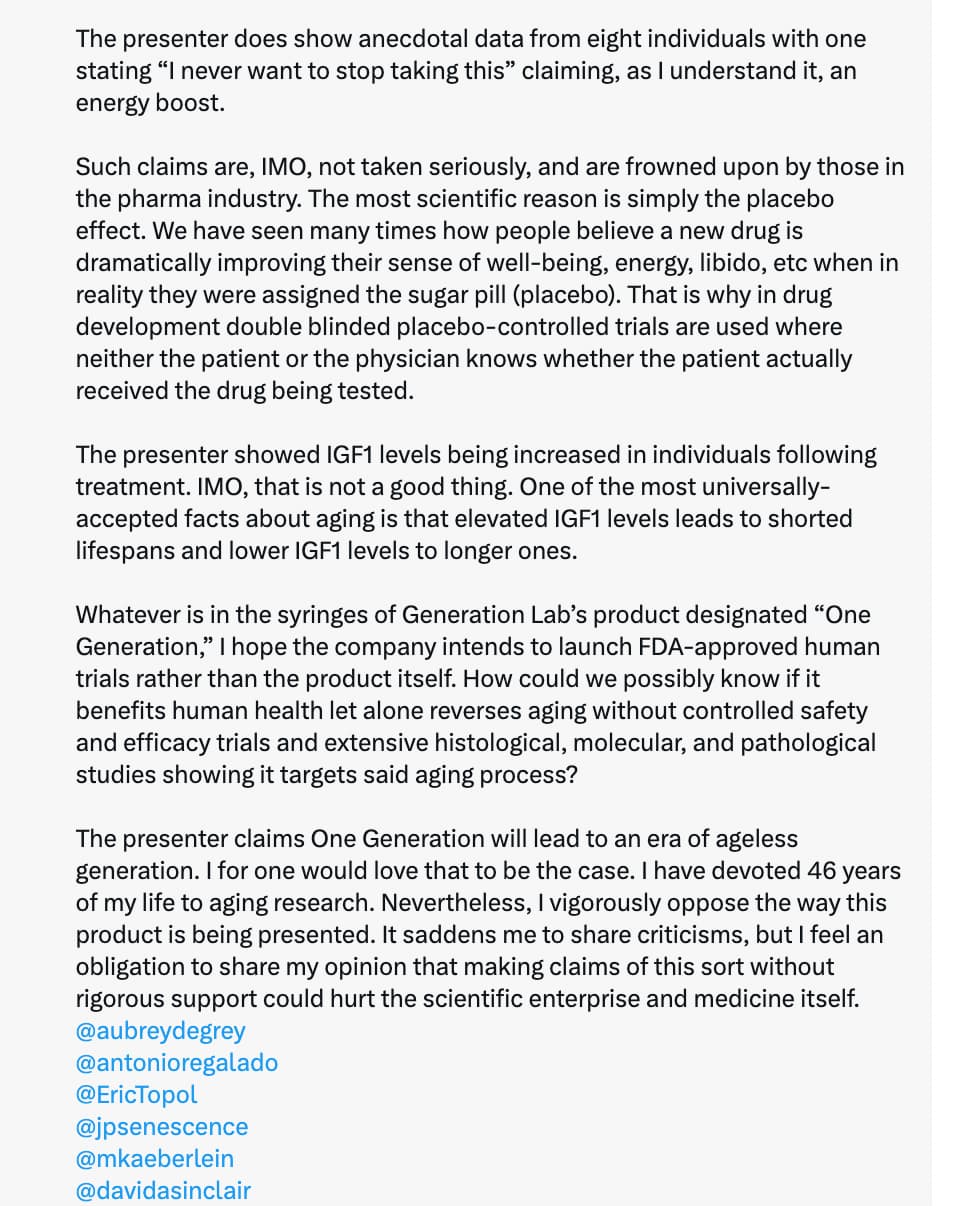
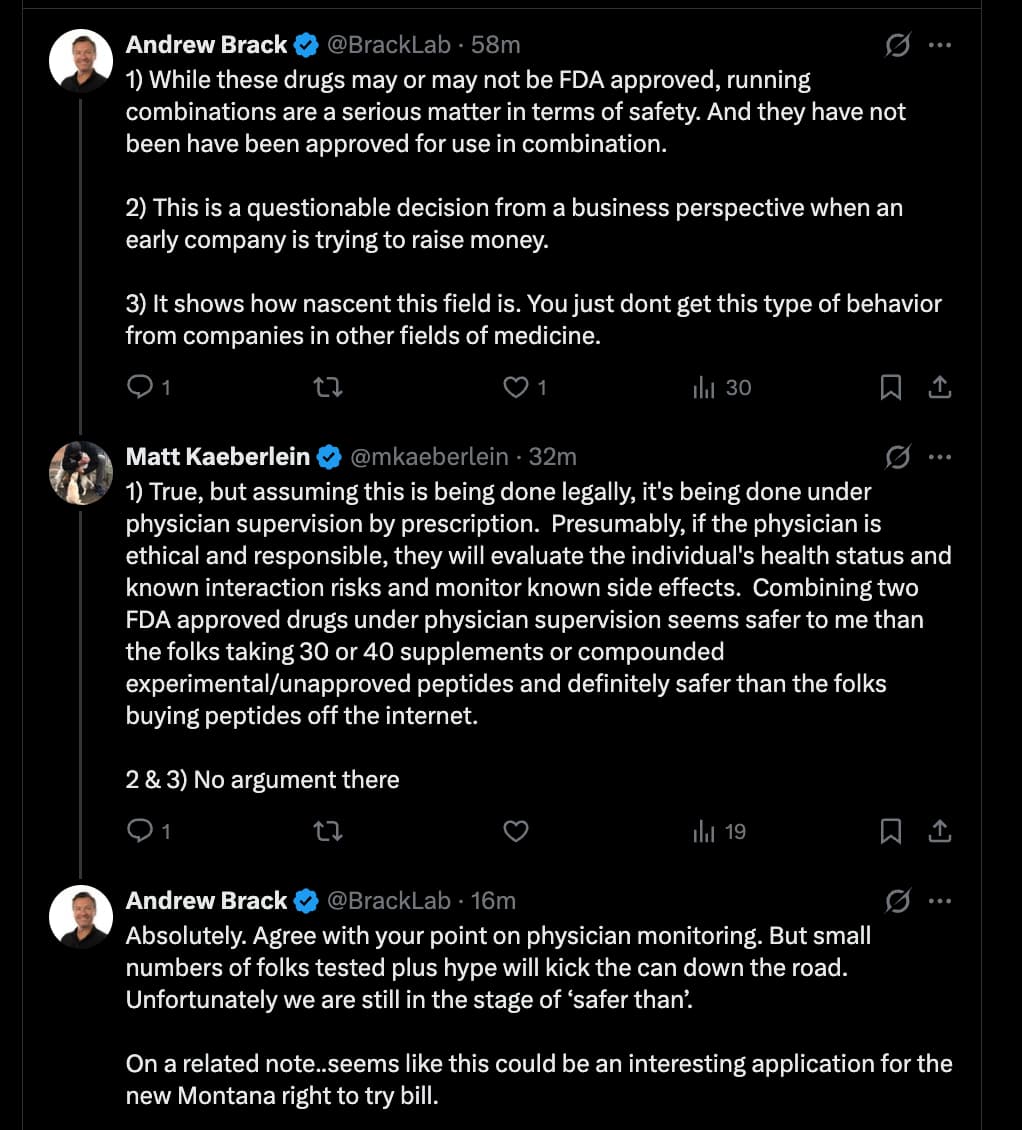
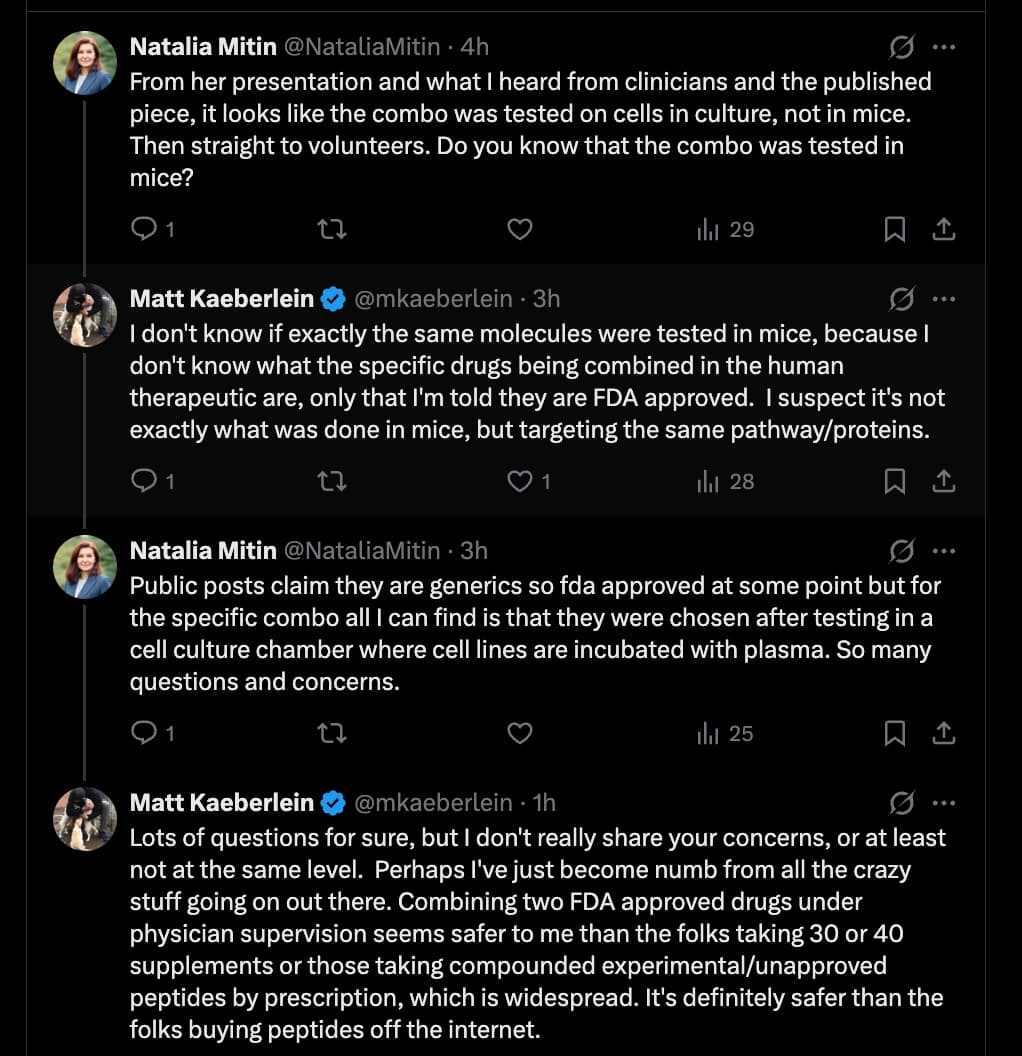
Some Commentary from a longevity leader, Michael West:

Source: Michael West on X: "Critique/Comments on Generation Labs Presentation “Breakthrough Science to Reverse Aging.” I previously defended a scientist associated with Generation Labs as a reputable scientist. I stand by that. However on viewing the presentation pasted below I must state as vociferously … / X

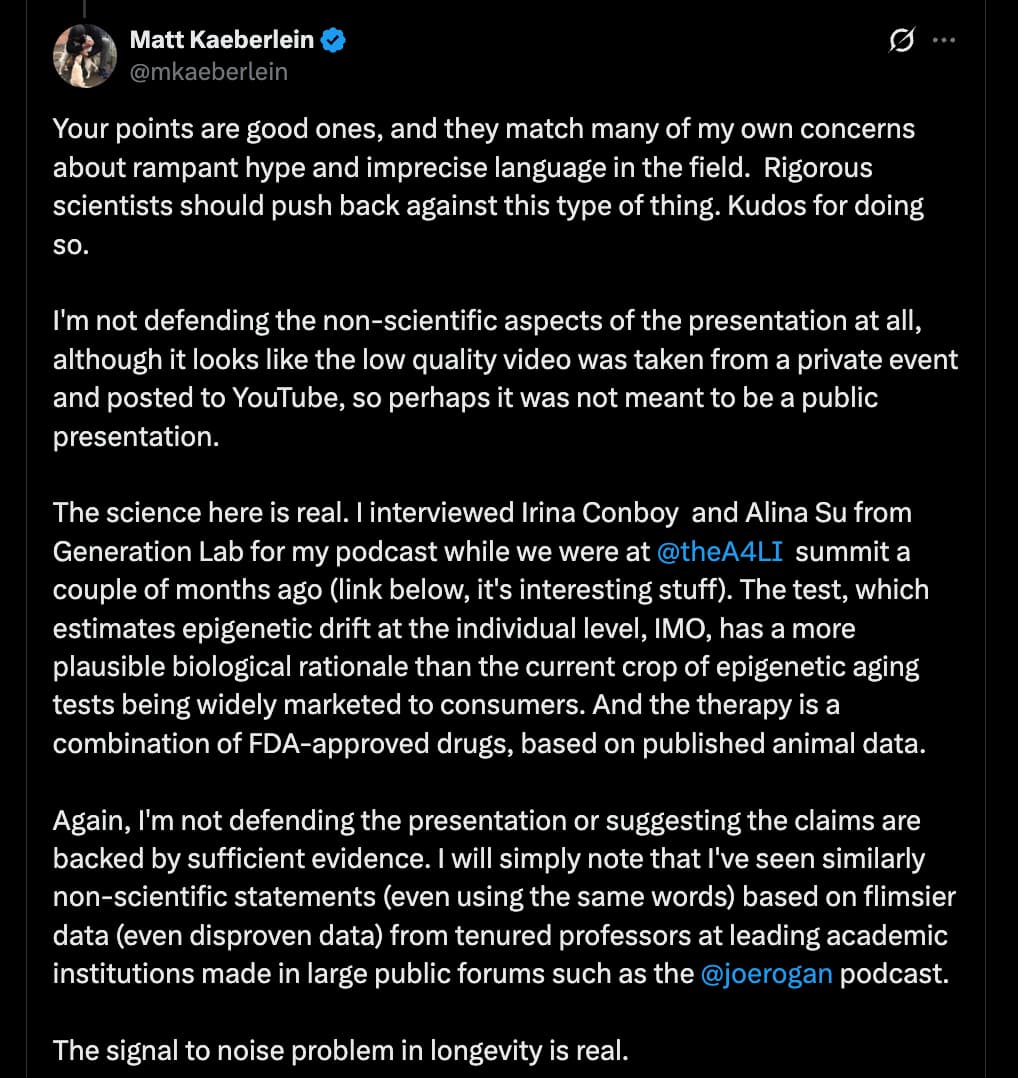
Matt Kaeberlein’s response:

Kaeberlein Podcast/ Interview with Conboy / Su: Matt Kaeberlein's New Longevity Science Podcast / Youtube Channel (2026) - #39 by RapAdmin

5 Likes

It’s bizarre. Share with family and friends? Share what? There’s no published research, no trials. I guess we are offered to take their word for it. Cannot wait to learn more. Intriguing for sure.

4 Likes

A unicorn in the making? Marketing 101 in the new world?

How to Rule the World: An Education in Power at Stanford University by Theo Baker

2 Likes

Generally when you launch a new product you present the most compelling data you can pull together. If this is the most compelling data… It makes you go hmmmm…

4 Likes

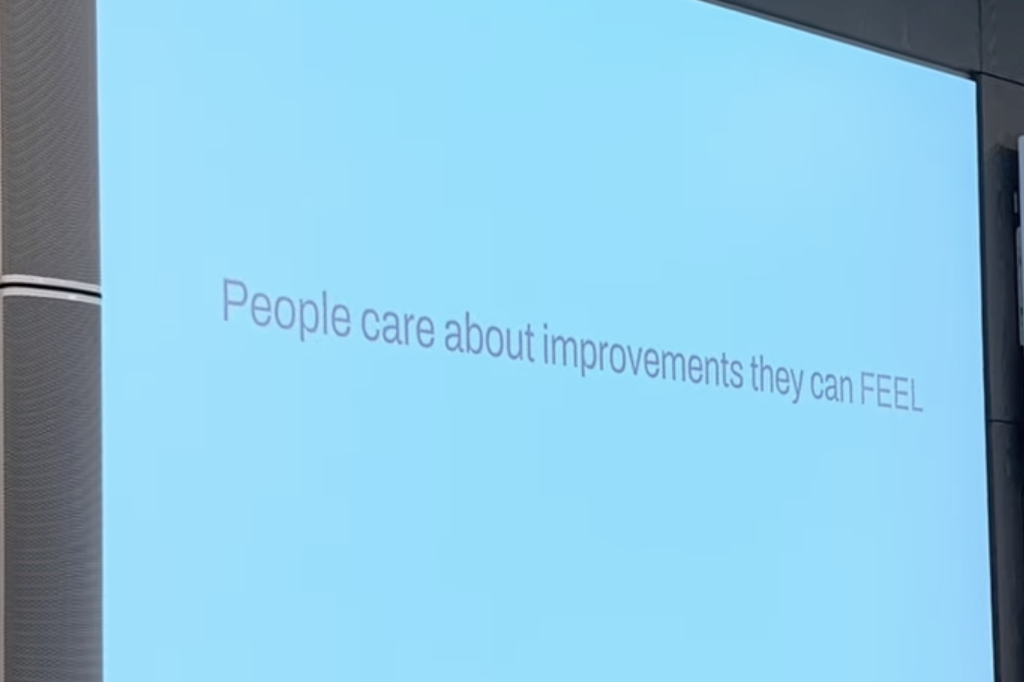
One of the slides declares, “People care about improvements they can FEEL,” placing the key word in all caps. As body builders say, in a mocking tone, “It’s all about the feelz.”

So the most defensible educated guess (per my AI research) is:

Drug 1: Fresolimumab (pan–TGF‑β neutralizing antibody)

Drug 2: Oxytocin (or an oxytocin‑pathway agonist)

2 Likes

Oxytocin was my first guess. But they said it wasn’t in the combination, and it has a very short half-life. I did some research and there’s a synthetic called Carbetocin, which hits the same mechanism, but that’s not a generic. The other thing is that the life extension only worked in male mice with the oxytocin combination and didn’t work for females. I guess we’re all just going to have to wait.

3 Likes

chatGPT(5.6max):

Generation Lab has not publicly identified the two drugs in its newly promoted human treatment, “1-Generation.” In his 27 August 2026 report, Antonio Regalado described an injectable combination of two existing drugs and stated that the company declined to name them. I found no subsequent disclosure as of 2 September. MIT Technology Review report

There are, however, two relevant published combinations from co-founder Irina Conboy’s academic research:

Combination Components Published research
OT + A5i Oxytocin + an ALK5 inhibitor, specifically the compound also known as RepSox / ALK5 inhibitor II Combines oxytocin signalling with inhibition of the TGF-β receptor pathway. A 2025 study reported healthspan and lifespan benefits in old male mice, without comparable benefits in old female mice. Study
DMA Dichloroacetate + metformin + navitoclax (ABT-263) Targets metabolic vulnerabilities in senescent and cancer cells. A July 2026 study reported effects in cultured cells and improved endurance and lifespan in old mice. Study

Neither combination is confirmed as the formulation of 1-Generation. The academic papers describe research conducted independently of Generation Lab; identifying its new human treatment as oxytocin plus RepSox would therefore be speculation.

Q2:

Dichloroacetate changes cellular fuel metabolism; navitoclax makes susceptible cells undergo programmed cell death.

Drug Direct target Main effect
Dichloroacetate (DCA) Inhibits pyruvate dehydrogenase kinase (PDK) Keeps pyruvate dehydrogenase more active, encouraging conversion of pyruvate into mitochondrial acetyl-CoA, with less pyruvate going towards lactate.
Navitoclax (ABT-263) Inhibits the survival proteins BCL-2, BCL-XL and BCL-W Removes protection against apoptosis, allowing susceptible cancer cells and some senescent cells to die.

These targets are described in the NCI’s DCA entry and the original navitoclax study.

DCA acts indirectly on pyruvate dehydrogenase. PDK normally switches this enzyme off through phosphorylation. Blocking PDK therefore increases the enzyme’s activity and channels more glucose-derived carbon into mitochondrial oxidation. Depending on the cell’s mitochondrial capacity, this can support energy production or make a metabolically abnormal cell more vulnerable to stress. It is not inherently a senescent-cell killer. Conboy study

Navitoclax acts on the mitochondrial cell-death pathway. BCL-2-family survival proteins normally restrain the machinery that makes the mitochondrial outer membrane permeable. Navitoclax releases that restraint, enabling cytochrome-c release and activation of the enzymes that dismantle the cell. Sensitivity depends on which survival proteins a cell relies upon; it does not recognise senescence specifically. Mechanistic study

In the DCA + metformin + navitoclax combination, the proposed logic is that DCA shifts metabolism towards mitochondrial oxidation while metformin inhibits respiratory complex I. Together, they create an energy problem in vulnerable cells, while navitoclax lowers their resistance to apoptosis. The researchers observed ATP depletion and increased killing of the tested senescent and cancer cells. This remains preclinical evidence. Study

Their major limitations are different: DCA can cause peripheral nerve toxicity, while navitoclax can substantially reduce platelets, because normal platelets also depend on BCL-XL for survival. DCA clinical trial, navitoclax clinical trial

Q3:

Neither dichloroacetate nor navitoclax is FDA-approved. Of the three drugs in the DMA combination, only metformin is approved, as of 2 September 2026.

Drug FDA status
Metformin Approved for improving glucose control in type 2 diabetes. Prescribing information
Dichloroacetate (DCA) Not approved. An oral formulation, SL1009, is under review for pyruvate dehydrogenase complex deficiency, with an FDA decision target of 30 December 2026. Manufacturer’s update
Navitoclax (ABT-263) Not approved. It remains an investigational cancer drug. Clinical trial information

None has FDA approval for treating ageing.

If helpful, I can set up a check for the December DCA decision.
1 Like

They have removed the video. They have had quite a bit of flack on it.

1 Like

Of those (metformin, oxytocinm DCA, ABT-263), only oxytocin is injectable. Anyway, fun guessing exercise, but I’ll just wait. If it’s worth anything at all, I’m sure it will be published , and we won’t stop hearing about it.

Given that the video has been removed I don’t have a lot of confidence in it being anything particularly effective.

3 Likes

The conversation continues:

3 Likes