XPrize Healthspan / Longevity Update, Jamie Justice (Longevity Summit 2024)

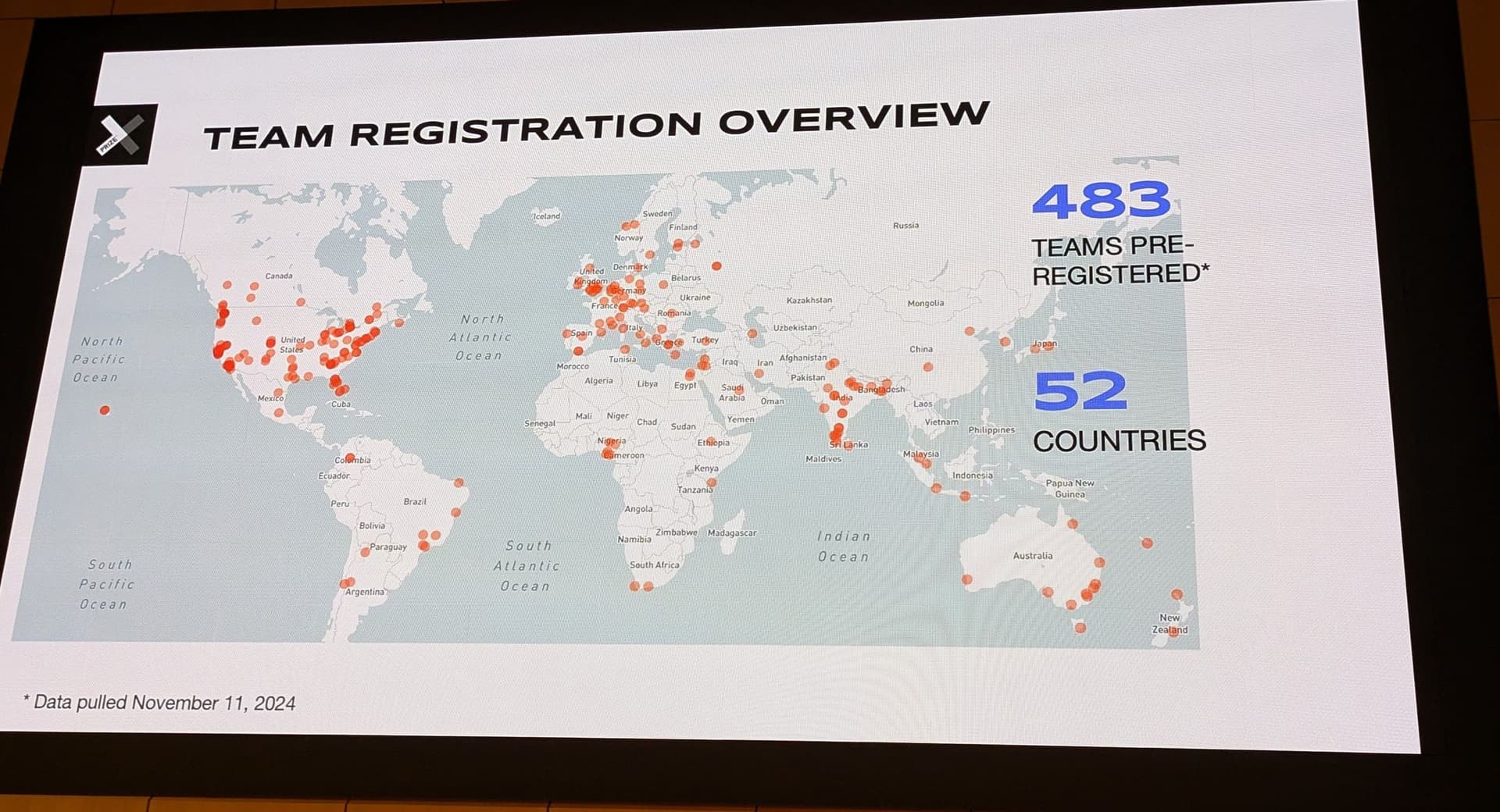
Jamie Justice was at the Longevity Summit this year to give an update on how things are going. They expect a total of about 500 contestants (groups) in total, and were up to 488 at the time of the presentation.

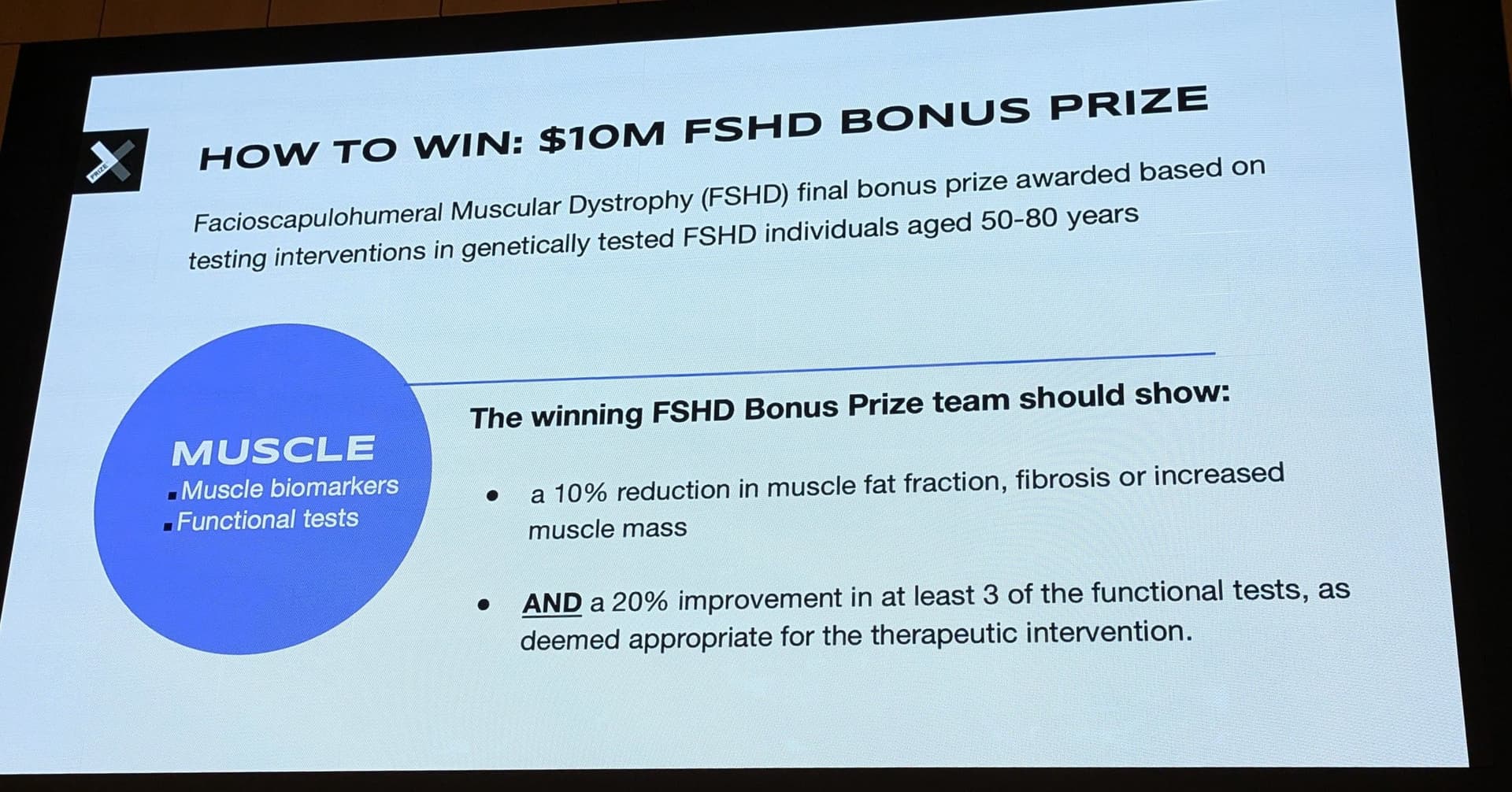
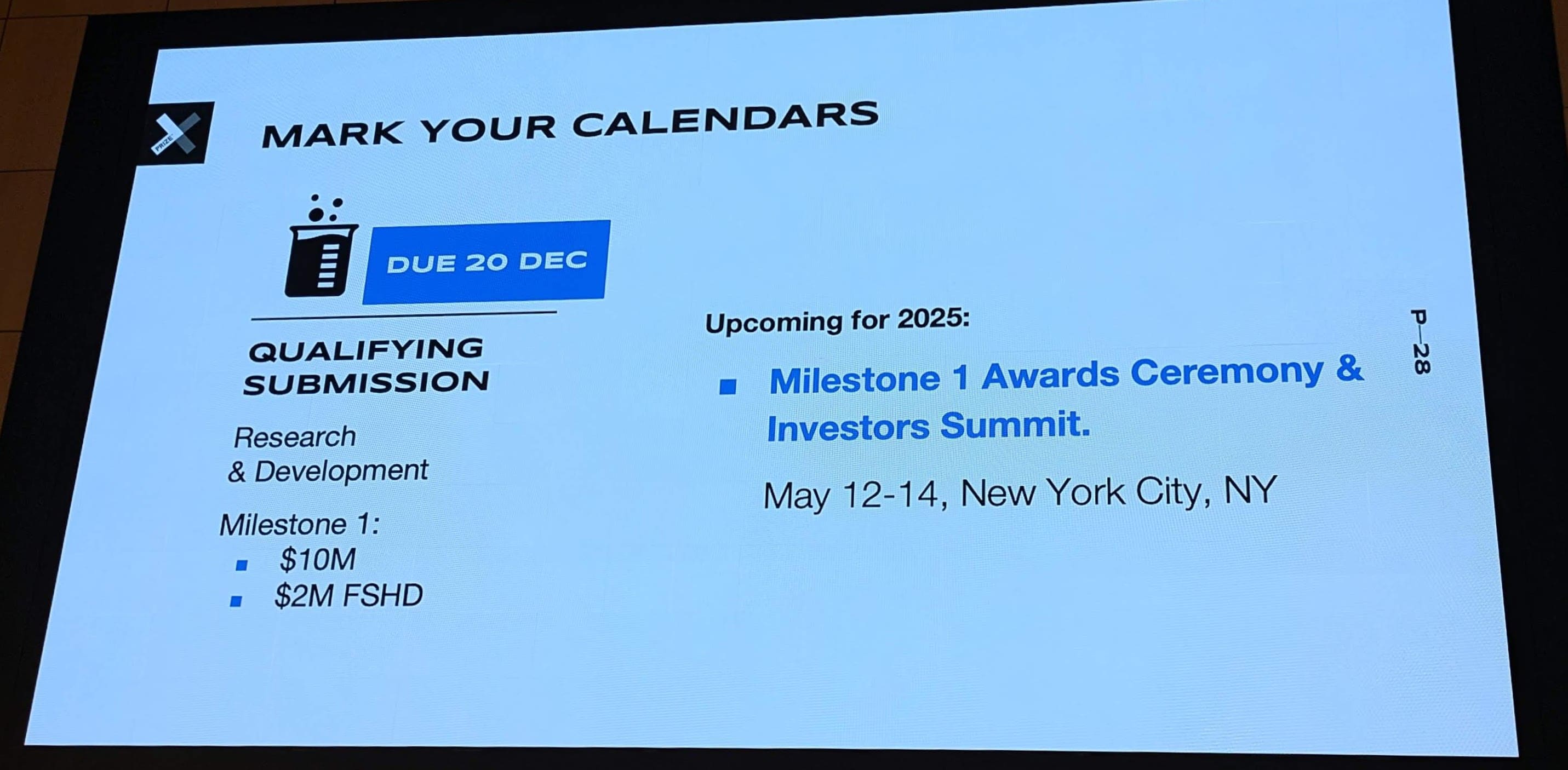
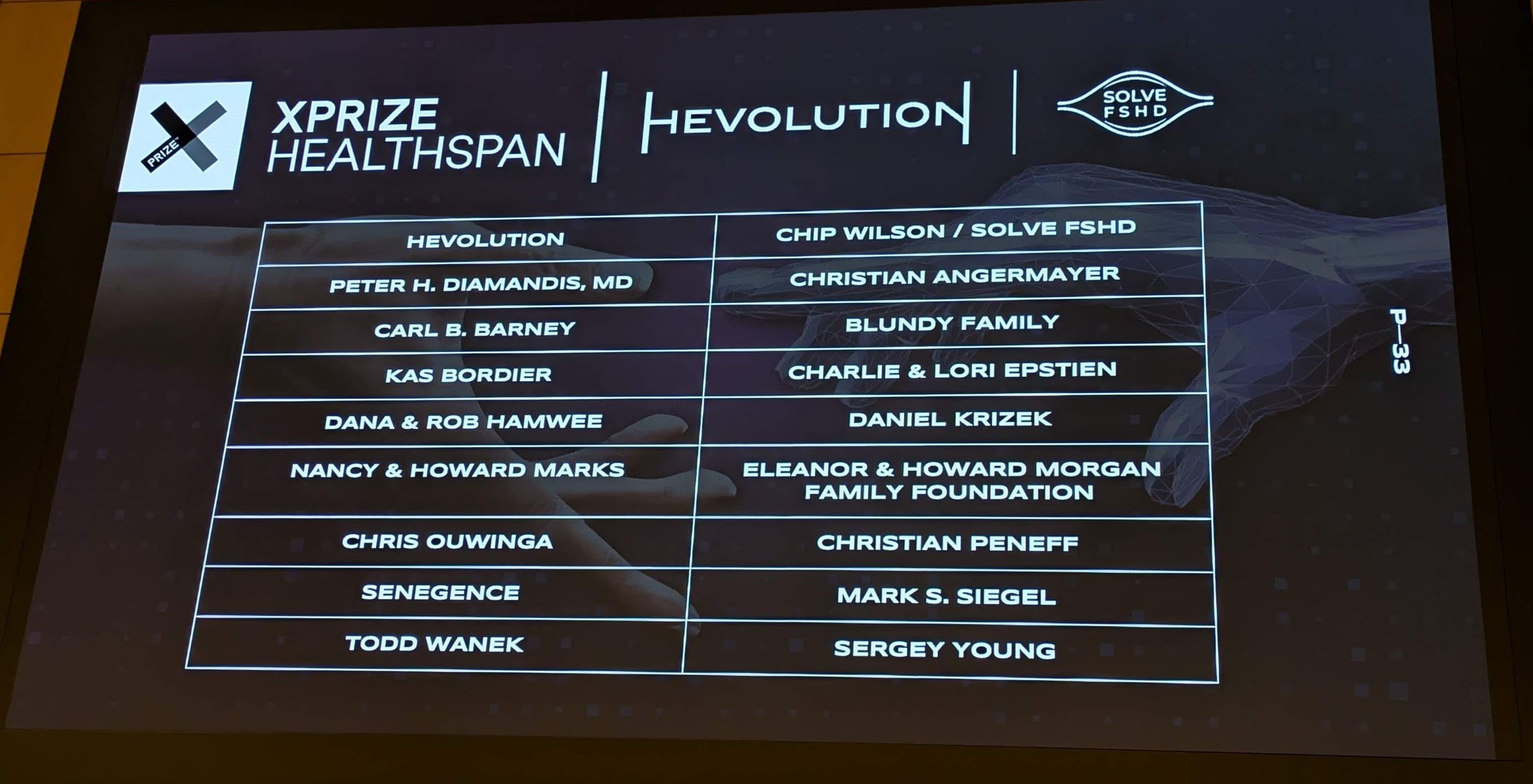
Additionally, the billionaire Lululemon founder looks to have contributed $10 million for a special muscular dystrophy add-on contest. You may have heard here on the site about Chip Wilson previously - as he is a rapamycin enthusiast: 15 longevity leaders who take rapamycin - #11 by RapAdmin

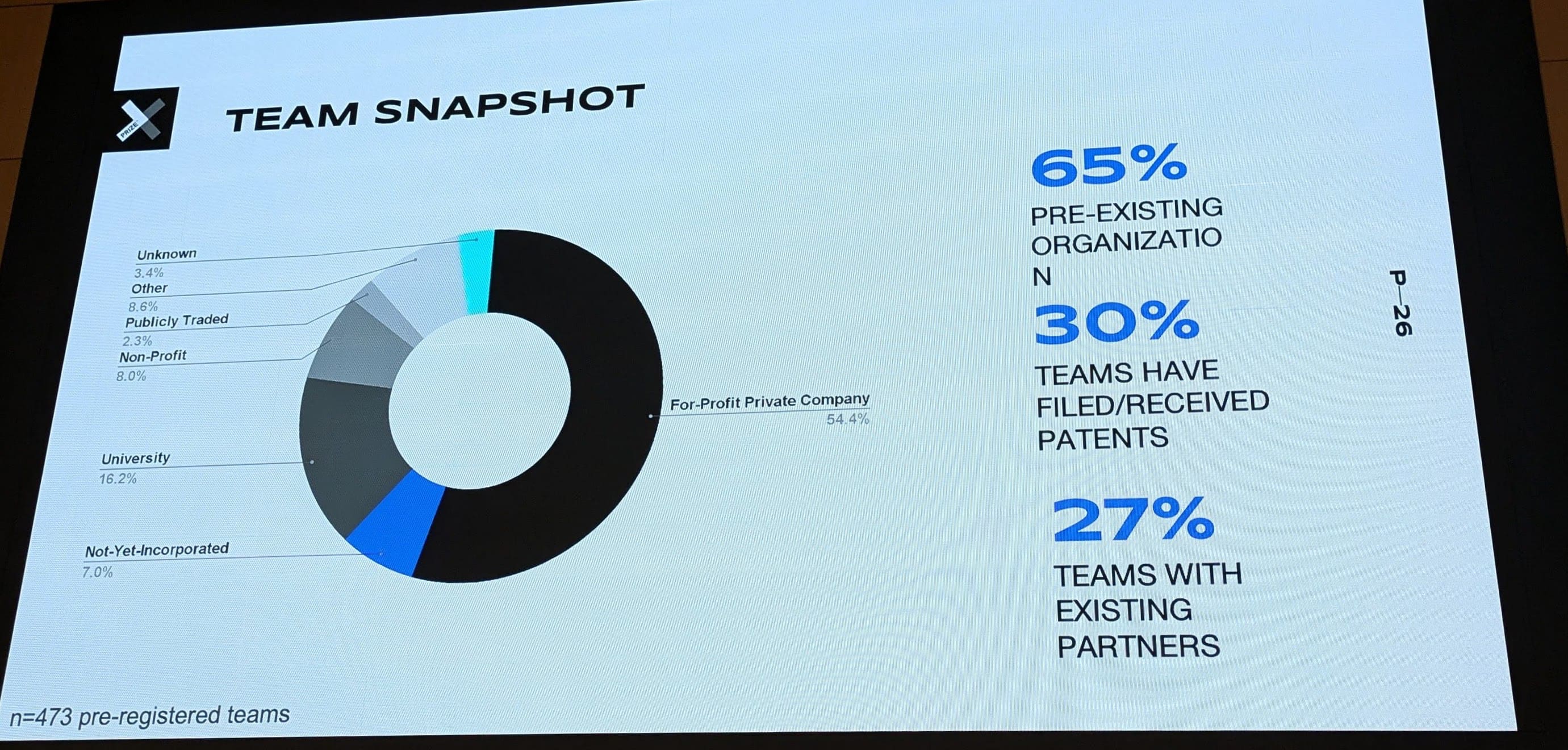
While the total number of contestant groups is anticipated to be about 500, it seems likely that the group will quickly get winnowed down to the top 100 or so really serious teams. And from the sounds of it, there were a number of really wacky applications (as you might expect in longevity contests) that were flat out rejected even before they could apply to join.

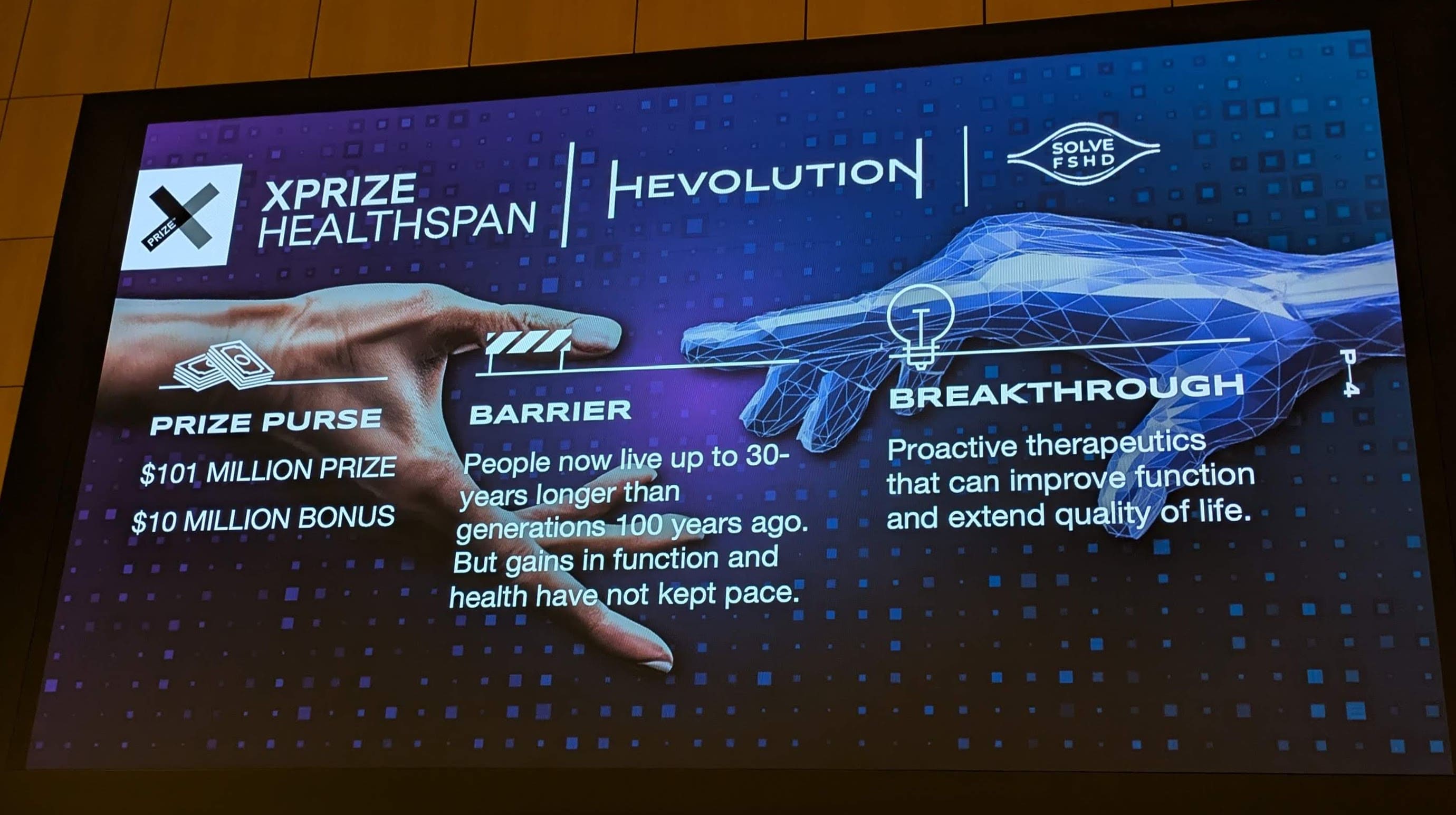
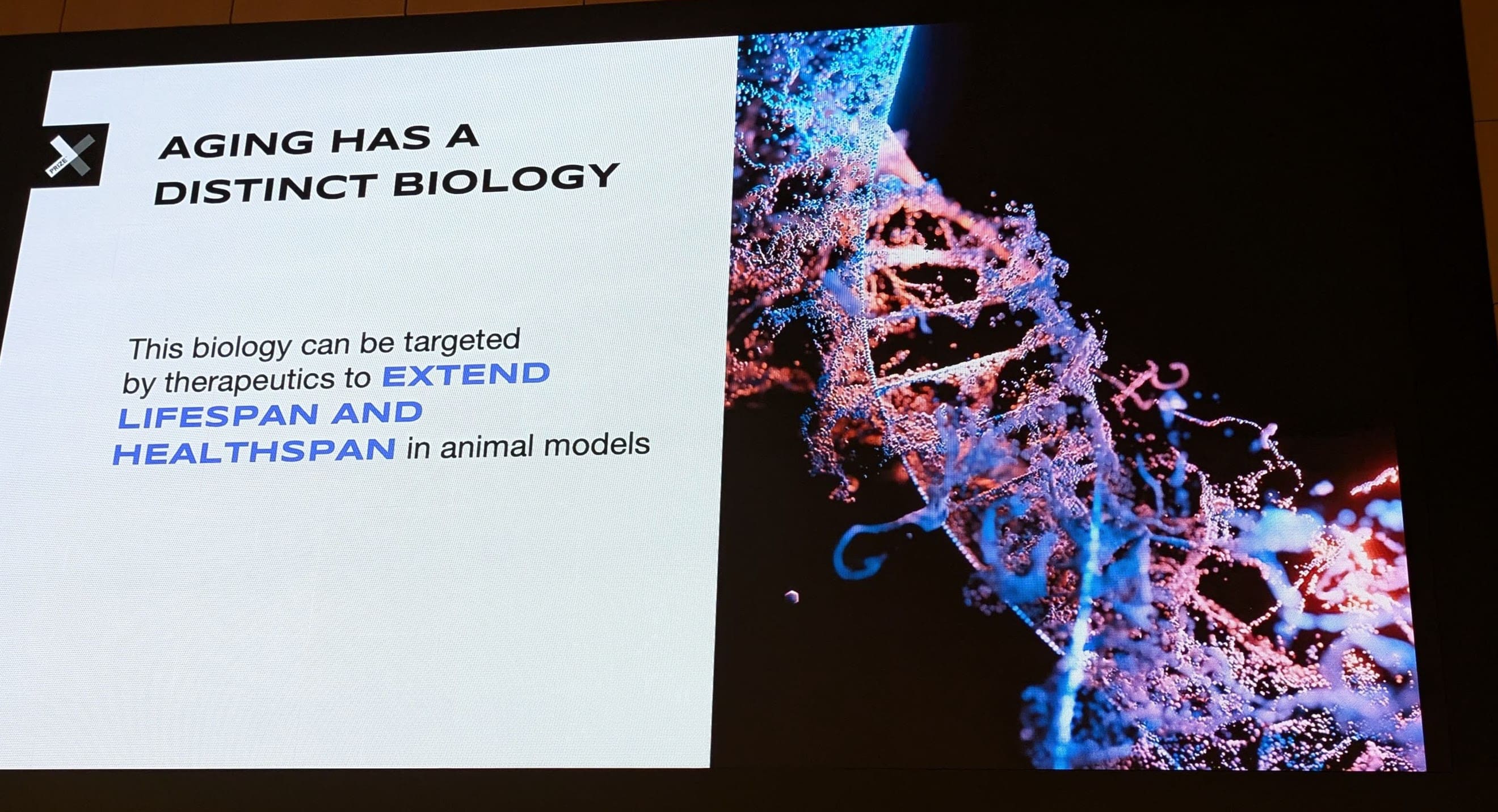
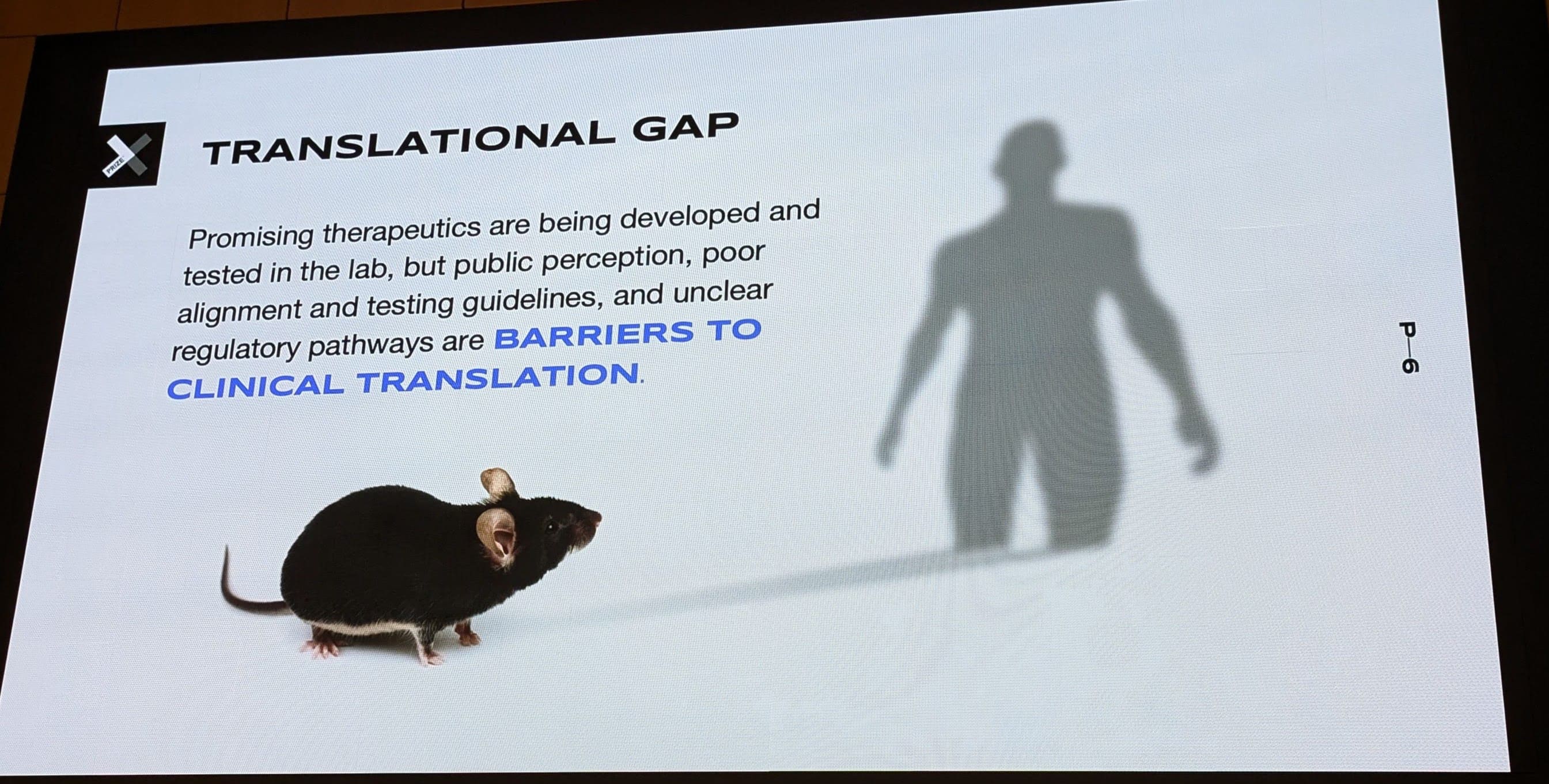
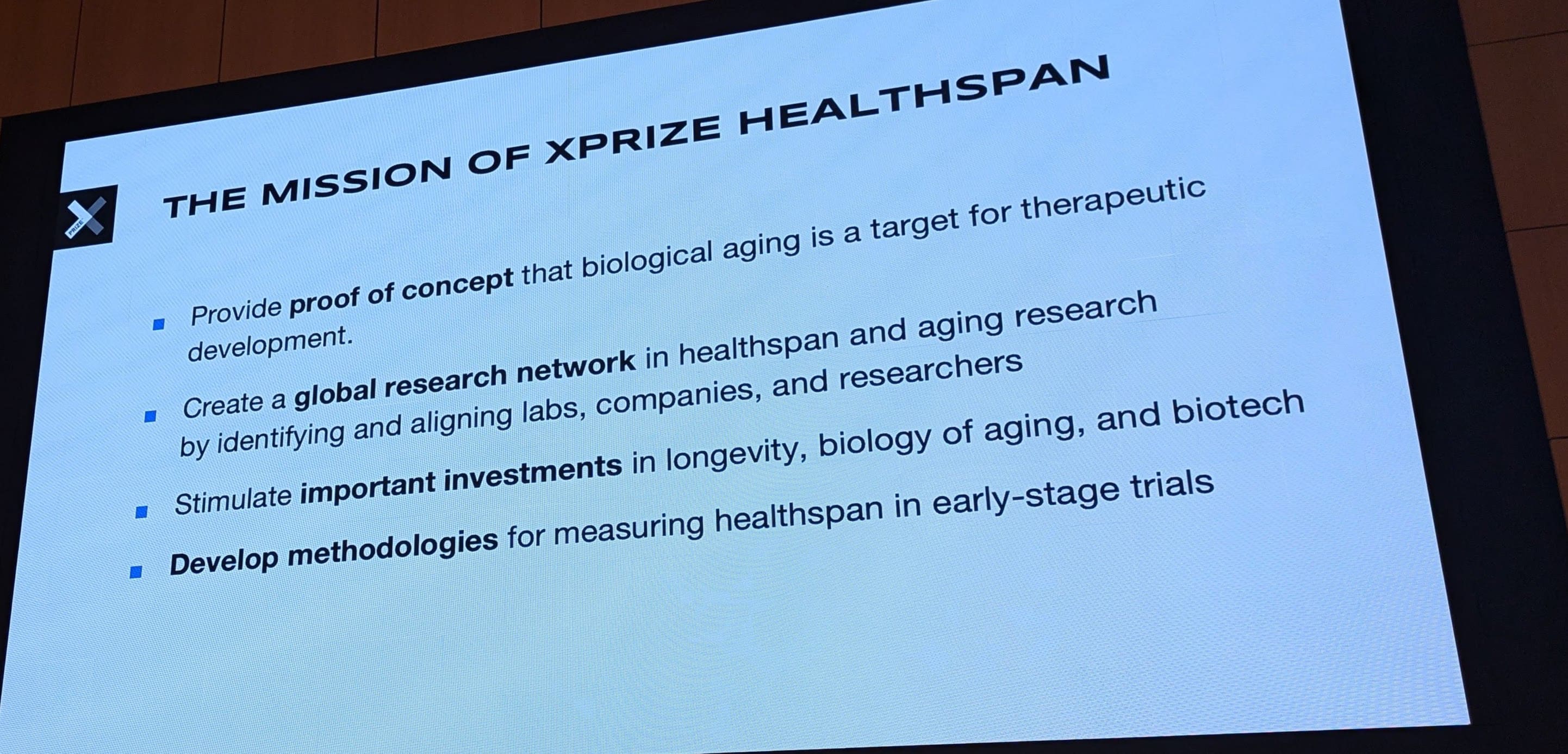
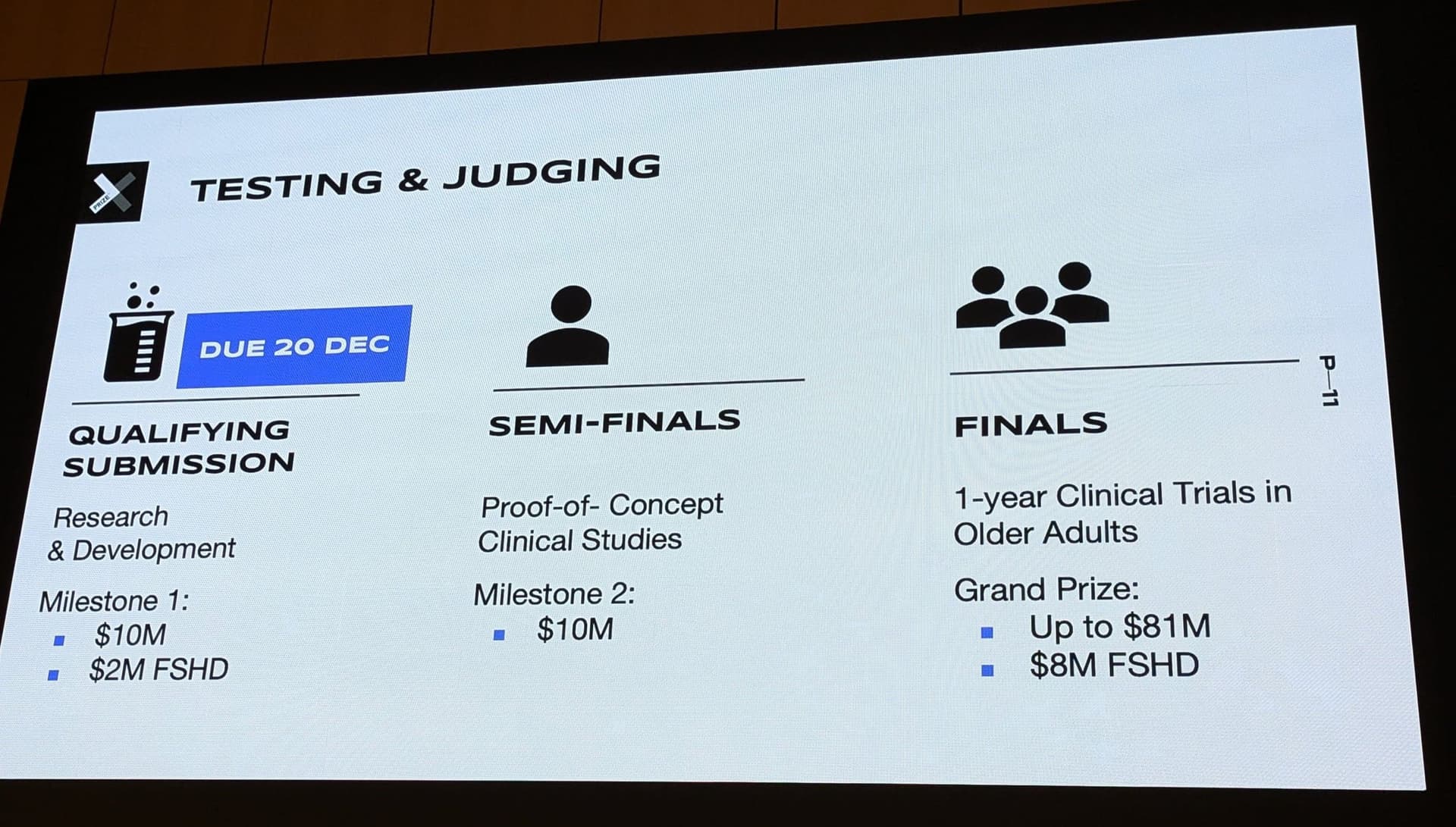
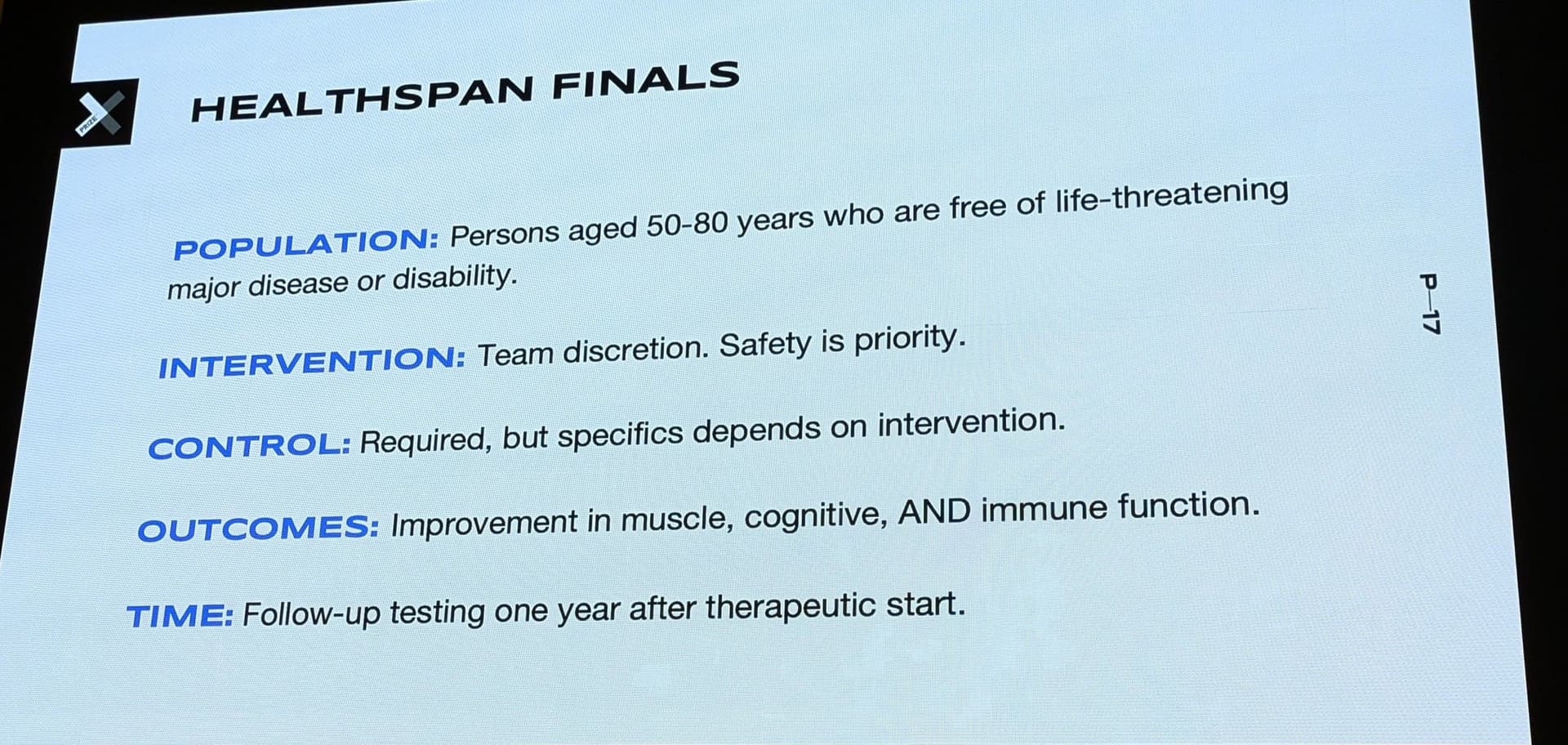
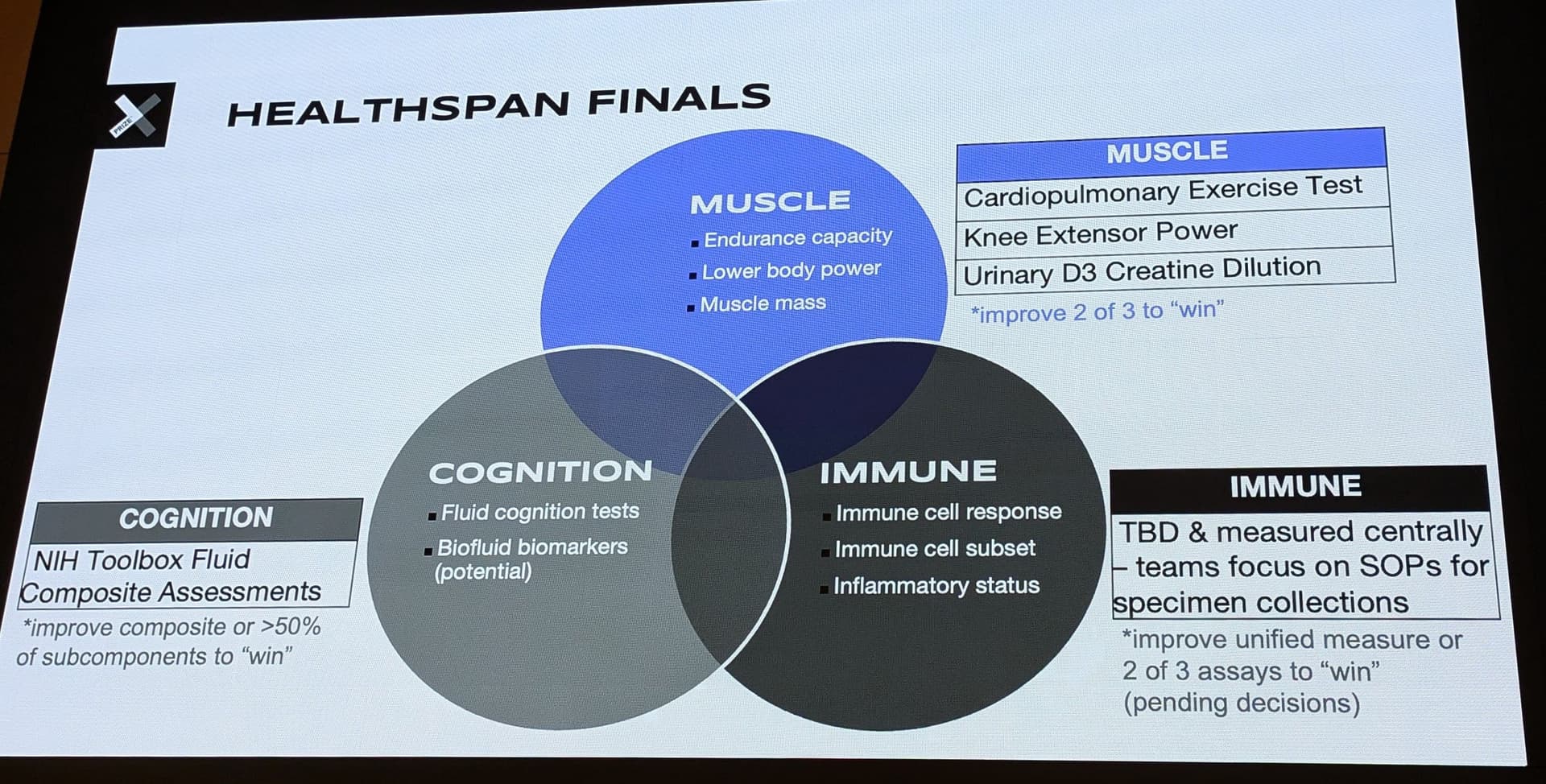
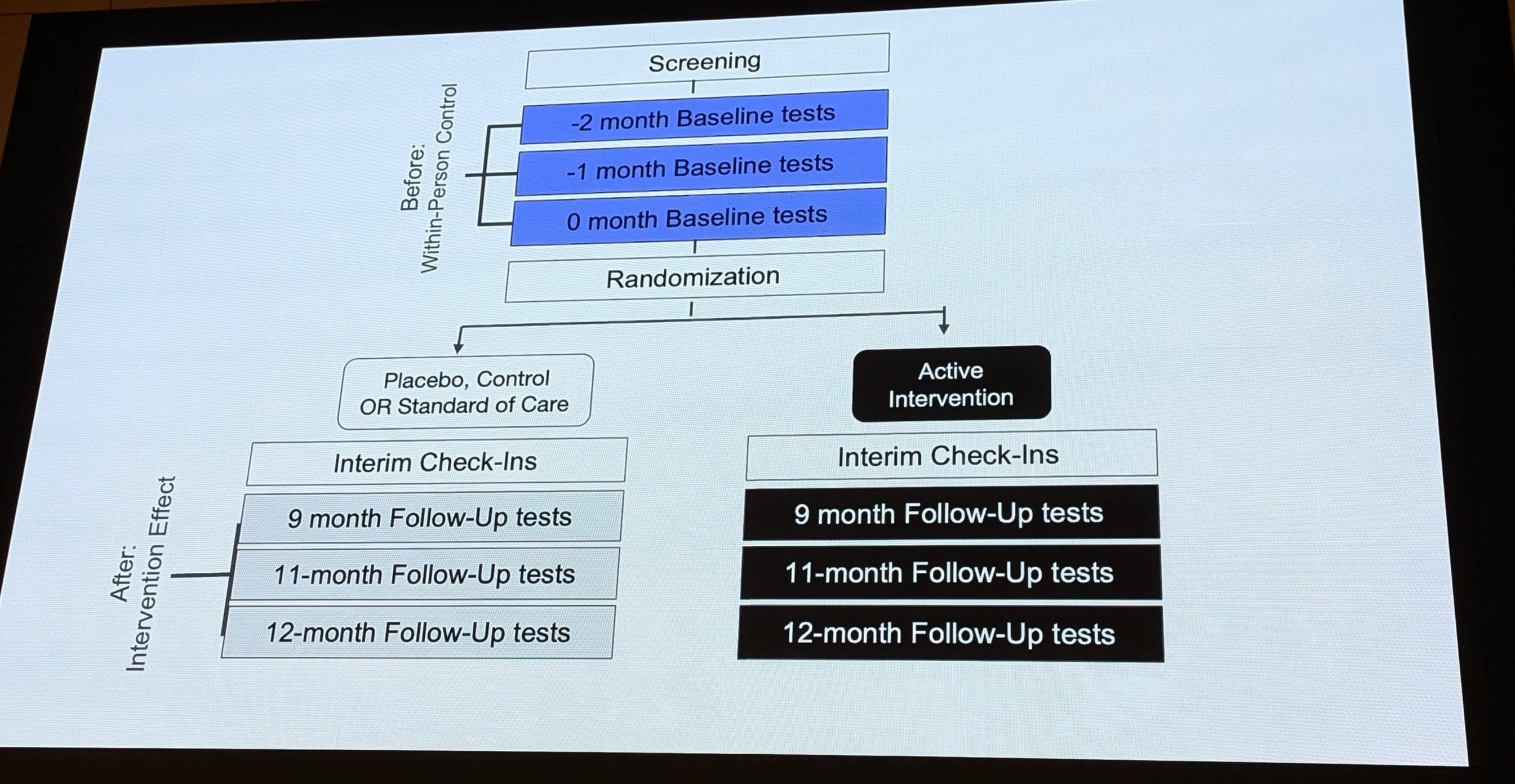
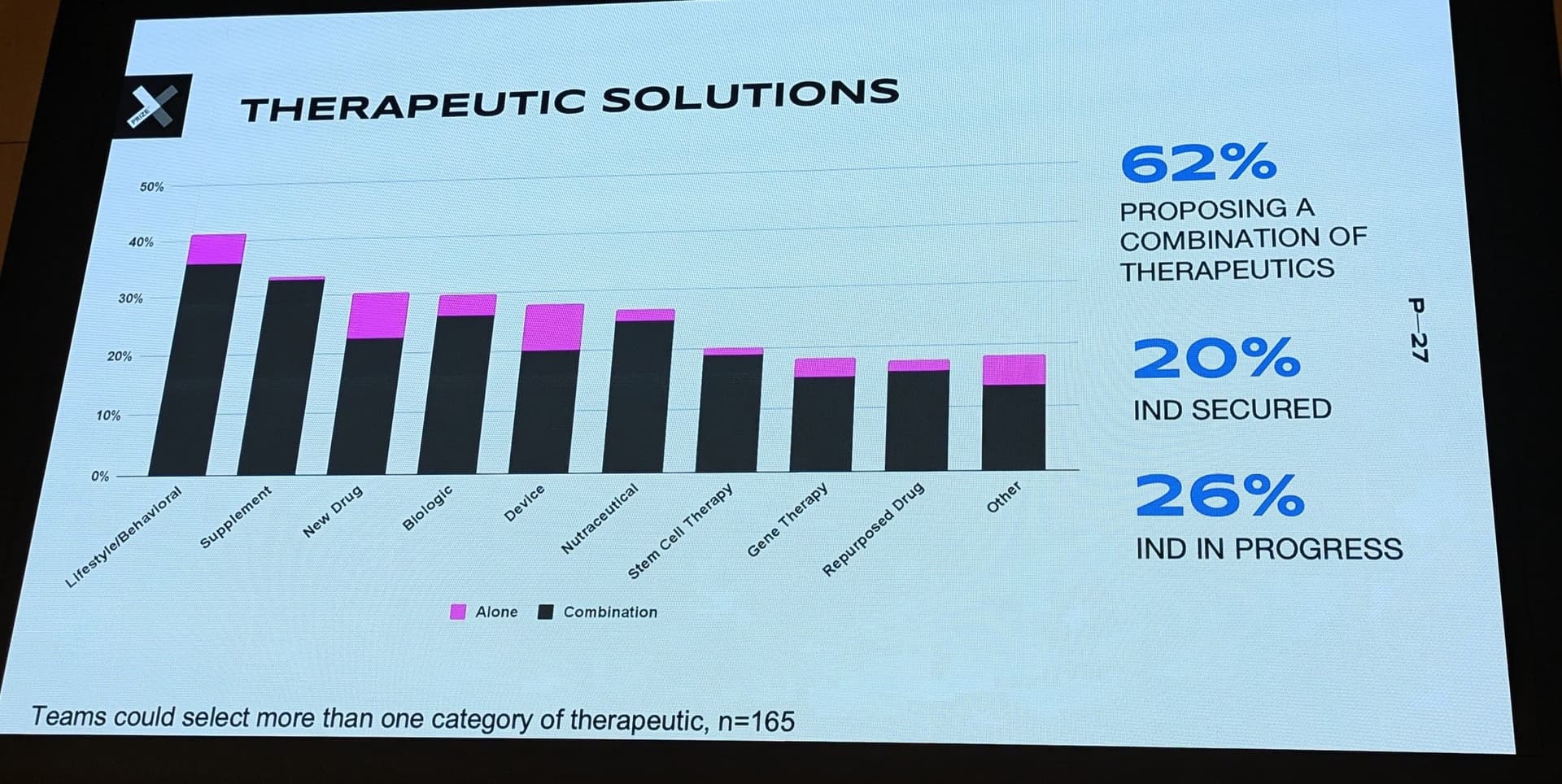
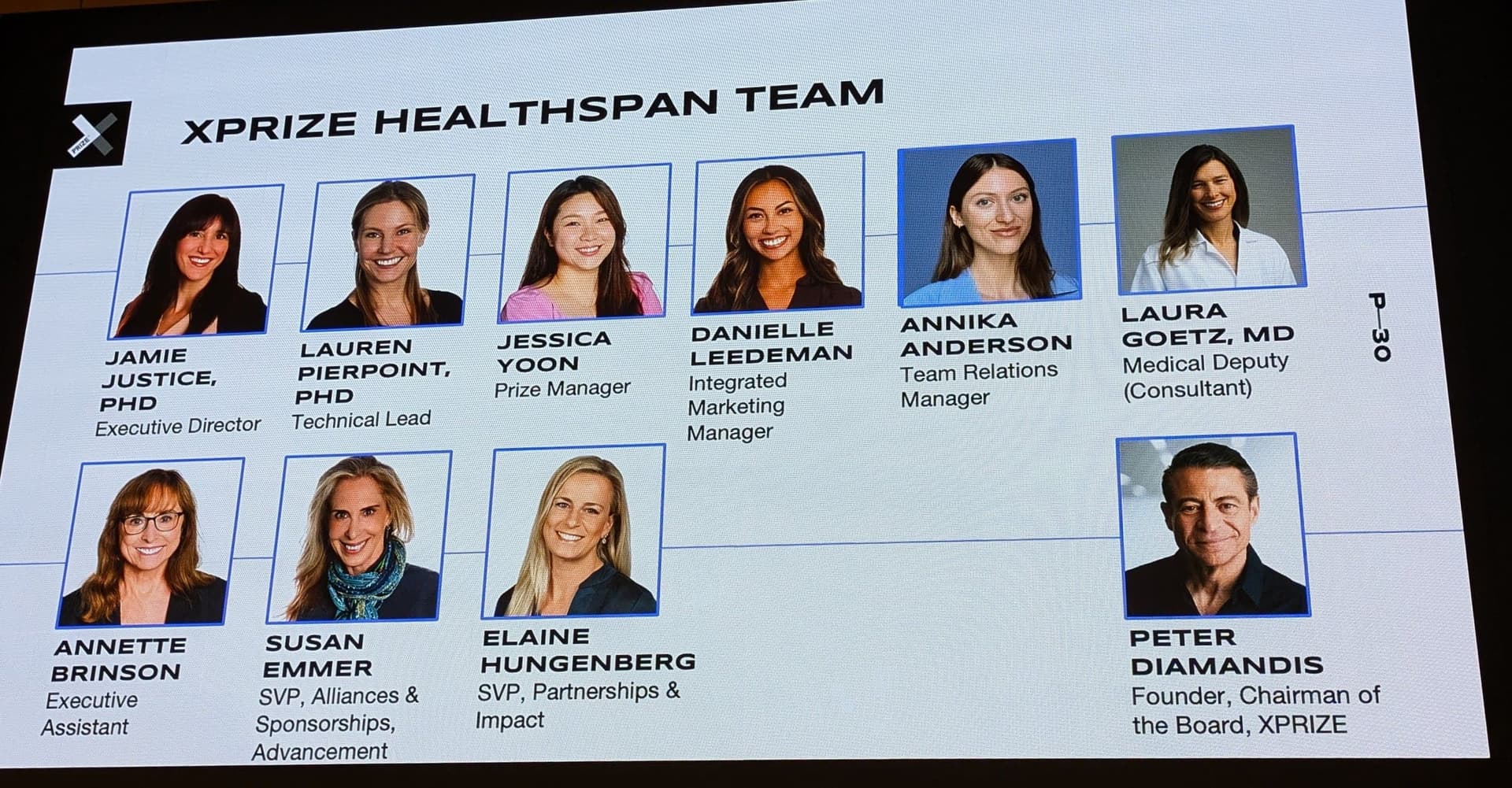
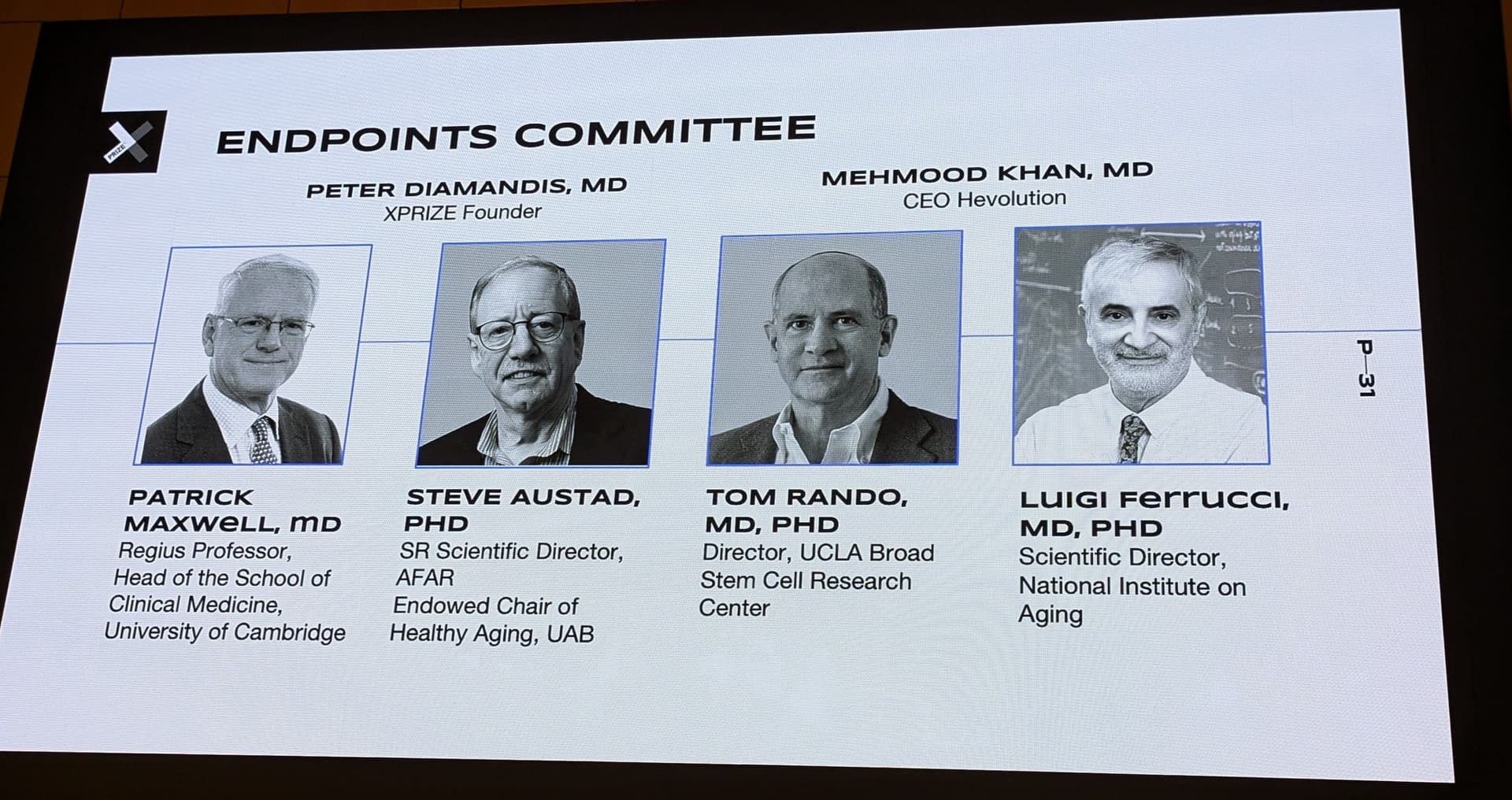
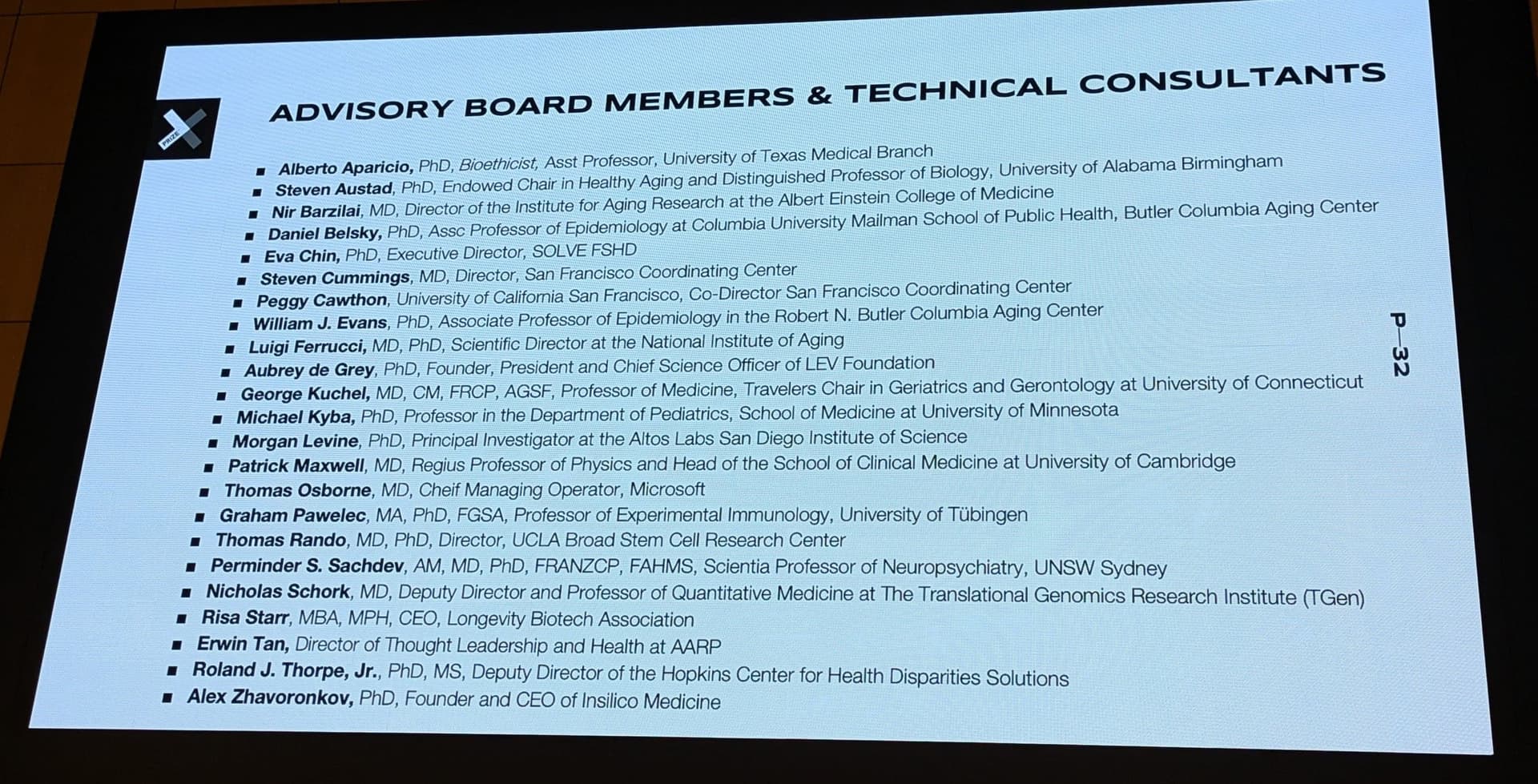
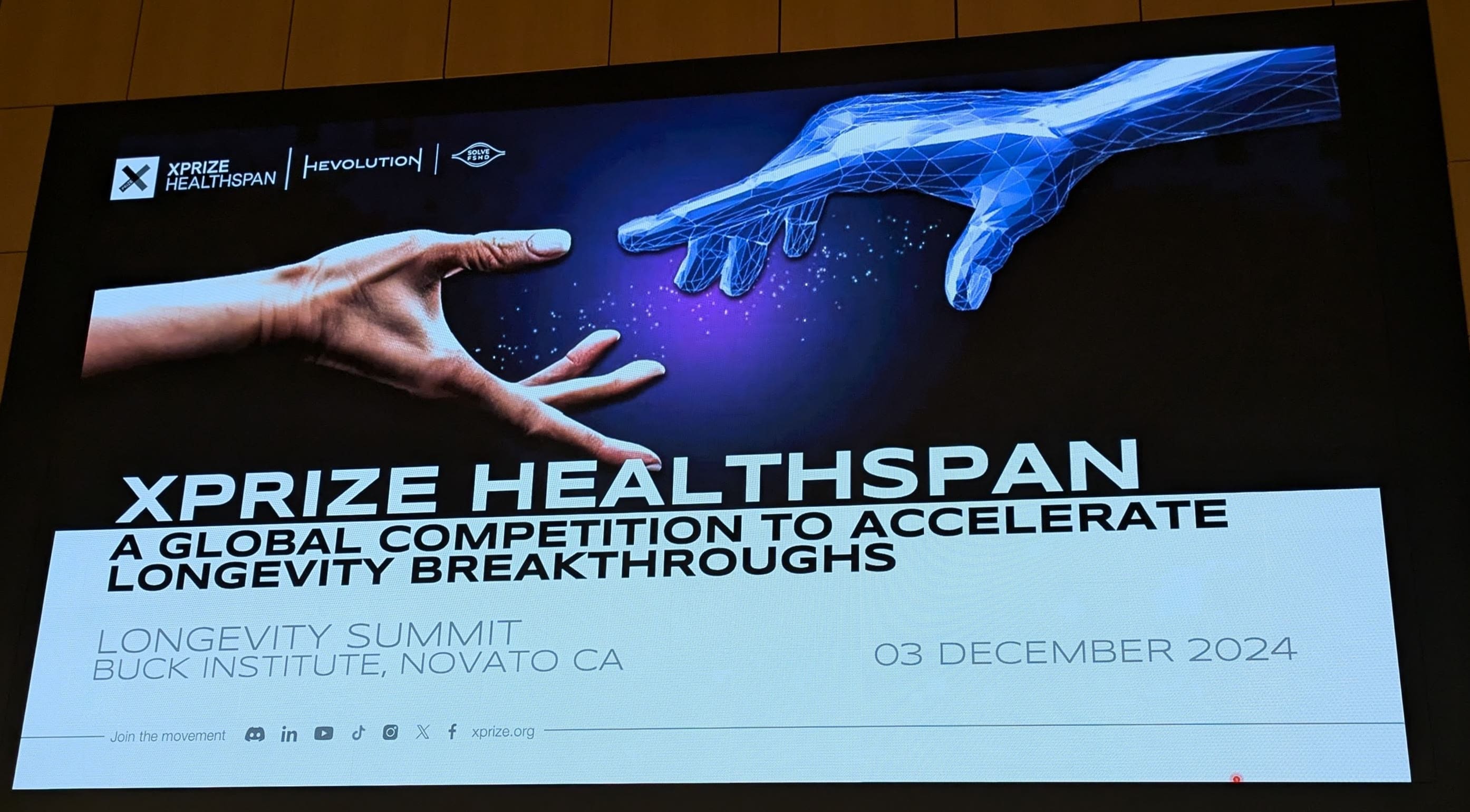
Here are some of the slides from Jamie’s presentation, which will give you a quick overview of how things are progressing:

If you want to dig deeper into the “XPrize Healthspan” I’ve noticed that ARDD just posted a bunch of videos on the the contest:

@John_Hemming: have you decided to join the competition?

Discussions are ensuing at the moment and no final decision has been made.

1 Like

The $101M XPRIZE to restore function by 10 - 20 years - Jamie Justice

I. Executive Summary

In this interview hosted by Daniel Sher and Eric Dye on the Free Radicals podcast, Dr. Jamie Justice, Executive Director of XPRIZE Healthspan and former lead investigator on the TAME (Targeting Aging with Metformin) trial, outlines the strategic architecture of the $101 million XPRIZE Healthspan competition. The primary thesis asserts that while preclinical geroscience has successfully demonstrated median and maximal lifespan extension across rodent models, the field faces an acute translational bottleneck in humans. This failure of clinical translation is driven not by a lack of biological targets, but by rigid disease-siloed regulatory paradigms, conservative academic funding review mechanisms, and a lack of standardized human functional testing frameworks.

To overcome these structural barriers, XPRIZE Healthspan establishes a milestone-driven, prospective global competition requiring participating teams to demonstrate a 10- to 20-year restoration of muscle, cognitive, and immune function in human subjects. Dr. Justice details how this prize framework bypasses traditional disease indication hurdles by allowing teams to utilize IRB-approved physiological endpoints, global trial jurisdictions, and prospective, central-biobanked data logging (mirror-book entry) to prevent post-hoc reporting bias. The competition encompasses diverse therapeutic modalities entering human Phase 1/2 clinical testing, ranging from partial chemical reprogramming (small molecules and AAV-delivered Yamanaka factor modulation) and cell-based senolytics (such as senolytic CAR-T cells) to repurposed metabolic agents and heterochronic plasma factors.

Crucially, Dr. Justice advocates for an “effect-driven” functional definition of gerotherapeutics. Rather than restricting the definition of a longevity drug to specific “hallmarks of aging,” a true gerotherapeutic must demonstrate a “plurality of effect”—improving function across multiple physiological systems simultaneously without being rate-limited by a single disease pathway. Analyzing the historical institutional resistance encountered during the NIH review of the TAME trial, Dr. Justice emphasizes that regulatory evolution requires creating intentional trial friction. As non-disease preventive interventions like GLP-1 receptor agonists force payers and regulators to evaluate functional prevention, multi-agent personalized therapies supported by longitudinal multi-omic data represent the most viable pathway toward extending human healthspan.

II. Insight Bullets

  1. The $101M XPRIZE Healthspan Mandate: The $101M XPRIZE Healthspan is a global incentive competition launched to catalyze human clinical translation by offering milestone-based awards to teams that restore muscle, cognitive, and immune function in older adults by 10 to 20 years.
  2. The Mouse-to-Human Translation Bottleneck: While geroscience consistently achieves median lifespan extension in rodent models, translation to human clinical practice is bottlenecked by regulatory silos, financial risk, and a lack of validated human functional endpoints.
  3. The FDA “Function, Feel, Survive” Standard: The FDA evaluates therapeutic efficacy based on whether an intervention improves how a patient functions, feels, or survives, necessitating that geroscience interventions target concrete functional capacity alongside survival metrics.
  4. Human Phase 1/2 Chemical Reprogramming: Approximately five finalist teams in XPRIZE Healthspan are advancing partial epigenetic reprogramming into human trials, utilizing AAV gene therapies, cell-based platforms, and small-molecule chemical reprogramming formulations.
  5. Prospective IRB-Approved Physiological Endpoints: XPRIZE Healthspan permits teams to run IRB-approved human trials focused on physiological functional outcomes, bypassing the requirement for an immediate, single-disease FDA approval.
  6. Second-Generation Senolytic Therapeutics: Beyond early repurposed small molecules (e.g., Dasatinib and Quercetin), second-generation senolytic platforms entering human trials include targeted immunotherapies and senolytic CAR-T cell approaches.
  7. Lessons from the TAME Trial NIH Review: The TAME (Targeting Aging with Metformin) trial encountered primary academic resistance when traditional NIH study section reviewers insisted on splitting the composite “age-related multimorbidity” trial into three isolated single-disease trials (cardiovascular disease, cancer, and mild cognitive impairment) (Barzilai et al., 2016).
  8. Plurality of Effect as a Gerotherapeutic Criterion: A therapeutic should be classified as a gerotherapeutic based on its functional “plurality of effect” across multiple physiological systems rather than strict targeting of a single hallmark of aging.
  9. Pitfalls of Composite Trial Endpoints (The ASPREE Lesson): Composite trial endpoints require careful individual metric weighting; for example, the ASPREE aspirin trial yielded flat net outcomes because physical function improvements were offset by increased cognitive bleeding risk (McNeil et al., 2018).
  10. WHO Intrinsic Capacity Framework: The World Health Organization’s Intrinsic Capacity model evaluates healthspan across five functional domains: locomotor, vitality, cognitive, psychological, and sensory capacities.
  11. Prospective “Mirror-Book” Trial Auditing: To prevent post-hoc data manipulation, XPRIZE Healthspan mandates prospective data logging into a central mirror-book database paired with centralized biobanking of blood, PBMCs, and urine.
  12. Global Regulatory Jurisdiction Arbitrage: Teams participating in XPRIZE Healthspan utilize global clinical trial frameworks, establishing IRB-approved trials in international jurisdictions with lower administrative barriers while maintaining rigorous safety oversight.
  13. Hazards of Gray-Market Peptide Consumption: Consumer use of unverified, gray-market peptides lacks chemical purity verification, pharmacokinetics/pharmacodynamics (PK/PD) profiling, and IRB oversight, introducing severe safety risks.
  14. GLP-1 Receptor Agonists as Regulatory Catalysts: The widespread adoption of peptidic GLP-1 receptor agonists for non-disease preventive indications is forcing regulatory bodies and health insurers to develop reimbursement frameworks for non-disease prevention.
  15. Caloric Restriction as the Archetypal Gerotherapeutic: Caloric restriction represents the foundational, multi-system gerotherapeutic model, exerting broad, “dirty-drug” pleiotropic effects across all biological systems rather than targeting a single molecular node.
  16. Personalized Multi-Agent Synergy: Achieving extreme healthspan extension (e.g., living to age 150) will require AI-driven, highly personalized pairing of multiple therapeutic agents timed to an individual’s longitudinal multi-omic data profile.
  17. Intentional Friction to Drive Regulatory Change: XPRIZE Healthspan purposefully exposes clinical teams to regulatory friction to force academic institutions and regulatory agencies to establish standardized pathways for aging outcomes.
  18. Function-Forward Endpoint Prioritization: When polled, aging populations consistently prioritize functional independence (“function and feel”) over raw extended chronological survival (“survive”) in the presence of severe disability.
  19. Democratization of Longevity Innovation: Milestone-driven competition structures democratize medical R&D by allowing non-traditional academic, student, and commercial biotech teams to compete on equal footing based purely on verified human trial data.
  20. Basic Biology vs. Clinical Translational Geroscience: While translational clinical trials evaluate systemic functional outcomes in humans, parallel basic science research remains essential to map the intricate biological interactions driving age-related systemic decline.

IV. Actionable Protocol (Prioritized)

High Confidence Tier (Backed by Level A/B Evidence)

  • Multimodal Physical & Functional Reserve Maintenance: Engage in structured multi-modal physical conditioning (combining progressive resistance training, aerobic zone 2 training, and balance/mobility work) to preserve muscle mass, gait speed, and physical function. Randomized controlled trials confirm physical function maintenance reduces all-cause mortality and disability (McNeil et al., 2018).
  • Comprehensive Metabolic & Vascular Risk Control: Maintain strict clinical management of midlife cardiovascular and metabolic risk factors (blood pressure, lipid fractions, HbA1c) using standard lifestyle and approved pharmacological agents to prevent multi-morbidity progression (Barzilai et al., 2016).
  • WHO Intrinsic Capacity Functional Baseline Tracking: Periodically audit personal intrinsic capacity metrics across physical (grip strength, 4-meter gait speed), cognitive, and sensory domains with a medical provider to identify functional decline prior to overt clinical disease onset.

Experimental Tier (Level C/D Evidence with High Safety Margins)

  • Enrollment in Supervised Geroscience Clinical Trials: Participate in accredited, IRB-approved human clinical trials evaluating gerotherapeutic interventions (e.g., trials under the XPRIZE Healthspan framework, TAME-style repurposed protocols, or validated senolytic studies in specific age-related conditions) (Source unverified in live search).
  • Off-Label Repurposed Agents Under Physician Oversight: Utilization of repurposed metabolic agents (e.g., metformin for multi-morbidity prevention in non-diabetic older adults) with physician supervision with routine laboratory monitoring (Barzilai et al., 2016).
2 Likes

XPRIZE Healthspan has selected 20 finalists to advance to the clinical phase of its seven-year, $101 million competition, with ten teams receiving $1 million Milestone 2 awards to support further development and testing of interventions targeting age-related functional decline.”

"Ten teams take $1 million apiece
The ten Milestone 2 awardees, selected on scientific rationale, scalability and accessibility as well as readiness for clinical testing, are:

AgelessRx, US
Goda Lab (NanoTitan / University of Tokyo / Tokyo RELIFE Clinic), Japan
Johns Hopkins-Suninflam (Suninflam Inc & Johns Hopkins University), US
Longeveron, Inc, US
Minicircle Inc, US
Mitochondrial All Stars (Mighty Therapeutics Holdings Inc / University of Washington), US
NYC-Vita (Mount Sinai Health System), US
RETRO-EPIGERNA (Macau University of Science and Technology), Macao SAR, China
RPRGAON-Progeria (PRG S&Tech), South Korea
TIME TRAVELER – Plant-EVs, Japan

Each receives $1 million in prize funding alongside access to clinical testing resources; the remaining ten finalists progress in the competition without a Milestone 2 cash award. The additional ten finalists are:

Lono Jaeyak
Boston Healthspan Team
Morinaga Healthspan
Abe Yoando Pharma
NUS Academy for Healthy Longevity
Japan Longevity Consortium
GOQii Sanjeevini
ASU Team Healthspan
GI Innovation
ANI Biome"

Here are the descriptions of all of the top teams:

Top 10 awarded $1m each:
(couldn’t find Johns Hopkins-Suninflam (Suninflam Inc & Johns Hopkins University), US)

Additional 10 finalists:
(couldn’t find Morinaga Healthspan)

Finalists approach and its stated mechanism of action

Here’s the shortlist of the XPRIZE Healthspan “Top 10” finalists (from the Milestone 2 Awardee Lookbook, Appendix F), with each team’s approach and its stated mechanism of action.

Data from the data starting at page page 70 of the PDF attached below.

XPRIZE Healthspan Top 10 Finalists — Approach & Mechanism of Action

AgelessRx (Ann Arbor, MI) — A telehealth-delivered combination “longevity medicine” protocol. It stacks rapamycin, low-dose naltrexone, metformin, NAD+, glutathione, sermorelin, and tirzepatide with resistance training and health coaching. Mechanism: hits several aging pathways at once — mTOR inhibition, AMPK activation, NAD+ repletion, oxidative-stress reduction, and growth-hormone-axis signaling — plus a proprietary “Infinite Supplement” blend (alpha-ketoglutarate, quercetin, glucosamine, carnosine, pterostilbene, astaxanthin, curcumin).

Goda Lab (University of Tokyo / NanoTitan / Tohoku University / Tokyo Relife Clinic, Japan) — Engineered extracellular vesicles (EVs) from stem cells or plasma. Its “super homotypic targeting” (SHT) platform reprograms EV surfaces for precise tissue delivery. Mechanism: strengthens EV affinity for cells of origin to deliver regenerative miRNAs and proteins to muscle, neural, and immune tissue; preclinically suppressed p16 and p21 and reduced inflammation, targeting multiple hallmarks of aging simultaneously.

Johns Hopkins–Suninflam (Baltimore, MD & San Francisco, CA) — SIF001, a second-generation monoclonal antibody against Galectin-3 (Gal-3), aimed at subclinical Alzheimer’s/MCI. Mechanism: a dual immune/inflammation-and-aggregation approach — blocks Gal-3-mediated chronic inflammation, inhibits Gal-3 oligomerization to prevent amyloid-beta aggregation, and disrupts monocyte/macrophage activation and regulatory T-cell suppression, targeting a shared upstream driver of age-related inflammatory dysregulation.

Longeveron Inc. (Miami, FL; Nasdaq: LGVN) — Laromestrocel (Lomecel-B), an allogeneic bone-marrow-derived mesenchymal stem cell (MSC) therapy for aging-related frailty and Alzheimer’s. Mechanism: a pleiotropic MSC effect — pro-vascular, immunomodulatory, and tissue-repair actions, plus paracrine anti-inflammatory signaling, neuroinflammation suppression, and mitochondrial transfer to damaged cells; positioned to counter “inflammaging” across multiple conditions at once.

Minicircle (Austin, TX) — A non-viral plasmid (“minicircle”) gene therapy delivering two gene cassettes, follistatin (FST) and klotho (KL), by subcutaneous injection. Mechanism: follistatin inhibits myostatin/activin signaling to build muscle and reduce inflammation; klotho modulates FGF23 signaling for systemic anti-aging and neuroprotection — delivered via a transfection reagent-complexed episomal plasmid to avoid viral-vector cost and complexity.

NYC-Vita (Mount Sinai, New York, NY) — A randomized trial combining low-dose rapamycin, spermidine, and structured HIIT/resistance exercise in adults 50–90, with deep multi-omics phenotyping. Mechanism: rebalances aging macrophages to cut chronic inflammation while targeting metabolic, muscle, and cognitive decline — rapamycin inhibits mTOR and suppresses the SASP; spermidine restores autophagy and reduces aging-driven myelopoiesis; home-based exercise drives tissue repair.

Mitochondrial All Stars (Mighty Therapeutics + University of Washington Nathan Shock Center; Needham, MA & Seattle, WA) — Repurposing elamipretide (SS-31 peptide), described as the first and only FDA-approved mitochondria-targeting peptide, as a healthspan intervention. Mechanism: binds cardiolipin in the inner mitochondrial membrane to stabilize/improve mitochondrial function, with associated benefits to brain and muscle function and reduced inflammation markers.

RETRO-EPIGERNA (Macau University of Science and Technology, China) — The KYN Composite Capsule, combining medicinal/edible Chinese herbs and probiotics, built on a discovery linking a specific tRNA epitranscriptional modification to aging. Mechanism: restores that tRNA modification to improve translational fidelity and proteostasis, mitochondrial function, and immune resilience — framed as a multi-system route to reversing aging.

RPRGAON / PRG S&Tech — Progerinin (Busan, South Korea) — Progerinin, a small molecule developed originally for Hutchinson-Gilford Progeria (HGPS), now aimed at general aging. Mechanism: inhibits the progerin–lamin A interaction to drive selective progerin degradation, restoring nuclear membrane/lamina architecture and reversing markers of cellular senescence and genomic instability (progerin also accumulates in normally aging arteries, muscle, and fat).

TIME TRAVELER — Plant-EVs (TIME TRAVELER Corp., Tokyo, Japan) — Parsley-derived plant extracellular vesicles (P-EVs), taken as a dietary supplement (“exofull FUJI”), screened from 140+ edible plant species. *Mechanism:*selected for anti-inflammatory and anti-senescence properties; a proprietary non-thermal, low-stress extraction (“FROZEN-TT01”) preserves purity and biological activity, intended to mitigate age-related declines in muscle strength and physical function.

A quick pattern across the ten: three broad mechanistic camps dominate — combination pharmacologic/lifestyle protocols targeting mTOR/AMPK/NAD+ (AgelessRx, NYC-Vita), cell- and vesicle-based regenerative therapies (Goda Lab, Longeveron, TIME TRAVELER), and targeted molecular interventions against a specific aging driver (Johns Hopkins–Suninflam’s Gal-3, Progerinin’s progerin, Minicircle’s follistatin/klotho, Mitochondrial All Stars’ cardiolipin, RETRO-EPIGERNA’s tRNA modification).

Full report for free download:
2 Likes