Finalists approach and its stated mechanism of action
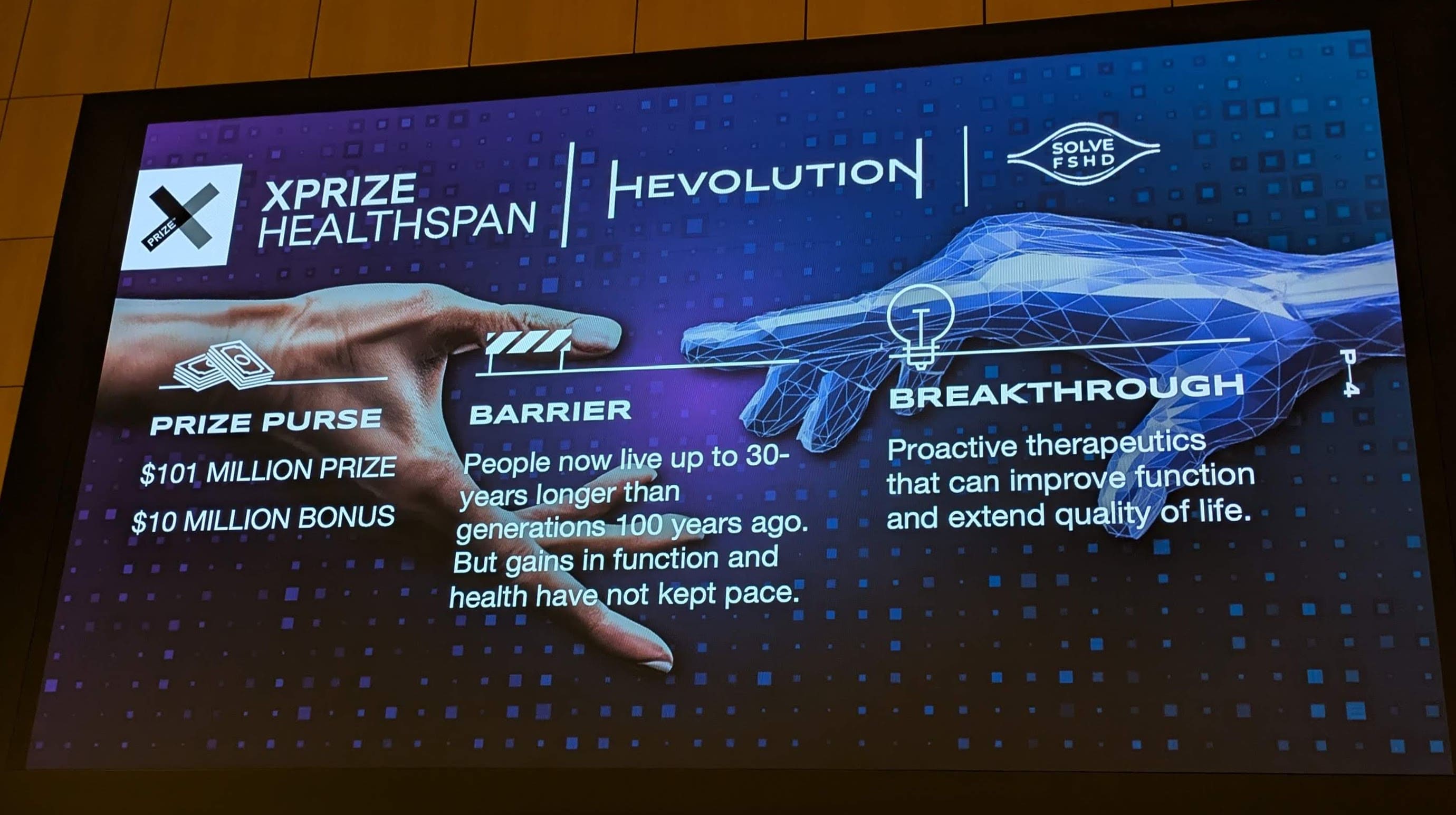
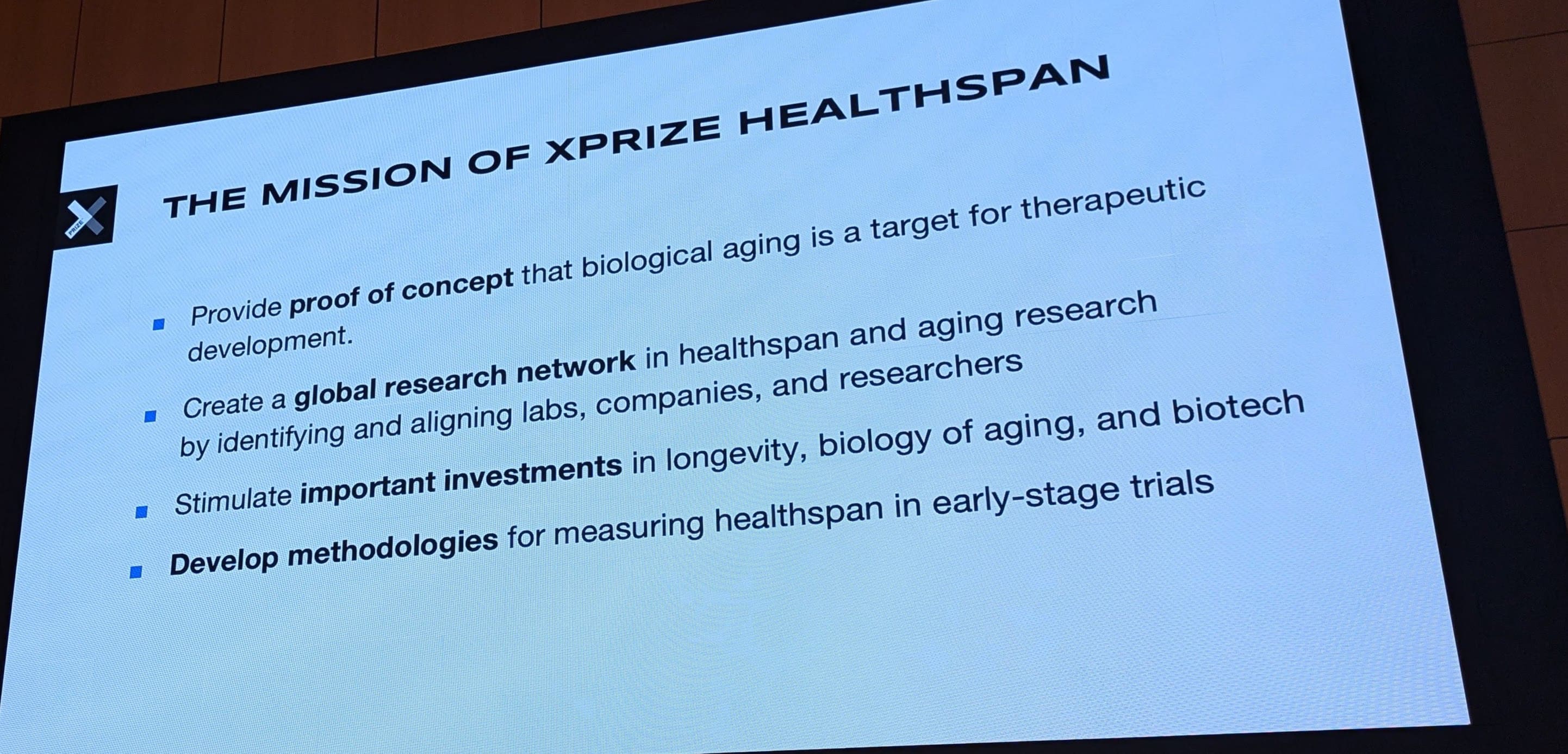
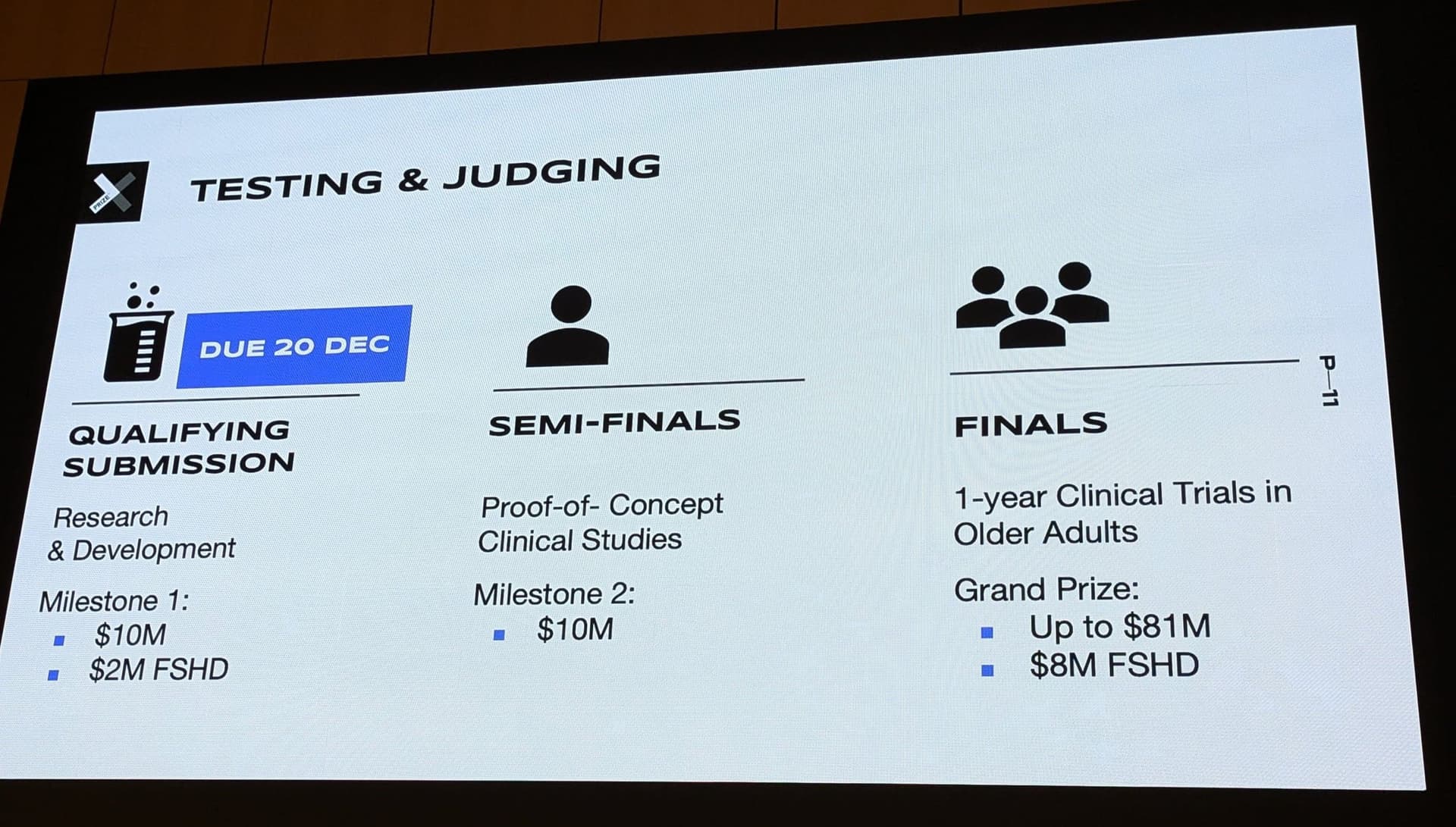
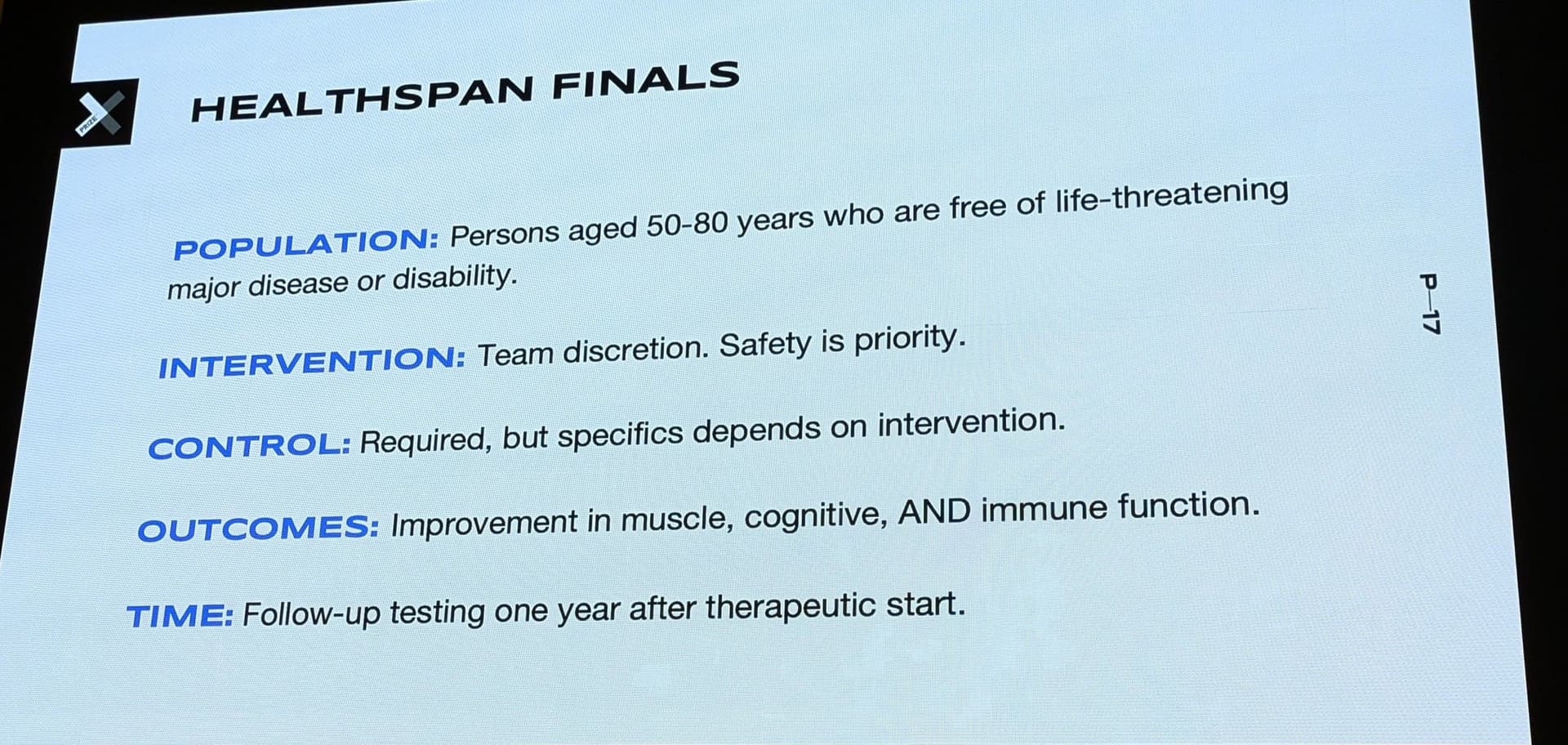
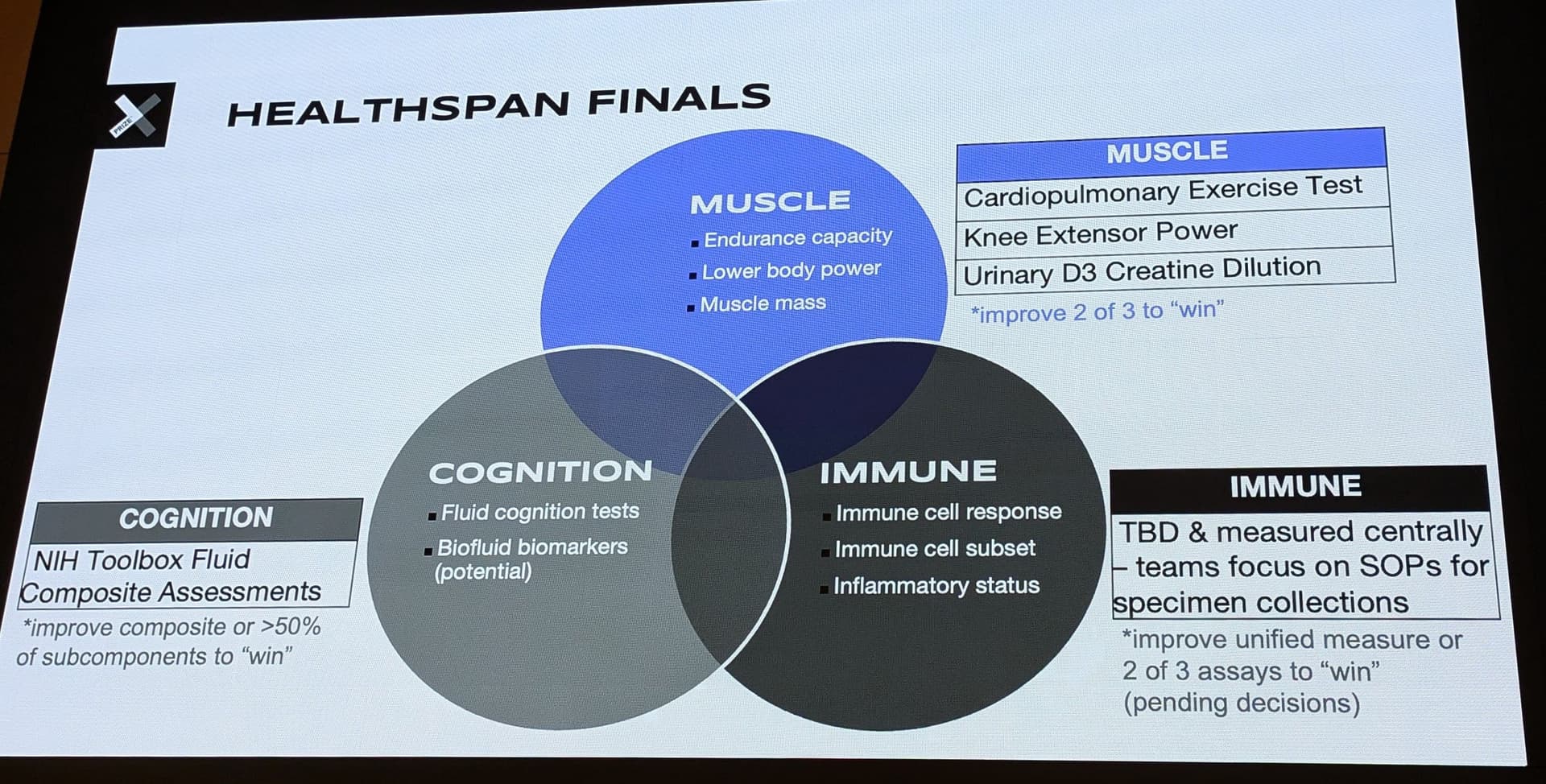
Here’s the shortlist of the XPRIZE Healthspan “Top 10” finalists (from the Milestone 2 Awardee Lookbook, Appendix F), with each team’s approach and its stated mechanism of action.
Data from the data starting at page page 70 of the PDF attached below.
XPRIZE Healthspan Top 10 Finalists — Approach & Mechanism of Action
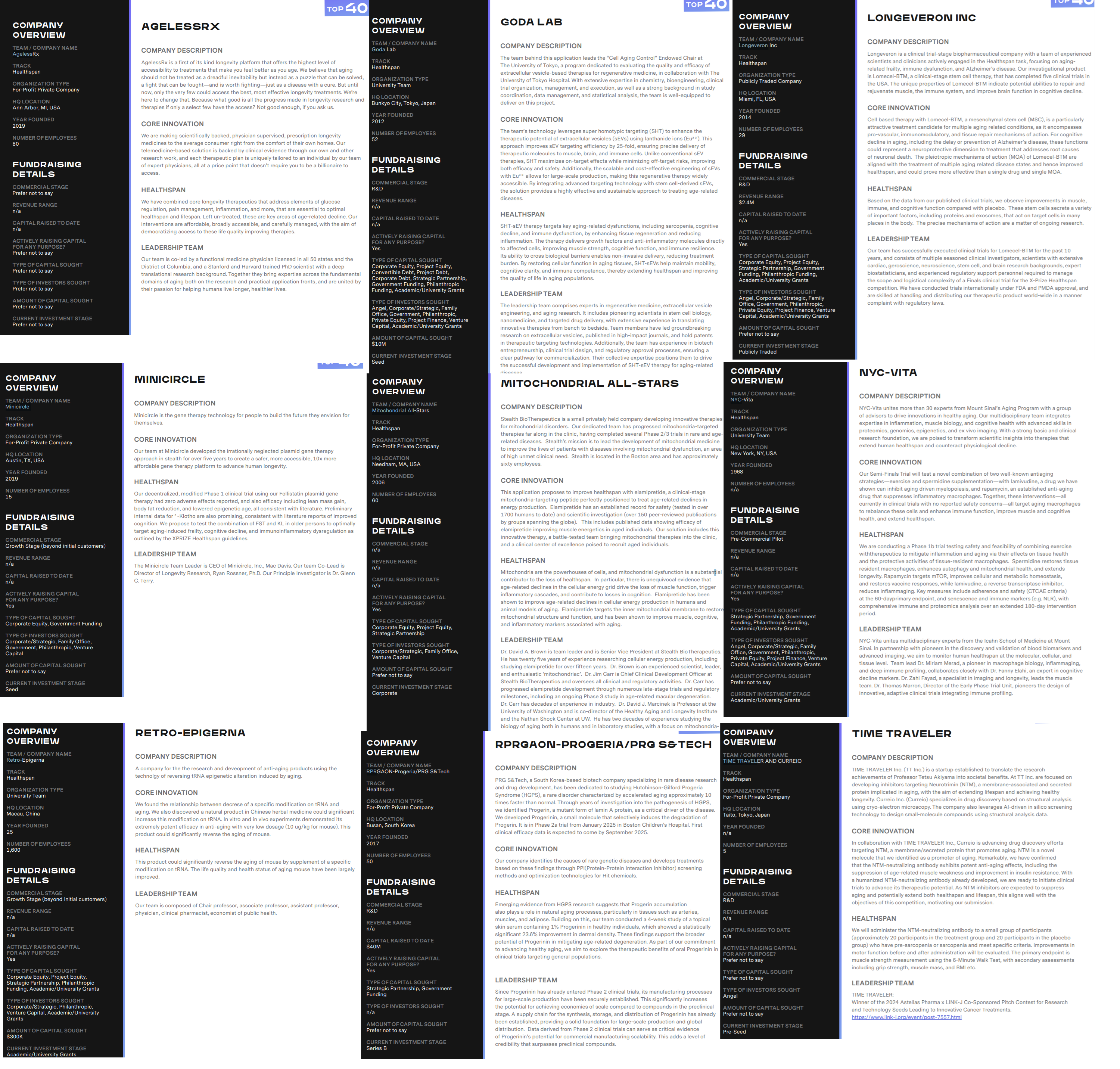
AgelessRx (Ann Arbor, MI) — A telehealth-delivered combination “longevity medicine” protocol. It stacks rapamycin, low-dose naltrexone, metformin, NAD+, glutathione, sermorelin, and tirzepatide with resistance training and health coaching. Mechanism: hits several aging pathways at once — mTOR inhibition, AMPK activation, NAD+ repletion, oxidative-stress reduction, and growth-hormone-axis signaling — plus a proprietary “Infinite Supplement” blend (alpha-ketoglutarate, quercetin, glucosamine, carnosine, pterostilbene, astaxanthin, curcumin).
Goda Lab (University of Tokyo / NanoTitan / Tohoku University / Tokyo Relife Clinic, Japan) — Engineered extracellular vesicles (EVs) from stem cells or plasma. Its “super homotypic targeting” (SHT) platform reprograms EV surfaces for precise tissue delivery. Mechanism: strengthens EV affinity for cells of origin to deliver regenerative miRNAs and proteins to muscle, neural, and immune tissue; preclinically suppressed p16 and p21 and reduced inflammation, targeting multiple hallmarks of aging simultaneously.
Johns Hopkins–Suninflam (Baltimore, MD & San Francisco, CA) — SIF001, a second-generation monoclonal antibody against Galectin-3 (Gal-3), aimed at subclinical Alzheimer’s/MCI. Mechanism: a dual immune/inflammation-and-aggregation approach — blocks Gal-3-mediated chronic inflammation, inhibits Gal-3 oligomerization to prevent amyloid-beta aggregation, and disrupts monocyte/macrophage activation and regulatory T-cell suppression, targeting a shared upstream driver of age-related inflammatory dysregulation.
Longeveron Inc. (Miami, FL; Nasdaq: LGVN) — Laromestrocel (Lomecel-B), an allogeneic bone-marrow-derived mesenchymal stem cell (MSC) therapy for aging-related frailty and Alzheimer’s. Mechanism: a pleiotropic MSC effect — pro-vascular, immunomodulatory, and tissue-repair actions, plus paracrine anti-inflammatory signaling, neuroinflammation suppression, and mitochondrial transfer to damaged cells; positioned to counter “inflammaging” across multiple conditions at once.
Minicircle (Austin, TX) — A non-viral plasmid (“minicircle”) gene therapy delivering two gene cassettes, follistatin (FST) and klotho (KL), by subcutaneous injection. Mechanism: follistatin inhibits myostatin/activin signaling to build muscle and reduce inflammation; klotho modulates FGF23 signaling for systemic anti-aging and neuroprotection — delivered via a transfection reagent-complexed episomal plasmid to avoid viral-vector cost and complexity.
NYC-Vita (Mount Sinai, New York, NY) — A randomized trial combining low-dose rapamycin, spermidine, and structured HIIT/resistance exercise in adults 50–90, with deep multi-omics phenotyping. Mechanism: rebalances aging macrophages to cut chronic inflammation while targeting metabolic, muscle, and cognitive decline — rapamycin inhibits mTOR and suppresses the SASP; spermidine restores autophagy and reduces aging-driven myelopoiesis; home-based exercise drives tissue repair.
Mitochondrial All Stars (Mighty Therapeutics + University of Washington Nathan Shock Center; Needham, MA & Seattle, WA) — Repurposing elamipretide (SS-31 peptide), described as the first and only FDA-approved mitochondria-targeting peptide, as a healthspan intervention. Mechanism: binds cardiolipin in the inner mitochondrial membrane to stabilize/improve mitochondrial function, with associated benefits to brain and muscle function and reduced inflammation markers.
RETRO-EPIGERNA (Macau University of Science and Technology, China) — The KYN Composite Capsule, combining medicinal/edible Chinese herbs and probiotics, built on a discovery linking a specific tRNA epitranscriptional modification to aging. Mechanism: restores that tRNA modification to improve translational fidelity and proteostasis, mitochondrial function, and immune resilience — framed as a multi-system route to reversing aging.
RPRGAON / PRG S&Tech — Progerinin (Busan, South Korea) — Progerinin, a small molecule developed originally for Hutchinson-Gilford Progeria (HGPS), now aimed at general aging. Mechanism: inhibits the progerin–lamin A interaction to drive selective progerin degradation, restoring nuclear membrane/lamina architecture and reversing markers of cellular senescence and genomic instability (progerin also accumulates in normally aging arteries, muscle, and fat).
TIME TRAVELER — Plant-EVs (TIME TRAVELER Corp., Tokyo, Japan) — Parsley-derived plant extracellular vesicles (P-EVs), taken as a dietary supplement (“exofull FUJI”), screened from 140+ edible plant species. *Mechanism:*selected for anti-inflammatory and anti-senescence properties; a proprietary non-thermal, low-stress extraction (“FROZEN-TT01”) preserves purity and biological activity, intended to mitigate age-related declines in muscle strength and physical function.
A quick pattern across the ten: three broad mechanistic camps dominate — combination pharmacologic/lifestyle protocols targeting mTOR/AMPK/NAD+ (AgelessRx, NYC-Vita), cell- and vesicle-based regenerative therapies (Goda Lab, Longeveron, TIME TRAVELER), and targeted molecular interventions against a specific aging driver (Johns Hopkins–Suninflam’s Gal-3, Progerinin’s progerin, Minicircle’s follistatin/klotho, Mitochondrial All Stars’ cardiolipin, RETRO-EPIGERNA’s tRNA modification).
Full report for free download: