I just turned 40. I think I look pretty good for my age. My wife is 45 and I think she looks exceptional for her age (most people place her as in early 30’s).
I can look around at my peers, people I went to school with, and I can guess what factors have made a big difference to how they look now at 40.
My advice would be:
Choose good parents. Genetics seem to matter a lot. Honestly, the people who had good-looking, well-maintained parents when we were at school, now seem to be better looking themselves. E.g. if their dad had a full head of black hair back then, their son probably still has a full head of hair too. My classmates who had attractive mums also seem to be better looking.
Sunscreen. Sun damage makes you look way older. I know you covered this already, but I wish I’d been more consistent with this.
Maintaining a stable, sensible body fat and body weight. Being very lean makes you look older IMO, since you need a bit of facial chub to look youthful. The worst seems to be gaining weight and then losing it, thus creating extra loose skin. Sagging jowls, chins etc.
Stress. The guys I know who have had a stressful 20 years all look worse. Running your own company. High pressure jobs. Divorces or deaths in the family. I think these all age you a lot. I’ve been fortunate in this regard. I’m a Professor, which can be mildly stressful, but there’s nothing really that critical about what I do. End of the day, grading papers, writing grants and publishing research really isn’t as stressful as facing bankruptcy, having a marriage break down or being homeless.
Sleep. Probably directly related to above about stress.
Hygiene and basic maintenance. Not sure if it’s preventing ageing exactly, but it makes a huge difference. Having good oral hygiene, not having greasy hair etc. I see people getting older, and letting go and giving up on maintaining things, which makes them look a lot older.
I’d probably avoid anabolic steroids, growth hormone etc. I believe those age your appearance too.
The fact that you are paying attention to this at such a young age is remarkable. It will pay dividends in the long run and you’ll be positioned to live well, age well, and look young.
Tretinoin since age 16 (but rarely any more) and all the lifestyle stuff, plus serums, ascorbic acid, azelaic acid, etc.
But, it has to be said: it helps to have the slightly mediterranean olive skin that seems to wrinkle less than fair skin. I am lucky in my skin, but very unlucky in my bones.
And, it helps to take advantage of some of the cosmetic “interventions”: botox, sculptra and a little juvederm. Even those little smoothies patches are quite helpful.
It seems you need to pursue many strategies, and it helps to have skin that is not very fair . . .
I don’t have any specific advice, but just wanted to mention a few things: when I was in my 20s, 30s, and early-to-mid-40s, I tended to look too “boyish” – too young – and then I don’t think I really started looking like a full man until about age 48. I am now 53, and not far from 54, and feel that I reached my peak around age 48.
But there is an interesting mystery. Looking at some old photos of myself, I have one at age 46 where I look older than I do right now. That picture was taken just after I had finished a very long calorie-restriction diet regimen to lose weight and improve health (I was on it for like a year). Perhaps I had nutrient deficits; and perhaps, also, when you look a little older, it resembles a nutrient deficit from a slightly younger age. After I finished that calorie-restriction diet and started eating fuller, very healthy meals (lots of salads and ample protein), I started looking a lot younger. It wouldn’t have surprised me that if I had had an epigenetic test done at the time that the “age” would have dropped 10 years in the span of just a few months.
I generally take a bunch of supplements that many people talk about on this forum, and also use sunscreen, vitamin C (+ferulic+vitamin e) serum, AHAs, BHAs, and have used over-the-counter retinoids before. Every type of vitamin C I’ve applied to skin in the past seemed to work well for me, as does sunscreen. AHAs probably also work well if you use them over a long enough timeframe. I say this based on several examples of older people who said online that using chemical exfoliants has kept their skin younger-looking than most – e.g. in this post:
I was offended by Claude’s top “Tier 1 — Non-negotiable Foundations (Highest Evidence, Highest Impact)” being sunscreen. So this post could be controversial, however well intended.
There is a tradeoff between good skin and mental health. Maybe you can’t have both. Sunlight triggers the release of Serotonin and Endorphins. Bright light suppresses daytime melatonin to improve daytime alertness and sleep quality. IR light from morning or evening walks actually helps heal any problems caused by the UV light.
Sunlight hitting your skin will make your life better. It will improve mood and focus and improve the lives of people around you. I’m a 65 year old farmer and have never used any sunscreen in my life. I have a few wrinkles, but they don’t bother me at all. There are many bigger problems in life and most of them can be solved with sunshine on the skin.
Never get overweight to any degree. The older you get, the harder it is for your skin to bounce back. Look at any of the people who have lost much weight later in life. You can drink all of the collagen you want and spend big bucks on creams and lotions; your skin will not retain its youthful elasticity. If you must lose weight, lose it slowly. Ozempic will just give you Ozempic face along with the weight loss.
Unless you are very young, losing a significant amount of weight will almost always make you look older. If you let yourself get to be obese and then lose weight, you will need cosmetic surgery to get rid of all that extra skin that will never go away on its own.
People who rarely let the sun hit their faces will surely have fewer wrinkles than sun worshipers, no matter how much sunscreen they put on their faces.
I did mention it earlier But you’re totally right about Ozempic face. I have a friend who has lost around 30kg. While he certainly looks a lot slimmer and feels better, he looks way older overall. Cheeks have completely sunken, loads of loose skin on the neck, and of course the body.
Perhaps. I do also love having warm sun on my skin. But sunscreens only filter the UV which damages the skin and causes cancer and definitely causes aging. You can still benefit from the infrared and actual light energy while wearing sunscreen. I also totally agree with you about suppressing melatonin and helping wakefulness. People who sit in indoor offices all day tend to feel super tired even though they aren’t doing much. Once we moved house and I now walk the kids to school in the morning (20 mins), I feel way better by the time I get to work. However, the best time to really get that bright light is in the morning when the UV index isn’t as high.
I also think people need to consider their skin type and their geographical location. As a very white guy currently living in a place with a high UV index, the sun is definitely not my friend. For a darker-skinner person it may be much less concerning, and for a person living in a low UV index area, they definitely need to get outdoors more.
I got a subscription to astaxanthin quite a while ago, maybe a year. Started wearing shorts quite a bit this year and for long times in the sun and have not gotten even pink. That actually works. It may also help to avoid omega 6 oils, which I’ve done completely now.
So I think with the right diet full sun can be even safer and better.
I don’t know what the right balance is… but to support the benefits of sunshine… and @bicep, I hope you’re doing naked cartwheels in the sun each morning
The best way to start your day? The science backs naked cartwheels in the sun (nature)
A dazzling book explains our bodies’ dependence on sunlight for everything from sleep to skin and bone health.
Weighing up the pros and cons of sun-cream use poses a dilemma for Jacobsen. It has been effective in reducing the rates of treatable squamous cell and basal cell carcinomas, which form about 99% of non-melanoma skin cancer cases. But photobiologist Brian Diffey and other scientists say that the evidence that sun creams reduce melanoma rates efficiently is still lacking.
Genetics, a poor diet, skin type and sunburns in childhood can all increase the chances of developing melanoma. Jacobsen and Diffey cite factors such as latitude, time of day and time of year as considerations for when to apply sun cream. Many specialists champion clothing and shade as proven protectors, especially for fair-skinned children.
However, Jacobsen’s book analyses sunlight more than it does sun cream, and he goes on to offer many positive perspectives. One study he mentions analysed the skin of lifeguards at the start and end of a summer season during which they were heavily exposed to the sun1. By summer’s end, their skin was enriched with microbial “beneficial bugs” that protect against UV radiation. A square centimetre of human skin contains millions of microorganisms, some of which produce compounds that kill cancer cells without harming normal ones.
Beneficial rays
What is more, people’s over-reliance on vitamin-D tablets is debated. It’s true that rickets, a childhood condition that causes bones to weaken, was suppressed with the help of vitamin-D-fortified foods. However, the disease has risen again among children who spend a lot of time indoors and don’t get enough exposure to sunlight. For people with less than 20 nanograms per millilitre of vitamin D in their blood, taking a supplement won’t do them harm. But sunshine on skin produces vitamin D naturally, in the form of a hormone that helps calcium to get into our bones.
For natural vitamin-D production, skin-cancer specialist Rachel Neale advocates regular short exposures to sunlight, with as much skin bared as possible. Jacobsen therefore proposes that “ten minutes of naked cartwheels in the backyard might not be a terrible idea”.
Jacobsen responds in kind here, pitching his own mantra for our longevity and well-being: “Get sun. Not too much. Go outside.”
I think Masterjohn would agree that cartwheels are good since you spend time upside down. Naked cartwheels in the sun…probably fantastic. I’ve had a lot of trouble with my elbows and shoulders so I’ll pass for now. But I’m in favor in theory.
Blocking your DHT levels does the reverse. There are quite a few plastic surgeons who vouch for the greatness of 5aRi on skin age/health/beauty given that the skin (including its appendages such as hair follicles) is the primary organ which we judge age by (because the skin and its appendages are – next to body composition – pretty much the only thing we see). This might also account for a lot of male celebrities who seem to age freakishly well, though “good genes” are a heavy confounder.
Soon after stopping TRT temporarily, I talked to a friend in his 40s, who could easily pass for being in his early 30s. He believes that his “secret” is a low dose of finasteride (0.25mg) he has been taking for about 15 years. He is virilized like a man would be around 10 years younger than him. It is hard to define what I mean by “virilized” and it is more like a “I know it when I see it” kind of thing. For example, the prototypical lumberjack is highly virilized, whereas the prototypical boyband member is poorly virilized.
I started to pay attention to these kinds of things and noticed that the visual age of the four uncles on my mum’s side (all in their late 40s and early 50s) seems to correlate quite well with how “manly” they are. The two that I would attribute “high T” to both look significantly older than the two I would attribute “medium to low T” to. It goes way beyond androgenic alopecia. It involves body hair, facial features, body fat distribution, and especially the facial skin.
Furthermore, it seems that the majority of people who have been on TRT (and certainly steroids) for a long time look significantly older. Just look at all the people who tout TRT online - they look much older and most of them have coarse facial features and deep nasolabial folds.
Interestingly that nobody has brought this up yet-
None of the previous answers are accurate. Let me give you the reality: you need clinical aesthetic procedures, such as Ultherapy, HIFU, or similar treatments. That is the only effective way to address this issue.
Only professional medspas can truly preserve your youth. The results from clinical-grade machines far surpass anything an at-home device can offer.
Interesting concept of virilization. You may be on to something about 5ar blockers slowing post pubertal virilization and lack of virilization being associated with youth. Aside from head hair the metrics you associate with older men are increased body hair and skin texture changes which 5ar blockers protect against. It also inhibits melanogenesis and a darker skin colour is another feature associated with vitilization. TRT being the exact opposite! Not sure finasteride does much to effect fat distribution though.
I wanted to evaluate the scientific evidence pro and against these statements, so I asked Gemini to evaluate the claims (answer below the quote):
Gemini Evaluation:
Clinical and Mechanistic Evaluation of Androgen Blockade in Aging
The statement contains a mix of valid evolutionary biology theories, a clear mechanistic contradiction, and highly compartmentalized dermatological facts. This technical critique evaluates the validity of these claims from an endocrinological and biogerontological perspective.
1. The Low-Testosterone Longevity Hypothesis
The Claim:“…people with low levels of testosterone generally age slower and better than individuals with high levels of testosterone.”
Supporting Evidence: Historical demographic analyses of castrated human populations (such as Korean court eunuchs and institutionalized individuals) consistently demonstrate a significant lifespan extension—ranging from 13 to 19 years—compared to intact cohorts of identical socioeconomic status (Gems, 2014). This aligns with the evolutionary framework of antagonistic pleiotropy, which dictates that high androgen levels optimize early-life reproductive fitness and physical competitiveness at the cost of accelerated long-term somatic senescence.
Conflicting Evidence: In intact, aging adult men, age-independent pathological low testosterone (hypogonadism) does not result in “aging better.” On the contrary, clinical hypogonadism strongly correlates with accelerated markers of chronological aging: sarcopenia, osteopenia, visceral adiposity, cognitive decline, and a marked increase in all-cause mortality (Fraile-Martínez, 2024). Epidemiological data show a reverse J-shaped curve, where both deficient and excessively supraphysiological testosterone levels drive cardiovascular and metabolic pathology.
2. Does DHT Blockade Mimic Low-Testosterone Longevity?
The Claim:“Blocking your DHT levels achieves this.”
Supporting Evidence: 5-alpha reductase inhibitors (5aRIs) such as finasteride and dutasteride mitigate specific androgen-mediated age pathologies. Long-term data from the Prostate Cancer Prevention Trial (PCPT) demonstrated that blocking DHT reduces the overall incidence of prostate cancer by approximately 25% without shifting all-cause mortality (Vaselkiv et al., 2022).
Conflicting Evidence: Pharmacological DHT blockade does not replicate the systemic profile of low testosterone. Instead, it alters steroid clearance pathways with measurable metabolic penalties. Dual inhibition of 5-alpha reductase types 1 and 2 impedes glucocorticoid and androgen clearance, driving hepatic lipid accumulation, insulin resistance, and increasing the severity of non-alcoholic fatty liver disease (NAFLD) (Traish, 2020). These metabolic disruptions mimic phenotypes of accelerated metabolic aging rather than lifespan optimization.
3. Dermatological Impact: Hair Follicles vs. Dermal Fibroblasts
The Claim:“…plastic surgeons who vouch for the greatness of 5aRi on skin age/health/beauty given that the skin (including its appendages such as hair follicles).”
Supporting Evidence (Appendages and Pigmentation): 5aRIs are highly effective at arresting the aging phenotype of hair follicle appendages by blocking dihydrotestosterone (DHT), which drives male pattern baldness and pathological perifollicular fibrosis (Brazilian Journal of Hair Health, 2026). Additionally, finasteride downregulates melanogenesis by inhibiting tyrosinase activity in melanocytes, which can theoretically reduce age-related hyperpigmentation and solar lentigines (Seo et al., 2018).
Conflicting Evidence (Dermal Structural Integrity): The generalized assertion that 5aRIs improve structural skin aging is contradicted by cell-culture data on inter-appendage skin. In human dermal fibroblasts, testosterone upregulates the synthesis of type I procollagen and transforming growth factor-beta 1 (TGF-β1)—the core machinery responsible for skin thickness and viscoelasticity. Pretreatment with finasteride significantly inhibits this testosterone-induced type I procollagen expression, reducing mRNA levels by 40.2% and protein levels by 24.9% (Yoo et al., 2006). Consequently, chronic DHT suppression can impair dermal matrix deposition, leading to structural skin thinning, atrophy, and accelerated wrinkling over time.
Blocks testosterone-induced Type I procollagen & TGF-β1
Causes structural dermal thinning, loss of elasticity
Contradictory to “Skin Beauty”
Hepatic Tissue
Impears glucocorticoid and androgen clearance pathways
Drives insulin resistance, NAFLD, and lipid accumulation
Accelerates Metabolic Aging
Scholarly Debates & Translational Gaps
The Fibrosis vs. Matrix Synthesis Paradox: A primary gap in dermatological literature is the opposing role of androgens across skin compartments. Androgen-induced collagen synthesis leads to harmful perifollicular fibrosisin the hair follicle, yet that same collagen synthesis is required in the wider dermis to prevent wrinkling and sagging.
Lack of Controlled Trials for Extrafollicular Skin: While plastic surgeons frequently observe improvements in sebum control and hair retention, there are no randomized, double-blind, placebo-controlled trials utilizing high-frequency ultrasound or twistometry to assess the long-term impact of systemic 5aRIs on extrafollicular dermal thickness and elasticity. Present clinical consensus suggests that estrogens, not androgens, dictate youthful dermal hydration and skin density; global androgen blockade typically prompts cutaneous atrophy.
I’ll disagree with Cole on this on some levels, on other levels he’s probably correct.
On the one hand, I think the list of things mentioned earlier in this thread (by me and others) are highly likely to dramatically slow the degradation in skin, fascia, and “youthful appearance” that come with aging after age 20.
At the same time, eventually the appearance, and functionality of the skin, facia and musculature and bone will start to degrade to some degree; the exact level depending on genetic, and environmental exposures. At that point (or possibly preventatively) some aesthetic procedures may be helpful to preserve the appearance of youth. Cole says “Only professional medspas can truly preserve your youth.”, but I disagree with this statement. Anything done by these professional medspas are not truly “preserving youth”, they are not fundamentally altering the rate of bone or fat loss in the face, they are simply patching over the biological processes that are taking place, so that the results are not (as) noticeable. While there are many people who “look good for their age”, It’s not like there are any 70 year olds out there that still look like they are 20, or are going to get mistaken for a 20 year old.
At the same time, the older you get the more money you can spend with top cosmetic dermatologists and related experts to mitigate the aging process; up to and including the $150,000 face lift procedures that Kris Jenner (Kardashian) is reported to have spent this past year.
and, Claude’s rebuttal to Cole’s earlier statement:
“None of the previous answers are accurate”
This is false. The interventions I ranked are supported by the highest levels of clinical evidence available in dermatology:
The Hughes et al. sunscreen RCT is among the most cited dermatology studies ever published, appearing in the Annals of Internal Medicine. Tretinoin is FDA-approved specifically for photoaging — that approval is backed by 40+ years of RCT data. Nicotinamide reduced squamous cell carcinoma by 30% in a Phase 3 RCT. These are not opinions or trends. Dismissing them wholesale without citing any counter-evidence is not a scientific argument.
“Only Ultherapy / HIFU are effective”
This misrepresents what HIFU actually does, and overstates its evidence considerably.
What HIFU/Ultherapy actually is: High-Intensity Focused Ultrasound delivers controlled thermal injury to the SMAS (superfibromuscular aponeurotic system) layer and dermis, stimulating a wound-healing collagen response. It is a legitimate treatment for skin laxity and mild lifting — particularly submental and brow areas — with a moderate RCT evidence base.
What the evidence actually shows:
Effects are real but modest (typically 15–30% improvement in laxity scores)
Duration is 6–18 months, then re-treatment is needed
It works best on existing, established laxity — not in 20-year-olds with essentially no laxity to treat
It does nothing to address the #1 driver of skin aging: UV-induced photoaging
It does nothing to address glycation, oxidative stress, telomere attrition, or collagen crosslinking
It is a reactive treatment, not a preventive strategy
Prescribing HIFU to a 20-year-old as primary anti-aging strategy is analogous to recommending a knee replacement to a 20-year-old as their primary strategy for long-term joint health — the tool exists, has uses, but is categorically wrong for the goal at hand.
“Only professional medspas can truly preserve your youth”
This is not a clinical claim. It is a marketing claim. No peer-reviewed evidence supports the premise that medspa procedures are the primary or only effective means of preserving youthful appearance. The intervention with the single strongest RCT evidence for preventing skin aging — daily SPF 50+ sunscreen — costs under $20 and is applied at home. Tretinoin, the most validated topical anti-aging agent in existence, is a prescription applied nightly at home.
A licensed medspa cannot stop UV-induced photoaging between appointments. It cannot prevent glycation from a high-sugar diet. It cannot reverse the telomere shortening from chronic sleep deprivation or stress. In-office procedures are adjuncts to a solid daily regimen, not replacements for one.
What HIFU/Ultherapy appropriately belongs on this list as
To be fair to the technology: HIFU/Ultherapy does belong in a comprehensive anti-aging toolkit, but in a specific context — as an in-office structural treatment appropriate in the late 20s to 30s when early laxity begins, as an adjunct to the foundational daily interventions. It would rank somewhere around #15–17 on a comprehensive list, below sunscreen, retinoids, not smoking, vitamin C, sleep, diet, and exercise — because those address causation while HIFU addresses one downstream effect. It is a tool. It is not the foundation.
I think you pretty much nailed it in the original post. I guess I would add to make sure you don’t develop any nutrient deficiencies (a quality multivitamin could help). Wish I cared about protecting my skin from the sun in my 20s instead of always wanting to be tan.
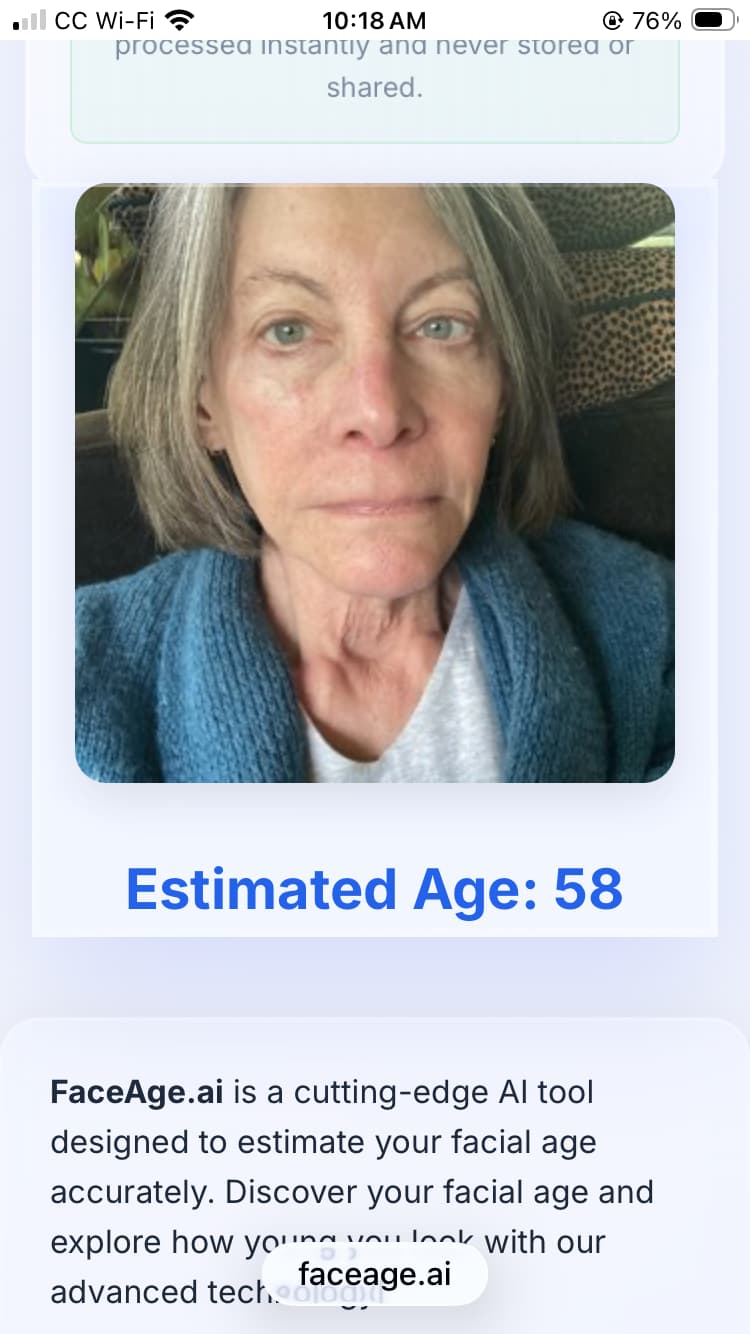
 But you’re totally right about Ozempic face. I have a friend who has lost around 30kg. While he certainly looks a lot slimmer and feels better, he looks way older overall. Cheeks have completely sunken, loads of loose skin on the neck, and of course the body.